Want the best Long Island Iced Tea cocktail recipe you can make at home? This classic mix delivers the bold, balanced punch you’re after—where every ingredient is measured for consistency instead of guesswork. Follow the step-by-step method and you’ll get a properly iced, perfectly spirit-forward drink that tastes like the real deal.
Make a classic Long Island Iced Tea at home by combining rum, tequila, gin, vodka, triple sec, sour mix, and a splash of cola over ice—then stir, taste, and adjust. If you keep the spirit proportions equal and the sour mix level right, you’ll get that signature “iced tea” balance: assertively boozy, pleasantly citrusy, and just sweet enough to stay refreshing.
Ingredients for a Classic Long Island Iced Tea
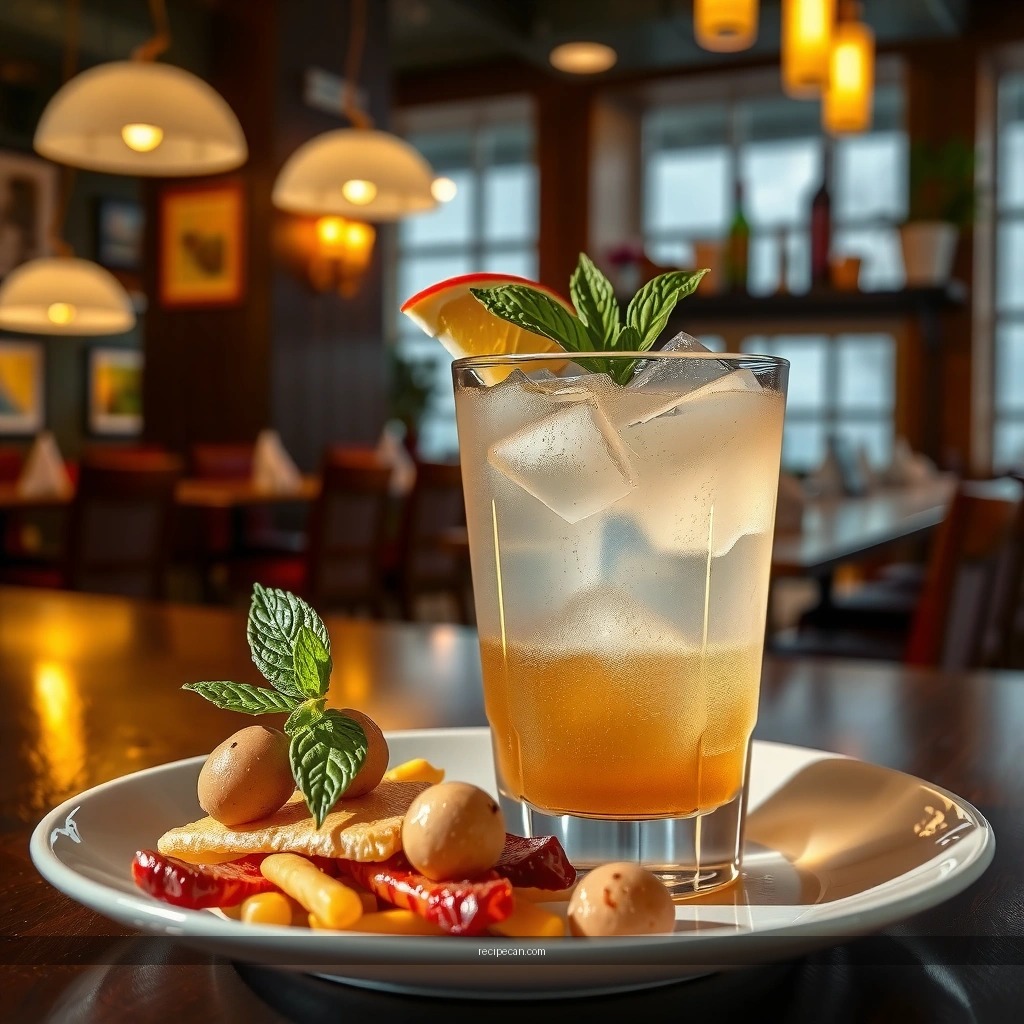
– Use equal parts rum, tequila, gin, and vodka for the signature spirit-forward taste
– Add triple sec and sour mix (or lemon-lime + simple syrup) for sweetness and tang
– Finish with cola to give the classic iced tea color and slight carbonation
A Long Island Iced Tea is built on contrast: multiple spirits for depth, sour mix for brightness, and cola for color and a gentle, familiar sweetness. The “equal parts” spirit rule matters because it creates a blended base rather than a drink that tastes dominated by one liquor. Think of it as a coordinated flavor orchestra—rum adds molasses-like warmth, tequila contributes agave character, gin brings herbal lift, and vodka rounds everything into a clean, neutral canvas.
Classic ingredient targets (one serving):
– Rum: ½ oz
– Tequila (blanco recommended): ½ oz
– Gin: ½ oz
– Vodka: ½ oz
– Triple sec: ½ oz
– Sour mix: ¾ oz
– Cola: 1–2 oz (to top)
– Ice: highball glass full
Sour mix note (important for authenticity)
Most “sour mix” is a packaged blend of sweet-and-tart components designed to mimic lemon/lime juice and simple syrup. If you don’t have sour mix, you can approximate it with lemon-lime juice + simple syrup—but start conservative, because it’s easy to over-sweeten and lose the refreshing snap that makes the drink feel like iced tea rather than dessert.
Step-by-Step Long Island Iced Tea Mixing Instructions
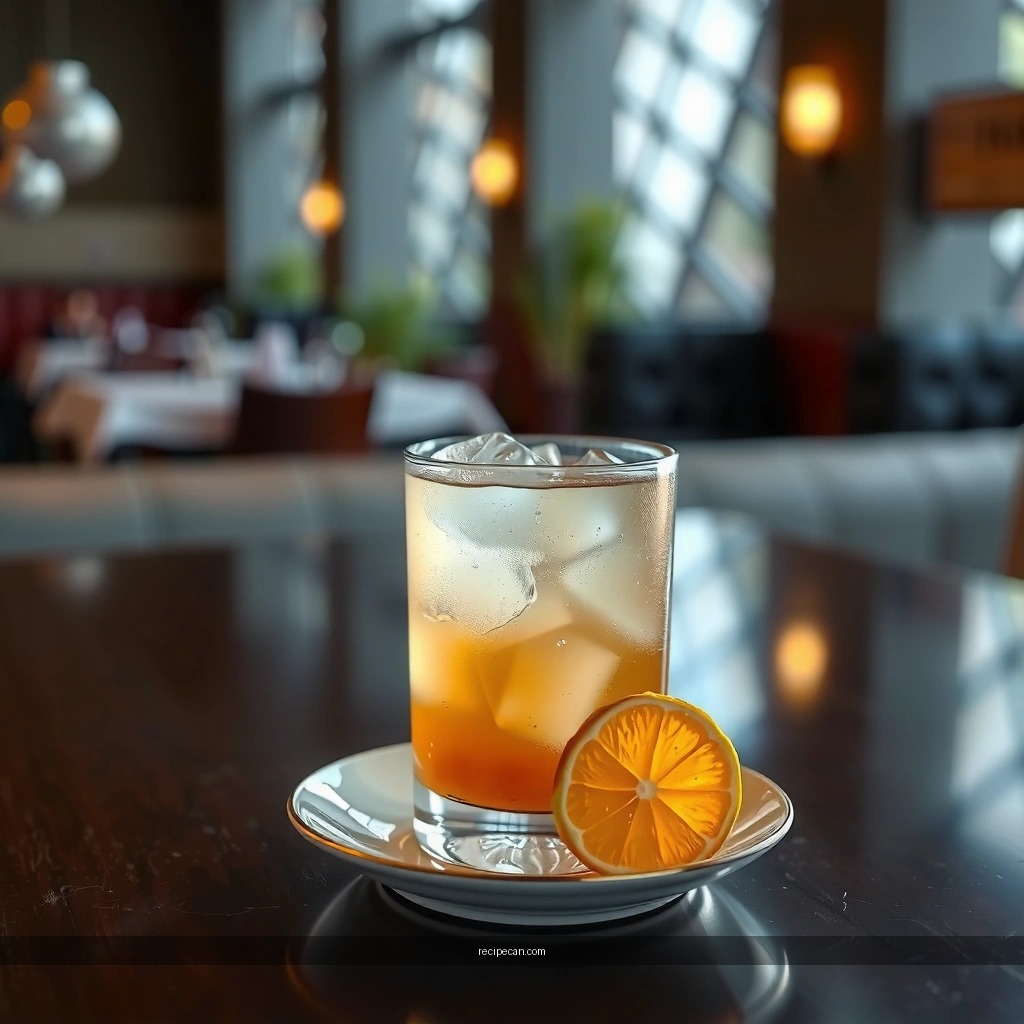
– Fill a highball glass with ice, then add the spirits and triple sec
– Pour in sour mix, stir briefly, and top with cola
– Taste and adjust sweetness or sourness before serving
Making a Long Island Iced Tea is simple, but technique determines whether it tastes crisp or flattened. Use a highball glass (the classic presentation) and big ice to control dilution. Large cubes melt more slowly, which helps your cocktail stay balanced for longer.
Step-by-step method (best practice)
1. Chill the glass (optional but helpful): If you have time, add ice to the glass for a minute, then discard and refill fresh ice.
2. Build the spirit base: Add the rum, tequila, gin, and vodka (each ½ oz) over the ice. Add triple sec (½ oz).
3. Add sour mix: Pour in sour mix (¾ oz).
4. Stir briefly: Stir for about 10–15 seconds. This integrates citrus and sweetness without excessively warming the drink.
5. Top with cola: Add 1–2 oz of cola slowly so you maintain carbonation and that “iced tea” sheen/color.
6. Taste and adjust:
– If it tastes too boozy, add a small splash of cola or ¼ oz more sour mix (not both at once).
– If it tastes too sweet, reduce cola next time or add ¼ oz more sour mix.
What “briefly stir” means in flavor terms
Long Island Iced Tea relies on the sour mix staying lively. Over-stirring can dilute too quickly and dull the bright citrus edge. Under-stirring, on the other hand, leaves triple sec sweetness and sour mix tartness unevenly distributed—one sip tastes right, the next doesn’t.
How to Get the Best Flavor Balance
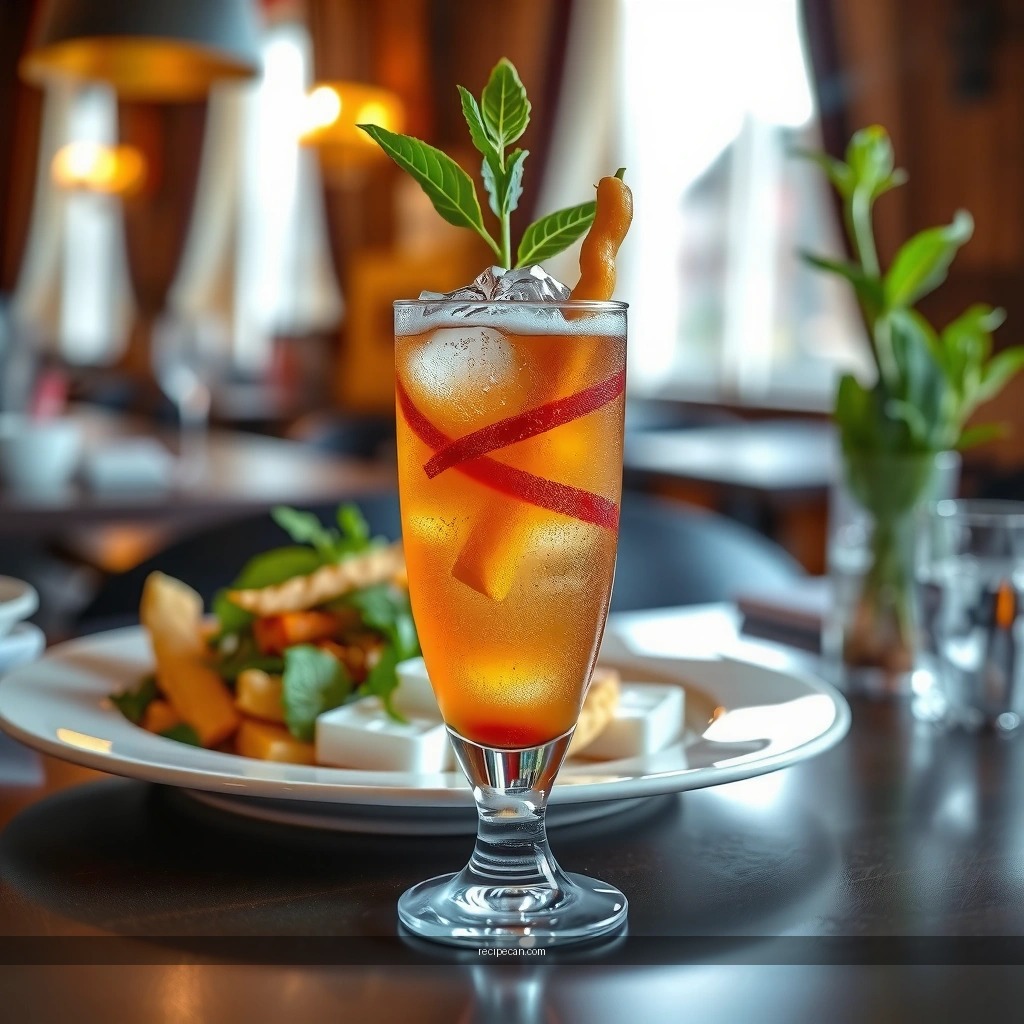
– Aim for a proper sour mix level so it stays refreshing, not just boozy
– Stir gently to combine without flattening the drink too much
– Keep proportions consistent for that “iced tea” style profile
The “classic” flavor balance comes down to three levers: sour mix volume, spirit proportion, and cola timing. If any one of these drifts, the drink can swing toward “candy-sweet,” “sharp,” or “straight liquor.”
1) Sour mix: the refreshment engine
Sour mix is not just there for taste—it gives the cocktail its structure. In practice, sour mix counterbalances the combined alcohol load from four spirits. If you go light on sour mix, the drink can taste harsh and thin, with cola contributing mostly color rather than harmony.
A reliable benchmark for one serving:
– ¾ oz sour mix is typically the sweet spot for the classic profile.
– If you prefer it brighter, go to 1 oz, but consider reducing cola slightly to keep it dry-ish.
2) Equal spirits: the “Long Island” signature
Using the same pour of rum, tequila, gin, and vodka prevents a single spirit from dominating. For example, too much gin makes it taste piney; too much vodka can make it feel flat and watery when diluted. Equal parts blend those edges into something smoother and more “iced tea-like.”
3) Cola: color and finish, not the core flavor
Cola should round out the drink, add a light caramel note, and provide fizz. It should not overwhelm citrus. That’s why “1–2 oz” is intentionally broad: ice size, glass shape, and how quickly you serve all affect how much cola flavor you actually get.
Quick balance check
When it’s right, you’ll notice:
– The first sip tastes citrusy and balanced, not sour-only.
– The mid-palate tastes boozy but integrated, not separate layers.
– The finish tastes slightly sweet with cola character, like a familiar bar version.
Long Island Iced Tea Ingredient Roles & Balance Impact (1 serving)
| # | Component | Typical Pour | Primary Job | Balance Score |
|---|---|---|---|---|
| 1 | Rum | ½ oz | Warmth & depth | ★★★★☆ |
| 2 | Tequila | ½ oz | Agave character | ★★★★☆ |
| 3 | Gin | ½ oz | Herbal lift | ★★★★☆ |
| 4 | Vodka | ½ oz | Clean blending | ★★★☆☆ |
| 5 | Triple Sec | ½ oz | Citrus sweetness | ★★★★☆ |
| 6 | Sour Mix | ¾ oz | Tart structure | ★★★★★ |
| 7 | Cola | 1–2 oz | Color & finish | ★★★★☆ |
Garnishes and Serving Tips
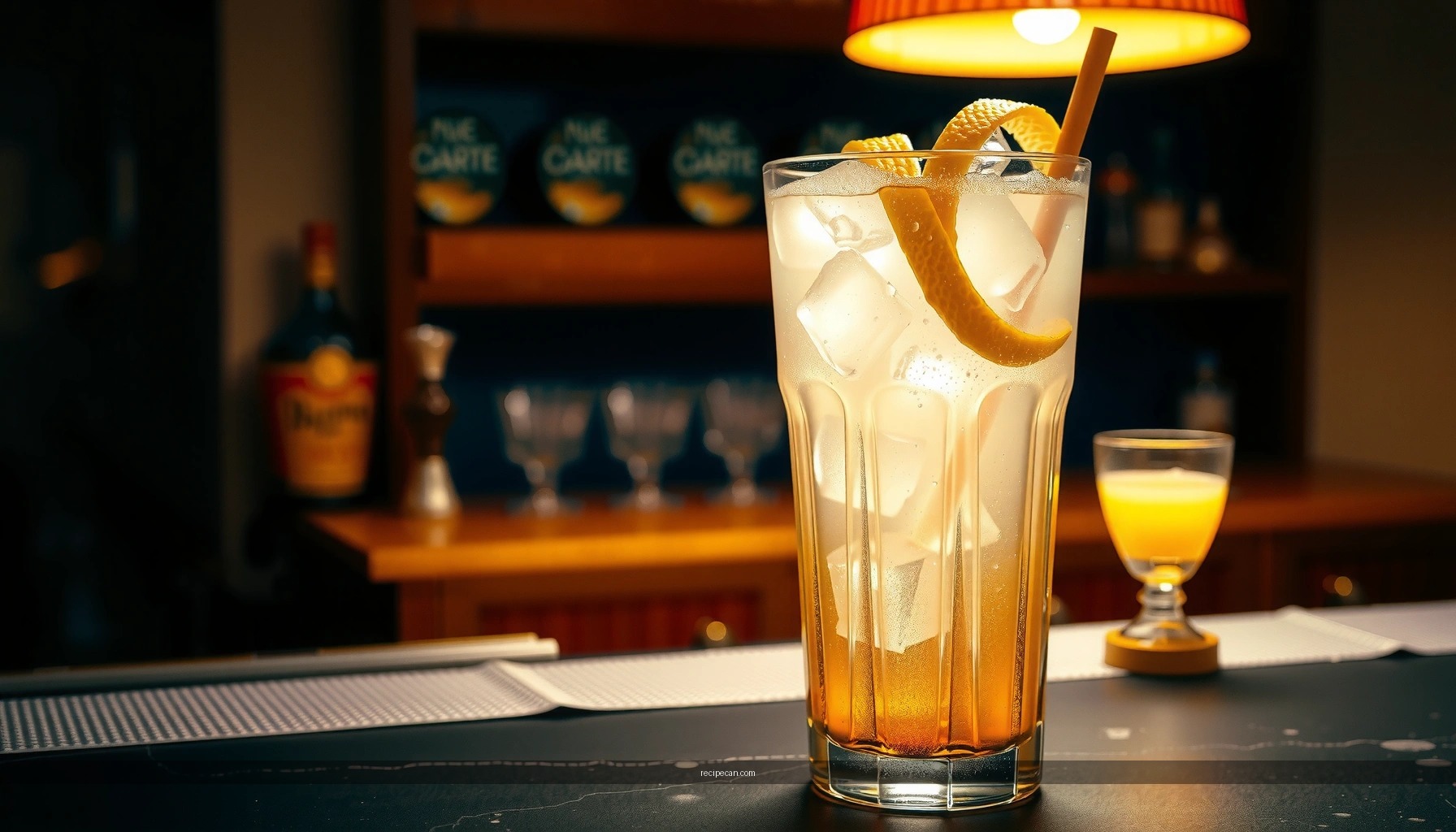
– Serve over fresh, large ice cubes for better dilution control
– Garnish with a lemon wedge or lemon peel for bright aroma
– Use a highball glass to match the classic presentation
A garnish doesn’t “fix” a poorly balanced drink, but it can elevate the sensory experience. The Long Island Iced Tea already tastes citrus-forward thanks to triple sec and sour mix—so a lemon garnish boosts aromatics at the moment the drink reaches your nose.
Serving best practices
– Ice matters: Use large cubes or at least a substantial batch of slow-melting ice. The slower melt preserves the drink’s sour-sweet structure.
– Glass choice: A highball glass matches the traditional look and offers adequate headspace for cola carbonation.
– Garnish method:
– Lemon wedge: express over the top (quick squeeze), then float on the drink or rest at the rim.
– Lemon peel: twist to release oils, then discard or lightly lay on top.
Timing for hosting
If you’re serving multiple guests, consider staging:
– Pre-measure spirits and triple sec in cups or a pouring pitcher.
– Add sour mix per drink right before topping with cola.
This keeps everyone’s cocktail tasting consistently fresh instead of waiting while cola goes flat.
Make-It-Right Variations (Optional)
– Swap sour mix with homemade lemon-lime syrup for more control
– Try diet cola or less cola for a lighter finish
– For a stronger version, slightly increase the spirits while keeping sour mix steady
Once you nail the classic proportions, small changes let you target your preferences—without losing the “iced tea” identity.
1. More control over sweetness/tartness
– Replace sour mix with homemade lemon-lime + simple syrup.
– Start with the equivalent of ¾ oz sour mix and adjust by adding syrup in ¼ tsp increments (or a few drops if using concentrated syrup).
2. Lighter finish
– Use diet cola or reduce cola volume to ½–1 oz.
– If you reduce cola, your drink may taste sharper—compensate by sticking close to ¾ oz sour mix and keeping triple sec at ½ oz.
3. Stronger Long Island Iced Tea
– Increase spirits by a quarter-ounce each (or increase just one spirit if you want a specific flavor note), but keep sour mix constant to avoid making it unpleasantly sour or overly hot.
The key philosophy: alter one variable at a time. That way, you learn exactly how your changes affect balance—an approach that’s especially useful if you’re refining a party menu.
Drink Safety and Responsible Enjoyment
– Know that this cocktail can be high alcohol due to multiple spirits
– Pace yourself and consider having water between drinks
– If hosting, pre-measure ingredients to keep servings consistent
A Long Island Iced Tea stacks multiple base spirits, which means the alcohol impact is significant even when the drink seems “soda-like” due to cola and ice. Treat it like a strong mixed drink, not a casual highball.
Practical safety tips:
– Pace yourself: Wait between drinks; avoid back-to-back servings.
– Hydrate: Have a glass of water between cocktails, especially if you’re outdoors or eating salty food.
– For hosting: Pre-measure ingredients (especially sour mix and spirits). Consistency helps prevent accidental overpouring, which is the most common reason these cocktails become unexpectedly strong.
Sour mix + a balanced blend of rum, tequila, gin, vodka, triple sec, and cola is the easiest path to a great Long Island Iced Tea cocktail. Mix carefully, start with the classic proportions, and adjust sweetness or sourness to your taste—then serve it ice-cold with a lemon garnish and enjoy responsibly.
Frequently Asked Questions
What is the classic Long Island Iced Tea cocktail recipe and how do I make it at home?
A classic cocktail Long Island Iced Tea recipe combines vodka, gin, rum, and tequila with triple sec and a splash of sweet-and-sour mix, finished with cola over ice. Add ice to a shaker, pour in the spirits and triple sec, then shake hard and strain into a highball glass filled with fresh ice. Top with cola and garnish with a lemon wedge for a balanced, crowd-pleasing Long Island Iced Tea flavor.
How strong is an Easy Long Island Iced Tea recipe, and what can I do to control the alcohol level?
Long Island Iced Tea is typically strong because it uses multiple liquors—usually vodka, gin, rum, and tequila—so it can pack a high ABV even when it’s served like a “tea” drink. To control the strength, reduce the amount of one or more spirits (for example, use 1/2 oz each instead of 3/4 oz) and increase sweet-and-sour or cola. You can also serve it in a taller glass with extra ice or consider a lower-proof option for one of the bases.
Why does Long Island Iced Tea taste so good, and what role do sweet-and-sour and cola play?
The flavor comes from combining sweet triple sec, tangy sweet-and-sour, and the layered spirit base—vodka, gin, rum, and tequila all contribute distinct notes. Sweet-and-sour helps smooth out the harshness of the alcohol while adding brightness, and cola adds depth, a subtle caramel-like sweetness, and the signature “tea” illusion. Using the right balance is key: too little sour makes it cloying, and too much cola can mute the cocktail long island iced tea’s citrus-forward profile.
Which ingredients are essential for the best Long Island Iced Tea, and what substitutes work if you’re missing something?
The essentials are vodka, gin, rum, tequila, triple sec, sweet-and-sour mix, and cola for the top. If you’re missing triple sec, you can use an orange liqueur with a similar sweetness; if you don’t have sweet-and-sour, mix lemon juice plus a simple syrup until you match the sweet-tart balance. For a smoother finish, choose a reasonably clean tequila and avoid overly smoky spirits, since the classic cocktail long island iced tea is meant to be crisp and balanced.
What’s the best way to shake versus stir a Long Island Iced Tea, and should I use fresh ice?
Most Long Island Iced Tea recipes call for shaking the spirits, triple sec, and sweet-and-sour with ice because shaking chills quickly and helps blend the cocktail base. You then pour into a highball with fresh ice and top with cola rather than shaking the cola itself, so it stays effervescent. Using fresh, large cubes or plenty of ice helps prevent dilution and keeps the flavors crisp from the first sip to the last.
References
- Long Island iced tea
https://en.wikipedia.org/wiki/Long_Island_iced_tea - Google Scholar Google Scholar
https://scholar.google.com/scholar?q=%22Long+Island+iced+tea%22+recipe - Google Scholar Google Scholar
https://scholar.google.com/scholar?q=%22Long+Island+iced+tea%22+history+ingredients - Google Scholar Google Scholar
https://scholar.google.com/scholar?q=Long+Island+iced+tea+origin+cocktail - Long Island iced tea recipe | Good Food
https://www.bbcgoodfood.com/recipes/long-island-iced-tea - https://www.theguardian.com/food/series/cookbook-library/search?q=long+island+iced+tea
https://www.theguardian.com/food/series/cookbook-library/search?q=long+island+iced+tea - https://www.nytimes.com/search?query=long%20island%20iced%20tea
https://www.nytimes.com/search?query=long%20island%20iced%20tea - [long island iced tea] Results from Serious Eats
https://www.seriouseats.com/search?q=long%20island%20iced%20tea - Search Smithsonian Magazine
https://www.smithsonianmag.com/search/?q=%22Long+Island+iced+tea%22 - [long island iced tea] Results from Allrecipes
https://www.allrecipes.com/search?q=long%20island%20iced%20tea