Want a Russian tea recipe that produces a classic, comforting pot every time? This guide walks you through the exact ingredients and step-by-step method to brew the signature warm, lightly spiced flavor without guesswork. Follow it and you’ll get a bold, drink-ready pot that tastes like the Russian tea served at home on cold days.
This Russian tea recipe is simple: steep black tea strong, simmer it briefly with warming spices, then sweeten and add citrus to taste for a cozy, balanced cup. Follow the steps below—exactly—so your homemade Russian tea delivers that comforting aroma, gentle body, and signature sweet-tart profile.
Gather Ingredients for Russian Tea
A classic Russian tea (often served hot, especially in homes and during colder months) is built on three pillars: a robust black-tea base, warm spices, and a sweet-citrus finish. Getting the ingredients right—and in the right proportions—matters more than “special” equipment.
What to buy (and why)
– Choose black tea (or tea bags) as the base
Use strong black tea for the best flavor foundation. Tea bags work perfectly; the key is concentrating the brew so the spices don’t get lost.
– Use sugar and citrus (like lemon or orange) for balance
Russian tea is typically sweetened while remaining bright. Use granulated sugar, brown sugar, honey, or a blend, then add lemon or orange juice (and/or zest) for lift.
– Add spices (such as cinnamon/cloves) for the classic warm flavor
Traditional warm-spice profiles often include cinnamon, cloves, and sometimes cardamom or allspice. These deliver the “comforting” aroma associated with Russian winter drinks.
Real-world flavor guidance (what each ingredient contributes)
– Black tea: tannic structure and body
– Cinnamon: sweetness perception + aromatic warmth
– Cloves: depth and “spiced” character (use lightly)
– Sugar: rounds sharpness from tea and citrus
– Lemon/orange: balances bitterness with bright acidity
Classic Russian Tea Flavor Targets (Best Practice Ranges)
| # | Ingredient or Step | Typical Range for 1 Liter | Why It Matters | Outcome Fit |
|---|---|---|---|---|
| 1 | Black tea strength | 4–6 tea bags or 12–18 g loose tea | Prevents spices from overpowering | ★ |
| 2 | Brew time (steep) | 5–8 minutes | Builds body and tannin backbone | ★★ |
| 3 | Cinnamon contribution | 2–6 g powder or 1–2 sticks | Warm aroma without harshness | ★★★ |
| 4 | Clove usage | 2–6 cloves (whole) | Adds depth—too much can dominate | ★★ |
| 5 | Sweetener amount | 30–70 g sugar (adjust to taste) | Rounds tea bitterness and balances citrus | ★★★★ |
| 6 | Citrus (juice) | 30–90 ml lemon/orange juice | Provides tang and bright aromatic lift | ★★★ |
| 7 | Simmer duration (infusion) | 3–7 minutes on low | Deepens aroma without bitterness spikes | ★★★★ |
Brew the Tea Base
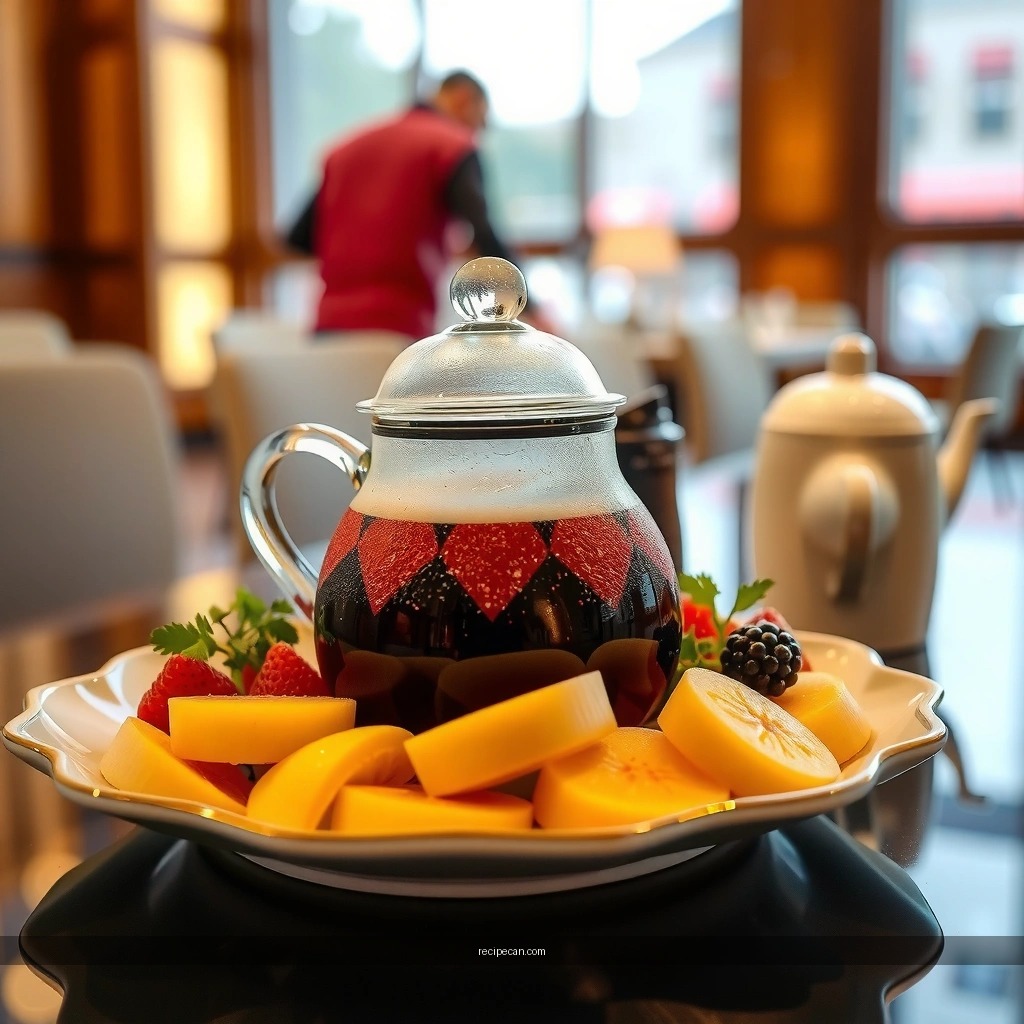
Your tea base sets the entire sensory profile—body, bitterness level, and the “canvas” the spices will paint on. If the tea is weak, the simmer and citrus won’t rescue it.
Step-by-step brewing (the reliable method)
1. Steep the tea strong
– Brew 5–8 minutes for black tea.
– Use either tea bags or loose leaf; aim for a concentrated brew that tastes “slightly bold” on its own.
2. Strain if needed
– Loose tea should be strained for a clean finish.
– Tea bag contents can remain if your bags are string-tied and easy to remove later.
3. Adjust sweetness after tasting, not before
– Start unsweetened or lightly sweet.
– Tea sweetness perception changes after simmering and after adding citrus.
4. Keep the liquid hot for the next step
– Have your spices ready, so the process flows smoothly and the tea stays at infusion temperature.
Analytical note: why “strong first” matters
Spices extract compounds best when the liquid is warm, but black tea also extracts bitterness if over-steeped. A strong steep followed by a short simmer gives you aroma depth without pushing harsh notes too far.
Simmer for Flavor Infusion
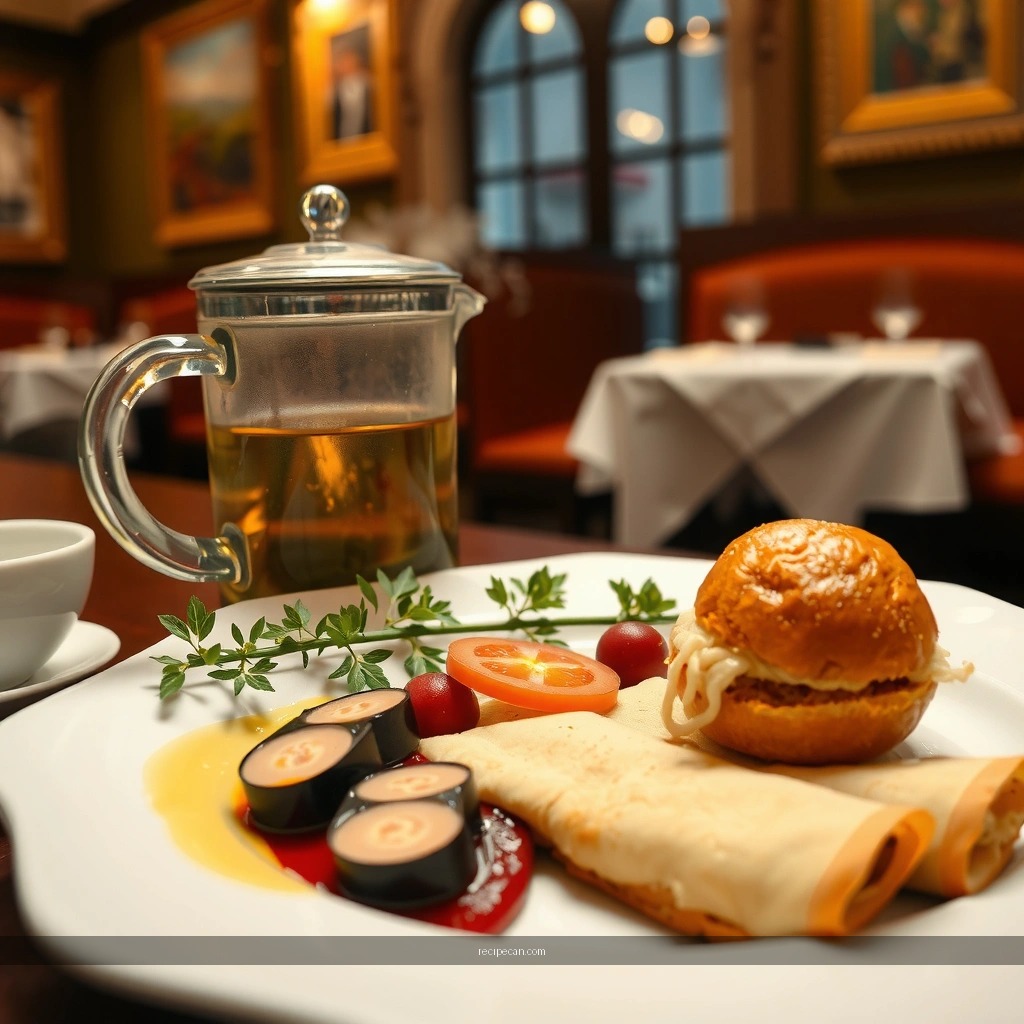
This is where classic Russian tea becomes “cozy”: the short simmer warms and melds spices into the tea rather than leaving them as separate, floating flavors.
Simmering technique
– Gently simmer with spices to deepen the aroma
Add your cinnamon (sticks or powder) and cloves (whole are easiest to remove). Optional additions like cardamom pods can be used sparingly.
– Stir occasionally and taste as it warms
Taste at around the 3–minute mark. Spices can go from pleasant to overpowering quickly, especially cloves.
– Avoid boiling hard to keep flavors smooth
A rolling boil can intensify bitterness in tea. Keep it low and steady—think “tending,” not “boiling.”
Typical simmer timing
For most recipes, 3–7 minutes is enough to create a noticeable aroma without turning the tea medicinal or sharp.
Add Signature Sweet & Citrus Notes
The signature Russian comfort profile is balanced: sweet enough to soothe, but bright enough to wake up the palate. Citrus should lift the tea, not mask it.
How to add citrus correctly
– Mix in lemon or orange juice (and/or zest if desired)
Add juice after the spice infusion. Optional: add a small amount of zest for extra fragrance.
– Sweeten gradually until it’s how you like it
Stir in sugar (or honey) in increments: start with about half your target amount, taste, then refine.
– Balance tang and sweetness for the classic profile
If it tastes flat, add a touch more citrus. If it tastes too sharp, add more sweetener.
Practical taste targets (so you can “nail it” fast)
A well-made cup should feel:
– warm and aromatic from cinnamon/cloves
– smooth, not harsh
– sweet-tart rather than purely sweet
Serve Warm Like a Traditional Russian Tea
Serving is part of the ritual—warmth matters because it enhances aroma and helps spices read as comforting instead of dry.
Serving best practices
– Serve hot in mugs and keep it ready to refill
Russian tea is often presented as a “serve and refill” drink. Keep a low heat or covered hot pot.
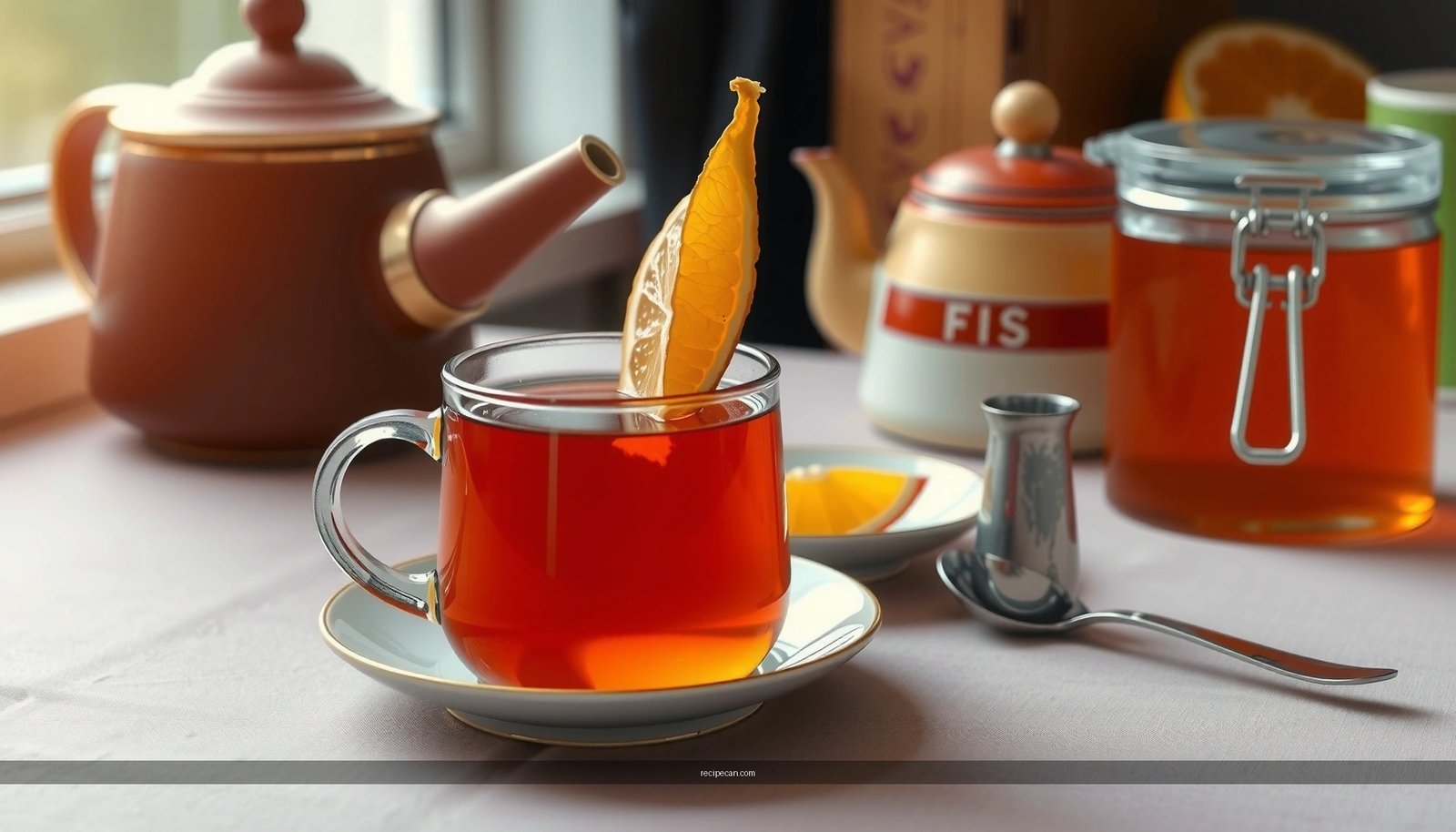
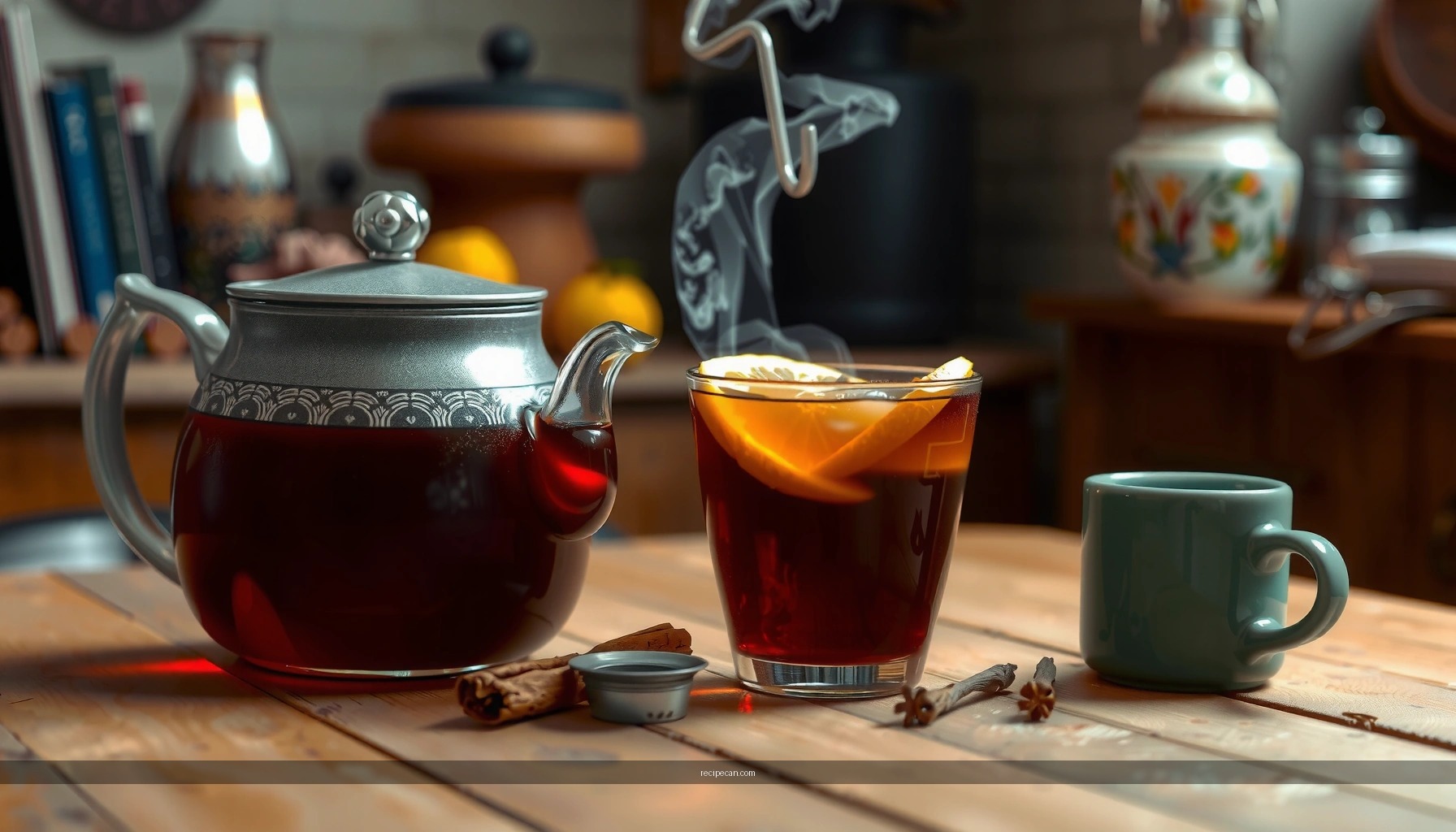
– Garnish optionally with a cinnamon stick or lemon slice
A cinnamon stick doubles as aroma and visual cue. A thin lemon slice adds a clean, fresh note.
– Pair with cookies or pastries if you’re serving guests
Choose flavors that match warm spice: ginger cookies, shortbread, honey cakes, or almond pastries.
Hosting perspective: consistency for guests
If you’re serving multiple people, batch the tea, then keep it warm on low heat. Stir gently before pouring to distribute citrus and spices.
Make It Ahead and Reheat Easily
A major advantage of a Russian tea recipe is that it can be prepared in advance, which supports busy schedules and entertaining.
Make-ahead workflow
– Store covered in the fridge once cooled
Cool the tea, then refrigerate in a covered container to prevent flavor loss and odor absorption.
– Reheat gently on the stove or in the microwave
Reheat slowly to preserve spice aroma and avoid over-bittering.
– Re-adjust sweetness or spice if needed after chilling
Cold temp changes taste perception. After reheating, taste and fine-tune:
– add a teaspoon of sugar if it’s too tart
– add a pinch of cinnamon if the flavor feels muted
Quality note: avoid boiling during reheating
Treat reheating like a warming infusion, not a second cook. Gentle heat maintains the “classic comforting pot” character.
This Russian tea recipe delivers a warm, comforting drink with a simple simmer-and-sweeten process. Follow the steps for steeping, infusing spices, and balancing citrus, then serve it hot right away or reheat it for later—try it today and make your next tea moment a cozy classic.
Russian Tea Recipe: How to Make a Classic Comforting Pot
Conclusion
To make classic Russian tea successfully, focus on three controllable steps: brew a strong black-tea base, simmer spices only briefly and gently, then finish with sweetness and citrus tuned to your taste. If you batch it ahead, store it covered, and reheat softly, you’ll get a consistent, aromatic pot of Russian tea that feels comforting on demand.
Frequently Asked Questions
What is a classic Russian tea recipe and what ingredients do I need?
A classic Russian tea recipe is typically a cozy, spiced hot drink made with black tea or a tea concentrate mixed with cranberry juice, sugar (or honey), and warm spices like cinnamon, cloves, and sometimes orange peel. You’ll also often see ingredients like lemon juice or orange juice for brightness, plus optional vodka-free “tea mix” ingredients for a richer flavor. The most common base is brewed black tea with cranberry juice, then sweetened and spiced to taste.
How do I make Russian tea from scratch at home (step-by-step)?
Brew a strong pot of black tea first, then stir in cranberry juice (or cranberry juice cocktail) while the tea is hot. Add sugar or honey until it reaches your desired sweetness, then simmer lightly with cinnamon sticks, cloves, and orange peel for 5–10 minutes to deepen the flavor. Taste and adjust by adding a squeeze of lemon juice for acidity, then strain (if needed) and serve hot.
Why does Russian tea taste better after it sits, and how long should I steep it?
Russian tea often tastes more balanced after sitting because the spices have more time to infuse into the tea and cranberry base. After cooking, let it steep for at least 30 minutes, or refrigerate it and enjoy it the next day for a fuller, more integrated flavor. If the tea becomes too strong, simply dilute with a bit of water or additional hot tea before serving.
What are the best spices for Russian tea, and how much should I use?
The best spices for Russian tea are cinnamon, cloves, and ginger, with orange peel as a popular aromatic addition. Start with about 1 cinnamon stick or 1–2 teaspoons ground cinnamon, 2–5 whole cloves (or a small pinch if using ground), and a small amount of ginger to avoid overpowering the cranberry flavor. Always taste as you go, because spice strength varies by brand and whether you use whole spices or ground spices.
Which version of Russian tea is easiest—powdered mix, tea bags, or a homemade concentrate?
The easiest approach is often using tea bags plus cranberry juice, because it gives you a fresh homemade taste with minimal effort. Powdered Russian tea mix packets are convenient and fast, but they can be sweeter or less customizable, so you may need to cut sugar or add extra citrus. Homemade concentrate is great if you want batch cooking: simmer your tea base with spices, then store it and dilute with hot water when serving for consistent results.
References
- https://en.wikipedia.org/wiki/Russian_tea
https://en.wikipedia.org/wiki/Russian_tea - Google Scholar Google Scholar
https://scholar.google.com/scholar?q=Russian+tea+recipe - Google Scholar Google Scholar
https://scholar.google.com/scholar?q=%22Russian+tea%22+drink+recipe - Google Scholar Google Scholar
https://scholar.google.com/scholar?q=Russian+tea+punch+recipe - Google Scholar Google Scholar
https://scholar.google.com/scholar?q=hot+spiced+tea+punch+Russian+tea - Google Scholar Google Scholar
https://scholar.google.com/scholar?q=instant+Russian+tea+mix+recipe+history - Google Scholar Google Scholar
https://scholar.google.com/scholar?q=cranberry+lemon+tea+punch+%22Russian+tea%22 - Google Scholar Google Scholar
https://scholar.google.com/scholar?q=Russian+tea+mix+ingredients+study - Google Scholar Google Scholar
https://scholar.google.com/scholar?q=American+invention+%22Russian+tea%22+history - Google Scholar Google Scholar
https://scholar.google.com/scholar?q=Russian+tea+Earl+Grey+clove+cinnamon+recipe