Get the best Long Island Iced Tea recipes that deliver the classic, strong, citrusy taste without guesswork. This guide picks the easiest true-to-tradition method, showing you the exact mix order and proportions for a consistent, crowd-ready drink. If you want a Long Island Iced Tea that tastes right every time—fast, simple, and reliably potent—this is the winning recipe to use.
You can make a strong, classic Long Island Iced Tea at home by nailing the “spirit-to-sour-to-sweet” balance and building the drink over plenty of ice, then finishing with cola and a gentle stir. Below are reliable, bar-style methods (traditional and quick variations) so your homemade Long Island iced tea tastes consistent—batch after batch—without guesswork.
Craving a strong, classic Long Island Iced Tea? You’ll learn reliable recipes with the right ingredient balance and a simple step-by-step method to make it taste like the bar. This guide covers both the traditional version and quick variations so you can mix confidently.
Classic Long Island Iced Tea Recipe
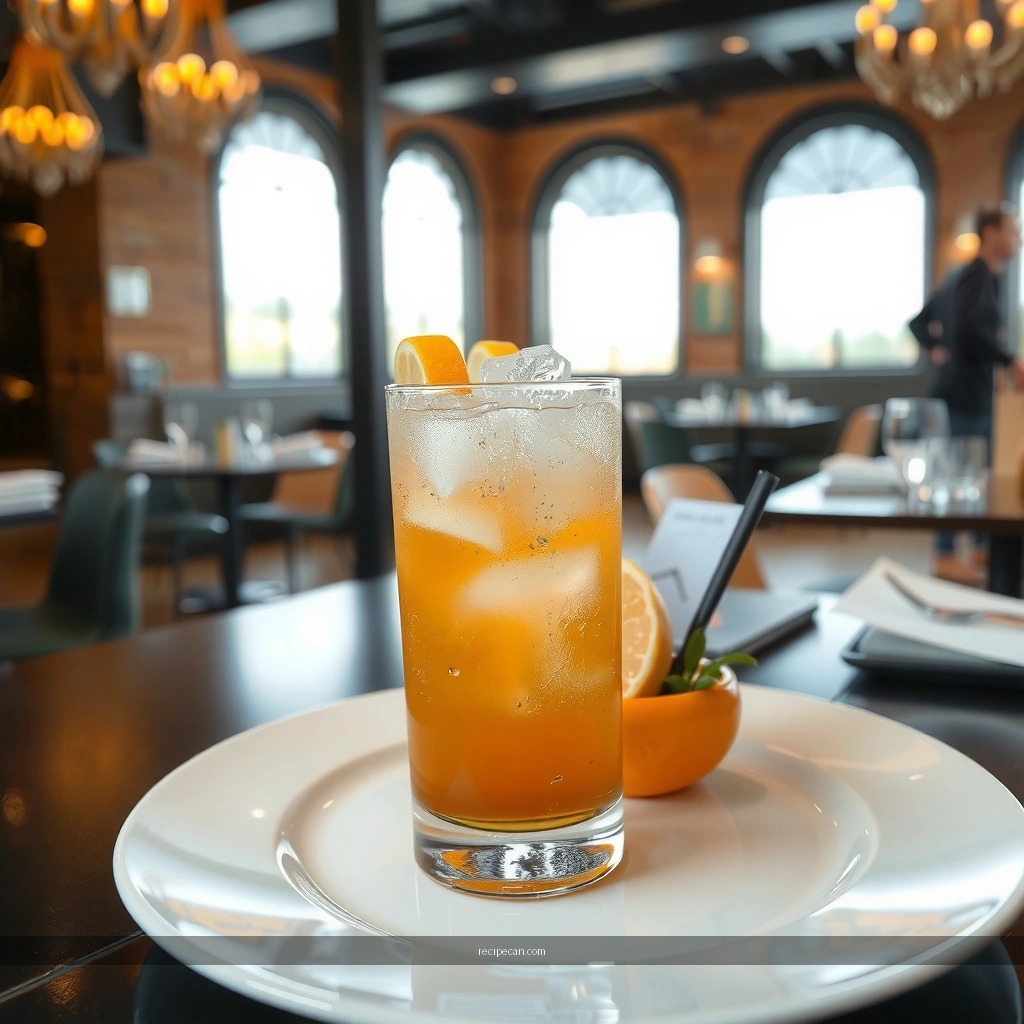
A true classic Long Island Iced Tea is built around the signature idea: multiple base spirits, a touch of triple sec for sweetness and lift, lemon juice for brightness, and cola for that familiar finish. The “classic” profile typically uses five spirits—commonly vodka, gin, white rum, tequila, and triple sec (plus the triple sec itself is part of what gives it structure). Most bar recipes then add lemon juice and cola.
Classic method (1 drink):
– Ice: Fill a tall mixing glass or shaker with plenty of ice (this is critical for dilution and temperature)
– Vodka: 1/2 oz (15 ml)
– Gin: 1/2 oz (15 ml)
– White rum: 1/2 oz (15 ml)
– Tequila (silver): 1/2 oz (15 ml)
– Triple sec: 1/4 oz (7.5 ml)
– Lemon juice (fresh if possible): 1/2 oz (15 ml)
– Simple syrup (optional, but often used for consistency): 1/8–1/4 oz (optional depending on how tart your lemon juice is)
– Cola: 1–1 1/2 oz (30–45 ml) to top
– Garnish: Lemon wedge or twist
Build it like a bar:
1. Combine spirits, triple sec, and lemon juice in a shaker or mixing glass with ice.
2. Stir or shake briefly—for this drink, stirring can preserve clarity and reduce excessive dilution, while shaking can create a slightly more “integrated” flavor.
3. Strain into a tall highball glass filled with fresh ice.
4. Top with cola and stir gently once or twice—just enough to marry flavors without flattening the carbonation.
> Practical takeaway: The “bar taste” often comes less from exact brand selection and more from consistent ice, correct lemon measurement, and a controlled cola top.
Long Island Iced Tea: Flavor Balance Guide (1 drink)
| # | Component | Typical Pour | Role in Taste | Consistency Score |
|---|---|---|---|---|
| 1 | Vodka | 0.5 oz (15 ml) | Neutral body; smooth alcohol base | ★★★★☆ |
| 2 | Gin | 0.5 oz (15 ml) | Botanical lift; classic crisp edge | ★★★☆☆ |
| 3 | White Rum | 0.5 oz (15 ml) | Soft sweetness; rounding effect | ★★★★☆ |
| 4 | Silver Tequila | 0.5 oz (15 ml) | Dry backbone; brightness under cola | ★★★☆☆ |
| 5 | Triple Sec | 0.25 oz (7.5 ml) | Orange sweetness + aromatic structure | ★★★★☆ |
| 6 | Lemon Juice (fresh) | 0.5 oz (15 ml) | Tart lift to balance alcohol + cola | ★★☆☆☆ |
| 7 | Cola (top) | 1.0–1.5 oz (30–45 ml) | Sweetness + cola aroma; finishing texture | ★★★☆☆ |
Ingredient Ratios That Make It Taste Right
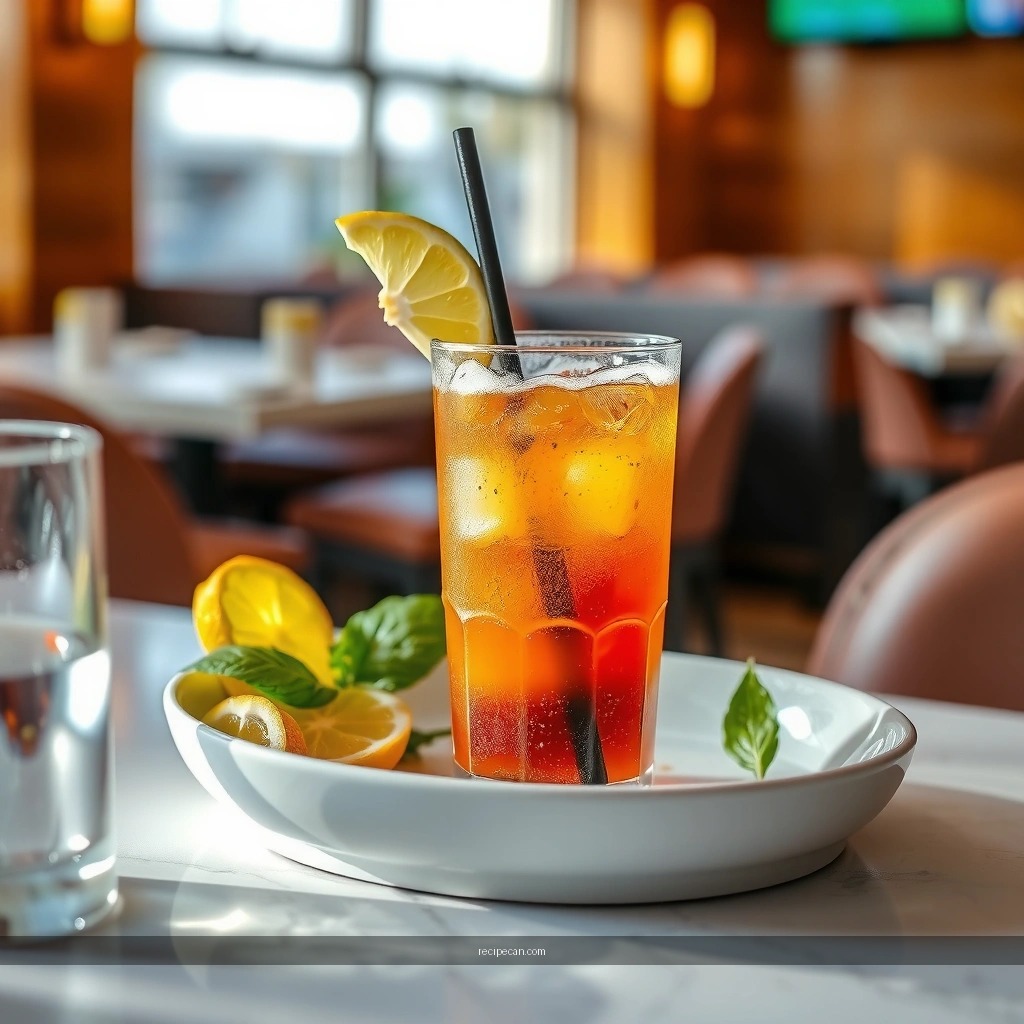
The Long Island Iced Tea is frequently misunderstood as “a lot of alcohol with cola.” In practice, it’s a precision balance of three sensory drivers:
1. Spirit base (structure): The combined five spirits provide body and perceived strength.
2. Sour (acidity and lift): Lemon juice prevents the drink from tasting flat or syrupy.
3. Sweet (triple sec + cola): Triple sec adds orange warmth; cola adds caramel-like sweetness and carbonation.
A reliable baseline ratio
A practical formula for a classic Long Island iced tea (1 drink) is:
– Total spirits: 2.25 oz (67.5 ml) (e.g., 0.5 oz each of vodka, gin, rum, tequila)
– Triple sec: 0.25 oz (7.5 ml)
– Lemon juice: 0.5 oz (15 ml)
– Cola: 1.0–1.5 oz (30–45 ml)
Why lemon measurement matters
Lemon juice is the “control knob.” Too little lemon and your drink trends toward sweet, heavy, and alcoholic; too much and it becomes sharp, metallic, or aggressively tart—especially once cola hits. For consistent results:
– Prefer fresh lemon juice (bottled can vary widely by brand and age).
– If you’re using bottled lemon juice, reduce initial lemon by ~10–15% and adjust next batch.
– If your lemon is unusually tart, add a small amount of simple syrup (1/8 oz / 2–4 ml) rather than increasing spirits.
> Analytical lens: Because cola is also sweet, carbonation, and diluted flavor in the glass all change your perceived balance, you want lemon and sweeteners to be measured rather than “eyeballed.”
Step-by-Step Mixing Instructions
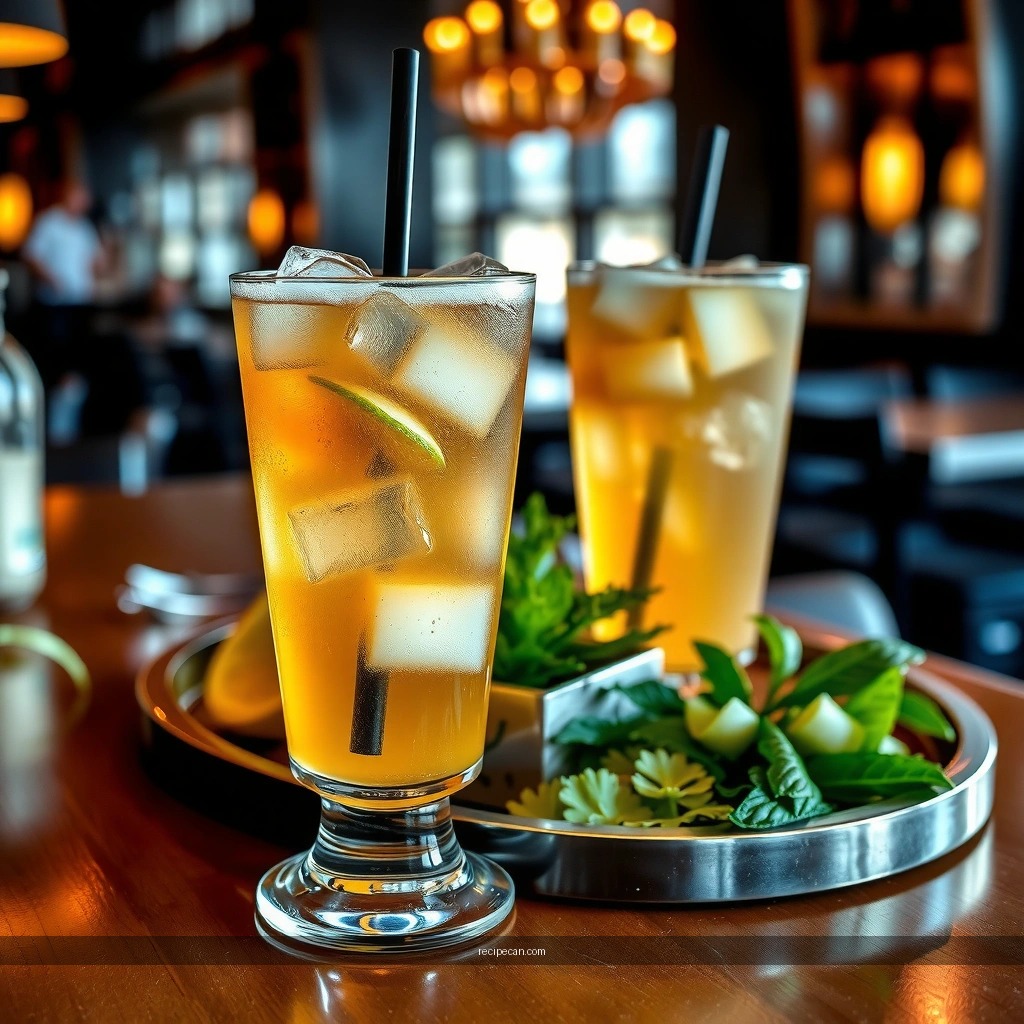
To get that clean, bar-quality Long Island iced tea profile, follow the order and technique. The goal is controlled dilution and temperature—without destroying carbonation.
Step-by-step (bar-style)
1. Chill and ice up: Use a mixing glass or shaker filled with fresh ice. Cold ingredients help lock in flavor contrast.
2. Combine the spirits + aromatics: Add vodka, gin, white rum, tequila, triple sec, and lemon juice.
3. Shake or stir with intention:
– Stir (recommended if you want clarity): 15–25 seconds.
– Shake (recommended if you want faster dilution): 8–12 seconds.
Either approach works; consistency is what matters.
4. Strain over fresh ice: Strain into a tall highball glass filled with a fresh block or large cubes.
5. Top with cola: Add cola last.
6. Stir gently: Just 1–2 gentle stirs to integrate, then stop.
Serving format for best flavor perception
A tall glass matters. It:
– Keeps the drink cold longer (less melt-per-minute)
– Preserves carbonation feel (cola doesn’t lose fizz as quickly)
– Improves aroma release around the rim
Batch tip for hosting
If you’re serving multiple drinks:
– Mix the base (spirits + triple sec + lemon) in bulk, portion it into glasses over fresh ice, then top each with cola at the last moment.
Flavor Variations to Try
Once the classic is consistent, variations are easiest when you change one variable at a time. That’s how you learn what makes your perfect Long Island iced tea “yours.”
1) Adjust sour vs. sweet (small, high impact changes)
– Want brighter, more “crisp” bar energy? Increase lemon by +1/8 oz (≈3–4 ml).
– Want a smoother, less tart finish? Decrease lemon by -1/8 oz and/or reduce cola slightly.
If you add extra sweetness:
– Add only a touch more triple sec (e.g., +1 tsp / 5 ml) rather than adding more cola first. Triple sec sweetens with citrus nuance; cola sweetens with caramel carbonation.
2) Swap mixers for a new profile
If cola is the traditional anchor, switching the mixer changes the aromatic and sweet profile:
– Diet cola: Less sugar sweetness; keeps the spirit-forward feel. Great when you don’t want the drink to taste “heavy.”
– Ginger ale: Adds spicy warmth and elevates the gin and rum notes. Use slightly less ginger ale than cola to avoid overpowering sweetness.
– Club soda + a small splash of cola: Keeps the drink refreshing and less sweet while preserving some cola character.
Guideline: When switching mixers, keep the spirit + sour portion the same, then adjust only the last topping.
Garnishes & Serving Tips
Garnish isn’t just aesthetic—it can strongly affect aroma and perceived taste.
Best practice garnish
– Lemon wedge or twist: A lemon twist (expressed over the top) is often more aromatic than a wedge.
– If serving to a mixed group, use wedges so guests can control intensity.
Ice quality and glassware
– Use fresh, large ice (slow-melting) so dilution doesn’t spike before the guest takes the first sip.
– A tall highball glass is ideal for Long Island iced tea because it balances volume, aroma, and carbonation.
Temperature control
If your glass is pre-chilled and your ice is cold, you’ll need less dilution to hit the same final flavor. That means the drink tastes more “designed,” not “accidentally watered down.”
Troubleshooting Common Mistakes
Even skilled home bartenders run into predictable issues. The fastest fixes are usually proportional.
Too strong (alcohol-forward)
Likely causes:
– Too little dilution (not enough ice contact time)
– Too much spirit quantity
– Cola topped in too small an amount
Fixes:
– Increase cola top slightly (e.g., from 1.0 oz to 1.25–1.5 oz)
– Stir a bit longer (or shake briefly) to improve dilution
– On next batch, reduce each spirit by ~1/8 oz (≈4 ml) while keeping proportions consistent
Too sweet or flat
Likely causes:
– Lemon juice too low
– Cola topped too heavily
– Ice too warm (weakens flavor contrast)
Fixes:
– Add +1/8 oz lemon juice next batch (or reduce cola by ~1/4 oz / 7 ml)
– Use fresher, colder ice and a chilled glass
– Ensure cola goes in last, and stir gently rather than continuously
Too sharp / overly tart
Likely causes:
– Lemon measurement too high
– No balancing sweetness added for that lemon’s acidity
Fixes:
– Reduce lemon by 1/8 oz
– If needed, add a small amount of simple syrup (about 1 tsp / 5 ml) rather than adding more spirits
“Bitter” or off-flavor (uncommon but real)
Likely causes:
– Very harsh gin or tequila
– Over-shaking can over-extract harshness and increase dilution quickly
– Old bottled lemon juice
Fixes:
– Use a smoother gin (less aggressive botanicals) for a first pass
– Stir instead of shaking for a calmer extraction profile
– Fresh lemon juice usually resolves this quickly
Mix up a classic Long Island Iced Tea by using the right ratios, stirring/shaking with plenty of ice, and finishing with cola for that signature taste. Pick one variation to match your preferences, then follow the steps exactly the first time—once you nail the balance, you’ll be able to recreate it anytime.
In the end, the best long island iced tea recipes don’t rely on mystery—they rely on measurement, ice control, and finishing cola at the right moment. Start with the classic method, use fresh lemon and consistent spirits, adjust one variable at a time, and you’ll quickly build a repeatable, bar-quality drink that tastes confident, balanced, and unmistakably classic.
Frequently Asked Questions
What are the classic ingredients in a Long Island iced tea recipe?
A classic Long Island iced tea typically combines vodka, gin, rum, and tequila with triple sec, plus a splash of sour mix or lemon juice and a generous amount of cola over ice. You’ll also often see simple syrup included to balance the tartness. Many recipes finish with a lemon wedge garnish and serve it in a tall highball glass to keep the drink looking “iced tea” like.
How do you make a Long Island iced tea at home without it tasting too strong?
Start by measuring each spirit carefully—using equal parts vodka, gin, rum, and tequila is common, but you can reduce the alcohol slightly if you prefer a smoother flavor. Choose a quality triple sec and sour mix (or fresh lemon juice plus a little simple syrup) to add brightness and balance. Stir gently over plenty of ice, then top with cola last so the dilution softens the cocktail without losing the signature Long Island taste.
Why is Long Island iced tea called “iced tea” when it doesn’t contain tea?
The name comes from the drink’s amber, cola-like appearance and its strong, “tea-like” character rather than any actual tea leaves. Historically, Long Island iced tea was meant to resemble iced tea in color and vibe while delivering a multi-spirit cocktail punch. Even modern Long Island iced tea recipes keep the same look by using cola as the main visual cue.
What’s the best Long Island iced tea recipe for a crowd—how do you batch it safely?
For a party, batch the base by mixing vodka, gin, rum, tequila, triple sec, and sour mix in a large pitcher, then keep it chilled until serving. Add cola only right before pouring to prevent it from going flat and to keep the carbonation crisp. Serve over ice in highball glasses and taste the batch first—adjusting sweetness or lemon can help account for different brands of sour mix and cola.
Which variations of Long Island iced tea work best if you want lower sugar or a lighter taste?
If you want less sugar, use a reduced-sugar sour mix or make your own with fresh lemon juice and a light touch of simple syrup. For a lighter taste, slightly reduce the tequila or triple sec and increase the sour or lemon portion to keep the cocktail balanced. You can also swap in diet cola for the classic Long Island iced tea look while cutting calories, but start with small amounts to ensure the flavor still tastes cohesive.
References
- Long Island iced tea
https://en.wikipedia.org/wiki/Long_Island_iced_tea - Cocktail
https://en.wikipedia.org/wiki/Cocktail - Tequila
https://en.wikipedia.org/wiki/Tequila - Vodka
https://en.wikipedia.org/wiki/Vodka - Rum
https://en.wikipedia.org/wiki/Rum - Triple sec
https://en.wikipedia.org/wiki/Triple_sec - https://en.wikipedia.org/wiki/Sour_(cocktail
https://en.wikipedia.org/wiki/Sour_(cocktail - Iced tea
https://en.wikipedia.org/wiki/Iced_tea - Google Scholar Google Scholar
https://scholar.google.com/scholar?q=long+island+iced+tea+recipe - Google Scholar Google Scholar
https://scholar.google.com/scholar?q=long+island+iced+tea+history+ingredients