If you’re searching for a lemon balm tea recipe that reliably delivers a fresh, soothing cup, you’ll get it here—with simple steps and exact timing. Follow this recipe for the best flavor balance, whether you’re using fresh leaves or dried lemon balm. By the end, you’ll know how to brew it correctly and avoid the common pitfalls that make herbal tea taste flat.
Lemon balm tea is easy to make: steep fresh or dried lemon balm leaves in hot water for about 5–10 minutes, then strain and sweeten (optional) to taste. In this guide, you’ll get a dependable, step-by-step lemon balm tea recipe, clear ingredient options, and practical ways to fine-tune strength and flavor for a consistently soothing cup.
Ingredients for a Lemon Balm Tea Recipe
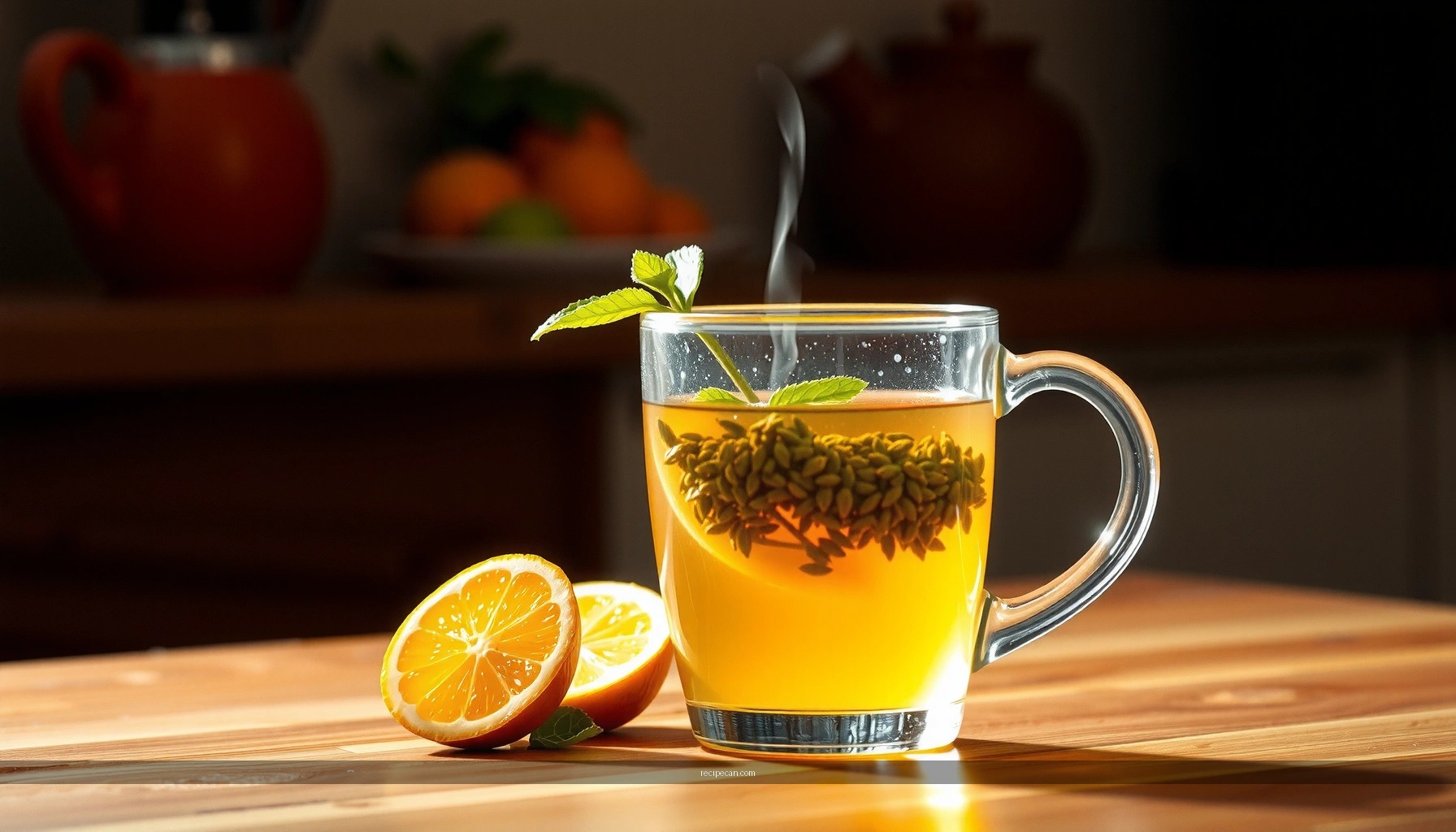
A reliable lemon balm tea recipe starts with just a few essentials. The key is using lemon balm (Melissa officinalis) leaves—either fresh or dried—then choosing water temperature and a steeping time that matches the form you’re using.
– Fresh lemon balm leaves or dried lemon balm (use either)
– Fresh leaves offer a lighter, greener aroma and a softer taste.
– Dried leaves are more concentrated and typically require a shorter steep.
– Water and optional honey or lemon for flavor
– Use water that is hot but not boiling for delicate flavor extraction (steaming-hot water works well).
– Honey adds gentle sweetness and can smooth the herb’s natural earthiness.
– Lemon (a slice or a squeeze) brightens the cup and makes the citrus notes more noticeable.
Brewing “Defaults” (for consistent results)
If you want a practical baseline before adjusting:
– Fresh: ~1–2 tablespoons leaves per 8–10 oz (250–300 ml) water
– Dried: ~1–2 teaspoons per 8–10 oz (250–300 ml) water
Lemon Balm Tea Extraction Guide: Fresh vs. Dried (1 Cup)
| # | Tea Base (per 8–10 oz) | Steep Time | Aroma Intensity | Bitterness Risk | Overall Preference |
|---|---|---|---|---|---|
| 1 | Fresh leaves (1 tbsp) | 5 minutes | ★★★☆☆ | Low | Recommended |
| 2 | Fresh leaves (1 tbsp) | 8 minutes | ★★★★☆ | Low–Med | Very Good |
| 3 | Fresh leaves (2 tbsp) | 6–7 minutes | ★★★★★ | Med | Bold & Balanced |
| 4 | Dried leaves (1 tsp) | 5 minutes | ★★★★☆ | Low | Recommended |
| 5 | Dried leaves (1 tsp) | 7 minutes | ★★★★★ | Med | Most Popular |
| 6 | Dried leaves (2 tsp) | 4–5 minutes | ★★★★☆–★★★★★ | Med–High | Use with Caution |
| 7 | Dried leaves (2 tsp) | 8–10 minutes | ★★★★★ | High | Likely Bitter |
How to Brew Lemon Balm Tea (Step-by-Step)
This section is the operational heart of a lemon balm tea recipe. The method is simple, but small variables—water temperature, steeping time, and leaf amount—determine whether the cup tastes gently aromatic or overly strong.
– Heat water until steaming, then steep leaves for 5–10 minutes
– Bring water to a near-boil state, then reduce to steaming-hot (a rolling boil isn’t necessary).
– Add lemon balm leaves to a mug or tea infuser.
– Pour hot water over the leaves and start timing. A standard window is 5–10 minutes, depending on fresh vs. dried (covered below).
– Strain the tea and taste, adjusting time for stronger flavor
– When the steep time ends, strain immediately (especially if you used dried leaves).
– Taste the tea. If it’s too mild, repeat with the same leaf amount but increase steeping by 1–2 minutes next time.
– If it tastes sharp or too bitter, reduce steeping time by 1–2 minutes or use slightly less dried leaf.
Consistency tip for business-like reliability: If you plan to make lemon balm tea regularly, record your ratio (teaspoon/tablespoon) and steep time on a small note in your kitchen. Lemon balm’s potency can vary by batch, so calibration leads to repeatable quality.
Fresh vs. Dried Lemon Balm: What to Use
Fresh vs. dried is one of the most important decisions in a lemon balm tea recipe. Because dried leaves are concentrated, using the same measurement often results in an unexpectedly strong—sometimes bitter—cup.
– Fresh leaves are milder—use slightly more for the same strength
– Fresh lemon balm tends to be lighter in aroma and flavor.
– If you use fresh leaves, consider 1–2 tablespoons per 8–10 oz water and steep closer to 7–10 minutes for a more noticeable herb character.
– Dried leaves are more concentrated—use less and steep briefly
– With dried lemon balm, start with 1 teaspoon and steep around 5–7 minutes.
– If you over-steep dried leaves, you may pull more harsh compounds, which can shift the cup from soothing to unpleasantly bitter.
Practical guidance: If you’re switching from fresh to dried (or vice versa) and want a quick approximation, keep the same steep window (about 5–7 minutes) and adjust leaf amount first. Once the flavor direction is correct, fine-tune time by a minute or two.
Flavor Boost Ideas (Optional Add-Ins)
A good lemon balm tea recipe can be both functional and sensory. Optional add-ins can enhance aroma, brighten taste, and create variety without changing the core method.
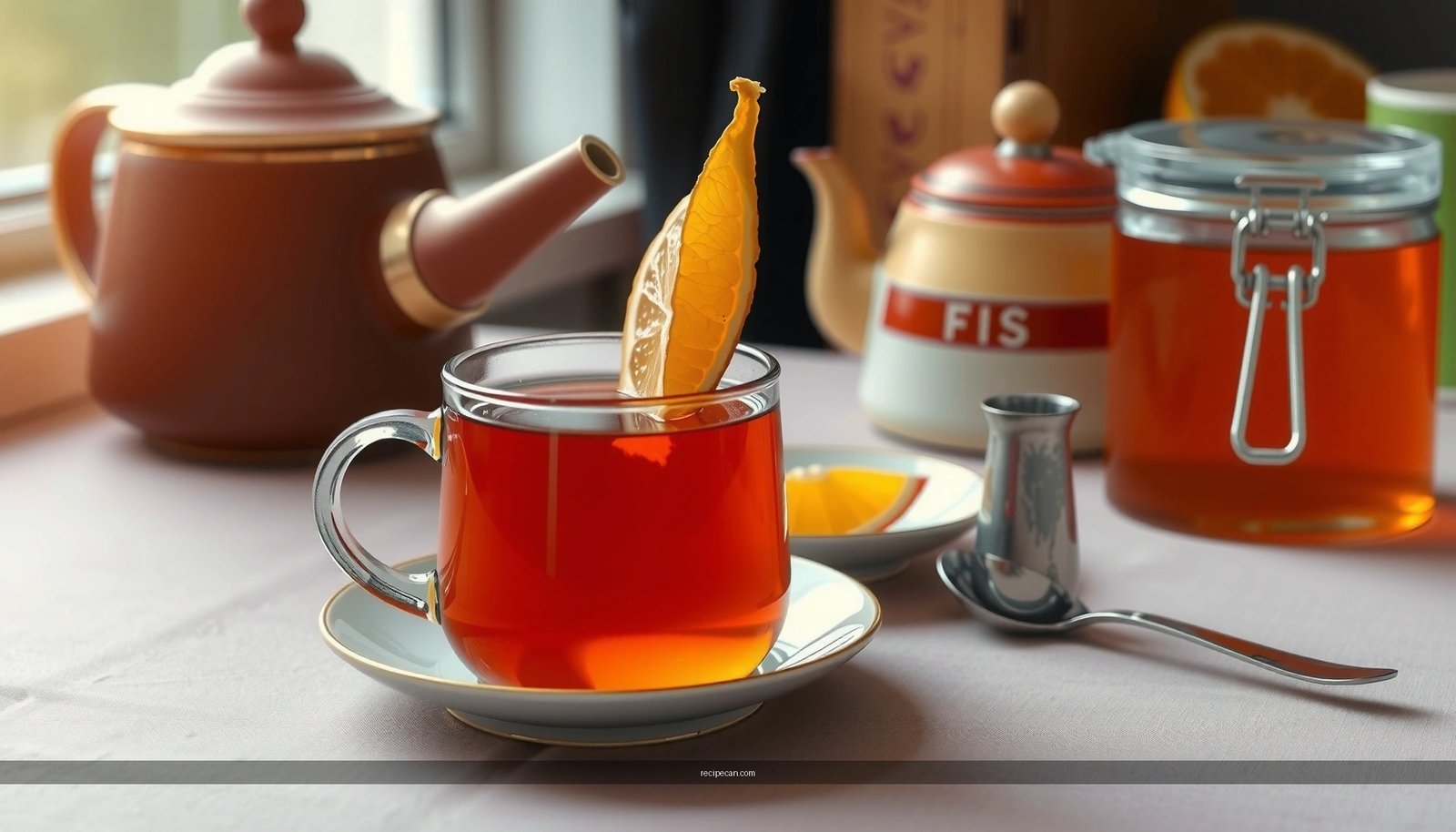
– Add a slice of lemon or a squeeze of citrus for brightness
– Citrus complements lemon balm’s natural refreshing profile.
– For hot tea, add a thin lemon slice after steeping, or squeeze a little lemon juice into your cup.
– For iced tea, add lemon right before pouring over ice so the aroma stays vivid.
– Stir in honey or cinnamon to enhance aroma and taste
– Honey pairs well if you want a softer finish and a more rounded sweetness.
– Cinnamon adds warmth—especially effective in evening routines—while still keeping the drink herb-forward.
Operational note: Add cinnamon sticks to the steep only if you’re using a shorter window (e.g., 5–7 minutes). For longer steeping, the spice can become dominant.
Serving Suggestions and Best Times to Drink
Serving is where you translate the recipe into a repeatable ritual. Lemon balm tea is commonly chosen for relaxation, and how you serve it can support that intention.
– Serve hot for relaxation, or chill and serve iced
– Hot tea emphasizes the herb’s calming aroma and makes it easy to sip slowly.
– Iced lemon balm tea is refreshing and still offers the herbal character—especially if you steep slightly stronger and then chill.
– Enjoy in the evening or anytime you want a calming drink
– Many people prefer lemon balm tea in the evening as part of a wind-down routine.
– That said, it can also be a midday comfort drink—particularly when you want a caffeine-free option with a gentle, herbal flavor.
Iced option (simple and effective): Brew as you normally would, strain, then pour over ice. If you prefer it less strong after dilution, shorten steeping slightly (especially with dried leaves).
Storage and Safety Tips
Even the best lemon balm tea recipe can be undermined by poor storage or over-steeping. These tips keep quality high and taste consistent.
– Store dried lemon balm in a cool, dark, sealed container
– Exposure to heat, light, and air can reduce aroma and potency over time.
– Use an airtight jar and keep it away from stoves or sunlight.
– If you notice weak fragrance when you open the container, the leaves may have lost freshness.
– Avoid over-steeping for bitterness; discontinue if you notice irritation
– Over-steeping (especially with dried leaves) can lead to bitterness.
– Start with the recommended range (5–10 minutes), then adjust by small increments.
– If you experience irritation or discomfort, discontinue use and consult a healthcare professional if needed.
Quality check: Fresh lemon balm should smell strongly herbal and fresh. Dried leaves should retain an unmistakable citrusy-herbal aroma. If either loses character significantly, consider replacing the leaves.
Lemon balm tea is a quick, soothing herbal drink—steep, strain, and adjust to your preferred strength. Brew a fresh batch today using either fresh or dried leaves, follow the straightforward timings that match each form, and try one optional add-in (like lemon or honey) to tailor the flavor. With a bit of calibration, your cup will taste reliably fresh, aromatic, and calming every time.
Frequently Asked Questions
What is an easy lemon balm tea recipe you can make at home?
To make lemon balm tea, steep 1–2 teaspoons of dried lemon balm (or 1 tablespoon fresh leaves) in 8–10 ounces of hot water for 5–10 minutes. Strain and taste, then add honey or a squeeze of lemon if you want it brighter. Start with a lighter amount if you’re new to lemon balm tea, since the flavor can be quite herbaceous.
How do you brew lemon balm tea for the best flavor and strength?
For the best lemon balm tea strength, use freshly boiled water and steep for 5–8 minutes with dried leaves, or 6–10 minutes with fresh leaves. If it tastes too strong or bitter, reduce steep time or use less dried herb next time. You can also control flavor by adding ginger slices, mint, or chamomile while keeping the base recipe the same.
Why does lemon balm tea taste different when using fresh vs. dried leaves?
Fresh lemon balm tea is often more delicate and floral, while dried lemon balm tends to be more concentrated and earthy. Because dried leaves are typically stronger, use about half the amount of dried herb compared with fresh. Adjust steep time gradually so the tea stays aromatic without becoming overpowering.
Which sweeteners and add-ins pair best with lemon balm tea?
Honey is a popular choice because it complements lemon balm’s mild citrus-herbal profile, especially in evening lemon balm tea. For extra flavor, try adding a thin lemon slice, a pinch of cinnamon, or a small piece of fresh ginger. If you prefer sugar-free options, use a splash of lemon or a few drops of vanilla extract instead.
What is the best time to drink lemon balm tea for relaxation or sleep?
Lemon balm tea is commonly enjoyed in the evening because many people use it as a calming herbal drink after dinner. Try sipping a cup 30–60 minutes before bed and keep the steeping time moderate (about 5–8 minutes) so it’s not too intense. If you’re pregnant, breastfeeding, or taking medications, check with a healthcare professional before using lemon balm tea regularly.
References
- Google Scholar Google Scholar
https://scholar.google.com/scholar?q=lemon+balm+tea+recipe+Melissa+officinalis - Google Scholar Google Scholar
https://scholar.google.com/scholar?q=Melissa+officinalis+infusion+preparation+tea - Google Scholar Google Scholar
https://scholar.google.com/scholar?q=lemon+balm+tea+clinical+studies+Melissa+officinalis - Lemon balm
https://en.wikipedia.org/wiki/Melissa_officinalis - https://www.britannica.com/plant/melissa-officinalis
https://www.britannica.com/plant/melissa-officinalis - Page Is No Longer Available
https://www.umm.edu/health/medical/altmed/herb/lemon-balm - https://pubmed.ncbi.nlm.nih.gov/?term=Melissa+officinalis+tea
https://pubmed.ncbi.nlm.nih.gov/?term=Melissa+officinalis+tea - Melissa officinalis – Search Results – PMC
https://www.ncbi.nlm.nih.gov/pmc/?term=Melissa+officinalis - https://www.nccih.nih.gov/health/lemon-balm
https://www.nccih.nih.gov/health/lemon-balm - Google Scholar Google Scholar
https://scholar.google.com/scholar?q=lemon+balm+tea+recipe