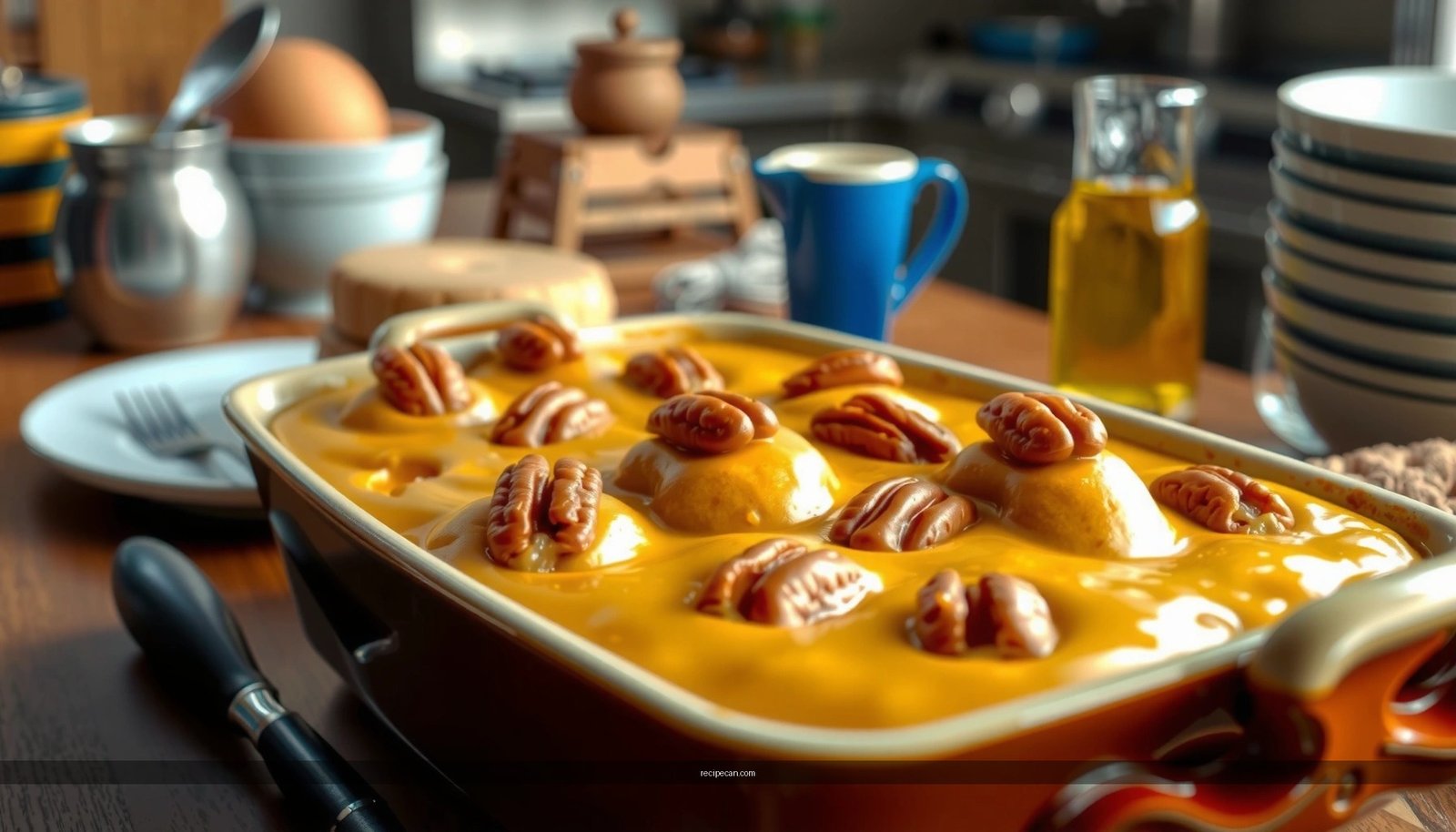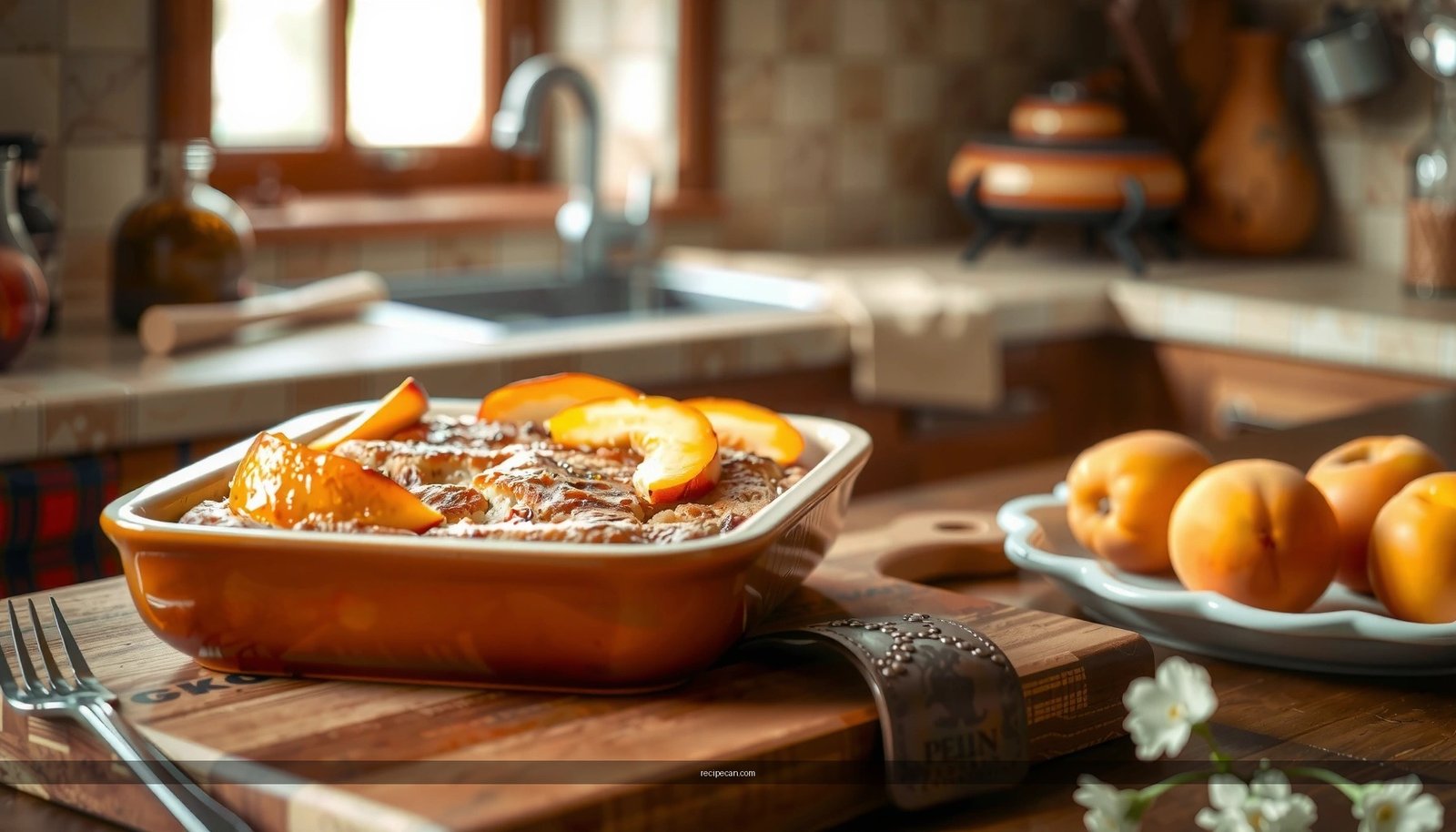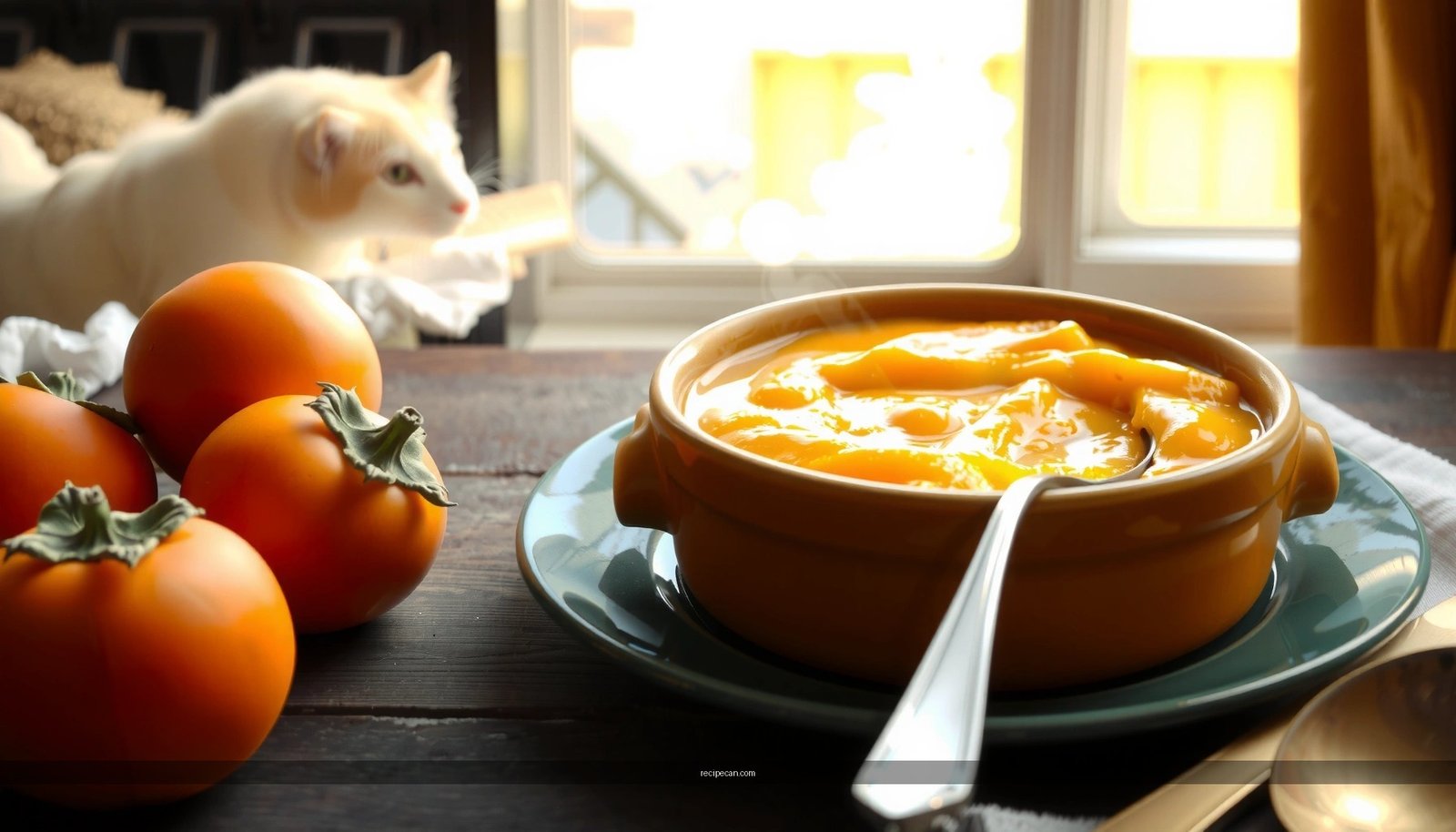
Get the classic Indiana persimmon pudding recipe that delivers a rich, custard-style dessert with deep persimmon flavor using an easy, reliable method. This method answers whether you can make Indiana persimmon pudding the simple way—no guesswork, no complicated steps—so you get tender pudding and the right set every time. Follow along for the exact ingredients and straightforward directions that make this the go-to classic.
This Indiana persimmon pudding recipe gives you a classic, custardy dessert with tender fruit and warm spice in a straightforward bake-and-serve method. Use ripe, mashed persimmons plus a properly set custard bake (often with an optional water bath) and you’ll reliably get that silky, spoonable texture without guessing.
What Persimmon Pudding Texture Tends to Depend On (Best Indicators)
| # | Baking Factor | Common Symptom When Off | Typical Fix | Reliability Score |
|---|---|---|---|---|
| 1 | Ripeness of persimmons | Grainy texture, muted sweetness | Use fully soft fruit; mash thoroughly | 9.6 ★ |
| 2 | Egg + dairy ratio (custard set) | Loose center or rubbery edges | Whisk eggs well; don’t overbake | 9.1 ★ |
| 3 | Bake temperature accuracy | Uneven set, dryness at edges | Oven thermometer; avoid hot spots | 8.7 ★ |
| 4 | Water bath (optional) | More cracks or “tight” custard | Bake in a pan of hot water for gentleness | 8.3 ★ |
| 5 | Resting time after bake | Set not fully developed | Rest 10–20 minutes before serving | 8.0 ★ |
| 6 | Spice balance | Perfume-like spice or bland flavor | Start with cinnamon + nutmeg; go lighter on ginger | 7.6 ★ |
| 7 | Overmixing the batter | Tougher crumb, less “custardy” feel | Mix just until combined; fold gently | 7.2 ★ |
Key Ingredients for Indiana Persimmon Pudding
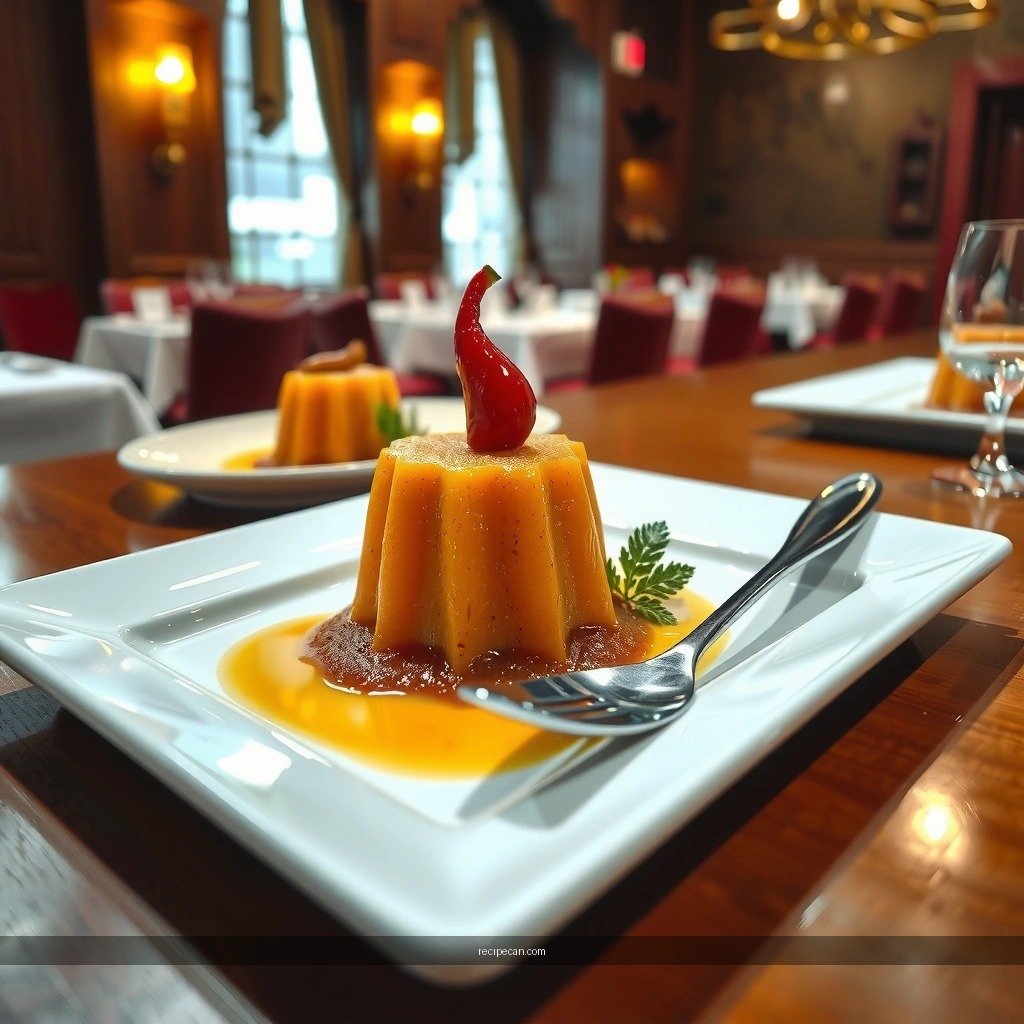
Indiana persimmon pudding is essentially a spiced fruit custard—so your ingredient choices should support tenderness, sweetness, and proper setting.
– Ripe persimmons (mashed) for natural sweetness and smooth texture
Persimmons are the “body” of the pudding. When fully ripe, they melt into the custard, creating the signature softness. Choose fruit that is fully yielding and sticky-sweet rather than crisp or only partially soft.
– Warm spices (cinnamon, nutmeg, ginger) for classic flavor
Cinnamon provides the backbone, nutmeg adds depth, and ginger gives a gentle lift. Because persimmons are naturally fragrant, you don’t need heavy spice—just enough to read as warm and autumnal.
– Pantry staples (flour, eggs, milk or cream) to bind and set
Eggs provide structure, while milk or cream balances richness and helps control the custardy texture. A small amount of flour helps the pudding hold together without becoming a loose fruit soup.
If you want the “classic way” to feel authentic, focus on custard set rather than thick cake-like batter. The batter should pour and spread slightly, then bake into tender spoonability.
How to Prepare Persimmons
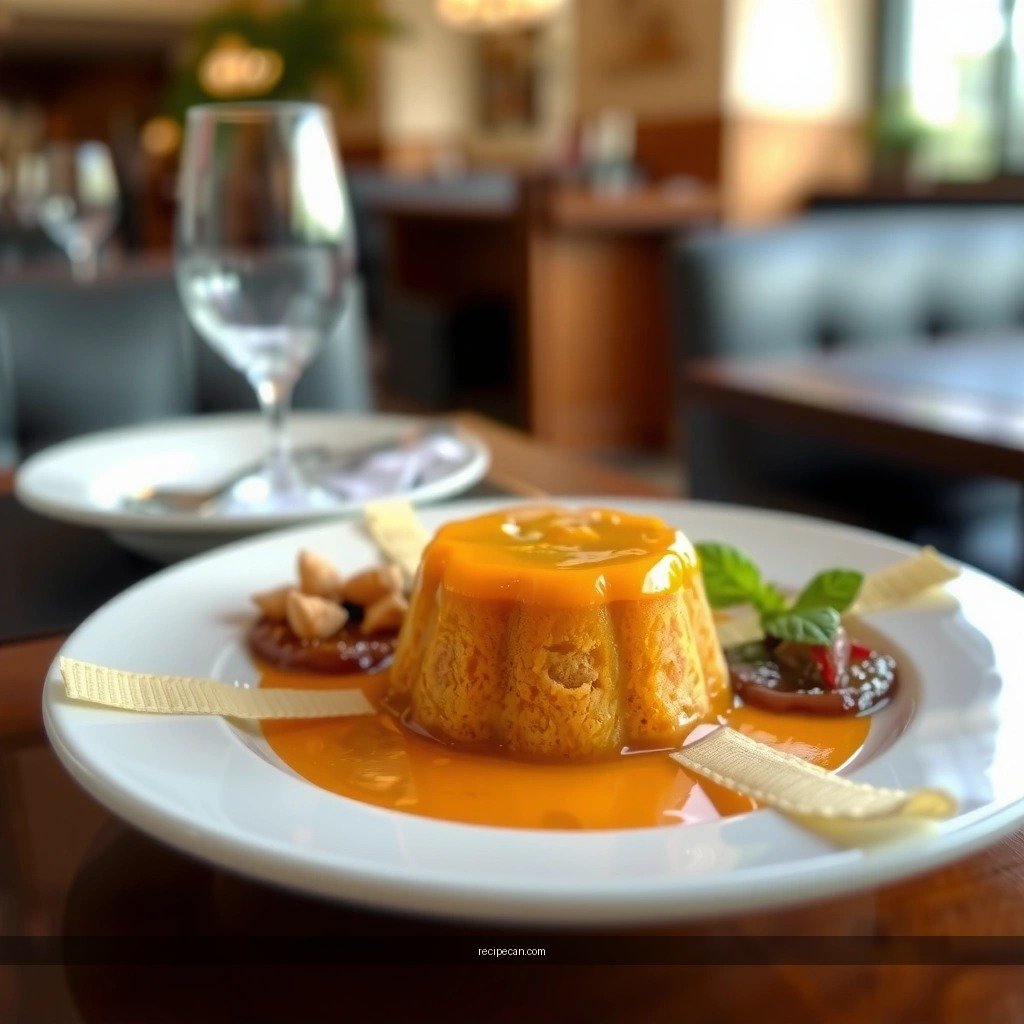
Preparing persimmons is where most “good pudding” becomes “excellent pudding.” The fruit should behave like a naturally sweet puree.
– Choose fully ripe persimmons and remove stems and skin as needed
For texture consistency, peel when the skin is tough or when you detect any tannic bite. Fully ripe persimmons often require minimal peeling, but removing skin can still improve smoothness.
– Mash until mostly smooth for a pudding-like consistency
Aim for a mostly smooth mash with a few soft lumps if desired. Too many firm bits will bake into chewiness; too much aggressive processing isn’t necessary. A potato masher or fork works well for the classic style.
– Adjust thickness with a splash of milk if the mixture feels too thick
Persimmons vary in water content. If your mashed fruit looks paste-like, stir in a spoonful or two of milk to loosen before combining with eggs and dairy. This step improves bake-evenness and prevents a dense center.
Practical benchmark: when you spoon the mashed persimmons into the bowl, it should look like a thick sauce, not dry pulp.
Mixing and Batter Tips
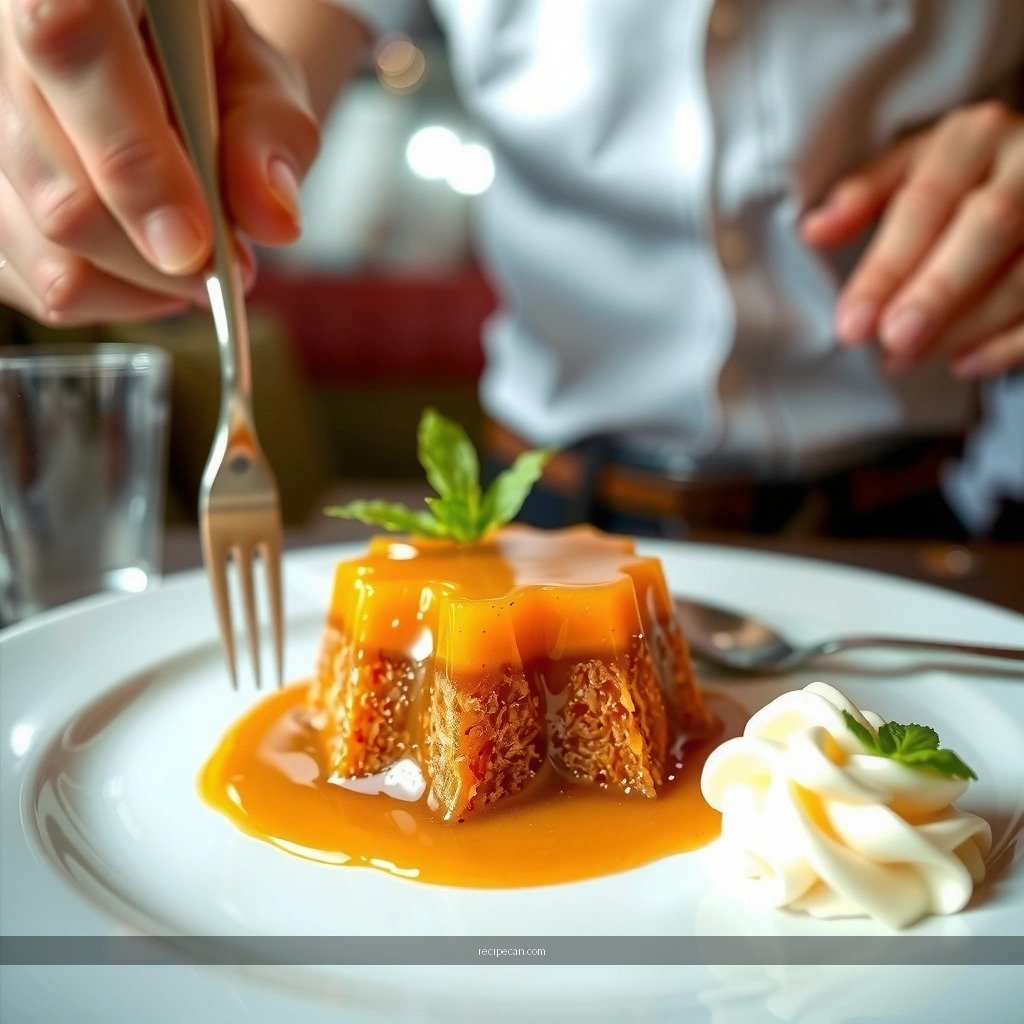
Mixing technique matters because persimmon pudding sits at the boundary between custard and cake. Too much mixing can shift it toward toughness.
– Combine dry ingredients first, then fold in mashed persimmons
Whisk flour and spices together before adding wet ingredients. This reduces spice clumps and helps distribute flour evenly—critical for a smooth custard set.
– Whisk eggs with milk (or cream) before adding for even blending
Beat eggs just until uniform, then whisk in dairy. This helps the eggs distribute evenly, so you don’t get streaks of eggy texture or an uneven set.
– Avoid overmixing to keep the pudding tender
Stir just until combined. “Just mixed” protects the tenderness that makes Indiana persimmon pudding feel custardy instead of bready.
Quality control tip: After mixing, let the batter rest for 5–10 minutes. Flour hydrates slightly, which often leads to a more cohesive crumb and a smoother spoonable finish.
Baking Instructions and Timing
Baking is where most home bakers either under-set (jiggly and loose) or overbake (dry edges, tight custard). Use a set-and-jiggle approach.
– Bake until the center is set and a toothpick comes out mostly clean
The best sign is that the center looks set but still has a gentle wobble. A toothpick inserted near the center should come out with moist crumbs or nearly clean residue—avoid waiting for a completely dry toothpick, which usually overbakes custards.
– Use a water bath if you want extra custardy results
A water bath moderates heat and reduces rapid evaporation. If you’re aiming for the most tender, restaurant-style custard texture (and fewer cracks), place the baking dish inside a larger pan and add hot water halfway up the sides.
– Let it rest briefly so the pudding finishes setting
Custards continue to set as they cool. Rest 10–20 minutes before slicing or serving. This is also when sweetness and spice distribute more evenly through the fruit.
Simple timing guide (typical ovens)
– 350°F / 175°C: about 45–60 minutes for a standard baking dish
– Check at 40–45 minutes if your dish is shallow or your oven runs hot
If you’re unsure, rely on visual cues (set edges, softly set center) rather than time alone—persimmon moisture and dish depth change bake duration.
Serving Suggestions for Best Results
Serving can either preserve the custardy texture or accidentally dry it out. Keep it warm and effortless.
– Serve warm with whipped cream or vanilla ice cream
Warm pudding plus cold dairy creates contrast that highlights fruit sweetness. Whipped cream is lighter and lets the spice read clearly; vanilla ice cream emphasizes comfort and richness.
– Pair with coffee, tea, or a spiced hot beverage
The natural spices in the pudding complement black coffee, chai-style tea, or even spiced cider. This pairing matters for balance: the dessert is sweet and aromatic, so the beverage should have enough bitterness or spice to prevent palate fatigue.
– Reheat gently to preserve texture without drying out
Reheat in short intervals. For best results, use a low oven (around 300°F / 150°C) or microwave in 20–30 second bursts with a cover. Overheating can tighten the custard.
For a classic Indiana presentation, slice and serve directly from the baking dish, especially if the pudding has a slightly caramelized top.
Make-Ahead and Storage
Persimmon pudding often tastes even better after resting—flavors mellow, and the custard fully hydrates.
– Make ahead and store covered in the fridge for next-day flavor
Cool completely, then cover and refrigerate. Because the pudding is custardy, you’ll get a smoother texture the next day when it’s warmed gently.
– Reheat in the oven or microwave in short bursts
Use gentle heat to avoid drying the edges. Add a tablespoon of milk to leftovers (optional) and reheat covered if you want to restore “fresh custard” softness.
– Freeze portions if needed for longer storage
Freeze individual portions for easier reheating. Wrap tightly to reduce freezer burn, then thaw in the refrigerator. Reheat gently to maintain custardy texture.
Practical storage note: if your pudding was baked without a water bath and looks drier after refrigeration, reheating with a cover usually restores the spoonable finish.
This Indiana persimmon pudding recipe is all about ripe fruit, balanced spices, and baking until just set. Use the persimmon prep guidance, follow the mixing approach (combine gently, avoid overmixing), and bake by set-and-jiggle cues rather than strict toothpick dryness. Do that, and you’ll get consistent, classic results every time—perfect for a family dessert table, church supper, or anytime you want a warm slice of Indiana-style comfort.
Frequently Asked Questions
What is an Indiana persimmon pudding recipe and what makes it different?
An Indiana persimmon pudding recipe is a classic Midwestern dessert that uses ripe persimmons for sweetness and moisture, often paired with warm spices like cinnamon, nutmeg, and cloves. Many versions are baked until set, with a custardy or pudding-like texture that becomes richer as the fruit breaks down. Indiana-style recipes commonly lean into pantry staples (milk or cream, eggs, flour, and butter) and emphasize the natural flavor of persimmons.
How do I make an Indiana persimmon pudding recipe from fresh or frozen persimmons?
Start by peeling and mashing very ripe persimmons, since the fruit should be soft and sweet enough to naturally sweeten the pudding. If using frozen persimmons, thaw completely and drain any excess liquid so the pudding doesn’t turn watery. Fold the mashed persimmons into a simple batter made with eggs, milk, sugar (optional depending on ripeness), flour, and melted butter, then bake until the center is set and lightly browned.
Why does my persimmon pudding turn out runny, and how can I fix it?
Runny pudding is usually caused by underbaking, insufficient thickening, or using persimmons that weren’t fully ripe (they hold more structure and can release juices unevenly). Make sure your oven is fully preheated and bake until a toothpick comes out with moist crumbs rather than wet batter. If your persimmons are very loose or watery, drain or reduce excess liquid before mixing, and consider adding a little more flour or using a baked-time adjustment for your specific pan size.
What’s the best way to serve Indiana persimmon pudding for the most flavor?
For best flavor, serve the pudding warm with a topping like vanilla ice cream, whipped cream, or a drizzle of cream or caramel sauce. The warm dessert helps the spices bloom and enhances the natural sweetness of persimmons. If you’re making it ahead, reheat individual slices gently in the oven or microwave to keep the texture of the Indiana persimmon pudding recipe tender.
Which spices and sweetener work best in an Indiana persimmon pudding recipe?
Cinnamon, nutmeg, and ginger are popular choices that complement persimmon’s mild, honey-like flavor. Many cooks also add a pinch of cloves or allspice for depth, especially in autumn-style Indiana desserts. For sweetener, you can use brown sugar for a caramel note or granulated sugar for a cleaner sweetness; taste the mashed persimmons first and adjust since the ripeness of the fruit often determines how much sugar you need.
References
- Google Scholar Google Scholar
https://scholar.google.com/scholar?q=Indiana+persimmon+pudding+recipe - Google Scholar Google Scholar
https://scholar.google.com/scholar?q=persimmon+pudding+recipe - Google Scholar Google Scholar
https://scholar.google.com/scholar?q=persimmon+pudding+cornmeal+Indiana - Google Scholar Google Scholar
https://scholar.google.com/scholar?q=persimmon+dessert+recipe+historical - Google Scholar Google Scholar
https://scholar.google.com/scholar?q=Indiana+fruit+pudding+persimmon - Google Scholar Google Scholar
https://scholar.google.com/scholar?q=persimmon+milk+egg+pudding+recipe - Google Scholar Google Scholar
https://scholar.google.com/scholar?q=American+historic+persimmon+pudding - Google Scholar Google Scholar
https://scholar.google.com/scholar?q=persimmons+in+traditional+American+cookery - Google Scholar Google Scholar
https://scholar.google.com/scholar?q=persimmon+recipes+Cookbook+Indiana - Google Scholar Google Scholar
https://scholar.google.com/scholar?q=persimmon+pudding+tourtiere+not