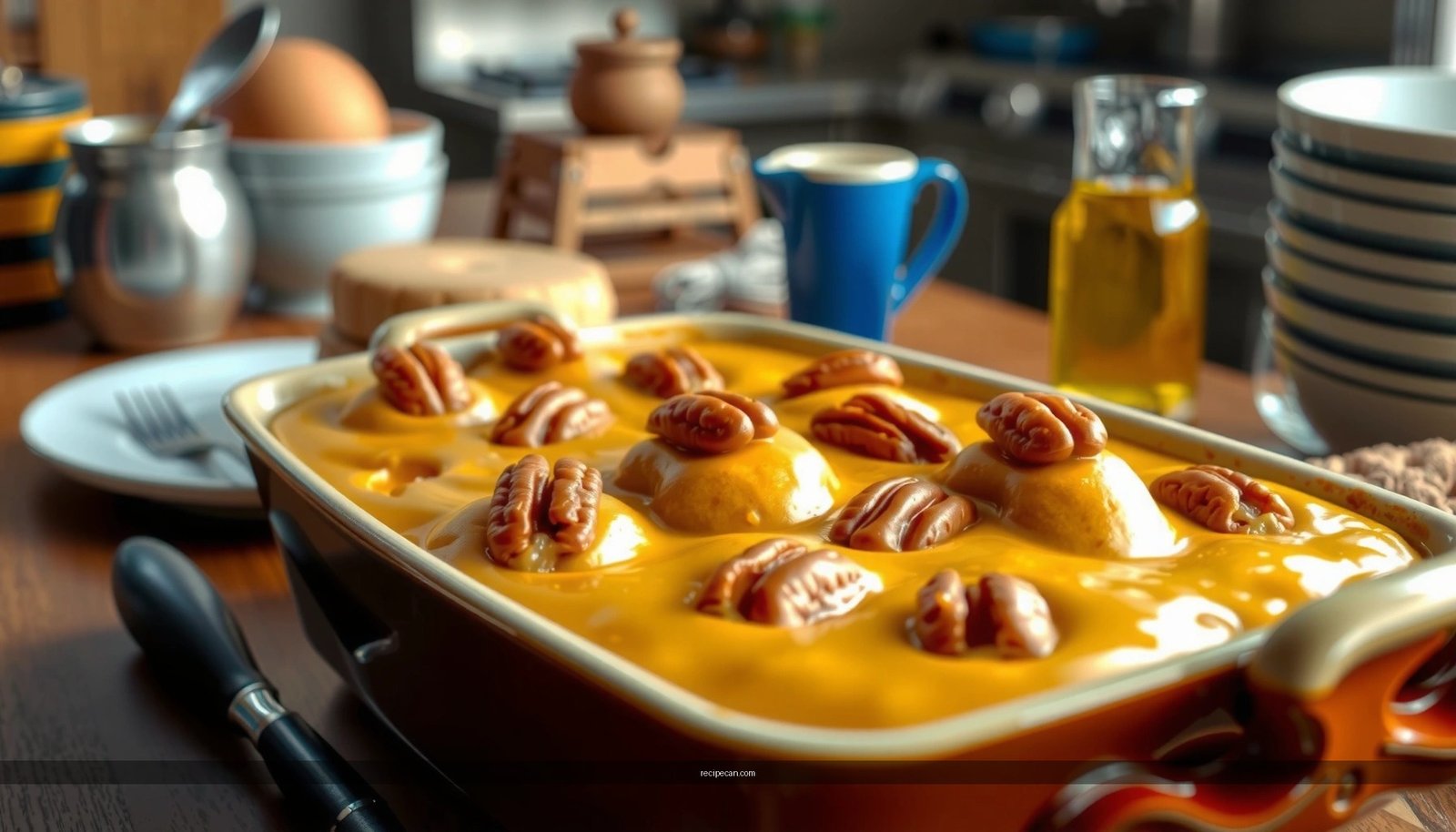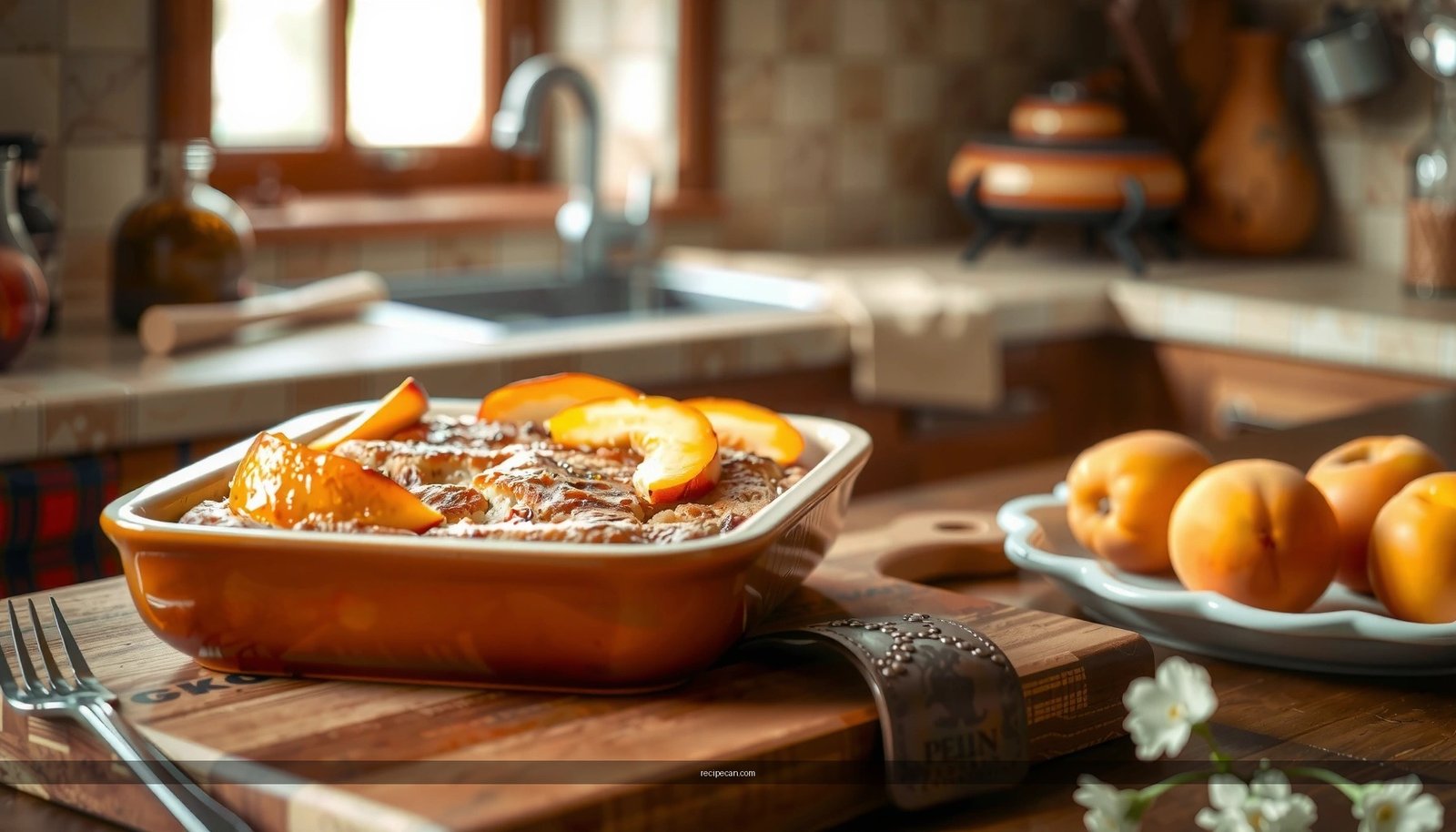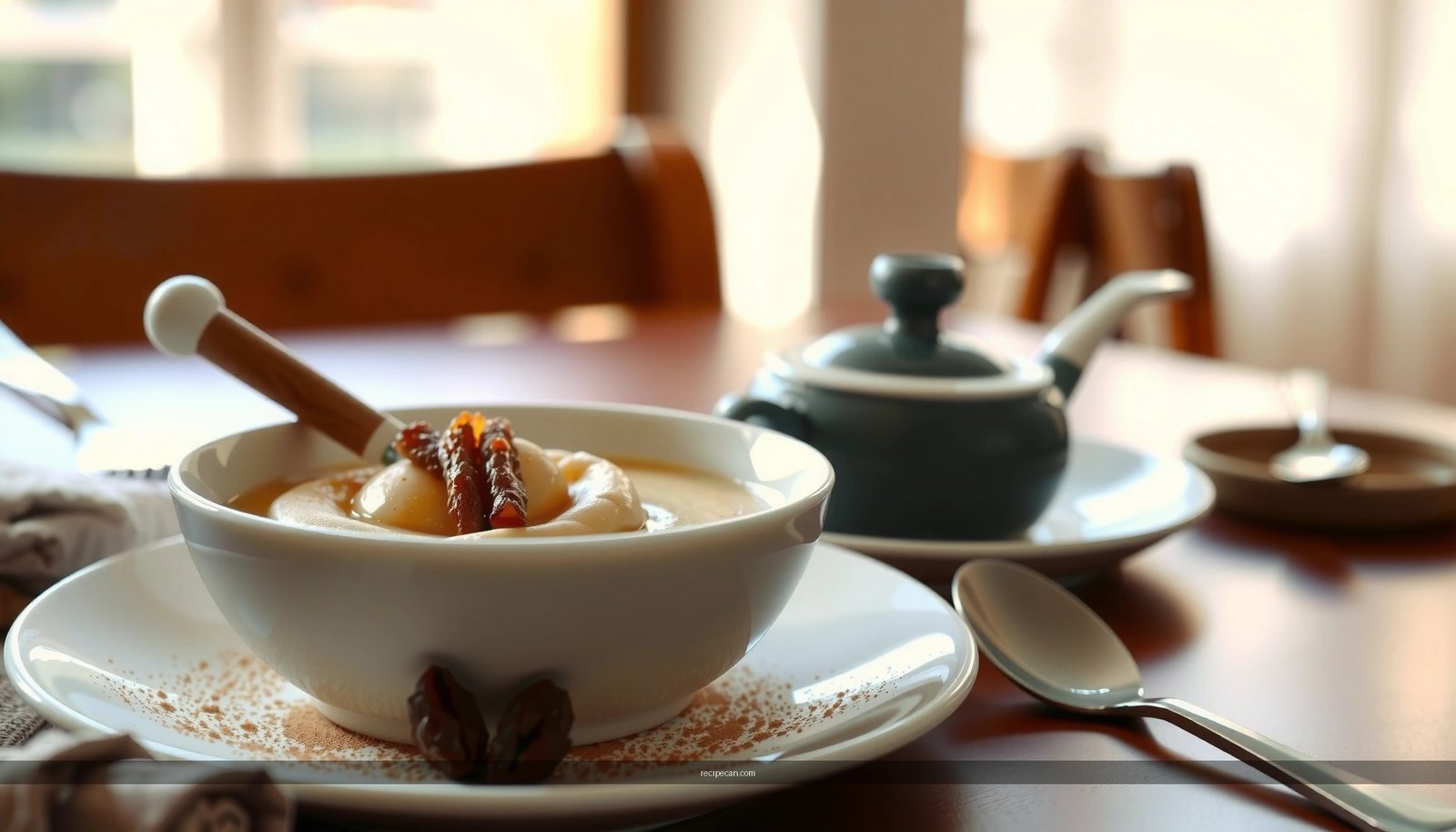
Find the best indian pudding recipes for your kitchen—easy classic first, then modern variations that actually hold up. This guide picks the clear winners: which recipe gives the creamiest custard with minimal effort, and which modern twist is the fastest to make without sacrificing flavor. You’ll get practical direction on ingredients, bake time, and texture so you know exactly what to choose before you start.
Indian pudding recipes are an easy, reliable way to make a creamy, spiced dessert using milk, a sweetener, and warming spices—no advanced pastry skills required. Start with a classic baked pudding (often with cornmeal and molasses), then fine-tune thickness, baking time, and flavor balance so you consistently get that tender, custard-like texture.
Classic Indian Pudding Recipe (Step-by-Step)
– Use milk/cream, sugar, and spices like cinnamon and nutmeg for the traditional flavor
– Bake until set, then serve warm or chilled for best texture
Classic New England–style Indian pudding is built on three pillars: milk/cream for custard, cornmeal for gentle body, and molasses + spices for depth. The key technique is treating cornmeal like a thickening agent that softens as it hydrates during baking—meaning you want it stirred well and not rushed.
Step-by-step (baked, custard-style):
1. Preheat and prep
– Preheat oven to 325°F / 163°C.
– Place a baking dish (or deeper roasting pan) on the rack if you plan to use a water bath.
2. Bloom and mix
– In a saucepan, warm milk (and/or cream) with butter until steaming but not boiling.
– Whisk in cornmeal (or a mix of cornmeal and flour) gradually to prevent lumps.
– Add molasses, brown sugar or white sugar, and spices like cinnamon, nutmeg, and a pinch of salt.
3. Stir until smooth
– Cook 2–3 minutes just to fully hydrate the cornmeal, then remove from heat.
– Cool slightly (5 minutes) and stir in vanilla and optional egg (for extra custard richness).
4. Bake until just set
– Pour into a baking dish.
– Bake until the center is set but still jiggles slightly (typically 45–60 minutes, depending on dish depth).
– For best results, confirm doneness: the edges should look set, and the center should not look watery.
5. Rest, then serve
– Rest 15–20 minutes before serving; the pudding thickens as it cools.
– Serve warm for a softer, spoonable texture or chilled for a firmer sliceable pudding.
A practical note: Indian pudding behaves differently depending on cornmeal grind. Fine cornmeal creates a smoother custard; coarser meal yields a more traditional, slightly textured bite.
What to aim for visually
– If it’s too thick after baking, you likely used less liquid or overbaked.
– If it’s too loose, you may need a few more minutes—or verify the oven temperature with an oven thermometer.
Data at a glance: ingredient effects on Indian pudding texture
What Impacts Thickness in Baked Indian Pudding (Typical Batch)
| # | Texture Lever | Typical Amount | Effect on Set | Strength |
|---|---|---|---|---|
| 1 | Cornmeal (fine) | 1/2 cup | Smoother custard set | 4 ★ |
| 2 | Cornmeal (coarse) | 1/2 cup | More texture, firmer body | 3 ★ |
| 3 | Total liquid | 3 cups | Higher liquid = softer set | 2 ★ |
| 4 | Egg (optional) | 1 large | Custardier, tighter set | 4 ★ |
| 5 | Butter | 2 tbsp | Adds richness, slightly firmer mouthfeel | 2 ★ |
| 6 | Molasses amount | 1/4 cup | Deepens flavor; modest set support | 2 ★ |
| 7 | Bake temperature | 325°F / 163°C | Too hot = curdling/over-set | 3 ★ |
Ingredients You’ll Need (And Easy Substitutions)
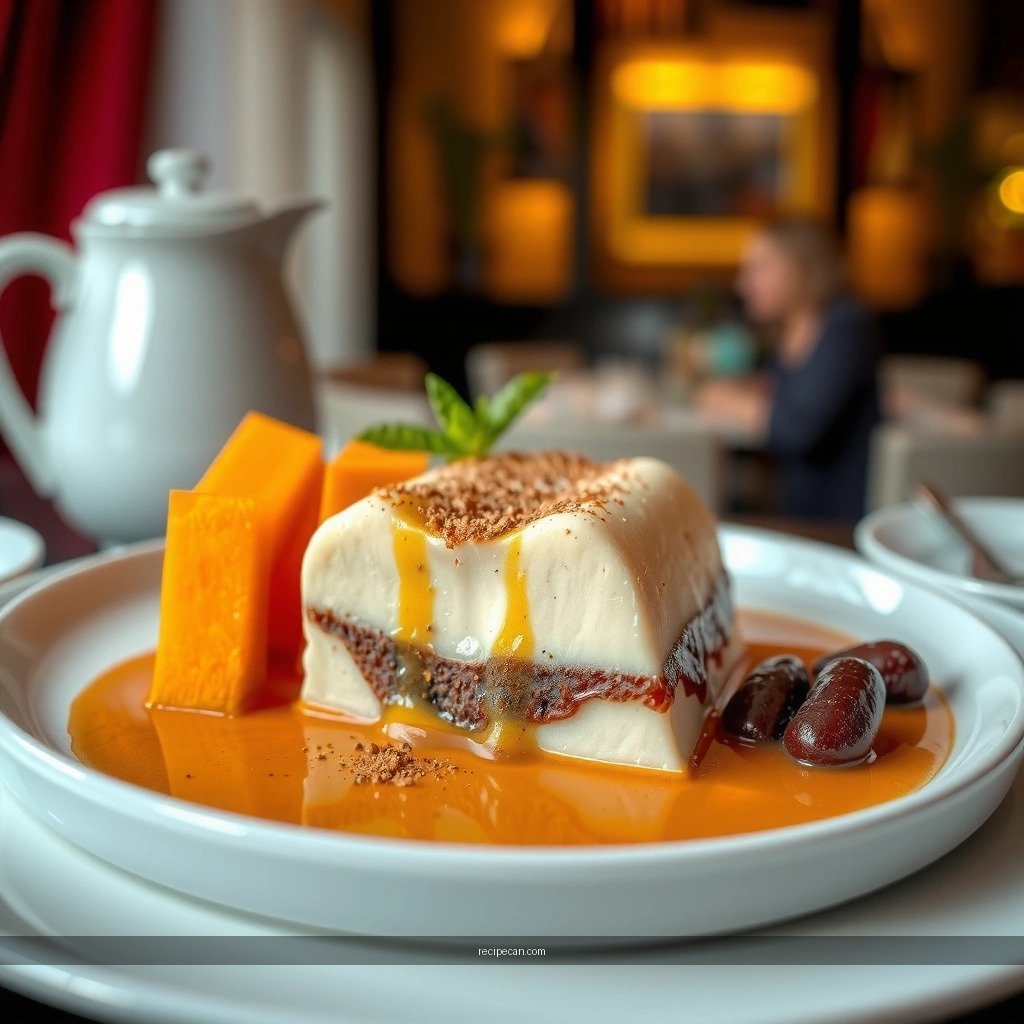
– Common ingredients include milk, cornmeal or flour, butter, and molasses
– Swap in alternative sweeteners or dairy options without losing the pudding feel
Indian pudding is flexible, but the substitutions should protect the three functions of the ingredients: thickening, sweetening, and flavoring.
Core ingredients and what they do
– Milk (and/or cream): Provides the liquid base and the creamy custard feel.
– For a richer version, use part heavy cream.
– Cornmeal: The traditional thickener. It hydrates slowly and bakes into a smooth body.
– Butter: Adds flavor and a softer mouthfeel.
– Molasses (or brown sugar): Supplies caramel notes and classic “spiced brown sugar” depth.
– Spices: Cinnamon and nutmeg are the backbone; ginger and cloves work well in smaller amounts.
– Salt: Makes the molasses and spices taste more vivid—don’t skip it.
Practical substitutions (that still work)
– No molasses?
– Use dark brown sugar plus 1–2 teaspoons of maple syrup for a similar roundness.
– No cornmeal?
– Use fine corn flour/polenta-style grind if available.
– For a smoother pudding, you can combine 2/3 cornmeal + 1/3 all-purpose flour.
– Use unsweetened oat milk or almond milk plus a tablespoon of neutral oil or additional butter substitute for richness.
– Expect a slightly lighter custard and bake it with extra care to prevent drying.
– Gluten-free
– Cornmeal is naturally gluten-free; use a gluten-free flour blend only if you’re using flour as a partial replacement.
If your goal is consistent results for home baking (or catering), measure by volume and maintain a similar cornmeal-to-liquid ratio. Substitutions are most successful when they keep the thickening chemistry intact.
How to Get the Perfect Texture
– Stir to prevent lumps and cook until thick enough to hold a spoon trail
– Adjust baking time and liquid amount to avoid overbaking or watery results
Texture is where Indian pudding either becomes “wow” or disappointingly runny. The good news: the process is predictable once you control three variables—lumps, thickness pre-bake, and doneness timing.
1) Prevent lumps before baking
Cornmeal can clump if it hits cold milk. To avoid this:
– Warm your dairy first (steaming, not boiling).
– Whisk cornmeal in gradually, then stir until fully dispersed.
– If needed, strain once for an ultra-smooth finish (optional, but effective for modern variations).
2) Thicken slightly on the stovetop
Many people undercook the base. A quick 2–3 minutes of gentle cooking helps the cornmeal hydrate evenly. Look for:
– The mixture should coat the back of a spoon.
– You should be able to draw a line on the spoon trail and it briefly holds before slowly filling in.
3) Bake to “just set,” not “firm”
– Overbaking dries out the pudding and can create a grainier texture.
– Underbaking yields a pudding that thickens only minimally as it cools.
Rule of thumb: remove when the center is set with a gentle wobble. After resting, the pudding will thicken further.
4) If it’s watery or too thick—fixes for next time
– Watery: Next batch reduce liquid by 1/4 to 1/2 cup or bake 5–10 minutes longer; also confirm cornmeal quantity.
– Too thick: Add warm milk before baking by 2–4 tablespoons at a time, mixing thoroughly.
5) Use the right cooling strategy
Cooling is part of the recipe:
– Rest 15–20 minutes at room temp before chilling.
– If you chill immediately, texture may firm faster, sometimes forming a slightly tighter set than expected.
Baking Tips: Ovens, Ramekins, and Timing
– Use a water bath or correct oven temperature for a smooth, custard-like finish
– Choose ramekins for individual servings or a baking dish for family-style
Indian pudding is essentially a spiced custard thickened with cornmeal. That means the baking environment matters.
Water bath vs. direct bake
Water bath (recommended for silky texture):
– Place your baking dish in a larger pan.
– Add hot water halfway up the side of the dish.
– Benefits: more even heat, fewer cracks, less risk of over-set edges.
Direct bake (works well for thicker, more rustic texture):
– Bake at 325°F / 163°C.
– Use a smaller rack position (center of oven).
– Cover loosely with foil if the top browns too quickly.
Timing by dish depth
– Shallow baking dish: tends to set faster (start checking at ~35–45 minutes).
– Deep dish: takes longer (often ~50–70 minutes).
– Ramekins: individual portions usually set in ~25–35 minutes depending on size.
Doneness checks you can trust
– Edges: should look set.
– Center: should jiggle slightly like soft gelatin.
– Foil test: if you cover with foil mid-bake, the surface should not look raw when removed.
A note on browning
Molasses promotes browning, which is normal. If browning is happening too quickly:
– Tent with foil rather than turning down the oven drastically.
– Turning down too far can extend bake time and dry the base.
Flavor Variations (Spiced, Fruity, and Lighter Options)
– Try extra cinnamon, ginger, or vanilla for deeper warmth
– Add raisins or citrus zest, or lighten with reduced-sugar options
Once the classic Indian pudding recipe is mastered, variations become a matter of balance—adding flavor without disturbing the custard-to-thickener ratio.
Spiced upgrades (warmth-forward)
– Extra cinnamon + ginger: Great for colder seasons. Use ginger in smaller amounts than cinnamon to avoid sharpness.
– Vanilla bean or vanilla extract: Adds aroma that rounds molasses’ flavor.
– Optional cardamom: A modern twist that feels premium and aromatic—use lightly.
Fruity additions (sweet contrast)
– Raisins: Fold in before baking. Soak raisins in warm water for 5 minutes to plump.
– Citrus zest (orange or lemon): Add at the end of cooking or right before baking for brighter top notes.
– Dried cranberries: Pair well with cinnamon and a hint of nutmeg for a tangy, festive profile.
Lighter options (without “watery” disappointment)
You can lighten Indian pudding while protecting texture:
– Reduce sugar by 10–25% first; go further only if you compensate with richness (a bit more cream) or a slightly longer bake.
– Use part-skim milk mixed with cream rather than fully low-fat dairy.
– Consider a smaller cornmeal adjustment only after you test—too little thickener makes “light” turn into “thin.”
Modern serving styles
– Top with Greek yogurt lightly sweetened instead of heavy cream for a tangier, lighter bite.
– Serve with warm spiced sauce (caramel-molasses or orange-maple) to intensify flavor without adding volume.
Serving Suggestions and Storage
– Top with cream, whipped topping, or a drizzle of warm sauce
– Store covered in the fridge and reheat gently to keep it creamy
Indian pudding is best treated like a custard: it improves with gentle reheating and careful storage.
Serving ideas
– Warm + cream: Classic and universally crowd-pleasing.
– Whipped topping: Quick and festive; great for serving in ramekins.
– Drizzle of warm sauce: A small amount of warm molasses-caramel or berry compote makes the flavor feel “restaurant finished.”
– Fresh garnish: A pinch of cinnamon or a little orange zest adds aroma without changing structure.
Storage
– Cool fully, then cover and refrigerate.
– Keeps well for 3–4 days for best texture and flavor.
Reheating (to preserve creamy texture)
– Reheat in the oven at a low temperature (300°F / 150°C) covered with foil, or microwave in short intervals.
– Add 1–2 tablespoons of milk if it thickened too much during refrigeration.
– Stir gently when reheating finishes to smooth out any set edges.
For best results, reheat only the portion you plan to eat. Indian pudding can become slightly firmer the second time, but it remains delicious.
Indian pudding recipes are a practical blend of tradition and control: choose reliable ingredients (milk, cornmeal, butter, molasses), cook the base enough to hydrate the cornmeal, and bake until just set. Once you’ve nailed texture with proper stirring and timing, the rest is straightforward—experiment with spices, add raisins or citrus zest, or lighten the sweetness while preserving body. Start with the classic version, then adjust one variable at a time so every batch gets better—and feel free to share what you try or ask for a specific twist for your next bake.
Frequently Asked Questions
What are the essential ingredients in an easy Indian pudding recipe?
Most Indian pudding recipes rely on milk (or evaporated milk), cornmeal (or ground hominy), sugar, butter, and warming spices like cinnamon and nutmeg. You’ll also typically use molasses or brown sugar for depth of flavor, plus a pinch of salt to balance the sweetness. Many classic versions include eggs for a smoother, custard-like texture, but you can still find eggless adaptations.
How do you prevent Indian pudding from getting lumpy when cooking cornmeal?
To avoid lumps, whisk cornmeal into cold milk (or a portion of the milk) first, then pour the mixture gradually into the simmering liquid while stirring constantly. Keep the heat at a gentle simmer rather than a hard boil, since aggressive boiling can thicken unevenly. If lumps form, blend briefly with an immersion blender or strain through a fine mesh sieve to keep the pudding smooth.
Why do some Indian pudding recipes turn out too thick or too watery?
Indian pudding thickens as the cornmeal absorbs liquid, so thickness depends on the ratio of milk to cornmeal and how long it cooks. If it’s too thick, stir in a splash of warm milk before serving (or reheat gently to loosen it). If it’s too watery, continue simmering in small increments, stirring often, until the dessert reaches a custard-like consistency.
Which spices and sweeteners work best for classic Indian pudding flavor?
Cinnamon and nutmeg are the most common spices used in Indian pudding recipes, and they pair especially well with molasses’s rich, caramel notes. For sweetness, many recipes use molasses plus brown sugar, but you can substitute all brown sugar or maple syrup if you want a different flavor profile. A small amount of salt is important, because it enhances the warm spices and keeps the pudding tasting balanced rather than cloying.
What’s the best way to bake Indian pudding versus cooking it on the stovetop?
For baked Indian pudding, combine ingredients carefully, pour into a dish, and bake at a moderate temperature until the center is set but still slightly jiggly for a tender custard. For stovetop Indian pudding, simmer gently while stirring to prevent sticking, then pour into serving dishes to thicken as it cools. Both methods work, but baking often produces a more “set” texture, while stovetop cooking tends to be quicker and easier for beginners.
References
- Hasty pudding
https://en.wikipedia.org/wiki/Indian_pudding - Google Scholar Google Scholar
https://scholar.google.com/scholar?q=indian+pudding+recipes - Google Scholar Google Scholar
https://scholar.google.com/scholar?q=amelia+simmons+indian+pudding - Google Scholar Google Scholar
https://scholar.google.com/scholar?q=indian+pudding+cornmeal+molasses+recipe - The Food Timeline: history notes–puddings
https://www.foodtimeline.org/foodpuddings.html - Internet Archive: Digital Library of Free & Borrowable Texts, Movies, Music & Wayback Machine
https://archive.org/search?query=%22indian+pudding%22+recipe - Internet Archive: Digital Library of Free & Borrowable Texts, Movies, Music & Wayback Machine
https://archive.org/search?query=%22Indian%20pudding%22+molasses+cornmeal - Internet Archive: Digital Library of Free & Borrowable Texts, Movies, Music & Wayback Machine
https://archive.org/search?query=%22Indian%20pudding%22+%22American%20Cookery%22 - https://archive.org/search?query=%22indian%20pudding%22+New+England+cookbook
https://archive.org/search?query=%22indian%20pudding%22+New+England+cookbook - Internet Archive: Digital Library of Free & Borrowable Texts, Movies, Music & Wayback Machine
https://archive.org/search?query=%22indian%20pudding%22+%22Amelia%20Simmons%22