Get a gluten free Xmas pudding recipe that tastes like the traditional Christmas classic, without the guesswork. This easy method delivers a rich, dark, steaming pudding with the right set and spice balance—so you know it will work in your kitchen. If you want one dependable way to make a gluten free Xmas pudding for a proper holiday table, this is the recipe to follow.
This gluten free Xmas pudding recipe delivers a rich, moist, classic-style steamed pudding without wheat, by using the right gluten free flour blend and a reliable gluten free binding method (usually xanthan gum plus proper steaming). You’ll get a festive result with a traditional “dark fruit + warm spice” profile, plus clear timing and storage guidance so the pudding slices cleanly and re-heats beautifully.
Gluten Free Ingredients for Perfect Xmas Pudding
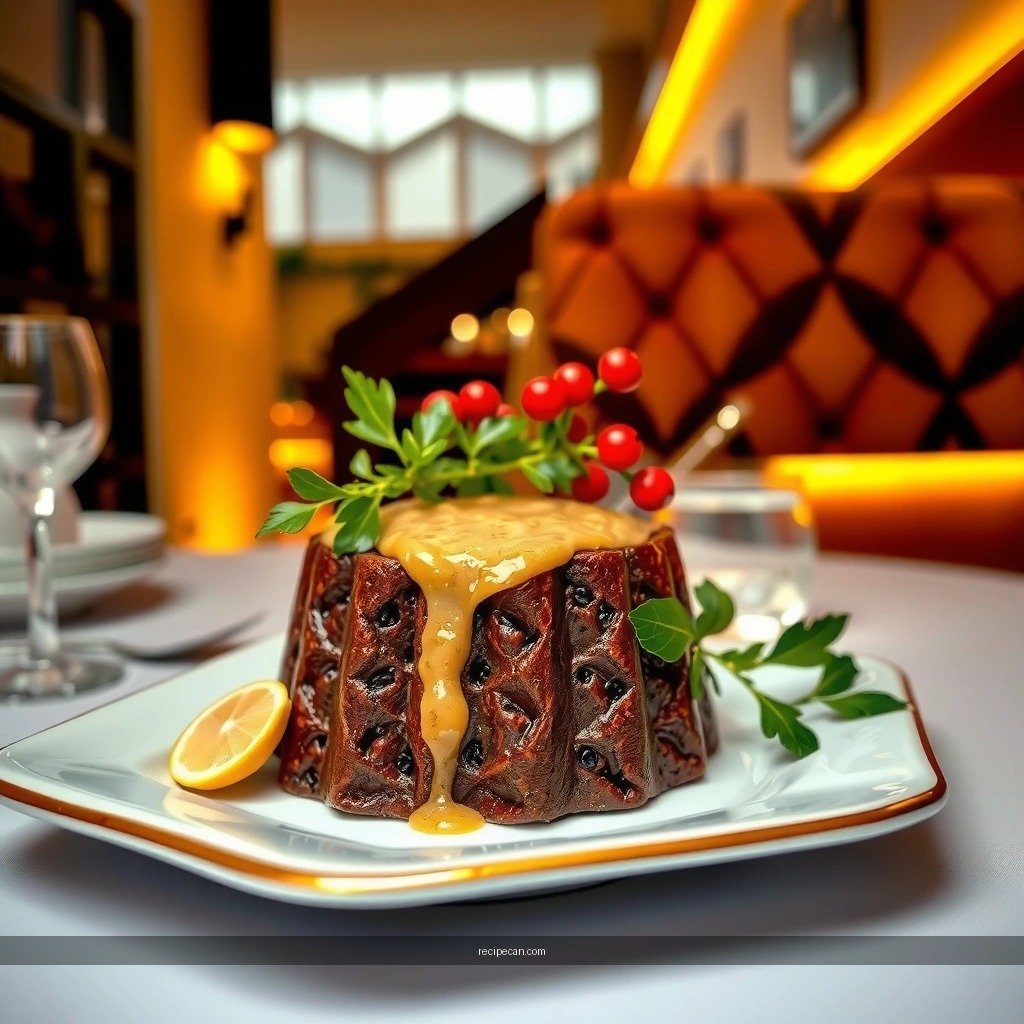
A traditional Xmas pudding is less about “butter-and-flour baking” and more about building a stable steamed sponge around fruit, suet (or a vegetarian substitute), and spices. Gluten-free versions succeed when you replicate two functions that wheat would normally provide: structure and moisture retention.
1) The gluten free flour blend matters
Not all gluten free plain flour blends behave the same. For Xmas pudding, you want a blend that:
– contains a mix of starches (often rice/tapioca) and a binder-friendly base
– isn’t overly heavy with bean flours (which can mute the classic pudding flavor)
– produces a batter that thickens rather than turning paste-like
What to look for on labels
– “gluten free plain flour blend” suitable for cakes/crumb-based bakes
– xanthan gum already included or the ability to add it
– no strong gritty texture claims (you want smooth, even steam-setting)
2) Bind to prevent crumbling and gumminess
Wheat gluten traps gas and holds moisture; in gluten free pudding, binders replace that role. A common approach is:
– xanthan gum (small amount for structure)
– optionally psyllium husk (adds resilience, especially if your blend is binder-light)
Avoid under-binding: pudding may crumble when unmoulded.
Avoid over-binding: it can become gummy or elastic.
3) Fats and “traditional richness”
Classic recipes often use suet. In gluten free, fat is still essential for a tender crumb and long storage life. Use:
– beef/vegetable suet (traditional-style) or
– vegetable shortening plus finely chopped dairy-free butter (vegetarian-friendly)
4) Key ingredient balance (why it’s stable)
The best gluten free Xmas pudding isn’t “dry sponge + wet fruit.” It’s a thick batter—thick enough to hold fruit evenly, but not so thick it steam-dries.
Use this ratio mindset:
– Fruit adds moisture and weight—so your flour blend and binder must be enough to “set” the fruit.
– Eggs (if using) provide emulsification and extra set.
– Dark treacle/molasess (optional but classic) deepens colour and sweetness.
Quick reference: pudding stability targets
To keep texture consistent year after year, aim for a batter that:
– drops from a spoon slowly (not pourable)
– looks cohesive, not split
– thickens slightly as it rests (binder hydration)
Gluten-Free Binding Options for Steamed Xmas Pudding (Typical Outcomes)
| # | Binding Approach | Best For | Texture Result | Steam Tolerance |
|---|---|---|---|---|
| 1 | Xanthan gum (standard) | Crumble-resistant slices | Moist, classic set | High |
| 2 | Xanthan gum + psyllium husk | Extra resilience after refrigeration | Firm set, less crumble | Very high |
| 3 | Gluten-free plain flour only (no gum) | Quick bakes, day-of serving | Can feel soft/sandy | Medium |
| 4 | Chia gel (seed binder) | Gentle thickening in fruit-heavy mixes | Slightly springy crumb | Low–Medium |
| 5 | Gelatin (if acceptable) | Elegant slice hold | Silky, set texture | High |
| 6 | Cornstarch + gum (small-starch support) | Smoother set, less grain | Creamy slice surface | Medium–High |
| 7 | Overbaked with low binder | Not recommended | Dry exterior, crumbly centre | Very low |
Preparing the Fruit and Spices
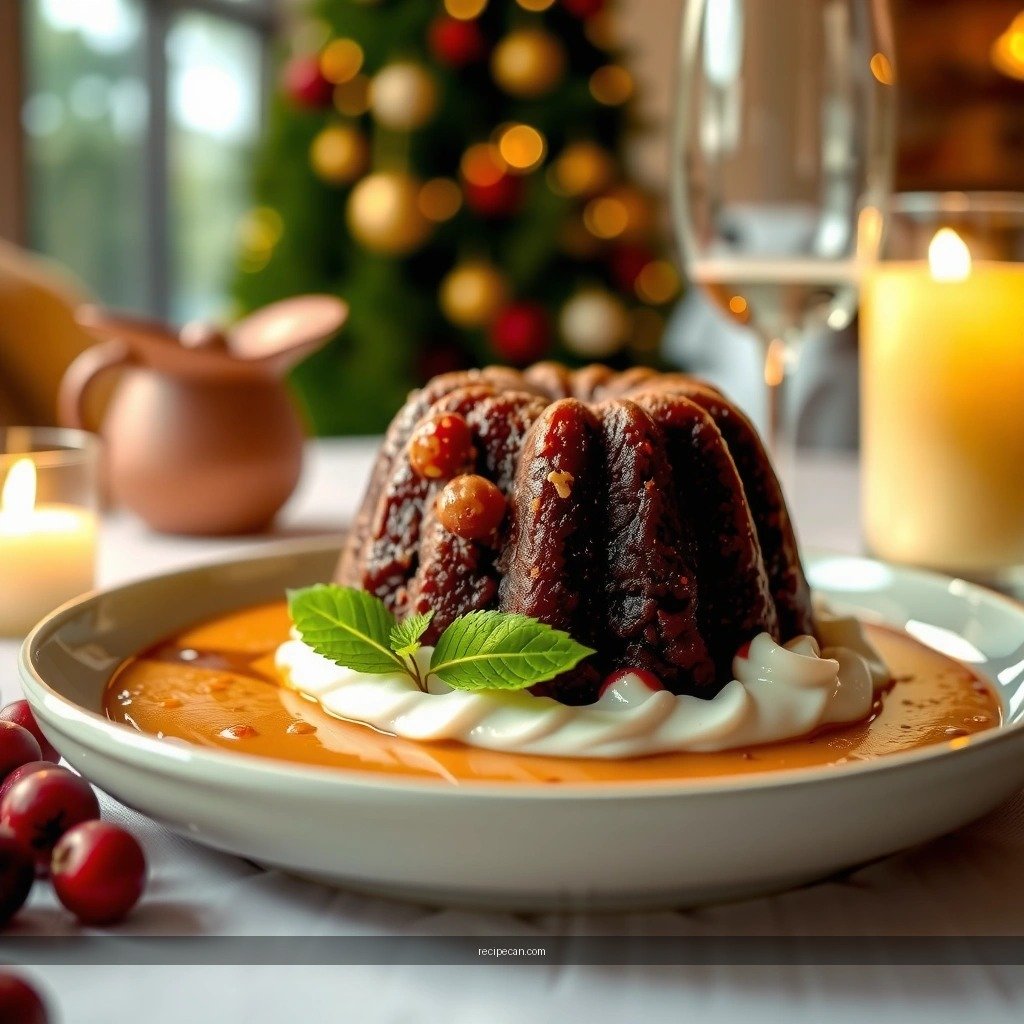
A traditional-style Xmas pudding is defined by deep, mellow fruit flavor—something that improves dramatically with a short soak.
Soak dried fruit (and why warm spices help)
Use a combination of dried fruit such as:
– raisins or sultanas
– currants (or extra raisins if unavailable)
– chopped dried apricots (optional for a brighter note)
Warm the soaking liquid (tea, apple juice, orange juice, or even dark stout) and stir in spices—then pour over the fruit. Soak for at least 2 hours, or overnight for maximum depth.
Flavor principle: warming releases spice volatiles and helps the sugar in fruit dissolve slightly, creating a more integrated “pudding aroma.”
Build spice complexity like a classic recipe
Aim for a traditional blend that usually includes:
– cinnamon
– nutmeg
– mixed spice or allspice
– cloves (use sparingly)
– ginger (ground or dried)
Then add brightness:
– orange zest (and optionally lemon zest)
– a small pinch of salt to sharpen sweetness
Avoiding imbalance: if you add more treacle/molasses for colour, keep the zest measured so the pudding doesn’t read as flat or overly caramel-forward.
Optional “chef move”: maceration with alcohol
If you like traditional feeding, you can incorporate:
– brandy, dark rum, or bourbon (in small amounts)
– during storage, not necessarily during the initial mix
This improves complexity over time, but the pudding should still be appealing for alcohol-free guests.
Mixing the Pudding Batter
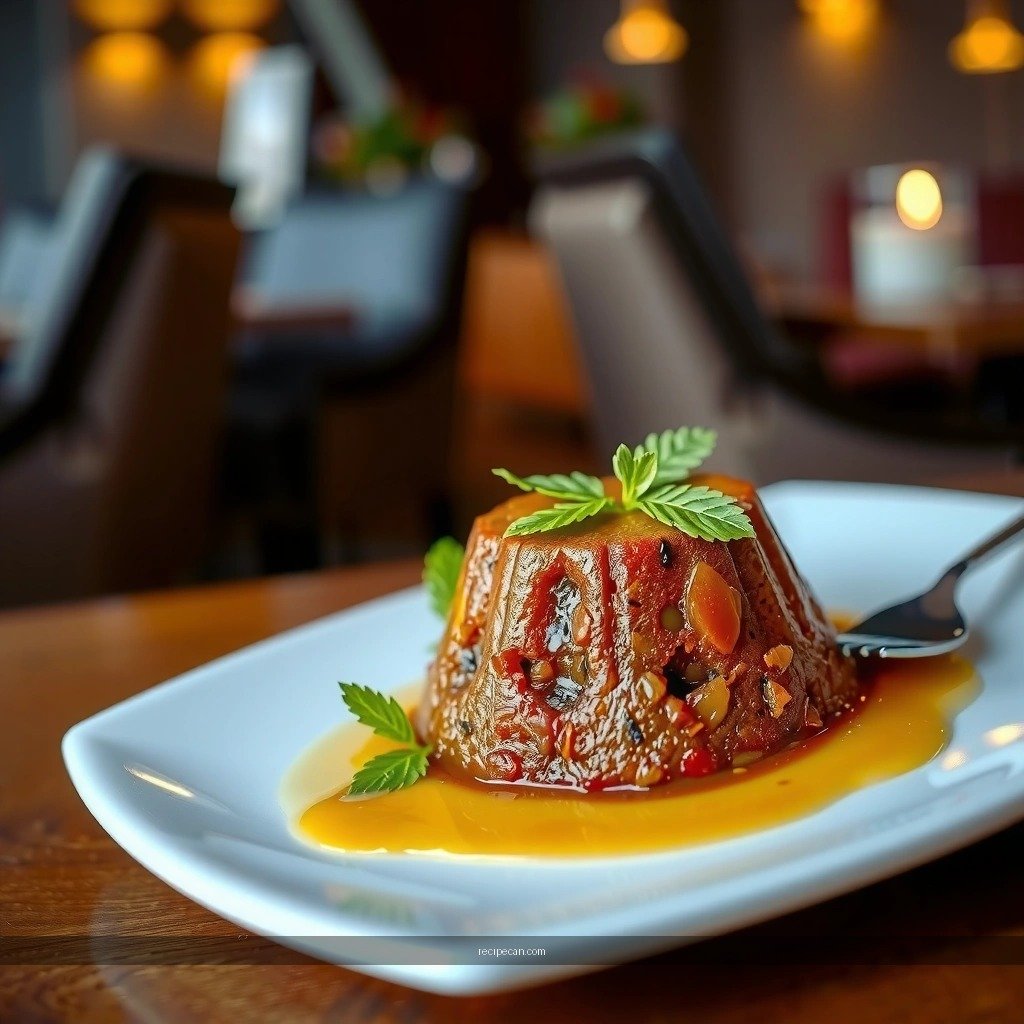
Step-by-step mixing approach
1. Combine dry ingredients first
Flour blend, xanthan gum/psyllium, spices, and a pinch of salt. Whisk to distribute evenly.
2. Combine wet ingredients second
Eggs (if using), treacle/molasses, melted fat, soaking liquid, and zest.
3. Add wet to dry gradually
Stir until thick and cohesive. The goal is uniform moisture distribution.
4. Rest the batter
Let it stand 10–20 minutes so the starches hydrate and binders activate.
What “correct” batter looks like
– thick, spoonable, and glossy
– fruit evenly suspended (not sinking immediately)
– no flour pockets
– no dry crumb at the edges of the bowl
If your batter seems too stiff, add liquid by teaspoonfuls. If it seems loose, add flour blend by tablespoonfuls—but do so carefully, because too much flour can dry the final pudding after steaming.
Common failure modes (and fixes)
– Gummy texture: usually too much binder or under-steaming (centre not set).
– Crumbly pudding: not enough binder/flour structure or steaming too briefly.
– Fruit floats: batter too thin; thicken slightly and rest longer before filling.
Steaming Times and Best Texture Tips
Steaming is the “secret technique” behind the pudding’s traditional mouthfeel—gentle heat that sets the batter without drying it.
Steaming temperature and duration
Use a properly fitted steamer so water doesn’t boil aggressively under the pudding. A steady simmer is ideal.
Typical guidance for a household pudding:
– 1.2–1.5 litre pudding basin: about 2.5–3 hours
– Check for doneness with a skewer in the centre: it should come out with no wet batter residue.
(Your basin size and pudding thickness will affect timing—start checking early to avoid overcooking.)
Skewer test and visual cues
Because gluten-free puddings can be darker, rely on texture rather than colour:
– Centre should feel set and springy, not loose.
– Skewer should insert and withdraw cleanly with no sticky batter.
Cooling and wrapping: the hold-together step
Once steamed:
– Cool fully in the basin.
– Wrap tightly (follow with foil and/or an airtight cover).
– This resting stage helps the pudding firm up and slices cleanly when reheated.
If you unmould immediately while hot, the pudding may collapse—especially if your binder load is on the lower end.
Presentation tip
Before serving day:
– Unwrap, re-steam to warm through, then invert onto a plate.
– If you want a classic shine, brush lightly with warmed jam or syrup glaze (optional).
How to Store and Reheat Your Pudding
Correct storage is what transforms a good gluten free Xmas pudding into a truly festive centrepiece with matured flavor and improved texture.
Storage method for best results
– Store covered in a cool place for short-term storage, or refrigerate if your kitchen is warm.
– For traditional “feeding,” you can brush the surface with alcohol (brandy/rum) every few days, then re-wrap. Use small amounts and let it soak in.
Food safety note: follow safe handling practices—especially if using alcohol regularly or storing longer than a week.
Reheating without drying
The key is to reheat gently so moisture re-distributes through the fruit and sponge.
Options:
– Steam: best texture retention; re-steam covered until piping hot.
– Microwave: works, but do it in short intervals, covered, with a splash of water or a damp paper towel to prevent drying.
Practical reheating targets
– Slice and heat individual portions if you want maximum moisture.
– For whole pudding, allow extra time because gluten-free centres can set more firmly.
Serving readiness checklist
– Pudding is fully warmed throughout (not just heated at the edges).
– Surface is glossy and moist.
– Fruit is tender, not dry.
Serving Suggestions for Gluten Free Xmas Pudding
Gluten free Xmas pudding is rich and spiced, so your sauces should complement—not overpower—the deep fruit notes.
Classic accompaniments
– Custard (vanilla, or bourbon vanilla for extra warmth)
– Brandied cream (lightly sweetened cream with a splash of brandy)
– Brandy butter (traditional and very effective with steamed pudding)
How to plate for a “traditional-style” impact
– Serve warm pudding with a generous spoon of custard.
– Add a small garnish: orange zest or a dusting of cinnamon.
– If you’re serving to guests, cut and re-warm slices to keep the texture consistent.
Pairing ideas for variety
– Warm sauce works best: treacle cream, spiced rum sauce, or lightly warmed fruit compote.
– Coffee-flavored additions can be tempting, but keep them subtle; pudding spices are already complex.
This is also a practical consideration for households with dietary needs: gluten free Xmas pudding pairs well with both dairy and dairy-free sauces when planned in advance.
Gluten free Xmas pudding is achievable without wheat when you treat gluten-free flour as a structural ingredient and steaming as the texture-setting process. Choose a reliable gluten free plain flour blend, add dependable binding (xanthan gum and/or psyllium), soak fruit and spices for depth, and steam until the centre is genuinely set. Then cool properly, store for flavour maturation, and reheat gently so the pudding stays moist and slices beautifully—so your Christmas table is ready with a genuinely traditional result.
Frequently Asked Questions
What makes a gluten free Xmas pudding recipe taste like the classic version?
To get that traditional Christmas pudding flavor, use gluten free plain flour blends that include a starch mix (like rice flour and potato starch) and add ingredients for depth such as ground mixed spice, cinnamon, and plenty of dried fruit. Binding is key too—use xanthan gum or psyllium husk so the pudding sets properly without a wheat crumb. Let the pudding rest after steaming (or baking) so flavors meld and the texture firms up.
How do I convert a regular Xmas pudding recipe to gluten free?
Replace the wheat flour with a high-quality gluten free flour blend or measure-for-measure gluten free flour, and add a binder like xanthan gum (typically 1/2–1 tsp per 250g flour blend) to prevent crumbling. Keep an eye on moisture: dried fruits and suet-style fats help, but gluten free baking can dry out faster, so add a splash of milk or orange juice if the mixture feels too stiff. Follow the same steaming or baking time, then test for doneness with a skewer and ensure it comes out mostly clean.
Why does gluten free Christmas pudding turn out dry or grainy, and how can I fix it?
Gluten free Xmas pudding can become dry if the flour blend lacks enough starch or if it’s overcooked—start checking early and don’t extend steaming/baking unnecessarily. Graininess often comes from under-softened dried fruit or a flour blend that isn’t finely milled; chop dried fruit and soak it briefly in tea, cider, or orange juice before mixing. Using a binder (xanthan gum/psyllium) and letting the pudding cool fully before reheating helps it set smoothly.
Best gluten free method: should I steam or bake my Xmas pudding?
Both methods work for a gluten free Xmas pudding recipe, but steaming is more traditional and helps create a moist, cohesive texture. Baking can be easier for consistent results, especially if you’re using individual molds or a single loaf tin—just cover with foil to prevent drying. Regardless of method, ensure the pudding is fully cooked through and cool before storing, then reheat gently for the best gluten free holiday flavor.
Which gluten free flour blend is best for Christmas pudding?
Look for a gluten free plain flour blend designed for baking that already includes starches for structure, such as rice flour, potato starch, and tapioca. Avoid very “single-ingredient” flours like just almond flour or just oat flour in the same way a classic gluten free Xmas pudding recipe uses a balanced flour mix plus binder. If your blend doesn’t specify baking suitability, add xanthan gum or psyllium to improve binding and give the pudding a more traditional slice.
References
- Google Scholar Google Scholar
https://scholar.google.com/scholar?q=gluten+free+christmas+pudding+recipe - Google Scholar Google Scholar
https://scholar.google.com/scholar?q=gluten-free+baking+christmas+pudding+xanthan+gum - Google Scholar Google Scholar
https://scholar.google.com/scholar?q=celiac+disease+gluten-free+holiday+recipes - Christmas pudding
https://en.wikipedia.org/wiki/Christmas_pudding - Gluten-free diet
https://en.wikipedia.org/wiki/Gluten-free_diet - Gluten-free Christmas pudding recipe | Good Food
https://www.bbcgoodfood.com/recipes/gluten-free-christmas-pudding - Coeliac disease – NHS
https://www.nhs.uk/conditions/coeliac-disease/ - The gluten free diet – Coeliac UK
https://www.coeliac.org.uk/food-and-diet/the-gluten-free-diet/ - Celiac disease – Symptoms and causes – Mayo Clinic
https://www.mayoclinic.org/diseases-conditions/celiac-disease/symptoms-causes/syc-20352220 - https://pubmed.ncbi.nlm.nih.gov/?term=celiac+disease+gluten-free+diet+review
https://pubmed.ncbi.nlm.nih.gov/?term=celiac+disease+gluten-free+diet+review