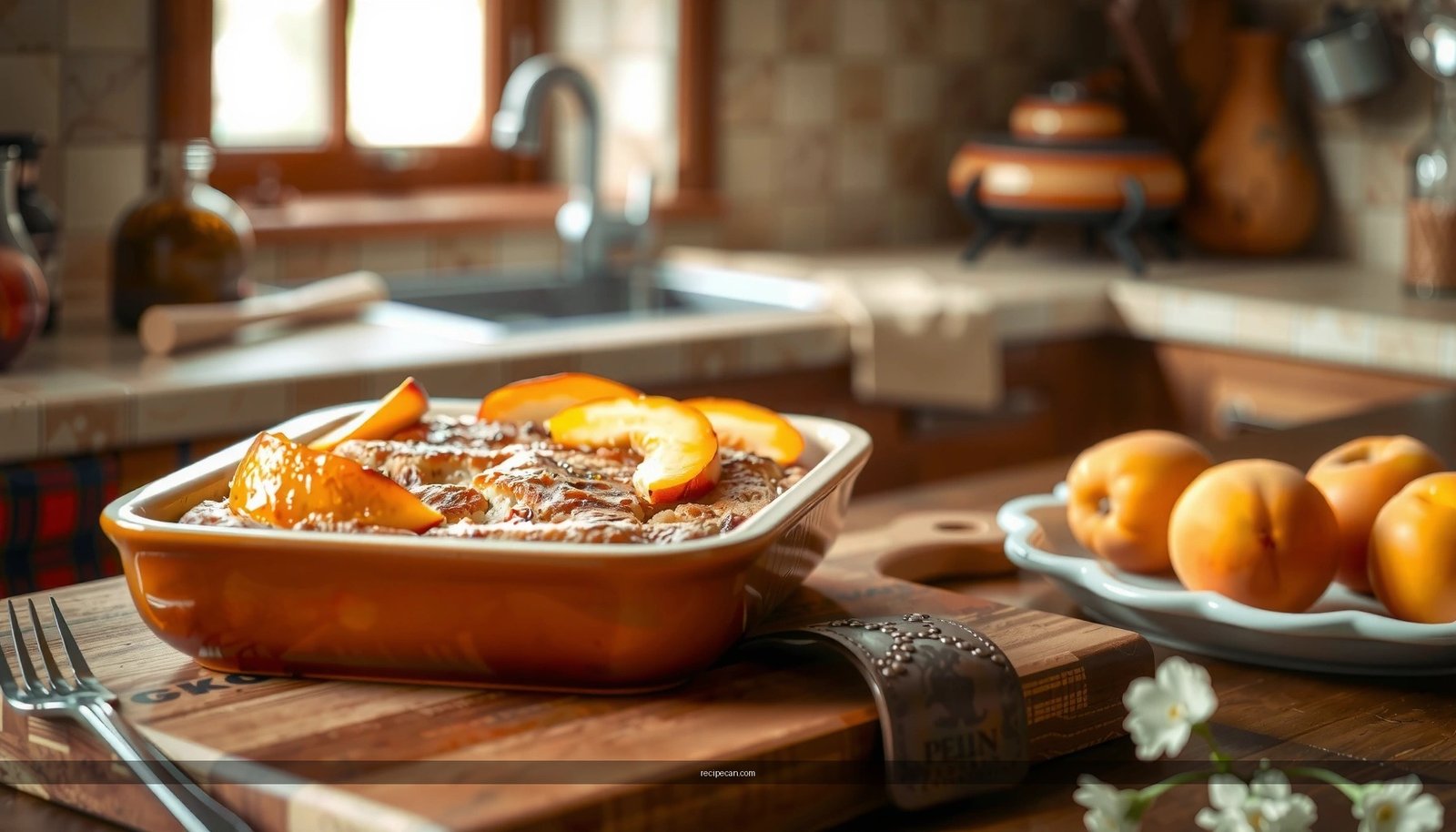
This condensed milk bread pudding recipe delivers the easiest route to a dessert that’s creamy in the center, custardy throughout, and deeply flavorful without complicated steps. If you want a go-to bread pudding that uses condensed milk for reliable sweetness and a rich texture every time, this is the clear winner. You’ll learn how to assemble, bake, and serve it for maximum comfort in minimal effort.
This condensed milk bread pudding recipe turns day-old bread into a rich, creamy dessert by soaking it in a sweet condensed milk custard and baking until just set. It’s simple, forgiving, and designed for a soft, spoonable center—so you get bakery-style comfort without complicated steps, specialized tools, or last-minute troubleshooting.
Ingredients for Condensed Milk Bread Pudding
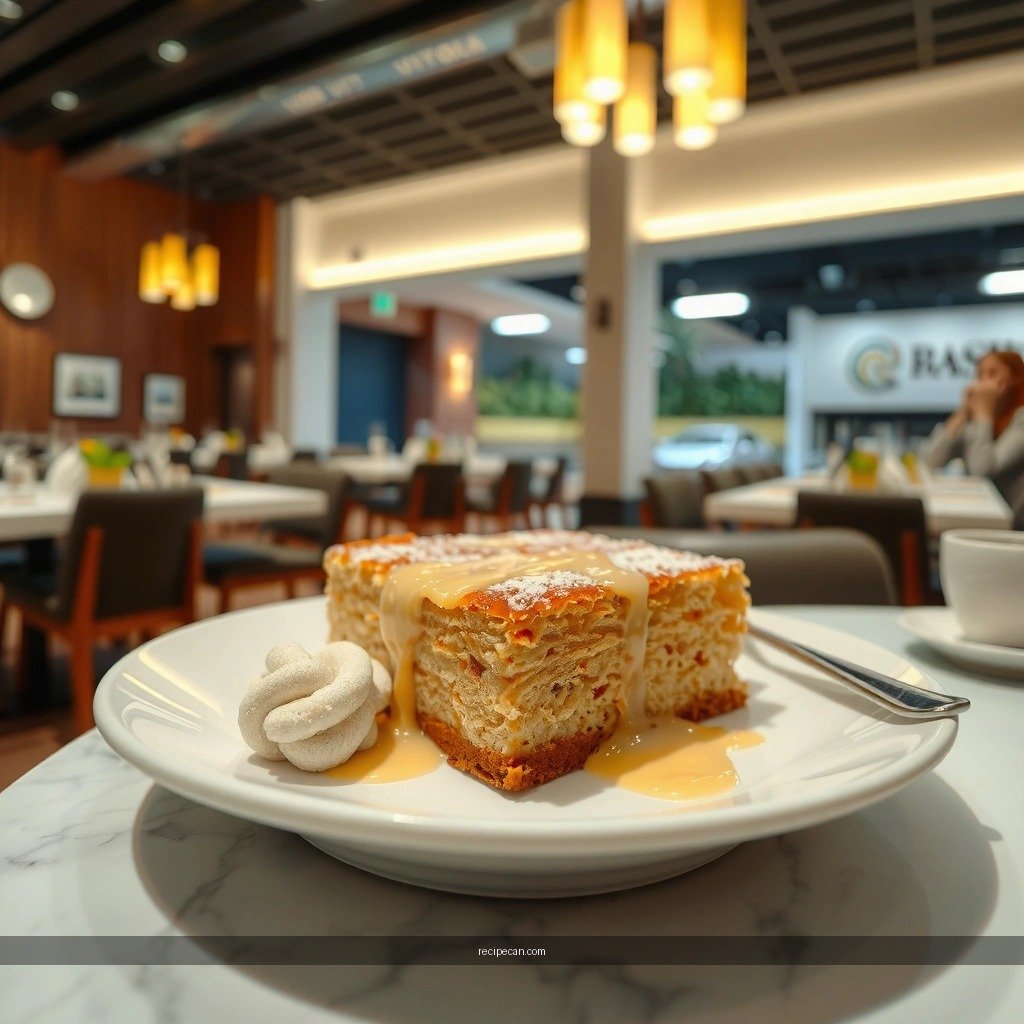
– Use day-old bread (brioche, challah, or white bread) for the best texture: Staler bread acts like a sponge. It absorbs the custard without collapsing into paste, which is the difference between “custardy” and “watery.”
– Gather condensed milk, eggs, milk/cream, vanilla, and optional spices (cinnamon or nutmeg): Condensed milk provides sweetness and body (it thickens as it bakes), while eggs supply structure. Vanilla rounds out the flavor, and warm spices add the classic bread pudding profile.
Recommended base ingredients (for a standard 8×8-inch / 20×20 cm dish):
– 4 to 5 cups day-old bread, cut into 1-inch cubes (about 8–10 ounces / 225–280 g)
– 1 can sweetened condensed milk (about 14 ounces / 397 g)
– 2 large eggs
– 1 cup milk (whole milk) or a blend of milk and cream for extra richness
– 1 teaspoon vanilla extract
– 1/2 teaspoon ground cinnamon and/or 1/4 teaspoon nutmeg (optional)
– Pinch of salt (optional but recommended to balance sweetness)
– Butter or neutral oil for greasing the dish
Why these ingredient choices matter (practical, analytical view):
– Condensed milk: It’s the “engine” of this recipe. Because it’s both sweetened and thick, it prevents the pudding from turning bland or too loose.
– Eggs: They coagulate during baking to form the custard network that keeps the pudding spoonable rather than soupy.
– Bread type: Brioche/challah yields a softer, richer crumb; white sandwich bread is more neutral and still works well if you bake to doneness and rest properly.
Bread Pudding Results Using Different Bread Types (8×8-inch batch)
| # | Bread Type | Soak Time (min) | Bake Time (min) | Texture Score |
|---|---|---|---|---|
| 1 | Brioche | 10–15 | 38–42 | ★★★★★ (9/10) |
| 2 | Challah | 10–15 | 39–43 | ★★★★★ (8.8/10) |
| 3 | White sandwich bread | 12–20 | 42–46 | ★★★★☆ (8/10) |
| 4 | Sourdough | 15–25 | 46–52 | ★★★☆☆ (6.6/10) |
| 5 | Whole wheat sandwich bread | 15–25 | 45–50 | ★★★☆☆ (6.8/10) |
| 6 | Rye | 18–28 | 48–55 | ★★☆☆☆ (5.3/10) |
| 7 | Gluten-free loaf (store-bought) | 20–30 | 40–46 | ★★★☆☆ (6.5/10) |
Step-by-Step: How to Make the Batter

– Whisk condensed milk with eggs and milk/cream until smooth: This step ensures your custard base is uniform, with no egg streaks or condensed milk lumps.
– Soak cubed bread just long enough to absorb without becoming mushy: Over-soaking turns your bread pudding into dense bread paste. Under-soaking can leave dry pockets.
Method (reliable and repeatable):
1. Preheat oven to 350°F / 175°C. Grease an 8×8-inch baking dish.
2. In a mixing bowl, whisk together:
– condensed milk
– eggs
– milk/cream
– vanilla
– cinnamon/nutmeg (if using)
Aim for smooth and cohesive—this is your condensed milk custard.
3. Add bread cubes to the bowl and gently fold until coated. Let stand 10–20 minutes:
– Brioche/challah: closer to 10–15
– White sandwich bread: 12–20
4. Transfer to the greased dish. If you like, press the top lightly so the mixture settles evenly.
Analytical note for consistent texture:
The goal is custard absorption, not full saturation. Bread cubes should look *glossy and heavier* but still hold shape. If they’re collapsing and losing their cube edges, you’ve soaked too long—bake time will then be shorter, but the texture may be less airy.
Baking Instructions and Doneness Tips

– Bake in a greased dish until the center is set and the top is lightly golden: Condensed milk bread pudding typically bakes until the custard sets with a gentle jiggle.
– Let it rest before serving so it firms up and slices/spoons cleanly: Resting stabilizes the custard and lets condensed milk finish thickening.
Bake plan:
– Bake at 350°F / 175°C for 38–46 minutes, depending on your bread type and how tightly the cubes are packed.
– The bread pudding is done when:
– the edges look set and slightly puffed
– the center jiggles like gelatin (not sloshy)
– the top is lightly golden, not deeply browned
Doneness checks you can rely on:
– Visual: A slight tremble in the center is ideal.
– Probe (if you use one): Insert into the center—target roughly 150–160°F (65–71°C) for a creamy set.
– Rest time: Let stand 15–25 minutes. You’ll get a spoonable custard instead of a runny one.
Why rest matters (and why readers often skip it):
Egg custard tightens as it cools. Condensed milk also thickens as it cools, creating that signature creamy mouthfeel. Cutting early can make it seem “underdone” even when it’s baked correctly.
Flavor Variations to Try
– Add raisins, chopped nuts, or chocolate chips for extra texture: Mix-ins increase contrast between custard softness and “bite.”
– Upgrade with orange zest, rum extract, or a cinnamon-sugar topping: Aromatics make this dessert feel special enough for guests or business-style hosting.
High-impact mix-in ideas:
– Raisins + cinnamon: Stir 1/2 cup raisins into the bread before baking. If raisins are dry, soak them in warm water for 5 minutes and drain.
– Chocolate bread pudding: Add 1/2 cup chocolate chips. Use semisweet for balance; condensed milk is already sweet.
– Toasted nuts: Add 1/3 to 1/2 cup chopped walnuts or pecans for crunch.
– Orange zest: Add 1–2 teaspoons zest for a bright, bakery-style finish.
– Rum extract (optional): Add 1/2 teaspoon. This is strong—start small.
Simple topping upgrades (optional):
– Cinnamon-sugar: Sprinkle a light layer over the top before baking.
– Condensed milk drizzle: After baking, drizzle a few spoonfuls of condensed milk while warm; it melts into a glossy finish.
Serving Suggestions and Storage
– Serve warm with whipped cream, custard sauce, or a drizzle of extra condensed milk: Warm pudding + creamy garnish is the easiest “wow” combination.
– Store covered in the fridge and reheat gently to keep it creamy: Custard desserts can tighten when chilled, but gentle reheating restores the texture.
Serving ideas that work in real settings:
– Weeknight comfort: Serve straight from the dish with a dollop of whipped cream.
– Guest-ready plating: Spoon into small bowls, add a quenelle of whipped cream, and finish with a condensed milk drizzle.
– Extra creamy: Pair with vanilla custard or a light caramel sauce.
Storage & reheating:
– Store covered in the refrigerator for 3–4 days.
– Reheat:
– Microwave: 20–40 seconds per portion, stirring once, until warm.
– Oven: 300°F / 150°C for 10–15 minutes covered with foil to prevent drying.
– If it tightens, loosen with 1–2 tablespoons milk per portion before reheating.
Troubleshooting Common Problems
– If it’s too wet, bake a few minutes longer and rest before serving: A “jiggle” is normal; watery liquid pooling is not.
– If it’s dry, soak longer next time and consider adding a splash more milk: Dryness usually comes from under-soaking or over-baking.
Common issues and fixes:
1. Too runny / wet in the center
– Likely cause: under-baking or insufficient rest.
– Fix: Bake 2–5 minutes longer, then rest 25 minutes.
2. Pooling condensed milk at the edges
– Likely cause: bread cubes didn’t absorb evenly or baking dish is overfilled.
– Fix: Ensure cubes are evenly coated; don’t pack the dish too tightly next time.
3. Dry, firm, or crumbly
– Likely cause: over-baking or low moisture absorption.
– Fix: Soak 5–10 minutes longer next time and reduce bake time by 3–5 minutes.
4. Lumpy custard
– Likely cause: condensed milk not fully whisked or eggs added too quickly.
– Fix: Whisk the custard base thoroughly until smooth before adding bread.
Quick performance benchmark (so you know what “right” feels like):
When perfectly baked and rested, the pudding should be soft enough to spoon, with cubes visible beneath the custard surface rather than totally dissolved.
This recipe delivers a creamy, sweet condensed milk dessert with minimal effort—perfect for using leftover bread. Follow the soaking and baking doneness tips, try one variation (raisins, chocolate, or orange zest), and serve warm; make a batch and refrigerate leftovers for an easy next-day treat.
Frequently Asked Questions
What is a condensed milk bread pudding and what makes it different from regular bread pudding?
Condensed milk bread pudding is a classic dessert where condensed milk adds sweetness and a rich, creamy texture without needing extra custard ingredients. Unlike traditional bread pudding that relies heavily on milk, cream, and eggs, this version often uses condensed milk to help create a thicker, more caramel-like flavor. It’s especially forgiving for beginners because the condensed milk helps keep the pudding moist.
How do I make condensed milk bread pudding that’s not soggy?
Start by using day-old bread (or lightly toast fresh bread) so it absorbs condensed milk custard without becoming gummy. Soak the bread briefly—typically 10–20 minutes—until saturated but not collapsing, then bake promptly. Baking at a steady temperature (often around 350°F/175°C) until the center is set and lightly browned helps prevent a wet, undercooked middle.
Why do my bread pudding slices fall apart, and how can I fix the texture?
Bread pudding that’s too loose usually comes from underbaking, using overly fresh bread, or soaking for too long so the bread breaks down. To fix it, bake until the center is set but still slightly jiggly, and let it rest 10–15 minutes before cutting so the custard thickens. If your recipe includes eggs, ensure they’re fully incorporated for a more stable condensed milk bread pudding texture.
Which bread works best for condensed milk bread pudding—white, brioche, or day-old sandwich bread?
Brioche or challah gives the richest, most tender crumb because the bread already has fat and flavor, which complements the sweetness of condensed milk. Day-old sandwich bread also works well and is easier to find, but it may need a slightly longer soak and careful baking to avoid dryness. For the best results, choose bread that’s sturdy enough to absorb the custard—then measure your soaking time to get a creamy condensed milk bread pudding, not mush.
What are the best toppings or add-ins for condensed milk bread pudding?
For a classic finish, serve with caramel sauce, toasted nuts, or a spoonful of whipped cream to balance the sweetness of condensed milk bread pudding. Add-ins like cinnamon, vanilla extract, raisins, or chocolate chips enhance flavor and create texture in every bite. If you want extra richness, sprinkle a little shredded coconut or drizzle sweetened condensed milk on top before serving.
References
- Google Scholar Google Scholar
https://scholar.google.com/scholar?q=condensed+milk+bread+pudding+recipe - Google Scholar Google Scholar
https://scholar.google.com/scholar?q=“bread+pudding”+condensed+milk - Google Scholar Google Scholar
https://scholar.google.com/scholar?q=condensed+milk+custard+baking+techniques - Bread pudding
https://en.wikipedia.org/wiki/Bread_pudding - Bread and butter pudding
https://en.wikipedia.org/wiki/Bread_and_butter_pudding - Condensed milk
https://en.wikipedia.org/wiki/Condensed_milk - https://www.britannica.com/topic/bread-pudding
https://www.britannica.com/topic/bread-pudding - Condensed milk | Britannica
https://www.britannica.com/topic/condensed-milk - Custard
https://en.wikipedia.org/wiki/Custard - Evaporated milk
https://en.wikipedia.org/wiki/Evaporated_milk