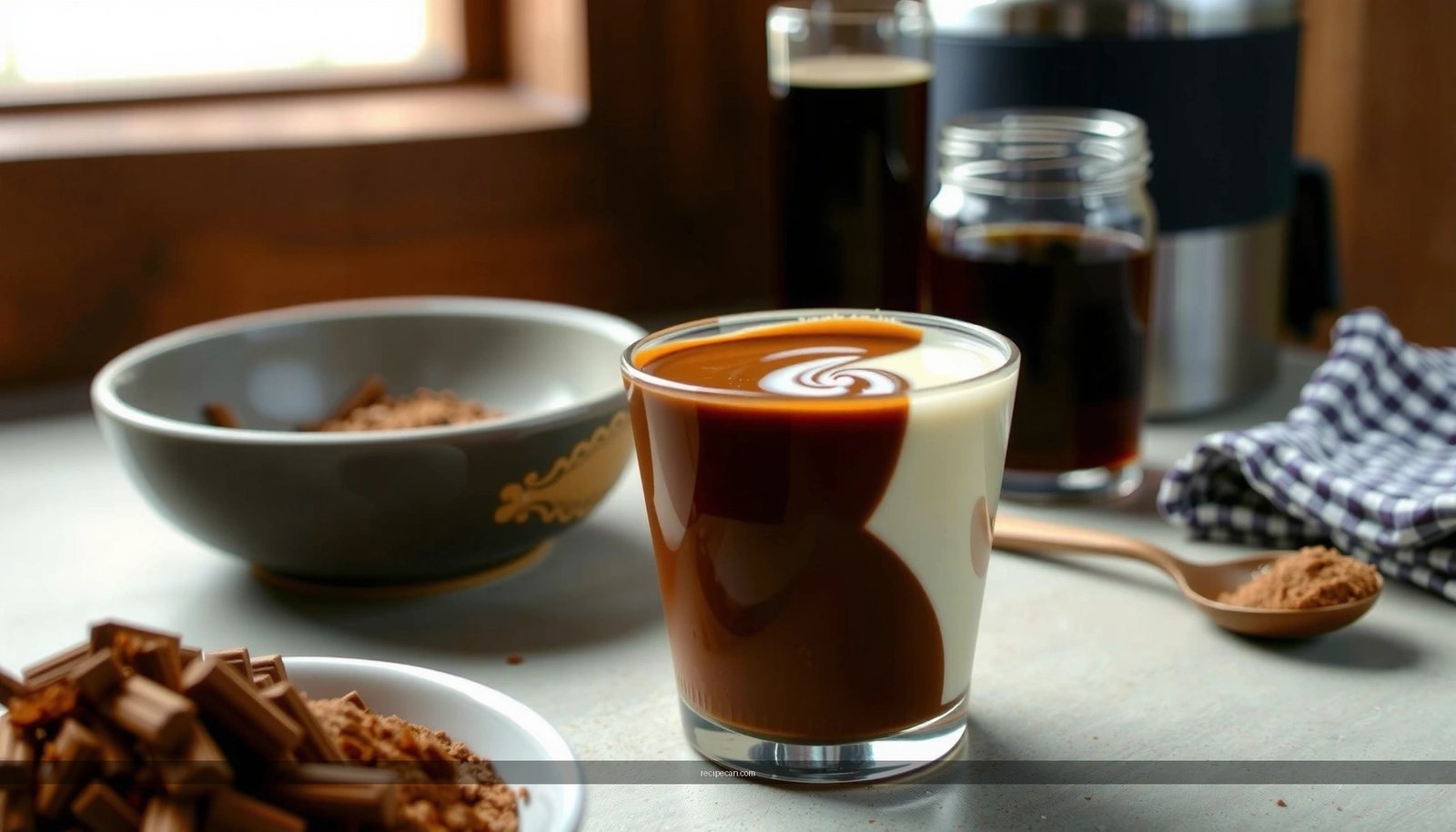
Get a rich chocolate pudding recipe with no eggs—simple, reliable, and ready to serve without shelling out for substitutes. This easy egg-free method answers whether you can nail the same creamy texture and deep chocolate flavor using pantry staples instead of eggs. Follow the steps below for a smooth set, no fuss, and no guesswork.
Make silky chocolate pudding without eggs by whisking cornstarch into a cold splash of milk, then simmering until the mixture turns glossy and thick; once cooled (and optionally chilled), it sets into a rich spoonable dessert. This egg-free method uses standard pantry ingredients—cocoa, sugar, cornstarch, salt, and milk (dairy or non-dairy)—with vanilla added at the end for a classic, restaurant-style finish and no runny pudding.
Egg-Free Chocolate Pudding Ingredients
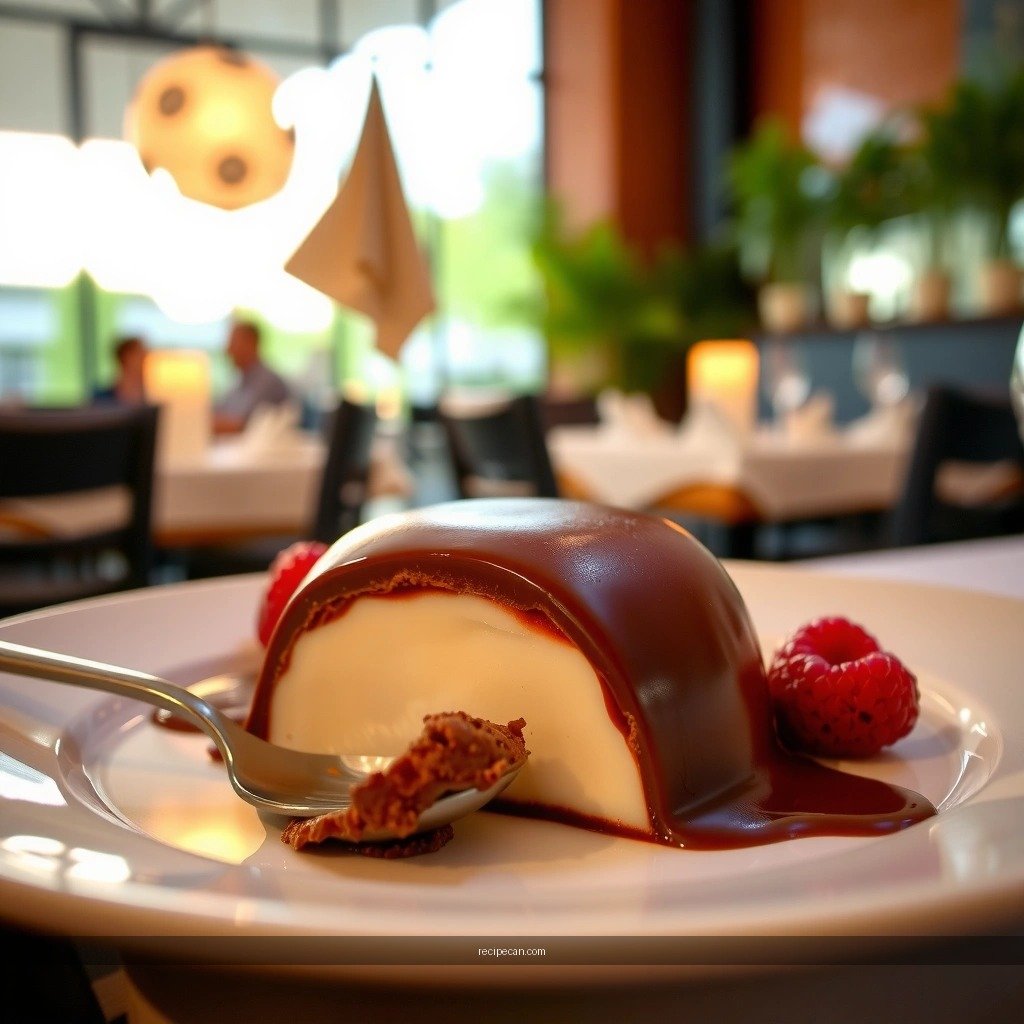
– Cocoa powder, sugar, cornstarch, and salt as the thickening base
– Milk (dairy or non-dairy) plus vanilla for classic flavor
An egg-free chocolate pudding needs a reliable thickener and enough fat/protein (or their dairy-free equivalents) to create a creamy mouthfeel. In this recipe, cornstarch is the thickener: it gelatinizes as it heats, which is why careful simmering matters more than egg replacement tricks. Cocoa powder contributes both chocolate flavor and natural body, but it also absorbs liquid—so the balance between cocoa and milk is key.
Here’s what to gather (amounts can be adjusted, but the ratio logic should stay the same):
– Unsweetened cocoa powder: for deep chocolate flavor and color
– Granulated sugar: sweetness and help with a stable set
– Cornstarch: thickening power that replaces eggs
– Salt: rounds cocoa bitterness and enhances perceived richness
– Milk (dairy or non-dairy): creaminess and viscosity; choose one you enjoy plain
– Vanilla extract: added after thickening for maximum aroma
Dairy vs. non-dairy note: Most dairy-free milks (like oat or soy) thicken well with cornstarch. Almond milk can work, but may yield a slightly lighter result unless you use a full-fat style and simmer a touch longer.
Cornstarch Thickening Performance for Egg-Free Pudding (Cooked Method)
| # | Milk Type | Best Thickening Range (Simmer) | Creaminess Level | Set After Chilling |
|---|---|---|---|---|
| 1 | Whole dairy milk | 3–5 minutes | High | Excellent |
| 2 | 2% reduced-fat dairy milk | 4–6 minutes | Medium-High | Very Good |
| 3 | Soy milk (unsweetened) | 3–5 minutes | High | Excellent |
| 4 | Oat milk (barista/full-fat style) | 4–6 minutes | High | Very Good |
| 5 | Almond milk (unsweetened) | 5–7 minutes | Medium | Good (may soften) |
| 6 | Coconut milk beverage | 4–6 minutes | High (richer) | Very Good |
| 7 | Cashew milk | 5–7 minutes | Medium-High | Very Good |
How to Make the Cornstarch Slurry
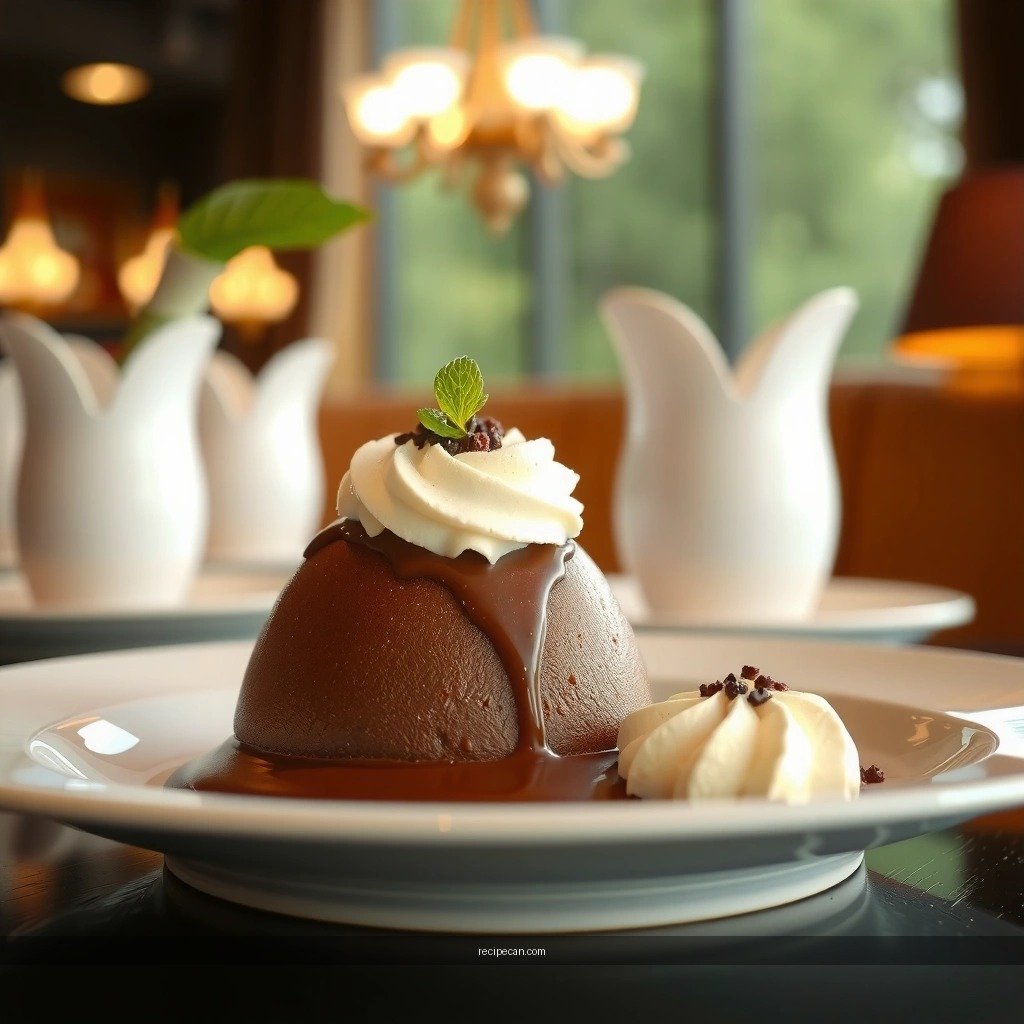
– Whisk cornstarch with a splash of cold milk to prevent lumps
– Add to the hot mixture gradually, stirring constantly
Cornstarch slurry is the difference between pudding that’s smooth and pudding that’s gritty. The core principle is simple: cornstarch must be hydrated evenly before full heating. If you add cornstarch directly to hot cocoa mixture, clumps form because the starch particles don’t disperse uniformly.
A practical workflow:
1. Measure your cornstarch and place it in a small bowl.
2. Add a splash of cold milk (about a tablespoon or two per 1–2 tablespoons cornstarch) and whisk until glossy and lump-free.
3. Pour the slurry slowly into the simmering cocoa base while stirring continuously.
Why “gradually”? Because even with good slurry technique, the starch needs time to disperse through the hot liquid so the thickening develops evenly. Stirring constantly also prevents scorching at the bottom of the pan—an issue that can lead to off flavors and uneven thickness.
Common troubleshooting:
– If you see lumps: keep whisking immediately; clumps typically disperse if they haven’t fully gelled yet.
– If it thickens too fast: your heat may be too high. Reduce to a steady simmer and continue stirring.
Cooking Method for Silky, Thick Pudding
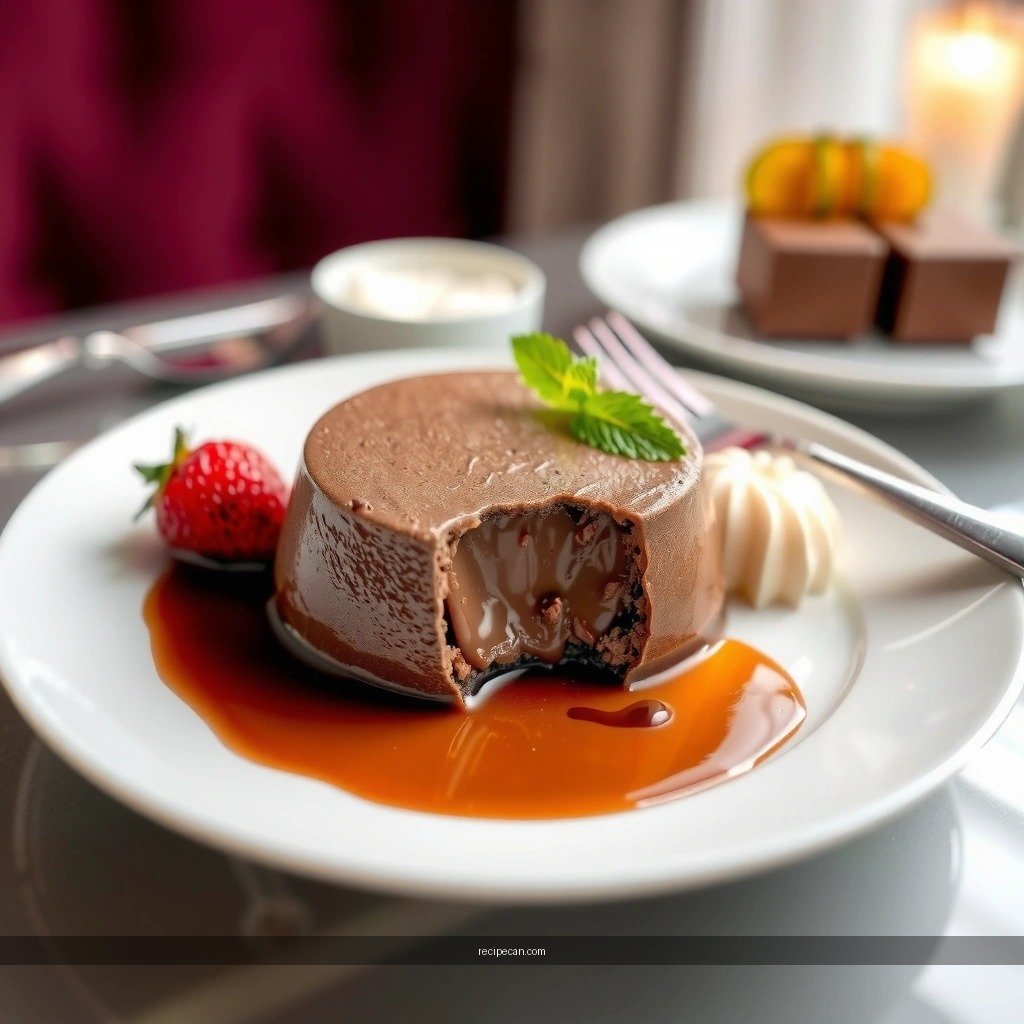
– Simmer until bubbles appear and the pudding thickens noticeably
– Stir frequently to keep it smooth and evenly thick
Once the slurry enters the hot mixture, you’re essentially guiding the starch through gelatinization. This is where the pudding transforms: it will go from thin and glossy to noticeably thicker, and you’ll see small bubbles breaking the surface.
A businesslike “quality standard” approach:
– Maintain a gentle simmer (not a rolling boil).
– Stir frequently, scraping the bottom and corners of the saucepan to avoid localized overheating.
– Cook until the pudding is thick enough that it coats the back of a spoon and holds a line when you draw a finger through it.
How long? It varies by stove strength and milk type, but for most setups the sweet spot is typically 3–7 minutes after thickening begins. For thickening consistency, rely more on visual cues than time alone:
– The pudding turns glossier as it thickens.
– It becomes slower to move in the pan.
– The mixture no longer looks translucent.
Heat and protein chemistry also matter. Eggs normally provide emulsification and structure; in egg-free pudding, cornstarch assumes the structural role. Milk solids and cocoa dispersions help stabilize that structure, improving sliceable, spoonable set.
Achieving the Right Texture (Not Runny, Not Too Thick)
– Adjust thickness by simmer time (shorter = softer, longer = thicker)
– Cool to thicken further; chill if you want a firmer set
Texture is the most frequent reason people say their egg-free pudding turned runny. The fix isn’t complicated: thicken in the pan enough to account for cooling.
Think of texture in two stages:
1. On the heat: you develop the initial set structure.
2. During cooling/chilling: starch continues to firm as temperature drops and the mixture stabilizes.
How to land “just right”:
– Too runny (under-thickened): cook for 30–60 seconds longer next time, and simmer gently until it clearly thickens.
– Too thick (over-reduced): whisk in small amounts of milk off heat, a teaspoon at a time, until smooth.
A reliable method for assessing:
– Immediately after thickening, the pudding should be thicker than you want in the final serving state, because it will relax slightly as it cools and then firm again when chilled.
– If serving warm/room temperature, stop when it’s spoon-coating but still silky.
– If serving cold (classic pudding cup style), chill long enough to achieve a firmer set.
Food safety note: eggs aren’t involved, but hot pudding should still be cooled safely. Transfer promptly into cups and refrigerate after it cools to a manageable temperature.
Flavor Variations and Easy Upgrades
– Add chocolate chips for extra richness and a deeper chocolate taste
– Swap in instant espresso or flavored extracts for a flavor boost
Egg-free chocolate pudding can still taste “from scratch,” because flavor development doesn’t depend on eggs—it depends on cocoa quality and thoughtful additions.
Easy upgrades that consistently improve results:
– Chocolate chips: Stir in a small handful once the pudding is cooked and slightly cooled (or right at the end off-heat) so they melt evenly without scorching. This boosts richness and creates occasional pockets of intense chocolate.
– Instant espresso (or strong coffee powder): A teaspoon added to the cocoa base amplifies chocolate notes and reduces cocoa bitterness. Keep it subtle—espresso shouldn’t taste like coffee unless you want that profile.
– Flavored extracts: Vanilla is classic, but you can also use a small amount of almond extract or orange extract (very carefully—these are potent). Add extracts off heat so aromas remain bright.
If you want a more “bakery-style” taste:
– Choose dark cocoa (higher percent) or use a blend of cocoa types.
– Add a pinch more salt if your cocoa tastes flat; salt enhances chocolate perception.
Storage and Serving Tips
– Cover the surface with plastic wrap to prevent a skin from forming
– Chill for at least 2–3 hours, then serve cold or room temperature
Pudding skins form when steam escapes and the top surface dries. The most dependable prevention method is direct contact between plastic and pudding.
Serving and storage best practices:
– Cover the surface: place plastic wrap directly on top of the pudding (press gently so there’s no air gap).
– Chill at least 2–3 hours for a stable set in typical refrigerator temperatures.
– Serve chilled or room temperature: warm slightly for a looser, more spoonable texture; cold for a firmer “classic pudding cup” feel.
Storage guidance:
– Refrigerate in covered cups for up to 3–4 days.
– Stir gently before serving if you notice slight separation (especially with some non-dairy milks).
– For best texture, avoid freezing—starch can break down and the pudding may become grainy after thawing.
If you’re meal-prepping, portioning matters: smaller cups chill faster and set more uniformly, improving consistency for multiple servings.
Skip the eggs and follow this cornstarch-thickened method for creamy, glossy chocolate pudding every time. Gather your cocoa, sugar, cornstarch, and milk, cook until it thickens, then chill for the best texture—try it today and customize it with chocolate chips or your favorite extract.
If you’d like, tell me your preferred milk (dairy, oat, soy, almond) and desired texture (soft-spoonable vs. firm cup), and I’ll translate this method into a precise ingredient ratio and timing for your stovetop.
Frequently Asked Questions
What is the easiest chocolate pudding recipe with no eggs?
An easy chocolate pudding recipe with no eggs typically uses milk (or dairy-free milk), cocoa powder, sugar, and a thickener like cornstarch or tapioca. In a saucepan, whisk the dry ingredients together, slowly add milk, then heat until the mixture thickens and turns glossy. Finish by stirring in vanilla and butter (or coconut oil for dairy-free) for a rich, spoonable pudding texture.
How do you thicken chocolate pudding without eggs?
The most reliable egg-free thickener for chocolate pudding is cornstarch, which sets when heated and then firms as it cools. Whisk cornstarch with cocoa and sugar, then simmer the mixture for a minute or two until it bubbles to ensure it thickens properly. For a slightly more stable texture, you can also use a cornstarch slurry (cornstarch mixed with a little cold milk) to prevent lumps.
Why does my no-egg chocolate pudding taste grainy, and how can I fix it?
Graininess usually comes from cornstarch not being fully dissolved, undercooking, or letting the pudding boil too aggressively after it thickens. To fix it, whisk constantly while heating and bring the mixture to a gentle simmer until fully thickened. If it’s already grainy, you can strain it through a fine mesh sieve and then chill to help the texture smooth out.
Which chocolate should I use for the best flavor in a chocolate pudding recipe with no eggs?
For best results, use unsweetened cocoa powder for classic chocolate pudding, or melt semisweet chocolate into the warm base for a deeper, more intense flavor. Cocoa powder keeps the recipe consistent and smooth, while melted chocolate can add a richer taste but needs thorough mixing to avoid a gritty texture. If you want a rich and creamy no-egg chocolate pudding, choose high-quality cocoa and don’t skip the fat (like butter or cream) for mouthfeel.
Best way to serve egg-free chocolate pudding—can it be made ahead and does it set in the fridge?
Yes, eggless chocolate pudding is ideal for making ahead because it thickens as it cools in the refrigerator. After cooking, transfer to serving cups and chill at least 2–4 hours, or until set, for the best spoonable consistency. To prevent a skin, press a piece of plastic wrap directly onto the surface before chilling, then remove it before serving.
References
- Google Scholar Google Scholar
https://scholar.google.com/scholar?q=eggless+chocolate+pudding+recipe - Google Scholar Google Scholar
https://scholar.google.com/scholar?q=eggless+custard+thickened+with+cornstarch - Google Scholar Google Scholar
https://scholar.google.com/scholar?q=eggless+dessert+stabilization+gelatin+agar - https://pubmed.ncbi.nlm.nih.gov/?term=eggless+custard+thickener
https://pubmed.ncbi.nlm.nih.gov/?term=eggless+custard+thickener - https://pubmed.ncbi.nlm.nih.gov/?term=chocolate+pudding+cornstarch+custard
https://pubmed.ncbi.nlm.nih.gov/?term=chocolate+pudding+cornstarch+custard - Chocolate pudding
https://en.wikipedia.org/wiki/Chocolate_pudding - Custard
https://en.wikipedia.org/wiki/Custard - Thickening agent
https://en.wikipedia.org/wiki/Thickening_agent - Corn starch
https://en.wikipedia.org/wiki/Cornstarch - Pudding | Definition, Types, & Ingredients | Britannica
https://www.britannica.com/topic/pudding