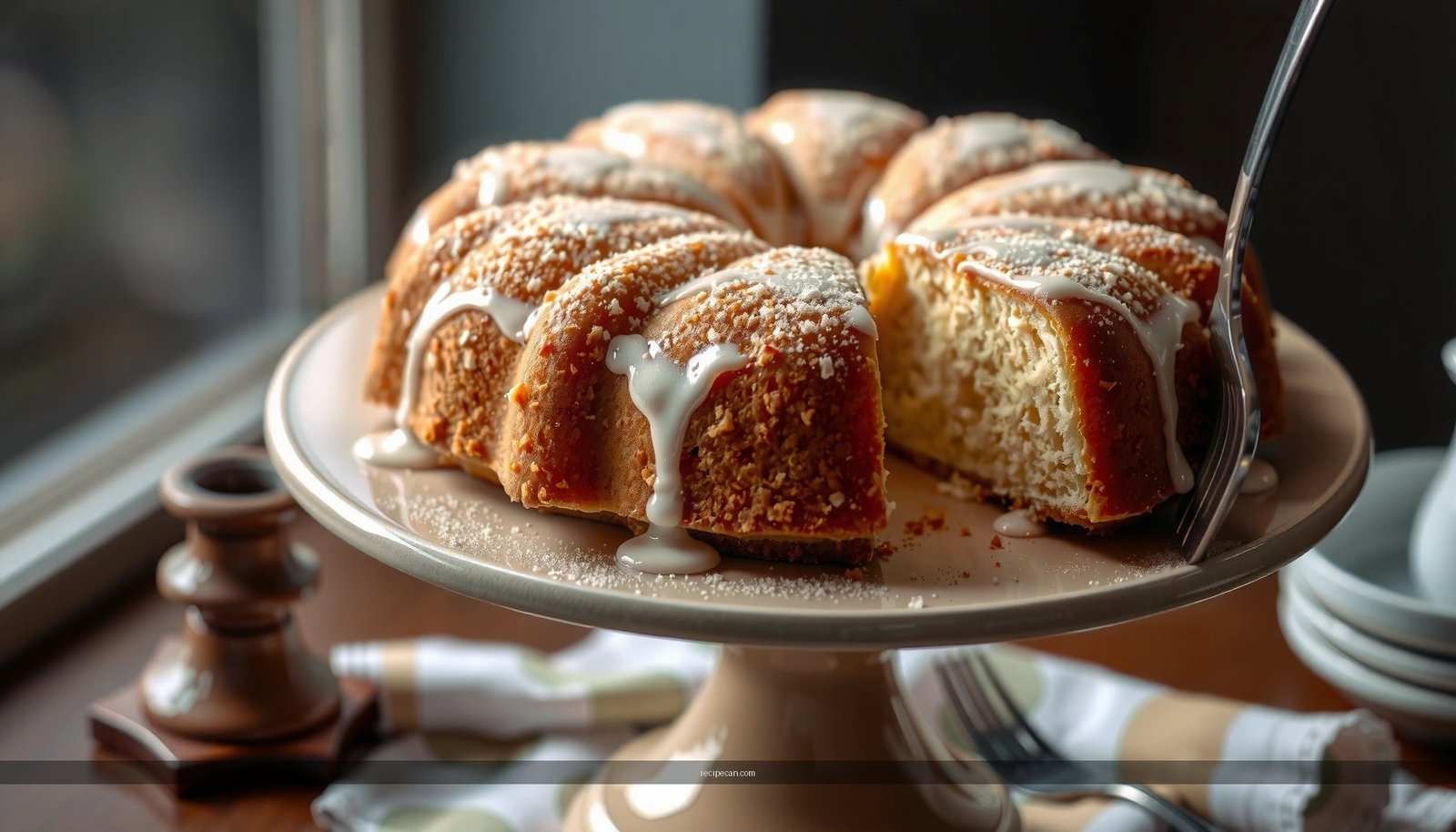
Want an easy vanilla pudding mix cake recipe that actually turns out moist every time? This step-by-step guide walks you through mixing, baking, and getting a tender, pudding-rich crumb—no guesswork. Use it when you want a fast dessert with classic vanilla flavor and reliably great results.
Use vanilla pudding mix in your cake batter to produce a cake that bakes up extra moist and tender with minimal effort. This recipe shows exactly how to combine ingredients for a smooth, lump-free batter, bake it at the right temperature, and use practical checks (and cooling techniques) that prevent dryness and protect the crumb.
Ingredients You’ll Need for Vanilla Pudding Mix Cake
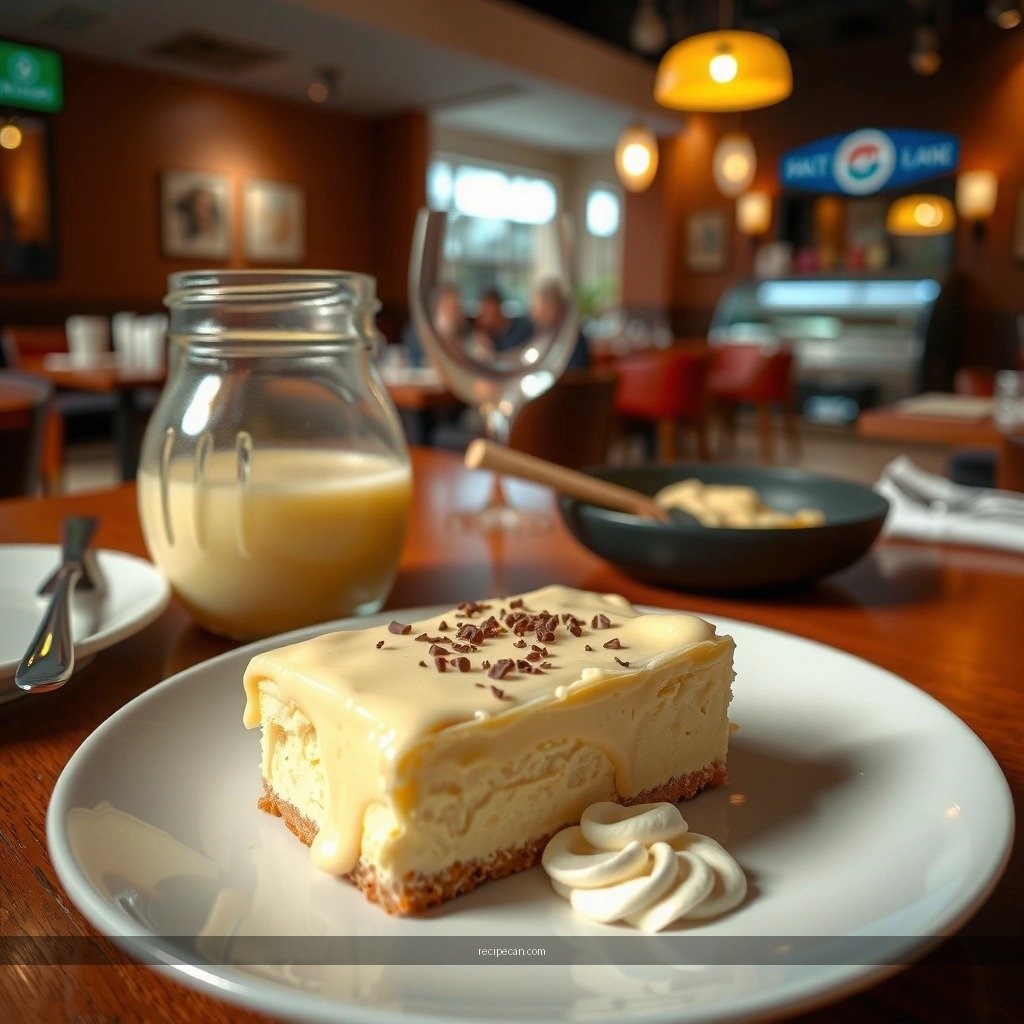
To make a classic vanilla pudding mix cake, start with ingredients that work together to create structure, moisture, and flavor. The pudding mix does more than add sweetness—it contributes starches and emulsifiers that help retain moisture and improve tenderness, similar to what you’d expect from bakery-style “short” cakes.
– Vanilla pudding mix (dry, instant) is the key flavor and texture ingredient
Use instant vanilla pudding mix (dry, not cooked). It’s formulated with starches that hydrate during mixing and baking, helping the crumb stay soft.
– Basic cake staples like flour, sugar, eggs, butter or oil, and milk
These provide the backbone of the cake: flour for structure, sugar for sweetness and browning, eggs for lift and binding, and butter or oil plus milk for richness and hydration. Butter yields a deeper flavor; oil can improve softness and keep the cake moist longer.
– Optional add-ins (like vanilla extract or sprinkles) for extra flavor
Vanilla extract enhances aroma, sprinkles add visual appeal, and add-ins like chocolate chips create pockets of contrast. Keep add-ins measured so they don’t weigh down the batter.
Before you begin, confirm you have the correct pudding mix type and that your other ingredients are fresh. For consistent results, use room-temperature eggs and milk—cold dairy can increase batter viscosity and encourage uneven mixing.
Baking Ingredient Roles in Vanilla Pudding Mix Cake (Target Outcomes)
| # | Ingredient | Typical Amount | What It Improves | Cake Outcome Score |
|---|---|---|---|---|
| 1 | Instant vanilla pudding mix | 1 (3.4 oz / 96 g) | Moisture retention & tenderness | ★★★★★ |
| 2 | All-purpose flour | 1¾ cups (210 g) | Crumb structure & slice integrity | ★★★★☆ |
| 3 | Granulated sugar | 1 cup (200 g) | Browning, softness & sweetness | ★★★★☆ |
| 4 | Eggs | 3 large | Lift, binding & tender chew | ★★★★☆ |
| 5 | Neutral oil or butter | ½ cup (120 ml) oil *or* ½ cup butter | Richness & moisture | ★★★☆☆ |
| 6 | Milk (whole preferred) | ¾ cup (180 ml) | Hydration & soft crumb | ★★★★☆ |
| 7 | Vanilla (optional) | 1 tsp (5 ml) | Aroma lift & depth | ★★★☆☆ |
Step-by-Step Instructions for the Best Texture
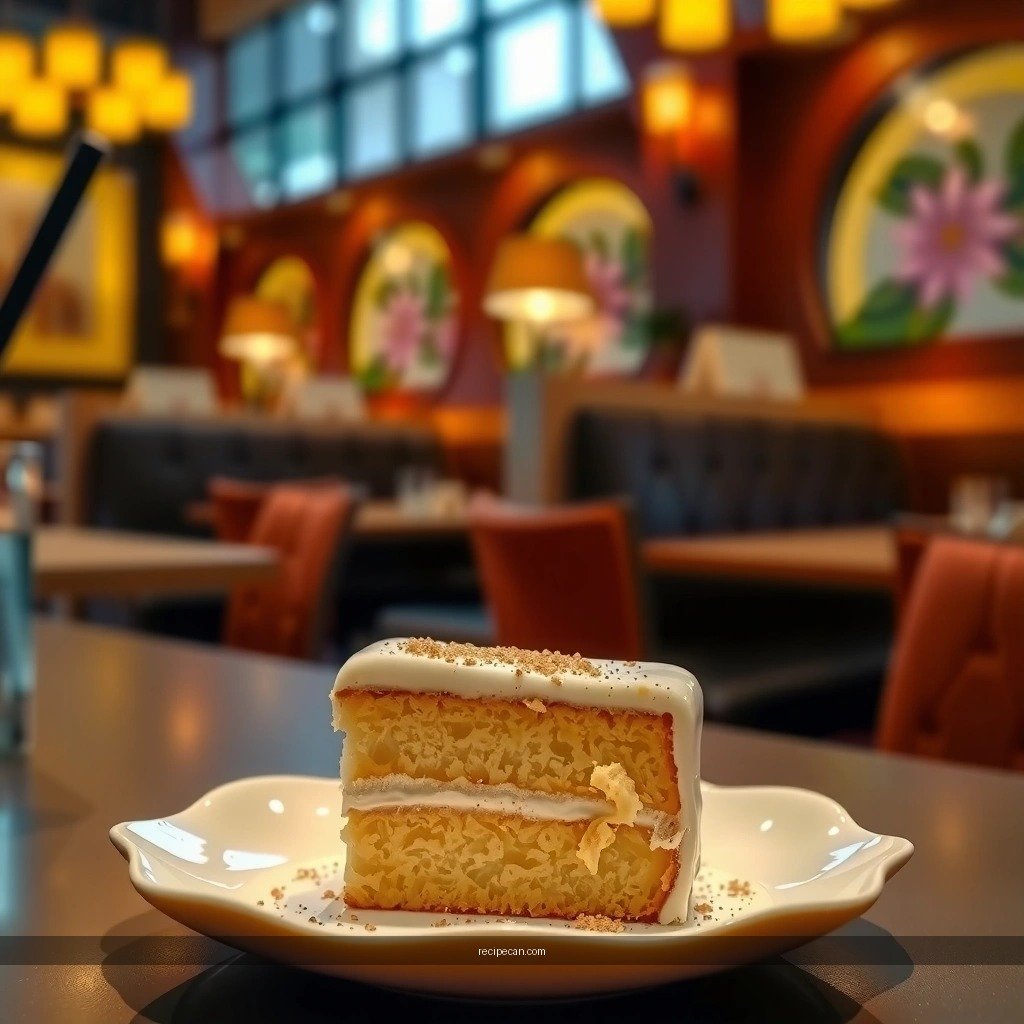
Vanilla pudding mix cake is forgiving, but the order of operations matters. The objective is to hydrate the pudding mix evenly and avoid lumps—then build a smooth batter without overworking it.
1. Preheat and prep your pan
– Preheat to 350°F (175°C).
– Grease your pan and, if you want easy release, line with parchment on the bottom.
– Use the correct size (commonly 8×8 or 9-inch round, depending on your recipe) so the cake bakes at the intended thickness.
2. Whisk pudding mix with wet ingredients first
– In a mixing bowl, combine pudding mix with milk, and whisk until it looks smooth.
– Add eggs, then whisk in oil or melted butter and any vanilla extract.
– This “pudding first” method disperses starch and prevents dry pockets that can bake into gummy or dense areas.
3. Combine dry ingredients separately
– Whisk flour, sugar, and any leavening/baking powder called for in your standard cake formula.
– If your pudding mix recipe includes salt, add it here too.
– Separating dry ingredients avoids uneven distribution of baking powder (which impacts rise and texture).
4. Mix together gently until smooth
– Add dry ingredients to the pudding-wet mixture.
– Mix just until no visible streaks remain.
– If adding mix-ins (sprinkles, chips), fold them in now on low speed or by hand.
5. Bake and monitor
– Bake until the center is set and the top is lightly golden.
– Avoid opening the oven repeatedly; every door-open can drop temperature and affect lift.
The “smooth batter” goal isn’t perfection—it’s uniform hydration. When pudding mix hydrates evenly, the cake bakes tender and stays moist rather than turning dry or crumbly.
Mixing Tips to Prevent a Lumpy or Dry Cake
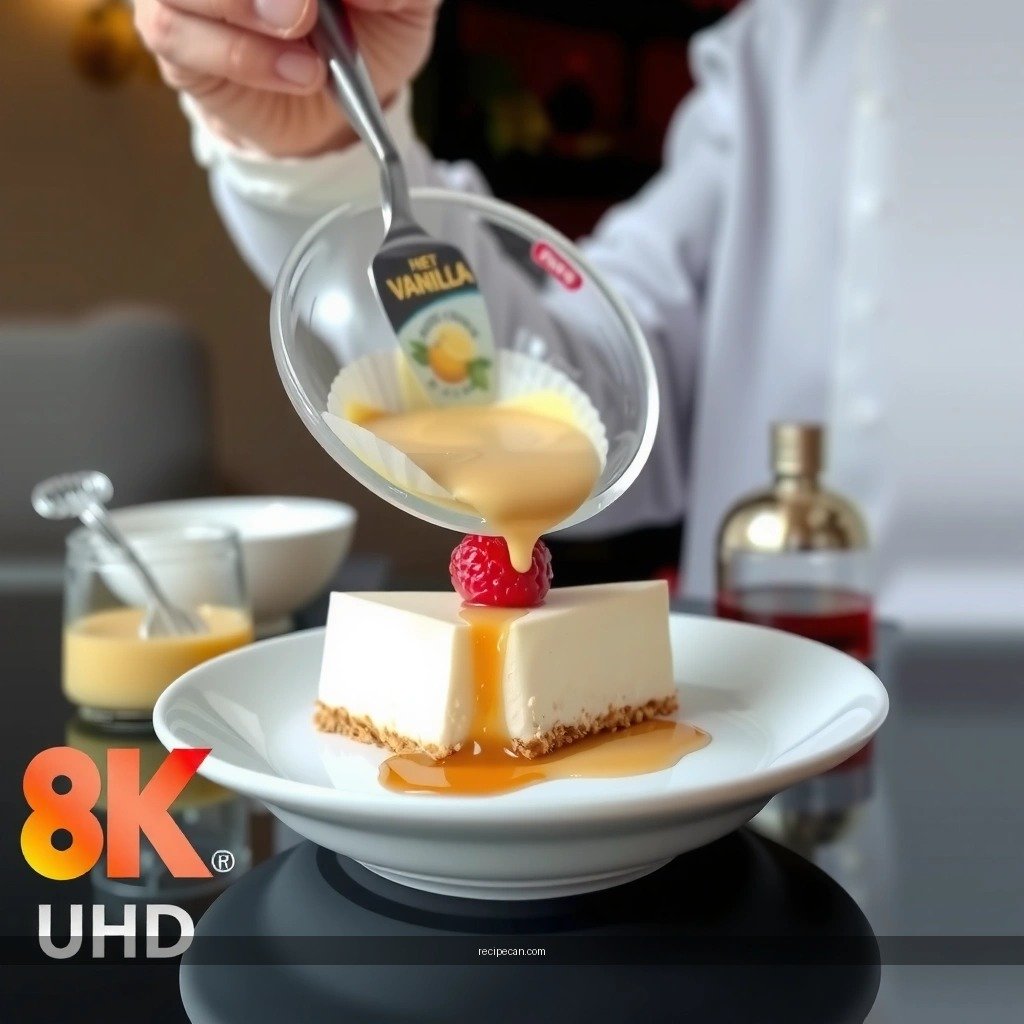
Even with a pudding-based recipe, technique determines whether your vanilla cake is bakery-soft or disappointingly dry. Here are the highest-impact adjustments.
– Mix only until the batter comes together—overmixing can hurt tenderness
Gluten development increases with overmixing, and that can make the crumb tighter. A few small lumps are usually fine; large dry lumps are not.
– Let the batter rest briefly if needed for better consistency
If you still see small granules after mixing, rest 5–10 minutes. Starch in the pudding mix and flour hydrates further, improving viscosity and texture.
– Use the correct pan size and don’t skip greasing and lining
A pan that’s too small makes the cake too thick, extending bake time and increasing dryness risk. A pan that’s too large bakes it thin, which can overbrown edges. Greasing and lining prevent sticking, which can tear the crumb when you release the cake.
Two common failure modes—and how to avoid them:
– Lumpy batter: usually caused by adding pudding mix directly to the dry ingredients or not whisking pudding with milk long enough.
– Dry cake: usually caused by overbaking or using too-hot oven temps. Rely on doneness checks rather than only a timer.
Baking Time and Doneness Checks
For the best pudding mix vanilla cake texture, start checking early and use cues—not guesswork. Oven temperatures vary, and pan materials (glass vs. metal) shift bake times.
– Start checking a few minutes before the expected time
Begin around the minimum of your anticipated range. Then check every 2–3 minutes to avoid overshooting.
– Look for a set center and a toothpick that comes out mostly clean
The toothpick should come out with a few moist crumbs is fine. If it comes out completely wet or batter-like, it needs more time.
– Cool fully before slicing to keep the crumb from crumbling
Cutting while warm can compress the structure and lead to a gummy or crumbling crumb. Let it cool in the pan, then finish cooling on a rack.
Quick diagnostic:
– If the top browns early but the center is underdone, loosely tent with foil and continue baking.
– If the center is set but the cake feels dry, it was likely overbaked—next time, reduce bake time and verify oven calibration.
Variations and Flavor Boosts
A vanilla pudding mix cake is a versatile platform. The pudding base keeps the cake moist while flavors and textures can shift quickly without complicating your process.
– Add chocolate chips, berries, or a swirl for a quick twist
Fold in 1 cup chocolate chips or ½–¾ cup berries (fresh or frozen). For a swirl, layer a small amount of jam, then gently swirl with a knife—don’t overmix.
– Pair with vanilla frosting, cream cheese frosting, or whipped topping
Cream cheese frosting complements the vanilla notes and adds tang. Whipped frosting is lighter and enhances the tender crumb for a “dessert-cup” style finish.
– Try different milk options (like whole milk) for richer moisture
Whole milk usually results in a richer crumb. If you use lower-fat milk, the cake can bake up slightly drier—compensate by checking doneness earlier.
Flavor ideas that stay true to the vanilla-forward profile:
– Vanilla bean paste instead of extract (slightly more intense aroma)
– Lemon zest (brightens without fighting vanilla)
– Cinnamon sugar sprinkle on top before baking (for a dessert-style crust)
Storage and Serving Ideas
Keeping a pudding mix cake moist is simple—storage conditions matter. Serve it at its best and plan leftovers for freshness.
– Store airtight at room temperature for 2–3 days or refrigerate longer
Airtight storage prevents moisture loss. For longer freshness (especially if using fruit toppings), refrigerate.
– Rewarm slices slightly for a fresh-baked feel
Microwave for 8–15 seconds or warm in an oven at 300°F (150°C) briefly. This revives softness without drying out.
– Serve with fresh fruit or a drizzle of frosting for an easy dessert upgrade
Pair with strawberries, raspberries, or sliced peaches. A light drizzle makes it feel elevated while keeping the texture tender.
Serving suggestion for best texture:
– Let refrigerated slices sit at room temperature for 10–15 minutes before serving so the crumb relaxes.
A vanilla pudding mix cake is an easy, reliable way to get a moist, flavorful dessert with minimal extra effort. By hydrating the pudding mix first, mixing only until smooth, baking until just set, and cooling fully, you’ll protect the cake’s tenderness and avoid the common pitfalls of dryness. Make it today, try a variation like chocolate chips or berries, and finish with your favorite frosting or a simple fruit-and-drizzle presentation for a personalized slice.
Frequently Asked Questions
What ingredients do I need for a cake recipe with vanilla pudding mix?
A typical vanilla pudding mix cake uses a box of instant vanilla pudding mix, eggs, oil or melted butter, milk (if required by the mix), and a basic baking mix like flour, sugar, baking powder, and vanilla extract. Many recipes also add sour cream or yogurt for extra moisture and a tender crumb. For the best results, use the exact measurements on your pudding mix package and choose “instant” vanilla pudding for a smoother texture.
How do I make a vanilla pudding mix cake that stays moist and fluffy?
To keep the cake moist, mix the pudding mix into the batter so it absorbs liquid as the cake bakes, then avoid overmixing once the flour is added. Let the batter rest briefly if the recipe suggests it—this helps the pudding hydrate and improves the crumb. Bake at the recommended temperature, and don’t overbake; start checking for doneness a few minutes early and cool the cake completely for best slicing.
Why does my vanilla pudding mix cake come out dense or gummy?
Dense or gummy texture often comes from overmixing, too much liquid, or underbaking. Check that you used the correct type of pudding mix (instant works best for most cake recipes) and follow the milk amount precisely—substituting extra milk can make the batter too wet. Also, ensure the cake is fully baked in the center (a toothpick should come out clean or with a few moist crumbs, not wet batter).
Which frosting pairs best with a cake recipe with vanilla pudding mix?
Vanilla pudding mix cakes pair especially well with vanilla buttercream, cream cheese frosting, or a simple whipped cream frosting. If you want a classic flavor match, buttercream highlights the creamy vanilla taste from the pudding mix. For a tangy contrast that balances sweetness, cream cheese frosting is a popular choice for layer cakes and sheet cakes alike.
What’s the best way to store a vanilla pudding mix cake so it doesn’t dry out?
Store the cake in an airtight container at room temperature for 1–2 days, then refrigerate for longer storage. Because a vanilla pudding mix cake tends to retain moisture, refrigeration can help maintain freshness, but let slices come to room temperature before serving for the best flavor and texture. If you’re frosting the cake, keep it covered to prevent the frosting from drying out or absorbing fridge odors.
References
- Google Scholar Google Scholar
https://scholar.google.com/scholar?q=vanilla+pudding+mix+cake+recipe - https://scholar.google.com/scholar?q=instant+dry+pudding+mix+starch+gelatinization+baking Google Scholar
https://scholar.google.com/scholar?q=instant+dry+pudding+mix+starch+gelatinization+baking - Google Scholar Google Scholar
https://scholar.google.com/scholar?q=pudding+mix+as+thickener+effects+on+cake+texture - Cake
https://en.wikipedia.org/wiki/Cake - https://en.wikipedia.org/wiki/Pudding_(food
https://en.wikipedia.org/wiki/Pudding_(food - Custard
https://en.wikipedia.org/wiki/Custard - Vanilla
https://en.wikipedia.org/wiki/Vanilla - Custard | Definition, Ingredients, & Preparation | Britannica
https://www.britannica.com/topic/custard - https://pubmed.ncbi.nlm.nih.gov/?term=instant+dry+pudding+mix+starch+gelatinization
https://pubmed.ncbi.nlm.nih.gov/?term=instant+dry+pudding+mix+starch+gelatinization - https://pubmed.ncbi.nlm.nih.gov/?term=cake+starch+gelatinization+structure+texture
https://pubmed.ncbi.nlm.nih.gov/?term=cake+starch+gelatinization+structure+texture