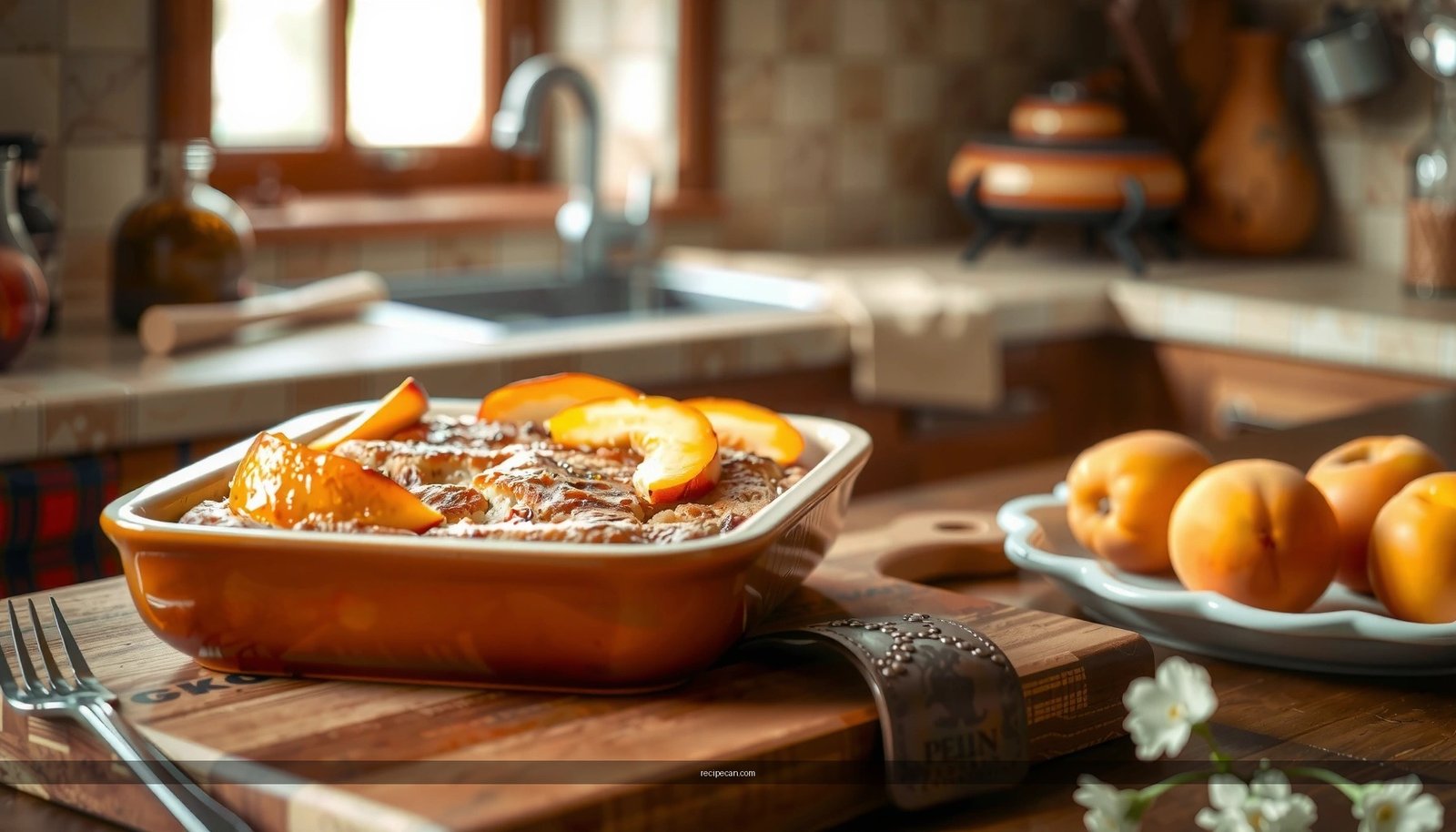
Looking for bread pudding recipes with fruit that actually taste great and are easy to make? These winners deliver the best results when you match the fruit to the season—berries in summer, stone fruit in late spring, and apples or pears in fall and winter—so you get bright flavor without soggy bread. You’ll find foolproof methods for thick, custardy centers and evenly distributed fruit in every bite.
Bake bread pudding with fruit by using soaked bread, a custard base, and fruit folded in (or layered) so every bite stays tender and juicy. In this guide, you’ll find simple bread pudding recipes with fruit, plus timing and flavor tips to help you get the perfect texture every time.
Choose the Best Bread for Fruit Bread Pudding

For fruit bread pudding, the bread is doing three jobs: absorbing custard, holding structure as it bakes, and staying pleasantly tender (not collapsing into mush). The best approach is to choose a bread with enough fat and structure to “drink” custard while still setting into soft, spoonable cubes.
– Use day-old bread like brioche, challah, or French bread for rich, custard-friendly texture.
Fresh bread can be too springy and may create uneven soaking; day-old bread creates a more predictable custard absorption.
– Cut bread into cubes for even soaking and consistent results.
Aim for roughly 1-inch (2.5 cm) cubes. Smaller cubes soak faster (risking gumminess), while larger cubes may stay custard-light in the center.
– Toast lightly if you want a firmer bite that won’t get too soft.
A quick 5–8 minutes in a 325°F/165°C oven can help the exterior firm up so the pudding remains “custardy,” not “wet.”
Bread Selection Guide for Fruit Bread Pudding (Best Texture Outcomes)
| # | Bread Type | Ideal Cube Size | Recommended Soak Time | Texture Score |
|---|---|---|---|---|
| 1 | Brioche | 2.5 cm | 20–30 min | ★★★★★ |
| 2 | Challah | 2.5 cm | 25–35 min | ★★★★☆ |
| 3 | French Bread (lean) | 2.5 cm | 30–40 min | ★★★★☆ |
| 4 | Sourdough | 2.5–3 cm | 35–45 min | ★★★☆☆ |
| 5 | Oat Bread | 2.5 cm | 25–35 min | ★★★☆☆ |
| 6 | Whole Wheat (heavier) | 3 cm | 40–55 min | ★★☆☆☆ |
| 7 | Very Dry/Crisp Bread | 2.5 cm | 15–20 min* | ★☆☆☆☆ |
Very dry bread may require shorter soak times to avoid texture “collapse.”
Prepare a Classic Custard Base

Custard is the glue between bread and fruit. When it’s right, your fruit bread pudding slices cleanly, bakes up puffed, and remains moist even after cooling.
– Whisk eggs, milk (or cream), sugar, and vanilla for a smooth custard.
For a standard 8×8-inch (20×20 cm) pan, a reliable ratio is: eggs + dairy + sugar + vanilla, whisked until fully homogeneous.
– Let the bread soak long enough to absorb flavor without turning gummy.
Start with 20–30 minutes for enriched breads (brioche/challah) and 30–40 minutes for leaner breads (French). If you’re using fruit that releases a lot of juice (thawed berries, canned fruit), shorten soaking by ~5–10 minutes.
– Season with cinnamon or nutmeg to complement fruit naturally.
Cinnamon plays especially well with apples, peaches, and pears. Nutmeg adds warmth to berry and stone-fruit blends, but use it sparingly so it doesn’t overpower.
Pro timing insight: custard-thickening happens during baking, not only while soaking. Over-soaking increases the chance of “gummy pockets” where bread absorbs more liquid than it can set.
Fruit Pairings That Taste Amazing

Fruit bread pudding is flexible, but the best results come from matching fruit to bake behavior—soft fruits break down more easily, while firmer fruits benefit from pre-cooking.
– Try berries, apples, peaches, or bananas for easy, crowd-pleasing options.
Use berries for brightness, apples/peaches for caramel-like flavor, and bananas for creamy sweetness.
– Cook firmer fruit (like apples/peaches) slightly first to soften before baking.
Sauté or simmer fruit with a little butter and sugar until just tender (often 5–10 minutes). This prevents hard cores and reduces bake-time variance.
– Mix sweet and tart fruit for better balance in every spoonful.
Berries plus a squeeze of lemon, peaches plus raspberries, or apples with a touch of lemon zest makes the custard taste “lifted” instead of one-note.
If you want a “bakery-style” result, choose fruit with a strong flavor identity—then enhance it with vanilla, citrus zest, and warm spices rather than adding lots of extra sugar.
How to Layer or Fold Fruit
How you handle fruit determines whether the pudding is evenly juicy or unevenly wet. Two methods work extremely well depending on fruit type and desired texture.
– Fold fruit gently into the custard mixture to avoid crushing delicate berries.
Use a spatula and keep movement minimal. This preserves berry shape and prevents purple streaks that can look uneven.
– Layer fruit on top for a beautiful baked finish and caramelized edges.
Place fruit on the top and reserve some custard for pooling. The upper surface caramelizes faster, creating a “top crust” of sweet fruit.
– Drain watery fruit (like thawed berries) to prevent excess moisture.
Pat berries dry or drain in a mesh sieve. If you skip this step, the pudding may bake through but feel watery underneath.
Operational rule: if your fruit is juicy, prep it first (drain/sauté). If your fruit is naturally sturdy, you can fold it in with minimal prep.
Easy Bread Pudding Recipe Variations
These variations are designed for repeatability—each one follows the same core bake-and-custard approach, then customizes fruit, spice, and texture elements.
– Berry bread pudding: use mixed berries and a splash of lemon for brightness.
Tip: toss berries with 1–2 teaspoons sugar and a pinch of cornstarch (optional) to help them thicken slightly as they bake.
– Apple-cinnamon bread pudding: layer sautéed apples and add extra cinnamon.
Tip: cook apples until tender but not browned to dryness; the custard will finish the texture in the oven.
– Banana-nut bread pudding: mash bananas lightly and stir with toasted nuts.
Tip: toast nuts for 6–8 minutes so they stay crunchy enough to offset the custard softness.
If you’re meal-prepping, keep add-ins consistent: same fruit volume, same cube size, and similar soaking time. Small differences are fine, but big changes make it harder to compare results across batches.
Bake, Serve, and Store for Best Texture
Baking is where the pudding transitions from soaked custard to set, tender custard with fruit character throughout. Getting doneness right is more important than chasing exact minutes.
– Bake until puffed and set in the center; check doneness at the earliest suggested time.
You’re looking for edges that appear set and a center that is “just stable.” If you jiggle the pan gently, the center should wobble slightly but not slosh.
– Rest 10–15 minutes before serving for cleaner slices and better set.
Resting lets custard finish thickening as steam escapes, improving both slice integrity and mouthfeel.
– Store covered in the fridge and reheat gently to keep it moist.
Refrigerated bread pudding often firms up; reheating at low heat (covered, briefly) restores tenderness without drying out.
Serving strategy: warm bread pudding with vanilla cream, lightly sweetened whipped cream, or vanilla ice cream amplifies fruit flavors and balances custard richness.
Quick seasonal ideas (practical and consistent)
– Spring/Summer: berries, cherries (pitted), peaches—lighter spices and more lemon zest.
– Fall/Winter: apples, pears, dried fruit rehydrated (if used)—more cinnamon and nutmeg warmth.
After trying one of these bread pudding recipes with fruit, you’ll be able to customize flavors by season while keeping the texture spot-on. Pick your favorite bread and fruit pairing, follow the custard soak-and-bake steps, and serve warm with cream, ice cream, or a drizzle of sauce—then make a second batch to compare your results.
Frequently Asked Questions
What fruit works best in bread pudding recipes?
Fruits that hold their shape and add natural sweetness are ideal, such as raisins, dried cranberries, cherries, and chopped apples or pears. For fresh fruit, berries and sliced peaches work well, but be sure to pat them dry and avoid watery fruits that can turn the pudding soggy. You can also mix dried and fresh fruit for balanced flavor and texture.
How do you prevent bread pudding from becoming soggy when using fruit?
Use day-old bread or toast the bread slightly so it absorbs custard without collapsing. If you’re adding fresh berries or sliced fruit, toss them with a teaspoon of cornstarch or sugar and let them sit briefly to reduce excess liquid, then drain any juices. Choose a thicker custard (more eggs relative to milk) and bake until the center is just set, not jiggly.
Why do some bread pudding recipes with fruit taste dry or bland?
Dry bread pudding usually comes from bread that’s too fresh, insufficient soaking time, or underbaking. Let the bread absorb the custard for at least 15–30 minutes (or longer for thicker pieces), and ensure you’re using enough vanilla, spices (like cinnamon or nutmeg), and fruit flavor boosters (lemon zest or a splash of juice). For bland results, add a pinch of salt and consider using a richer dairy base like half-and-half or whole milk.
Best way to make bread pudding with fruit ahead of time?
Assemble the bread pudding up to the baking step, cover, and refrigerate overnight so the bread fully absorbs the custard and fruit flavors meld. If your recipe includes delicate fresh fruit, you may get the best texture by adding it right before baking, especially for berries. When you’re ready, bake from cold and add extra time as needed, checking for a set center.
Which bread is best for bread pudding with fruit—white, brioche, or sourdough?
Brioche and challah are popular because they’re rich, soft, and create a tender bread pudding with fruit. White bread works too, especially if it’s sturdy or slightly toasted, but it may need a bit more custard or flavoring to avoid dryness. Sourdough adds tangy depth and a firmer texture, which pairs great with apples, pears, or dried cherries—just make sure the cubes soak thoroughly.
References
- Google Scholar Google Scholar
https://scholar.google.com/scholar?q=bread+pudding+fruit+recipe - Google Scholar Google Scholar
https://scholar.google.com/scholar?q=bread+and+butter+pudding+berries+recipe - Google Scholar Google Scholar
https://scholar.google.com/scholar?q=fruit+bread+pudding+dried+fruit+custard - https://en.wikipedia.org/wiki/Bread_pudding
https://en.wikipedia.org/wiki/Bread_pudding - Bread and butter pudding
https://en.wikipedia.org/wiki/Bread_and_butter_pudding - https://en.wikipedia.org/wiki/Custard
https://en.wikipedia.org/wiki/Custard - Raisin
https://en.wikipedia.org/wiki/Raisin - https://en.wikipedia.org/wiki/Stewed_fruit
https://en.wikipedia.org/wiki/Stewed_fruit - Compote
https://en.wikipedia.org/wiki/Fruit_compote - Dessert
https://en.wikipedia.org/wiki/Dessert