Get the best bread pudding recipe with bourbon when you want a rich, custardy dessert with a clear vanilla-bourbon flavor. This recipe delivers the winner: soaked bread, a balanced custard ratio, and bourbon added at the right moment so it tastes smooth—not harsh. Follow the steps and you’ll get a golden top and a soft center every time.
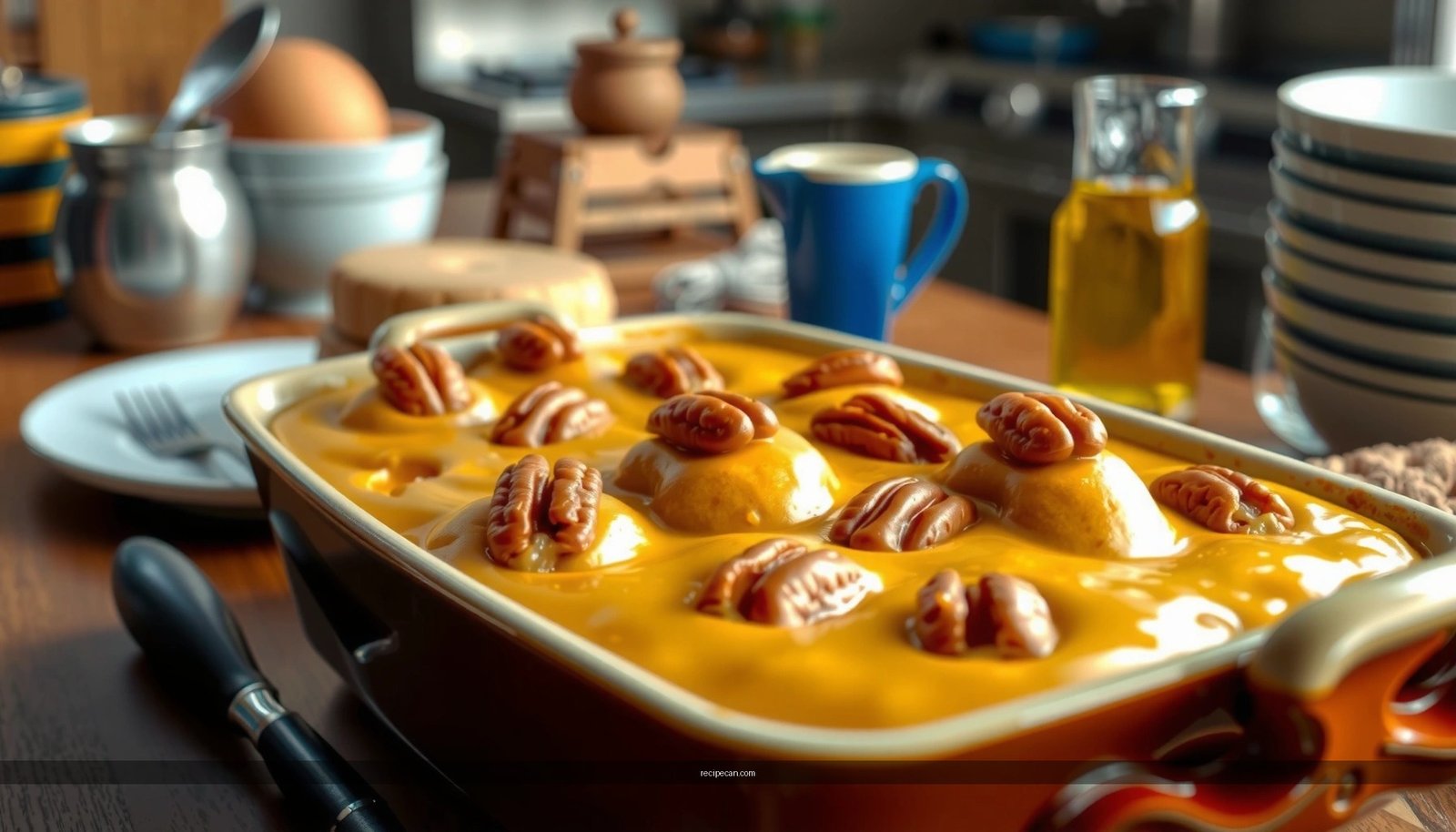
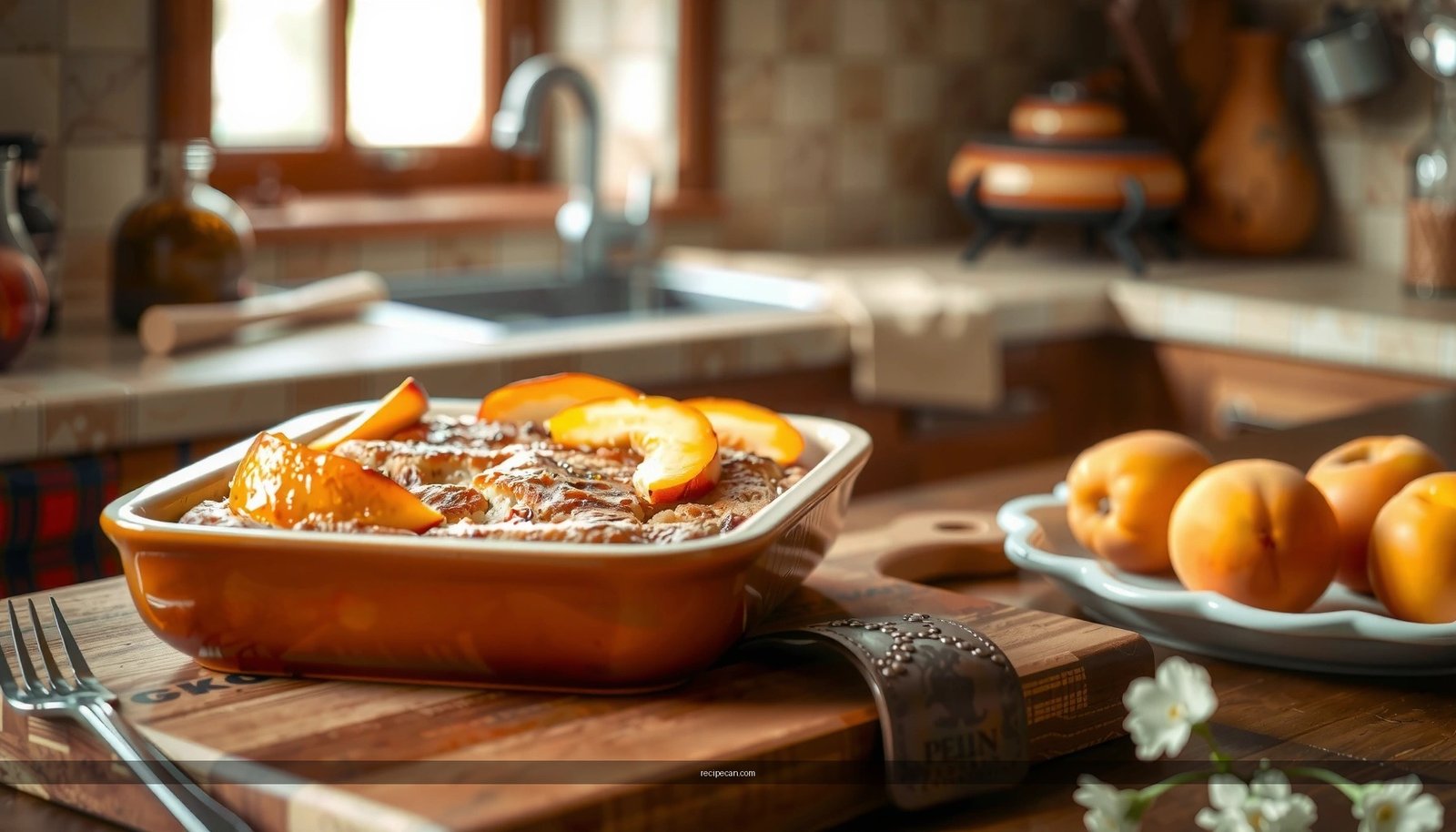
This bread pudding recipe with bourbon bakes into a custardy, rich dessert with warm spice and a clearly defined caramel-bourbon finish. You’ll get the best results by using day-old bread, soaking it thoroughly in a seasoned egg-and-cream base, and baking just until the center is set but still tender.
Choose the Best Bread for Bread Pudding
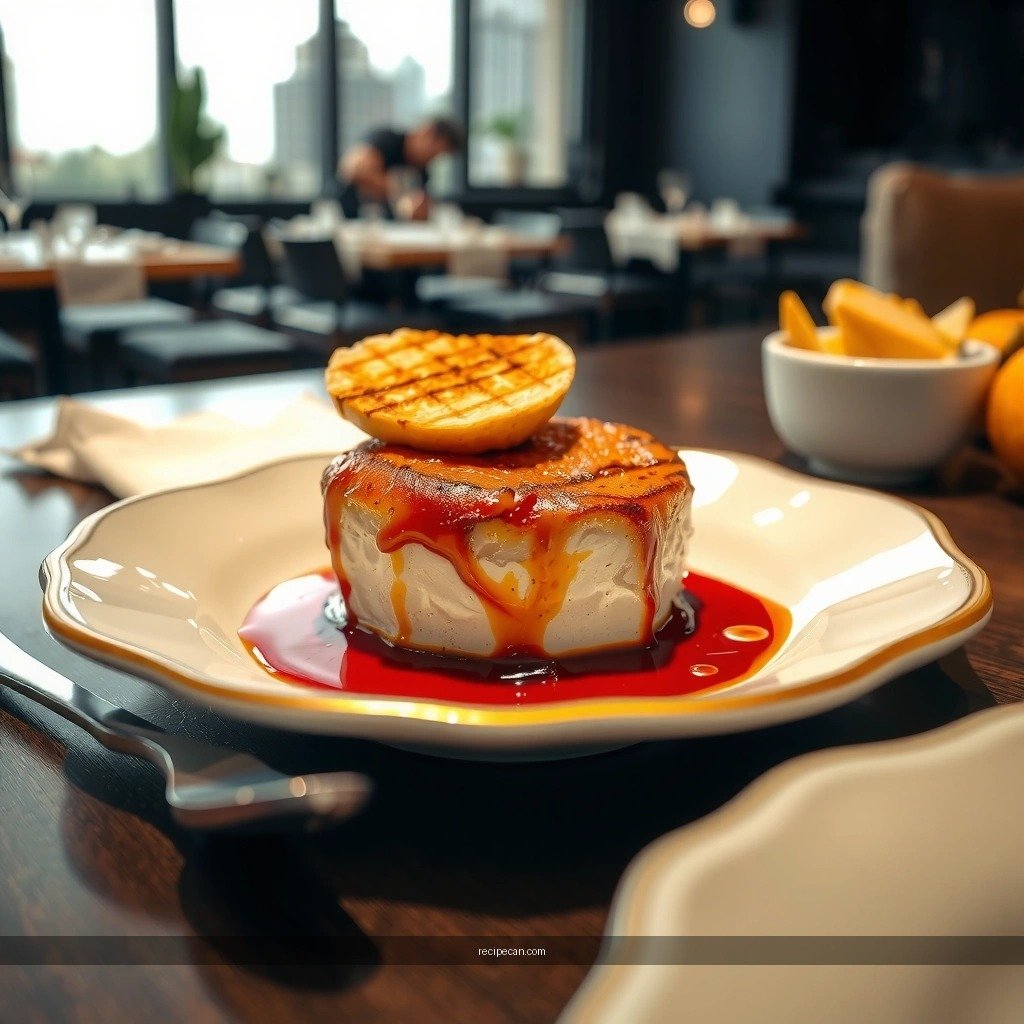
The bread you choose largely determines whether your bread pudding turns out silky and custardy—or dense and uneven. Because bread pudding is essentially “custard held together by bread,” you want a loaf that absorbs liquid evenly without falling apart.
Day-old bread is non-negotiable: it has lower moisture content, so it can drink in the custard without becoming gummy. Brioche, challah, and French bread are ideal because they balance softness with enough structure to hold a clean slice after baking. Brioche and challah also bring a buttery sweetness that pairs naturally with bourbon’s vanilla-oak notes. French bread adds a slightly drier, breadier texture that many people prefer for a more spoonable pudding.
When cutting, aim for uniform cubes (roughly 3/4-inch to 1-inch). Uniform size improves consistency: smaller pieces soak faster and bake sooner; larger pieces take longer to hydrate and can leave pockets of dry bread if under-soaked. If you want a business-ready standard for repeatable quality, portioning consistently is one of the highest ROI prep steps you can take.
Finally, consider whether your bread is store-bought or homemade. Store-bought loaves tend to have more consistent moisture levels; homemade bread can vary. If your homemade loaf is very moist, toast the cubes lightly (e.g., 10 minutes at a low temp) before soaking to improve absorption control.
Key bread performance snapshot (real-world baker priorities)
Bread Choice Impact for Custardy Bread Pudding
| # | Bread Type | Soak Speed | Custard Creaminess | Best Texture Goal | Bourbon Pairing Score |
|---|---|---|---|---|---|
| 1 | Brioche | Fast | Very High | Buttery, tender spooning | ★★★★☆ |
| 2 | Challah | Medium | High | Balanced custard & structure | ★★★★☆ |
| 3 | French Bread (Baguette-style) | Medium-Slow | Medium-High | Sliceable, bread-forward pudding | ★★★☆☆ |
| 4 | Milk Bread | Fast | High | Soft, dessert-like texture | ★★★☆☆ |
| 5 | Sourdough | Slow | Medium | Tangy depth, less uniform custard | ★★☆☆☆ |
| 6 | Whole Wheat Loaf | Medium | Medium | Hearty pudding, denser bite | ★★☆☆☆ |
| 7 | Unseasoned White Sandwich Bread | Fast | Low-Medium | Needs extra custard to shine | ★☆☆☆☆ |
Make the Custard Base
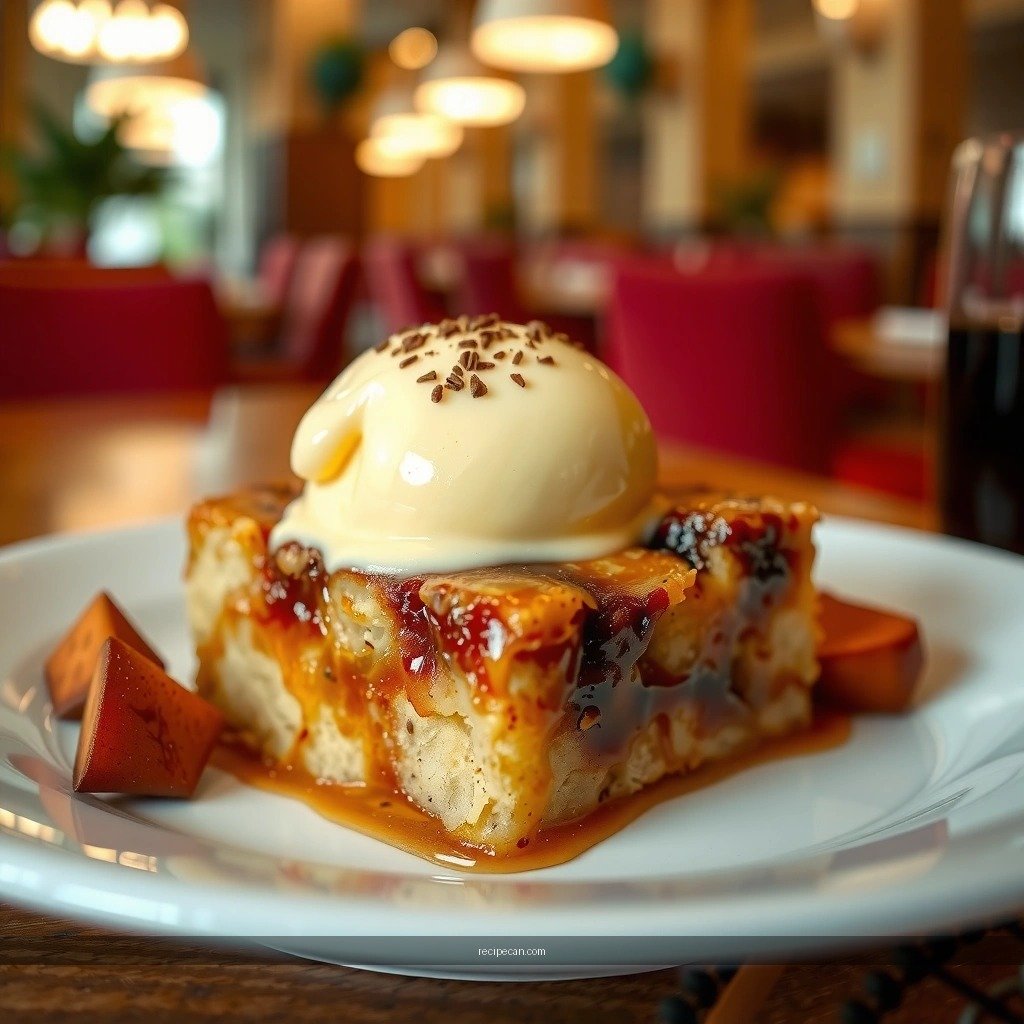
Once bread is chosen, the custard base is the engineering layer: it sets the pudding, delivers richness, and carries the bourbon aroma.
Start by whisking eggs, milk and/or cream, sugar, and vanilla until the mixture is smooth and the sugar dissolves. Professional bakers treat this stage like quality control—any sugar granules or egg streaks can lead to uneven setting or hot spots. If you’re scaling up, whisking longer is more important than it seems.
A common technique is to use a split of milk and cream. Milk contributes neutrality, while cream adds the kind of fat content that makes bread pudding taste luxurious rather than simply “eggy.” If your goal is a lighter dessert, increase milk; if you want a classic restaurant-style custard, increase cream.
Add bourbon last. Bourbon is volatile: it contains aromatic compounds that can dissipate if overheated early. Adding it at the end helps preserve a distinct bourbon presence. In practice, you’re not removing alcohol entirely—you’re positioning flavor so it remains noticeable after baking.
Practical bourbon ratio guidance
– 1/4 cup bourbon (for a standard 8×8 pan) gives noticeable warmth without dominating.
– Up to 1/3–1/2 cup works if the custard is rich and the bread is substantial (e.g., brioche or challah).
– If you add mix-ins like chocolate or raisins, you may prefer the lower end so bourbon remains detectable.
Add Flavor and Mix-Ins
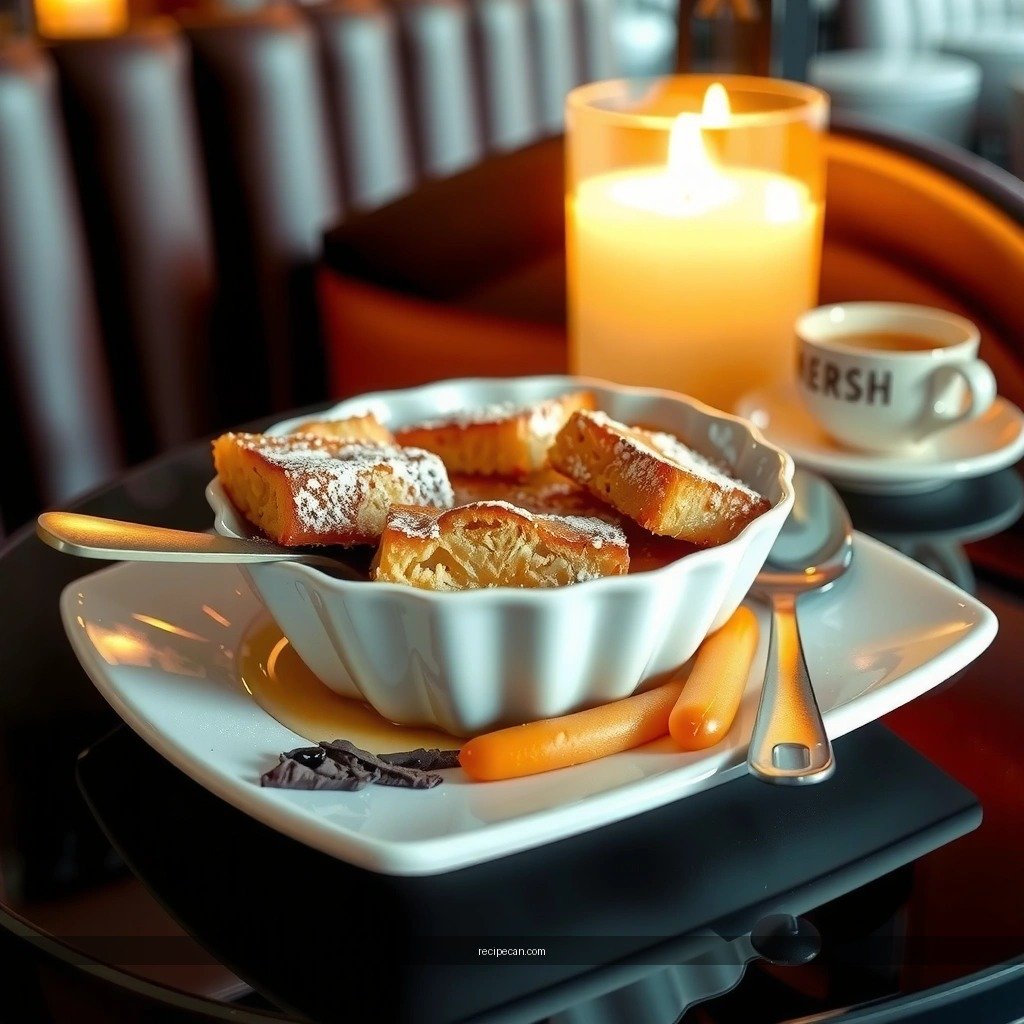
Classic bread pudding flavor is warm spice and sweetness. Bourbon enhances those notes rather than replacing them, so the right spices make the final product feel coherent.
Use ground cinnamon and nutmeg for a traditional flavor profile. Cinnamon gives immediate warmth; nutmeg adds depth and a slightly “baked spice” character that reads as custardy even before the first bite. If you like more complexity, a small pinch of clove can work, but it’s easy to overdo—stick to modest amounts.
Mix-ins are where you can tailor the dessert to a brand or audience:
– Raisins add sweetness and chew, and they soften beautifully during soaking.
– Chocolate (chips or chopped bars) introduces a bittersweet edge that cuts through richness. Dark chocolate is especially effective with bourbon because it echoes toasted oak flavors.
– Toasted pecans bring crunch and a roasted aroma. Toasting in a dry pan for 3–5 minutes is enough to elevate flavor without burning.
When adding mix-ins, distribute them fairly. Large concentrated pockets (e.g., one raisin cluster) can cause pockets of sweetness that taste “spotty.” Stir gently and keep your mix-ins proportionate to the bread volume.
Assemble and Soak
Assembly is where the recipe moves from “ingredients” to “structure.” Pouring custard over bread without mixing is one of the most common causes of uneven texture.
1. Place cubed bread in a baking dish.
2. Pour the custard evenly across the bread.
3. Press gently so bread pieces contact the liquid. This step matters because some bread cubes float, leaving dry tops that bake into tough edges.
4. Let it soak 15–30 minutes. For a deeper, more custardy pudding (especially with thicker bread cubes), soaking closer to 30–45 minutes can be beneficial.
Soaking too briefly can leave a chalky or bready core. Soaking too long can sometimes make the texture overly uniform and fragile—particularly if the bread is extremely soft. For most brioche/challah setups, 20 minutes is a strong middle ground; for French bread, lean toward the longer end.
If you want to prep ahead, refrigerate covered after the initial soak. Cold rest can improve flavor melding, but ensure you bake from a cold state or allow slight bench time so the center sets reliably.
Bake to the Right Texture
Baking is not just “until it’s done”—it’s about achieving the proper set. Bread pudding should be custardy, not dry.
Look for the following cues:
– The edges should be set and slightly puffed.
– The center should jiggle gently like a soft custard.
– Overbaking results in egginess and a drier bite, especially if your custard ratio is more egg-forward.
Resting is essential. Let the pudding sit 10–15 minutes before serving. During this time, the custard firms slightly, making it easier to cut and delivering a cleaner spoonable consistency. From a quality standpoint, resting improves presentation and reduces breakage.
Temperature guidance (general, adaptable):
– Bake in a preheated oven around 325°F–350°F (163°C–177°C).
– Plan for 35–55 minutes depending on pan size and how soaked the bread is.
– If using a thermometer, the custard typically reads as “set” around 160°F–170°F (71°C–77°C) in the center, though behavior will vary by recipe.
Serve with Bourbon-Style Toppings
Toppings determine whether bread pudding feels complete or merely “finished.” With bourbon in the base, you have two winning strategies: build a bourbon sauce that intensifies the aroma, or use a caramel/vanilla glaze to amplify sweetness and contrast.
Consider:
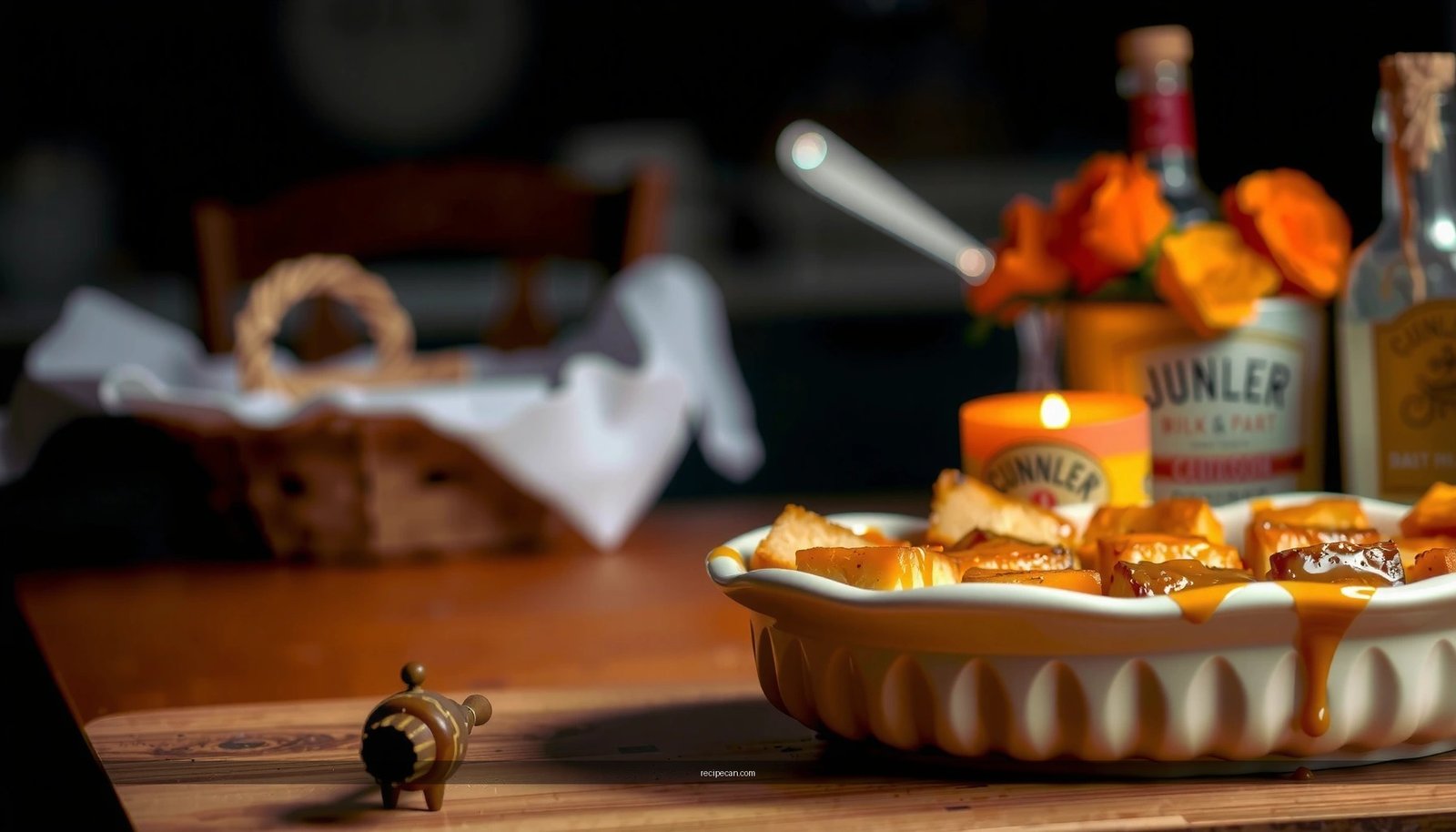
– Bourbon sauce: simmer bourbon with butter and brown sugar (and a splash of cream) until glossy. This creates a deeper, more rounded finish than simply pouring a shot of bourbon.
– Caramel drizzle: caramel complements nutmeg and cinnamon and balances bourbon’s oak notes.
– Warm vanilla glaze: for a lighter touch, vanilla keeps the dessert elegant and lets the custard stay in the spotlight.
Serve warm. Warm bread pudding has higher perceived tenderness, and the bourbon aroma blooms as it’s eaten. If serving later, reheat gently—microwave in short intervals or warm in a low oven to keep the custard from drying out.
Conclusion
To make the best bread pudding recipe with bourbon, start with the right bread (day-old brioche/challah/French bread for reliable soak), build a smooth custard base with properly dissolved sugar and bourbon added last for preserved aroma, and control texture through thorough soaking and careful baking until the center is set but still tender. Finish with a bourbon sauce, caramel, or warm vanilla glaze so the flavors feel intentional from first smell to final bite.
Frequently Asked Questions
What is the best bread pudding recipe with bourbon?
A classic bourbon bread pudding recipe uses day-old bread, warm milk or cream, eggs, sugar, vanilla, and a splash of bourbon for flavor. For best results, choose a hearty bread like brioche or challah because it absorbs the custard well without turning to paste. Bake until the center is just set and slightly jiggly, then let it rest so the bourbon bread pudding firms up into clean slices.
How do you make bread pudding with bourbon from scratch?
Start by cubing stale bread and letting it sit so it can soak up the custard. Whisk eggs with milk or cream, sugar, vanilla, and bourbon, then pour over the bread and fold gently to coat evenly. Let the mixture sit 15–30 minutes, transfer to a baking dish, and bake at about 350°F (175°C) until the top is golden and the custard is set.
Why does my bourbon bread pudding turn out soggy or watery?
Sogginess usually comes from using fresh bread, underbaking, or not letting the bread pudding rest long enough. Make sure your bread is stale (or toasted lightly) and bake until the center reaches a custard-like set rather than remaining loose. Also check liquid ratios—too much milk/cream without enough bread can dilute the bourbon bread pudding texture.
Which bourbon should I use for bread pudding—cooking bourbon or bourbon whiskey?
Either can work, but many people prefer a medium- or full-bodied bourbon because it adds a warm, vanilla-caramel flavor that complements custard. “Cooking bourbon” is often fine for flavor but may be less pronounced, so if you want a clear bourbon bread pudding taste, choose a bourbon you’d enjoy sipping. Add it during the custard mixture so the flavor distributes evenly throughout the baked dessert.
What mix-ins pair best with bourbon bread pudding?
Popular add-ins include raisins, chopped pecans, walnuts, chocolate chips, or a swirl of cinnamon for extra warmth. If you like a classic bakery style, fold in soaked raisins and a pinch of cinnamon, then finish with a bourbon glaze or dust of powdered sugar. These mix-ins boost flavor complexity while keeping the bourbon bread pudding rich, spiced, and satisfying.
References
- Bread pudding
https://en.wikipedia.org/wiki/Bread_pudding - https://en.wikipedia.org/wiki/Bourbon_(whisky
https://en.wikipedia.org/wiki/Bourbon_(whisky - https://en.wikipedia.org/wiki/Bourbon_sauce
https://en.wikipedia.org/wiki/Bourbon_sauce - Custard
https://en.wikipedia.org/wiki/Custard - Bread
https://en.wikipedia.org/wiki/Bread - https://www.britannica.com/topic/bourbon-whisky
https://www.britannica.com/topic/bourbon-whisky - Custard | Definition, Ingredients, & Preparation | Britannica
https://www.britannica.com/topic/custard - Google Scholar Google Scholar
https://scholar.google.com/scholar?q=bread+pudding+recipe+bourbon - Google Scholar Google Scholar
https://scholar.google.com/scholar?q=bourbon+whisky+in+cooking+flavor+studies - Google Scholar Google Scholar
https://scholar.google.com/scholar?q=custard+dessert+baked+milk+egg+science