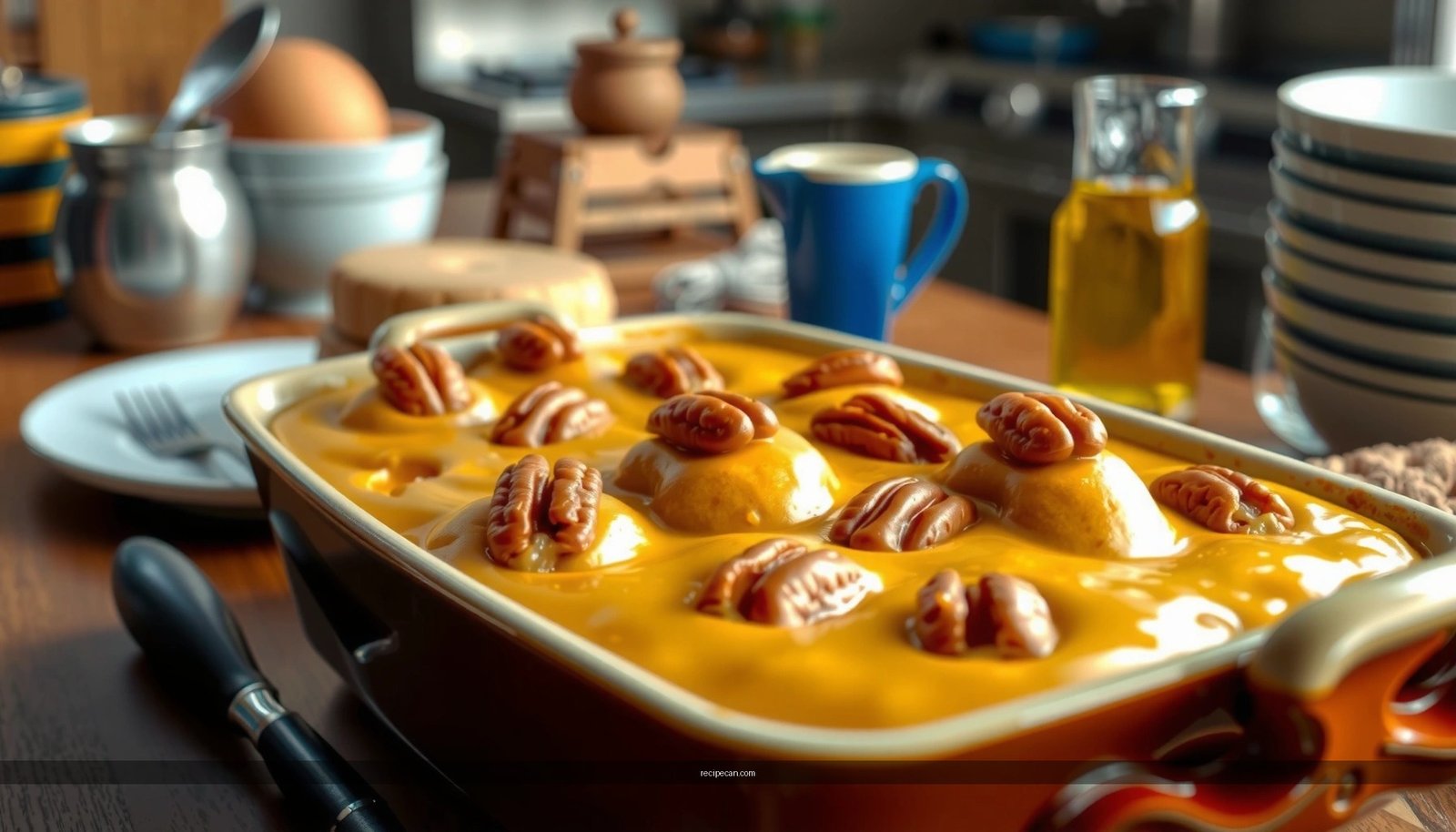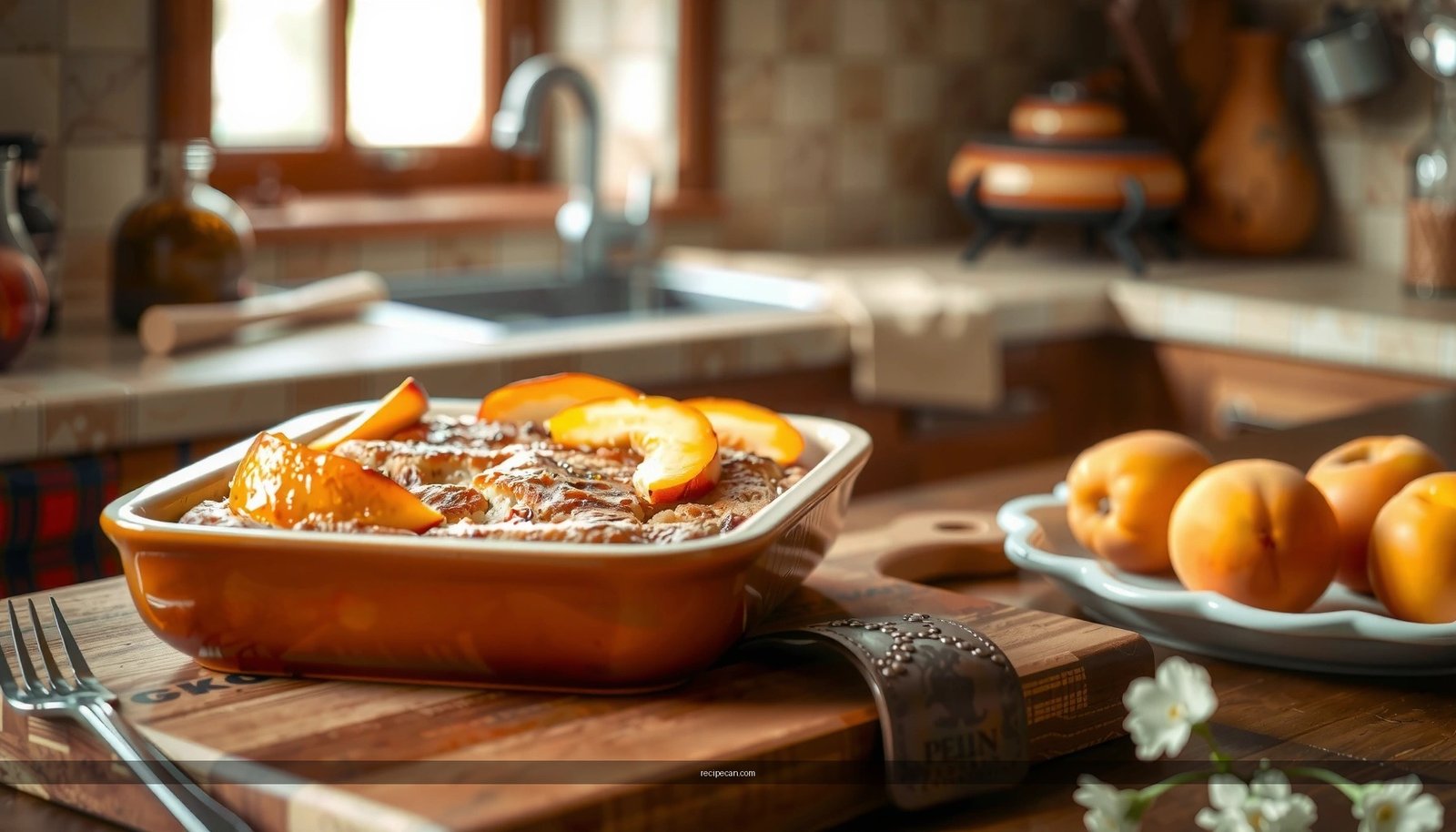
If you’re searching for the best Betty Crocker bread pudding recipe, this one delivers a reliably creamy, custard-soaked dessert with a golden top every time. You’ll get the exact steps and timing to turn day-old bread into a rich, spoonable pudding—no guesswork, no watered-down results. Wondering whether it’s truly easy? This version answers yes, fast, and with bold, comforting flavor.
This Betty Crocker bread pudding recipe is the quickest path to a warm, custardy dessert—without complicated technique. By soaking bread thoroughly in a cinnamon-vanilla custard, baking just until set, and letting it rest, you’ll consistently get that creamy texture that makes bread pudding taste “from-scratch” every time.
Bread pudding is one of those desserts that feels indulgent, but behaves like a smart pantry solution: stale bread becomes silky custard, and a few pantry staples do the heavy lifting. The keys are science-simple—bread needs time to absorb milk and egg, the custard needs to reach the right temperature to set, and resting time finishes the coagulation so the center doesn’t collapse. Below, you’ll find a practical, step-by-step approach you can rely on, plus no-fail fixes for texture issues and serving ideas that elevate the finished pudding.
Bread Pudding Bake Outcomes by Doneness Target (Oven at 350°F / 175°C)
| # | Doneness Target | Center Condition | Typical Result | Custard Set Quality |
|---|---|---|---|---|
| 1 | Just-set pull | Center jiggles slightly | Creamy, spoonable | ★★★★★ |
| 2 | Slightly firm | Minimal jiggle | Balanced, sliceable | ★★★★☆ |
| 3 | Over-set (late pull) | No jiggle; dry feel | Slightly firmer, less creamy | ★★★☆☆ |
| 4 | Under-set pull | Loose center, soft spoon drag | Custard won’t fully set | ★★☆☆☆ |
| 5 | High browning, low set | Golden top, center still soft | Top over-dries while center lags | ★★★☆☆ |
| 6 | After-rest finish | Rest 10–15 minutes | Creaminess improves; structure firms | ★★★★☆ |
| 7 | Thermometer check | Center ~160°F (71°C) | Reliable custard set | ★★★★★ |
Ingredients You’ll Need

A successful Betty Crocker bread pudding recipe starts with a classic custard foundation. While you can customize with add-ins, the core ratio of bread, milk, eggs, and sugar is what delivers that creamy, spoonable texture.
– Bread, milk, eggs, and sugar as the base for a creamy set
Use bread you don’t mind turning into custard—day-old brioche, challah, plain sandwich bread, or even a baguette work well. Milk provides the creamy body; eggs stabilize the custard so it sets cleanly; sugar balances richness and helps browning develop on top.
– Warm spices (like cinnamon/vanilla) for classic flavor
Ground cinnamon gives warmth and a “dessert bakery” aroma, while vanilla extract rounds out sweetness. For a slightly more layered profile, add a small pinch of nutmeg or a hint of cardamom (use sparingly so it doesn’t dominate).
– Optional add-ins such as raisins or chocolate chips
Raisins plump as they bake and add bursts of jammy sweetness; chocolate chips melt into soft pockets. If you use fruit, remember that wetter add-ins (like fresh berries) can thin the custard—balance them with a slightly longer soak or bake time.
Practical ingredient note: If your bread is very fresh and soft, it may not absorb enough custard. Slightly drying it (toast briefly or leave it out uncovered for a few hours) improves soak consistency.
Prep Your Bread for Best Results
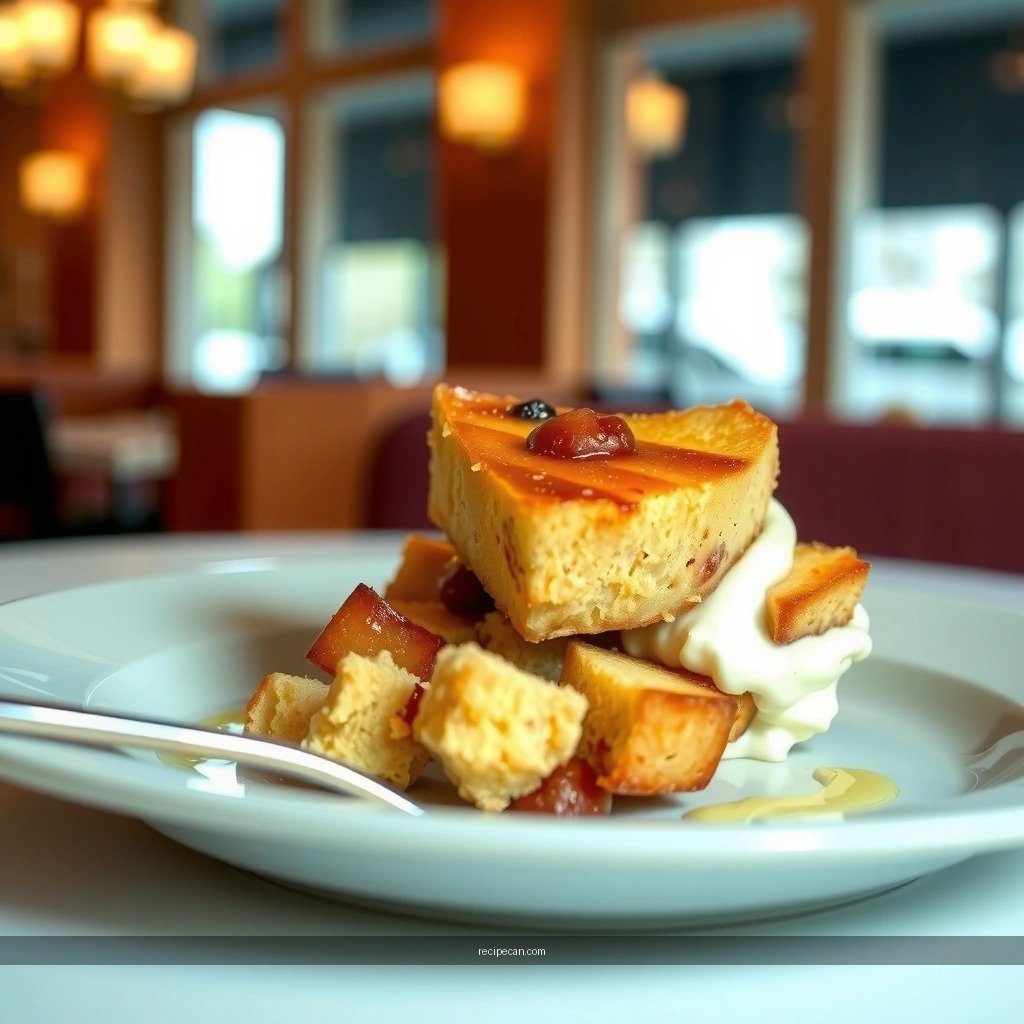
Bread pudding is largely “baking-by-soaking.” The better you prep the bread, the smoother (and more evenly set) the custard becomes.
– Use slightly stale bread (or toast fresh bread briefly)
Stale bread absorbs custard more efficiently without disintegrating. If you only have fresh bread, toast cubes lightly at 300°F–325°F for 5–8 minutes, just until dry on the surface.
– Cut into cubes so the custard soaks evenly
Cube size matters. Smaller cubes absorb faster, while larger chunks stay toothsome longer. For consistent texture, aim for about 3/4-inch (2 cm) cubes—large enough to hold shape, small enough to soak thoroughly.
– Whisk ingredients thoroughly for a smooth pudding texture
Eggs should fully emulsify into milk, sugar, and flavorings. Whisk until the mixture looks uniform and the sugar is mostly dissolved. If using add-ins like raisins, toss them into the bread before pouring the custard so they distribute evenly.
Soaking strategy: Pour custard over bread in an even layer and allow time to hydrate. A short soak yields a pudding with more defined bread pieces; a longer soak produces a denser, creamier set.
Step-by-Step Baking Instructions
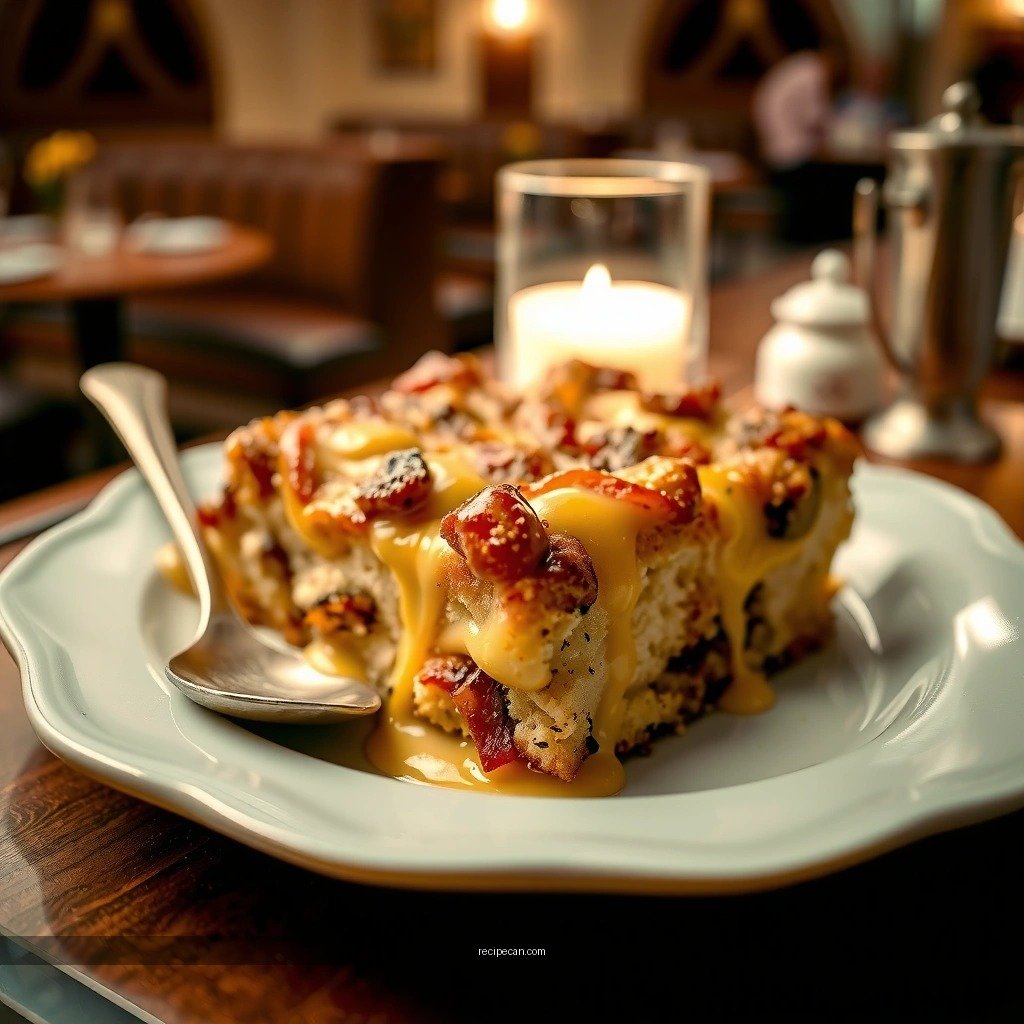
Once the custard and bread are ready, the oven does the rest—your job is to bake to the right stage. Overbaking is the most common reason bread pudding turns dry.
– Soak bread in the custard mixture for the right thickness
Pour custard over bread, then gently press down so all cubes make contact. Let it sit so the liquid absorbs. If you want a more custardy center, add a little more soak time before baking.
– Bake until set in the center and lightly golden on top
Bake at 350°F (175°C) until the top is golden and the center is just set. Look for a gentle jiggle in the middle—think “custard that wobbles” rather than “solid cake.”
Optional reliability method: use a thermometer; custard usually reaches peak texture around 160°F (71°C) in the center (the pudding finishes setting as it cools).
– Let it rest briefly so the pudding finishes setting
Resting isn’t optional if you want creamy slices. After baking, let the bread pudding rest 10–15 minutes. During this time, the custard thickens and the texture becomes more cohesive, which improves both serving and taste.
Why rest matters: Eggs continue to coagulate as the temperature drops. Skipping rest often leads to a runnier center because the custard hasn’t finished its final set.
Texture and Flavor Tips (No-Fail Fixes)
Even with a solid recipe, ovens and bread types vary. These “diagnose-and-fix” tips help you correct common issues without starting over.
– Too runny? Bake a few minutes longer and rest before serving
Runny bread pudding typically means the center didn’t reach a full custard set. Bake in 2–4 minute increments, then rest each time before judging. Also verify you didn’t under-soak the bread; dry bread can steal liquid away from the custard structure.
– Too dry? Add a little more milk next time (or don’t overbake)
Dryness is often overbaking or insufficient custard absorbed due to bread being too fresh or cubes being too large. Next time, reduce bake time slightly or increase milk by 1–2 tablespoons per cup of milk base (small adjustments preserve structure). You can also cover the dish with foil during baking if the top browns too quickly.
– Boost flavor with cinnamon, vanilla, or a pinch of nutmeg
Bread pudding can taste subtle if the custard is under-seasoned. Cinnamon and vanilla provide immediate warmth, while nutmeg adds depth. If you want a more “dessert forward” flavor, consider adding a tiny pinch of salt—salt enhances sweetness and makes spices taste more expressive.
Flavor balancing insight: Sugar affects browning and perception of sweetness. If you reduce sugar for any reason, spices and vanilla often need a slight lift to keep the same aromatic impact.
Serving Suggestions and Toppings
Bread pudding is at its best warm, but the right topping turns a simple bake into a restaurant-style dessert.
– Serve warm for the creamiest bite
Warm temperatures keep the custard soft and creamy. If it cools fully, the pudding firms up—still delicious, but the texture becomes more slice-like.
– Try a drizzle of caramel sauce or maple syrup
Caramel sauce adds buttery depth; maple syrup pairs especially well with cinnamon and vanilla. Drizzle lightly first, then add more as desired to avoid overpowering the custard.
– Pair with whipped cream or a scoop of vanilla ice cream
Whipped cream adds light contrast, while vanilla ice cream melts into the pudding for a “sticky custard” effect. For extra texture, sprinkle a small amount of toasted nuts (like pecans) if you enjoy crunch.
Make it special: If your pudding includes raisins, caramel or a cinnamon-maple syrup drizzle complements them particularly well.
Storage and Reheating
Bread pudding stores well because its custard base rehydrates slightly as it warms back up—if you reheat gently.
– Refrigerate leftovers in an airtight container
Cool the pudding completely before storing to prevent condensation. Refrigerated bread pudding generally keeps for 3–4 days.
– Reheat gently in the microwave or oven to avoid drying out
Microwave reheating works, but use short bursts and cover loosely. For oven reheating, warm at 300°F (150°C) and cover with foil until just heated through. Gentle reheating helps restore the creamy texture without turning the top tough.
– Taste improves after chilling—consider serving the next day
Many people find that flavors deepen after a day in the refrigerator. The spices and vanilla become more integrated, and the custard achieves a firmer, more cohesive consistency.
Reheat tip: If the pudding looks dry after refrigeration, add a teaspoon or two of milk per serving before reheating, or drizzle a small amount of sauce. This “revives” the custard without changing flavor.
With this Betty Crocker bread pudding recipe, you’ll get a simple, custardy dessert every time—especially when you soak the bread well and bake until just set. Make it tonight with your favorite add-ins, then reheat and enjoy leftovers for an even better texture.
Frequently Asked Questions
What is the best Betty Crocker bread pudding recipe for a rich, custardy result?
The best Betty Crocker bread pudding recipe typically uses a custard base of eggs, milk (or evaporated milk), sugar, and vanilla poured over cubed bread, then baked until set. Use day-old bread (white or brioche-style) so it absorbs the custard without turning gummy. For a classic flavor, consider adding cinnamon and raisins if your Betty Crocker recipe includes optional mix-ins.
How do you make Betty Crocker bread pudding step-by-step so it doesn’t turn out dry?
Start by cutting the bread into evenly sized cubes, then let it sit slightly before baking so it can absorb the custard. Pour the egg-milk mixture over the bread and gently press the top to ensure all pieces are moistened, then bake at a moderate temperature until the center is just set. If you want extra moisture, cover with foil for the first half of baking and uncover near the end to brown the top.
Why does bread pudding get soggy or watery, and how can you fix it with the Betty Crocker recipe?
Soggy bread pudding usually happens when too much liquid is used, the bread is too fresh, or the bake time is shortened so the custard never fully sets. To prevent watery results, use day-old bread and bake until a knife or toothpick inserted near the center comes out mostly clean. If you’re following a Betty Crocker bread pudding recipe that calls for specific milk amounts, measure carefully and avoid substituting extra liquid without adjusting the bake time.
Which bread works best for Betty Crocker bread pudding—white bread, brioche, or sourdough?
Most Betty Crocker bread pudding recipes work well with white bread or soft sandwich bread because it soaks up the custard evenly. Brioche or challah creates a richer, sweeter dessert, while sourdough can add a deeper, tangier flavor but may bake up firmer. Regardless of the bread type, choose bread that’s a day or two old for better absorption and a tender, custardy texture.
How long should you bake Betty Crocker bread pudding, and how do you know it’s done?
Baking time varies by pan size, but Betty Crocker bread pudding is typically baked until the edges are set and the center has a slight jiggle like custard. Start checking a few minutes before the suggested time, because oven temperatures can differ and overbaking can make bread pudding rubbery. Once done, let it rest briefly so the custard firms up, then serve warm for the best flavor and texture.
References
- Bread pudding
https://en.wikipedia.org/wiki/Bread_pudding - Custard
https://en.wikipedia.org/wiki/Custard - Staling
https://en.wikipedia.org/wiki/Stale_bread - Egg
https://en.wikipedia.org/wiki/Egg - Milk
https://en.wikipedia.org/wiki/Milk - https://www.britannica.com/topic/bread-pudding
https://www.britannica.com/topic/bread-pudding - Custard | Definition, Ingredients, & Preparation | Britannica
https://www.britannica.com/topic/custard - Google Scholar Google Scholar
https://scholar.google.com/scholar?q=betty+crocker+bread+pudding+recipe - Google Scholar Google Scholar
https://scholar.google.com/scholar?q=bread+pudding+recipe+custard+egg+milk+ratio - Google Scholar Google Scholar
https://scholar.google.com/scholar?q=stale+bread+and+immersed+baking+custard+bread+pudding