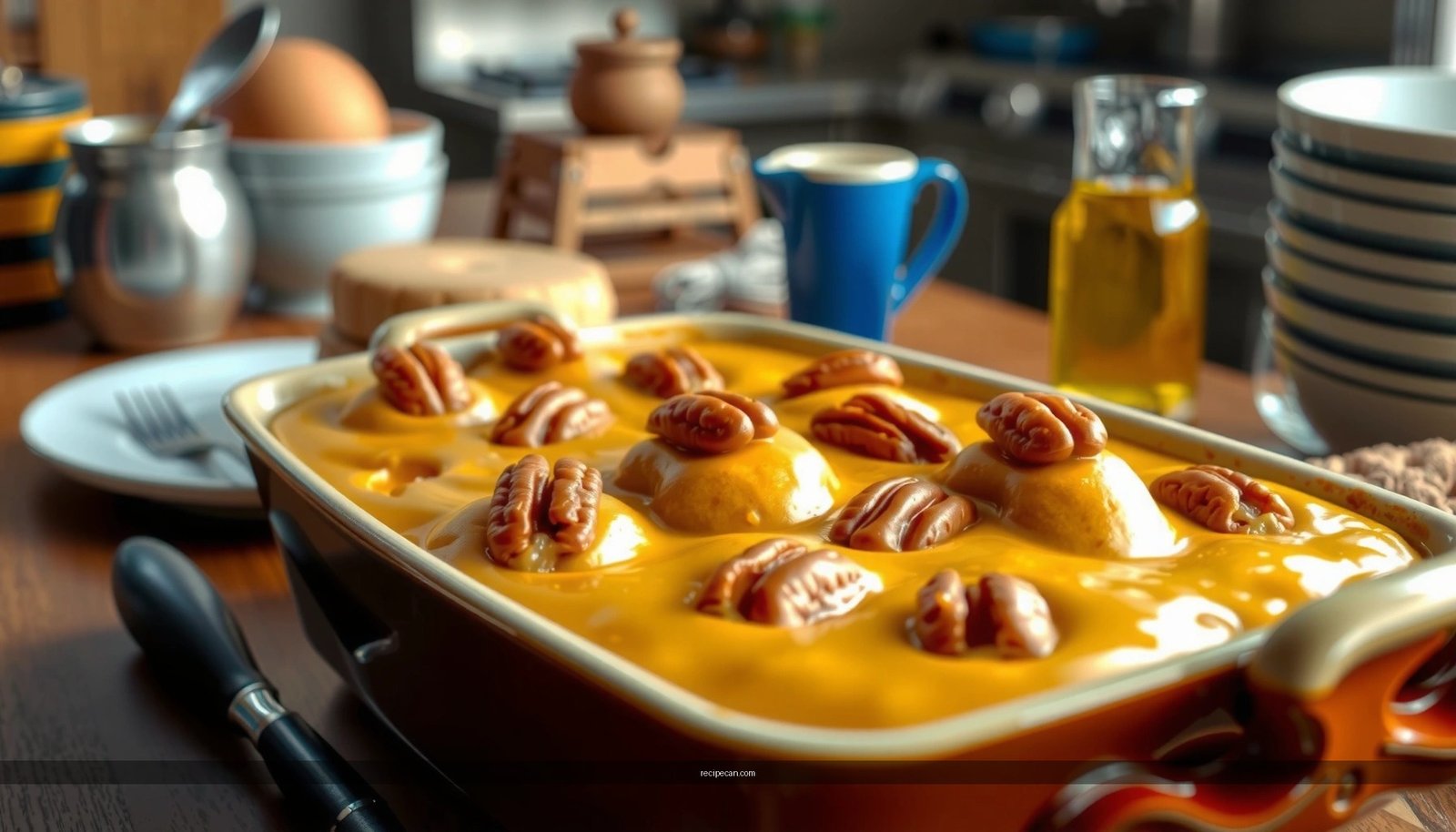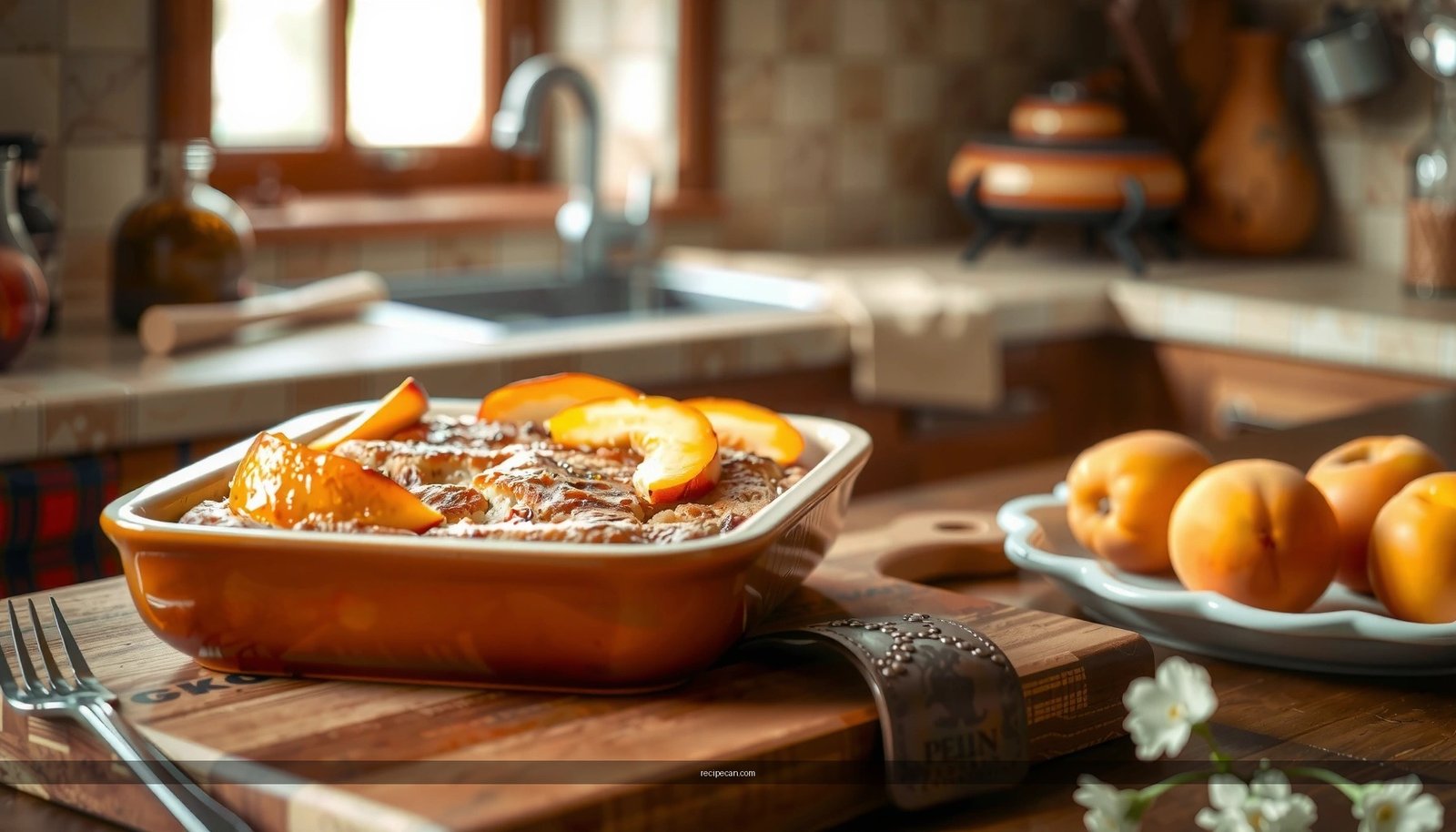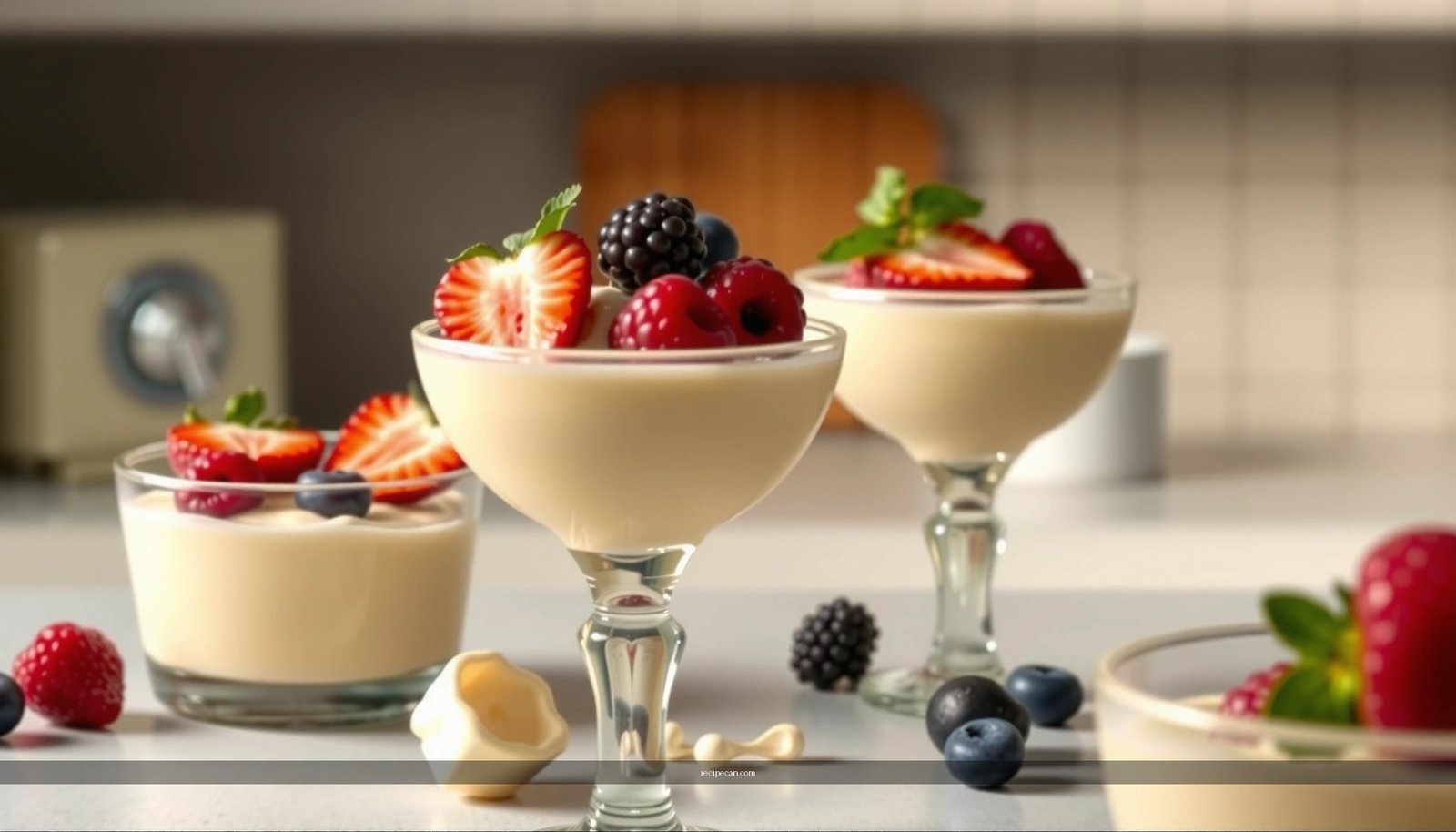
Weight Watchers pudding recipes made easy: these low-point treat ideas deliver the fastest path to a satisfying dessert without blowing your points. If you want the clearest winner—pudding recipes that actually taste like the real thing while staying light on calories—this guide answers it with practical, point-smart options. Expect straightforward ingredients, simple prep, and consistent results you can rely on for weeknight cravings or meal-prep desserts.
Skip the heavy, high-calorie desserts—these Weight Watchers pudding recipes help you enjoy creamy pudding while keeping SmartPoints under control. Below, you’ll get easy recipe ideas, plus practical tips for estimating SmartPoints and customizing flavors with lighter ingredients and fruit-forward add-ins.
Classic comfort food doesn’t have to derail your plan. The key is building pudding around “point-light” bases (like low-fat milk or portioned Greek yogurt), controlling add-ins, and using measured toppings instead of guesswork. Even if you’re using a pudding mix, small swaps—plus disciplined serving sizes—can keep dessert satisfying without the typical sugar-and-cream burden.
Estimated SmartPoints per Serving for Low-Point Pudding Styles (Typical WW-Plan Approach)
| # | Pudding Style | Typical Base | Portion | Estimated SmartPoints |
|---|---|---|---|---|
| 1 | Vanilla (Light Milk) | 1% milk | 1/2 cup | 3 |
| 2 | Chocolate (Cocoa + Low-Fat) | 1% milk + cocoa | 1/2 cup | 4 |
| 3 | Pudding Cup (Portion-Controlled) | light pudding mix | 1 cup | 5 |
| 4 | Greek Yogurt “Pudding” | 0% or 2% Greek yogurt | 3/4 cup | 3 |
| 5 | Fruit-Filled Vanilla | light milk + fruit | 1/2 cup | 4 |
| 6 | Banana-Style Pudding | light vanilla + banana | 1/2–2/3 cup | 5 |
| 7 | Caramel-Style (Measured Syrup) | vanilla base + light caramel | 1/2 cup | 4 |
Classic Weight Watchers Vanilla Pudding
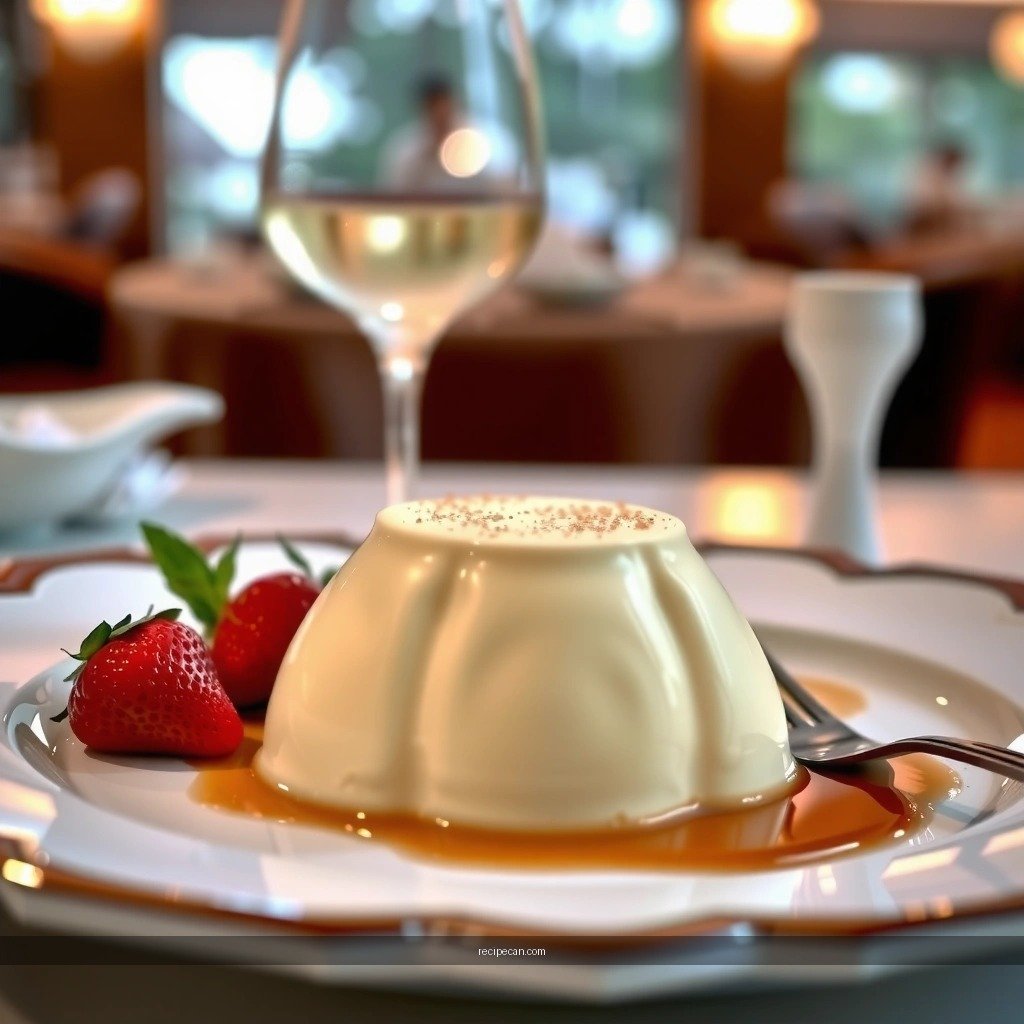
Light, creamy, and versatile—classic vanilla pudding is one of the easiest Weight Watchers pudding recipes to keep low-point. Start with a lighter base: use low-fat or skim milk, or choose a light pudding mix that thickens well without adding excess fat. Vanilla is also your “flavor delivery system,” meaning you can amplify satisfaction using extracts and warm spices rather than sugar-heavy add-ins.
Practical approach:
– Swap the milk: Use 1% milk (for a traditional texture) or 0% milk (for a lighter point profile).
– Boost with aromatics: Cinnamon, nutmeg, or a pinch of vanilla bean paste can make the pudding feel more decadent with minimal SmartPoint impact.
– Choose fruit wisely: Stir in berries, chopped strawberries, or orange segments for natural sweetness. If points are tight, use a measured portion (e.g., 1/3 cup berries) rather than “to taste.”
Serving strategy that works: refrigerate in individual portions so you can eat dessert mindfully. When pudding is pre-portioned, you avoid the common “one more spoon” effect that quietly inflates points.
Chocolate Weight Watchers Pudding Cups
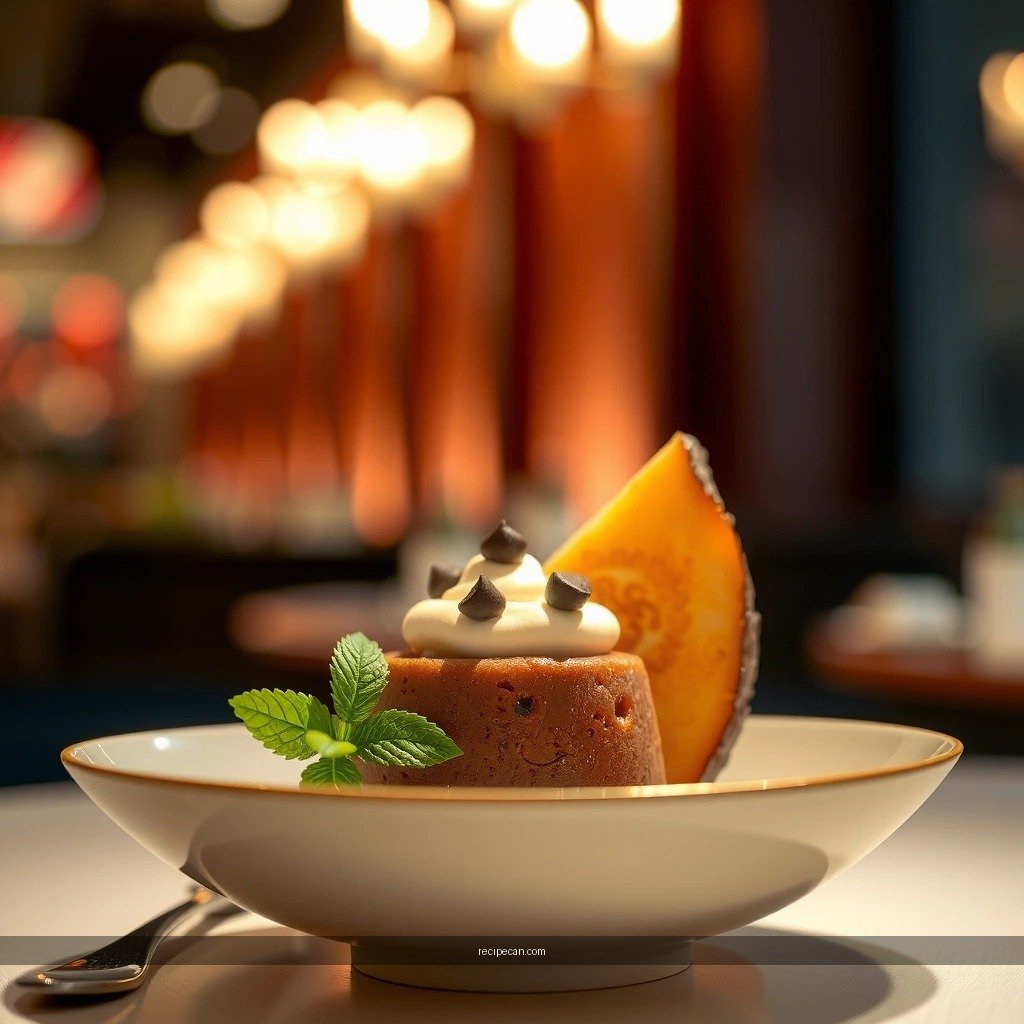
Chocolate pudding can be tricky because many recipes lean on fat-rich ingredients (heavy cream, full-fat chocolate, or sugary toppings). The solution is to build chocolate flavor using cocoa and controlled sweeteners, then package it into single-serve cups for portion control.
How to keep these pudding cups low-point:
– Use cocoa-rich, lower-point ingredients: Choose cocoa powder and a light pudding mix, or create a quick chocolate base with cocoa plus a low-fat milk thickener.
– Avoid heavy toppings: Skip chocolate shavings or full-fat whipped cream. Instead, use a light dusting of cocoa or a small measured spoon of light topping.
– Keep the cup consistent: Use the same cup size each time (e.g., 1/2 cup per serving) so your SmartPoints estimate stays accurate.
Pro tip: If you crave a “fudgy” finish, try adding a small amount of reduced-sugar chocolate syrup or using a measured 1–2 teaspoons of chocolate-flavored yogurt rather than increasing the pudding thickness with butter or cream.
Mini-friction reducer: write your “cup math” once. For example, if your pudding base is calculated for 1/2 cup and your topping is calculated separately, you’ll know exactly what one dessert looks like in points—no guesswork required.
Weight Watchers Instant Pudding Hacks
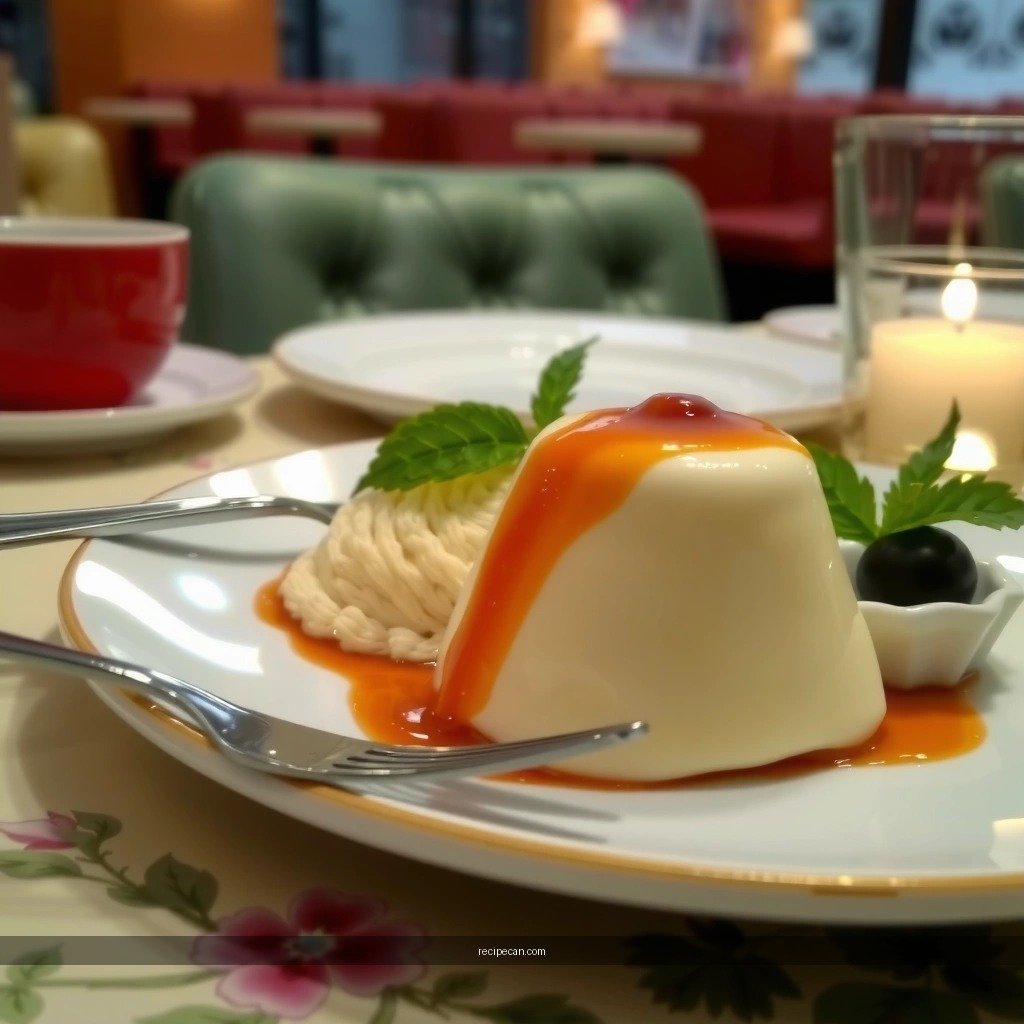
Instant pudding is fast—and that speed can help you stay consistent, as long as your add-ins are intentional. Instant pudding hacks work best when you keep your “base” steady and only vary one variable (like fruit or protein) at a time.
Smart upgrades that usually keep points in check:
– Greek yogurt swap: Mix in nonfat or low-fat Greek yogurt for creaminess and protein. It often adds thickness and satisfaction without turning the dessert into a high-fat treat.
– Sugar-free pudding mix: When available, it can lower points while still delivering the classic pudding texture.
– Measured topping rules: Pre-portion berries, chocolate chips, or crushed cookies so the topping doesn’t become the real “point culprit.”
Use consistency like a business KPI:
– Keep the same pudding mix brand and same serving size each time.
– Measure toppings by weight (or use standard measuring spoons/cups) for the first few weeks—then you can scale from memory.
Here’s a simple “hack formula” you can reuse:
Base (tracked) + Protein (optional) + Flavor booster (measured) = predictable SmartPoints.
If you want a richer mouthfeel without raising points, focus on thickness (yogurt texture, chill time) rather than adding fats (cream, butter, large toppings).
Weight Watchers Fruit-Filled Pudding Variations
Fruit makes Weight Watchers pudding taste brighter and feel more “complete,” often letting you reduce added sugar while still satisfying cravings. Instead of sugary sauces, use fruit that naturally contributes sweetness, volume, and texture.
Variation ideas:
– Berry vanilla: Stir in raspberries or blueberries to create a tart-sweet balance.
– Peach pudding: Use fresh or lightly sweetened peaches; if using canned, choose “in juice” and drain well.
– Banana-friendly fruit bowl: Combine banana with vanilla pudding for a familiar, comforting profile.
Sweetness without point creep:
– Use light syrups sparingly (or opt for a teaspoon of sugar-free syrup).
– Consider citrus zest (lemon or orange) to elevate flavor without adding much.
– Add texture using fruit chunks instead of cookies or candy.
The analytical reason fruit works: fruit provides volume and fiber, which can increase fullness and reduce the temptation to overserve pudding. When portioning is controlled, fruit often improves both satisfaction and SmartPoints efficiency.
Weight Watchers Banana or Caramel-Style Pudding
Banana pudding and caramel-style desserts are often associated with high-fat ingredients—yet you can recreate the flavor with controlled toppings and lighter bases. The goal is to deliver the “taste note” (banana or caramel) while preventing the common downfall: uncontrolled crumbs, extra syrup, and handfuls of nuts.
Banana-style strategy:
– Use portion-controlled banana (e.g., sliced 1/2 small banana per serving).
– Build the base with vanilla pudding and a lighter milk or yogurt blend.
– For crunch, use a small measured amount of wafer crumbs or cookie crumble—just enough to create the banana pudding vibe.
Caramel-style strategy:
– Use light caramel flavoring or sugar-free caramel syrup.
– Keep caramel as a topping or swirl, not a full replacement for the base—otherwise it can add up quickly in points.
– If you add nuts, measure a conservative portion (a tablespoon or two max, depending on your plan).
When point creep threatens, ask this: “Is my topping adding flavor—or is it just adding more dessert?” In most cases, trimming toppings by even 1–2 measured “pinches” keeps dessert on-plan without sacrificing the experience.
How to Calculate Points for Pudding Recipes
Accurate SmartPoints estimates depend on one principle: track base ingredients and toppings separately. Pudding is usually predictable until toppings and substitutions enter the mix. If you separate these components, you’ll be able to customize confidently.
A practical checklist:
– Base ingredients: Track milk (fat level matters), pudding mix type (regular vs light vs sugar-free), and any thickening protein (Greek yogurt).
– Toppings separately: Calculate fruit, chocolate chips, cookie crumbs, caramel syrup, or whipped topping as their own items.
– Serving-size accuracy: Use the serving size on the label, then align your portion. If you’re making homemade pudding, portion into consistent cups and weigh or measure initially.
Repeatable measurement method:
1. Measure the total batch yield (how many cups or servings it makes).
2. Calculate points for the ingredients used to make the batch.
3. Divide by the number of servings you portioned out.
4. Add topping points per serving if topping isn’t included in the base calculation.
Important note: SmartPoints are plan- and formula-dependent. For the most reliable tracking, always confirm the nutrition/SmartPoints values using your specific WW app or current system, especially when brands or product formulations differ.
Where SmartPoints Usually Come From in Weight Watchers Pudding (Typical Drivers)
| # | Factor | Common Choice | Point Impact | Rating |
|---|---|---|---|---|
| 1 | Milk Fat Level | 1% vs whole | Lower when light | ★★★★★ |
| 2 | Pudding Mix Type | light/sugar-free | Often reduces base points | ★★★★☆ |
| 3 | Topping Quantity | cookie crumbs / syrup | Easy to over-serve | ★★★★★ |
| 4 | Portion Size | 1/2 cup vs 1 cup | Doubles quickly | ★★★★☆ |
| 5 | Added Creaminess | Greek yogurt | Satisfying with control | ★★★☆☆ |
| 6 | Sweetener Type | sugar vs sugar-free | Lower when sugar-free | ★★★☆☆ |
| 7 | Flavor Extracts/Spices | vanilla, cinnamon | High impact, low points | ★★★★☆ |
Enjoy these Weight Watchers pudding recipes by choosing lighter bases, portioning carefully, and customizing with fruit or flavor boosters. Pick one recipe to make this week, then use the point-calculation tips to tailor it to your plan—so you can keep dessert on the menu without the guilt.
When you treat pudding like a predictable, measured treat (rather than an “eyeballed” indulgence), you gain control without losing comfort. With vanilla, chocolate, fruit-filled variations, and caramel-style options, you can rotate flavors confidently while keeping SmartPoints aligned to your goals.
Frequently Asked Questions
What are the best Weight Watchers pudding recipes for beginners?
The best Weight Watchers pudding recipes are the ones that use simple, portion-friendly ingredients like low-fat milk, Greek yogurt, or sugar-free pudding mix. Look for recipes that specify Weight Watchers points per serving so you can stay within your daily plan. Popular starter options include vanilla pudding cups, chocolate chia pudding, and banana custard made with reduced-fat dairy.
How do I make Weight Watchers pudding recipes taste rich without using extra points?
To keep your Weight Watchers pudding recipes creamy and satisfying, use unsweetened Greek yogurt or low-fat milk and choose sugar-free or reduced-sugar flavor bases. Adding vanilla, cinnamon, cocoa powder, or espresso can boost flavor without adding points. If your pudding needs more body, try cornstarch (used carefully) or instant pudding mix in the exact amounts listed for lower WW point totals.
Which Weight Watchers pudding recipes are lowest in SmartPoints or points per serving?
The lowest-point Weight Watchers pudding recipes are typically those made with nonfat Greek yogurt, fat-free pudding powder, or no-added-sugar ingredients like chia and fruit. Recipes that portion well—such as single-serve pudding cups—often stay lower because the serving size is controlled. Check the nutrition or WW point values for your exact brand and portion, since points can change depending on the milk and mix you choose.
Why do some Weight Watchers pudding recipes come out runny, and how can I fix them?
Runny Weight Watchers pudding recipes usually happen when the liquid is too high, the thickener isn’t used at the right amount, or the pudding hasn’t chilled long enough. If you’re using cornstarch, simmer gently until it thickens, then let it cool and refrigerate for several hours. For instant pudding mix, follow the package directions closely and chill until fully set for a thicker, spoonable texture.
How can I meal prep Weight Watchers pudding recipes for the week and keep them from getting watery?
For meal prep, choose pudding recipes that are designed to set well in the fridge, such as Greek yogurt-based pudding or instant pudding variations. Store in airtight containers or individual cups, and keep them consistent with the same portions to simplify tracking Weight Watchers points. If you’re adding fruit, mix it in right before serving or fold it gently to prevent extra liquid from thinning the pudding.
References
- Google Scholar Google Scholar
https://scholar.google.com/scholar?q=Weight+Watchers+pudding+recipes - Google Scholar Google Scholar
https://scholar.google.com/scholar?q=Weight+Watchers+Points+pudding+dessert+recipe - Google Scholar Google Scholar
https://scholar.google.com/scholar?q=low+calorie+pudding+recipes+weight+loss+programs - Pudding
https://en.wikipedia.org/wiki/Pudding - Weight Watchers
https://en.wikipedia.org/wiki/Weight_Watchers - Understanding Adult Overweight & Obesity – NIDDK
https://www.niddk.nih.gov/health-information/weight-management/adult-overweight-obesity - https://www.cdc.gov/healthyweight/losing_weight/index.html
https://www.cdc.gov/healthyweight/losing_weight/index.html - https://www.cdc.gov/healthyweight/healthy_eating/index.html
https://www.cdc.gov/healthyweight/healthy_eating/index.html - https://www.mayoclinic.org/healthy-lifestyle/weight-loss/in-depth/calorie-deficit/art-20044704
https://www.mayoclinic.org/healthy-lifestyle/weight-loss/in-depth/calorie-deficit/art-20044704 - Google Scholar Google Scholar
https://scholar.google.com/scholar?q=weight+watchers+pudding+recipes