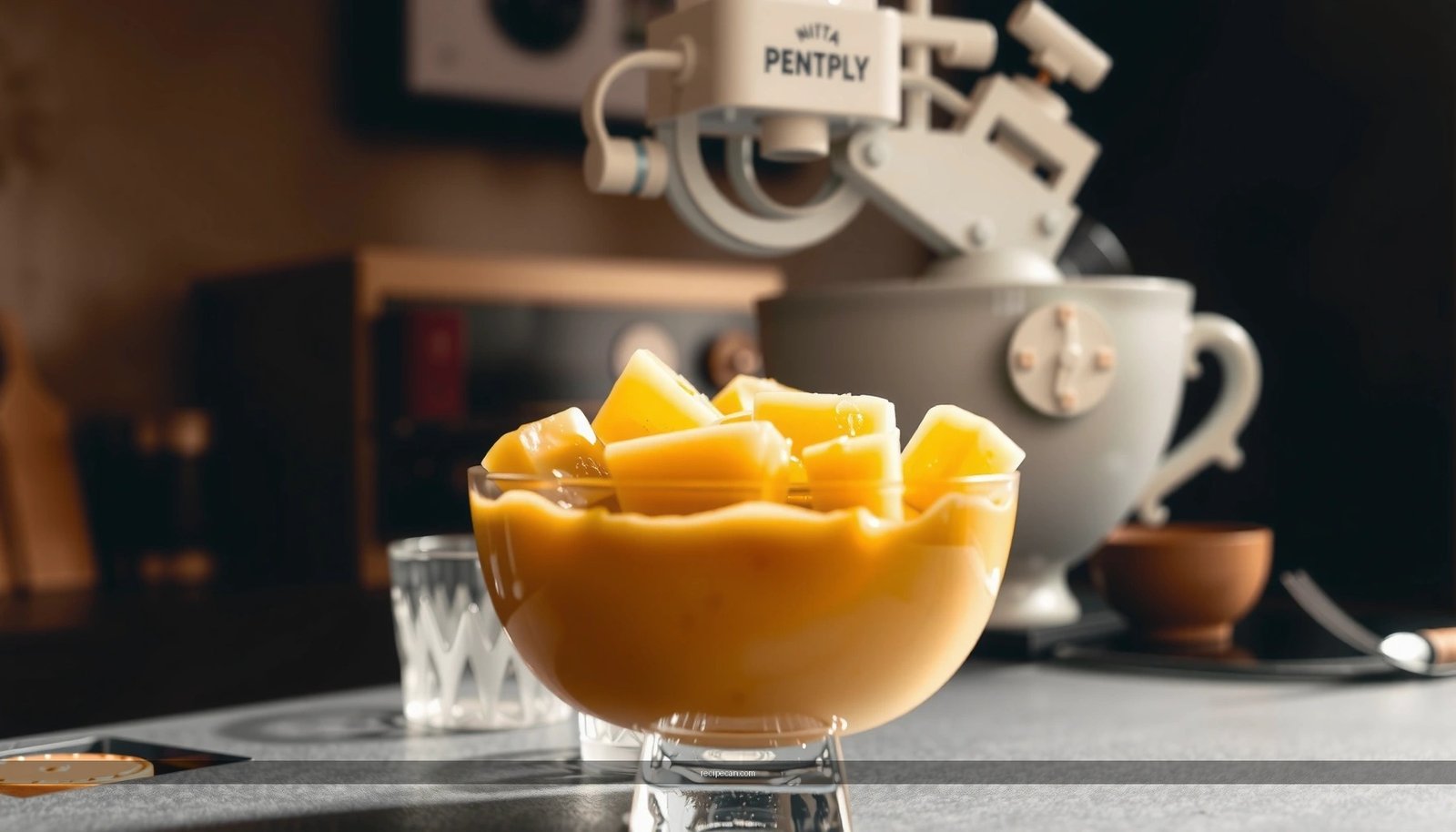
Need an easy, creamy pineapple pudding recipe that actually turns out sweet and silky? This recipe gives you the most reliable pineapple pudding with a smooth texture, simple steps, and the right balance of fruit flavor and creaminess. If you want a dessert you can make without guesswork, this is the one to follow.
Pineapple pudding is a quick, creamy dessert that comes together by thickening pineapple with a custard-style base and then chilling until set. With the right thickener, you can control texture—from spoonable to sliceable—without complicated steps or baking.
Ingredients for Pineapple Pudding
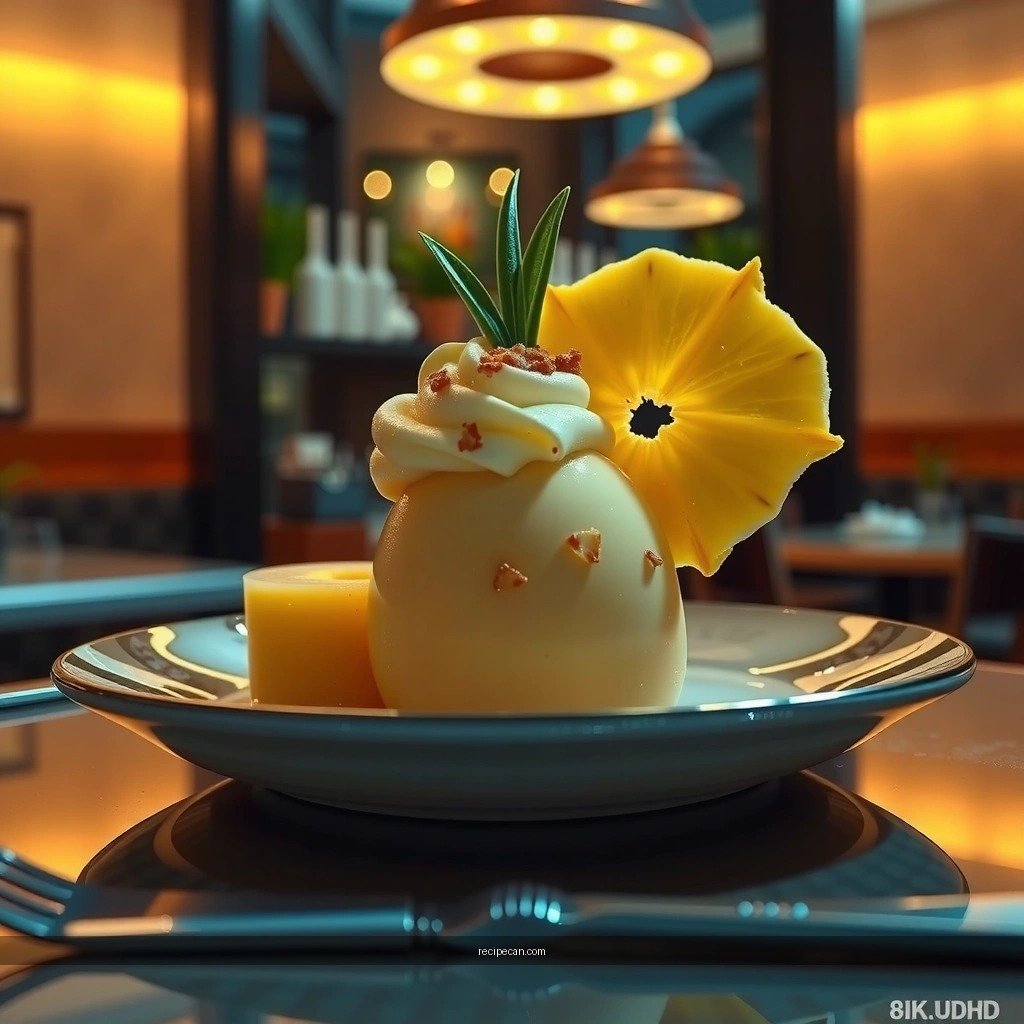
A successful pineapple pudding recipe balances three things: fruit flavor, thickening power, and sweetness. Below are the best ingredient options, along with practical guidance for consistent results.
Core ingredients you’ll need
– Pineapple (fresh or canned):
Fresh pineapple delivers bright, natural flavor, while canned pineapple is convenient and year-round. If using canned, drain thoroughly to prevent a runny pudding. Extra juice can dilute the custard base and slow thickening.
– Thickener (choose one):
– Pudding mix (instant): Fastest path to a classic set; ideal when you want minimal cooking.
– Cornstarch: Creates a smooth custard when cooked; best for control and a clean, glossy finish.
– Gelatin: Useful when you want a firmer “set” with more wobble; works well for layered or molded presentations.
Recommended flavor and texture helpers
– Milk or cream:
Whole milk yields a creamy mouthfeel; half-and-half or evaporated milk increases richness.– Sweetener (optional):
Depending on your pineapple (often sweetened if canned), you may only need a small amount of sugar. Taste the mixture before thickening.
– Vanilla extract and salt:
Vanilla rounds out the pineapple notes, while a pinch of salt makes the sweetness taste more “complete.”
– Whipped topping (optional):
For a lighter, more dessert-shop feel, serve with whipped cream or fold in lightly whipped cream just before serving.
Pineapple Pudding Thickener Guide (For 4–6 Servings)
| # | Thickener Method | Typical Amount (per 2 cups milk) | Time to Thicken | Target Texture | Best Outcome |
|---|---|---|---|---|---|
| 1 | Instant vanilla pudding mix | 1 standard 3.4 oz (96 g) box | 2–6 minutes | Spoonable, classic set | ★ ★ ★ ★ ★ |
| 2 | Cooked cornstarch slurry | 6–8 tbsp cornstarch | 8–12 minutes | Glossy, thick custard | ★ ★ ★ ★ ☆ |
| 3 | Gelatin (hydrated + warmed) | 1 tbsp gelatin + 2 tbsp cold water | 10–15 minutes active, then chill | Firm, light wobble | ★ ★ ★ ★ ☆ |
| 4 | Use pineapple + juice reduction | Simmer 1 cup pineapple juice by ~25% | 10–14 minutes | More concentrated fruit flavor | ★ ★ ★ ★ ★ |
| 5 | Add crushed pineapple last | Fold 1 cup drained pineapple | No extra cook | Fresh fruit texture | ★ ★ ★ ★ ☆ |
| 6 | Lower heat for custard base | Keep at gentle simmer | Varies (watch thickness) | Less risk of curdling | ★ ★ ★ ★ ☆ |
| 7 | Cool base before adding pineapple | Cool to ~70–80°F (21–27°C) | 5–10 minutes | Stable, creamy mouthfeel | ★ ★ ★ ★ ★ |
Step-by-Step Pineapple Pudding Instructions
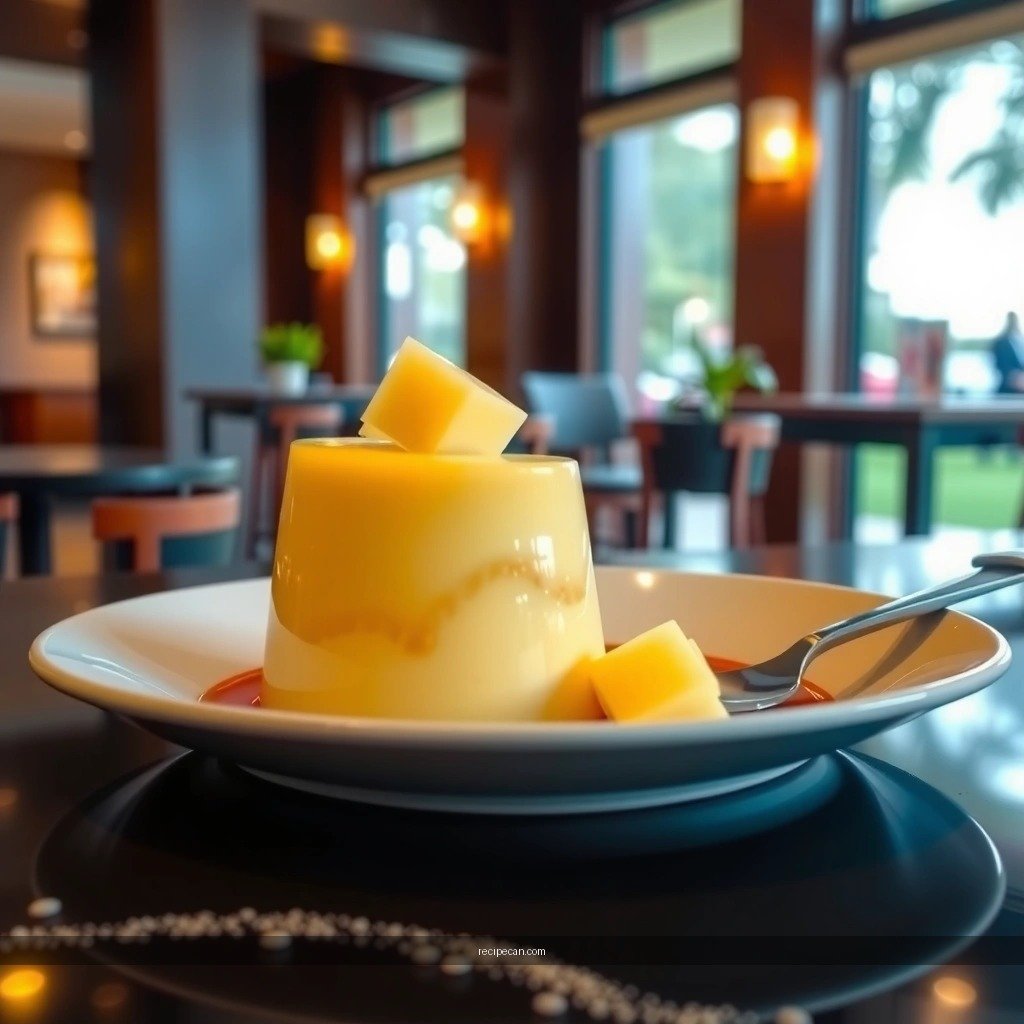
This pineapple pudding recipe is designed for reliability. The steps below cover the “why” behind each action so your dessert thickens properly and stays creamy.
1) Prepare the pineapple
– Fresh pineapple: Dice small, then drain in a sieve for 5–10 minutes. Excess juice can thin the base.
– Canned pineapple: Drain completely. If your pineapple rings are very wet, blot lightly with a clean towel.
2) Build the pudding base (choose your thickening approach)
Option A: Instant pudding mix (fastest)
1. Whisk cold milk with the instant pudding mix until smooth.
2. Let it sit for 1–2 minutes, then whisk again to remove any lumps.
3. Fold in drained pineapple once the mixture looks thick and glossy.
Option B: Cornstarch custard (most control)
1. Whisk cornstarch with a small amount of milk to make a smooth slurry (prevents lumps).
2. Heat the remaining milk on medium, then add slurry slowly while whisking.
3. Cook until thickened (usually 2–3 minutes once it starts to bubble), then remove from heat.
Option C: Gelatin set (firm, moldable style)
1. Bloom gelatin in cold water.
2. Warm gelatin until fully dissolved, then mix into slightly cooled pudding base.
3. Fold in pineapple and pour into cups or a mold.
3) Thicken, then portion
– Transfer immediately to individual serving dishes if you want clean layers and easy serving.
– If you’re using a custard-style method (cornstarch or gelatin), cool briefly before adding pineapple to protect texture and prevent fruit from warming unevenly.
4) Chill until properly set
– Cover and refrigerate (details below in texture tips).
– Avoid stirring after the base begins setting—stirring can introduce air and lead to uneven firmness.
Tips for Perfect Texture
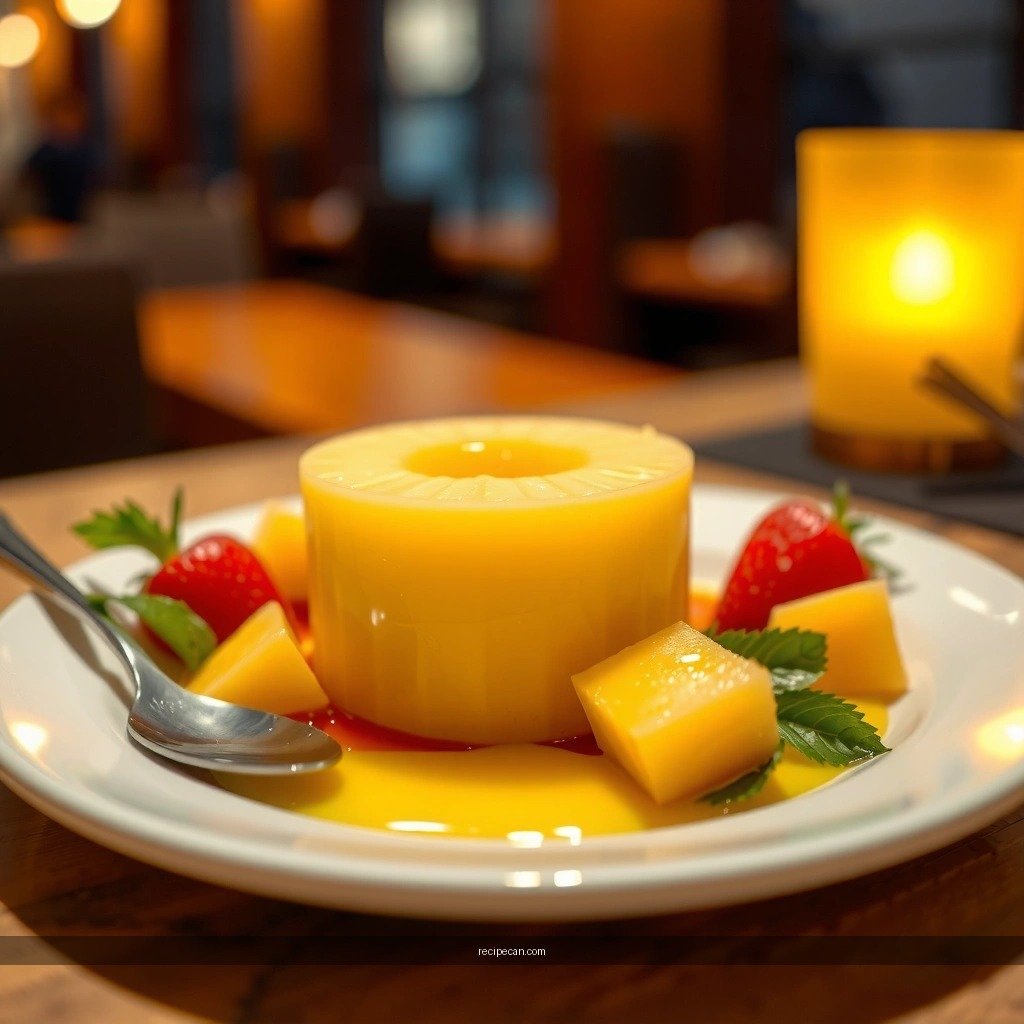
Texture is where pineapple pudding succeeds or fails. The most common problems—runny pudding, graininess, or watery fruit—almost always come down to thickener ratios, heat control, and chilling time.
Chill long enough to “lock in” the set
– Chill at least 2–4 hours for a stable, custard-like consistency.
– For thicker results or more sliceable texture (especially with gelatin), give it up to 6 hours.
Stir gently (and only when appropriate)
– If you’re using instant pudding mix, whisk thoroughly at first to remove lumps, then stir gently only when folding in pineapple.
– If you’re cooking cornstarch custard, whisk continuously while thickening, then stir minimally once off heat to keep it smooth.
Avoid overheating
– Custard-style methods can curdle if brought to a hard boil. Aim for a gentle simmer and remove from heat as soon as thick.
– Overcooking cornstarch can make pudding feel overly “starchy” rather than creamy.
Control pineapple moisture
Pineapple contains natural enzymes that can soften texture. To minimize mushiness:
– Drain well every time.
– Add pineapple after the base has slightly cooled (especially for gelatin or cornstarch cooked bases).
Target thickness before chilling
A useful benchmark: before chilling, your pudding base should be thicker than you think it needs to be, because chilling firms it further. If it’s barely thick at transfer time, it usually won’t set properly later.
Serving Ideas and Toppings
A pineapple pudding recipe becomes more memorable when toppings reinforce its flavor profile—sweet, tropical, and creamy.
Easy topping combinations
– Whipped cream + toasted coconut: Adds contrast in sweetness and a subtle crunch.
– Crushed pineapple + vanilla wafers: Brings extra texture and a “layered dessert” vibe without extra work.
– Maraschino cherries: For a classic, colorful look that works especially well for family gatherings.
Pro plating ideas (for a more polished finish)
– Pipe whipped cream around the edge of each cup.
– Add a small cluster of pineapple pieces to the center so fruit isn’t only mixed in.
– Finish with a dusting of toasted coconut or a few crushed wafers right before serving so they stay crisp.
Flavor upgrades that still stay simple
– Add a pinch of lime zest to the pineapple (not too much—just for brightness).
– Use vanilla bean paste instead of vanilla extract if you want a more premium aroma.
– For a richer finish, drizzle with sweetened condensed milk in thin ribbons.
Make-Ahead and Storage
This is one of the biggest advantages of pineapple pudding: it’s naturally suited to make-ahead planning. The dessert’s texture improves as it chills, making it ideal for entertaining.
Refrigeration
– Keep covered in the fridge for up to 3–4 days.
– Use a tight lid or plastic wrap pressed to the surface to reduce surface moisture.
Freezing (proceed with thickener awareness)
– Freeze only if your thickener supports it.
– Instant pudding mix may separate slightly after thawing.
– Cornstarch custards can become softer and lose some gloss.
– Gelatin-set puddings usually freeze best structurally, but texture can still change.
– If you do freeze, thaw in the refrigerator overnight and stir gently before serving (small changes are normal).
Best practice for serving day
– Add delicate toppings (whipped cream, wafers) right before serving to protect texture.
– If the pudding looks overly firm after refrigeration, let it sit at room temperature for 5–10 minutes.
Pineapple pudding recipe is a simple, creamy dessert made with pineapple and a thick, custard-like base—no complicated steps required. In this guide, you’ll learn the best ingredients, how to prepare it quickly, and the ideal chilling time for the perfect texture.
[CONCLUSION PARAGRAPH – NO HEADING]
This pineapple pudding recipe delivers a creamy, sweet dessert with minimal effort—just mix, thicken, and chill for the best set. Pick your preferred thickening method, follow the steps, then serve with a topping you love. Make it today and try it on your next family dessert night!
Frequently Asked Questions
What ingredients do I need for a classic pineapple pudding recipe?
A typical pineapple pudding recipe uses crushed or cubed pineapple (often with some juice), instant pudding mix or homemade custard, milk, sugar (if needed), and vanilla. Many versions also include whipped topping or cream cheese for a richer texture, plus crushed vanilla wafers or graham crackers if you want a layered dessert. Check whether your pineapple is canned “in juice” or “drained,” since that affects how much additional liquid you’ll need.
How do I make pineapple pudding without lumps?
To avoid lumps, whisk the pudding mix thoroughly with cold milk first before combining it with pineapple. If you’re cooking the pudding on the stove, keep the heat medium-low and stir constantly until it thickens, then remove it from heat immediately. For best results, let the mixture cool fully and chill the pineapple pudding recipe until set, because the texture firms as it cools.
Why is my pineapple pudding too runny, and how can I fix it?
Runny pineapple pudding usually happens if the mixture wasn’t thickened long enough, the milk-to-mix ratio is off, or the pineapple added too much liquid. If it’s not set yet, chill it for several hours—many pudding desserts thicken further in the refrigerator. If it’s still loose, make a small slurry with extra pudding mix or cornstarch and cook briefly, then combine and re-chill.
Which pineapple works best for pineapple pudding recipes: fresh or canned?
Canned pineapple is often the easiest choice because it provides consistent texture and sweetness, and it reduces preparation time. If using fresh pineapple, make sure it’s well-drained and consider cooking it slightly to concentrate flavor and prevent excess moisture. For a classic, creamy dessert, crushed pineapple in juice (then adjusted to taste) is especially popular in pineapple pudding.
What’s the best way to serve pineapple pudding for the best flavor and texture?
The best serving method is to chill the pineapple pudding recipe until fully set, typically 3–4 hours or overnight, so it slices or spoon-thickens nicely. For extra flavor, fold in whipped topping after the pudding has cooled, or add a fresh topping like toasted coconut or more pineapple just before serving. Serve cold for a refreshing dessert, and keep leftovers refrigerated to maintain the creamy texture.
References
- Google Scholar Google Scholar
https://scholar.google.com/scholar?q=pineapple+pudding+recipe - Google Scholar Google Scholar
https://scholar.google.com/scholar?q=pineapple+gelatin+dessert+recipe - Google Scholar Google Scholar
https://scholar.google.com/scholar?q=custard+pineapple+pudding - Pudding
https://en.wikipedia.org/wiki/Pudding - Custard
https://en.wikipedia.org/wiki/Custard - Gelatin
https://en.wikipedia.org/wiki/Gelatin - Pineapple
https://en.wikipedia.org/wiki/Pineapple - Pudding | Definition, Types, & Ingredients | Britannica
https://www.britannica.com/topic/pudding - Custard | Definition, Ingredients, & Preparation | Britannica
https://www.britannica.com/topic/custard - https://pubmed.ncbi.nlm.nih.gov/?term=bromelain+gelatin+pineapple
https://pubmed.ncbi.nlm.nih.gov/?term=bromelain+gelatin+pineapple