Want pudding in cake recipe directions that actually work—so you get a tender cake with a set, flavorful pudding layer instead of soggy streaks? This guide shows the single best method to add pudding perfectly, including when to fold it, how to prevent separation, and the bake-and-chill timing that locks in texture. If you’ve tried before and the pudding didn’t behave, you’ll get the exact steps and results you’re aiming for.
Pudding in a cake recipe is best added by using cooked pudding (or prepared pudding) folded into the batter or spooned into layers, depending on the texture you want. The key to keeping it creamy (not watery) and the cake tender is controlling temperature, mixing time, and bake/cooling so the pudding sets in place while the crumb stays light.
Choose the Right Pudding Type
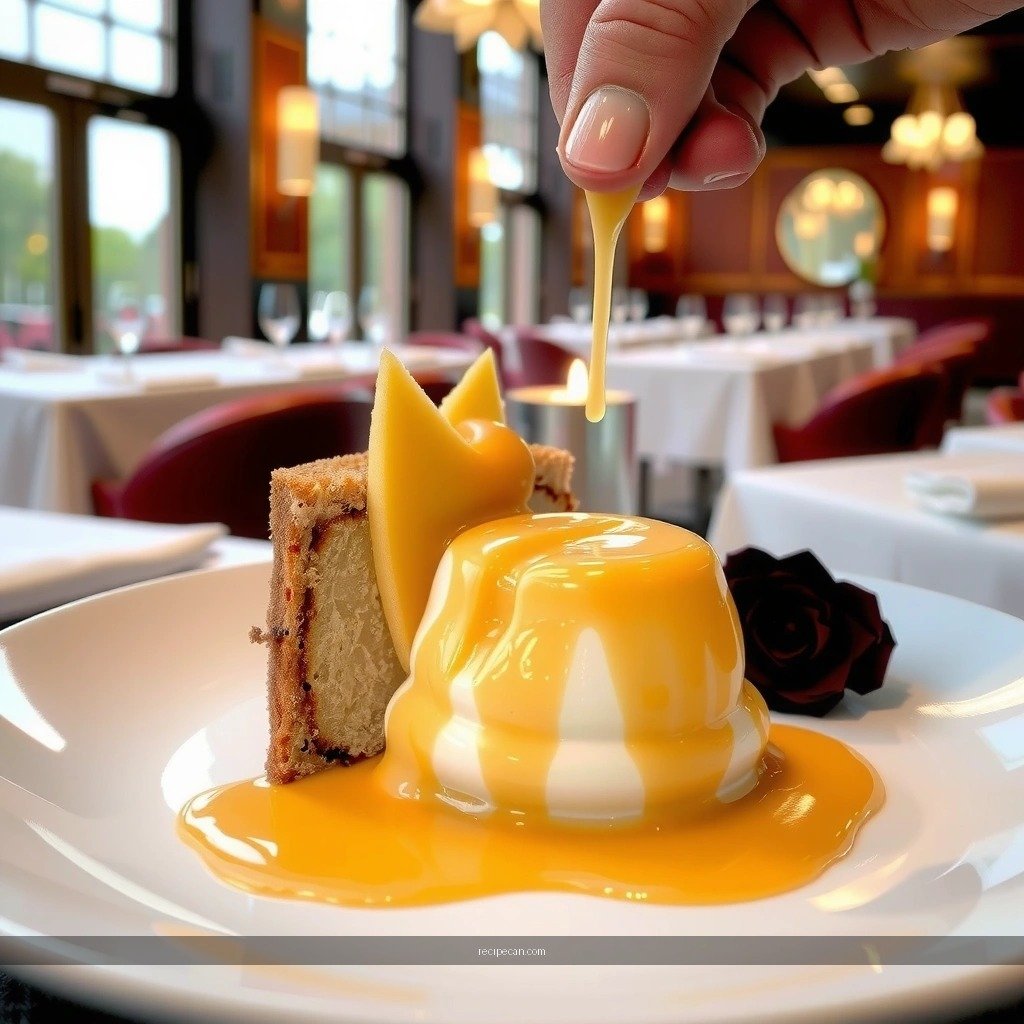
The pudding type you choose determines whether your cake ends up with a soft, creamy center or a “pudding sink” that disappears into the crumb. In practice, think of pudding as a starch-and-sugar system: once heated and cooled (or chilled), it forms a gel that can hold texture inside cake. Your job is to pair that gel with the right method—folding, layering, or poking.
– Use instant pudding for quick, stable results
Instant pudding (often “instant vanilla pudding mix” with milk) is designed to thicken reliably and quickly. It’s a strong choice if you want consistent results at home without extra cooking time. Instant pudding also tends to be more predictable in bake-time scenarios because it has already reached its “usable” thickened state when prepared.
– Opt for cook-and-serve pudding if you want a deeper, richer flavor
Cook-and-serve pudding typically uses higher/longer starch activation and often tastes more “from-scratch” because it’s cooked until thick. It’s ideal for vanilla pudding cakes, caramel pudding centers, or when you want a more custard-like mouthfeel. The trade-off: you must cool it properly before adding so it doesn’t thin the batter or create oily separation.
– Match pudding flavor to the cake base (e.g., vanilla with chocolate cake)
Flavor pairing is not just about preference—it also affects perceived texture. Lighter flavors (vanilla, white chocolate) can make a creamy center feel brighter against a darker cake, while bold flavors (banana, chocolate, espresso) can mask subtle dryness. A reliable baseline is vanilla pudding + chocolate cake or chocolate pudding + vanilla cake, then experiment with seasonal profiles like lemon pudding in vanilla pound cake.
Pudding Consistency vs. Cake Method (Home Baking Benchmarks)
| # | Pudding Type | Best Texture Goal | Cooling Target Before Use | Method Fit (Fold/Layer/Poke) | Bake Stability Score |
|---|---|---|---|---|---|
| 1 | Instant Vanilla Pudding | Uniform creamy crumb | 15–25 min (thick, spoonable) | Fold + Layer | ★★★★★ |
| 2 | Instant Chocolate Pudding | Deep flavor center | 20–30 min (thick, glossy) | Layer + Poke | ★★★★☆ |
| 3 | Cook-and-Serve Vanilla Custard | Custard-like cream | 30–45 min (room temp thick) | Fold + Layer | ★★★★☆ |
| 4 | Cook-and-Serve Chocolate Custard | Firmer, spoonable center | 35–50 min (cool to thicken) | Layer + Poke | ★★★☆☆ |
| 5 | Reduced-Sugar Pudding Mix | Creamy but softer set | 25–35 min (thickened, not warm) | Fold (gentle) | ★★☆☆☆ |
| 6 | Pudding Made with Extra Thickener | High stability layers | 20–25 min (very thick) | Layer + Poke | ★★★★☆ |
| 7 | Homemade Crème Pâtissière | Classic French custard richness | 45–60 min (fully chilled) | Layer (best) | ★★★★☆ |
How to Prepare the Pudding for Cake
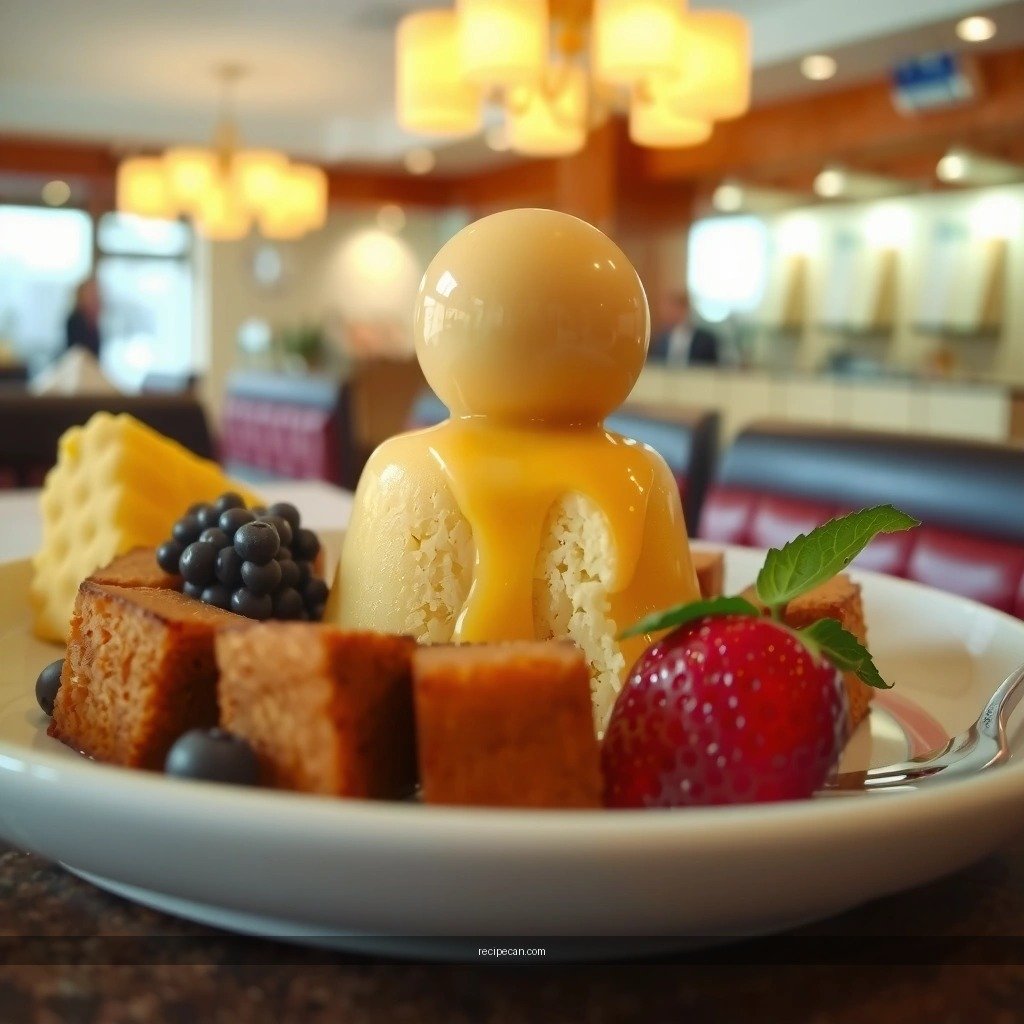
Even the best pudding can fail if it’s introduced at the wrong stage. Most pudding problems in cake recipes trace back to two variables: temperature (hot pudding disrupts batter) and consistency (thin pudding won’t hold a distinct cream profile).
– Let cooked pudding cool until thickened before adding
If you’re using cook-and-serve pudding, transfer it to a bowl after cooking and let it thicken fully. For fold-ins and layering, you want pudding that is spoonable and thick enough to sit, not pour freely. A chilled but not frozen texture works best for maintaining separation from the cake crumb.
– Ensure the pudding isn’t hot to avoid thinning the batter
Hot pudding behaves like liquid added to batter—raising spread, weakening structure, and increasing the chance of a gummy middle. As a rule of thumb, aim for warm-room temperature (or slightly cool) for fold/layer. You should be able to stir comfortably without steaming actively.
– Stir well for a smooth texture without lumps
Lumps usually come from incomplete whisking during cooking or from pudding “skinning” while cooling. Stir until smooth, and if you see any curds, whisk vigorously or strain once. Smooth pudding helps you avoid pockets that bake unevenly and create a dense spot.
Best Ways to Add Pudding Into the Cake
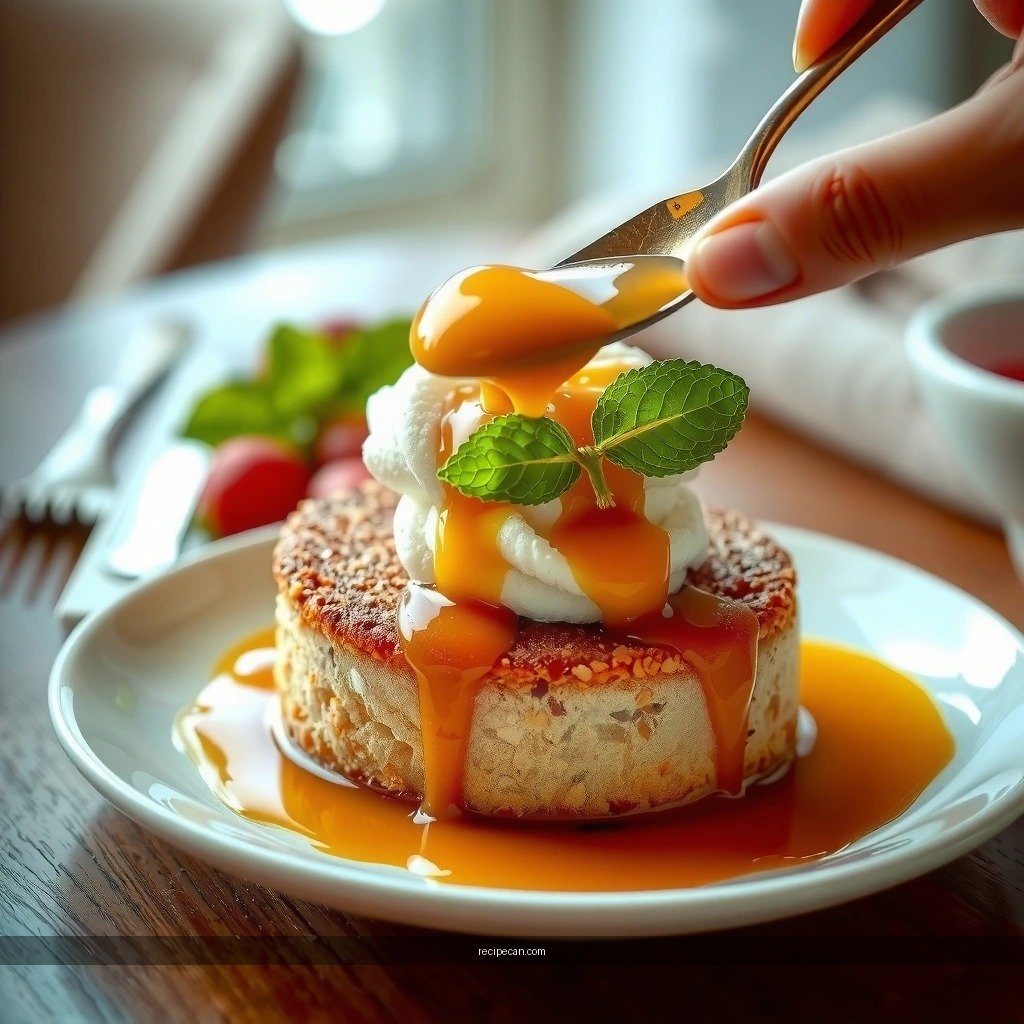
There are three common ways pudding ends up in the cake, and each produces a different eating experience. Choose based on what you want customers (or guests) to discover when they cut into the slice.
– Fold pudding into batter for a uniform, moist crumb
Fold in pudding when you want a “moist all-through” texture, not a visible center. Use a thick pudding and fold gently to preserve air. This method is especially reliable for smaller bakes like sheet cakes or single-layer cakes where you want consistency across every bite.
– Layer pudding between cake layers for a distinct creamy center
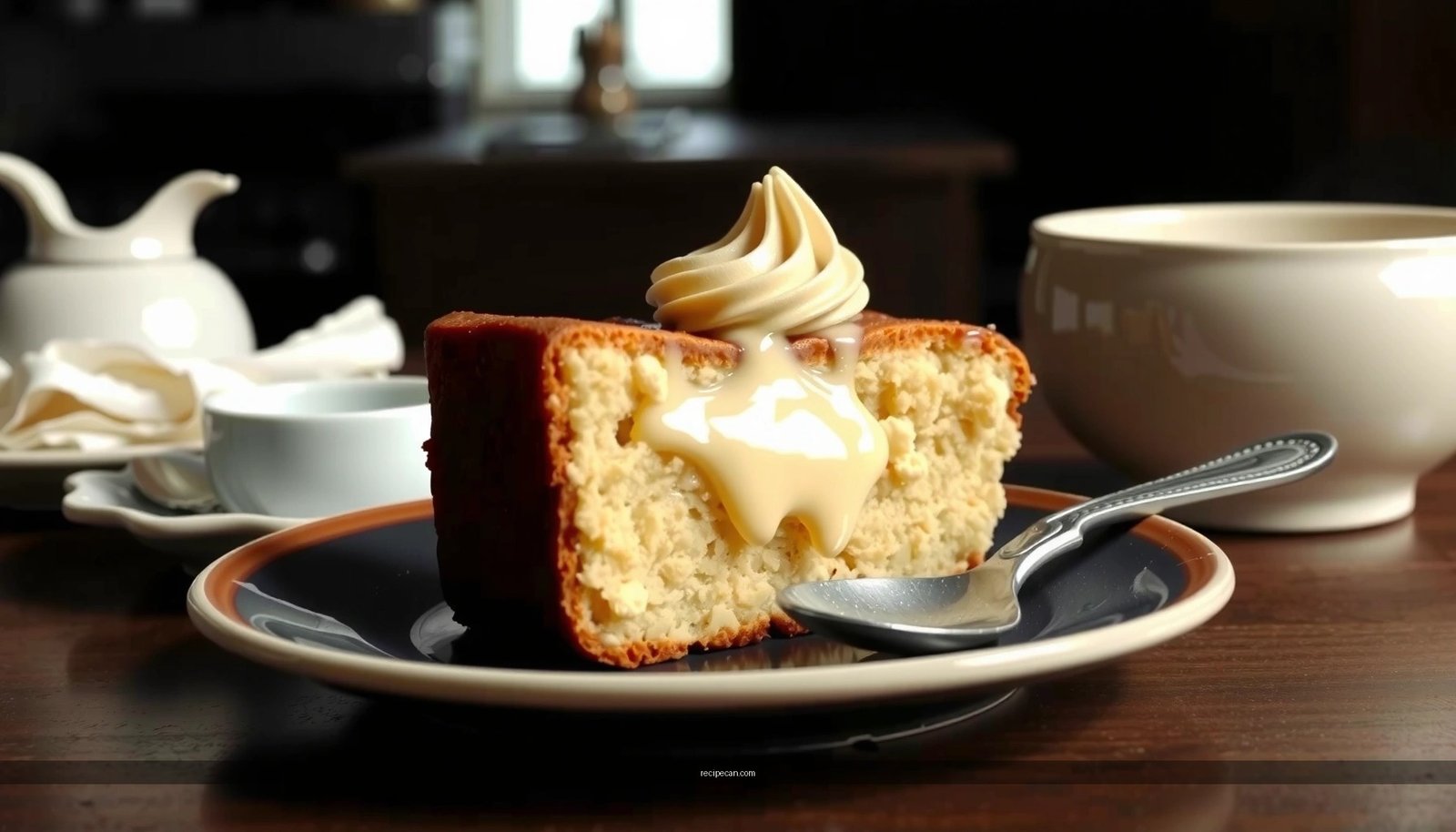
This is your best option for an “inside surprise.” Spread a layer of thick pudding between fully cooled cake layers (or partially cooled layers for certain recipes). Because the cake has cooled, the pudding won’t melt and run. To keep layers neat, apply an even thickness and chill briefly before serving.
– Use a poke-and-fill method if you want pudding throughout
Poke-and-fill is ideal for entertaining because every slice can carry pockets of pudding. The key is puncture size: too deep, and you collapse structure; too shallow, and the filling won’t distribute. Fill after the cake has baked and cooled so the holes hold the pudding instead of shrinking immediately.
Mixing and Baking Tips for Texture
Texture is a balancing act between cake leavening and pudding gel. You want enough bake time to set the cake, but not so much that pudding breaks down or the crumb dries.
– Don’t overmix once pudding is added
Overmixing develops gluten in the flour and can cause toughness—especially if pudding is added early and mixed aggressively. Once pudding is incorporated, mix only until streaks disappear. A few gentle folds beat a longer mixer run.
– Bake until a toothpick comes out clean (or slightly moist, depending on your method)
Baking indicators should reflect your approach:
– Fold-in method: toothpick should come out mostly clean; slight moist crumbs are okay, but raw batter is not.
– Layer method (if baking the whole assembled cake): center may look a bit glossy; toothpick should not show wet batter.
– Poke-and-fill (fill after baking): toothpick testing is only for the cake, not the pudding layer.
– Let the cake cool fully to set the pudding texture
Cooling is not optional—pudding needs time to firm and cake needs time to stabilize before slicing. Warm cakes can smear crumb and make pudding appear runny even when it will set later in the fridge. For clean cuts, chill 1–3 hours if your pudding layer is visible.
Make-Ahead, Storage, and Serving
Pudding cakes often taste better after time because moisture redistributes and pudding gels continue to set. But storage choices affect whether that creamy texture stays intact.
– Refrigerate after baking to firm up pudding-filled areas
Cover and refrigerate once the cake is cool. Chilling helps pudding stabilize and reduces the risk of filling leaking when sliced. If you’re preparing for an event, bake the cake earlier in the day and assemble/finish with pudding filling closer to service.
– Store covered for best moisture retention
Drying is the enemy of tender crumbs. Use an airtight cover (or wrap tightly) so the cake doesn’t pick up fridge odors and lose moisture. For poke-and-fill cakes, protection from airflow helps prevent surface firming while the filling stays creamy.
– Serve chilled or at room temperature depending on pudding consistency
Some puddings firm up noticeably in the fridge. If you prefer a softer cream, allow the cake to sit at room temperature for 15–30 minutes before serving. For layered pudding centers, chilled serving is often ideal for clean slices and a defined custard boundary.
Troubleshooting Common Pudding Cake Issues
Even with correct technique, small variables—brand differences, kitchen humidity, pan type—can alter outcome. Use the symptoms below to diagnose quickly and fix on the next bake.
– Lumpy pudding: whisk or stir until smooth before combining
If lumps appear, they can become baked curds that feel gritty. To prevent recurrence, whisk milk into the mix thoroughly before heating and scrape the bottom and sides while cooking. If you’re already at the combining stage, strain through a fine mesh.
– Too runny: cool pudding longer or reduce liquid add-ins
Runny pudding inside cake is usually under-thickened filling or hot addition. Cool longer until it reaches a thick, spoonable consistency. If your recipe allows additions (extra milk, whipped cream, or thinned pudding), reduce them in future attempts or increase pudding-to-liquid ratio.
– Dense cake: mix gently and avoid overbaking
Density often comes from overmixing or from baking past the point where cake should remain tender. Once your batter is combined, stop mixing. When testing doneness, remember that pudding increases moisture retention, so “slightly moist” can still be fully baked depending on your method. Use correct pan size and avoid smaller-than-recipe pans that can overbake the edges.
Pudding in a cake recipe works beautifully when you choose the right pudding, prepare it at the correct temperature, and use the method that matches your desired texture (folded, layered, or poke-and-fill). Try one approach this time—aim for thick, spoonable pudding and gentle mixing—then adjust pudding type and bake time based on the result. Save this recipe layout for your next bake, and you’ll consistently get creamy pudding with a tender, bakery-style crumb.
Frequently Asked Questions
What does pudding mix do in a cake recipe?
Pudding mix helps make a cake more tender and moist by adding instant starches and dairy ingredients that increase moisture retention. Many “pudding in cake” recipes also get a softer crumb because the pudding mix slightly thickens the batter as it bakes. This is why cakes often stay fresher longer compared with standard cake mixes or scratch recipes without pudding.
How do you add pudding to cake batter without lumps?
Use instant pudding mix rather than cook-and-serve for the smoothest results, and whisk the pudding mix into the dry ingredients first. If you’re adding pudding prepared with milk, cool it slightly and fold it in gradually, ensuring it’s evenly distributed. Avoid adding hot pudding to the batter, as it can create uneven texture or affect how the cake bakes.
Which pudding flavor works best for chocolate or vanilla cakes?
For chocolate cake, chocolate pudding mix pairs well, but vanilla pudding also works for a richer, lighter-brown crumb. For vanilla cake, vanilla pudding is the most classic choice, while butterscotch or banana pudding can add distinct flavor notes. If you’re using a boxed mix cake, match the pudding flavor to the frosting flavor for a cohesive “from-scratch” taste.
Why does my cake with pudding turn out dense or gummy?
Dense or gummy pudding-in-cake results usually come from overmixing, using too much liquid, or underbaking. Make sure you follow the recipe’s amounts exactly—especially the milk/water additions—because pudding mix already contributes moisture. Also check doneness with a toothpick: it should come out mostly clean, since pudding cakes can look slightly soft in the center even when fully baked.
What’s the best way to bake a pudding cake so it rises evenly?
Preheat your oven fully and bake on the middle rack to promote even heat distribution. Use fresh leavening (if scratch) and mix just until the batter is combined—overmixing can reduce rise and create a heavy texture. Let the cake cool in the pan briefly, then transfer to a rack; this helps the pudding-set crumb firm up without collapsing.
References
- Google Scholar Google Scholar
https://scholar.google.com/scholar?q=pudding+cake+recipe - Google Scholar Google Scholar
https://scholar.google.com/scholar?q=custard+thickening+starch+gelatin+mechanism - Google Scholar Google Scholar
https://scholar.google.com/scholar?q=starch+gelatinization+retrogradation+cake+crumb+pudding - https://en.wikipedia.org/wiki/Pudding_cake
https://en.wikipedia.org/wiki/Pudding_cake - Custard
https://en.wikipedia.org/wiki/Custard - Pudding
https://en.wikipedia.org/wiki/Pudding - Custard | Definition, Ingredients, & Preparation | Britannica
https://www.britannica.com/topic/custard - Pudding | Definition, Types, & Ingredients | Britannica
https://www.britannica.com/topic/pudding - https://pubmed.ncbi.nlm.nih.gov/?term=custard+thickening+mechanism
https://pubmed.ncbi.nlm.nih.gov/?term=custard+thickening+mechanism - https://pubmed.ncbi.nlm.nih.gov/?term=starch+gelatinization+and+retrogradation+foods
https://pubmed.ncbi.nlm.nih.gov/?term=starch+gelatinization+and+retrogradation+foods