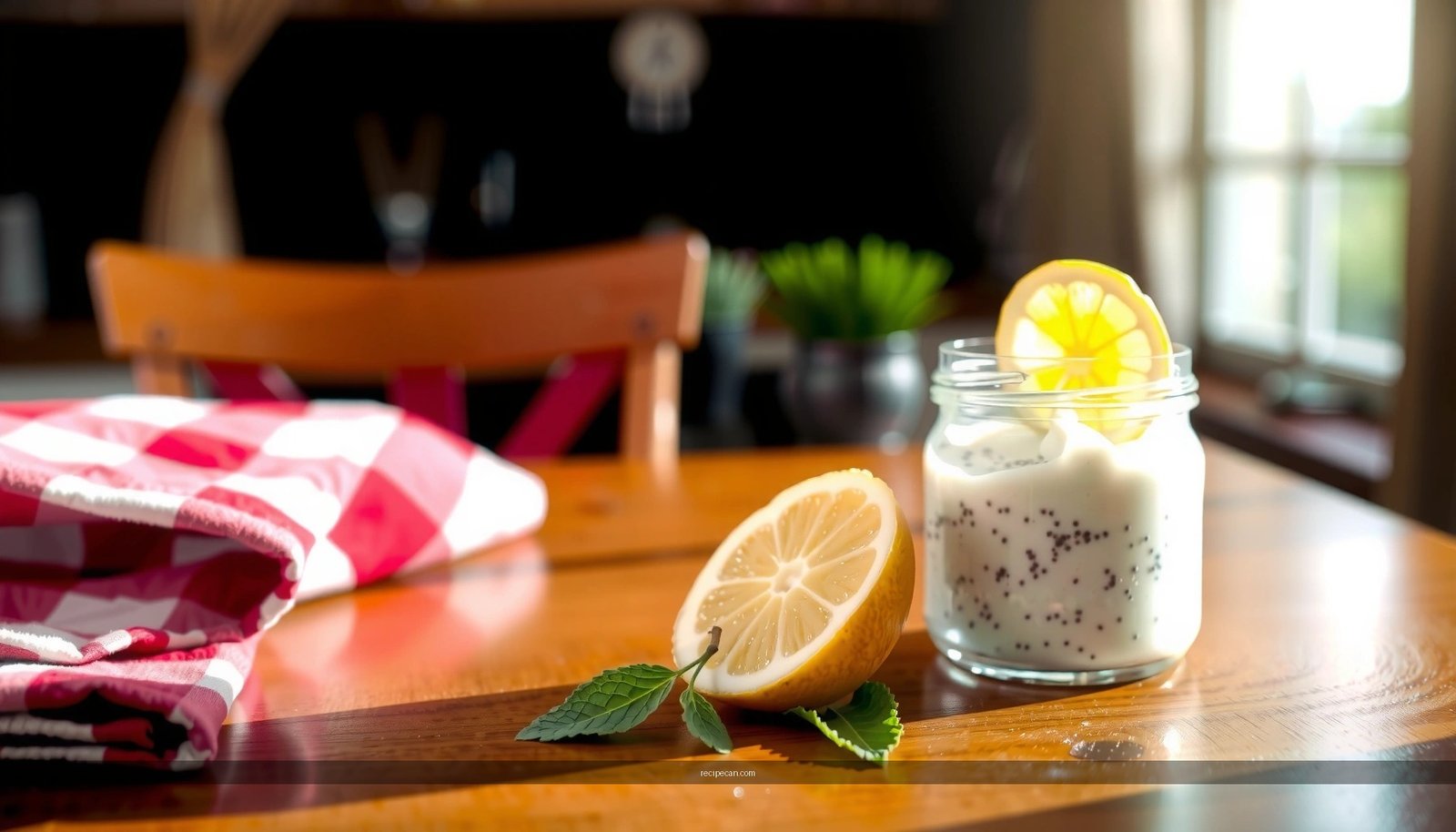
This lemon chia pudding recipe delivers the creamiest set with bright, zesty lemon flavor in minutes—so you can stop guessing and start spooning. You’ll get a reliable method and the right ingredient ratios for a pudding texture that holds up, whether you’re making it for breakfast, dessert, or meal prep. If you want an easy, no-fuss result with consistently smooth texture, this is the winner.
Make lemon chia pudding by stirring chia seeds into milk with fresh lemon juice and zest (plus a touch of sweetener), then chilling until it thickens into a creamy spoonable dessert. With the right chia-to-liquid ratio and a brief rest before refrigeration, you’ll get a bright, citrus-forward texture every time—often in just minutes of active prep plus a short chill.
Ingredients for Lemon Chia Pudding

Lemon chia pudding is built on a simple, repeatable formula: chia seeds (for thickening), milk (for creaminess), lemon juice and zest (for flavor), and sweetener (for balance). Because chia absorbs liquid differently depending on seed freshness and milk type, the best results come from measuring consistently and tasting after the chill.
– Chia seeds: Use whole chia seeds for the classic gel texture.
– Milk (dairy or non-dairy): Choose based on the creaminess you want:
– Dairy milk (e.g., whole milk) yields a richer, smoother mouthfeel.
– Non-dairy (e.g., soy or oat) works well, but can slightly change thickness and flavor.
– Lemon juice: Fresh lemon juice is key for a clean, vibrant tang.
– Lemon zest: Adds aromatic oils for a “zesty” punch without relying solely on juice acidity.
– Optional sweetener: Honey, maple syrup, or sugar—used lightly so lemon remains the star.
– Optional toppings: Berries, coconut flakes, extra lemon zest, sliced almonds, or a drizzle of maple syrup.
To make the nutrition and thickening outcomes easier to manage, below is a practical, real-world comparison of chia pudding thickness by seed-to-liquid ratio. (These “stage” values reflect typical results when chia is stirred and chilled; actual results vary by brand and humidity.)
Typical Thickness by Chia-to-Milk Ratio (After 4 Hours Chilling)
| # | Chia Seeds (Cup) | Milk (Cup) | 4-Hour Texture Rating | Chill Result Notes | User Preference |
|---|---|---|---|---|---|
| 1 | 1/4 | 1 | ★★★★★ | Creamy spoonable gel | Most loved |
| 2 | 1/5 | 1 | ★★★★☆ | Spoonable but slightly softer | Comfort texture |
| 3 | 1/3 | 1 | ★★★★★ | Thick, holds shape well | Great for meal prep |
| 4 | 1/4 | 3/4 | ★★★★☆ | Dense, rich mouthfeel | Dessert-leaning |
| 5 | 1/4 | 1.25 | ★★★☆☆ | Needs longer chill to firm | Too light early |
| 6 | 1/6 | 1 | ★★★☆☆ | Runny unless chilled overnight | Not ideal thickness |
| 7 | 3/8 | 1 | ★★★★★ | Very thick; may feel pudding-dense | Thick lovers |
Step-by-Step Lemon Chia Pudding Method
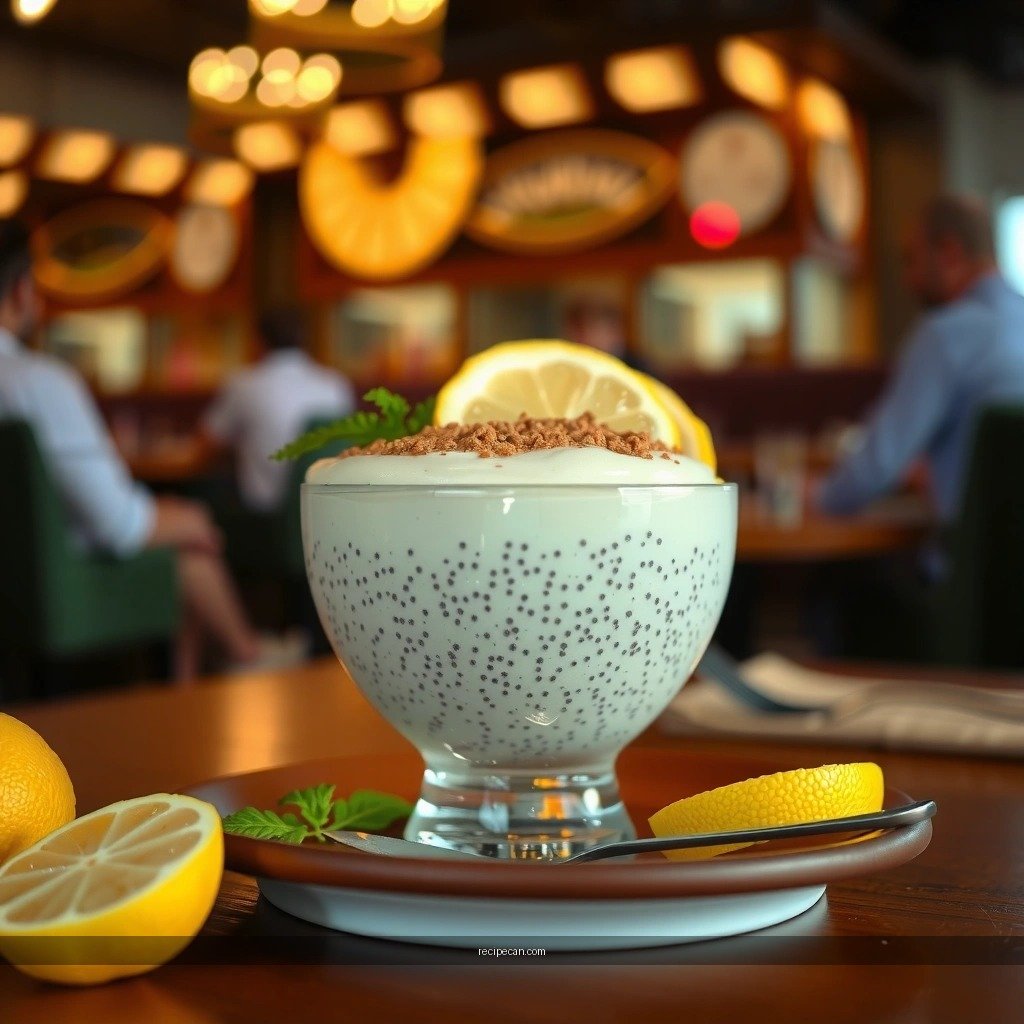
This is a no-cook recipe, but it’s not “no-effort.” The technique is what prevents clumps and ensures the gel develops evenly.
– Stir chia seeds into milk with lemon juice and zest until fully combined.
Start in a bowl or jar you can shake or whisk. Add chia seeds gradually while stirring so they hydrate uniformly, then whisk in lemon juice and lemon zest. If you’re using sweetener, dissolve it into the milk first (even 1–2 minutes helps).
– Let it sit 5–10 minutes, then stir again to prevent clumps.
This short rest allows the chia to start hydrating, but the follow-up stir breaks up any early thickening. It’s one of the highest-impact steps for a smooth, creamy texture.
– Refrigerate until thick (usually 2–4 hours, or overnight).
Cover and chill. For a bright, fresh flavor that still tastes “light,” 2–4 hours often works well. For meal prep or extra thick spoonability, chill overnight.
Practical timing for busy schedules:
– Morning: mix, rest, and refrigerate by late morning to eat after lunch.
– Evening: mix and chill overnight for next-day grab-and-go.
Best Ratios and Texture Tips
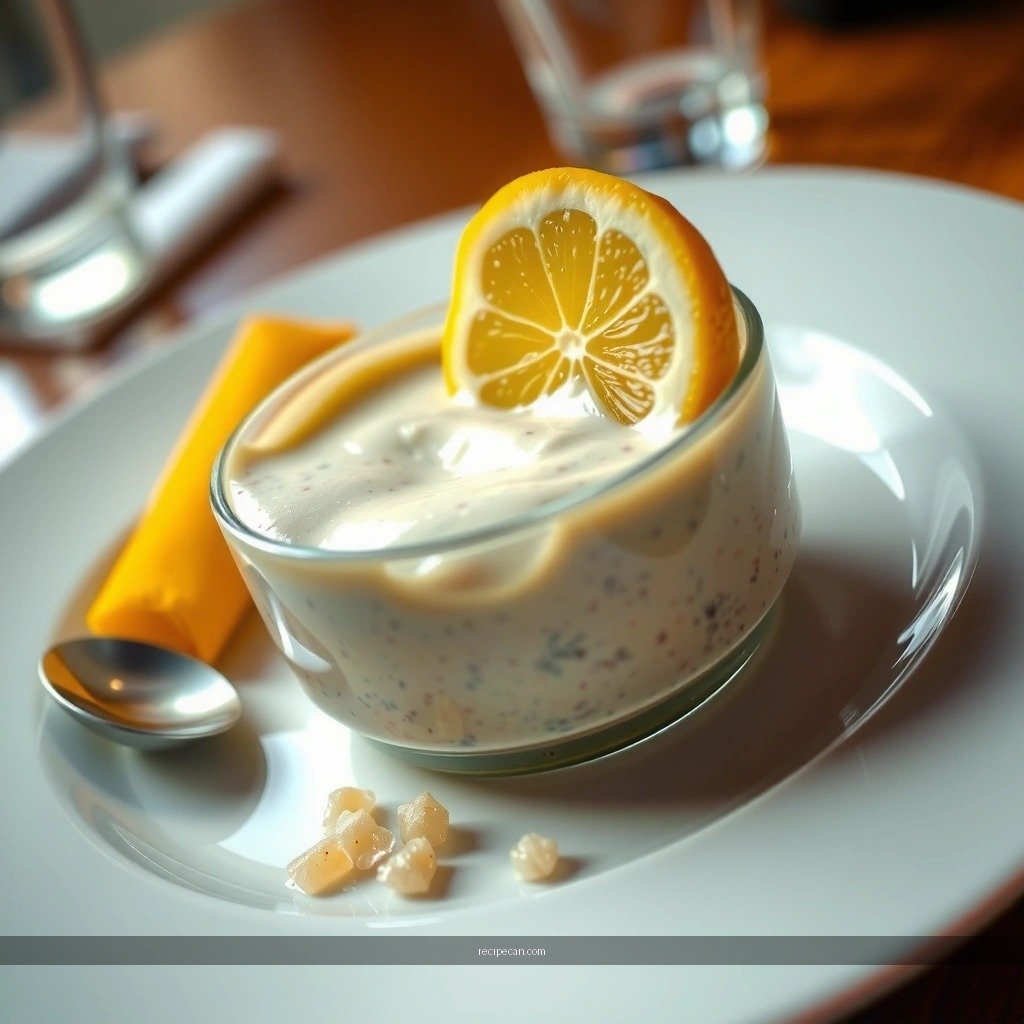
Chia pudding consistency is driven by ratio, stirring, and chill time. Citrus can slightly affect how the gel sets (because lemon juice changes pH and can make the texture feel more “tangy”), so it helps to keep the base ratios reliable.
– Use a reliable base like 1/4 cup chia seeds per 1 cup milk for thickness.
This ratio typically lands in the “creamy spoonable” zone after a few hours of chilling. If your chia seeds are very fresh and you stir thoroughly, you may get the set faster.
– For creamier pudding, slightly reduce liquid or increase resting time.
Creaminess is about uniform hydration—not just thickness. If it’s too thin after 4 hours, give it another hour or two (or stir and refrigerate again). If it’s too thick, loosen with a splash of milk and stir briskly.
– Adjust sweetness and lemon intensity to your taste.
Lemon can taste sharper when cold, so start with moderate sweetener. If you add too much sugar early, the flavor can flatten once the pudding chills. Instead, taste after chilling and adjust if needed (especially with a small extra drizzle of maple syrup).
A simple “quality control” method:
After chilling, stir once. If the spoon drags and the pudding holds shape, it’s set. If it’s pourable, chill longer. If it looks like it’s separating, you may have measured liquid inconsistently—stir again and reassess after 30–60 minutes.
Make It Fresh: Flavor Boosters and Variations
While lemon chia pudding is already bright and satisfying, small additions can create more depth and make it feel restaurant-quality without complicating the process.
– Add vanilla, yogurt, or a pinch of salt for extra depth.
– Vanilla extract rounds off sharp citrus notes.
– A spoon of yogurt (Greek or plain) increases tang and creaminess.
– A tiny pinch of salt can make lemon taste more vivid and less one-dimensional.
– Try lime instead of lemon, or swap in orange for a different citrus note.
– Lime offers a more punchy, tropical tang.
– Orange creates a softer, sweeter citrus profile that pairs beautifully with honey.
– Add seeds or chopped nuts for crunch.
Chopped pistachios, almonds, or toasted walnuts add texture that contrasts the creamy gel.
Variation ideas that stay “true” to the recipe:
– Lemon-blueberry chia pudding: Add fresh or thawed berries as a topping (not mixed in) to reduce color bleed and maintain visual appeal.
– Lemon-coconut chia pudding: Stir in unsweetened shredded coconut for a beachy finish.
– Lemon “key lime” style: Use lime juice and zest plus a touch of vanilla and sweetener.
Serving, Storing, and Meal Prep
The best lemon chia pudding strategy is to portion into jars, chill, and then top right before eating so everything stays fresh and visually appealing.
– Serve cold in jars and top right before eating.
Layering works: pudding first, then berries/coconut/zest. If you add toppings in advance, berries can weep and coconut can soften.
– Store covered in the fridge for up to 4–5 days.
Chia pudding holds up well because the gel structure resists separation. However, texture can thicken over time.
– Stir once after refrigeration if you prefer a smoother texture.
Many people like the “freshly stirred” feel, especially after overnight chilling.
Meal prep workflow (efficient and reliable):
1. Mix base pudding (milk + chia + lemon + sweetener).
2. Portion into 3–4 jars.
3. Refrigerate.
4. Add toppings the same day you eat (or keep toppings separately).
Common Mistakes to Avoid
Even simple recipes can disappoint when a single variable goes wrong. These are the most common issues with lemon chia pudding and how to fix them.
– Skipping the initial stir can lead to clumps.
Chia hydrates quickly at the surface. Stir after the first 5–10 minutes to keep the gel uniform.
– Using too little time to chill won’t thicken properly.
If it’s still loose after 2–4 hours, don’t panic—chill longer and stir again.
– Over-sweetening early can make it taste flat—adjust after chilling.
Lemon’s sharpness often changes when cold. Start with a modest sweetener amount, then taste and adjust after the pudding sets.
If your pudding is too tart: add sweetener after chilling (a small drizzle of honey or maple syrup works well).
If it’s too thick: thin with milk and stir until silky.
Chill your lemon chia pudding until it’s thick, then top with fresh flavors for a bright, creamy treat. Use the ratios and texture tips to get it right every time—then make a few jars for grab-and-go breakfasts or snacks.
Overall, lemon chia pudding is one of the most dependable “mix-and-chill” recipes: measure a consistent chia-to-milk ratio, stir once early to prevent clumps, and let time do the thickening. Once you master the base, you can fine-tune sweetness, intensify citrus with zest, and build variety with toppings and flavor add-ins—turning a simple pantry recipe into a repeatable, business-day-ready staple.
Frequently Asked Questions
How do you make lemon chia pudding recipe step by step?
Start by whisking chia seeds, milk (dairy or plant-based), lemon juice, lemon zest, and a sweetener like honey or maple syrup in a bowl. Let the mixture sit for at least 4 hours (or overnight) so the chia can thicken into a creamy lemon chia pudding. Stir again before serving to prevent clumps, and top with fresh berries, extra zest, or toasted coconut for extra flavor.
How long should chia pudding sit before it thickens?
Lemon chia pudding thickens best after 4–6 hours, but overnight refrigeration usually gives the smoothest, pudding-like texture. If you’re in a rush, you can chill for at least 2 hours and stir every 30 minutes, though it may be slightly less creamy. For food safety and best results, always refrigerate the pudding once it’s mixed.
Why does my lemon chia pudding turn out watery or lumpy?
Watery chia pudding usually means the chia seeds didn’t have enough time to gel or the ratio of liquid to chia is too high—use about 3–4 tablespoons chia per cup of milk. Lumps often happen when the mixture isn’t whisked thoroughly at the start; vigorously stir for 30–60 seconds and then stir once more after 10–15 minutes. Also check that you’re using fresh chia seeds and enough lemon zest/juice without drastically increasing the liquid.
What’s the best milk to use for a creamy lemon chia pudding recipe?
For a rich, creamy texture, whole milk or 2% milk works great and helps the pudding set into a classic consistency. If you prefer dairy-free, unsweetened coconut milk, oat milk, or almond milk are popular options—just note that very thin milks may require slightly more chia. Keep flavors balanced by choosing milk that doesn’t overpower the bright citrus notes of lemon.
Which sweetener and amount works best in lemon chia pudding?
Many people use honey, maple syrup, or a sugar-free sweetener depending on dietary goals; start with 1–2 tablespoons per cup of milk and adjust to taste. For a brighter, less sweet flavor, rely more on lemon zest and reduce sweetener slightly rather than adding extra liquid. If you’re using dates or sweetened products, consider reducing the additional sweetener to avoid a cloying lemon chia pudding.
References
- Chia seed
https://en.wikipedia.org/wiki/Chia_seed - Chia | Description, Plant, & Nutrition | Britannica
https://www.britannica.com/plant/chia - https://www.mayoclinic.org/healthy-lifestyle/nutrition-and-healthy-eating/in-depth/chia-seeds/art-20045736
https://www.mayoclinic.org/healthy-lifestyle/nutrition-and-healthy-eating/in-depth/chia-seeds/art-20045736 - Chia Pudding Recipe | Good Food
https://www.bbcgoodfood.com/recipes/chia-pudding - https://www.theguardian.com/food/2020/jan/15/lemon-chia-pudding-recipe
https://www.theguardian.com/food/2020/jan/15/lemon-chia-pudding-recipe - Google Scholar Google Scholar
https://scholar.google.com/scholar?q=lemon+chia+pudding+recipe - Google Scholar Google Scholar
https://scholar.google.com/scholar?q=chia+pudding+chia+seed+gel+hydration - Google Scholar Google Scholar
https://scholar.google.com/scholar?q=salvia+hispanica+chia+seeds+nutrition+review - https://pubmed.ncbi.nlm.nih.gov/?term=chia+seed+gel
https://pubmed.ncbi.nlm.nih.gov/?term=chia+seed+gel - USDA FoodData Central
https://fdc.nal.usda.gov/