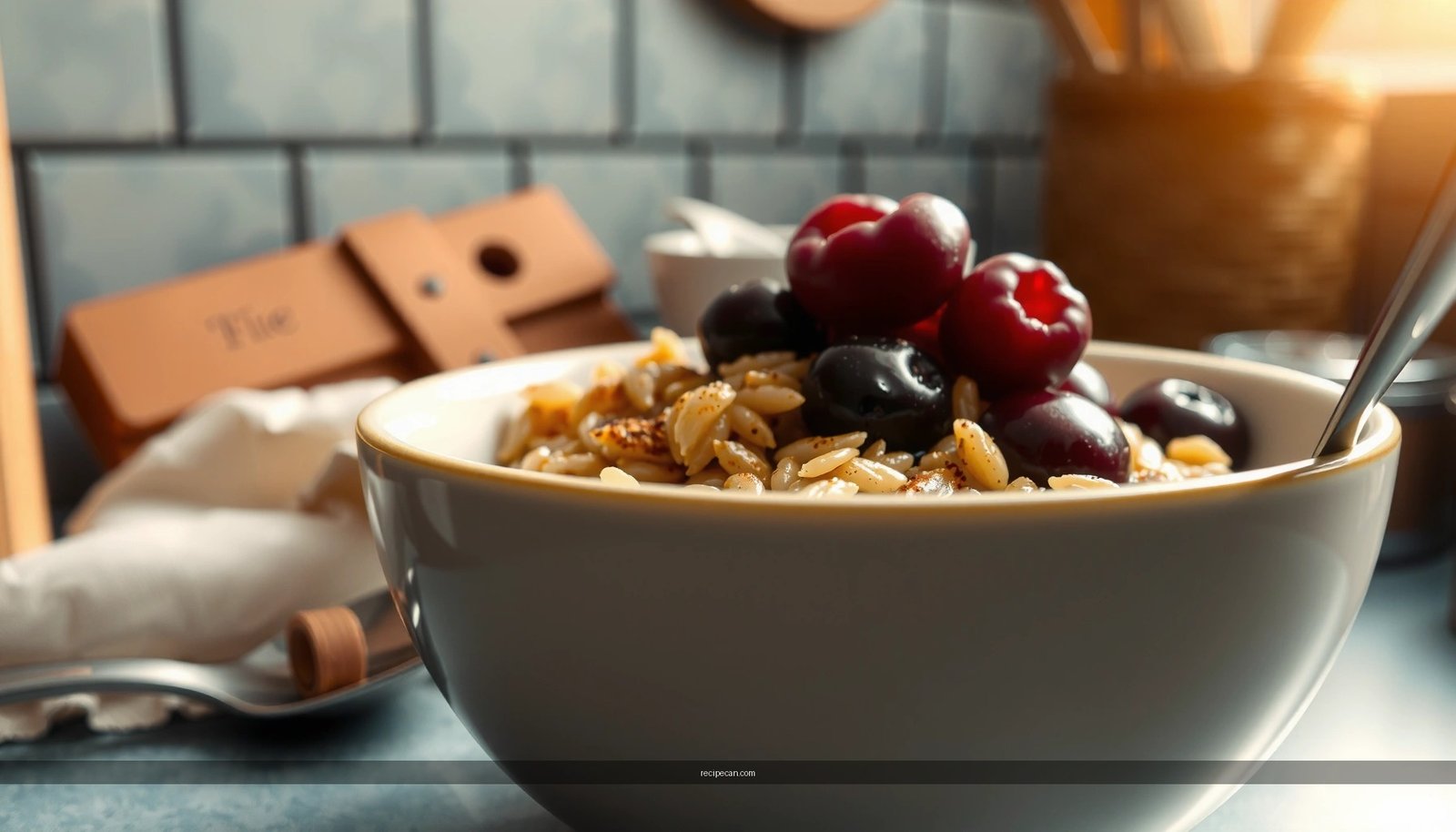
Find a brown rice pudding recipe that delivers the creamy, spoonable comfort you want—without complicated steps. This method turns humble brown rice into a lightly sweet, custard-like dessert using simple pantry ingredients and straightforward simmering. If you want a fail-proof way to make brown rice pudding that comes out tender and rich every time, this is the one to follow.
Brown rice pudding turns nutty brown rice into a creamy, spoonable dessert by simmering it slowly in milk (and optionally cream) until the grains are fully tender—then sweetening and seasoning to taste. This guide walks you through the exact technique for timing, the right liquid-to-rice ratio, and practical thickness controls so you can reliably make a custardy brown rice pudding at home, either stovetop or baked.
Ingredients for Brown Rice Pudding

The quality of your final texture depends on choosing the right rice and using enough dairy to let starches release gradually. For best results, aim for grains that soften fully without turning grainy.
– Choose short- or medium-grain brown rice for a creamier texture
– Short- and medium-grain varieties release more starch as they simmer, which helps thicken milk into a pudding-like consistency.
– If you only have long-grain brown rice, you can still make pudding, but you’ll typically need a longer simmer and a bit more stirring to reach the same creamy body.
– Gather milk, sweetener (sugar or maple syrup), and flavorings like vanilla and cinnamon
– Milk is the primary thickening and flavor base. Whole milk gives the richest mouthfeel; 2% milk works well for a lighter pudding.
– Sweetener balances the rice’s natural nuttiness. Sugar delivers classic dessert sweetness; maple syrup adds caramel notes that pair especially well with cinnamon.
– Vanilla and cinnamon are the most reliable pairing for warm, comforting flavor. Vanilla rounds out the sweetness; cinnamon provides aromatic warmth.
Recommended ingredient starting point (serves ~6):
– 1 cup short- or medium-grain brown rice (rinsed)
– 3 to 4 cups milk (plus up to 1/2 cup extra if needed)
– 1/3 to 1/2 cup sugar or 1/4 to 1/3 cup maple syrup
– 1 to 2 tsp vanilla extract (to taste)
– 1 to 2 tsp ground cinnamon (to taste)
– Pinch of salt (brightens sweetness)
– Optional: 1/2 cup raisins, diced apple, or toasted nuts
To keep the pudding consistent every time, treat the dairy amount as adjustable based on how quickly your rice softens.
Milk Thickness Guide for Brown Rice Pudding (Practical Benchmarks)
| # | Target Texture | Milk per 1 Cup Rice | Typical Simmer Outcome | Best For |
|---|---|---|---|---|
| 1 | Pourable Pudding | 4.0 cups | Spoonable but loosely set | Warm serving |
| 2 | Classic Creamy | 3.5 cups | Thick, custard-like consistency | Most diners |
| 3 | Spoon-Standing Pudding | 3.2 cups | Holds ridges on the spoon | Chilled texture |
| 4 | Extra-Thick “Rice Custard” | 3.0 cups | Very dense, dessert-like bite | Meal prep |
| 5 | Risks of Too Thick | < 3.0 cups | May feel dry; needs more milk | Avoid unless you add liquid |
| 6 | Risks of Too Loose | > 4.2 cups | Watery mouthfeel | Simmer longer or reduce |
| 7 | Optional Cream Boost | + 1/2 cup cream | Richer finish without extra thickening | Holiday-style pudding |
How to Cook the Rice for Creamy Pudding
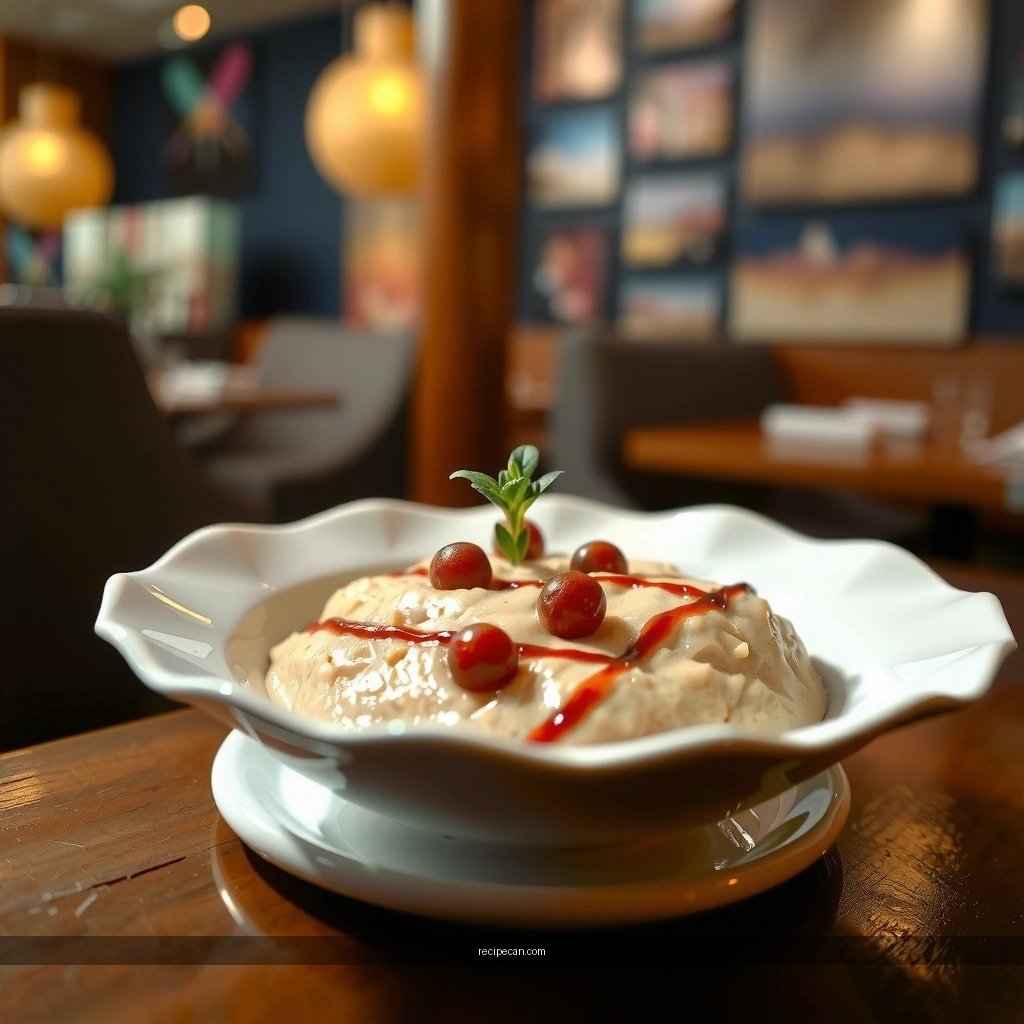
Brown rice pudding lives and dies by rice tenderness. Undercooked grains create a chalky dessert, even if your sweetness and spices are perfect. The goal is a fully softened rice base that can release starch into the milk.
– Simmer rice until fully tender before adding extra flavoring
– Start with rinsed brown rice to remove surface starch that can cause uneven texture.
– Simmer until the grains are soft enough to mash between your fingers and the rice has swollen significantly.
– While cinnamon and vanilla can be added earlier, many cooks prefer to add them later so the milk flavor stays clean and the aromatics don’t dull during a long simmer.
– Stir periodically to prevent sticking and help the mixture thicken
– Milk-based puddings can scorch as the temperature rises and sugars concentrate. Stir every few minutes, especially along the edges and bottom of the pot.
– Stirring also encourages even thickening, which is crucial for a smooth, spoonable brown rice pudding rather than a separated layer.
Practical timing notes (stovetop):
– Expect a total cook time around 45–70 minutes, depending on rice variety and how soft you want it.
– If your pudding looks thick before the rice is tender, lower heat slightly and add warm milk (or water) to continue softening without scorching.
Make It Creamy: Milk, Sweetener, and Thickness Tips
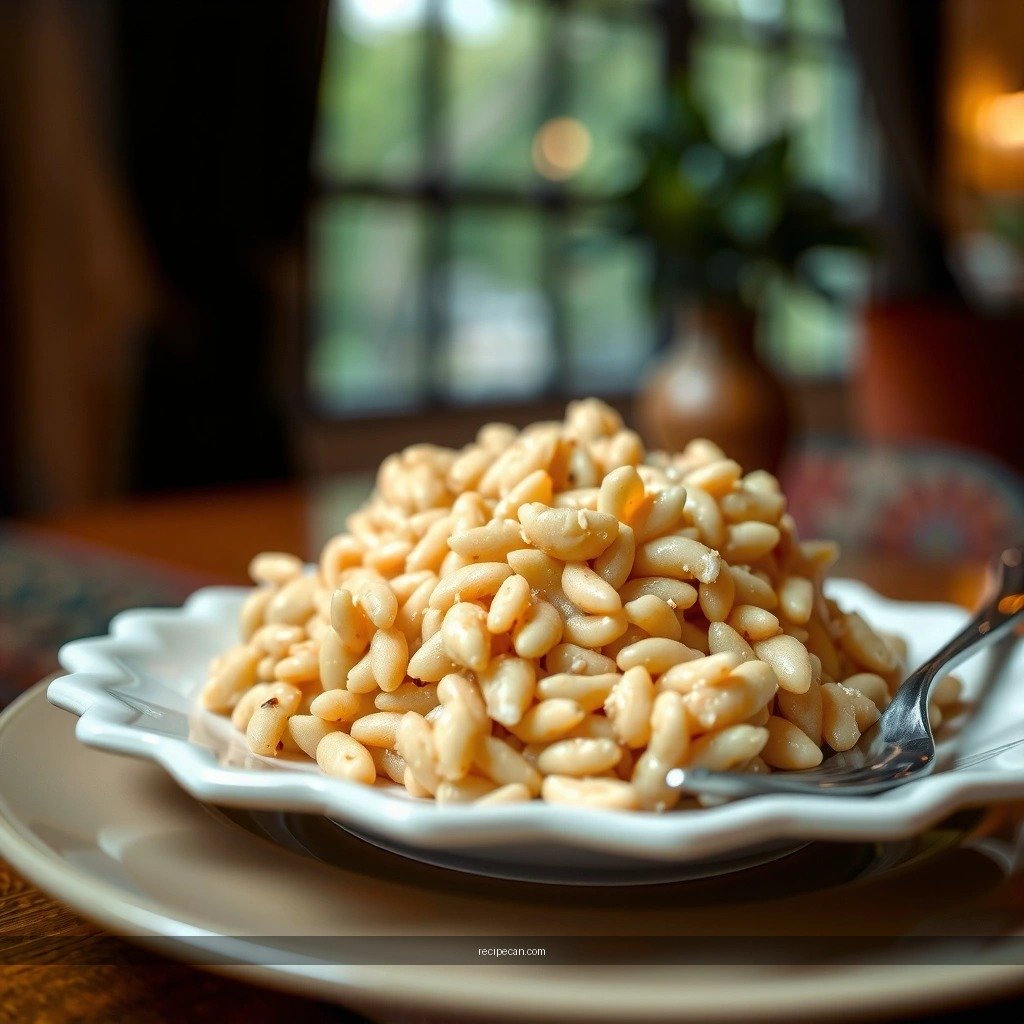
Creaminess is a controlled process: starch release + gentle simmering + the right dairy volume. Once you understand this, you can dial in thickness like a pro.
– Adjust thickness by adding more milk for a looser pudding or simmering longer for a thicker finish
– Too thick too soon? Add warm milk 2–3 tablespoons at a time until it loosens.
– Too loose? Simmer a bit longer on low heat, stirring frequently. The pudding will thicken as starches concentrate.
– Remember that chilling increases thickness—so if you want a “custard-like” texture after refrigeration, it’s okay for the pudding to be slightly looser when hot.
– Sweeten gradually so the flavor stays balanced
– Start with about 1/3 cup sugar (or 1/4 cup maple syrup) per cup of rice, then taste once the rice is tender.
– Rice pudding often tastes less sweet when hot but sweeter after chilling. Adjust carefully after your first taste.
Starch and dairy balancing insight:
If you reduce milk too aggressively early, you risk dense rice and scorched milk. A low, steady simmer with frequent stirring ensures the mixture thickens gradually and stays glossy.
Flavor Variations (Cinnamon, Vanilla, and More)
Brown rice pudding is flexible: the base is mild, so spices and mix-ins carry the flavor. The best variations add warmth and texture without breaking the creamy structure.
– Add cinnamon, nutmeg, or cardamom for classic warmth
– Cinnamon is the signature—start with 1–2 teaspoons and adjust to preference.
– Nutmeg adds depth, often best in smaller amounts (think a pinch to 1/4 teaspoon).
– Cardamom provides a subtle floral note that feels “bakery-style” when paired with vanilla.
– Mix in raisins, apples, or toasted nuts for extra texture and flavor
– Raisins: Add near the end so they stay plump rather than turning chewy-dry.
– Apples: Dice small and simmer briefly in the milk early, so they soften without becoming mush.
– Toasted nuts: Stir in at the end or top before serving for crunch contrast.
Flavor pairing guidance:
– Cinnamon + maple syrup = deep caramel warmth.
– Vanilla + nutmeg = classic custard dessert profile.
– Cardamom + apples = Scandinavian-inspired comfort.
Baking vs. Stovetop Options
Both methods work, but they create different textures and flavor depth. Choose based on your schedule and the thickness you want.
– Stovetop method for a faster, directly stirred pudding
– Stovetop is ideal when you want tighter control and less hands-off time.
– Stir frequently to keep texture smooth and prevent sticking.
– Baking method for deeper flavor—cover for creamy results and uncover to thicken
– Baking allows the rice to absorb dairy evenly with less risk of scorching (still check occasionally).
– Covering helps maintain creamy consistency; uncovering in the final stage concentrates the mixture for thicker spoonability.
When baking, consider these steps:
– Use an oven-safe covered dish (like a Dutch oven or casserole with foil).
– Bake at a moderate temperature (commonly 325°F / 163°C) until the rice is tender, then remove the cover briefly to thicken.
Serving and Storage
Serving temperature changes perceived texture and sweetness. Storage matters too, because rice pudding thickens as it chills—often to an even better custard-like bite.
– Serve warm for comfort or chilled for a thicker, custard-like bite
– Warm pudding tastes more aromatic, and the vanilla-cinnamon notes come forward.
– Chilled pudding becomes denser and sliceable-ish in spoon form, making it great for meal prep and dessert cups.
– Store leftovers in the fridge and reheat gently with a splash of milk
– Cool to room temperature first, then refrigerate in a covered container.
– Reheat on low heat or in the microwave in short bursts, stirring between intervals.
– Add milk a tablespoon at a time until it returns to your preferred consistency.
Best practices:
– Eat within 3–4 days for best quality.
– If you added fruit or nuts, they can continue to soften slightly in storage—stir gently on reheating.
What A Perfect Brown Rice Pudding Should Feel Like
| ID | Checkpoint | Ideal Result | Expectation |
|---|---|---|---|
| 1 | Rice tenderness | Mashes easily | ★★★★★ |
| 2 | Consistency when hot | Spoonable, glossy | ★★★★☆ |
| 3 | Consistency when chilled | Custard-like thickness | ★★★★★ |
| 4 | Aroma balance | Vanilla/cinnamon present | ★★★★☆ |
| 5 | No burnt milk notes | Clean, sweet dairy flavor | Less than ★☆☆☆☆ |
Step-by-Step Stovetop Brown Rice Pudding (Simple Method)
If you want a clear workflow, use this repeatable sequence:
1. Cook the rice in milk over low heat, stirring every few minutes until tender.
2. Taste the rice near the end; it should be soft, not firm.
3. Sweeten and season once tender—add salt, cinnamon, and vanilla, then adjust sweetener to taste.
4. Control thickness:
– If too thick, stir in warm milk.
– If too thin, keep simmering gently until creamy.
5. Rest 5–10 minutes before serving; it thickens slightly as it cools.
For extra richness, swap a portion of milk for cream. For extra smoothness, you can mash a few grains with a spoon or use a brief whisking pass—without fully puréeing the pudding.
Baking Method Snapshot (For Deeper Flavor)
1. Combine rinsed brown rice and milk in a covered baking dish.
2. Bake until the rice is tender, stirring once if your oven runs hot spots.
3. Uncover for the final stage to thicken.
4. Add vanilla and cinnamon after baking (or right at the end) for brighter aroma.
5. Rest before serving.
—
Brown rice pudding is fundamentally a technique-driven dessert: cook the rice until truly tender, then simmer it with milk and sweetener while adjusting thickness to your preferred texture. With short- or medium-grain rice, gentle heat, and flexible liquid levels, you’ll consistently get a creamy, comforting spoonable pudding whether you choose stovetop or baking. Try one flavor variation—cinnamon and vanilla is the reliable baseline—then serve warm for aroma or chilled for a thicker custard-like finish.
Frequently Asked Questions
How do I make brown rice pudding creamy instead of grainy?
To get creamy brown rice pudding, use short- or medium-grain brown rice and simmer it gently so the grains release starch. Keep the heat at a steady low simmer and stir occasionally to prevent sticking and uneven thickening. If it still feels grainy, cook a little longer and let it rest so the pudding thickens as it cools, and consider blending a small portion and folding it back in.
What’s the best liquid-to-rice ratio for brown rice pudding?
A common starting point is about 4 cups of milk (or a mix of milk and water) for every 1 cup of uncooked brown rice, adjusting as needed for your preferred thickness. Brown rice takes longer to soften than white rice, so you may need an extra splash of liquid during simmering until the rice is tender. For a thicker brown rice pudding, simmer uncovered toward the end; for a looser texture, add a bit more milk and stop cooking sooner.
Why does my brown rice pudding take so long to cook, and how can I speed it up?
Brown rice has a bran layer that slows softening, which is why it typically needs a longer cook time than white rice. Speed it up by rinsing the rice, soaking it for 30–60 minutes before cooking, or using quick-cooking brown rice if you’re short on time. You can also simmer it longer until the grains are fully tender, then sweeten and flavor at the end so it doesn’t over-reduce too early.
Which spices and add-ins work best in brown rice pudding?
Classic spices for brown rice pudding include cinnamon, nutmeg, and a pinch of salt to balance the sweetness. Vanilla extract is also a staple for a warm, dessert-like flavor, and you can add lemon zest for brightness. Popular add-ins include raisins, chopped dates, dried cranberries, toasted nuts, and shredded coconut—stir them in during the final 10 minutes so they stay plump and flavorful.
Can I make brown rice pudding ahead of time and reheat it without losing texture?
Yes—brown rice pudding is great make-ahead because it thickens as it cools, and the flavors deepen in the fridge. Store it covered for up to 3–4 days, then reheat gently on the stovetop with a splash of milk to loosen the texture. Avoid high heat or rapid boiling, which can cause the pudding to separate or become overly thick.
References
- Google Scholar Google Scholar
https://scholar.google.com/scholar?q=brown+rice+pudding+recipe - Google Scholar Google Scholar
https://scholar.google.com/scholar?q=rice+pudding+brown+rice+thickened+milk+technique - Google Scholar Google Scholar
https://scholar.google.com/scholar?q=brown+rice+foods+nutrition+glycemic+index+rice+pudding - Rice pudding
https://en.wikipedia.org/wiki/Rice_pudding - Brown rice
https://en.wikipedia.org/wiki/Brown_rice - https://www.britannica.com/topic/rice-pudding
https://www.britannica.com/topic/rice-pudding - Good Food
https://www.bbcgoodfood.com/search?q=brown%20rice%20pudding - https://www.nytimes.com/search?query=brown%20rice%20pudding
https://www.nytimes.com/search?query=brown%20rice%20pudding - https://www.theguardian.com/search?q=brown%20rice%20pudding
https://www.theguardian.com/search?q=brown%20rice%20pudding - https://pubmed.ncbi.nlm.nih.gov/?term=rice+pudding
https://pubmed.ncbi.nlm.nih.gov/?term=rice+pudding