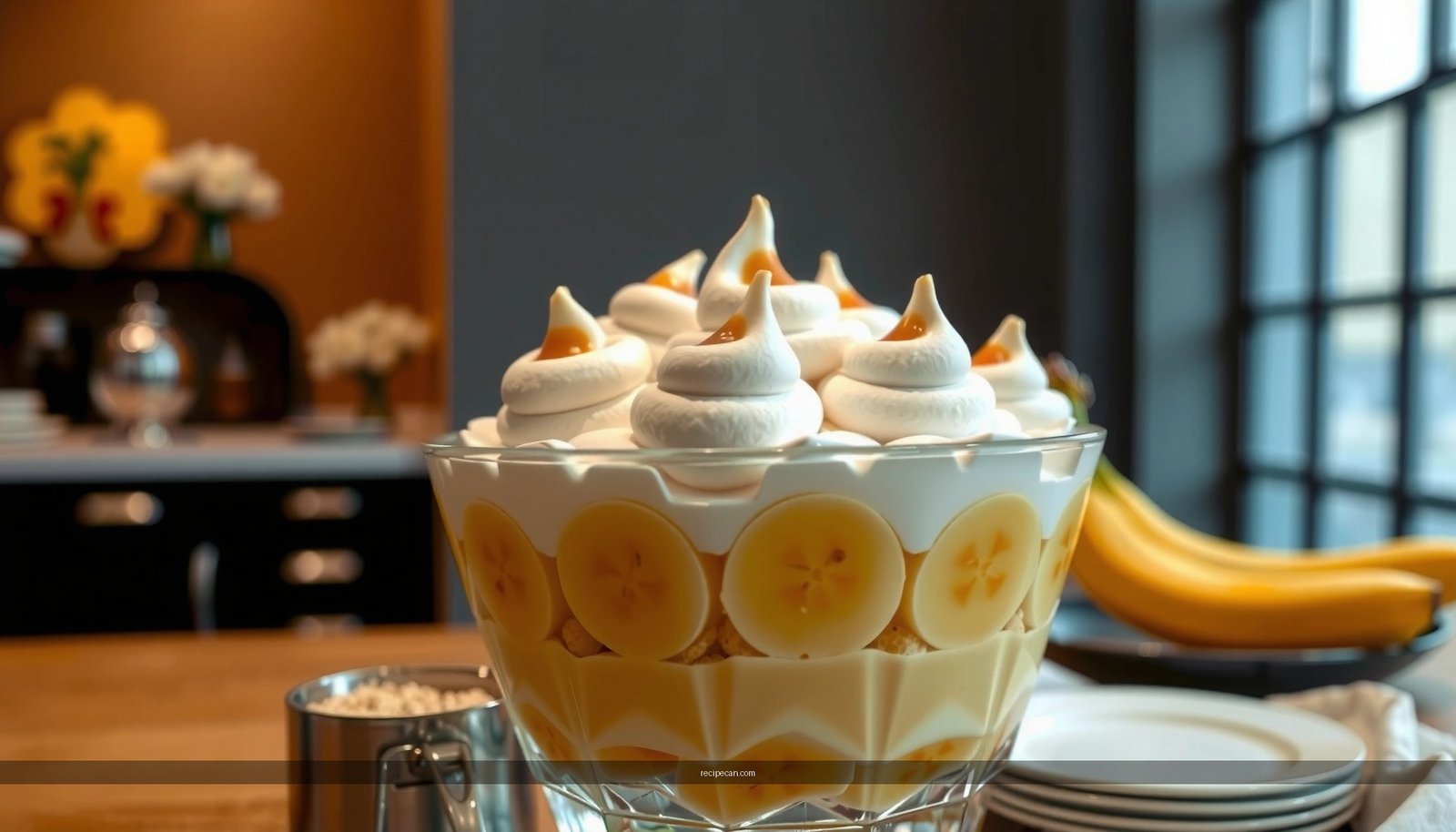
This banana pudding recipe with meringue delivers the clear winner: a creamy, spoonable custard layered with ripe bananas and crowned with a billowy toasted meringue. If you want the best texture—tender bananas, thick pudding, and a stable meringue that won’t weep—you’ll get it here with foolproof steps. Follow it once, and you’ll know exactly how to make banana pudding that looks as impressive as it tastes.
This banana pudding recipe with meringue delivers a creamy custard base and a fluffy, lightly toasted topping with no complicated steps—just clear timing and a few technique details. By cooking the pudding to the right thickness, layering bananas for even flavor, and sealing the meringue edges before baking, you’ll get a dessert that slices cleanly and holds its shape.
Ingredients for Banana Pudding with Meringue
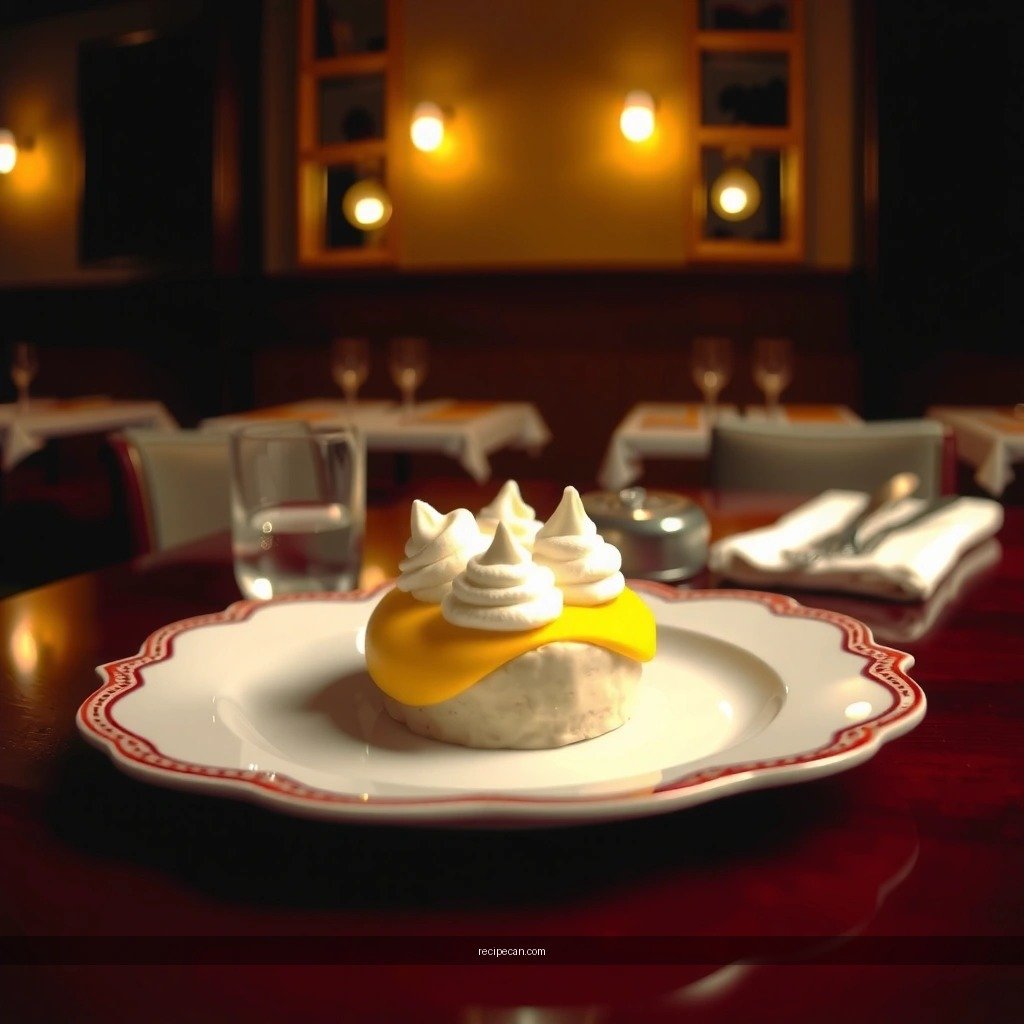
– Gather ripe bananas, pudding mix or homemade custard ingredients, milk, and vanilla
– Set aside egg whites, sugar, and a pinch of salt for stable meringue
To make the process smooth and consistent, it helps to think in two categories: custard/pudding ingredients and meringue-stabilizing ingredients. For the custard, you’ll typically use either a quick pudding mix (reliable thickness, minimal risk) or homemade custard ingredients (more control over flavor and texture). For the meringue, the essentials are fresh egg whites, granulated sugar, and a small pinch of salt to improve flavor clarity and whipping stability.
Ingredient notes that affect final quality
– Bananas: Choose bananas that are ripe but not overly brown. Ripe bananas provide natural sweetness and softer texture; very mushy bananas can disappear into the custard.
– Milk: Use whole milk for the creamiest custard (lower-fat milk can lead to a looser set).
– Vanilla: Pure vanilla extract rounds out banana flavor and balances sweetness.
– Egg whites: Cold egg whites whip more slowly but often produce tighter foam; room-temperature egg whites whip faster. Either way, ensure there’s no yolk contamination.
– Sugar size: Granulated sugar dissolves during baking. If you’re worried about grittiness, make sure you whip long enough to reach stiff, glossy peaks.
Banana Pudding & Meringue: Texture Targets by Step
| # | Stage | Goal Thickness/Peak | Primary Indicator | Outcome Confidence |
|---|---|---|---|---|
| 1 | Cook pudding base | Coating consistency | Spoon leaves a clean trail for 1–2 seconds | High |
| 2 | Cool before layering | Warm, not hot | Skin should not form; pudding pours steadily | High |
| 3 | Meringue whip start | Foam + bubbles | Soft froth forms; peaks collapse slowly | Medium |
| 4 | Add sugar + whip | Glossy soft-stiff peaks | Mixer leaves a ribbon that holds briefly | High |
| 5 | Stiff peaks check | Stiff, glossy peaks | Peak stands upright with minimal droop | High |
| 6 | Seal edges | No gaps at crust perimeter | Meringue touches dish walls around the perimeter | High |
| 7 | Bake/toast finish | Light golden across top | Centers set; edges lightly browned | Medium |
Make the Banana Pudding Base
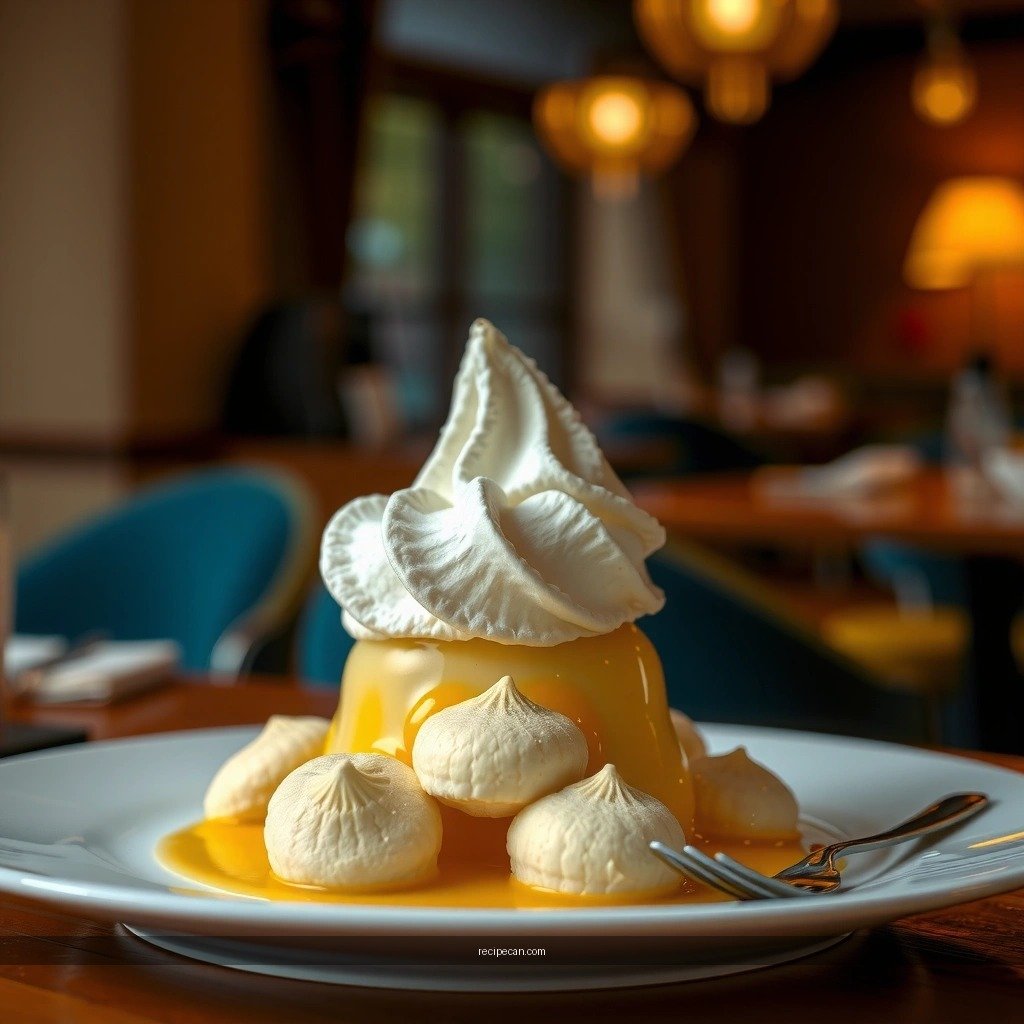
– Cook the pudding until thick and smooth, then stir in vanilla (and optional butter for richness)
– Layer bananas and pudding in a dish for even flavor in every bite
A great banana pudding starts with the custard behaving predictably. If your pudding is too thin, it won’t hold layers after chilling; if it’s too thick, it can feel heavy and stiff.
How to cook a smooth, thick pudding
1. Whisk your base ingredients (milk + pudding mix or homemade custard ingredients) until lump-free.
2. Cook over medium heat, stirring continuously. Thickening typically happens after several minutes as starches gelatinize or the custard reaches a safe, stable simmer (depending on your method).
3. When the pudding turns glossy and thick, remove it from the heat immediately.
4. Stir in vanilla. If you want a richer mouthfeel, add a small amount of butter—it boosts flavor and creates a more satin-like texture.
Layering for consistent banana flavor
Layering isn’t just aesthetic; it’s a distribution strategy:
– Use a thin pudding layer first, then arrange banana slices in a single layer.
– Add another pudding layer, repeating as needed to create banana in every bite.
– For even flavor, slice bananas to similar thickness, so they soften at the same rate during chilling.
Practical timing guidance
– Let the pudding cool slightly so it doesn’t melt the bananas into a muddy layer.
– Aim for warm but not piping hot. You’re balancing banana texture with a stable custard set.
Prepare the Meringue
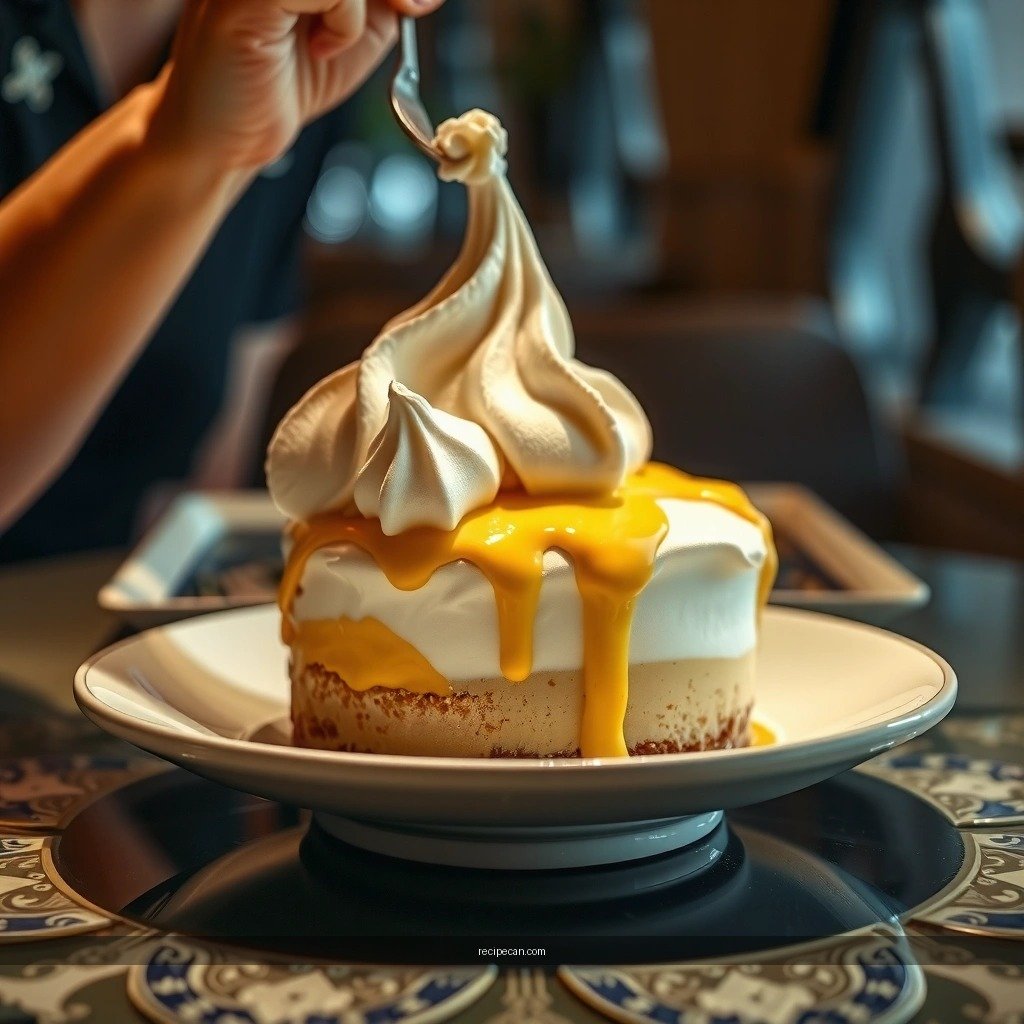
– Whip egg whites to soft peaks, then gradually add sugar until glossy and stiff
– Ensure the sugar dissolves fully for a stable, non-gritty texture
Meringue quality determines whether your topping is light and spoonable or dense and grainy. The main variables are whipping structure and sugar dissolution.
Technique: soft peaks to stiff, glossy meringue
1. Start whipping egg whites until you reach soft peaks—the foam forms peaks but they fold over.
2. Add sugar gradually, not all at once. This helps the sugar dissolve and prevents a “weeping” meringue.
3. Continue whipping until the mixture is stiff and glossy. It should hold its shape when you lift the whisk.
Testing for dissolved sugar (fast, professional approach)
– Rub a small amount between your fingers. If it feels gritty, keep whipping.
– A fully dissolved sugar gives a smoother texture and better bake stability—especially important for banana pudding, where moisture from the custard can affect the meringue over time.
Stability tip: salt helps, but do not overdo it
A pinch of salt enhances flavor and can improve foam stability. Avoid adding too much; meringue should taste clean and sweet.
Assemble and Top with Meringue
– Spread meringue over the pudding and seal the edges to prevent shrinking
– Smooth the top to create peaks that toast beautifully
This step is where many home cooks lose the “wow” factor—by skipping edge sealing or spreading too thin.
Assembly strategy for structure and appearance
– Spoon meringue over the cooled pudding and spread it to cover fully.
– Use a spatula to seal the edges by pressing meringue against the dish rim.
– If you have a piping bag, you can pipe ridges for decorative peaks; otherwise, a spoon works well to create gentle swirls.
Why sealing the edges matters
When meringue bakes, it expands slightly and then contracts as it cools. If it isn’t sealed, it can pull away from the custard, leaving a gap that invites moisture and causes weeping. A properly sealed edge helps the top stay set and sliceable.
Don’t skimp on the coverage
Make sure the meringue touches the entire surface. Thin coverage can brown early while the center remains unstable.
Bake and Toast the Meringue
– Bake until the meringue turns golden, watching closely to avoid over-browning
– For extra color, broil briefly while keeping a close eye
Baking is essentially a controlled “set and toast.” The goal is a golden exterior with a meringue that still feels airy, not dry.
Bake guidance
– Place the assembled dessert in the oven until the meringue is lightly golden.
– Watch frequently—meringue can go from perfect to over-browned faster than you expect due to its high sugar content.
Broil for extra color (optional, but effective)
If your oven doesn’t brown aggressively, a brief broil can deepen the color. Use this carefully:
– Broil for a short interval (seconds matter), then pull the dish immediately.
– Keep the oven door closed as much as possible to prevent scorching.
Visual cues for doneness
– The top should look evenly toasted with peaks that hold their shape.
– The center should not appear wet or collapsed.
Serving, Storage, and Make-Ahead Tips
– Chill before serving for the best set and sliceable texture
– Store covered in the fridge and note the meringue is best within 1–2 days
Best way to serve banana pudding with meringue
For the cleanest slices and best flavor balance:
– Chill for several hours to let the custard fully set and the bananas soften evenly.
– Serve slightly cool. If it’s too cold, the custard can feel overly firm; too warm, and the meringue may soften more quickly.
Storage (what to expect)
– Store the dessert covered in the refrigerator to prevent moisture loss.
– The meringue is best within 1–2 days. Over time, refrigeration can cause it to lose some of its crispness and become more marshmallow-like.
Make-ahead options (for planning)
If you’re serving guests or preparing ahead:
– You can make the pudding base and assemble the layers a day ahead, then top with meringue and bake when ready.
– Alternatively, bake the full dish and refrigerate, but plan to serve within the 1–2 day “peak” window.
Practical food-safety and quality note
Keep the assembled dessert refrigerated promptly. Custard-based desserts are perishable, and controlled temperature storage preserves both texture and freshness.
After you make the pudding and whip the meringue, the key is sealing the edges and baking until golden. Follow the layering and chilling tips, then serve your banana pudding with meringue for an impressive, crowd-pleasing dessert—try it tonight and share your results!
Banana pudding with meringue is a classic for good reason: a smooth custard base, sweet ripe bananas, and a toasted topping that looks restaurant-worthy yet stays manageable with the right technique. Focus on three execution points—thick pudding consistency, fully stiff, glossy meringue, and edge sealing before baking—and you’ll reliably get a dessert that slices cleanly, tastes balanced, and delivers that signature golden peak finish.
Frequently Asked Questions
What’s the best way to make banana pudding with meringue without weeping?
To prevent banana pudding meringue from weeping, start with a hot, thick pudding base and pour it into the dish while it’s still warm. Cook the pudding until it coats the back of a spoon, then cool slightly before adding meringue so the structure sets quickly. When you add the meringue, spread it to the edges to “seal” the filling, which reduces moisture separation.
How do you make a meringue topping for banana pudding that’s stable and not runny?
Use clean, dry mixing bowls and beat egg whites to medium-stiff peaks, adding sugar gradually so it dissolves fully. Meringue should look glossy and hold a firm shape; if it’s too soft, it won’t set well on top of banana pudding. Bake just until lightly golden, then cool to allow the banana pudding meringue to firm up.
Why does my meringue slide off the banana pudding or shrink after baking?
Meringue can slide off if the pudding is too hot or too cool—aim for a warm but not boiling filling before topping. Shrinking usually happens when the sugar isn’t fully dissolved or the meringue isn’t whipped to the right peak stage. Also, avoid under-baking; lightly browning helps set the banana pudding meringue before it cools.
Which bananas are best for banana pudding with meringue?
For banana pudding, use firm bananas that are ripe but not overly soft, since they hold their shape under baking. Slightly ripe bananas provide better texture and flavor, while very mushy bananas can make the pudding watery. If you’re layering bananas ahead of time, toss slices with a little lemon juice to slow browning without changing the banana pudding taste too much.
How do you prevent the meringue from browning too fast while baking banana pudding?
Bake on the middle rack so heat is even, and watch the meringue closely—banana pudding meringue should turn golden, not dark. If it’s browning too quickly, tent the top loosely with foil for the remaining bake time. Let the dessert cool before slicing; this helps the topping set and improves the overall texture of your banana pudding recipe meringue.
References
- Banana pudding
https://en.wikipedia.org/wiki/Banana_pudding - Meringue
https://en.wikipedia.org/wiki/Meringue - https://en.wikipedia.org/wiki/Custard_(dessert
https://en.wikipedia.org/wiki/Custard_(dessert - Meringue | Definition & Ingredients | Britannica
https://www.britannica.com/topic/meringue - Egg white
https://en.wikipedia.org/wiki/Egg_white - Google Scholar Google Scholar
https://scholar.google.com/scholar?q=banana+pudding+meringue+recipe - Google Scholar Google Scholar
https://scholar.google.com/scholar?q=meringue+egg+white+foam+structure+review - Google Scholar Google Scholar
https://scholar.google.com/scholar?q=banana+dessert+custard+meringue - https://pubmed.ncbi.nlm.nih.gov/?term=egg+white+foams+meringue
https://pubmed.ncbi.nlm.nih.gov/?term=egg+white+foams+meringue - https://www.sciencedirect.com/search?qs=meringue+egg+white+foam
https://www.sciencedirect.com/search?qs=meringue+egg+white+foam