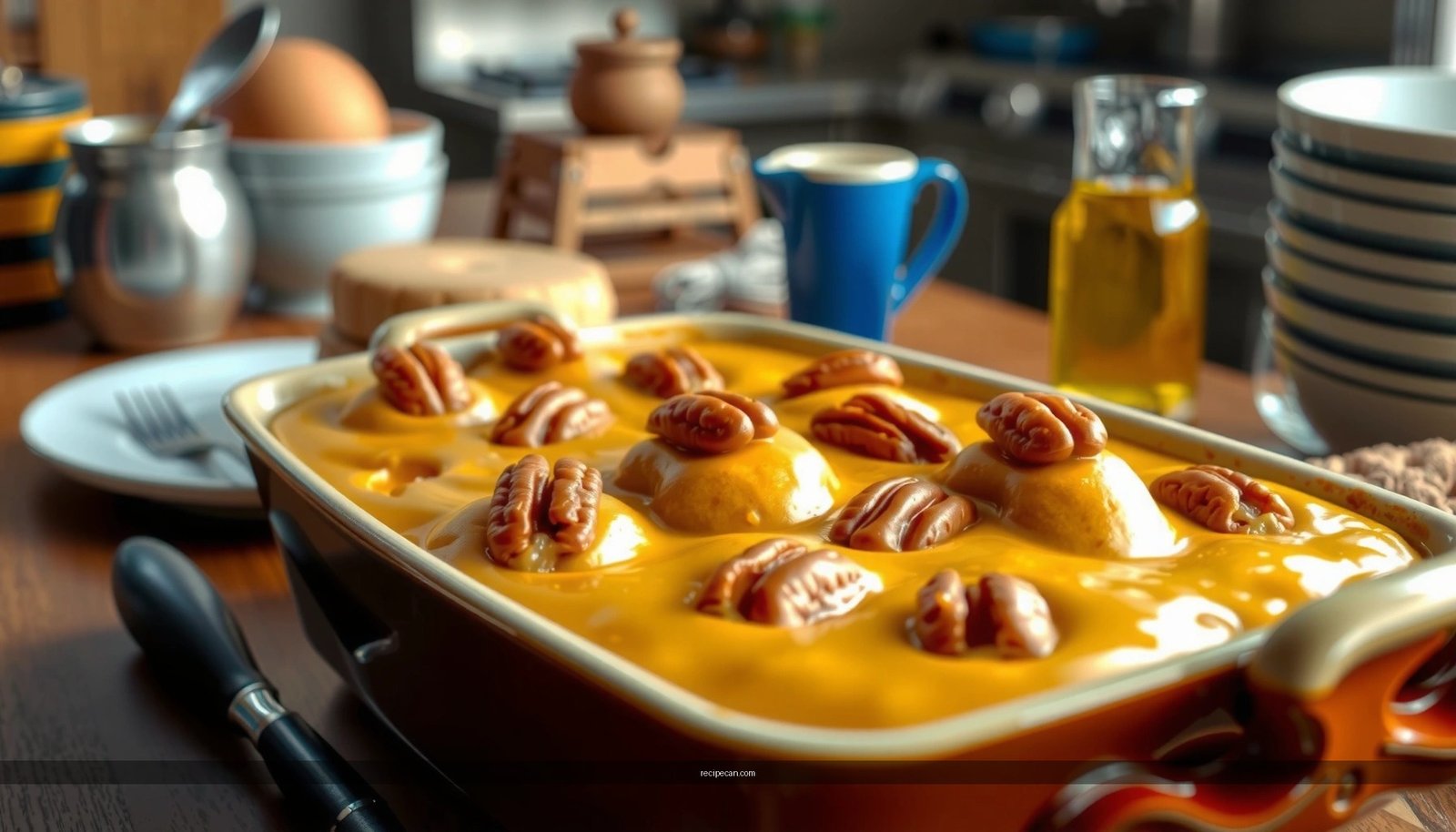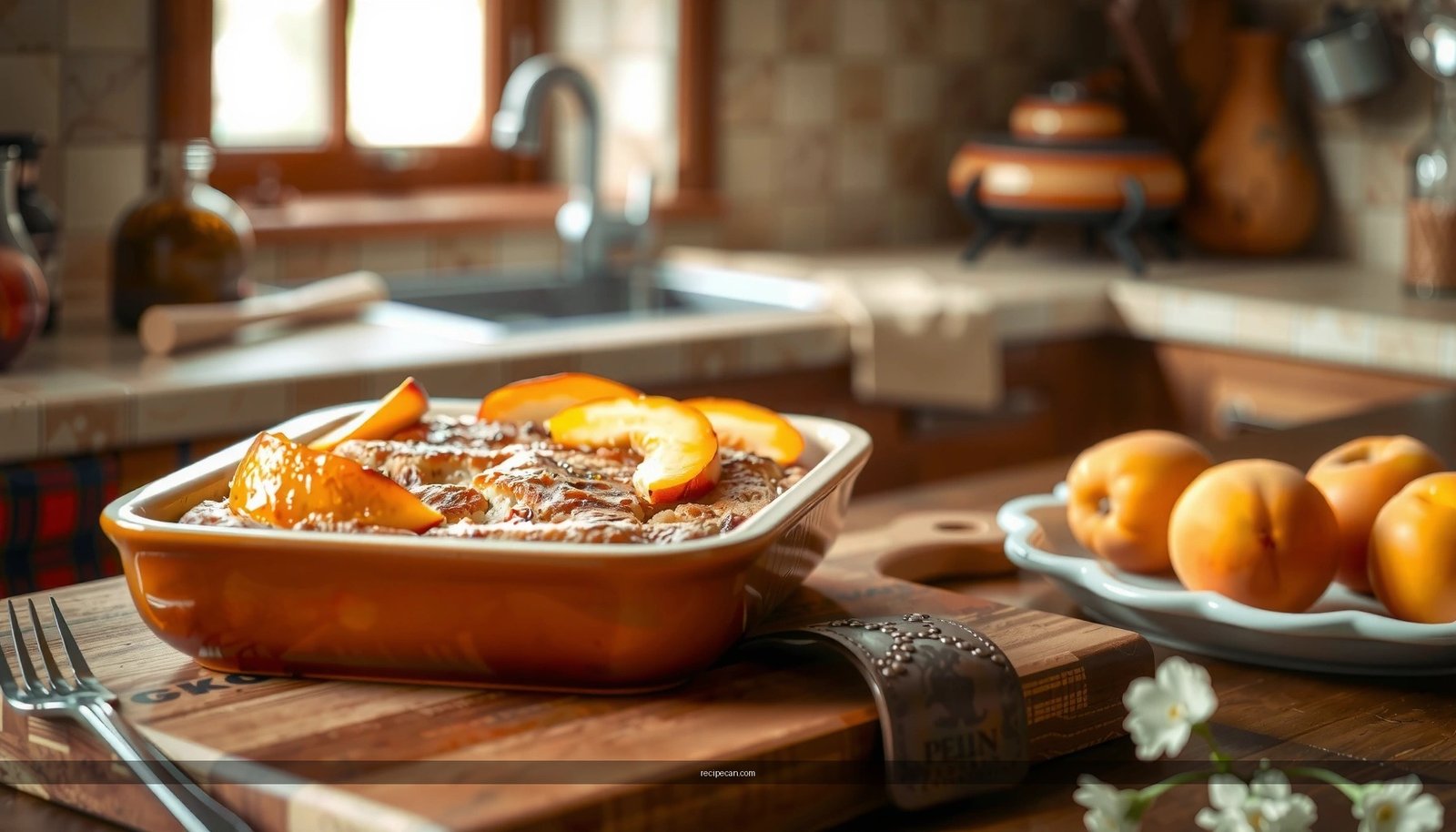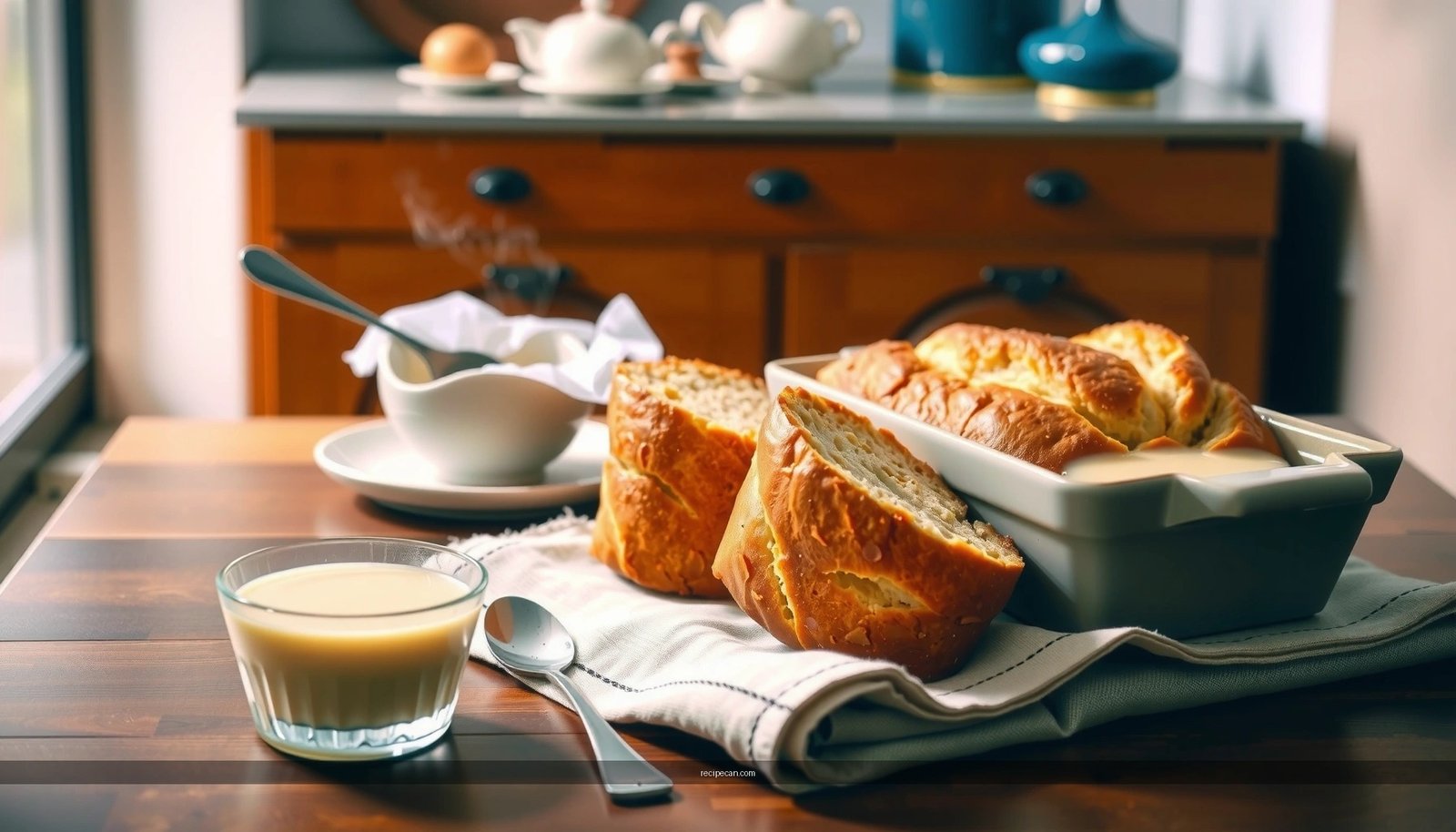
If you’re searching for Amish friendship bread recipes with pudding, the clear winner is the pudding-based version because it delivers a creamier, richer crumb with every bake. This guide covers the exact pudding add-ins, mix-by-step order, and bake-time targets so your starter, pudding, and batter turn out reliably. Use these recipes when you want a denser, dessert-style Amish friendship bread—not a lighter, bread-pudding-free loaf.
Amish friendship bread recipes with pudding are an easy way to upgrade the classic fermented starter loaf with a creamy, custard-like crumb—without complicating the process. By confirming starter readiness, mixing in pudding for thickness, and baking until the loaf/muffins are properly set, you’ll get consistent results that taste richer and feel more indulgent.
You’re essentially marrying two familiar techniques: the tangy flavor development from a shared Amish starter and the smooth, stable texture created by boxed pudding mix. That combination makes this variation especially forgiving for beginners, because the pudding improves batter body and helps the finished bread stay moist after baking. Below, you’ll learn how to build the starter properly (including “pay it forward” portioning), choose pudding flavors, and avoid common pitfalls like dense texture or under-rising dough.
—
What You Need for Amish Friendship Bread with Pudding

Before you start, gather ingredients and tools so your process stays steady—fermentation thrives on consistency, and baking benefits from accurate measuring. A pudding-infused Amish friendship bread batter is thicker than the original version, but it still relies on the starter’s activity to create the lift and characteristic tang.
– Gather your starter (and confirm it’s active or ready to use)
– “Active” starter typically looks bubbly and slightly domed/foamy after sitting at room temperature.
– If it smells pleasantly tangy (not rotten) and you see bubbles through the mixture, you’re usually ready.
– Use pudding mix (vanilla or flavor of choice) to add creamy texture
– Vanilla pudding is the classic, but banana and chocolate provide strong, distinct flavors.
– Instant pudding mix works best because it dissolves quickly and thickens reliably.
– Have baking essentials ready: measuring tools, mixing bowls, and loaf/muffin pans
– Measuring cups/spoons and a kitchen scale (optional but helpful) improve accuracy.
– Loaf pan(s) for traditional shapes; muffin tins for smaller portions and faster baking.
– Parchment paper or nonstick spray for easy release and clean edges.
For clarity, most recipes built around friendship starter use the same general “starter base” concept, then add pudding and dry ingredients to adjust texture. The exact amounts can vary by starter size and recipe standardization, so the key is using pudding mix within the recipe’s stated quantity rather than substituting liquid ingredients that may disrupt batter thickness.
Key Ingredient Roles in Pudding-Style Amish Friendship Bread
| # | Ingredient | Primary Function | Typical Amount Range | Expected Effect |
|---|---|---|---|---|
| 1 | Amish starter (active) | Fermentation flavor + light lift | ~2 cups | ★ ★ ★ ★ ★ |
| 2 | Vanilla pudding mix (instant) | Thickens batter + custard crumb | ~1 small box (3.4 oz) | ★ ★ ★ ★ ★ |
| 3 | All-purpose flour | Structure + moisture absorption | ~2 cups | ★ ★ ★ ★ ☆ |
| 4 | Sugar | Sweetness + tenderizing | ~3/4–1 cup | ★ ★ ★ ★ ☆ |
| 5 | Eggs | Emulsification + richness | ~2–3 large | ★ ★ ★ ★ ☆ |
| 6 | Milk (or water + milk combo) | Hydration + fermentation support | ~1–1¼ cups | ★ ★ ★ ★ ☆ |
| 7 | Baking powder + salt (if included) | Reliable lift + flavor balance | ~1–2 tsp + a pinch | ★ ★ ★ ★ ☆ |
—
How to Build the Starter and Prepare the Mixture
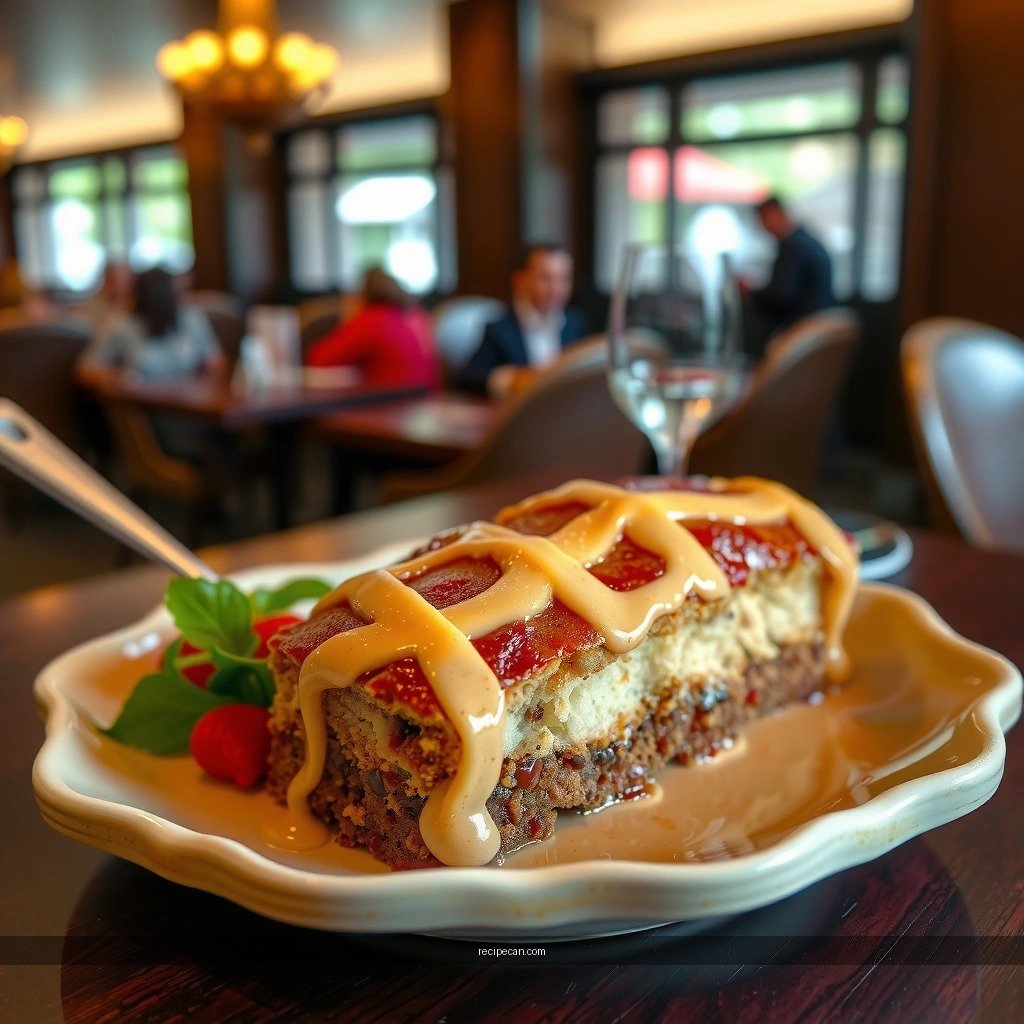
Amish friendship bread starters are sustained through a cycle: feed, wait, use part, and reserve the rest. The pudding variation doesn’t change the starter’s function—it changes what you do after portioning.
– Mix the starter with the required wet ingredients and dry components
– Whisk starter with wet ingredients (commonly milk and eggs) until smooth.
– Add flour and sugar gradually to prevent lumps, then mix just until combined.
– Add pudding mix for a thicker, richer batter
– Pudding mix is designed to absorb liquid and thicken quickly.
– Stir until the batter looks uniform—no dry pudding pockets.
– Portion the starter correctly so you can “pay it forward” for future batches
– Most standard sharing uses a portion of starter kept aside for gifting and a remaining amount used for baking.
– Keep portions in separate containers so they’re easy to feed later and reduce cross-contamination.
Starter readiness check (practical):
If your starter is too inactive, you’ll get weaker fermentation notes and reduced lift. If it’s overactive (very runny with lots of froth), the batter can become harder to manage—watch consistency and follow the recipe’s liquid guidance rather than improvising.
Batter rest matters: Many pudding-style recipes benefit from a short rest after mixing. This allows flour hydration and pudding thickening to stabilize, improving crumb texture and bake uniformity.
—
Classic Pudding-Style Amish Friendship Bread Recipe
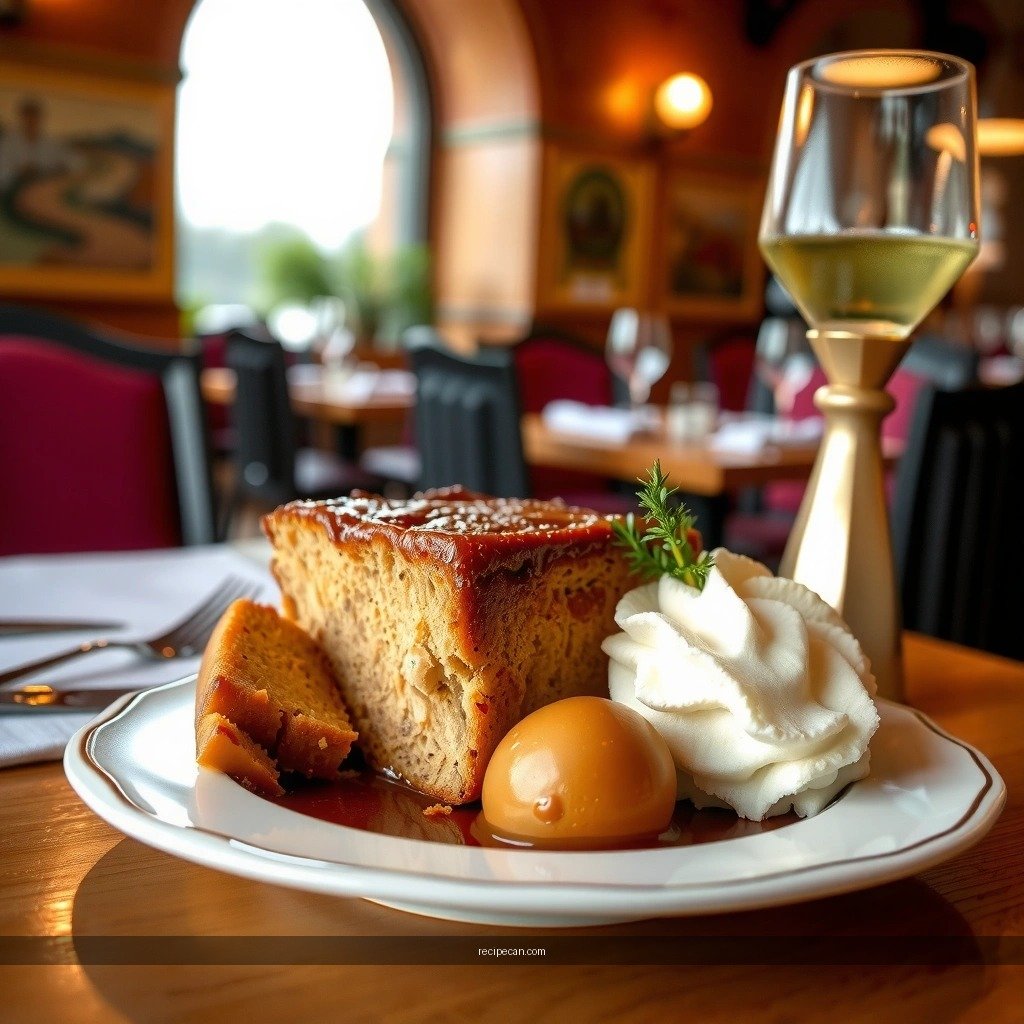
This section outlines the core method you’ll use for both loaf and muffin versions. The most important “analytics” here are batter blend quality and doneness testing—time alone won’t account for oven differences.
– Combine starter, flour, sugar, and the pudding mix until the batter is well blended
– Use medium mixing to incorporate but avoid aggressive beating.
– Ensure pudding mix is fully dispersed for a consistent custard crumb.
– Let the batter rest as needed for best rise and flavor
– Resting typically ranges from 10–30 minutes depending on your recipe and room temperature.
– During rest, expect the batter to thicken slightly as pudding and flour hydrate.
– Bake until golden and set in the center (use toothpick tests for doneness)
– Bake until the top is golden and a toothpick comes out mostly clean or with a few moist crumbs (not wet batter).
– If the top browns too fast, tent with foil to finish through the center.
Pro tip for commercial-style consistency (home-operations mindset):
Record bake time and toothpick behavior for your oven. Over multiple batches, you’ll develop your own reliable “doneness window,” which is more dependable than relying on generic minutes.
—
Flavor Variations for Pudding-Filled Loaves
Once the base process is stable, pudding flavors become your main lever for differentiation. The pudding mix essentially sets the flavor intensity, while mix-ins determine texture pockets.
– Try vanilla pudding, banana pudding, or chocolate pudding for different profiles
– Vanilla: Creamy sweetness and a classic “custard loaf” feel.
– Banana: Brighter, fruit-forward aroma; pairs well with chopped bananas or toffee-style accents.
– Chocolate: Deeper cocoa notes; best when balanced with chocolate chips or a light touch of espresso powder (optional).
– Add mix-ins like cinnamon, chocolate chips, or fruit to customize each batch
– Dust add-ins with a spoonful of flour to reduce sinking (especially fruit chips).
– Cinnamon works well as a swirl or topping for a “streusel-like” effect.
– Adjust baking time slightly if using muffins instead of a loaf pan
– Muffins bake faster due to smaller volume and higher surface area.
– Start checking earlier with the toothpick method; avoid overbaking to preserve pudding moisture.
When to adjust:
If your mix-ins are wet (like fresh fruit), slightly reduce the extra moisture in your mind—even if you don’t change ingredients, you’ll want to watch bake time closely to prevent under-set centers.
—
Troubleshooting Common Baking Issues
Even with a correct recipe, execution variations can affect texture and rise. Use the diagnostics below like a quality-control checklist.
– If bread is dense, check starter readiness and measure ingredients accurately
– Dense texture often points to an underactive starter, over-measurement of flour, or insufficient rest.
– Verify you used the specified pudding mix quantity—too little thickener can also change batter behavior.
– If it’s too wet, confirm pudding mix type and avoid overmixing
– Ensure you used instant pudding mix (not cook-and-serve).
– Overmixing can incorporate excess air and affect structure, but the bigger variable is usually ingredient hydration balance.
– If it doesn’t rise, verify bake temp, pan size, and resting time
– Oven calibration can drift; confirm your temperature setting with an inexpensive oven thermometer.
– Pan size affects heat distribution—if you use a larger pan than intended, the loaf may bake flatter.
– Under-resting may leave batter too thin before baking, reducing lift consistency.
Operational takeaway:
Don’t chase symptoms by adding extra flour or liquids mid-batch unless your method is already well-tested. Instead, adjust variables systematically—starter readiness, pudding type, and bake temperature—so improvements are measurable.
—
How to Store, Freeze, and Reuse the Starter
Pudding-style Amish friendship bread benefits from proper storage because the pudding crumb retains moisture and flavor well when protected.
– Store at room temperature briefly, then refrigerate for longer freshness
– Keep covered to prevent drying.
– Refrigeration extends shelf life and keeps the custard-like crumb from turning stale.
– Freeze slices or entire loaves for easy grab-and-go snacks
– Wrap tightly (plastic wrap + foil or freezer-safe bag) to prevent freezer burn.
– Thaw overnight in the refrigerator or warm slices gently in the microwave/oven.
– Keep the starter feeding schedule so it’s ready for your next pudding batch
– Maintain a consistent feeding rhythm so your next loaf starts with predictable activity.
– Label containers with date/time to avoid “starter drift” across batches.
If you bake regularly, think of this as a repeatable production cycle: store bread efficiently, store starter responsibly, and you’ll reduce waste while maximizing the joy of sharing.
—
Amish friendship bread recipes with pudding offer a comforting, creamy upgrade to a beloved tradition. By confirming starter readiness, using instant pudding mix to thicken and enrich the batter, and baking by visual doneness plus toothpick testing, you can produce moist loaves (or muffins) with reliable fermentation flavor and a custard-like crumb. If you want, tell me which pudding flavor you prefer (vanilla, banana, chocolate), and I can recommend the best add-ins and a practical bake-check timeline for your pan type.
Frequently Asked Questions
What is an Amish friendship bread recipe with pudding?
An Amish friendship bread recipe with pudding is a variation of the classic starter-based “friendship bread” loaf or cake that includes pudding mix for extra moisture and flavor. The pudding helps create a tender crumb and a more custard-like texture while still using the same starter method and feeder schedule. Most versions call for milk, pudding mix (often vanilla or banana), and the same core ingredients like flour, sugar, eggs, and oil or butter.
How do you make Amish friendship bread with pudding using a starter?
Start with an active Amish friendship bread starter and follow the feeding steps (typically daily) before baking. Once your starter is ready, combine it with wet ingredients and fold in dry ingredients, including pudding mix, for a smooth batter. Bake according to your recipe’s timing and temperature, and let the bread cool fully before slicing so the pudding texture sets properly.
Why does my Amish friendship bread with pudding turn out dense or gummy?
Dense or gummy results usually come from overmixing, underbaking, or using expired/incorrectly measured pudding mix. Make sure the loaf is baked until a toothpick comes out clean or with only a few moist crumbs, and avoid opening the oven early. Also measure flour accurately (spoon and level) because too much flour can change the texture, while too little can make it seem under-set even after baking.
Which pudding flavors work best for Amish friendship bread?
Vanilla pudding mix is the most common choice and pairs well with cinnamon-sugar, chocolate chips, or fruit add-ins. Banana pudding mix adds a classic sweet flavor, while lemon pudding can create a bright, dessert-like loaf. If your recipe uses add-ins like raisins or berries, match the pudding flavor so the sweetness and tang balance rather than overpower.
What’s the best way to store Amish friendship bread with pudding to keep it fresh?
Cool the Amish friendship bread completely, then store it covered at room temperature for up to 2–3 days if your kitchen isn’t too warm. For longer storage, refrigerate it in an airtight container to keep the pudding loaf from drying out. You can also freeze slices wrapped tightly; thaw in the refrigerator overnight and warm gently if you want the texture to feel fresh again.
References
- Amish friendship bread
https://en.wikipedia.org/wiki/Friendship_bread - Instant pudding
https://en.wikipedia.org/wiki/Instant_pudding - Fermentation starter
https://en.wikipedia.org/wiki/Starter_culture - Quick bread
https://en.wikipedia.org/wiki/Quick_bread - Google Scholar Google Scholar
https://scholar.google.com/scholar?q=Amish+friendship+bread+pudding+recipe - Google Scholar Google Scholar
https://scholar.google.com/scholar?q=friendship+bread+starter+instant+pudding+mix - Google Scholar Google Scholar
https://scholar.google.com/scholar?q=Amish+friendship+bread+starter+microbiology - https://pubmed.ncbi.nlm.nih.gov/?term=friendship+bread+starter
https://pubmed.ncbi.nlm.nih.gov/?term=friendship+bread+starter - https://pubmed.ncbi.nlm.nih.gov/?term=Amish+friendship+bread
https://pubmed.ncbi.nlm.nih.gov/?term=Amish+friendship+bread - https://pubmed.ncbi.nlm.nih.gov/?term=instant+pudding+mix+food+safety
https://pubmed.ncbi.nlm.nih.gov/?term=instant+pudding+mix+food+safety