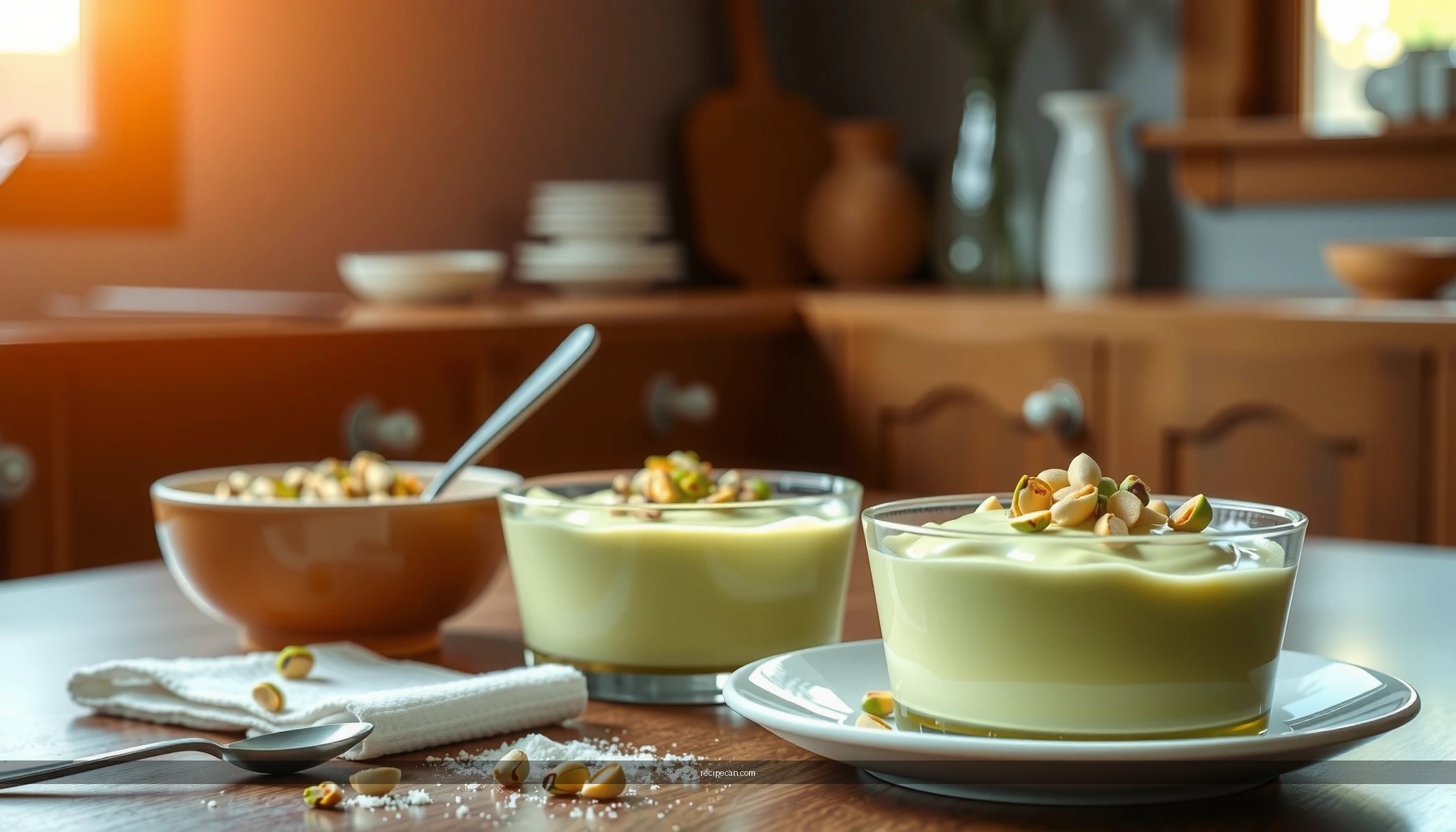
Get sugar free pistachio pudding recipes that actually taste like pistachio—not bland “diet” dessert—starting with an easy homemade option you can make without fancy equipment. This guide answers which recipes deliver the creamiest texture and the strongest pistachio flavor using sugar-free sweeteners, and how to avoid grainy, watery results. If you want the one best method for quick, reliable sugar free pistachio pudding, you’ll find it here.
Yes—you can make creamy, thick pistachio pudding with no added sugar at home by sweetening with erythritol or monk fruit and thickening with cornstarch (or arrowroot) for a stable set. Below are three easy sugar free pistachio pudding recipes (stovetop, no-cook, and dairy-free) plus exact thickening, chilling, and flavor-tuning tips so your results are spoonable, not runny.
Sugar Free Sweeteners That Work

Choosing the right sugar free sweetener is the difference between “tastes like dessert” and “tastes like sugar substitute.” For pistachio pudding, you want sweetness that blends smoothly and doesn’t fight the nut’s natural earthiness.
– Choose erythritol, monk fruit, or a sugar-free blend for balanced sweetness
– Erythritol is popular in sugar free pudding recipes because it dissolves well and has a minimal aftertaste for many people.
– Monk fruit (often used as monk fruit extract/“nectar” blended with bulking agents) provides high sweetness with fewer “cooling” notes than some polyols.
– Sugar-free blends are often the easiest route because they’re formulated to mimic table sugar behavior and reduce aftertaste.
– Start with small amounts and adjust to taste to avoid aftertaste
Pistachio has a strong flavor, but sweetness still needs to be present for a balanced custard profile. Begin with the lower end of the recommended range (about 1/3 to 1/2 cup sweetener for 4–6 servings, depending on the product’s sweetness level), then adjust in future batches.
– Pair sweeteners with vanilla to enhance flavor
Vanilla extract makes sugar free desserts taste more “whole” and less “flat.” Even a small amount (typically **1–2 teaspoons**) can elevate nut-based pudding and make the sweetener taste more natural.Sweetener Behavior for Thick Pistachio Pudding (Practical Home Baking Guidance)
| # | Sweetener Type | Sweetness Intensity | Dissolves in Warm Milk | Aftertaste Risk |
|---|---|---|---|---|
| 1 | Erythritol (granulated) | ★ (medium-high) | High | Low |
| 2 | Monk fruit extract (baking blend) | ★ (high) | High | Low–Medium |
| 3 | Stevia-based blends | ★ (high) | Medium | Medium |
| 4 | Allulose (table sugar-like) | ★ (medium) | High | Very Low |
| 5 | Erythritol/monk fruit blend | ★ (balanced) | High | Low |
| 6 | Xylitol | ★ (high) | High | Medium |
| 7 | Sugar-free “pudding sugar” mixes | ★ (varies) | High | Low–Medium |
Creamy Base Ingredients for Pistachio Pudding
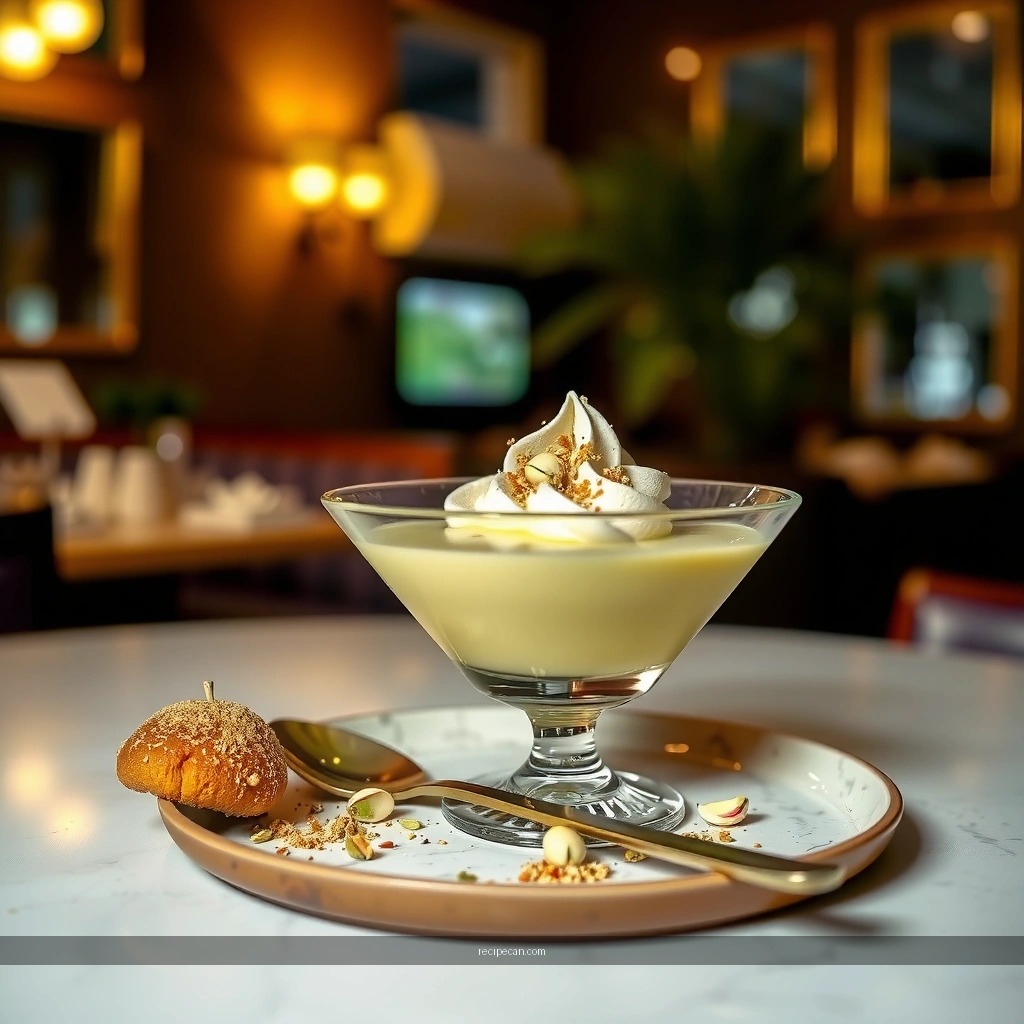
For a stable sugar free pistachio pudding, focus on three building blocks: a smooth liquid base, a real pistachio flavor source, and a thickener that sets reliably in low-sugar desserts.
– Use milk or unsweetened almond/oat milk for a smooth consistency
– Dairy milk creates a classic custard texture because the fat and proteins support thickness and mouthfeel.
– Unsweetened almond milk works well but can set a bit lighter—often requiring slightly more thickener or a fuller-fat variety.
– Oat milk tends to provide a creamier body and can be more forgiving for thick set results.
– Add pistachios (ground or blended) to deliver rich nut flavor
Pistachios can be used as:
– Finely ground pistachios (texture like “nut dust”), or
– Blended pistachios (creates a thicker, more pudding-like nut paste).
For the smoothest spoonable pudding, grind pistachios very fine. If you have a high-powered blender, blending with warm milk briefly can help integrate the nut oils.
– Include thickening agents like cornstarch (or arrowroot) and a pinch of salt
– Cornstarch is the go-to for classic stovetop pudding.
– Arrowroot thickens more gently and can be a great choice for dairy-free versions, but it still needs correct simmering to activate.
– Salt (just a pinch) improves pistachio flavor and reduces the “substitute sweetness” impression.
3 Easy Sugar Free Pistachio Pudding Recipes
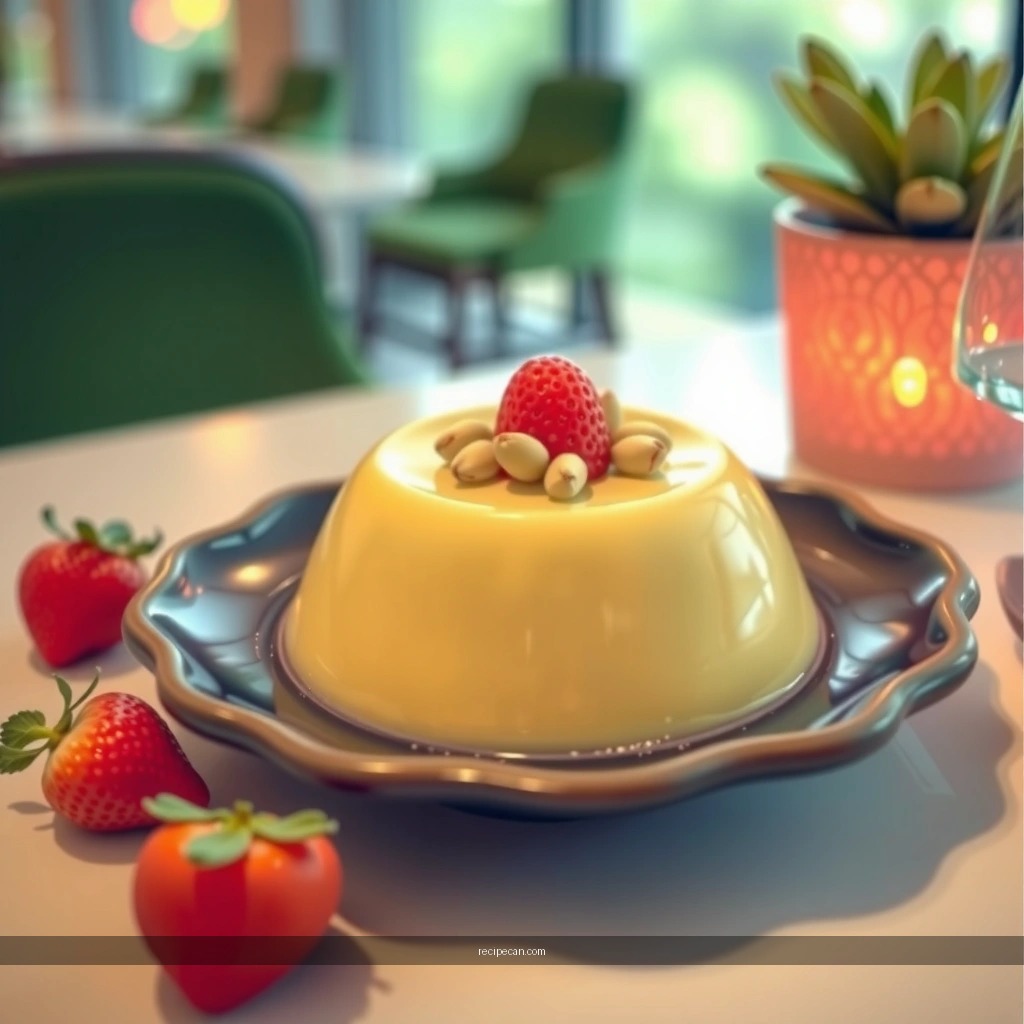
These recipes are designed for reliable thickness and strong pistachio flavor. Each one uses sugar-free sweeteners and focuses on the thickening method that produces a stable set.
1) Classic Stovetop Pistachio Pudding with Cornstarch
Best for: Traditional custard texture—glossy, spoonable, and sliceable enough to hold toppings.
Ingredients (about 4–6 servings):
– 2 1/2 cups milk (or a mix of milk + heavy cream for richer pudding)
– 3/4 cup finely ground pistachios
– 1/2 cup erythritol or monk fruit blend (adjust to taste)
– 1/3 cup cornstarch
– 1/4 tsp salt
– 1–2 tsp vanilla extract
– Optional: 1/4 tsp almond extract (boosts the pistachio-candy vibe)
How to make:
1. Whisk cornstarch with a splash of cold milk until smooth (prevents lumps).
2. In a saucepan, combine remaining milk, ground pistachios, sweetener, salt, and vanilla.
3. Bring to a gentle simmer over medium heat, whisking constantly.
4. Once thick and glossy, simmer 30–60 seconds to fully cook the starch.
5. Remove from heat, stir well, and cool slightly before portioning.
2) No-Cook Version Using Instant Pudding-Style Thickener (Sugar-Free)
Best for: Fast assembly and minimal stirring.
Ingredients (about 4 servings):
– 2 1/2 cups cold milk (or cold oat milk)
– 1/2 cup sugar-free sweetener (or use the amount recommended on your thickener/powder)
– 1/3–1/2 cup finely ground pistachios
– 1 packet sugar-free instant pudding mix *or* a pudding-style thickener powder (follow package directions)
– 1–2 tsp vanilla extract
– Pinch of salt
How to make:
1. In a bowl, whisk cold milk and the pudding-style thickener until no dry pockets remain.
2. Add sweetener, pistachios, vanilla, and salt.
3. Whisk thoroughly for 30–60 seconds, then let sit 5–10 minutes to hydrate.
4. Stir again and portion. Chill to fully thicken.
Note: Instant-style thickener products vary. If you’re using a powder thickener instead of a labeled sugar-free pudding mix, follow the recommended ratio and adjust based on texture after chilling.
3) Dairy-Free Sugar Free Pistachio Pudding with Plant Milk
Best for: Nutty, creamy pudding with no dairy and excellent spoonability.
Ingredients (about 4–6 servings):
– 3 cups unsweetened oat milk (or full-fat coconut milk + water mix)
– 3/4 cup finely ground pistachios
– 1/2 cup erythritol or monk fruit blend (to taste)
– 1/4 cup cornstarch or arrowroot
– 1/4 tsp salt
– 1–2 tsp vanilla extract
– Optional: 1/4 tsp almond extract
How to make:
1. Whisk starch with a small amount of cold oat milk until smooth.
2. Warm the remaining oat milk, then whisk in pistachios and sweetener.
3. Cook over medium heat, stirring, until glossy and thick—usually 2–4 minutes depending on your stovetop.
4. Simmer briefly, remove from heat, add vanilla/almond extract, portion, and chill.
Quick positioning note (why pistachios matter)
To keep pistachio pudding flavorful without added sugar, the nut flavor needs to be “front-loaded” via fine grinding and proper cooking (stovetop) or full hydration (no-cook). When pistachio particles are too coarse, the pudding can taste mild and slightly grainy.
How to Thicken, Chill, and Get the Best Texture
Even great ingredients can produce disappointing results if thickening and chilling are rushed. Use these process controls like “quality gates.”
– Simmer until glossy and fully thickened to prevent a thin set
Starch thickens as it reaches a heat threshold and then stabilizes with a short simmer. If you stop early, the pudding can loosen after cooling. For stovetop pudding:
– Look for a glossy surface
– Maintain a gentle bubble/simmer for 30–60 seconds after it becomes thick
– Chill at least 2–4 hours for the best spoonable pudding texture
Many no-cook or instant-style mixes thicken quickly but continue to set during chilling. Two hours is the minimum for most households; four hours yields a more stable, creamy spoonable custard.
– Stir after cooking to reduce lumps, especially when using cornstarch
After removing from heat, stir thoroughly or whisk briefly to smooth out any starch remnants. If you’re using pistachio flour and want ultra-smooth texture, strain once (optional, but it’s a professional trick).
– If it thickens too much after chilling, fix it instantly
Add a splash of milk and whisk until creamy again. This adjustment saves batches that feel too firm for serving.
Flavor Boosters and Toppings (Without Added Sugar)
Sugar free pistachio pudding tastes best when the flavor is layered rather than relying on sweetness alone.
– Add vanilla extract, almond extract, or cinnamon for deeper flavor
Vanilla supports sweetness perception. Almond extract can intensify the classic pistachio profile, but use lightly—start with 1/4 tsp to avoid an artificial edge. Cinnamon is excellent if you prefer a warmer, dessert-café vibe.
– Top with crushed pistachios, sugar-free whipped cream, or dark chocolate shavings
Crunch from crushed pistachios improves mouthfeel and makes the pudding taste more indulgent. If you use sugar-free whipped cream, choose one that holds well in refrigeration.
– Use berries in moderation for freshness and color
Berries add acidity and natural brightness. While they contain some sugar, the overall portion can fit easily into sugar-restricted plans—especially if you’re aiming for balanced dessert rather than “zero sugar” everywhere.
Storage and Make-Ahead Tips
Meal prep works beautifully with sugar free pistachio pudding because the texture improves as it chills.– Refrigerate in an airtight container for up to 3–4 days
Keep it covered to minimize oxidation from nut oils. Within 3–4 days, the flavor stays fresh and the custard remains stable.
– Cover the surface with parchment/plastic wrap to prevent skin
The “skin” forms when exposed custard dries slightly. Pressing wrap directly onto the pudding surface is the simplest prevention.
– Re-stir before serving; add a splash of milk if it thickens too much
Nut-based puddings can thicken as pistachio particles absorb moisture. Stirring restores the creamy consistency.
– Freeze carefully (optional)
Freezing can slightly change texture because starch-based custards may become grainier after thawing. If you do freeze, portion first and thaw in the fridge, then whisk with a small amount of milk.
Whether you prefer stovetop custard, a no-cook sugar-free pudding-style option, or a dairy-free pistachio pudding, you can consistently achieve a thick, creamy result with the right sweetener and starch technique. Use the thickening and chilling rules to avoid a thin set, then amplify flavor with vanilla, almond, and pistachio-rich toppings—so every spoonful delivers real nutty dessert satisfaction without added sugar.
Frequently Asked Questions
What are the best ingredients for a sugar free pistachio pudding recipe?
A great sugar free pistachio pudding typically uses unsweetened milk (or coconut milk), pistachio powder or finely blended pistachios, and a thickener like cornstarch or instant pudding mix that’s labeled “no sugar added.” For sweetness, use a sugar substitute such as erythritol, monk fruit, or stevia—choose one you like for taste and baking performance. Vanilla extract and a pinch of salt help balance the pistachio flavor and reduce the “sugar free” aftertaste.
How do I make sugar free pistachio pudding without lumps?
To prevent lumps, whisk cornstarch with a small amount of cold milk first until smooth, then gradually add the slurry to warm milk while stirring constantly. Keep the mixture at a gentle simmer and stir for 2–3 minutes until it thickens to a pudding consistency. If you’re using an instant sugar free pudding mix, follow the package directions closely and whisk thoroughly before chilling.
Why does my sugar free pistachio pudding taste bitter, and how can I fix it?
Bitterness is often caused by overtoasting pistachios, using pistachio paste with added salt, or choosing a sweetener with a stronger aftertaste (like some stevia blends). Try using unsalted pistachio powder, warming the mixture just until thick, and adding vanilla and a tiny pinch of salt to round out flavors. If needed, adjust the sweetener amount or switch to a blend that’s designed for desserts.
Which sweeteners work best for low-sugar or sugar free pistachio pudding recipes?
For sugar free pistachio pudding, erythritol and monk fruit blends are popular because they dissolve well and mimic sugar texture more closely. Stevia can work too, but liquid stevia often needs careful dosing because it’s more concentrated and can taste bitter if overused. Choose a 1:1 baking sweetener when possible, since it’s formulated to perform like sugar in custard-style recipes.
How should I store sugar free pistachio pudding to keep it creamy?
Store sugar free pistachio pudding in an airtight container in the refrigerator, ideally within 3–4 days for best quality. To prevent a skin from forming, press a piece of parchment paper or plastic wrap directly onto the surface before chilling. If the pudding thickens too much after refrigeration, stir in a splash of milk to loosen it without losing the pistachio flavor.
References
- Google Scholar Google Scholar
https://scholar.google.com/scholar?q=sugar-free+pistachio+pudding+recipe - Google Scholar Google Scholar
https://scholar.google.com/scholar?q=sugar+substitutes+baking+pudding+recipe+texture - Google Scholar Google Scholar
https://scholar.google.com/scholar?q=non-nutritive+sweeteners+desserts+glycemic+response+systematic+review - Pudding
https://en.wikipedia.org/wiki/Pudding - Custard
https://en.wikipedia.org/wiki/Custard - Pistachio
https://en.wikipedia.org/wiki/Pistachio - https://www.who.int/publications/i/item/9789240022468
https://www.who.int/publications/i/item/9789240022468 - https://www.fda.gov/food/nutrition-food-labeling-and-consumer-protection/high-intensity-sweeteners
https://www.fda.gov/food/nutrition-food-labeling-and-consumer-protection/high-intensity-sweeteners - https://www.fda.gov/food/labeling-nutrition/sugar-alcohols
https://www.fda.gov/food/labeling-nutrition/sugar-alcohols - https://pubmed.ncbi.nlm.nih.gov/?term=non-nutritive+sweeteners+systematic+review+safety
https://pubmed.ncbi.nlm.nih.gov/?term=non-nutritive+sweeteners+systematic+review+safety