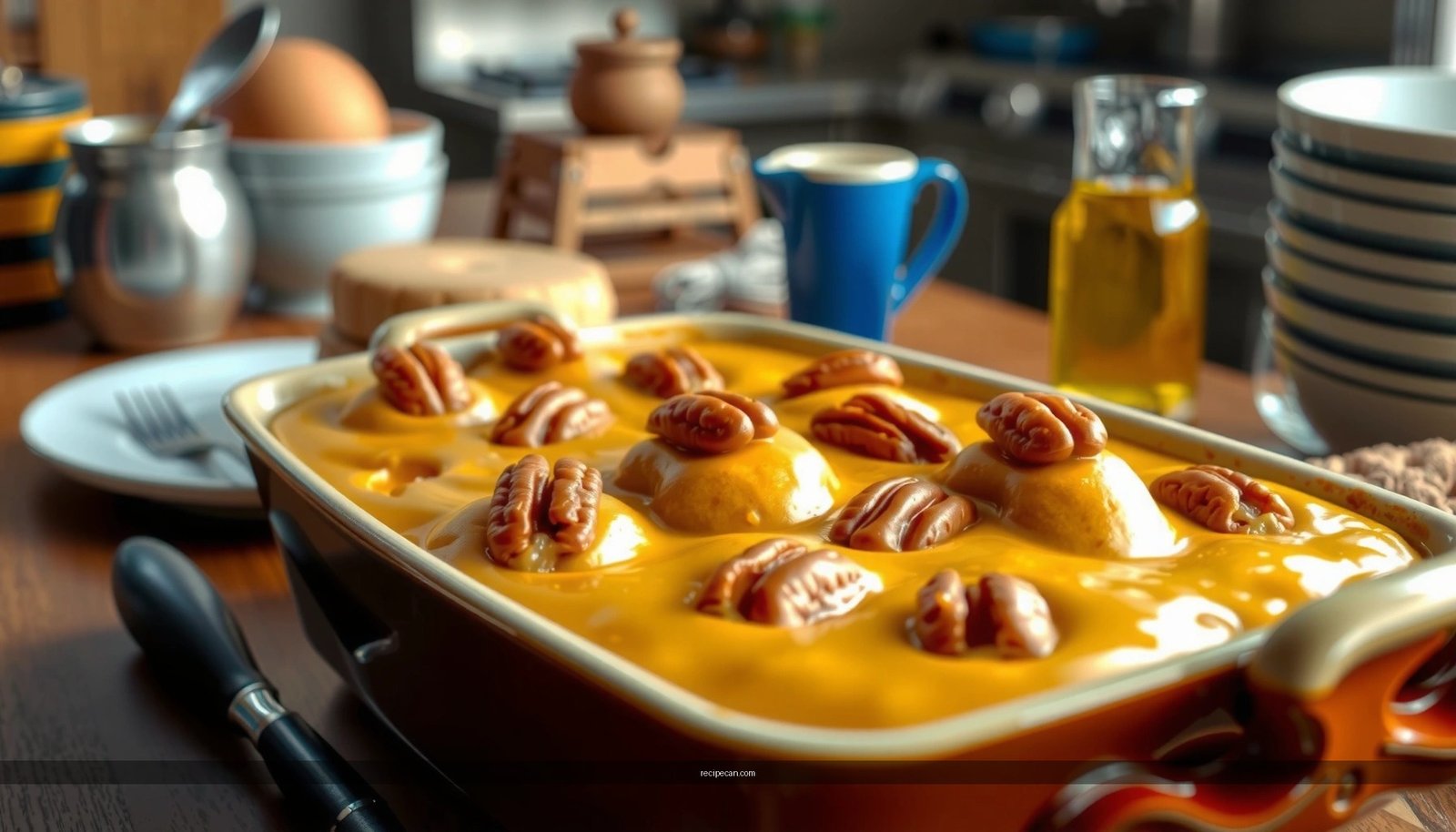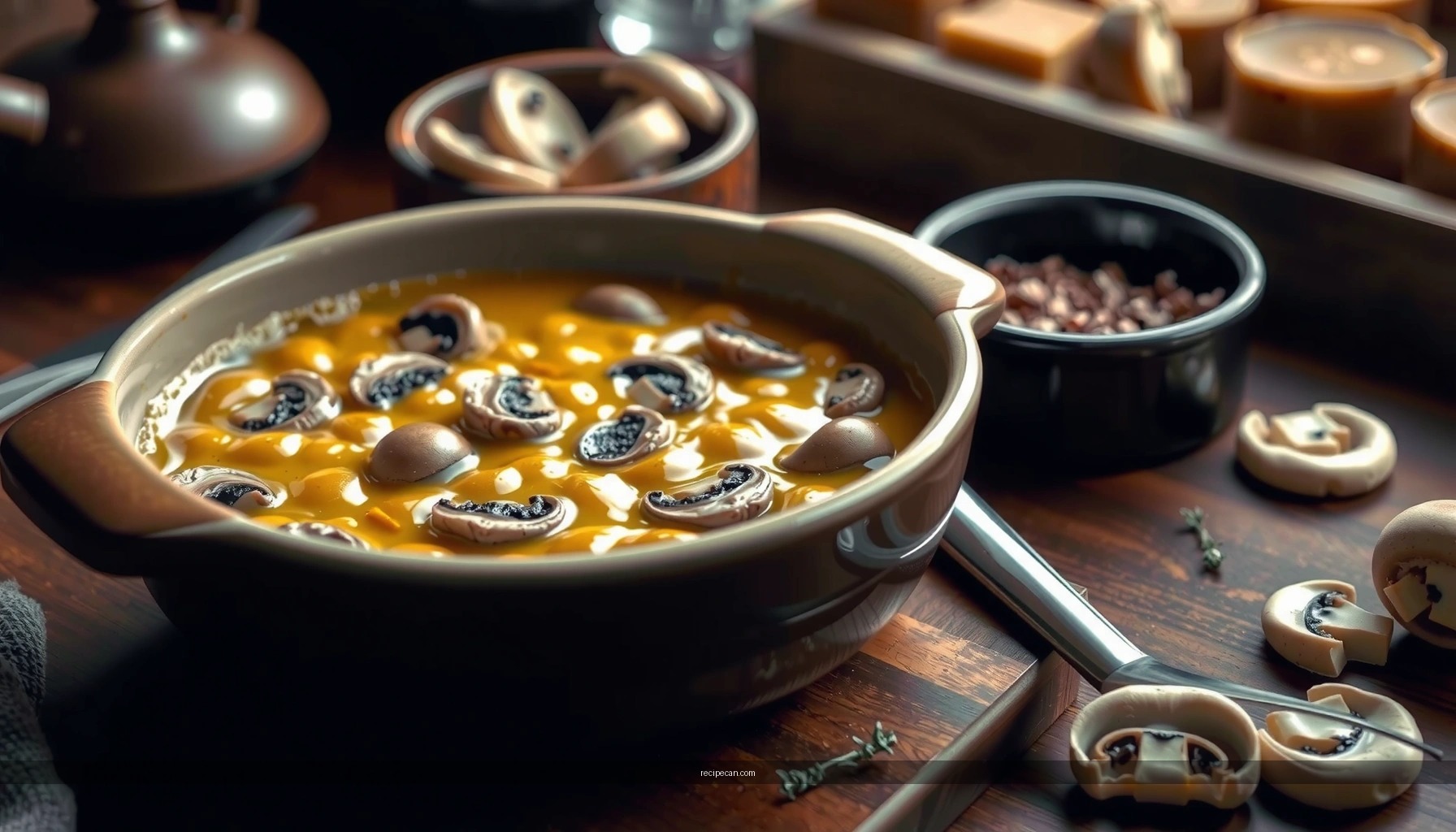
Find out whether this savory mushroom bread pudding delivers the cozy comfort of classic bread pudding without the fuss. This easy recipe turns buttery mushrooms and soaked bread into a golden, custardy casserole that’s rich, not heavy, and ready for weeknight dinners or holiday sides. If you want a foolproof recipe mushroom bread pudding that reliably comes out tender, flavorful, and sliceable, this is the one.
Mushroom bread pudding is a reliable, weeknight-friendly way to turn day-old bread into a savory, custard-style casserole—simply brown the mushrooms deeply, then bake a properly soaked egg-and-milk filling until set. In the sections below, you’ll learn the “why” behind each step so you can consistently get a golden top, a creamy center, and robust mushroom flavor without guesswork.
Gather Ingredients for Mushroom Bread Pudding
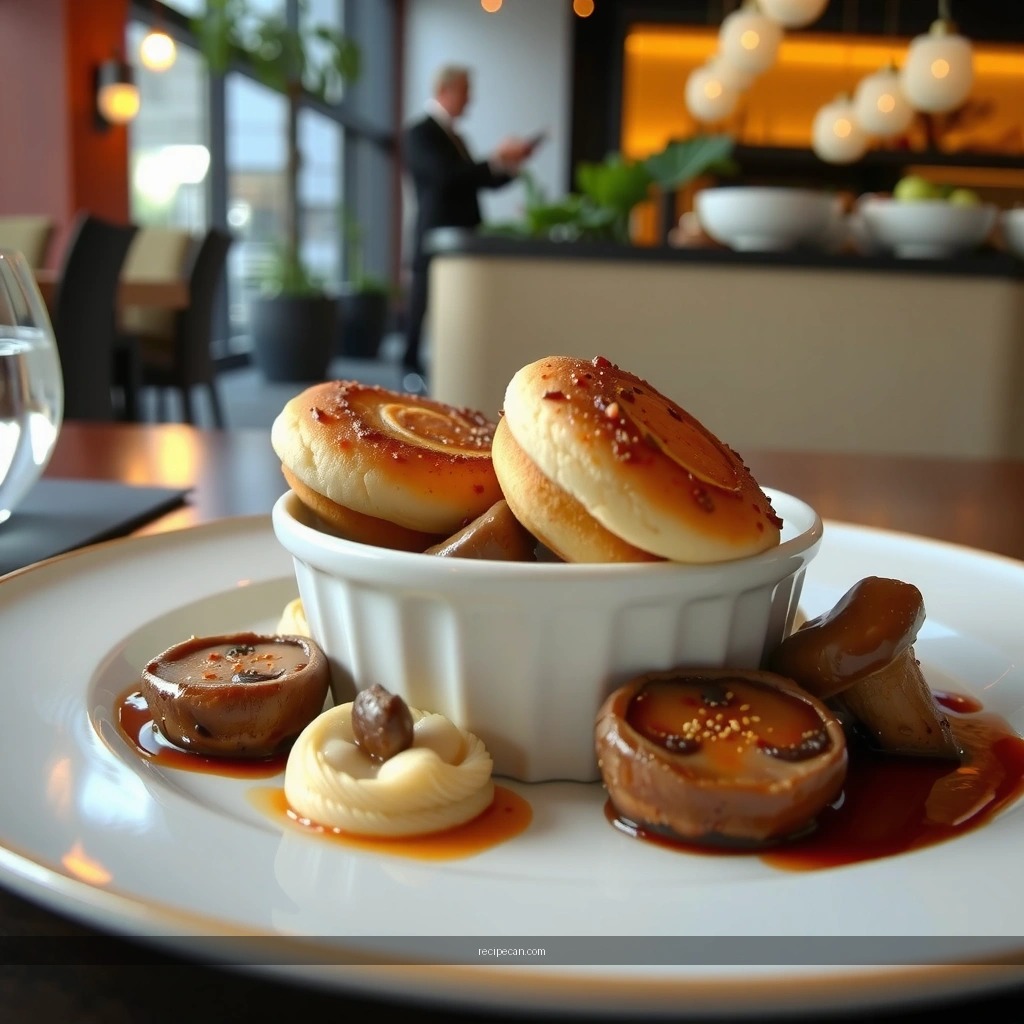
The quality of your bread and the balance of your custard are the two biggest determinants of texture—so start by choosing components that naturally support a custardy bake.
– Choose day-old bread (brioche, sourdough, or hearty loaf) for the best texture
Day-old bread dries out slightly, which helps it absorb custard evenly without turning gummy. Brioche brings a tender, slightly sweet richness that contrasts beautifully with mushrooms. Sourdough offers a tangy backbone and a more pronounced bite. If you prefer a sturdier slice that holds up well, choose a hearty country loaf and cube it rather than tearing.
– Stock up on mushrooms, eggs, milk or cream, cheese, and seasonings
Mushrooms are the flavor engine in savory bread pudding. Use cremini for a robust, earthy flavor, or mix cremini and shiitake for a layered taste. For the custard, eggs provide structure while milk or cream controls richness. A mix of milk and cream often yields the best “set but still creamy” result. Cheese adds depth and helps create a satisfying savory aroma when melted.
Ingredient approach (practical guidance):
– Mushrooms: 12–16 oz (340–450 g) total, sliced (thicker slices brown better)
– Bread: 6–8 cups cubed or torn (about 10–12 oz / 280–340 g, depending on loaf density)
– Custard base: 3–5 eggs plus 1–2 cups milk/cream (aim for enough liquid to moisten all bread)
– Cheese: 1–1.5 cups shredded (Gruyère, Parmesan, or a blend work exceptionally well)
– Seasonings: salt, black pepper, garlic, thyme (or rosemary), and optional splash of wine or stock for deglazing
To plan your build with more confidence, the table below summarizes ingredient targets that map closely to common yield expectations and baking outcomes.
Mushroom Bread Pudding Planning Targets (Baker’s Math in Plain English)
| # | Serving Goal | Bread (cups) | Mushrooms (oz) | Custard Ratio | Expected Texture | Batch Ease |
|---|---|---|---|---|---|---|
| 1 | 2–3 servings | 4–5 cups | 12 oz | ~2.25 cups milk/cream + 3 eggs | Firm edges, creamy center | High |
| 2 | 4 servings | 6–7 cups | 14 oz | ~2.75 cups milk/cream + 4 eggs | Balanced “spoonable” bake | Very High |
| 3 | 5–6 servings | 8 cups | 16 oz | ~3.25 cups milk/cream + 5 eggs | Custardy with strong structure | High |
| 4 | 7–8 servings | 10 cups | 20 oz | ~4.0 cups milk/cream + 6 eggs | Sliceable, crowd-pleasing | ★ ★ ★ ★ ☆ |
| 5 | 12–14 servings (batch) | 15 cups | 30 oz | ~6.0 cups milk/cream + 10 eggs | Deep flavor, consistent setting | ★ ★ ★ ★ ★ |
| 6 | If bread seems dry | 6–8 cups | 14–16 oz | Add +2–6 tbsp liquid before baking | Prevents tight, dry bites | Medium* |
| 7 | If custard feels runny | 6–8 cups | 12–16 oz | Reduce milk/cream by ~1/4 cup | Ensures full set by center | Medium* |
\“Batch ease” here reflects extra judgment needed, not overall difficulty.
Prep and Cook the Mushrooms
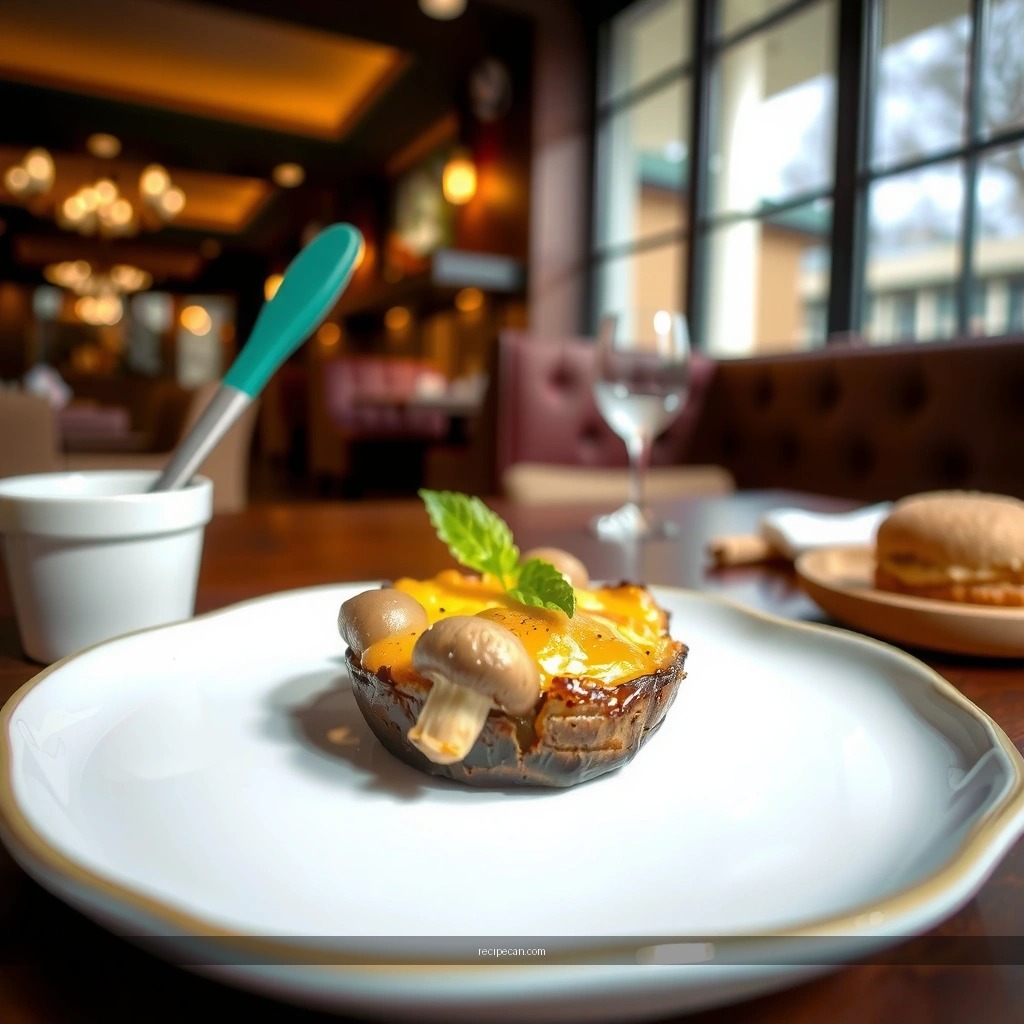
Mushrooms taste watery when they’re only lightly cooked. For a savory mushroom bread pudding, you want browning—because browning concentrates flavor compounds and improves the overall “meaty” character.
– Sauté mushrooms until browned to intensify flavor
Start with a hot pan and a generous surface area so moisture can evaporate. If you crowd the mushrooms, they steam instead of brown. Cook until you see deep golden edges and the pan looks drier.
– Add aromatics like garlic and herbs, then season well before mixing
Garlic burns quickly, so add it after most moisture has cooked off—typically in the last 1–2 minutes of sautéing. Fresh thyme (or rosemary) adds an aromatic, woodsy lift that complements earthiness. Season with salt during cooking; under-seasoned mushroom mixture leads to a muted casserole even if the custard is tasty.
Why this step matters (analytical view):
A custard-style casserole relies on evenly distributed flavor. Your mushroom mixture should be seasoned and flavorful on its own, because it will be diluted slightly by bread and custard absorption. Proper sautéing also reduces excess liquid, improving set texture and minimizing watery pooling.
Optional deglaze (high impact):
After browning, deglaze with 1–2 tablespoons dry sherry, white wine, or low-sodium stock. Simmer briefly to reduce, then cool slightly before assembling.
Assemble the Bread and Custard
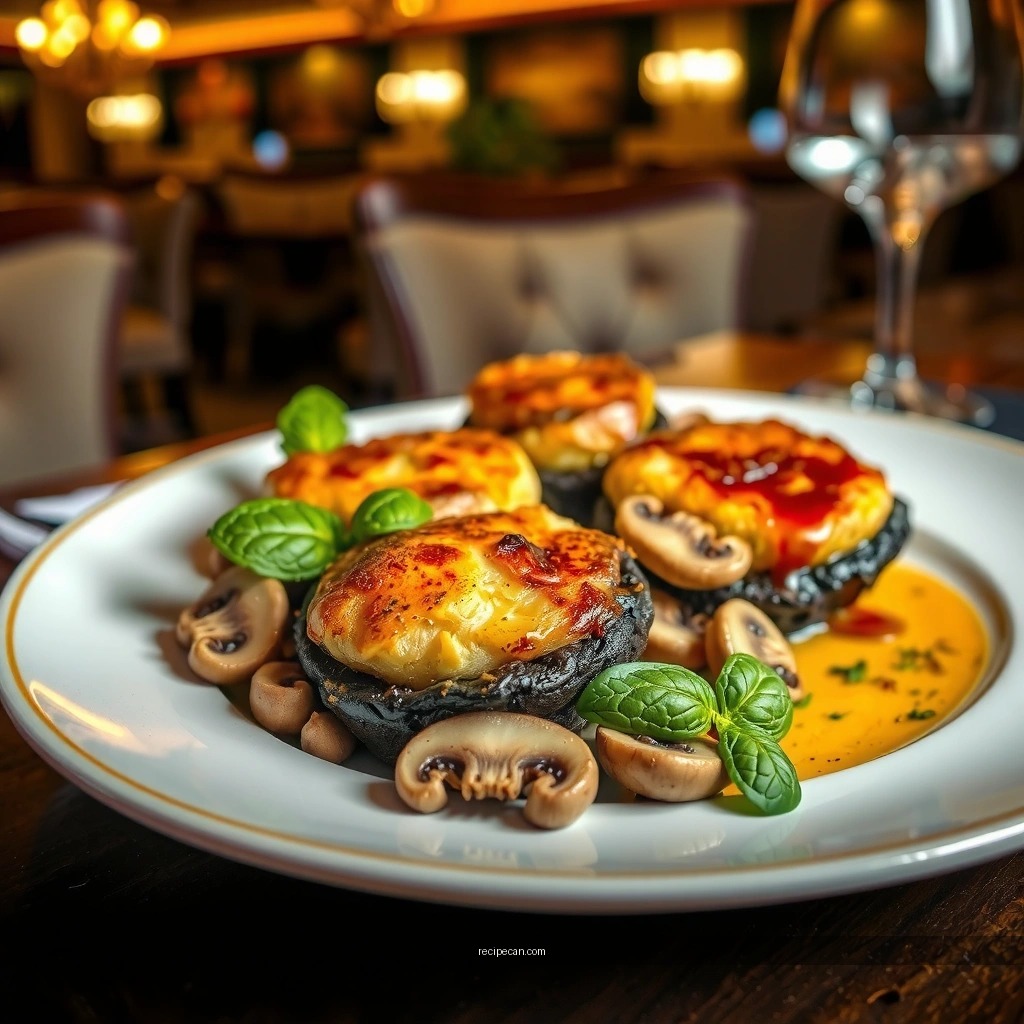
Assembly is where “easy” becomes “excellent.” The goal is uniform soak—bread should absorb custard without collapsing into mush.
– Cube or tear bread and layer it in a baking dish
Tear irregular pieces for more surface area and more custard absorption. Cube bread for a more structured, bread-forward texture. Use a baking dish with enough room for even soaking; a too-small dish can create over-concentrated layers that bake unevenly.
– Whisk eggs with milk/cream and pour over bread, letting it soak
Whisk eggs thoroughly to prevent streaks. Combine with milk or cream, then season. For best results, pour custard slowly over bread and let it sit 10–20 minutes (or longer if bread is very dry). During soaking, press gently with a spoon so dry pockets contact liquid. Add cheese to the mixture or sprinkle on top—either way, it contributes savory richness.
Target texture cue:
When you’re ready to bake, the top should look moistened but not flooded. If liquid pools at the bottom, you’ve overestimated moisture or under-browned mushrooms; if bread looks dry, add a splash of warm milk/cream.
Bake to Golden Perfection
Bread pudding is baked custard. That means timing is about set, not just browning.
– Bake until the center is set and the top is lightly browned
Bake around 350°F (175°C) until the center registers set—usually 35–50 minutes depending on dish depth. The edges should look set and slightly puffed. The center should jiggle minimally, not slosh like liquid.
– Rest briefly before serving to help it hold its shape
Rest 10–15 minutes before slicing or scooping. Resting allows custard to finish setting as temperature drops. Cutting too soon risks a runnier center, especially when using richer cream.
Professional consistency tip:
Use a gentle test: insert a knife near the center. If it comes out mostly clean with a few moist crumbs (not wet custard), you’re done. This reduces the common home-cook problem of overbaking “just because it looks pale” early in the bake.
Flavor Variations and Add-Ins
Savory mushroom bread pudding is flexible. You can tune it from classic comfort to elevated, restaurant-style casseroles by adjusting cheese, greens, or acidity.
– Stir in Gruyère, Parmesan, or thyme for extra savory depth
Gruyère melts smoothly and adds nutty complexity—ideal for a creamy, cohesive custard. Parmesan contributes sharper umami and a more pronounced “cheesy backbone.” Thyme reinforces the earthy profile; use it sparingly so it doesn’t dominate.
– Add leeks, spinach, or a splash of wine for richer flavor
Leeks bring sweetness and aromatics; sauté diced leeks until soft before combining with mushrooms. Spinach wilts quickly—squeeze out excess moisture to prevent watery pockets. A splash of wine adds acidity, which balances mushroom richness and brightens the final flavor.
Additional workable add-ins (strategic options):
– Protein: chopped cooked bacon or diced ham (stir into the mushroom mixture)
– Umami boost: a teaspoon of Worcestershire (check salt level) or a small spoon of miso stirred into custard
– Heat: cracked black pepper or red pepper flakes for subtle warmth
Serving Tips for Maximum Comfort
The best mushroom bread pudding is served warm, when aroma and texture are at their peak.
– Serve warm as a main with salad or as a side for roasted meats
Pair it with a crisp, acidic salad (arugula with lemon vinaigrette) to cut through richness. As a side, it complements roasted chicken, pork tenderloin, or beef dishes where savory depth is welcome. For a vegetarian meal, add a simple roasted vegetable tray to round out the plate.
– Reheat leftovers gently so the texture stays creamy
Reheat at 300–325°F (150–160°C) covered with foil to prevent drying. Add a teaspoon or two of milk/cream for extra moisture if needed. Microwaving can work, but it may slightly toughen bread edges—gentle oven reheating usually preserves creaminess.
Storage insight:
Let leftovers cool, then refrigerate promptly. Bread pudding often improves slightly overnight as flavors meld, and the custard fully stabilizes.
Mushroom bread pudding is a simple baked comfort dish that relies on well-browned mushrooms and a properly soaked custard for the best results. Follow the steps above, try a variation with your favorite cheese or herbs, and make your next batch with day-old bread—then serve it warm and enjoy the savory payoff.
Frequently Asked Questions
What is the best recipe mushroom bread pudding?
The best recipe mushroom bread pudding uses sautéed mushrooms (like cremini or button), a rich custard base made from eggs and milk (or cream), and bread that soaks well without turning gummy. Choose sturdy bread such as brioche, challah, or sourdough for great texture in a savory bread pudding. Season with garlic, thyme, salt, and pepper, and consider adding grated Gruyère or Parmesan for deeper flavor.
How do you prevent mushroom bread pudding from becoming soggy?
To prevent sogginess, thoroughly cook and reduce the moisture from the mushrooms first—sauté until the pan looks relatively dry and the mushroom liquid evaporates. Use slightly stale bread or cube it and let it dry out briefly so it can absorb the savory custard without collapsing. If your mixture seems too wet, use a little less milk or add extra bread cubes to balance the texture.
Why does mushroom bread pudding sometimes turn out bland, and how can you fix it?
Bland mushroom bread pudding usually comes from under-seasoning the custard and mushrooms or using mild mushrooms without enough umami. Season the mushrooms with salt early, add garlic and herbs (thyme works especially well), and consider umami boosters like a splash of soy sauce or Worcestershire. Finish with cheese and freshly ground black pepper to bring out savory depth.
Which mushrooms work best for a flavorful savory bread pudding?
For the most flavorful recipe mushroom bread pudding, use mushrooms with strong taste and texture—cremini, portobello, shiitake, or a mix of wild mushrooms. Mixing varieties helps mimic “restaurant-style” complexity, because different mushrooms contribute different earthy notes and moisture levels. Slice them evenly and sauté until browned to ensure the bread pudding has robust flavor, not just a mushroom aroma.
How long do you bake mushroom bread pudding, and how do you know it’s done?
Bake savory mushroom bread pudding at about 350°F (175°C) until the center is set but still slightly tender, typically around 35–50 minutes depending on your dish size. You’ll know it’s done when the top is golden and the custard jiggles slightly in the center rather than looking liquid. Let it rest for 10–15 minutes before slicing, so the savory bread pudding firms up and holds its shape.
References
- Bread pudding
https://en.wikipedia.org/wiki/Bread_pudding - Bread and butter pudding
https://en.wikipedia.org/wiki/Bread_and_butter_pudding - Mushroom
https://en.wikipedia.org/wiki/Mushroom - Custard
https://en.wikipedia.org/wiki/Custard - https://en.wikipedia.org/wiki/Pudding_(food
https://en.wikipedia.org/wiki/Pudding_(food - Mushroom | Definition, Characteristics, Species, & Facts | Britannica
https://www.britannica.com/plant/mushroom - https://pubmed.ncbi.nlm.nih.gov/?term=mushrooms+as+food+nutrients
https://pubmed.ncbi.nlm.nih.gov/?term=mushrooms+as+food+nutrients - Google Scholar Google Scholar
https://scholar.google.com/scholar?q=mushroom+bread+pudding - Google Scholar Google Scholar
https://scholar.google.com/scholar?q=savory+bread+pudding+mushrooms+custard - Google Scholar Google Scholar
https://scholar.google.com/scholar?q=brewing+or+food+science+bread+soaking+custard+pudding