Get a savory, cozy recipe for mushroom bread pudding that comes out rich and custardy without fuss. This step-by-step method answers whether you can make a restaurant-style result with simple pantry ingredients and common baking steps. If you want the easiest way to turn stale bread and sautéed mushrooms into a golden, spoonable main or side, this is the one to follow.
Recipe for mushroom bread pudding is a simple, savory way to turn day-old bread and sautéed mushrooms into a warm, custardy bake—think “dessert-like” texture, dinner-ready flavor. By browning mushrooms, soaking bread in a seasoned egg-and-milk custard, and baking until just set, you get a hearty side dish that’s golden on top, tender inside, and reliably delicious.
A savory bread pudding works because it solves two common kitchen challenges at once: it prevents stale bread from going to waste and it builds deep flavor through caramelization and slow, even custard baking. Whether you’re cooking for a weekday family meal or planning a holiday spread, this mushroom bread pudding delivers that cozy, layered comfort people expect—without requiring complicated technique.
Mushroom Types Commonly Used in Savory Bread Puddings (Flavor & Texture Impact)
| # | Mushroom | Best For | Browning Potential | Umami Lift | Customer-Style Rating |
|---|---|---|---|---|---|
| 1 | Cremini (baby bella) | Reliable, classic texture | High | Strong | ★★★★☆ |
| 2 | Shiitake | “Meaty” savory depth | Medium-High | Very Strong | ★★★★★ |
| 3 | Oyster | Gentle, silky mushroom layers | Medium | Moderate | ★★★★☆ |
| 4 | Button (white) | Budget-friendly volume | Low-Medium | Mild | ★★★☆☆ |
| 5 | Porcini (dried/reconstituted) | Restaurant-level aroma | High | Very Strong | ★★★★★ |
| 6 | Mixed wild mushrooms | Complex, layered flavor | Medium-High | Strong | ★★★★☆ |
| 7 | Crisp/chanterelle (where available) | Bright, earthy finish | Medium | Moderate-Strong | ★★★★☆ |
Gather Ingredients for Mushroom Bread Pudding
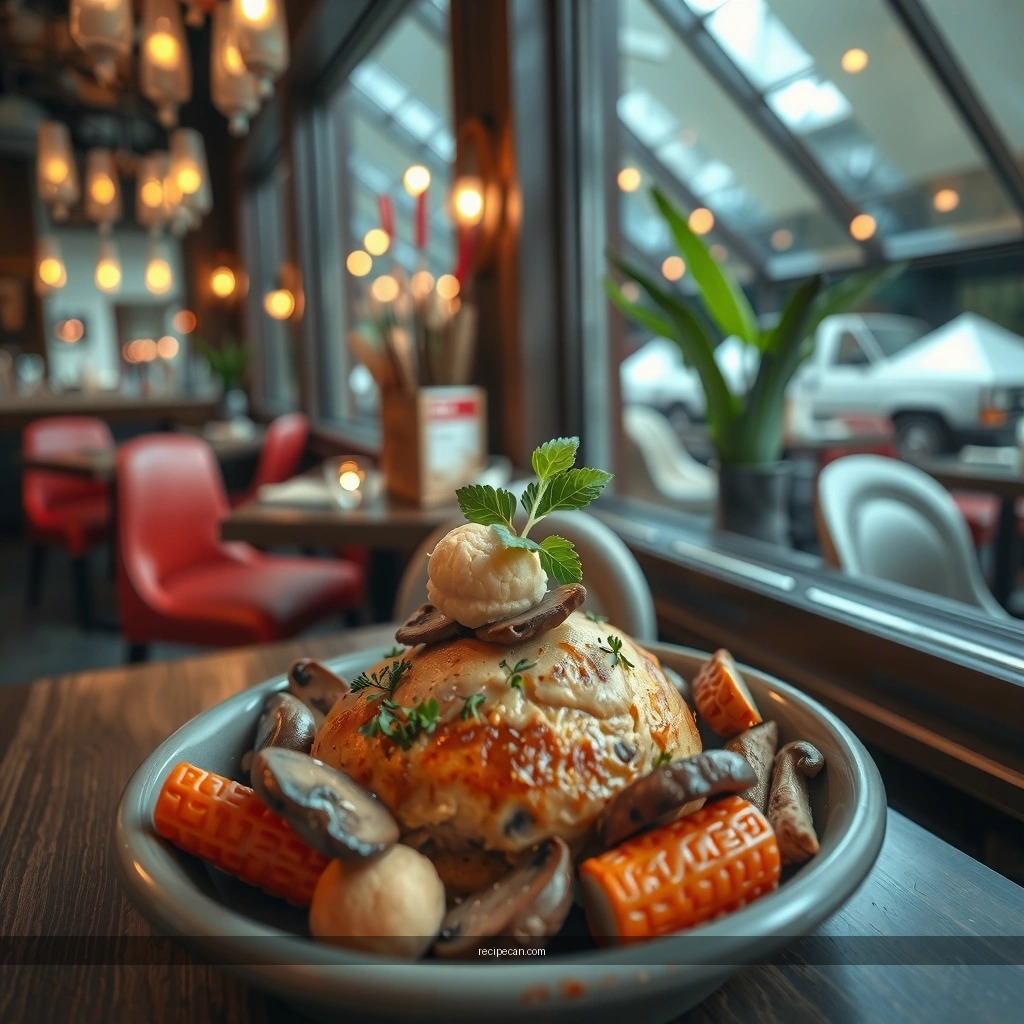
A savory mushroom bread pudding is only as good as its custard balance and mushroom flavor, so focus your ingredient choices on soakability, seasoning, and browning.
Bread
– Use day-old bread (brioche works for richness, sourdough works for tang, and country loaf works for a classic chew). Day-old bread absorbs custard better and bakes into distinct, tender cubes instead of collapsing into mush.
– Cut bread into 1-inch cubes for even soaking and consistent texture.
Mushrooms
– Choose fresh, firm mushrooms with minimal moisture on the exterior. Moist mushrooms steam instead of brown, which is one of the main texture killers for savory bread pudding.
– Common high-performing options include cremini and shiitake; porcini (reconstituted) is a great way to add “restaurant” depth.
Aromatics and fat
– Onions and garlic are the standard base; use yellow or sweet onions for balanced sweetness.
– Use butter for flavor and olive oil (or a neutral oil) for higher-heat control when sautéing mushrooms.
Custard
– Eggs provide structure; milk or half-and-half provides creaminess.
– Add seasoning to the custard—salt, black pepper, and optional thyme or sage. This is where bread pudding becomes “savory” rather than merely “baked bread.”
Optional boosters
– A splash of sherry or marsala can intensify mushroom notes.
– Grated cheese (like Gruyère or sharp cheddar) adds a salty, melty top that pairs well with custard.
– Low-sodium broth can round out flavor if your mushrooms taste mild.
Prepare the Mushrooms and Aromatics
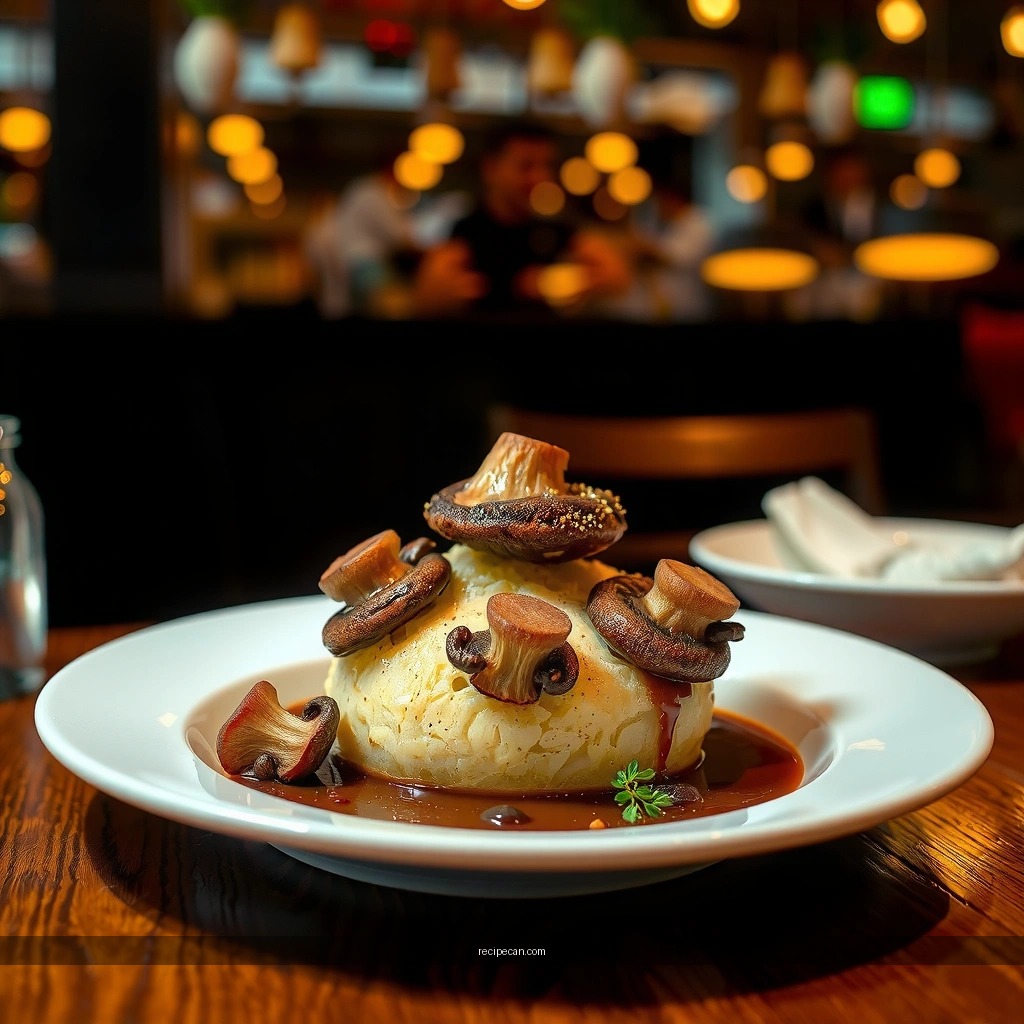
This step sets the ceiling for flavor. If the mushrooms don’t brown, the entire mushroom bread pudding will taste flatter.
1. Sauté mushrooms in batches (if needed).
Use a hot skillet and avoid overcrowding. Mushrooms release water; overcrowding traps that moisture and leads to steaming instead of caramelization. Browned mushrooms develop deeper, nuttier flavors that mimic slow-cooked meatiness.
2. Cook until moisture evaporates, then brown.
Watch for the pan to look drier and the mushrooms to take on golden-brown edges. This usually takes longer than most people expect—often 8–12 minutes depending on size and skillet heat.
3. Add onions/garlic after the first browning.
Onions can be sautéed until translucent and slightly sweet. Garlic should go in later (30–60 seconds before you finish) to prevent bitterness.
4. Season and cool slightly.
Salt and pepper early helps mushrooms draw out flavor, but cool the mixture a bit before mixing with bread—hot filling can partially cook eggs in custard-style recipes.
Quality control tips
– If your mushrooms look pale after 5 minutes, increase heat and reduce crowding rather than adding water.
– For extra aroma, add a pinch of dried thyme while sautéing, not only after baking.
Make the Custard and Soak the Bread

The custard is what turns bread pudding from “casserole” into custardy side dish. The goal is full saturation without turning the bake into soup.
Custard build
– Whisk eggs with milk or cream until fully combined.
– Season generously with salt and black pepper.
– Optional: include mustard powder (small amount) for savory depth, or a bit of nutmeg for warm background aroma.
Soaking strategy: quick, controlled, and even
– Toss bread with mushrooms, then pour custard over.
– Let it soak briefly (often 10–20 minutes) so bread hydrates. Longer soaking can work if your bread is very dry, but don’t leave it long enough that it loses structure.
– Stir gently once halfway through to ensure even distribution.
Analytical perspective: why “brief soak” matters
Bread cubes absorb liquid through capillary action. Too short and you’ll get dry pockets; too long and the cubes can break down, preventing clean slices and a firm custard set. In practice, day-old bread typically needs a moderate soak, especially once mushrooms and aromatics are added.
Best texture target
– Custard should look like it has been absorbed but the mixture should not be watery. When you spoon it into a dish, it should hold shape.
Assemble and Bake
Assembly affects both heat distribution and final texture. With mushroom bread pudding, you’re aiming for a set center and a golden top—not a rubbery edge or undercooked middle.
1. Use the right baking dish size.
A deeper dish yields more custardy thickness; a wider dish bakes faster and creates more browning. For most home ovens, a standard casserole dish works well for even cooking.
2. Transfer and cover for even cooking.
Cover with foil for part of the bake to prevent the top from over-browning while the center sets.
3. Bake until just set in the center.
The edges should look firm and the center should be set but still tender. If you have an instant-read thermometer, the custard is typically done around 160–170°F (71–77°C), depending on your custard richness.
4. Uncover to brown.
Finish uncovered so the top becomes golden and slightly crisp. That contrast—crisp top, creamy interior—is what makes savory bread pudding so satisfying.
Troubleshooting
– Wet middle: bake longer (and keep foil on to avoid top scorching).
– Dry, crumbly texture: next time increase custard slightly or soak a bit longer.
– Rubbery eggs: bake too long or at too high a temperature—lower the oven by 10–15°F if needed.
Serve and Customize Your Mushroom Bread Pudding
Once baked, treat mushroom bread pudding like a hearty side with flexible toppings. Its flavor profile works with rich mains, roasted vegetables, and even lighter salads.
Serve suggestions
– Pair with roast chicken, beef tenderloin, or a glazed ham.
– Serve alongside leafy greens or buttered green beans to balance richness.
Easy customization ideas
– Top with fresh herbs (chopped thyme, parsley, or chives) right after baking.
– Add a final scatter of grated cheese during the last 5–8 minutes for a deeper browned top.
– For a “sausage gravy” vibe without extra work, drizzle with a small amount of warm mushroom stock or light gravy.
Flavor expansions
– Add spinach folded in after mushrooms cool; it wilts quickly and boosts color.
– Use different mushroom blends for complexity (e.g., cremini for base + shiitake for umami).
– Stir in a small amount of roasted garlic for a sweeter, milder garlic note.
Portioning tip
For a clean slice, cool 5–10 minutes before serving. That brief rest helps the custard firm up and makes plating easier.
Storage and Reheating Tips
Leftovers are where savory bread pudding often improves—flavor continues to meld, and the custard holds together beautifully.
Storage
– Refrigerate promptly in a covered container.
– Best quality is usually within 2–3 days.
Reheating (restore texture)
– Oven: Reheat at a moderate temperature until warmed through; cover loosely with foil to prevent drying, then uncover briefly to refresh the top.
– Skillet: Reheat individual portions on medium-low with a small lid to warm the center without over-browning.
– Microwave (last resort): Convenient, but it can soften the top. If you must, reheat in short bursts and finish in a hot oven for crispness.
Make-ahead option
– Assemble the baking dish earlier, cover, refrigerate, and bake when ready. For best custard texture, keep soaking time controlled—overnight refrigeration works best if the custard is well-balanced and the bread isn’t already fully saturated.
Mushroom bread pudding is an easy way to turn bread and mushrooms into a warm, custardy, savory bake. Use browned mushrooms, a well-seasoned custard, and the right bake time for the best results. Make it tonight—then save leftovers and reheat for an even better second serving.
Choosing the right bread, browning mushrooms thoroughly, and baking until the custard is properly set are the three levers that make this recipe reliably great. Follow the process step-by-step—then customize toppings and mushroom blends to match your menu—and you’ll have a cozy, dinner-worthy mushroom bread pudding that performs as both comfort food and impressive side dish.
Frequently Asked Questions
What is the best recipe for mushroom bread pudding?
A classic mushroom bread pudding uses day-old bread, sautéed mushrooms (often cremini or button), onions, garlic, and a savory custard made from eggs and milk or cream. Combine the bread with the mushroom mixture, season with salt, pepper, thyme (or rosemary), and optionally add Parmesan or Gruyère for extra depth. Bake until the center is set and the top is golden, then rest briefly so the savory mushroom bread pudding holds together.
How do I make mushroom bread pudding with stale bread?
Tear or cube stale bread and soak it briefly in the egg-and-milk custard so it absorbs flavor without turning mushy. Sauté mushrooms and aromatics first, then fold them into the soaked bread mixture so the bread pudding recipe stays balanced and cohesive. If your bread is very dry, soak a bit longer; if it’s only slightly stale, use a shorter soak for better texture.
Why does my mushroom bread pudding come out watery or soggy?
Watery bread pudding usually happens when the mushrooms release too much moisture and the custard ratio is off. Cook the mushrooms until their liquid evaporates and the mixture looks dry and glossy, then cool slightly before combining with the bread. Also measure your egg-and-milk mixture carefully—using too much liquid relative to bread can prevent a proper set, even after baking.
Which mushrooms are best for savory bread pudding?
Cremini, shiitake, and oyster mushrooms are popular choices because they bring rich, umami flavor that stands up in a savory bread pudding. Cremini offers a familiar, earthy base, while shiitake adds deeper woodsy notes; mixing types can improve complexity. For best results, sauté mushrooms thoroughly and season them well so your mushroom bread pudding isn’t bland or under-seasoned.
How can I prevent mushroom bread pudding from becoming dry?
Dry texture typically comes from too much bread relative to the custard or overbaking. Use enough custard to fully saturate the bread, and aim for a bake time until the center is just set—start checking a few minutes early. Cover loosely with foil if the top browns too fast, and let the baked mushroom bread pudding rest before slicing to keep it moist and creamy.
References
- Google Scholar Google Scholar
https://scholar.google.com/scholar?q=mushroom+bread+pudding+recipe - Google Scholar Google Scholar
https://scholar.google.com/scholar?q=bread+pudding+mushrooms+custard - Google Scholar Google Scholar
https://scholar.google.com/scholar?q=mushrooms+in+baked+custard+recipes - Bread pudding
https://en.wikipedia.org/wiki/Bread_pudding - Mushroom
https://en.wikipedia.org/wiki/Mushroom - Custard
https://en.wikipedia.org/wiki/Custard - Bread
https://en.wikipedia.org/wiki/Bread - https://en.wikipedia.org/wiki/Vanilla_custard
https://en.wikipedia.org/wiki/Vanilla_custard - https://www.britannica.com/topic/bread-pudding
https://www.britannica.com/topic/bread-pudding - Mushroom | Definition, Characteristics, Species, & Facts | Britannica
https://www.britannica.com/plant/mushroom