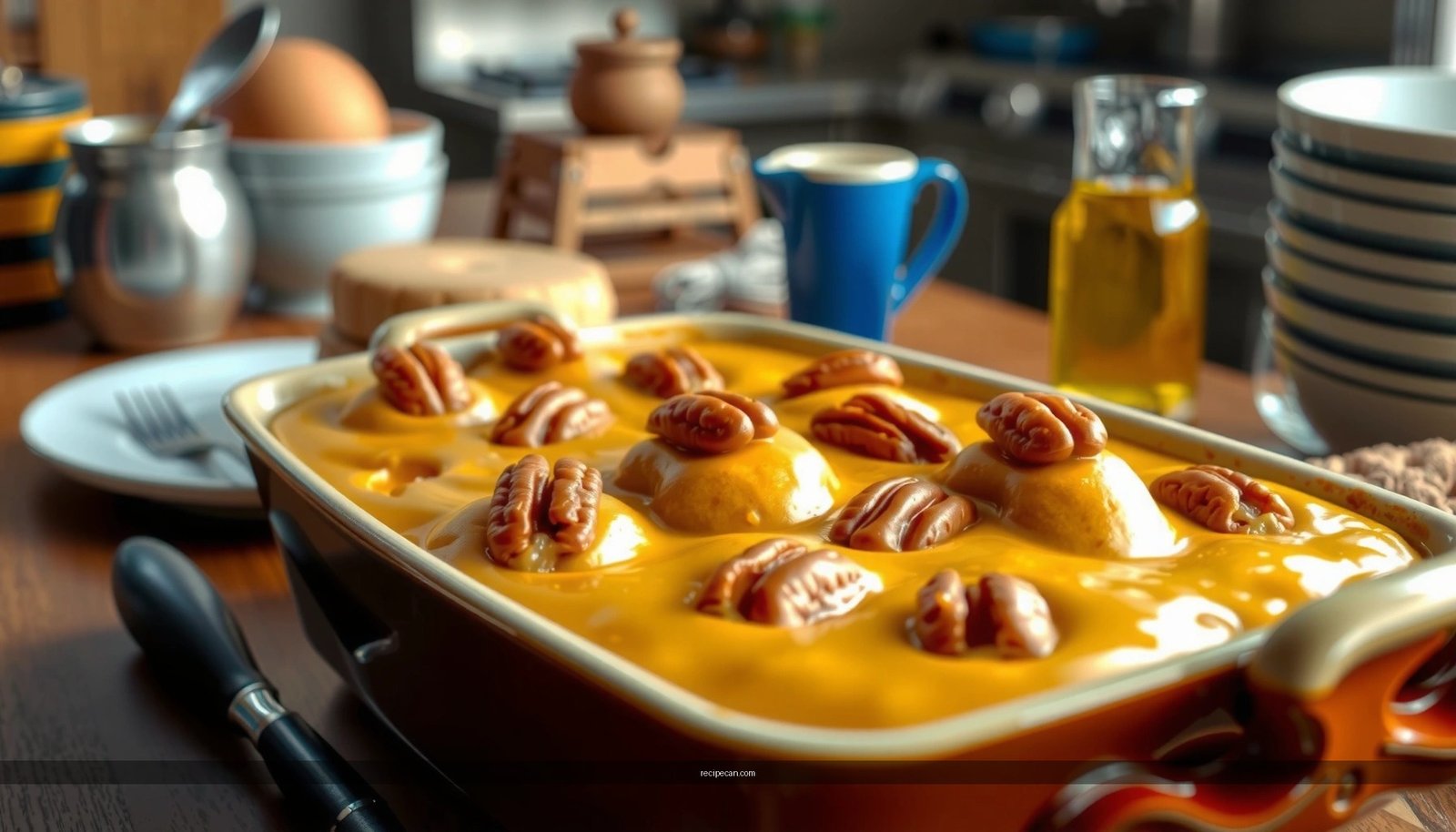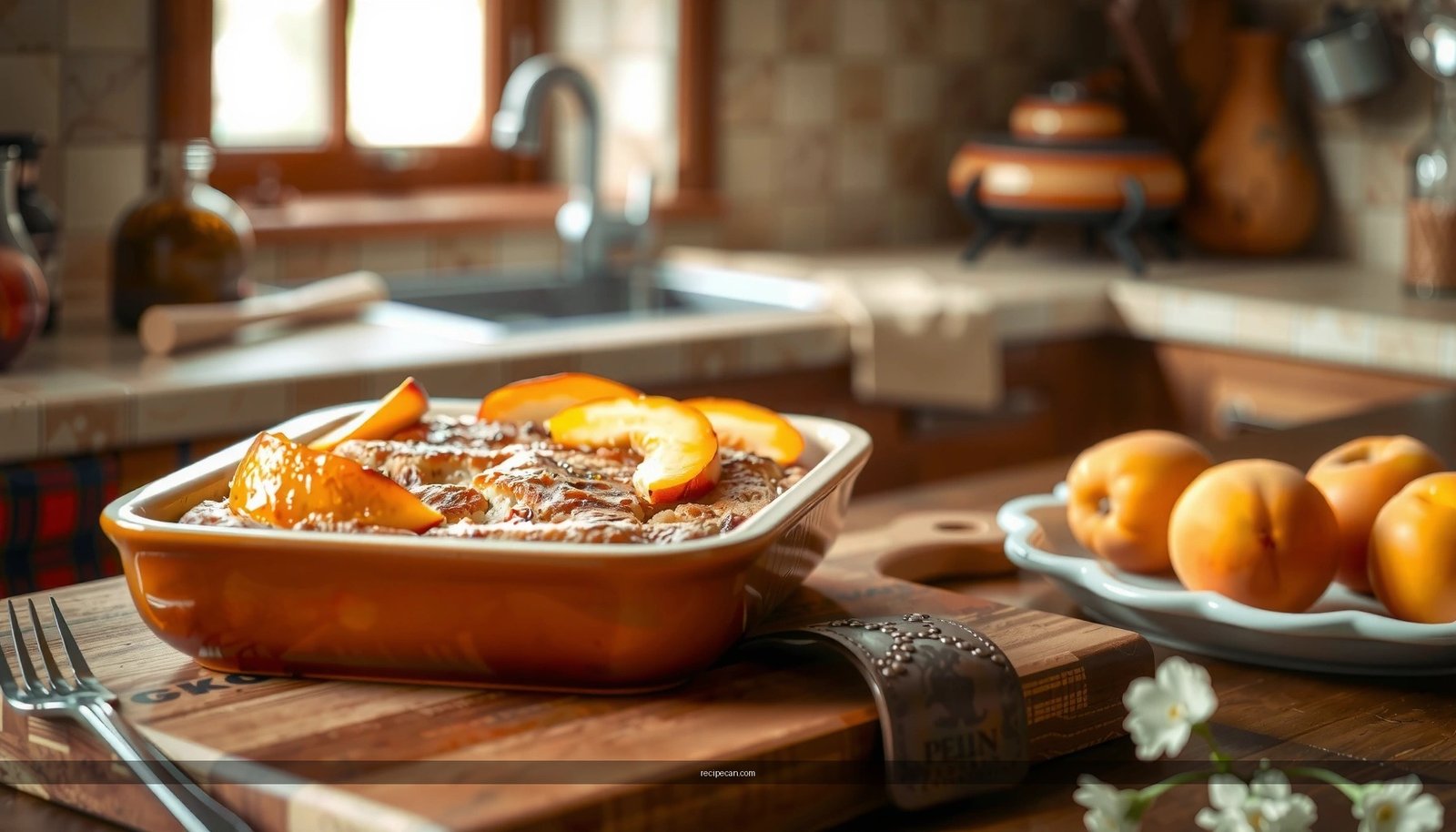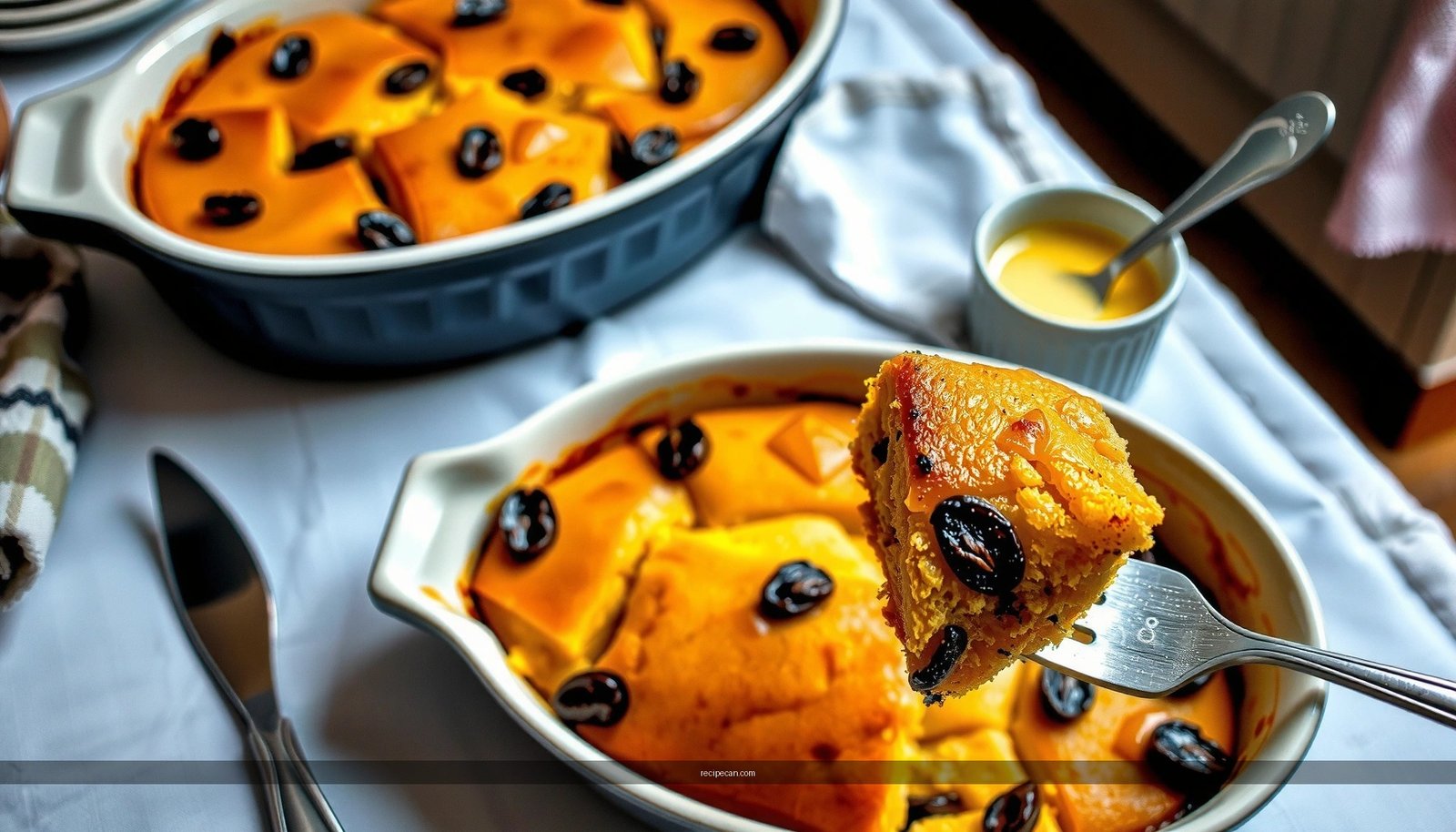
Craving a bread pudding New Orleans recipe that delivers the classic, custardy “sink-your-spoon” texture? This recipe is the winner when you want tender bread soaked in a rich vanilla custard, baked until the edges set and the center stays silky. Follow these sweet, step-by-step instructions to get that authentic New Orleans-style dessert with dependable results every time.
This bread pudding New Orleans recipe delivers a rich, custardy dessert by using day-old bread, a properly balanced vanilla-egg custard, and a controlled bake until the center is just set. Follow the soak-and-bake method closely—your biggest payoff is that soft interior with a lightly crisp, caramelized top.
Classic New Orleans Bread Pudding Ingredients
– Use day-old French bread or brioche for the best texture
Day-old bread is drier and more absorbent, which helps it drink up custard without turning into mush. French bread brings a classic structure; brioche adds a richer, buttery crumb that leans toward “custardy and tender” rather than “bready and chewy.” Either way, the goal is even saturation.
– Core flavor builders: milk, eggs, vanilla, cinnamon, sugar
Eggs thicken the custard and create that signature custardy set; milk provides creaminess and controls richness. Vanilla and cinnamon are non-negotiable for the traditional profile—especially when combined with sugar, which both sweetens and promotes gentle browning at the top.
– Optional richness: butter and bourbon (or a bourbon extract)
Many New Orleans–inspired versions use a small amount of bourbon for depth. It doesn’t aim to make the dessert taste boozy; it’s there to add a warm, oaky note that rounds out vanilla and spices. If you prefer alcohol-free, bourbon extract can give a similar aromatic effect without changing the bake.
To keep your bake consistent, view ingredient roles as “structure,” “custard,” and “aroma.” When those pieces are aligned, the dessert sets cleanly and tastes layered rather than one-dimensional.
Custard Balance for Bread Pudding (Yield: 8–10 servings)
| # | Component | Amount | Function | Result on Bake |
|---|---|---|---|---|
| 1 | Day-old bread (French or brioche) | 10 cups, 1-inch cubes | Absorbs custard evenly | Best custard-to-crumb ratio |
| 2 | Milk (whole or 2%) | 2 1/2 cups | Creamy base + set control | Smooth, sliceable center |
| 3 | Eggs | 4 large | Thickens custard as it bakes | Custardy, not runny |
| 4 | Granulated sugar | 1/3 cup | Sweetness + top browning | Golden, caramel-like notes |
| 5 | Vanilla extract | 2 tsp | Warm aromatic backbone | Classic New Orleans fragrance |
| 6 | Ground cinnamon | 1 1/2 tsp | Spice warmth + depth | Balanced, not overpowering |
| 7 | Bourbon (optional) | 2 tbsp | Aromatic complexity | Adds depth, ★★★★☆ impact |
Prep the Bread for the Best Custard Texture
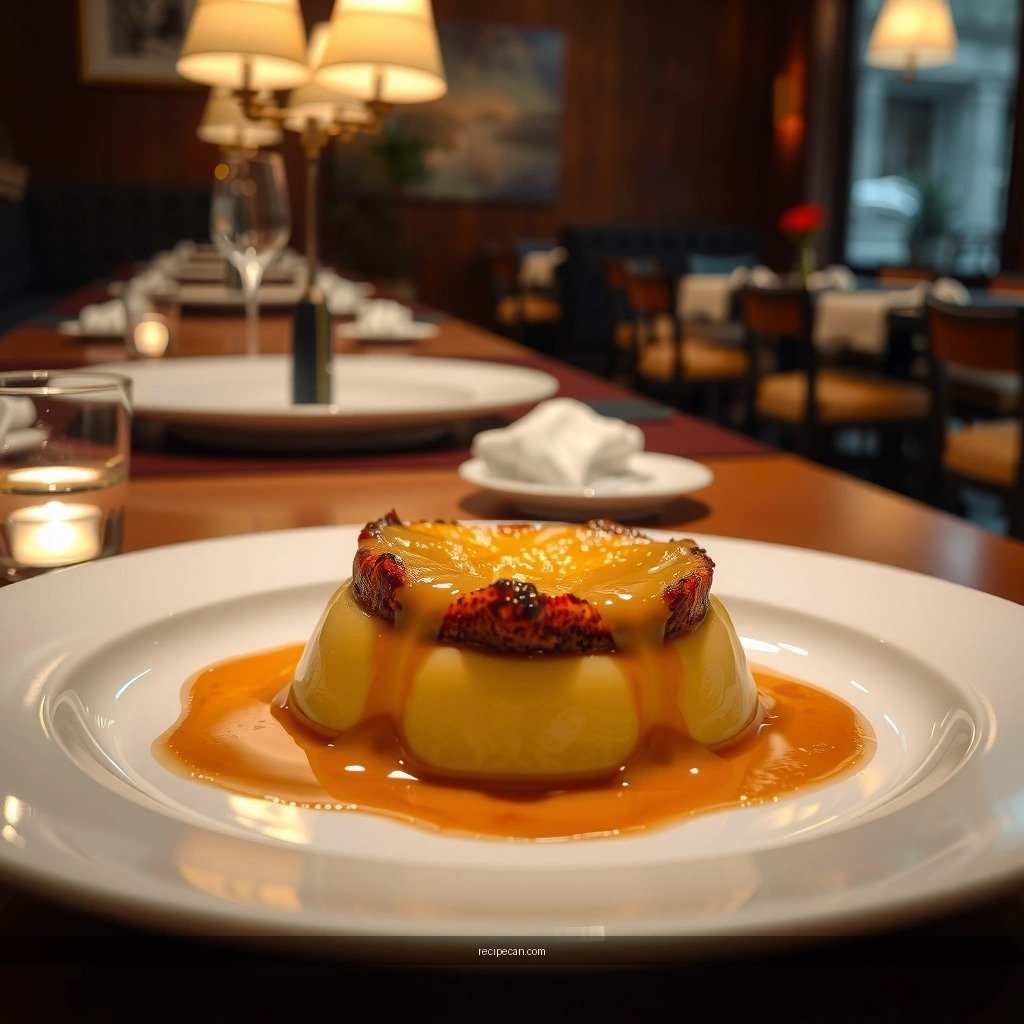
– Cube or tear bread evenly so it absorbs custard consistently
Uniform pieces absorb custard at roughly the same rate. If some pieces are much larger, they can remain under-soaked, while smaller bits can over-saturate and collapse. In practical terms: aim for 1-inch cubes, and if tearing, keep pieces similar in size so your custardy bread pudding doesn’t develop “dry zones.”
– Dry the bread slightly or toast lightly for better structure
If your bread is only “stale” and still feels flexible, you can dry it further by letting cubes sit uncovered for a few hours or toasting lightly at a low temperature (around 300°F/150°C for 8–10 minutes). This increases surface area readiness and helps the top hold a gentle structure.
– Aim for a soak that’s thorough but not soggy
Custard should penetrate and coat, not flood. The ideal bread pudding soak results in bread pieces that look saturated but still hold shape. If your dish is oversaturated before baking, the final texture can drift toward gummy rather than custardy.
Pro tip: if you’re using a very soft brioche, you may want slightly more bread volume or a shorter rest to avoid overly loose edges. If you’re using a crustier French bread, a longer rest becomes more important.
Mix the Custard Base

– Whisk eggs, milk, sugar, vanilla, and cinnamon until smooth
Whisking matters because egg streaks lead to uneven set—some areas become firmer while others remain looser. Whisk until the sugar dissolves and the mixture looks fully uniform. This is the “controlled chemistry” step of your classic bread pudding New Orleans approach.
– Stir in bourbon (if using) right before assembling
Bourbon adds aroma, and timing helps retain it. Stir it in after the custard base is combined so it disperses evenly rather than sitting in pockets.
– Don’t overmix—keep it well combined, not foamy
Excess air can create a custard that rises slightly and then collapses, leaving streaky texture. Mix just enough to blend and then stop. Think “smooth, not aerated.”
If you want a more restaurant-style consistency, strain the custard once through a fine sieve before pouring. It’s a small step that eliminates the risk of cooked egg bits from undermixed eggs.
Assemble and Soak
– Layer bread into a greased baking dish evenly
Greasing prevents sticking and helps the top release with clean edges. Use a baking dish where the bread forms an even layer—typically 8×8 inches for thicker pudding or 9×13 for a flatter bake. Even coverage supports even custard absorption and consistent doneness.
– Pour custard over bread and let it rest to fully absorb
Resting time is where most “custardy vs. bready” outcomes are decided. For best results, let it rest 20–30 minutes at room temperature (or up to 4 hours in the refrigerator if you prefer prep-ahead). During this window, bread swells and absorbs custard into the interior.
– Press gently if needed so no dry pockets remain
If you see bread still protruding above the custard surface, press lightly with a spoon or spatula so all pieces contact the liquid. Dry pockets often cause the disappointing “crumbly corners” that people mistakenly attribute to ingredient quality.
For scheduling: you can bake immediately after a 20-minute rest for a looser custard, or extend the rest for a denser, more set interior.
Bake to Set and Develop the Top
– Bake until the center is just set and the top is lightly golden
Overbaking is the most common failure mode. The center should jiggle slightly—like soft gelatin—when you gently move the pan. As it cools, it will firm up. Look for a lightly golden top, not dark brown.
– If the top browns too fast, tent with foil partway through
Every oven differs. If the top is coloring earlier than the center sets, tent with foil loosely. This protects the appearance while letting the custard continue to bake evenly.
– Rest before serving for clean slices and better flavor
Resting is not optional. A good 15–25 minute cool down lets the custard stabilize so slices hold. Serve too early and you’ll get a runnier interior and less coherent “custard chew.”
Recommended target doneness: the edges should look set, while the center should be mostly set with a mild wobble. If you use a thermometer, a custard set usually lands around the mid-160s°F to 170°F (about 71–77°C), though ovens vary.
Serving Ideas and Flavor Variations
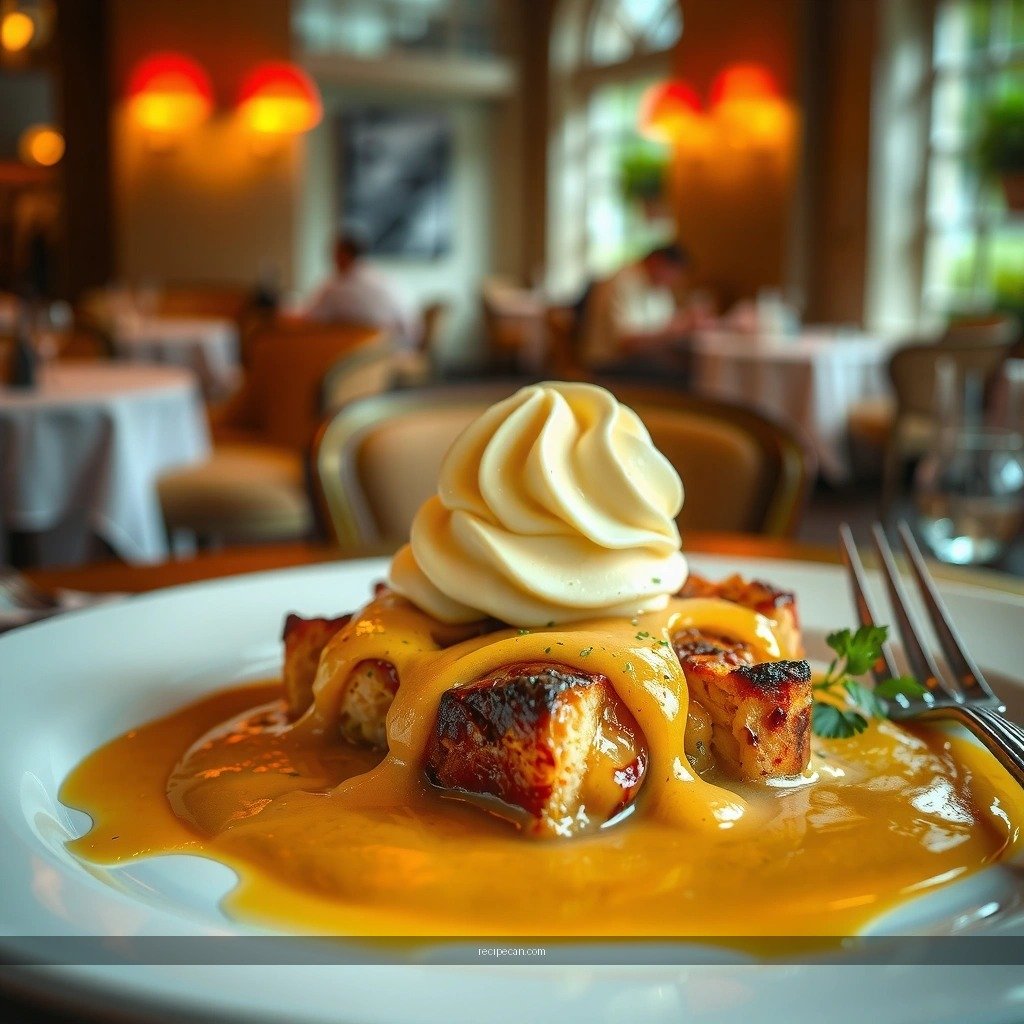
– Serve warm with vanilla sauce, caramel, or sweetened condensed milk
Warm bread pudding New Orleans style is best when the topping complements the custard’s vanilla-cinnamon backbone. Vanilla sauce amplifies classic aromatics; caramel adds a deeper, buttery sweetness; sweetened condensed milk creates a rich, almost flan-like gloss.
– Add raisins or chocolate chips for extra pockets of flavor
Raisins introduce chewy sweetness and a faint tang that balances cinnamon. Add them evenly by tossing in a little flour (about 1 tablespoon per cup of add-ins) to help reduce sinking. Chocolate chips create melting pockets that contrast with the custard—especially appealing if you’re serving a broader crowd.
– For a New Orleans twist, consider a pinch more cinnamon and nutmeg
Nutmeg isn’t mandatory, but a small pinch can give a more “dessert-forward” spice profile. Keep it modest—nutmeg can dominate if you overdo it. Think “supporting character,” not “lead.”
If you’re aiming for a more traditional bourbon-kissed dessert, increase bourbon slightly (from 2 tbsp to 3 tbsp) and reduce milk by 1–2 tablespoons to keep the custard balance. The key is maintaining the overall liquid-to-egg ratio so the pudding still sets cleanly.
Warm up this bread pudding New Orleans recipe in your next bake day and follow the soak-and-bake method for that classic custardy texture. Try one variation—like raisins or a bourbon option—then share your results (and any tweaks) so you can perfect your own go-to version.
Bread pudding in New Orleans is less about a single “secret ingredient” and more about controlled technique: choosing day-old bread, mixing a smooth custard, soaking until fully absorbed, and baking just until set with a lightly golden top. If you nail the rest time and avoid overbaking, you’ll consistently get the soft, custardy interior with that signature warm vanilla-cinnamon flavor—and the option to layer bourbon depth when you want it.
Frequently Asked Questions
What makes a classic New Orleans bread pudding different from other bread pudding recipes?
A classic bread pudding New Orleans recipe typically uses rich custard with evaporated milk or sweetened condensed milk, along with whole milk for a creamy texture. Many versions also include vanilla and warm spices like cinnamon or nutmeg, and some cooks add a bourbon or rum twist for the signature flavor. The bread is soaked long enough to create a soft, custardy center while still allowing some crispy edges.
How do you make New Orleans bread pudding without it getting soggy or dry?
Start by using slightly stale bread (like French bread or brioche) so it absorbs the custard without turning gummy. Let the bread soak in the milk-egg mixture just until saturated, then pour into a baking dish and bake at a steady temperature until the center is set but still tender. If you want more moisture, cover with foil for part of the bake; if it’s coming out too soft, uncover for the final minutes and ensure your custard ratio is balanced.
Which bread is best for a New Orleans bread pudding recipe—French bread, brioche, or something else?
Brioche is a popular choice because its buttery texture creates a custard-rich, dessert-like crumb, while French bread provides a slightly firmer structure with great toastiness on top. You can also mix breads for variety, but avoid overly sweet cake-like bread because it can make the dessert too dense. For the most reliable New Orleans bread pudding results, use bread that’s a day or two old and cut it into small cubes for even soaking.
Why do people add bourbon or rum to bread pudding in New Orleans, and how should you adjust it?
In many New Orleans-style recipes, bourbon or dark rum adds warm depth and a subtle caramel note that complements vanilla and spices. To adjust for your preference, start with a modest amount (for example, a few tablespoons) and taste the custard before baking when possible. If you’re baking for kids or avoiding alcohol, you can substitute rum extract or use a splash of vanilla plus a little extra spice to keep the flavor profile.
Best way to serve New Orleans bread pudding—what topping should you use?
The most classic pairing is a bourbon vanilla sauce or a warm custard-style sauce, which soaks into the bread pudding and enhances its New Orleans flavor. Butter sauce, caramel sauce, or a light powdered sugar dusting can also work if you want less sweetness. Serve warm, ideally shortly after baking, because the crust is at its best and the custard is most creamy.
References
- Bread pudding
https://en.wikipedia.org/wiki/Bread_pudding - Cuisine of New Orleans
https://en.wikipedia.org/wiki/New_Orleans_cuisine - https://www.britannica.com/topic/bread-pudding
https://www.britannica.com/topic/bread-pudding - Google Scholar Google Scholar
https://scholar.google.com/scholar?q=bread+pudding+new+orleans+recipe - Google Scholar Google Scholar
https://scholar.google.com/scholar?q=new+orleans+bread+pudding+bourbon - Google Scholar Google Scholar
https://scholar.google.com/scholar?q=bread+pudding+history+Louisiana+New+Orleans - https://www.nytimes.com/search?query=bread%20pudding%20new%20orleans
https://www.nytimes.com/search?query=bread%20pudding%20new%20orleans - https://www.theguardian.com/search?q=bread%20pudding%20new%20orleans
https://www.theguardian.com/search?q=bread%20pudding%20new%20orleans - https://www.bbc.co.uk/search?q=bread%20pudding%20new%20orleans
https://www.bbc.co.uk/search?q=bread%20pudding%20new%20orleans - https://www.loc.gov/search/?q=New%20Orleans%20bread%20pudding
https://www.loc.gov/search/?q=New%20Orleans%20bread%20pudding