This sugar free tapioca pudding recipe delivers the easiest path to a creamy, set dessert without added sugar. If you want a thick, spoonable pudding that tastes like the classic version while keeping sweetness controlled, this step-by-step method answers it. Expect reliable results with simple ingredients and clear timing so your tapioca turns tender every time.
You can make sugar free tapioca pudding that turns out creamy and dessert-ready by using the right liquid-to-pearl ratio, simmering until the pearls are fully translucent, and then resting it briefly so it sets smoothly. This easy tapioca pudding recipe delivers tender, non-grainy pearls with no added sugar—using tapioca pearls plus a sugar-free sweetener and a simple dairy (or unsweetened alternative) base.
Tapioca Pearl Cooking Method & Expected Texture (Practical Home Range)
| # | Pearl Type / Method | Typical Simmer Time | Liquid Ratio (Milk:Water) | Texture Reliability | Graininess Risk |
|---|---|---|---|---|---|
| 1 | Quick-cook pearls, simmer only | 10–14 min | 1:0 (use all milk) | ★★★★☆ | Low |
| 2 | Quick-cook pearls, boil 1 min then simmer | 12–16 min | 1:0.25 (milk with small water splash) | ★★★★☆ | Low–Med |
| 3 | Regular pearls, no soak | 22–30 min | 1:0.5 (add water to prevent sticking) | ★★★☆☆ | Med |
| 4 | Regular pearls, soak 20–30 min | 16–22 min | 1:0.25 | ★★★★☆ | Low |
| 5 | Regular pearls, soak + frequent stirring | 17–24 min | 1:0.25 | ★★★★☆ | Low |
| 6 | Thicker pudding target (longer simmer) | +6–10 min over baseline | 1:0 to 1:0.25 | ★★★☆☆ | Med–High |
| 7 | Thin pudding target (add milk/water near end) | Baseline +0–3 min | 1:0.25 → 1:0.5 late | ★★★★☆ | Low |
Ingredients for Sugar Free Tapioca Pudding
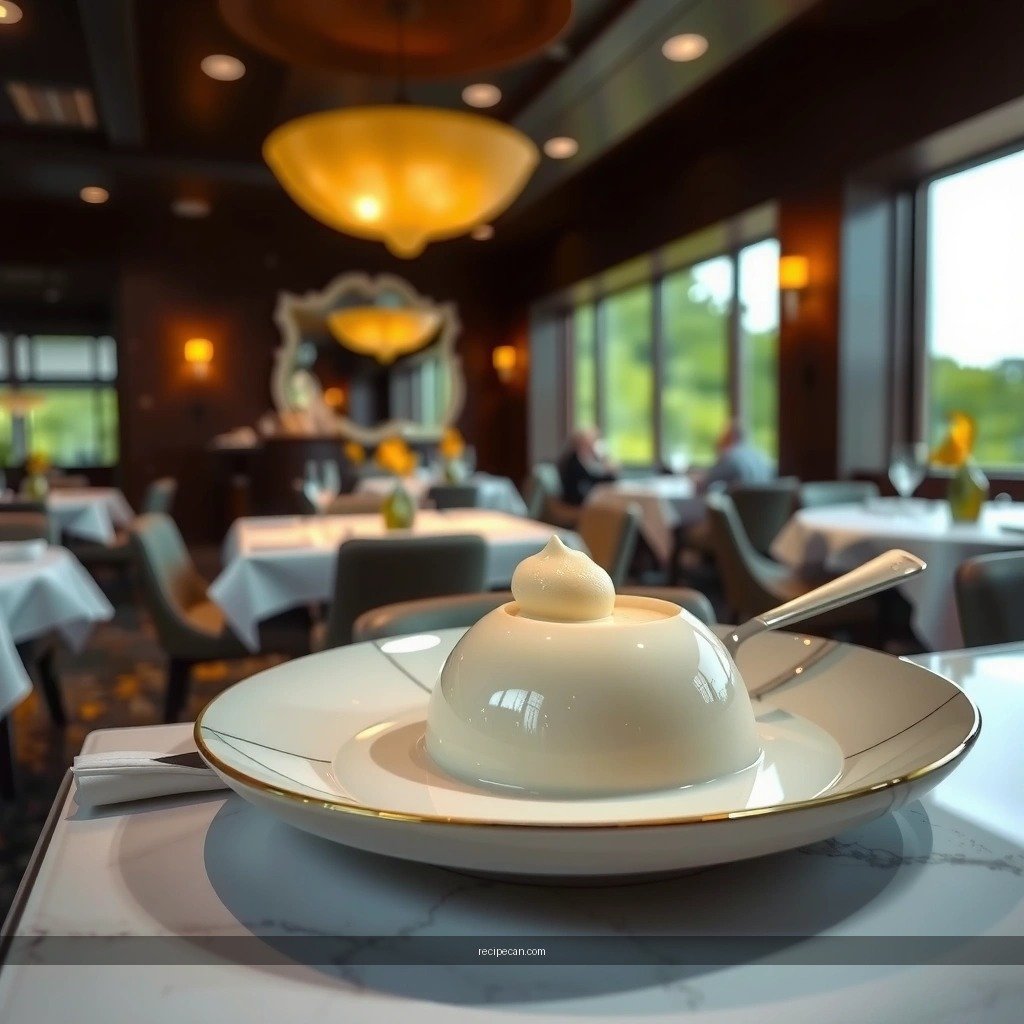
– Choose tapioca pearls (quick-cook or regular) and the right milk base (dairy or unsweetened alternative)
– Pick a sugar-free sweetener (to taste) and flavor boosters like vanilla or cinnamon
Start with tapioca pearls—these are the engine of classic tapioca pudding. For a sugar free tapioca dessert, the most important ingredient choices are (1) the pearl type and (2) your milk base, because both determine how quickly the pearls become tender and how easily the pudding thickens.
Tapioca pearls
– Quick-cook pearls: Ideal when you want the simplest path to tender, translucent pearls without long cook time. They still require stirring, but they generally go from “opaque” to “translucent” faster.
– Regular pearls: Great for a traditional texture, but they usually need soaking and a longer simmer to fully soften without graininess.
Milk base (dairy or alternative)
– Dairy milk (whole or 2%): Produces the creamiest mouthfeel and helps tapioca achieve a smooth, custard-like body.
– Unsweetened almond milk, cashew milk, or coconut milk beverage: Works well for sugar free pudding, but keep in mind lower-fat milks may set slightly thinner. You can compensate by using a slightly higher pearl ratio or a longer rest off the heat.
Sugar-free sweetener
Choose a sweetener that suits your taste and your preferred aftertaste profile. In practice, many home cooks find these work well in tapioca:
– Erythritol/erythritol blends (often “granular sweeteners”): Mixes easily and performs like sugar in hot liquids.
– Allulose: Provides sugar-like browning/texture behavior (though tapioca pudding generally doesn’t rely on caramelization).
– Stevia/monk fruit blends: Can work, but add gradually—some blends taste best with vanilla and a small amount of salt.
Flavor boosters
Vanilla is the most reliable partner for creamy tapioca pudding. Cinnamon also adds warmth without adding sugar. For a more complex “dessert” profile, consider:
– vanilla extract or vanilla bean paste
– a pinch of cinnamon (or freshly grated nutmeg)
– lemon zest (very small amount—just to brighten)
Practical baseline ratio (for 4 servings)
– Tapioca pearls: 1/2 cup (about 80–90 g depending on brand)
– Liquid total: 3 to 3 1/2 cups (split between milk and water if needed)
– Sweetener: start low, then adjust at the end to taste (tapioca can mute sweetness as it thickens)
Step-by-Step Cooking Instructions
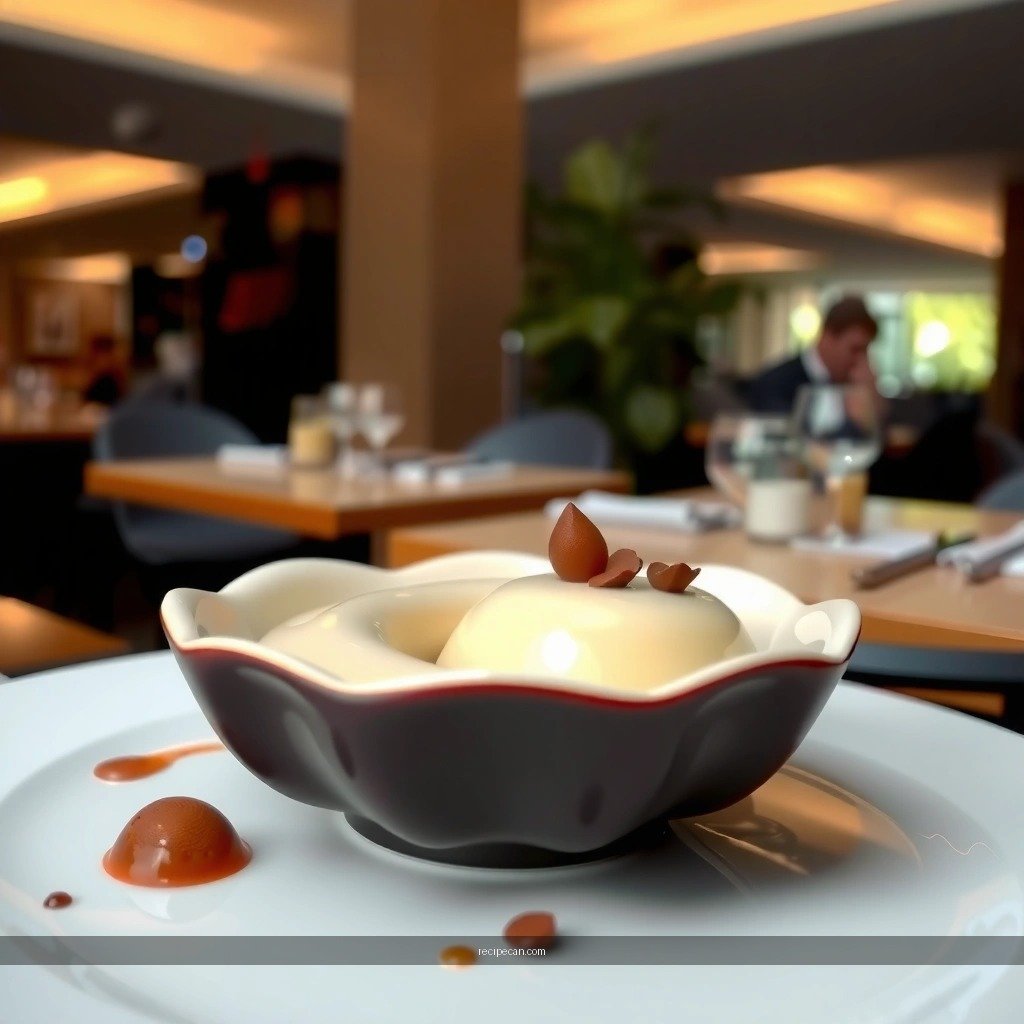
– Soak (if needed) and simmer tapioca pearls until fully translucent
– Stir frequently and adjust thickness by adding a splash of milk or water as it cooks
A sugar free tapioca pudding recipe lives or dies by the details: heat control, stirring frequency, and the point at which the pearls become translucent. Follow this process for reliably tender pearls.
1) Prep the pearls (soak if you’re using regular pearls)
– If your pearls say soak required, soak them in cold water for 20–30 minutes, then drain.
– If you have quick-cook pearls, soaking usually isn’t needed—check the package guidance, but you can often start immediately.
Why soak? Soaking reduces the time pearls spend in the thickening liquid at a potentially uneven temperature, which lowers the chance of a soft outside and firm center.
2) Simmer and stir for translucency
1. In a medium saucepan, combine your milk base and (if using) a portion of water.
2. Bring to a gentle simmer over medium heat.
3. Add tapioca pearls and reduce to a steady simmer.
4. Stir frequently, especially during the first half of cooking. Tapioca pearls can stick to the bottom as they hydrate and thicken.
Watch for the visual cue: fully cooked pearls turn translucent. You may still see a slight center blur depending on brand, but the goal is no chalky core.
3) Sweeten at the right time
Add sweetener during the final 2–5 minutes so it dissolves without boiling aggressively. If using delicate sweeteners, consider turning the heat down to low and stirring until fully mixed.
4) Adjust thickness as it cooks
If it’s getting too thick before pearls are done, add:
– a splash of warm milk for creaminess, or
– a splash of water for a lighter set
If it’s too thin near the finish, simmer a bit longer, but keep stirring to prevent uneven thickening.
Target doneness: pearls should be tender enough to eat without resistance, and the pudding should coat the back of a spoon.
Getting the Perfect Texture (Not Grainy)
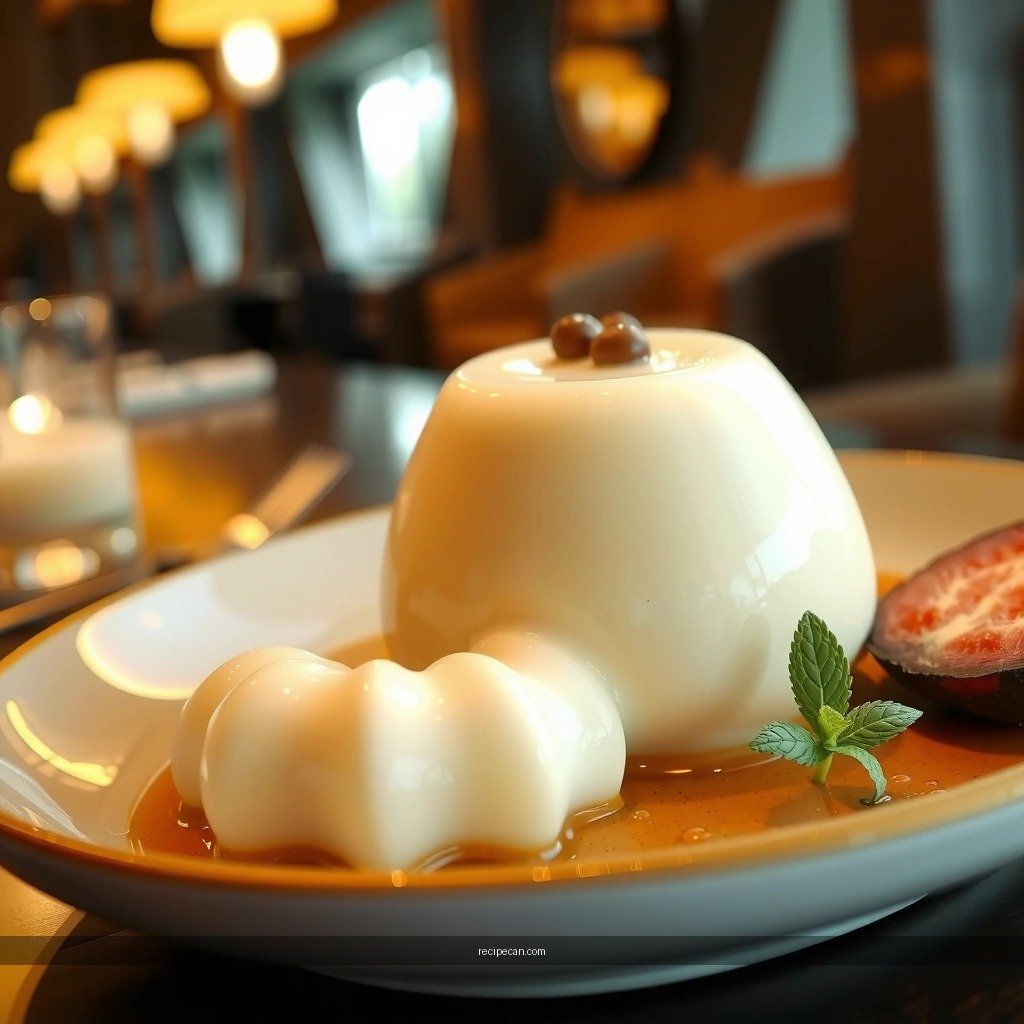
– Control heat to prevent uneven thickening and stuck pearls
– Rest the pudding briefly off the heat to let it set and smooth out
Graininess is usually caused by one of three issues: undercooked pearls, overheating, or insufficient hydration time.
Control heat like a custard (not like oatmeal)
Tapioca pudding behaves differently than many starch-thickened desserts. High heat can thicken too fast and trap pearls in a starch “skin,” leaving interior firmness.
Best practice:
– keep the liquid at a gentle simmer
– stir consistently
– avoid letting it rapidly boil
Use the “translucent pearl” checkpoint
Do not rely only on minutes—brands vary. Instead:
– cook until pearls are fully translucent
– then do a brief final simmer to unify texture
Rest off the heat
After you turn off the heat, let the pudding sit for 5–10 minutes. During this rest:
– residual heat finishes hydration
– starch gel structure stabilizes
– the pudding smooths out as bubbles release and the mixture sets
If you skip the rest, it may taste slightly looser or less cohesive right away.
Thickening Tips and Flavor Variations
– Use additional simmer time for thicker pudding, or thin with warm milk for a softer set
– Flavor options: vanilla bean, coconut, lemon zest, or a pinch of nutmeg
Sugar-free tapioca pudding can be tuned from “spoonable dessert” to “thick, spoon-standing” depending on how long you simmer and how much liquid you allow to reduce.
Thickening control
– Thicker pudding: simmer 2–6 minutes longer after pearls reach translucency. Keep stirring.
– Softer set (wider tolerance): stop cooking as soon as pearls are translucent, then add 1–4 tablespoons of warm milk near the end to loosen slightly.
– After cooling: expect further thickening in the fridge. Plan a slightly looser texture if serving chilled.
Flavor variations that work well with no added sugar
These add complexity without compromising the “sugar free” goal:
– Vanilla bean: Stir in vanilla bean paste (or extract) off heat for maximum aroma.
– Coconut vibe: Use unsweetened coconut milk beverage as part of the liquid base, plus a small pinch of salt to enhance flavor.
– Lemon zest brightness: Add a teaspoon of zest near the end. Keep it small—zest is potent.
– Nutmeg warmth: A pinch of nutmeg turns pudding into a holiday-style dessert.
– Cinnamon swirl style: Add cinnamon during simmer and sweeten slightly earlier so it blooms in the hot liquid.
Professional tip: Flavor reads “stronger” in chilled pudding. If you’re meal prepping, taste and adjust after chilling once (or start slightly under-seasoned and correct on serve day).
Storage and Make-Ahead Instructions
– Refrigerate in an airtight container and stir before serving if it thickens further
– Keeps well for several days—great for meal prep and quick desserts
Sugar free tapioca pudding stores very well because the starch gel sets into a stable custard-like texture.
How to store
– Cool to room temperature (about 30–60 minutes) before refrigerating.
– Transfer to an airtight container.
– Press a small piece of parchment or plastic wrap directly onto the surface (optional) to minimize skin formation.
How long it lasts
– Keep refrigerated for 3–4 days for best texture and flavor.
Re-serving / texture rescue
Tapioca pudding often thickens further when cold. To restore a creamy consistency:
– stir vigorously, or
– warm it gently with a splash of milk/water (1–2 tablespoons per cup), then cool again if desired.
Meal prep strategy
If you’re prepping for a week, portion into cups early, then stir and re-loosen each batch at the time you serve.
Serving Ideas for a Sugar Free Treat
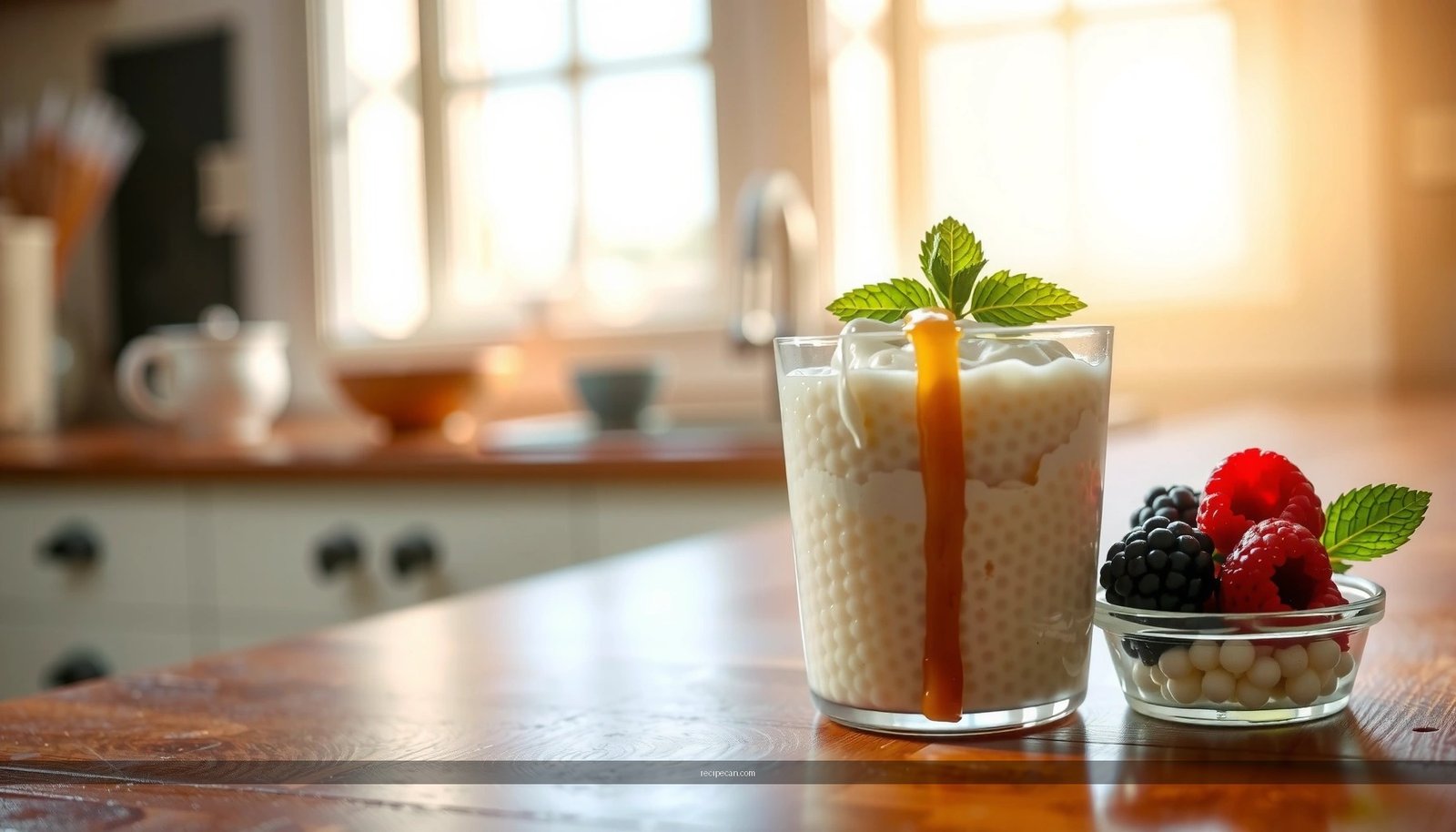
– Serve warm or chilled with toppings that fit your diet (berries, cinnamon, whipped topping)
– Portion into cups for grab-and-go treats and easy sweet control
Tapioca pudding is versatile: it’s excellent warm (more custard-like) and chilled (more spoonable). Keep your serving style aligned with your diet and sweetness goals.
Topping ideas that complement no added sugar
– Fresh berries (blueberries, raspberries, strawberries): bright acidity balances creamy tapioca.
– Extra cinnamon: enhances perception of sweetness without extra sugar.
– Sugar-free whipped topping: add texture and “dessert” appeal.
– Toasted coconut (unsweetened): adds crunch and aroma.
– Pumpkin spice (in small amounts): great for seasonal flavor without added sugar.
Portioning for control and convenience
For grab-and-go desserts:
– portion into 4 small cups (or 6 smaller portions)
– label with the date
– stir once right before eating if it thickens overnight
This makes it easier to keep your overall sugar intake consistent while still enjoying a creamy, satisfying dessert.
When you master sugar free tapioca pudding at home, the process becomes repeatable: focus on simmer time, liquid balance, and the resting phase to lock in a smooth texture. Make this recipe once, note how your preferred pearl type behaves, then fine-tune sweetness and thickness—before trying a flavor variation like lemon zest or vanilla bean for your next quick dessert.
In summary, tender, non-grainy sugar free tapioca pudding is achievable with a clear approach: pick the right tapioca pearls, simmer at a gentle heat until fully translucent, adjust thickness with warm milk or water, and rest briefly off the heat before serving. Add your sugar-free sweetener near the end, refrigerate properly for make-ahead convenience, and tailor texture with simple liquid adjustments so you consistently get creamy results every time.
Frequently Asked Questions
What is the best sugar free tapioca pudding recipe for beginners?
A beginner-friendly sugar free tapioca pudding recipe uses quick-cooking tapioca, almond milk or coconut milk, and a sugar substitute like erythritol or monk fruit sweetener. Look for a formula that includes vanilla, a pinch of salt, and a thickening technique that simmers gently until the pearls turn translucent. Using quick-cooking tapioca reduces the chance of graininess and makes the texture more foolproof.
How do you make sugar free tapioca pudding creamy instead of grainy?
Creaminess comes from fully hydrating the tapioca and stirring consistently while it cooks. If your recipe calls for instant or quick tapioca, simmer until the mixture thickens and the pearls are clear; for traditional tapioca pearls, soak them first to prevent a gritty texture. Also consider blending briefly or whisking vigorously at the end, and let the pudding rest in the fridge to set properly.
Why does tapioca get rubbery in sugar free pudding recipes, and how can you prevent it?
Rubberiness usually happens when tapioca is overcooked or simmered too aggressively for too long. Keep the heat at a gentle simmer, stir often, and follow the exact timing for your specific tapioca type (instant vs. quick vs. pearls). If the pudding thickens too much during cooling, you can loosen it with a splash of milk and whisk until smooth.
Which sugar substitute works best for sugar free tapioca pudding?
Erythritol and monk fruit are popular choices because they sweeten well without raising blood sugar much, and they dissolve easily in warm liquid. If using stevia, start with a smaller amount since it can taste bitter at higher levels, and pair it with vanilla for balance. For best results, choose a sweetener that is granulated or designed for cooking to avoid an aftertaste in dairy-based desserts.
How long should you chill sugar free tapioca pudding before serving?
Sugar free tapioca pudding is usually best after chilling for at least 2–4 hours, because the tapioca continues absorbing liquid and the pudding thickens as it cools. For a firmer texture, refrigerate overnight, especially if you’re using traditional tapioca pearls. Store covered in the fridge for up to 3–4 days, and stir gently before serving to restore smoothness.
References
- Google Scholar Google Scholar
https://scholar.google.com/scholar?q=sugar-free+tapioca+pudding+recipe - Google Scholar Google Scholar
https://scholar.google.com/scholar?q=tapioca+starch+glycemic+index+study - Google Scholar Google Scholar
https://scholar.google.com/scholar?q=sugar+substitutes+diabetes+sucralose+acesulfame+k+systematic+review - Tapioca
https://en.wikipedia.org/wiki/Tapioca - USDA FoodData Central
https://fdc.nal.usda.gov/ - https://www.fda.gov/food/food-labeling-nutrition/sugar-claims
https://www.fda.gov/food/food-labeling-nutrition/sugar-claims - https://www.who.int/publications/i/item/9789241548126
https://www.who.int/publications/i/item/9789241548126 - https://pubmed.ncbi.nlm.nih.gov/?term=tapioca+starch+glycemic+index
https://pubmed.ncbi.nlm.nih.gov/?term=tapioca+starch+glycemic+index - https://pubmed.ncbi.nlm.nih.gov/?term=tapioca+starch+digestion+resistant+starch
https://pubmed.ncbi.nlm.nih.gov/?term=tapioca+starch+digestion+resistant+starch - https://www.sciencedirect.com/search?qs=tapioca%20starch%20digestibility%20physicochemical%20properties
https://www.sciencedirect.com/search?qs=tapioca%20starch%20digestibility%20physicochemical%20properties