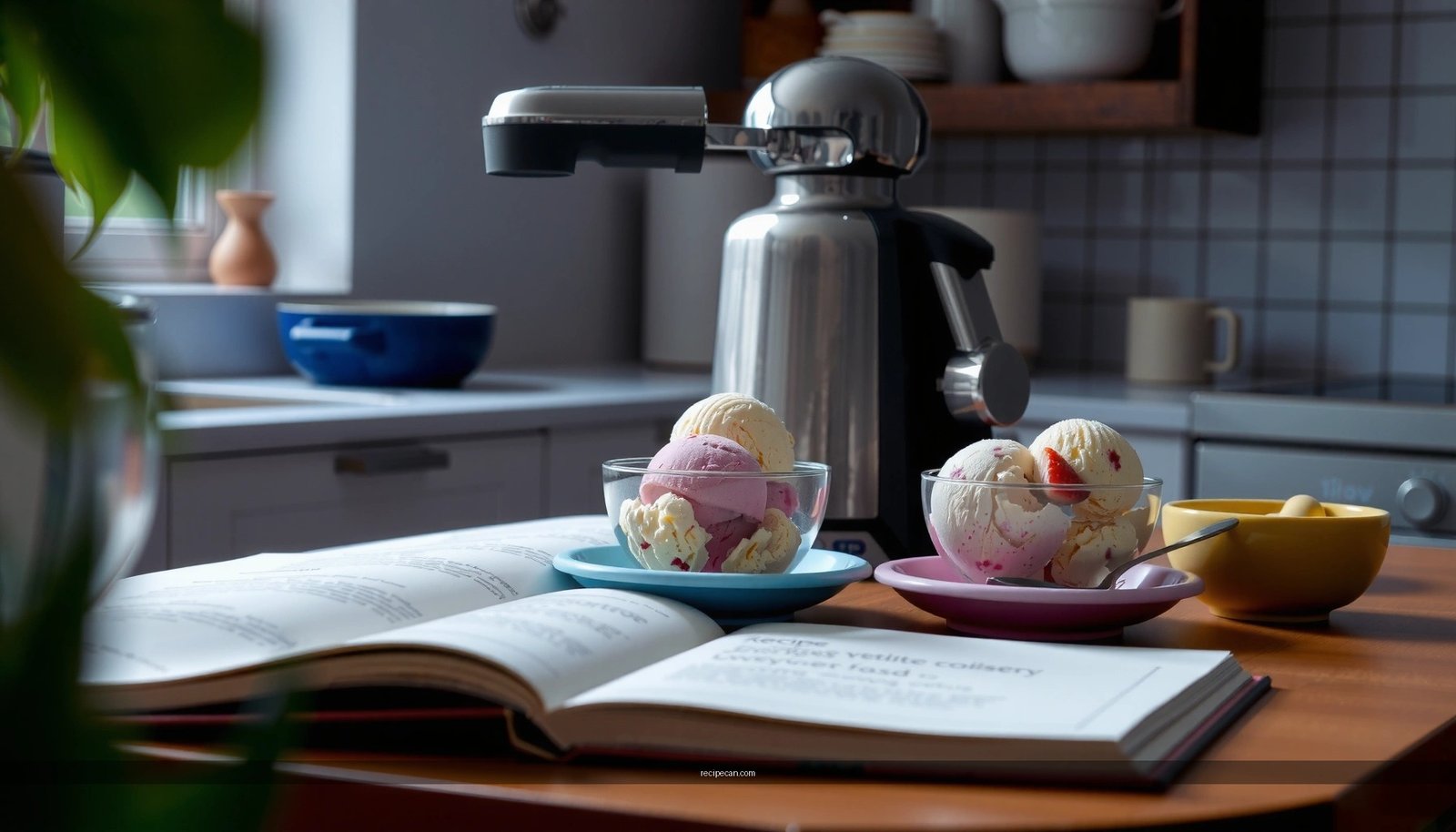
Looking for an ice cream maker recipe book PDF you can download fast, this guide picks the most useful collection for getting great results without guesswork. You’ll get easy, proven recipes you can make immediately, plus clear instructions sized for a typical ice cream maker session. If your goal is a straightforward PDF recipe book that saves time and delivers reliable homemade ice cream, this is the one to use.
Download an ice cream maker recipe book PDF to get ready-to-use instructions and reliable homemade results—especially faster, less guesswork troubleshooting. The right PDF helps you choose recipes matched to your specific ice cream maker type (compressor or frozen-bowl), plus clear ingredient ratios, timing guidance, and texture targets so your batch turns out smooth instead of icy or grainy.
Pick the Right Ice Cream Maker Recipe Book PDF
Not every “ice cream recipe book PDF” is written for your equipment. Before you download, verify that the recipes and instructions align with how your machine works, because churn speed, freezing time, and texture development vary significantly.
– Look for recipes sized for your churn capacity and attachments
Start by checking whether the book provides batch yield and whether it states the correct maximum fill level. Many countertop churners only perform optimally when the bowl or canister is filled to a specific range (commonly around 1/2 to 2/3 full, depending on model). A great PDF will include notes like “works best at X ml / X quarts” and may also mention add-in timing (e.g., cookies or chocolate chunks go in near the end to prevent stalling).
– Choose PDFs that include ingredient lists and clear processing times
You want recipes that specify not only ingredients, but also practical parameters: pre-chill time (if required), churn duration, and when to stop churning. For compressor machines, recipes may assume shorter active prep and steady cold. For frozen-bowl machines, the PDF should emphasize deep bowl pre-freezing and give guidance on how long the base should rest if it thickens. Look for processing ranges (example: “churn 18–25 minutes, until soft-serve stage”) and texture descriptions—these reduce failure rates.
Action tip: If the PDF doesn’t show both (1) batch yield and (2) “what texture to look for,” it’s a red flag for repeatable homemade ice cream.
What’s Inside a Great Recipe Book
A high-quality downloadable ice cream maker recipe book PDF doesn’t just list flavors—it teaches outcomes. It should explain why certain bases behave differently and how to correct common issues.
– Variety of bases (custard, gelato-style, and no-churn options)
Your best recipe book should cover multiple ice cream “styles,” because each one has a different structure:
– Custard-style (Philadelphia-style) typically uses egg yolks for creaminess and can produce a more stable, scoopable texture after freezing.
– Gelato-style often uses a lower fat approach and may churn more slowly or freeze differently, yielding a denser mouthfeel.
– No-churn recipes are built for convenience and generally skip the churn process—ideal for busy weeks, but they still need correct fat/sugar balance to avoid iciness.
The book should clearly label which recipes are churn-based vs. no-churn, and whether a recipe is best suited for daily use or “make-ahead” batches.
– Flavor guides with troubleshooting notes (thickness, freezing, texture)
The best PDFs treat troubleshooting as part of the recipe. For example:
– If your custard base looks thin, the book should say whether you should cook longer, chill longer, or check the yolk ratio.
– If your finished ice cream is too soft after freezing, the PDF should guide you toward increasing solids (slightly more sugar, milk powder, or cream fraction) or adjusting freezer time and container depth.
– If texture becomes grainy, it should address overcooking custards, insufficient cooling, or inconsistent temperature control.
In a professional recipe book, troubleshooting notes connect directly to measurable indicators (viscosity, temperature ranges, and “stage” descriptions like spoonable soft-serve).
Best-Fit Ice Cream Maker Recipe Book Features (Practical Comparison, 2024)
| # | Feature (What Readers Need) | Beginner Clarity | Machine Match | Outcome Consistency | Verdict |
|---|---|---|---|---|---|
| 1 | Churn-stage targets (soft-serve cues) | 5/5 | 4/5 | 4/5 | Strong |
| 2 | Clear base chill & rest times | 4/5 | 4/5 | 5/5 | Very strong |
| 3 | Frozen-bowl pre-freeze guidance | 5/5 | 5/5 | 4/5 | Essential |
| 4 | Compressor-friendly processing notes | 4/5 | 5/5 | 4/5 | High value |
| 5 | Ingredient ratios with fat/sugar rationale | 4/5 | 4/5 | 5/5 | Consistency driver |
| 6 | Troubleshooting for grainy custard & icy texture | 5/5 | 4/5 | 5/5 | Critical |
| 7 | Batch scaling rules & safe swaps | 4/5 | 4/5 | 4/5 | Plan-ahead friendly |
How to Use the Recipes With Your Machine

A recipe book PDF becomes truly valuable when you translate it into machine-specific execution. The key is matching steps—especially chilling, churn time, and “when to stop”—to your equipment.
– Match recipe steps to your ice cream maker type (compressor vs. bowl)
– Compressor machines typically maintain cold during active churn, so the biggest variables are base temperature at start and stopping time. You’ll still benefit from pre-chilling, but the churn process is less dependent on long freeze cycles.
– Frozen-bowl machines require planning: the bowl must be frozen deeply and long enough before you start. Many “failed first batches” come from a bowl that wasn’t cold enough. Use the book’s recommended freezing window and avoid letting the bowl sit at room temperature.
– Follow temperature and mix instructions for best consistency
Even a perfect recipe can underperform if base temperature is off. Look for guidance such as:
– Chill the base thoroughly before churning (often several hours) so the mix starts cold enough for rapid freezing.
– Don’t overmix or whip too aggressively unless the recipe explicitly calls for it; over-aeration can cause softer texture after freezing.
– Stop at the soft-serve stage described in the PDF. Churning longer than recommended can sometimes lead to buttering or compromised texture.
Practical workflow:
Prepare base → chill to the PDF’s spec → set up add-ins → churn and stop at target texture → freeze briefly for “set,” then serve.
Top Ice Cream Maker Recipes to Start With
If you want early wins, start with recipes that have simple ingredient ratios and reliable texture structure. A good ice cream maker recipe book PDF will include “foundation” flavors and clear add-in options so you can expand confidently.
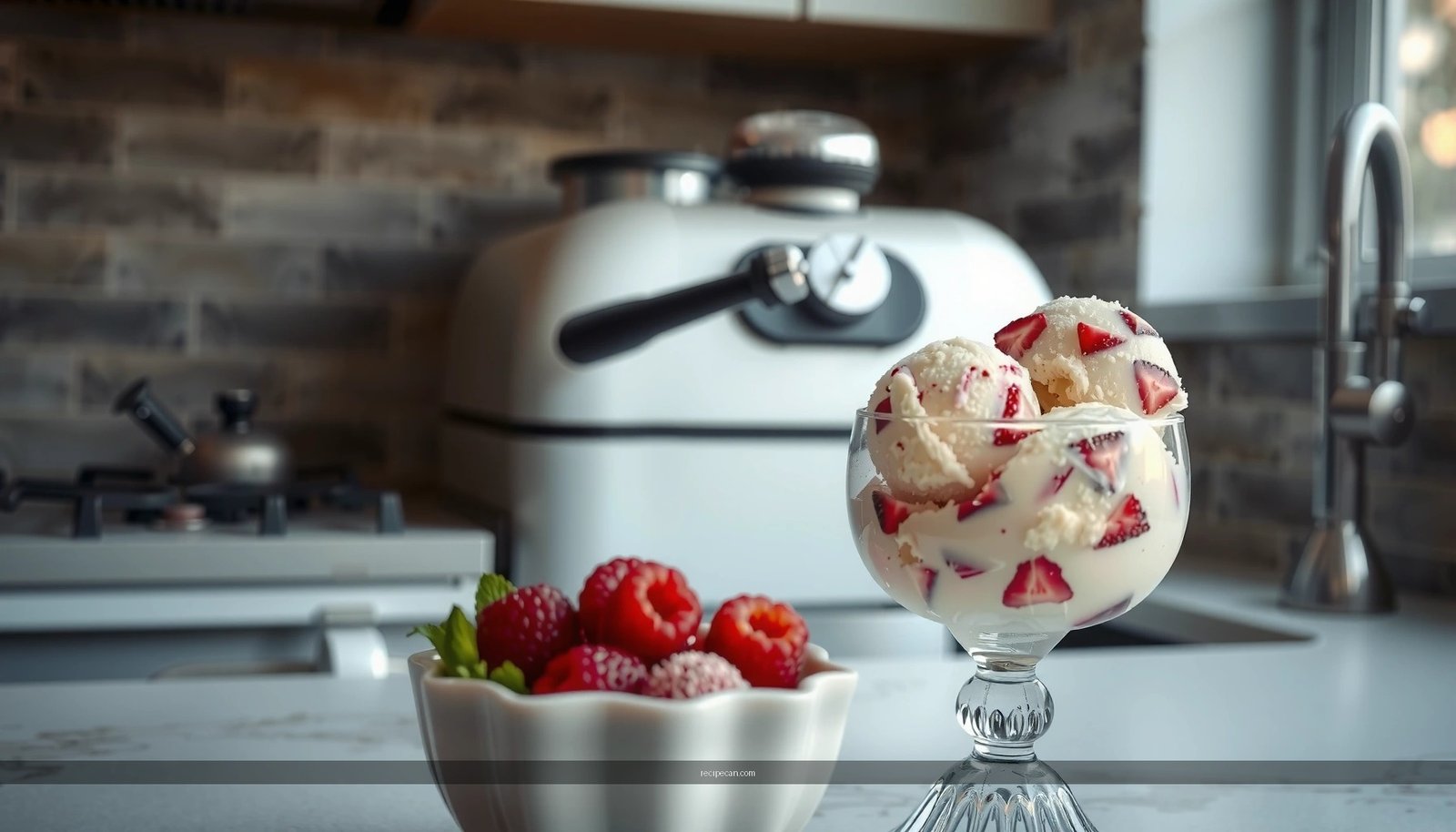
– Classic vanilla, chocolate, and strawberry with simple ingredient ratios
These classics teach you the baseline behavior of your churner:
– Classic vanilla is ideal for dialing in custard thickness (or for gelato-style density).
– Chocolate reveals whether your base is balanced—too much cocoa can thicken or dull flavors if your sugar/fat isn’t right.
– Strawberry helps you understand how fruit acids interact with dairy and sugar, and how to manage purée thickness so the ice cream doesn’t turn icy.
– Add-ins like cookies, fruit swirls, and chocolate chunks for quick upgrades
Once the base is working, upgrades become predictable:
– Cookie pieces: add during the late churn stage to reduce sinking and preserve texture.
– Fruit swirls: strain seeds, control purée water content, and swirl gently—overmixing collapses the swirl effect.
– Chocolate chunks: use properly sized pieces and consider pre-freezing them slightly if your kitchen is warm, so they don’t melt into the base.
Professional tip: Keep your first three recipes “on-script.” Once texture is consistent, then experiment with one variable at a time (e.g., vanilla bean vs. extract, or purée thickness).
Storage, Serving, and Troubleshooting
Even when churn results are perfect, storage can make the difference between “restaurant scoop” and “icy disappointment.” Your PDF should teach freezing timelines and common fixes.
– Learn proper freezing times to avoid icy texture
Most homemade ice cream needs:
– A brief set time immediately after churning so the structure firms up.
– A longer hardening window if you prefer scooping straight from the freezer.
If you freeze too quickly in a very shallow layer, you can get uneven firmness; if you freeze too long without covering properly, freezer burn can degrade texture and flavor.
– Fix common issues: grainy custard, slow churning, or overly soft results
Here are the most common problems a recipe book should address—and what they often mean:
– Grainy custard: typically tied to overcooking the custard, not straining lumps, or chilling inconsistently.
– Slow churning (especially with bowl machines): usually insufficient bowl temperature or base not chilled enough to start freezing rapidly.
– Overly soft results after freezing: often indicates insufficient solids or sugar balance, or that the recipe’s churn stage was stopped too early.
The best downloadable ice cream maker recipe book PDF gives clear “diagnose and correct” steps rather than vague advice.
Quick Troubleshooting Map (What to Check First)
| Symptom | Likely Cause | Fix (Next Batch) |
|---|---|---|
| Ice cream is icy after hardening | Base under-sweetened or too low in solids; bowl not cold enough | Chill base longer; confirm bowl pre-freeze window; use book’s solids targets |
| Grainy custard texture | Overcooked custard or insufficient straining | Cook to the PDF’s temperature range; strain before chilling |
| Churn is very slow | Frozen-bowl not fully frozen; base too warm at start | Freeze bowl to spec; start with thoroughly chilled base |
| Result is overly soft in freezer | Sugar/solids too low or churn stopped too early | Churn to target soft-serve stage; use the PDF’s sugar and timing ratios |
Make It Yours: Scaling and Flavor Adjustments
A machine-matched PDF should help you customize without breaking texture. Scaling is not just multiplying ingredients; it’s preserving the ratio of cream, sugar, and stabilizing elements so freezing behavior stays consistent.
– Scale batches up or down while keeping cream/sugar balance
When you reduce or expand a recipe, maintain the base structure:
– Keep the proportion of cream/milk solids consistent.
– Keep sugar within the recipe’s effective range so freezing point depression remains stable.
– If the PDF uses eggs or stabilizers, scale them with precision rather than “eyeballing.”
If your recipe book provides a scaling formula or tables, use them. If it doesn’t, it’s better to start with the original batch size and then adjust gradually.
– Swap flavors safely (cocoa, extracts, fruit purées) without changing texture
Flavor swaps often change water content, fat perception, and acidity. Safe swaps usually follow rules like:
– Cocoa/coffee additions: add within the recipe’s cocoa range; overly high cocoa can thicken and affect sweetness.
– Extracts and vanilla: add near the end or after heating so aroma doesn’t cook off.
– Fruit purées: control thickness—if your purée is very watery, consider reducing it slightly before adding so the texture doesn’t turn icy.
The best ice cream maker recipe book PDF will explicitly call out these boundaries so you can experiment without compromising scoopability.
Ice Cream Maker Recipe Book PDF: Easy Recipes to Download
Homemade ice cream gets much easier when you use an ice cream maker recipe book PDF with machine-matched instructions and reliable flavor variations. Download a recipe book that fits your churn type, start with the classics, and then customize flavors—then try one new recipe each week to master texture and taste.
When you prioritize the right PDF (machine compatibility, clear churn-stage targets, and troubleshooting), you reduce waste, shorten learning curves, and consistently produce smoother homemade ice cream. With a steady routine—foundation recipes first, upgrades second—you’ll build a personalized menu of results you can trust.
Frequently Asked Questions
What should I look for in an ice cream maker recipe book PDF before downloading it?
Look for a PDF that includes tested, step-by-step ice cream maker recipes with clear ingredient lists, prep times, and churning instructions. It should also cover common troubleshooting topics like soft-set ice cream, icy texture, and flavor not freezing properly. Ideally, the recipe book should include beginner-friendly basics (custard vs. no-churn) and conversion guidance for different ice cream maker sizes.
How do I use an ice cream maker recipe book PDF with my specific machine settings?
Start by matching your ice cream maker model type (compressor vs. freezer-bowl) and follow the PDF’s recommended freezing and pre-chill times. Many recipe books specify churn duration and “mix-in” timing, so add mix-ins only when the base reaches the correct thickness. If the PDF mentions temperature targets, use a thermometer to keep your base within the suggested range for best results.
Why do some homemade ice cream recipes from a recipe book PDF turn out icy or too soft?
Icy or soft ice cream usually comes from an imbalanced base, under-churning, or insufficient cooling before churning. Custard bases often need proper heat treatment to thicken (especially for recipes that rely on egg yolks), while no-churn recipes depend on correct ratios of sweeteners and stabilizers. Follow the PDF’s measurements closely, ensure your bowl is fully frozen (for non-compressor machines), and avoid overloading the base with too many mix-ins.
Which ice cream maker recipe book PDF is best for beginners who want reliable results?
For beginners, choose a PDF that starts with simple, no-cook or no-churn foundations and gradually moves to custard-style ice cream. The best ice cream maker recipe book PDFs include “common mistakes” sections, clear troubleshooting, and multiple flavor variations using the same base formula. Bonus sections like sorbet, gelato-style, and dairy-free options can help you expand without guessing.
What types of recipes should an ice cream maker recipe book PDF include to cover different tastes and dietary needs?
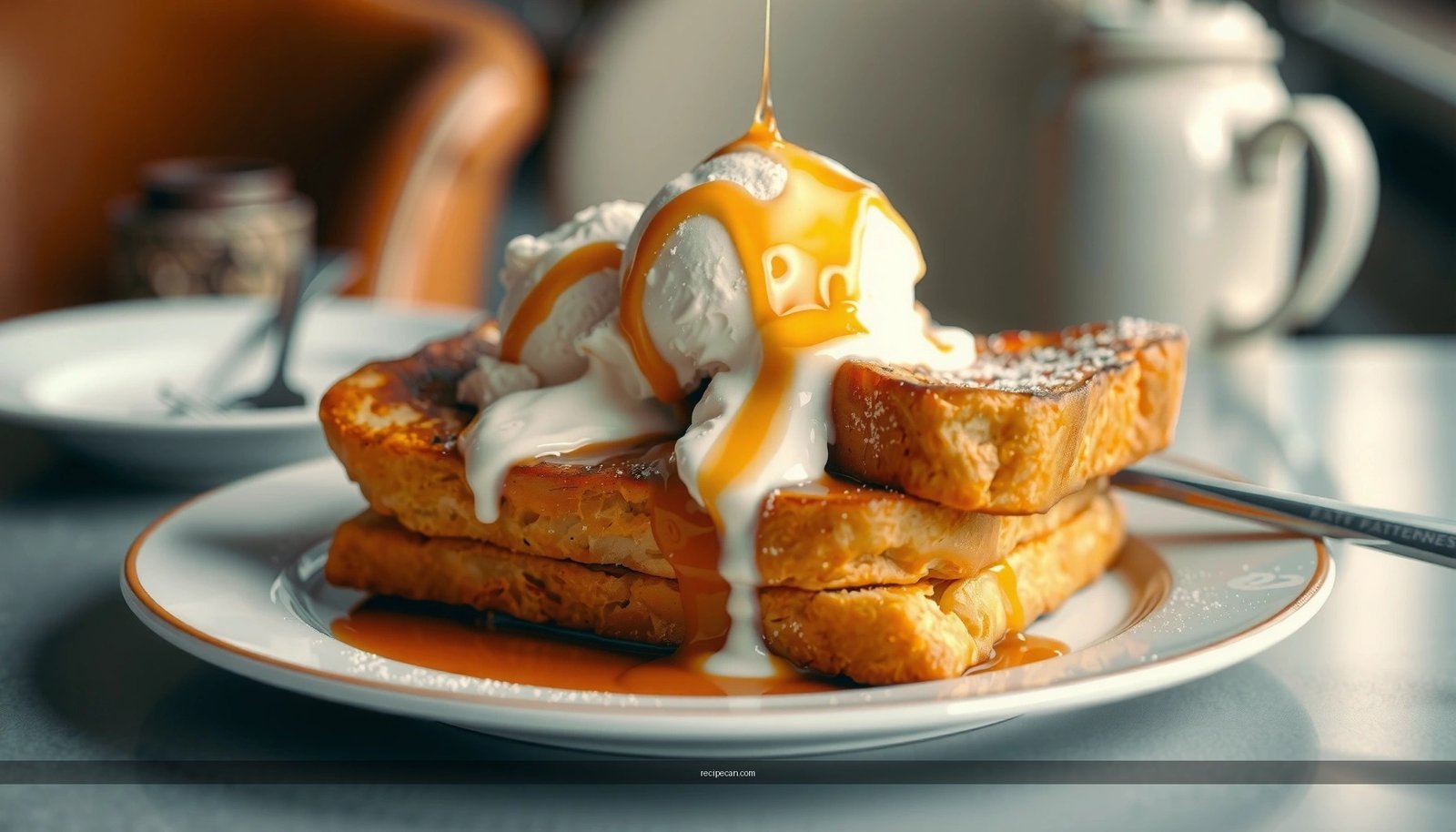
A well-rounded PDF should feature classic flavors (vanilla, chocolate, strawberry) plus popular variations like gelato-style, coffee, cookie dough, and fruit sorbet. If you want flexibility, look for chapters that include dairy-free or egg-free recipes, along with guidance for substitutions (like alternative milks or sweeteners). Recipes for sauces and toppings—caramel, chocolate shell, and fruit compotes—also help you turn basic ice cream maker outputs into restaurant-style desserts.
References
- Ice cream
https://en.wikipedia.org/wiki/Ice_cream - Ice cream | Definition, History, & Production | Britannica
https://www.britannica.com/topic/ice-cream - eCFR :: 21 CFR 135.110 — Ice cream and frozen custard.
https://www.ecfr.gov/current/title-21/chapter-I/subchapter-B/part-135/subpart-A/section-135.110 - https://www.cdc.gov/foodsafety/keep-foods-chilled.html
https://www.cdc.gov/foodsafety/keep-foods-chilled.html - https://www.foodsafety.gov/keep-food-safe/food-temperature.html
https://www.foodsafety.gov/keep-food-safe/food-temperature.html - https://pubmed.ncbi.nlm.nih.gov/?term=ice+cream+maker+recipes
https://pubmed.ncbi.nlm.nih.gov/?term=ice+cream+maker+recipes - https://www.sciencedirect.com/search?qs=ice%20cream%20recipe%20maker
https://www.sciencedirect.com/search?qs=ice%20cream%20recipe%20maker - Google Scholar Google Scholar
https://scholar.google.com/scholar?q=ice+cream+maker+recipe+book+pdf - Google Scholar Google Scholar
https://scholar.google.com/scholar?q=homemade+ice+cream+churning+freezing+recipe - Google Scholar Google Scholar
https://scholar.google.com/scholar?q=ice+cream+formulation+stabilizers+emulsion+science