Looking for ice cream maker healthy recipes that actually taste like real ice cream? This guide picks the best healthy frozen-treat recipes for your ice cream maker—sugar-reduced, nutrient-forward, and built for smooth, scoopable results. If you want the clear winner for better frozen treats without sacrificing flavor, the recipes and method here show exactly what to make and how to get it.
You can make truly healthier ice cream at home with an ice cream maker by building your base with nutrient-dense ingredients (Greek yogurt, fruit purées, or lower-fat dairy) and then dialing in natural sweetness and churn-friendly thickness. This guide walks you through simple, nutritious healthy recipes and the best practical techniques to improve flavor, texture, and sweetness—without turning your process into a complicated science project.
Choose the Right Healthy Base
A “healthy” ice cream starts with a creamy base that can emulsify and churn smoothly. In traditional recipes, sugar and cream do most of the work (and often overpower nutrition). With an ice cream maker, you can keep the satisfying mouthfeel while shifting the recipe toward protein, fruit, and better fat.
Best base options (and why they work):
– Greek yogurt (nonfat to 2%): High protein improves body and helps the ice cream hold its shape. It also reduces the need for heavy cream to get that “custard-like” texture.
– Blended fruit purée (especially berries and mango): Adds natural flavor and thickness via fruit solids. For best results, blend until smooth and strain only if you dislike seeds.
– Low-fat milk (1% or 2%): Provides dairy creaminess with less fat than whole milk. Pair it with a thickener (like chia) so it churns well.
– Kefir (low-fat): Slightly tangy and gives a silky texture similar to frozen yogurt while contributing protein.
To choose confidently, consider two factors:
1. Protein and dairy solids (for structure)
2. Fat content (for smoothness—but you don’t need a lot)
Here’s a practical comparison of common healthy bases and how they typically perform in churn texture.
Churn-Friendly Healthy Ice Cream Base Options (Typical Nutrition Per 1 Cup)
| # | Healthy Base (Unflavored) | Fat (Approx.) | Protein | Best Texture Score | Churn Stability |
|---|---|---|---|---|---|
| 1 | Nonfat Greek yogurt | ~0g | ~23g | ★★★★☆ | Green |
| 2 | 2% Greek yogurt | ~6g | ~19–20g | ★★★★★ | Green |
| 3 | 1% low-fat milk | ~8g | ~9g | ★★★☆☆ | Red |
| 4 | Low-fat kefir (plain) | ~5g | ~10–11g | ★★★★☆ | Green |
| 5 | Silken tofu (blended) | ~4–5g | ~20g | ★★★☆☆ | Red |
| 6 | Unsweetened oat milk | ~4–5g | ~4–5g | ★★★★☆ | Green |
| 7 | Light coconut milk | ~10–11g | ~5g | ★★★★☆ | Green |
Actionable takeaway: If you want “no-drama” healthy ice cream, start with Greek yogurt (especially 2%) or kefir, then add a natural sweetener and a small amount of thickener (next section) to prevent icy texture.
Sweeten Naturally (Without Losing Flavor)
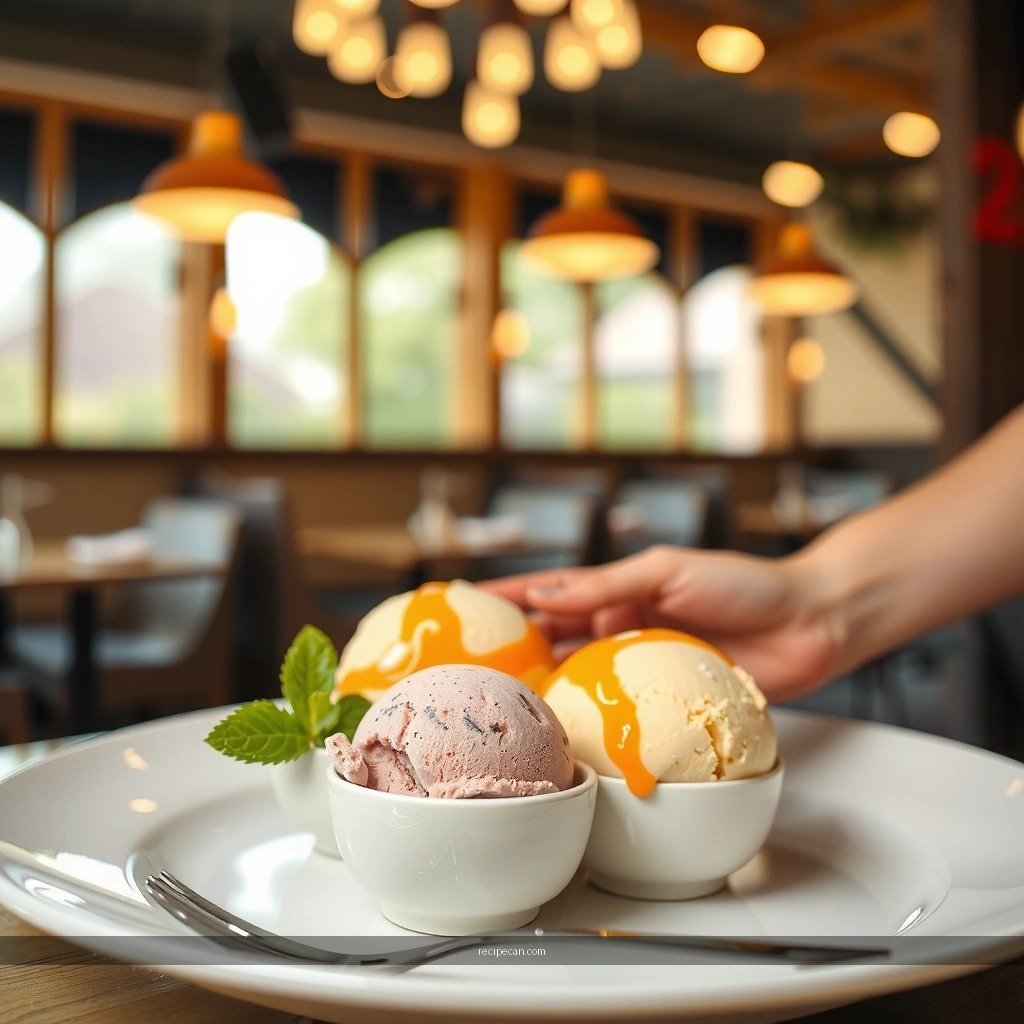
Healthy ice cream isn’t just lower fat—it’s also about managing sweetness. Refined sugar often boosts perceived creaminess, which is why cutting it too aggressively can lead to a thin or icy finish. The fix is to sweeten gently and adjust before freezing.
Natural sweeteners that work well in an ice cream maker:
– Honey: Clean flavor, dissolves easily; use a little less than you think you need.
– Maple syrup: Adds caramel notes that pair especially well with vanilla, cinnamon, and chocolate.
– Dates (blended into a paste): Delivers sweetness plus soluble solids that help texture.
– Ripe bananas: Excellent for banana ice cream and smoothies; use well-ripened fruit for stronger flavor.
How to sweeten without overshooting:
1. Taste the base chilled, not warm. Cooling mutes sweetness perception.
2. Start lower than your target, then fine-tune after churning if needed (some sweetness can mellow in the freezer).
3. If you use fruit purée, remember it already adds sugars—so you may not need much extra sweetener.
Example approach (easy + effective):
– For a Greek yogurt base, begin with about 2–4 tbsp honey or maple syrup per quart (adjust to taste).
– If using dates or bananas, reduce added sweetener further because fruit brings sweetness and body.
Boost Texture in Your Ice Cream Maker
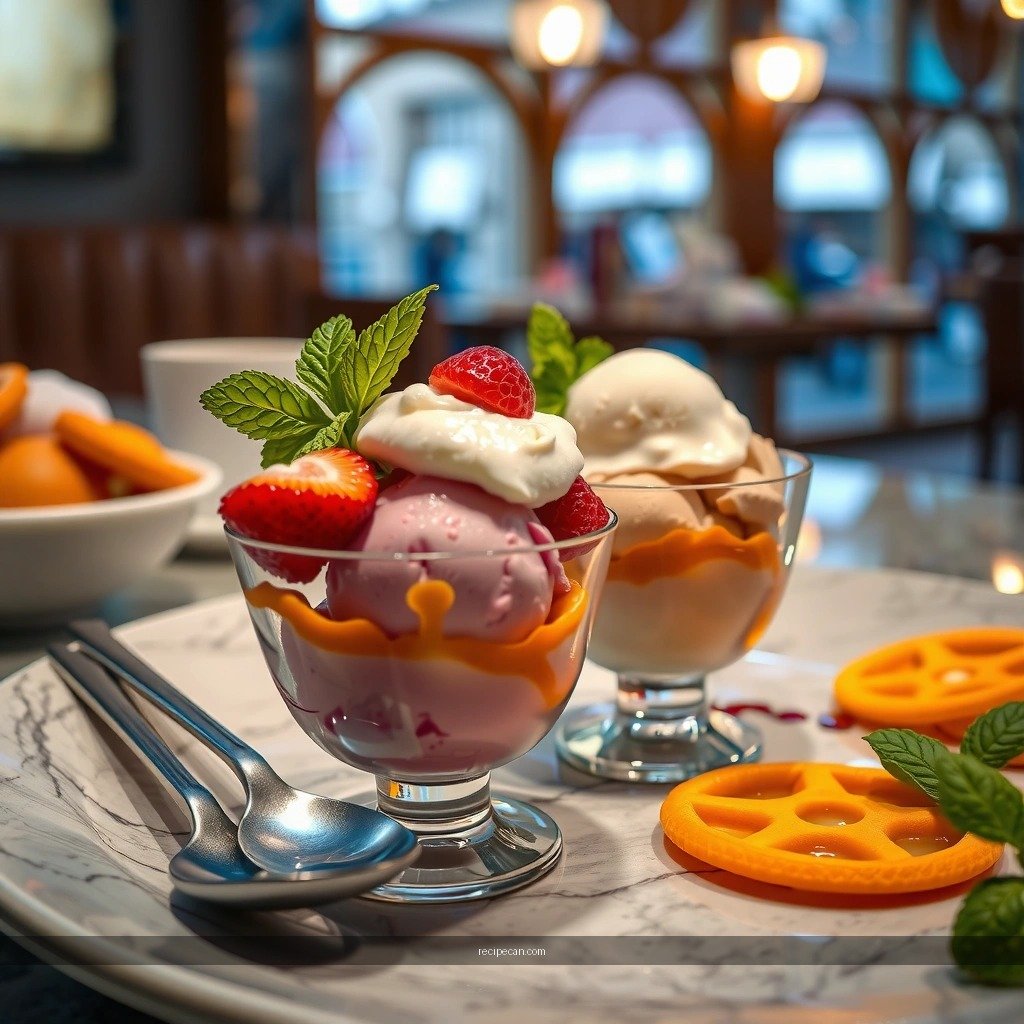
One of the biggest misconceptions about healthy frozen treats is that you can swap sugar and fat and “everything will work the same.” In reality, texture is driven by water/fat balance, dissolved solids, and ice crystal control.
Texture-boosting thickeners (use small amounts):
– Chia seeds: Provide fiber and a gel matrix. Use about 1–2 tbsp per quart; let the base sit so chia fully hydrates.
– Cornstarch (small amounts): Helps mimic custard thickness. Use roughly 1–2 tsp per quart, and cook briefly if your method requires thickening (follow your comfort level—many makers just warm and whisk).
– Oat milk solids / concentrated oat base: Often already thicker than standard milk, improving churn.
– Greek yogurt itself can act as a stabilizer because dairy proteins help suspend water.
Chill thoroughly—this is non-negotiable for texture
Churners work best when the base is cold enough to freeze quickly. If the base goes into the machine too warm:
– ice crystals grow larger
– the churn slows down
– you get a softer, icier outcome after freezing
Practical chilling guideline:
– Chill at least 4 hours, and ideally overnight for a smoother, creamier texture.
Pick Flavor Combinations That Stay “Healthy”
Healthy ice cream tastes best when flavors are bold enough to compensate for reduced sugar and fat. Pairing ingredients by chemistry (and not just by preference) is how you get “dessert satisfaction” without the heavy calories.
Flavor combos that reliably work:
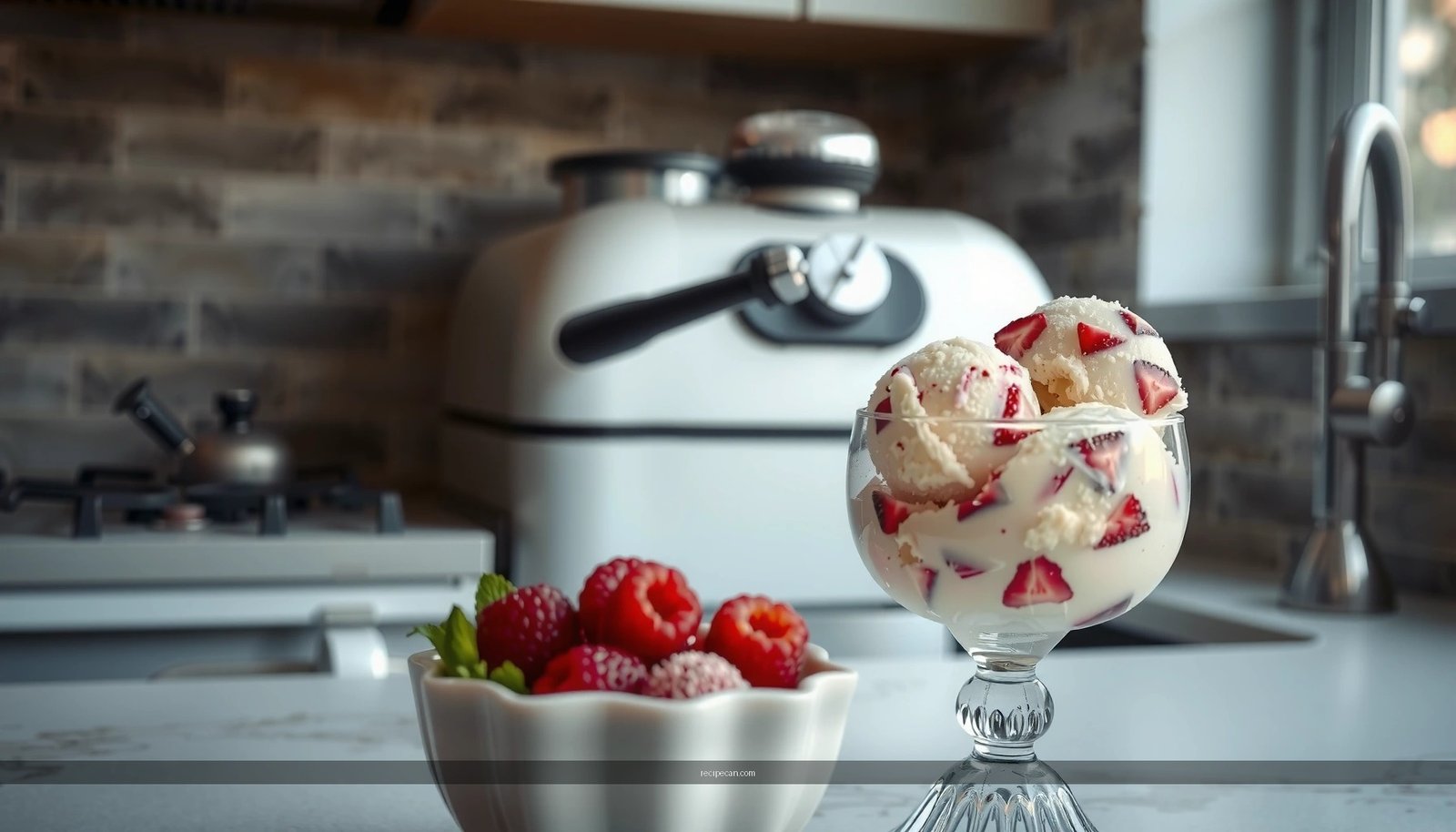
– Berry + vanilla: Greek yogurt plus berries feels classic and bright.
– Chocolate + almond butter: Cocoa provides deep flavor; almond butter adds richness without needing lots of cream.
– Mango + coconut: Mango’s natural sweetness pairs well with coconut aroma and fat.
How to build these efficiently:
1. Choose a creamy base (Greek yogurt, kefir, or oat milk).
2. Choose a dominant flavor (fruit purée, cocoa, espresso, or spices).
3. Use a small amount of natural sweetener to bring the flavor forward.
4. Add mix-ins carefully (next section) so they don’t break the texture.
Pro tip for better flavor: Use quality extracts and spices (vanilla bean paste, real cocoa powder, cinnamon). With less sugar, “flavor intensity” matters more.
Use Smart Add-Ins and Portion-Friendly Tips
Add-ins are where healthier ice cream can still feel special—so long as you control timing and portion size.
Better-for-you add-ins (stir or fold strategically):
– Cocoa + ground flax: Cocoa adds chocolate intensity; flax adds fiber and helps mouthfeel.
– Shredded coconut: Adds texture and aroma; use toasted coconut for a more “bakery” experience.
– Ground nuts or nut butter: Adds healthy fats in moderation.
– Cinnamon, ginger, or cardamom: Boosts perceived sweetness and warmth without extra sugar.
When to add mix-ins
For best texture consistency:
– Add delicate pieces after churning (or toward the end if your recipe encourages it), so they remain distinct and don’t become icy.
– If using larger fruit chunks, keep them small or pre-thaw and blot excess liquid.
Portion-friendly serving strategies
Healthy ice cream isn’t only about ingredients—it’s also about how people eat it.
– Serve in smaller containers (e.g., single-serve cups) so you can enjoy multiple flavors without guessing portion size.
– Pair with fruit (fresh berries, sliced peaches) to increase volume and satisfaction.
Troubleshooting Common Healthy Ice Cream Issues
Even when you follow a healthy ice cream recipe, outcomes can vary based on your base, freezer temperature, and churn settings. Here are the most common issues and fixes that work consistently.
– If it’s icy or crumbly after freezing
– Your base may be too thin (not enough solids/thickener)
– It may not have been chilled long enough
– You may have reduced sugar too far without replacing dissolved solids
– Fix: Add a little chia (1 tbsp per quart) or increase yogurt concentration slightly; chill overnight next time.
– If it’s too soft or won’t firm up
– Too much added liquid (or not enough stabilizer)
– The base may have been too warm during churning
– Your freezer may not be cold enough for low-fat formulations
– Fix: Extend chilling time, reduce added water/juice slightly, and consider a small amount of cornstarch or extra chia.
– If flavors taste muted
– Reduced sugar changes how flavors read at cold temperatures
– Fix: Add a pinch more vanilla, cinnamon, cocoa, or salt; salt is especially effective for bringing out sweetness.
Healthy frozen treats should be consistent, not mysterious. If you adjust one variable at a time—base thickness, sweetener level, and chilling duration—you’ll converge on the perfect “light but creamy” formula quickly.
Healthy ice cream maker recipes are all about smart ingredient choices: a creamy base, natural sweetness, proper chilling, and texture-boosting add-ins. Pick one flavor you love, follow the base guidelines, and churn your first healthier batch today—then tweak sweetness and thickness until it’s perfect for you.
Frequently Asked Questions
What healthy recipes can I make in an ice cream maker?
You can make healthy ice cream maker recipes like Greek yogurt berry ice cream, banana “nice cream” with a touch of coconut milk, and protein-packed chocolate avocado mousse. For a low-sugar option, use ripe fruit plus unsweetened cocoa or vanilla, and swap heavy cream for light cream or full-fat coconut milk in moderation. Add fiber and nutrients by mixing in chia seeds, crushed nuts, or oats—then churn until thick and creamy.
How do I make low-sugar ice cream in an ice cream maker?
Start with ingredients that naturally sweeten, such as mashed bananas or strawberries, and balance flavor with vanilla, cinnamon, or nut butter. Choose sugar substitutes that work well in cold desserts (like erythritol or monk fruit blends) and dissolve them into your base before churning to prevent icy texture. If your base is too thin, chill it thoroughly and consider adding a small amount of Greek yogurt or cornstarch-style thickener to improve scoopability.
Why does healthy “ice cream” sometimes turn out icy, and how can I prevent it?
Ice cream maker healthy recipes can become icy when the base lacks fat, isn’t chilled long enough, or is low in stabilizers like dairy proteins. To prevent this, use a slightly higher-fat ingredient such as Greek yogurt or coconut cream, and ensure you churn a properly cold mixture (often 4+ hours in the fridge). Adding a spoon of powdered milk, a bit of gelatin (if suitable), or chia can help the texture stay smooth while still keeping the recipe relatively healthy.
Which ingredients are best for healthier ice cream maker desserts?
The best ingredients for healthy ice cream maker desserts are Greek yogurt, kefir, unsweetened plant milks, fruit, and portion-controlled nut butters or dark chocolate. Look for lower-sugar add-ins and aim for a balance of creamy fat plus protein to maintain texture without excess calories. For thick, scoopable results, consider using banana, soaked dates blended into the base, or a small amount of starch/stabilizer instead of relying on lots of sugar.
What’s the best way to store homemade healthy ice cream after churning?
Transfer your churned ice cream to an airtight container and press parchment or plastic wrap directly onto the surface to limit ice crystals. Freeze for at least 2–4 hours for firm texture, then let it sit at room temperature for 3–5 minutes before scooping for smoother serving. For best quality, eat within about 1–2 weeks, and avoid repeatedly thawing and refreezing to keep your healthy ice cream maker recipes creamy.
References
- Ice cream
https://en.wikipedia.org/wiki/Ice_cream - Ice cream maker
https://en.wikipedia.org/wiki/Ice_cream_maker - Ice cream | Definition, History, & Production | Britannica
https://www.britannica.com/topic/ice-cream - https://www.mayoclinic.org/healthy-lifestyle/nutrition-and-healthy-eating/in-depth/sugar/art-20045714
https://www.mayoclinic.org/healthy-lifestyle/nutrition-and-healthy-eating/in-depth/sugar/art-20045714 - Guideline: sugars intake for adults and children
https://www.who.int/publications/i/item/9789241549028 - https://pubmed.ncbi.nlm.nih.gov/?term=low-fat+ice+cream+nutrition
https://pubmed.ncbi.nlm.nih.gov/?term=low-fat+ice+cream+nutrition - https://pubmed.ncbi.nlm.nih.gov/?term=ice+cream+reduced+sugar
https://pubmed.ncbi.nlm.nih.gov/?term=ice+cream+reduced+sugar - Google Scholar Google Scholar
https://scholar.google.com/scholar?q=healthy+ice+cream+recipe - Google Scholar Google Scholar
https://scholar.google.com/scholar?q=low+sugar+ice+cream+frozen+dessert+study - USDA FoodData Central
https://fdc.nal.usda.gov/