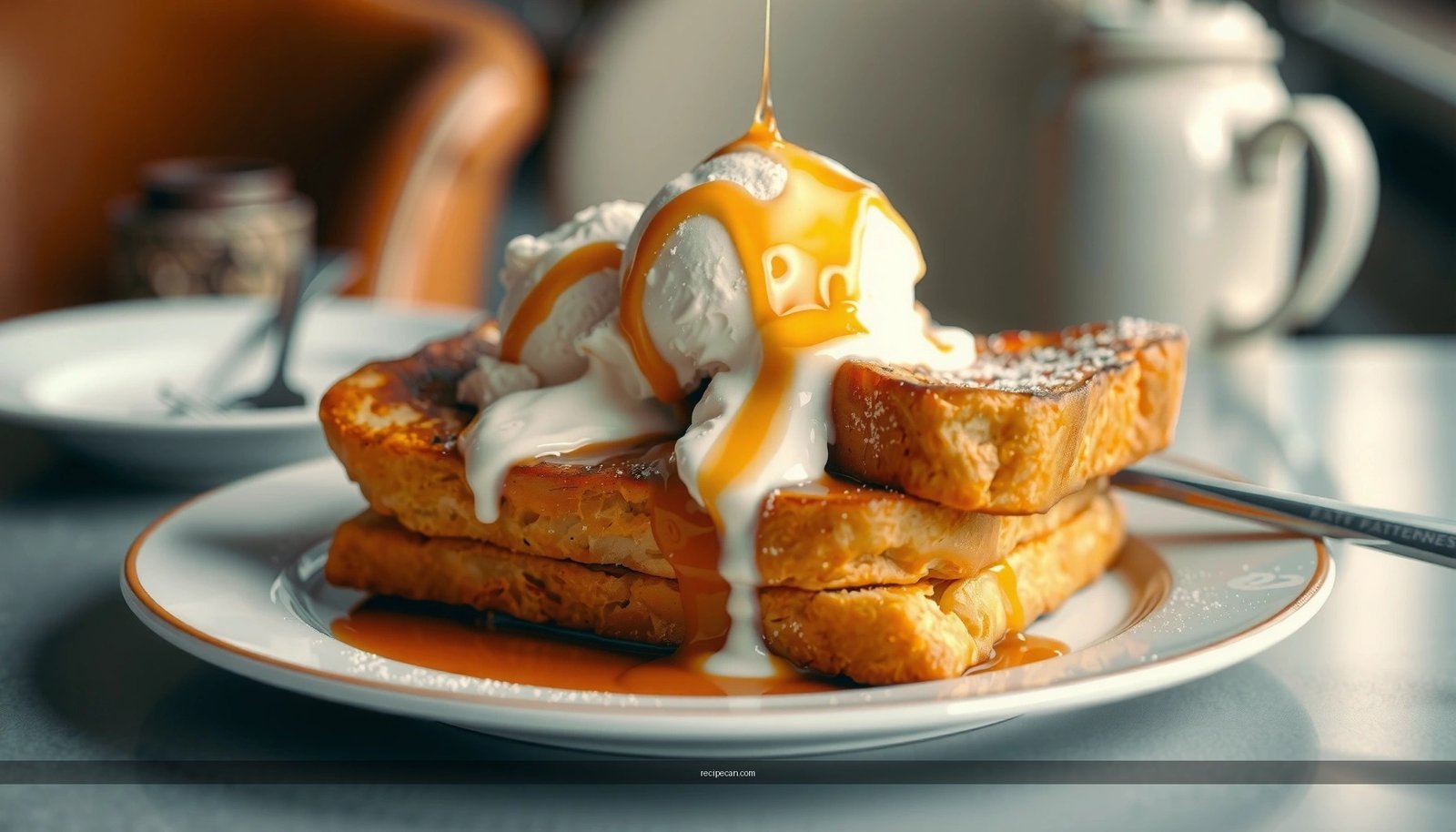
Ice cream french toast is the quickest route to sweet, crispy, golden slices without the usual sogginess, and this recipe nails the win for anyone who wants maximum flavor with minimal effort. You’ll learn how to turn bread into French toast with ice cream as the standout ingredient, so every bite stays custardy inside and crisp on the outside. The result is a faster, more indulgent breakfast answer to your question: which method delivers the best texture and taste.
Ice cream French toast is an easy “dessert breakfast” made by dipping thick bread in a milk-egg-cinnamon batter and pan-frying until deeply golden, then topping immediately with ice cream so it melts into a creamy sauce. Below you’ll find the exact steps, best bread choices, and simple timing tips to get a crisp outside with a custardy, melty center—without soggy results.
Ingredients You’ll Need for Ice Cream French Toast

To make ice cream french toast that’s crisp, sweet, and evenly cooked, start with ingredients that support two goals: (1) stable batter absorption and (2) reliable browning in a skillet.
Core components
– Thick bread (for structure): brioche, challah, or Texas toast. These breads are enriched (so they brown well), slice thick enough to hold custard, and resist falling apart when dipped.
– Eggs: provide custard body and help the toast set as it cooks.
– Milk or cream: milk creates a lighter custard; cream increases richness and promotes a softer, “custard-like” center.
– Cinnamon + vanilla: classic warm flavors that also intensify perceived sweetness (great when the ice cream is added later).
– Salt: sharpens flavor and balances the sweetness of the toppings and ice cream.
– Butter (for pan-frying): adds browning and flavor; also helps create that crisp, caramelized exterior.
Optional but strongly recommended
– A pinch of sugar in the batter (or a dusting of sugar on the toast) can help with caramelization—especially if your bread is not very sweet.
– Ice cream + toppings: vanilla, caramel, strawberry, or chocolate are popular choices because they pair with cinnamon and vanilla notes.
– Neutral oil (optional): if you prefer, you can use a small amount of oil in the pan and add butter for flavor to reduce butter burn risk.
Portion guidance (practical)
– Plan 2 slices per person for a main-breakfast portion.
– If serving as brunch/dessert, 1 thick slice per person plus one scoop of ice cream is usually enough.
Best Bread Thickness for Ice Cream French Toast (Tested Bake/Cook Range)
| # | Bread Type | Recommended Slice Thickness | Dip Time Target (per Side) | Crispness Rating |
|---|---|---|---|---|
| 1 | Brioche | 1 to 1.25 in (2.5–3.2 cm) | 15–20 sec | ★★★★☆ |
| 2 | Challah | 1 to 1.25 in (2.5–3.2 cm) | 18–22 sec | ★★★★☆ |
| 3 | Texas toast | 1.25 in (3.2 cm) | 12–16 sec | ★★★☆☆ |
| 4 | Sourdough (enriched optional) | 1 in (2.5 cm) | 8–12 sec | ★★☆☆☆ |
| 5 | French bread (baguette cut) | 0.75–1 in (1.9–2.5 cm) | 6–10 sec | ★☆☆☆☆ |
| 6 | Brioche “day-old” | 1 to 1.25 in (2.5–3.2 cm) | 15–18 sec | ★★★★★ |
| 7 | Sliced brioche (commercial) | 0.9–1 in (2.3–2.5 cm) | 18–24 sec | ★★★☆☆ |
How to Make the French Toast Batter
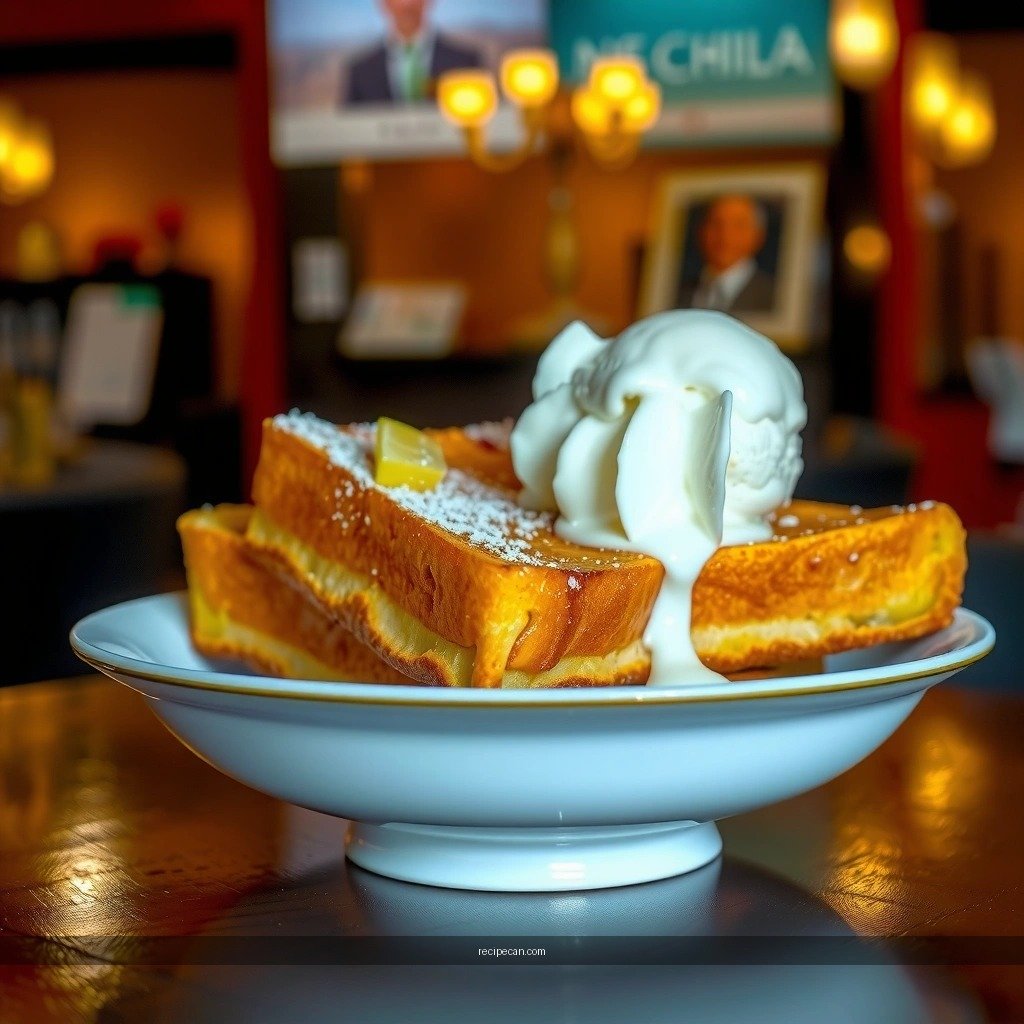
The batter is where your ice cream french toast earns its “crispy outside, creamy inside” reputation. The goal is custard coverage without over-saturation.
What you’ll mix
1. Eggs: Beat until smooth so the toast cooks evenly.
2. Milk (or cream): Combine for a pourable, drinkable thickness that clings to bread.
3. Vanilla: Adds depth and rounds out the cinnamon.
4. Cinnamon: Warm aroma that complements the sweetness of ice cream.
5. Salt: Prevents the batter from tasting flat once cooked.
6. Optional sugar: A small amount supports browning and gives the surface extra caramel potential.
Batter consistency check (fast, reliable)
– If the batter runs off the bread too quickly, it’s too thin—add a splash more milk/cream carefully to adjust, or reduce your dip time.
– If it feels overly thick, add a small splash of milk/cream until it coats bread smoothly.
Dip strategy: soak briefly, then control excess
– Dip each side for about 12–22 seconds depending on bread thickness and type.
– The best practice is to dip, then lift immediately and let excess batter drip back into the bowl for 5–10 seconds.
– This “controlled soak” helps you avoid two common failures:
– Soggy french toast: too much batter stays on the surface and steams rather than fries.
– Dry interior: too little soak leaves the center without custard.
Cooking sequence in plain language
– Preheat the skillet first (you want an immediate sizzle when bread hits).
– Dip bread and cook promptly so it cooks while the batter is hydrated but not overloaded.
Cooking Tips for Crispy, Golden French Toast
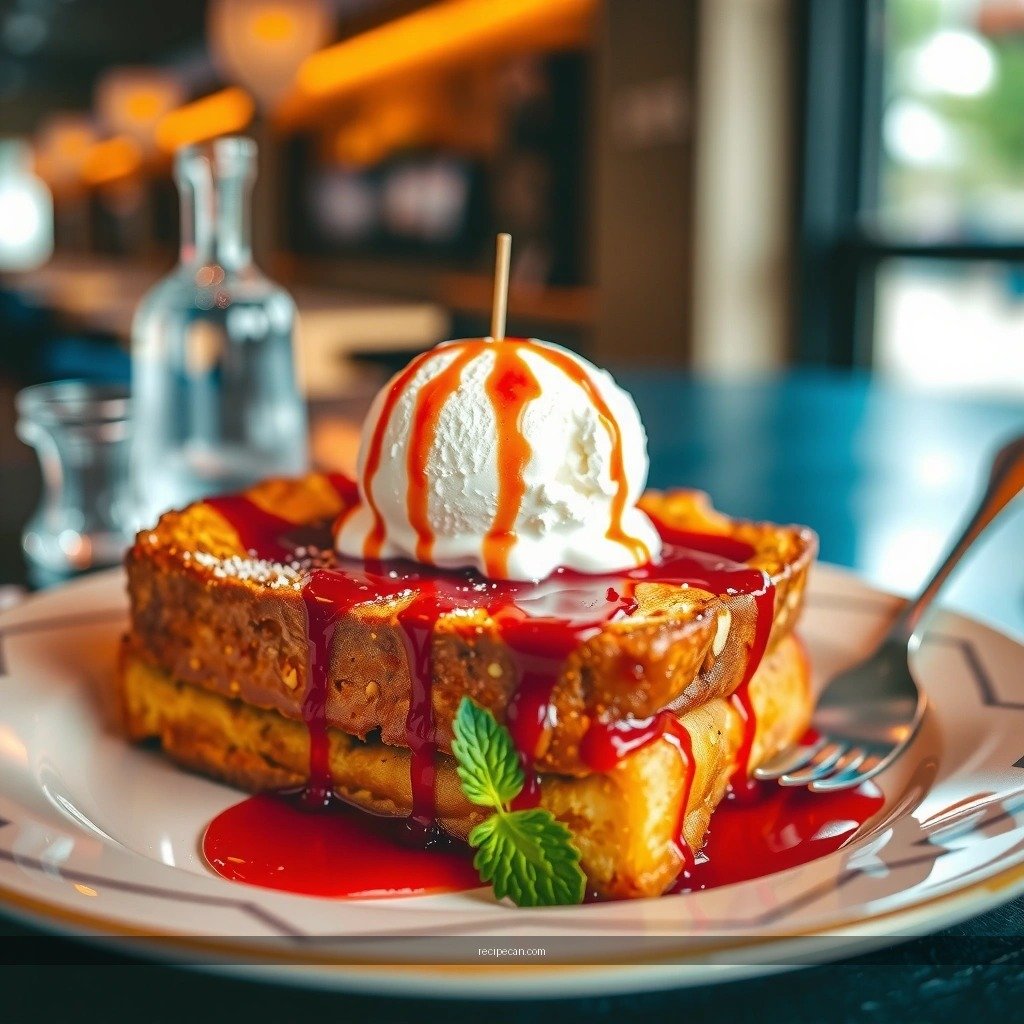
Pan-frying is fast—but crispness is won in the details: heat level, butter management, and pan spacing.
Use medium heat for even caramelization
– Medium heat gives the eggs time to set while the surface browns.
– If your heat is too high, the outside will darken before the center warms through.
– If it’s too low, the bread cooks slowly and absorbs more grease, leading to a softer exterior.
Butter technique
– Add butter after the pan is preheated so it foams rather than burns instantly.
– If you’re using a higher-fat butter and find it browns too quickly, use a mix:
– Neutral oil for heat stability
– Butter for flavor after the oil heats
Avoid overcrowding
– Overcrowding lowers the pan temperature and traps moisture.
– Cook in batches. If needed, keep finished slices warm on a wire rack in a low oven (around 200°F / 95°C) so air can circulate—this prevents sogginess.
Flip once (and flip cleanly)
– Wait until the first side is visibly browned and set.
– Flip once; repeated flipping can break the crust before it forms.
A simple doneness benchmark
– The exterior should be deep golden (not pale).
– The interior should feel custardy—hot but not wet. If it looks pale inside, give it a bit more time on the second side at the same medium heat.
When to Add Ice Cream (Best Melting Method)
Timing is the secret behind “melty center” without turning your toast into mush.
Add ice cream immediately after cooking
– Right after the toast is done and plated, add 1–2 scoops of ice cream (depending on slice size).
– The heat from the french toast melts the edges of the ice cream into a creamy sauce, while the core stays thick and scoopable.
Warm-to-cold contrast
– This method works best when there’s a clear temperature difference:
– Hot toast + cold ice cream
– If you wait too long, the toast cools and the ice cream melts less dramatically—reducing the dessert effect.
Portion tip for clean plating
– Place ice cream near the center so it melts outward slightly.
– If you’re serving toppings like fruit or chocolate sauce, add most of them after the first melt so they adhere rather than slide off.
What to avoid
– Don’t add ice cream before cooking is finished; the melt will run into the pan and create greasy pooling.
– Don’t re-stack hot toast under ice cream—use one slice per plate for even melting and better texture.
Easy Topping Ideas to Elevate Your Ice Cream French Toast
Toppings are not just decoration—they’re how you control sweetness, crunch, and flavor contrast.
Classic, reliable pairings
– Maple syrup: complements cinnamon and adds glossy sweetness.
– Powdered sugar: fast, elegant finish; use sparingly so it doesn’t turn into damp powder.
– Berries (fresh or thawed): add acidity to cut richness.
– Chocolate sauce or fudge drizzle: deepens the dessert-brunch vibe.
Fun add-ons for texture
– Crushed cookies: introduce crunch and a caramelized cookie note.
– Caramel drizzle: thick, buttery sweetness that pairs with vanilla or cinnamon ice cream.
– Toasted nuts (pecans or walnuts): add crunch and a slightly bitter edge that balances sugar.
Pro “business-friendly” plating suggestion
– Keep one topping element per “role”:
– One sauce (maple, chocolate, or caramel)
– One fresh element (berries)
– One texture (nuts or crushed cookies)
This structure ensures consistent flavor in every bite.
Make-Ahead and Reheating Instructions
You can streamline this recipe significantly while still preserving crispness.
Prep ahead (recommended)
– Slice bread ahead of time and store it sealed to prevent drying.
– Mix the batter up to 24 hours in advance and refrigerate. Bring it back to room temperature for best coating consistency.
– Pre-measure toppings (berries washed/dried, sauces portioned, nuts chopped) so the final assembly is fast.
Avoid “overnight dip” unless you plan a different texture
– For classic crispy french toast, dip and cook soon after batter contact.
– If you want a more custard-forward French toast casserole style, that’s different; this recipe is designed for pan-fried crispness.
Reheating for best results
Leftovers are edible, but crispness can decline. Use heat and airflow to recover the texture:
– Oven or toaster oven (best): reheats edges without steaming.
– Place toast on a tray and warm until hot and lightly crisp (about 8–12 minutes depending on thickness).
– Microwave (last resort): quickly softens the crust and makes it less crisp.
Assemble fresh for the best dessert effect
– Reheat toast, then add ice cream right away for the “melty” contrast you’re aiming for.
Conclusion
Ice cream french toast works because it combines controlled batter soak, medium-heat pan-frying, and immediate ice cream topping—so you get a crispy, golden exterior with a creamy, custardy interior that melts into a dessert-like sauce. Choose thick brioche or challah, dip briefly and drain excess, cook without overcrowding, and top right after cooking for the strongest warm-to-cold contrast. Follow these steps and you’ll consistently deliver an elevated, easy breakfast that feels indulgent—without complicated technique.
Frequently Asked Questions
What is an ice cream french toast recipe and how do you make it?
An ice cream french toast recipe is a twist on classic French toast where you cook thick slices of bread, then top them with a scoop (or drizzle) of ice cream for a creamy, dessert-like finish. To make it, whisk eggs with milk (or cream), dip bread, and pan-fry until golden brown. Serve hot French toast with vanilla or caramel ice cream, then add toppings like berries, powdered sugar, or cinnamon.
How do you prevent ice cream from melting too fast on French toast?
Serve the French toast immediately after it’s cooked and plated, so the base stays hot but not steamy. Use slightly thicker bread (like brioche or challah) and pat excess egg mixture off to reduce surface moisture that speeds melting. For best results, add the ice cream right at the end and keep toppings like hot syrup separate until just before eating.
Why does bread type matter for ice cream french toast, and what works best?
Bread type affects texture—French toast needs a sturdy, absorbent crumb that can soak up the egg mixture without turning gummy. Thick brioche, challah, or Texas toast holds up well and creates a custardy center that contrasts nicely with melting ice cream. Avoid very thin or overly soft sandwich bread unless you reduce soaking time and cook on medium heat.
Which ice cream flavors pair best with french toast?
Classic vanilla ice cream is the most versatile because it complements cinnamon, maple syrup, and buttery egg custard. For a richer dessert vibe, try caramel, cinnamon, or butter pecan, which enhance the warm, toasted flavors. If you want a fresh contrast, strawberry or berry sorbet-style ice cream can brighten the dish with tangy sweetness.
What’s the best way to reheat leftovers of ice cream french toast?
Reheat French toast gently so it stays crisp on the outside without drying out, which helps it taste good even with ice cream. Use an oven or air fryer at a low-to-moderate temperature until warmed through, rather than microwaving, which can make it soggy. Store ice cream separately and add it fresh when serving for the best texture and flavor.
References
- French toast
https://en.wikipedia.org/wiki/French_toast - Ice cream
https://en.wikipedia.org/wiki/Ice_cream - Ice cream | Definition, History, & Production | Britannica
https://www.britannica.com/topic/ice-cream - https://www.britannica.com/topic/French-toast
https://www.britannica.com/topic/French-toast - Custard
https://en.wikipedia.org/wiki/Custard - Brioche
https://en.wikipedia.org/wiki/Brioche - https://en.wikipedia.org/wiki/Egg_(food
https://en.wikipedia.org/wiki/Egg_(food - Google Scholar Google Scholar
https://scholar.google.com/scholar?q=ice+cream+french+toast+recipe - Google Scholar Google Scholar
https://scholar.google.com/scholar?q=french+toast+with+ice+cream - Google Scholar Google Scholar
https://scholar.google.com/scholar?q=eggs+milk+french+toast+cooking+science