Find out whether these ice cream Cuisinart recipes deliver the easiest homemade churned desserts—without the guesswork—on your first try. You’ll get a clear, reliable path to creamy, churned results using your Cuisinart, from base formulas to mix-ins that actually stay smooth. If you want the fastest way to go from ingredients to scoop-ready ice cream, this is the winner to follow.
Make smooth homemade ice cream with a Cuisinart by using the right base (custard for richer texture or no-cook for speed), then churning to the correct thickness and freezing correctly to lock in that scoopable finish. If you select a formulation that matches your bowl size, chill the base thoroughly, and manage sugar/fat balance, your churned desserts will reliably come out creamy—not icy.
Pick the Right Ice Cream Cuisinart Recipes for Your Machine
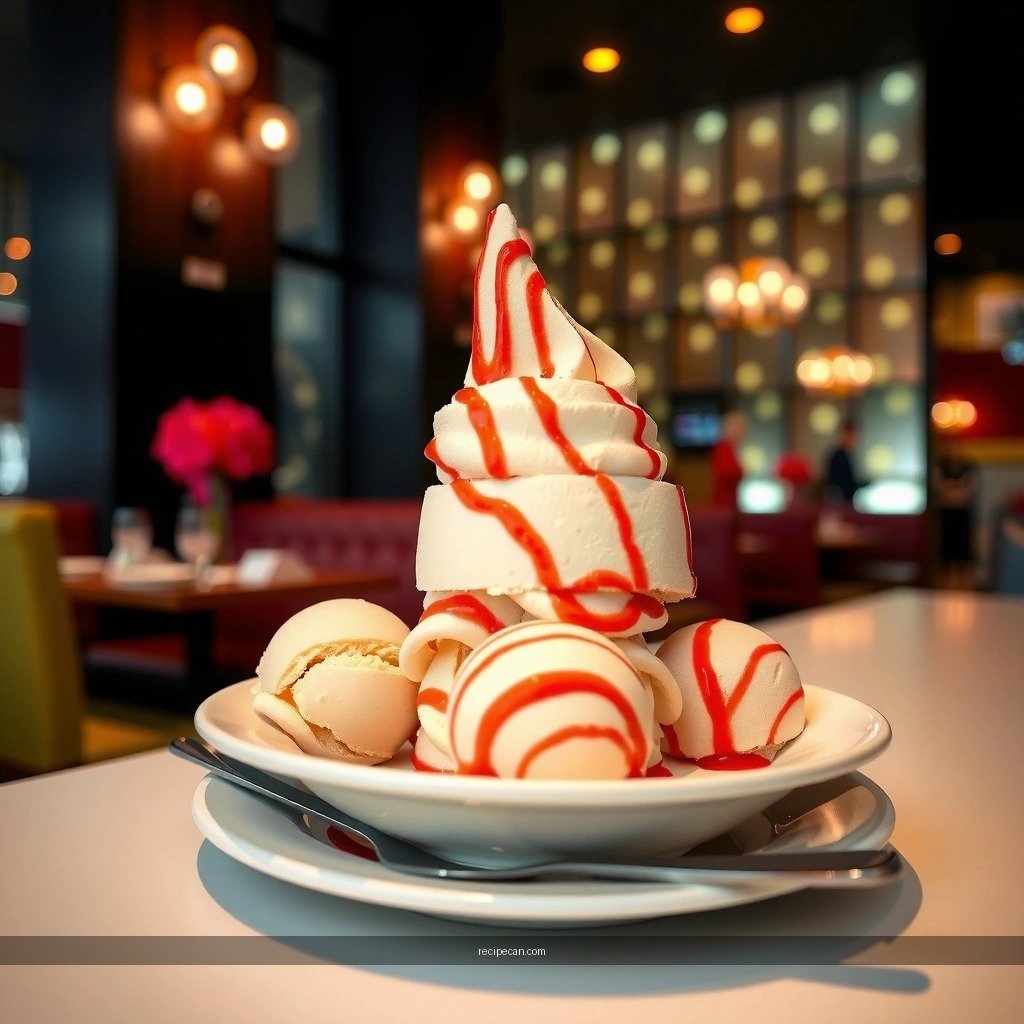
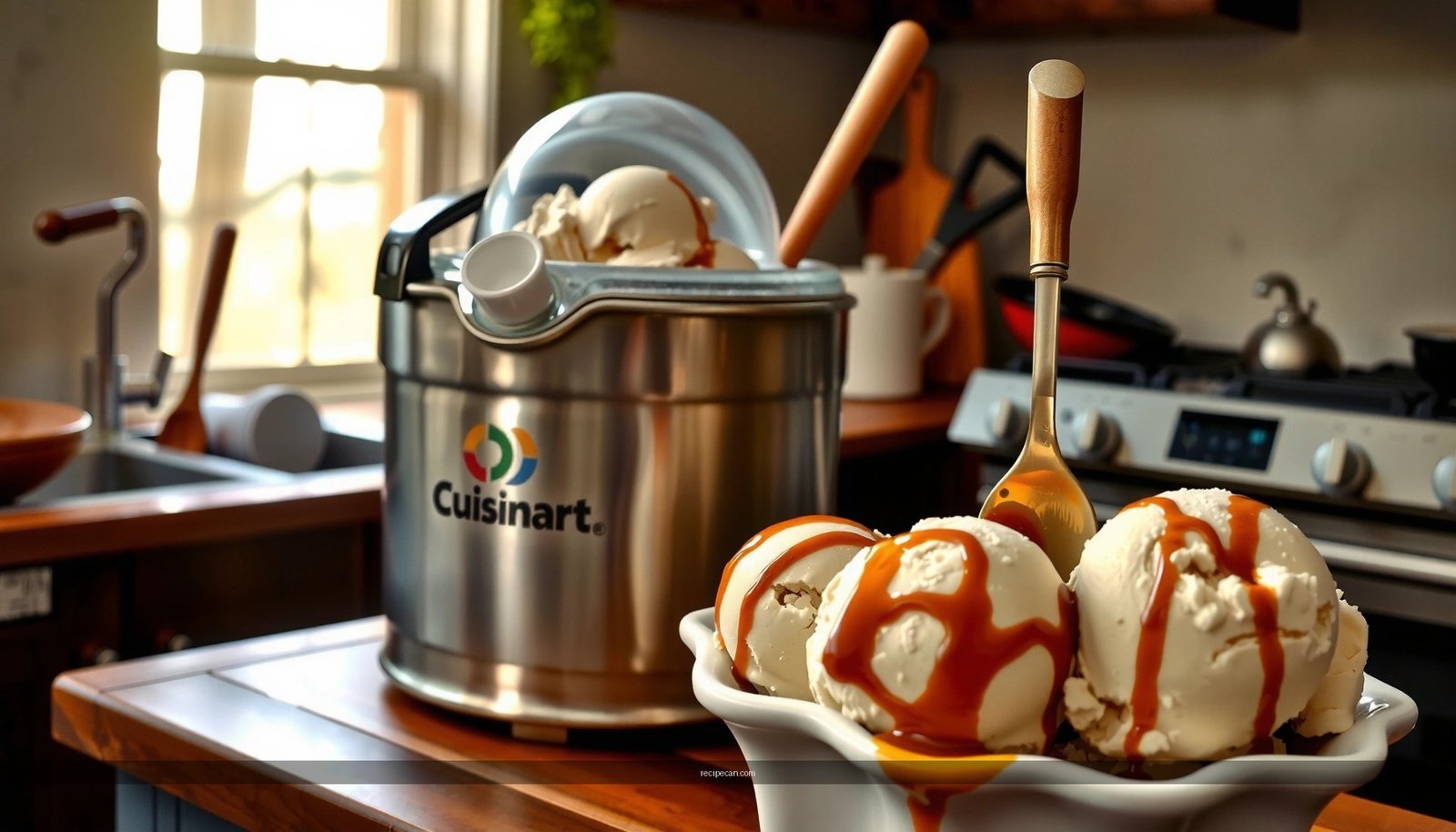
The fastest way to consistent results is to choose Cuisinart ice cream recipes based on how your churner works and how you want the final texture to behave. While most Cuisinart-style countertop churners can handle a wide range of recipes, custard bases and no-cook bases perform differently—especially when it comes to smoothness and aging (day 1 vs. day 7).
– Match churner type with recipe style (custard vs. no-cook base)
– Custard (egg-yolk) bases tend to produce a more stable emulsion and a finer ice crystal structure. This is ideal for flavors you want to taste “dessert-like” with a custardy mouthfeel (vanilla bean, chocolate, caramel).
– No-cook bases are more convenient and work beautifully for quick classics (strawberry, mint, cookies & cream) when you prioritize chilling time and fat/sugar balance.
– Use recipes designed for your bowl size and churn time
Overfilling is a common reason for thin texture or uneven freezing. Use recipes scaled for your unit’s typical batch capacity (often around 1–1.5 quarts depending on model) and churn until the mixture thickens to a soft-serve consistency. If you regularly double a recipe without adjusting, you’ll often get soft output and slower freezing.
– Start with simple flavors before adding complex mix-ins
A vanilla or chocolate base is the best test batch because it’s easy to evaluate texture and sweetness. Once that base is working, you can add mix-ins (cookie pieces, caramel ribbons, fruit swirls) with less risk of ruining the emulsion.
Core Ingredients for Creamy, Smooth Results
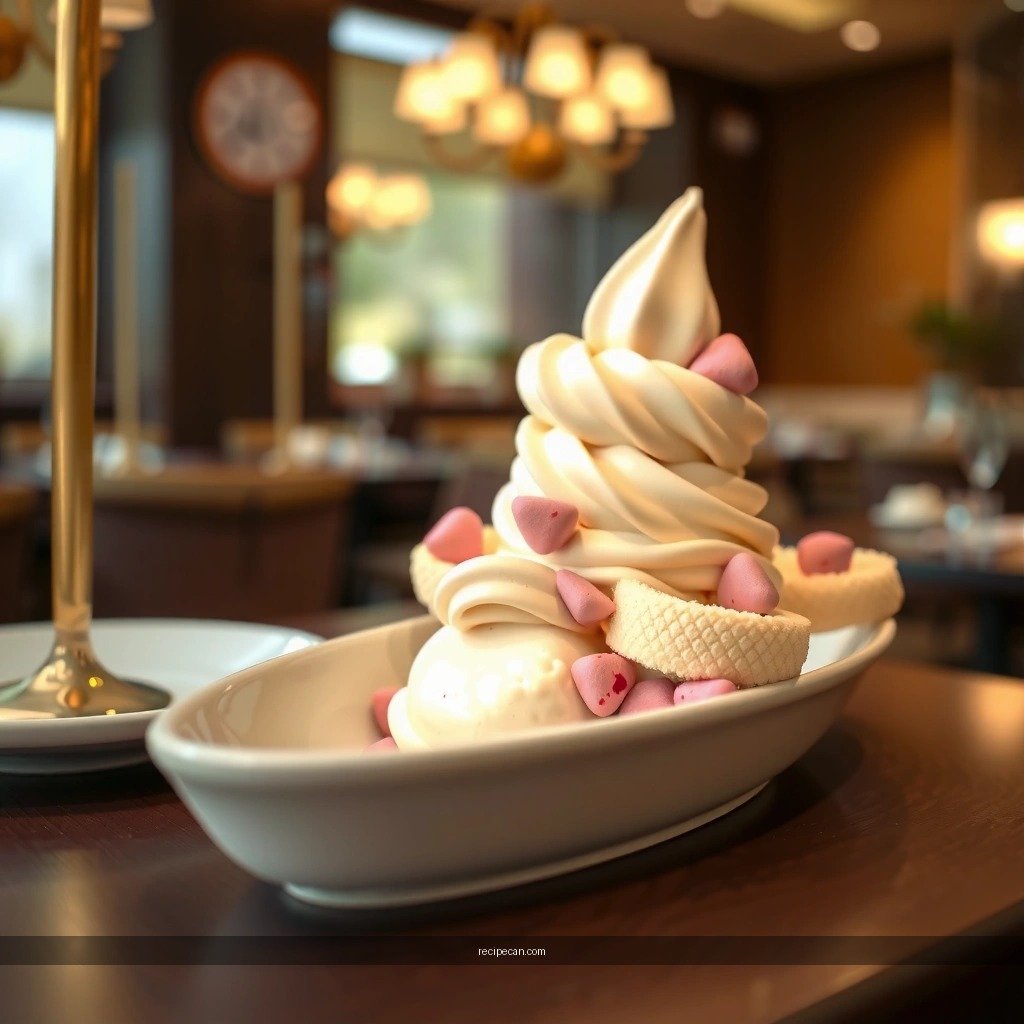
Creaminess in churned ice cream is not just “more fat.” It’s the combined effect of fat body + controlled sweetness + correct stabilizing so water freezes into small crystals instead of a rough, icy structure.
– Use high-fat dairy (heavy cream + whole milk) for better body
A typical winning ratio for smooth churned ice cream is heavy cream as the main contributor to fat, supported by whole milk for balance. When fat is too low, you may get an ice-forward product that melts quickly and loses creaminess.
Practical guideline: aim for a base that’s rich enough to coat a spoon, not watery—even before churning. If you’re scaling recipes, keep the cream fraction relatively consistent.
– Balance sweetness to avoid icy or overly soft ice cream
Sugar lowers the freezing point, which helps prevent full hard-freezing and supports a smoother scoop. But too much sugar can lead to overly soft ice cream.
In most successful homemade formulations, total sweetness (from sugar, honey, syrups, and sweetened condensed ingredients) lands in a range that supports a firm-yet-scoopable texture after freezing.
– Add stabilizers thoughtfully (egg yolks or a small amount of cornstarch)
Stabilizers reduce the chance of large ice crystals forming during freezing and storage.
– Egg yolks stabilize via emulsification and proteins—especially helpful in custard-style bases.
– Cornstarch (small amounts) can mimic that effect in some no-cook variations—use it sparingly, because heavy thickening can create a gummy mouthfeel.
Think of stabilizers as “texture insurance,” not a primary thickener for taste.
Data Table: Target Formulation Points That Map Well to Cuisinart Churning
(Use these targets as guardrails when you adapt any Cuisinart ice cream recipe.)
Smooth-Texture Targets for Homemade Churned Ice Cream (per ~1–1.5 qt batch)
| # | Batch Guardrail | Target Range | Why It Matters | Result Impact |
|---|---|---|---|---|
| 1 | Heavy cream share in the base | ~60–70% of total dairy | Improves body and slows melt | Higher creaminess |
| 2 | Total sugar (including syrup/honey) | ~12–16% by weight | Controls freezing point + scoopability | Less iceiness |
| 3 | Egg yolks (custard option) | 3–5 yolks / ~1–1.5 qt | Emulsification + stability | Finer, richer texture |
| 4 | Cornstarch (no-cook thickener option) | ~4–8 g per ~1–1.5 qt | Stabilizes without heaviness | Better shelf texture |
| 5 | Base chilling before churn | 4–12 hours in the fridge | Reduces ice crystal growth | Smoother result |
| 6 | Churn “stop” consistency | Soft-serve (thickened, spoon stands) | Prevents under-freezing and grain | Creamy spoonability |
| 7 | Hardening conditions | Freeze 4–8 hours, airtight container | Improves texture and minimizes freezer burn | Less iciness over time |
Step-by-Step Base Prep (No-Cook vs. Custard)

Base preparation is where most ice cream quality is won or lost. The churning step can only do so much—the emulsion and temperature profile are the real foundations.
– Chill the base thoroughly before churning for best texture
Warm base = smaller start-up freezing zone = larger ice crystals over time. For dependable Cuisinart results, chill until the base is cold throughout (often overnight). This is also where flavors meld more evenly.
– No-cook bases: combine, dissolve sugar, and strain if needed
No-cook recipes are ideal for fruit and simpler flavor systems.
– Combine cream, whole milk, sugar, and salt until sugar fully dissolves.
– Add flavorings (vanilla, cocoa) and mix-ins.
– If you’re using fruit puree or large particulates, strain for a smoother texture and fewer icy “specks.”
– Custard bases: cook gently, then cool fast to prevent graininess
Custard requires controlled heat so egg proteins thicken without scrambling.
– Cook gently until the custard coats the back of a spoon or reaches a safe thickened state.
– Strain (optional but helpful for ultra-smooth texture).
– Cool quickly by placing the pot over an ice bath or using rapid cooling methods, then refrigerate.
A key analytical point: custards can still turn grainy if overheated or if cooling is too slow. Aim for gentle heat and fast cooling.
Churning Tips: Texture, Timing, and Consistency
Even with a great base, texture depends on how you churn and freeze.
– Churn until thickened but still soft; don’t over-churn
Over-churning can push the mixture toward a stiffer “pre-freeze” state, which may cause a denser, slightly drier texture after hardening. The best moment to stop is when it resembles soft-serve—thick, aerated, and easily scoopable.
– Scrape the bowl during processing for even freezing
Many home churners develop a slightly thicker ring near the bowl. Scraping periodically improves uniformity so the final ice cream freezes evenly, reducing hard edges and soft centers.
– Freeze in a sealed container to firm up without ice crystals
After churning, immediately transfer to an airtight container. Press a piece of parchment or plastic wrap directly onto the surface to reduce air exposure. Then freeze until scoopable.
If you want “day-7 quality,” airtight storage is non-negotiable.
Flavor Ideas and Mix-Ins That Work Great
Flavor is where customization shines—just be strategic about timing and particle size.
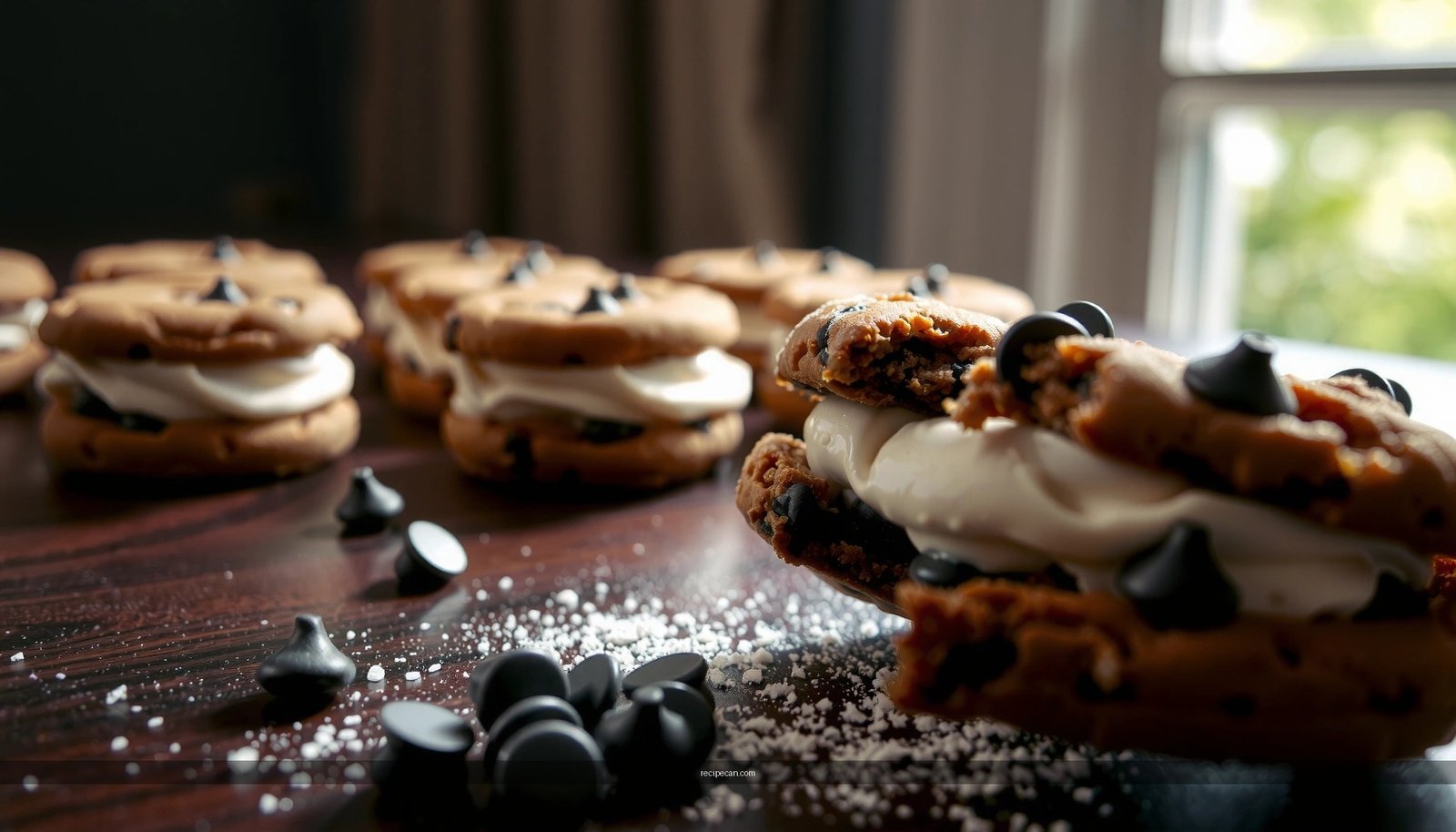
– Try classics like vanilla, chocolate, and strawberry with Cuisinart
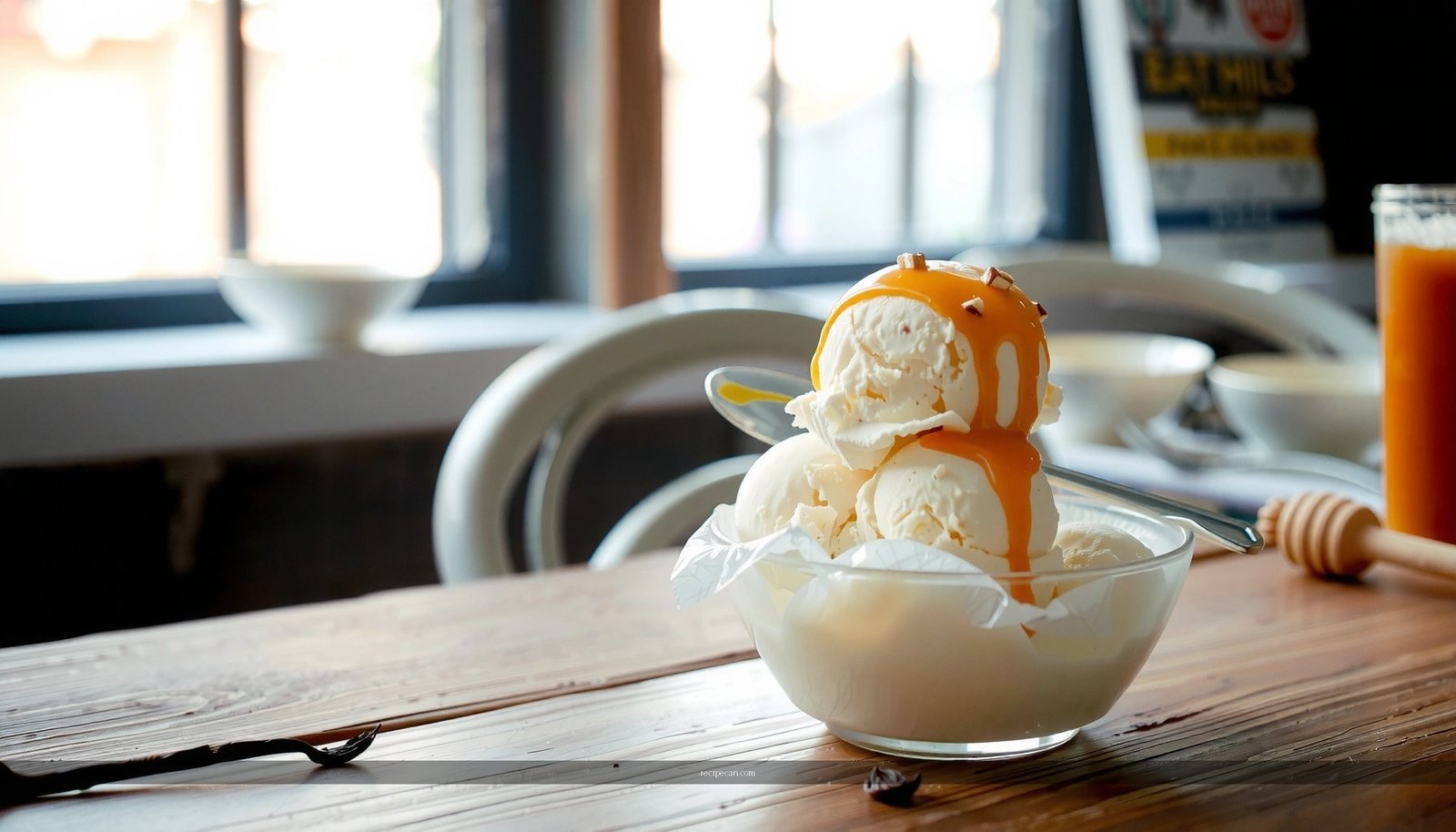
– Vanilla: Use high-quality vanilla extract or vanilla bean; custard vanilla is especially smooth.
– Chocolate: Cocoa or melted chocolate can both work—use proper tempering if melting chocolate, and consider a custard base for richer structure.
– Strawberry: A no-cook base with strained puree typically produces fewer ice crystals and less “jammy” texture.
– Add mix-ins after churning or near the end to avoid hard chunks
Stir in mix-ins at the end so they distribute without grinding into the texture. For a clean bite, mix-ins should be added when the base is already thick enough to suspend them.
– For cookies/nuts, chop small and toast lightly for stronger flavor
Small, evenly chopped pieces freeze more uniformly. Toasting nuts or gently baking cookie crumbs boosts aroma and reduces the chance that mix-ins taste muted after freezing.
Troubleshooting Common Issues
When results are off, the fix is usually traceable to temperature, formulation balance, or timing.
– Ice crystals: improve chilling time and ensure proper freezing
Ice crystals are the classic symptom of starting with a warmer base, insufficient fridge time, or freezing in an uncovered/loosely sealed container. Solve it by chilling 4–12 hours and using airtight storage with surface protection.
– Too soft: increase base fat/sugar balance and extend freeze time
Softness after hardening typically points to insufficient stabilizing fat, low sugar, or not enough freezer time. Re-check your ratio of cream to milk, confirm sugar content, and freeze long enough for the center to fully set.
– Grainy custard: cook low and strain while hot if needed
Graininess usually comes from overheating eggs or uneven cooking. Cook gently, stir consistently, and strain the custard during cooling to remove any tiny curdled bits.
Final Thoughts
Tackle your next batch by picking a Cuisinart-friendly base (custard for extra richness or no-cook for speed), chilling it well, churning to the right soft-serve thickness, and freezing it in an airtight container for a smooth, scoopable finish. Choose one recipe to start today—vanilla or chocolate—then customize confidently with your favorite mix-ins for a homemade churned dessert that stays creamy from day 1 onward.
Frequently Asked Questions
What are the best ice cream Cuisinart recipes for beginners?
If you’re new to ice cream Cuisinart recipes, start with no-fuss classics like vanilla bean or simple churned gelato-style bases. Look for recipes that use a cooked custard or an easy “pour and churn” method to reduce chances of ice crystals. Many Cuisinart ice cream maker recipes also recommend chilling the base thoroughly for smoother, creamier results.
How do I make custard-based ice cream in a Cuisinart machine without it curdling?
For Cuisinart ice cream recipes that use a custard base, cook the mixture gently over medium-low heat and stir constantly, especially when thickening. Remove the base from heat as soon as it coats a spoon, then strain it to catch any bits that might have formed. Chill the custard completely before churning to help it churn evenly and keep your ice cream texture silky.
Why is my homemade ice cream from Cuisinart turning icy instead of creamy?
Ice cream can turn icy when the base isn’t fully chilled before churning, or when the sugar and fat balance is off for the recipe. Over-churning, using warm ingredients, or not following the correct churn time can also lead to a grainy texture. Using Cuisinart ice cream recipes that include stabilizers or adequate sugar—and freezing promptly after churning—helps lock in a creamy scoop.
Which add-ins work best in Cuisinart ice cream maker recipes (cookies, fruit, nuts)?
Most add-ins are best added near the end of the churning cycle so they stay evenly distributed without becoming overly frozen. For cookies and brownies, chop into small pieces and make sure the dough or baked bits are fully cooled before mixing. For fruit, choose ripe fruit and consider macerating with sugar; some Cuisinart ice cream recipes also suggest pureeing fruit to reduce icy chunks.
What’s the best way to store and serve ice cream made from Cuisinart recipes?
After churning, transfer your ice cream to an airtight container and press parchment or plastic wrap directly onto the surface to limit ice crystals. Store at a consistent freezer temperature and avoid repeatedly opening the container, which can dry it out and worsen texture. For serving, let it sit briefly at room temperature so the homemade ice cream from Cuisinart recipes scoops easily and tastes at its best.
References
- Ice cream
https://en.wikipedia.org/wiki/Ice_cream - Ice cream | Definition, History, & Production | Britannica
https://www.britannica.com/topic/ice-cream - https://www.fda.gov/food/food-additives-ingredients/frozen-desserts
https://www.fda.gov/food/food-additives-ingredients/frozen-desserts - https://pubmed.ncbi.nlm.nih.gov/?term=ice+cream+manufacturing+process
https://pubmed.ncbi.nlm.nih.gov/?term=ice+cream+manufacturing+process - https://pubmed.ncbi.nlm.nih.gov/?term=ice+cream+stabilizers+emulsifiers
https://pubmed.ncbi.nlm.nih.gov/?term=ice+cream+stabilizers+emulsifiers - https://www.nature.com/search?q=ice%20cream%20microstructure
https://www.nature.com/search?q=ice%20cream%20microstructure - https://www.sciencedirect.com/search?qs=ice%20cream%20overrun%20freezing
https://www.sciencedirect.com/search?qs=ice%20cream%20overrun%20freezing - Google Scholar Google Scholar
https://scholar.google.com/scholar?q=ice+cream+cuisinart+recipes - https://scholar.google.com/scholar?q=ice+cream+maker+churn+freezing+rate+overrun Google Scholar
https://scholar.google.com/scholar?q=ice+cream+maker+churn+freezing+rate+overrun - https://scholar.google.com/scholar?q=ice+cream+stabilizers+emulsifiers+formulation Google Scholar
https://scholar.google.com/scholar?q=ice+cream+stabilizers+emulsifiers+formulation