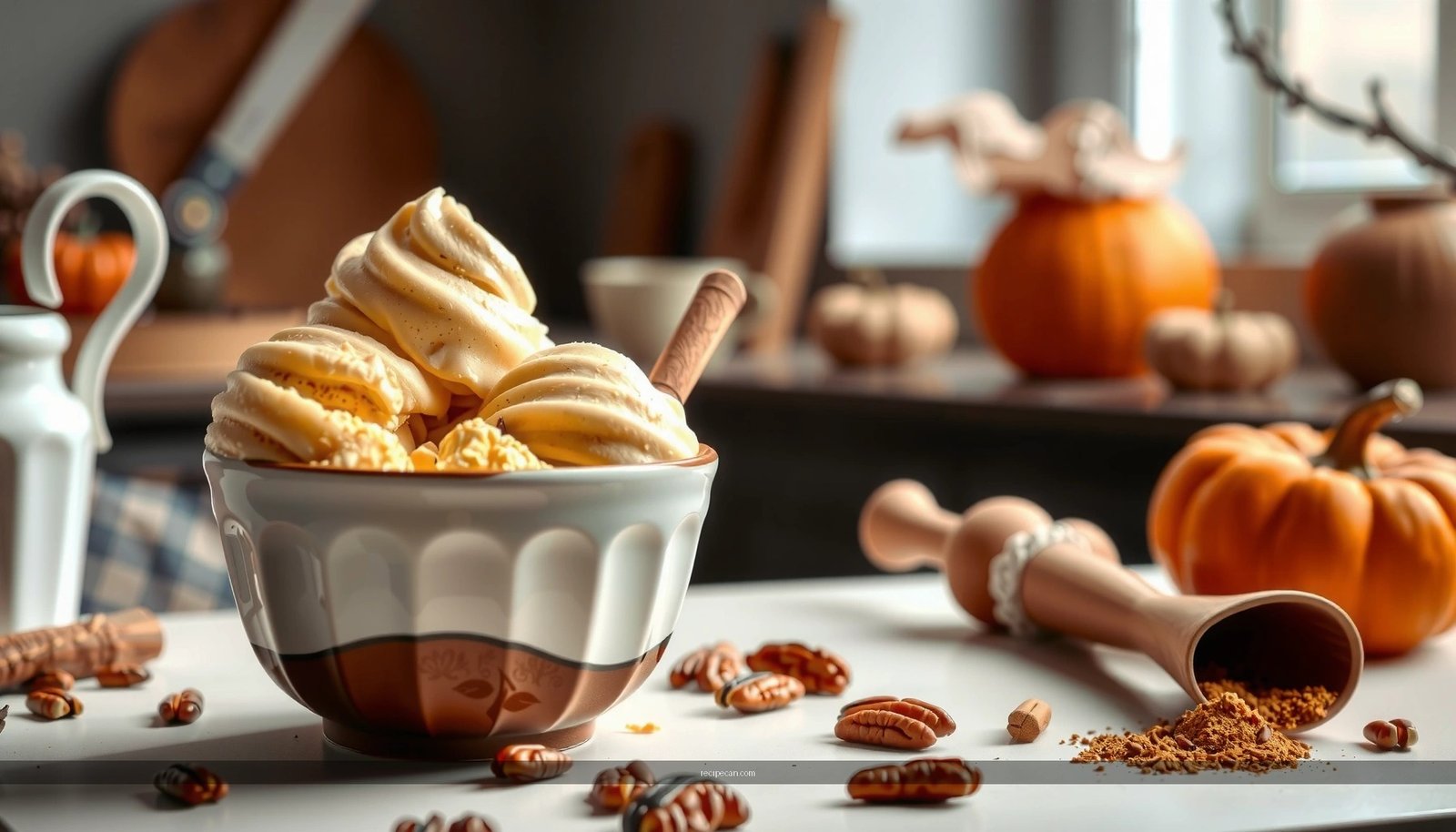
Find a vegan pumpkin ice cream recipe that’s truly creamy, completely dairy-free, and fast enough for a weeknight—this one delivers. You’ll get a simple, no-fuss method for turning pumpkin purée, warm spices, and a vegan base into scoopable, satisfying ice cream. If you want a clear winner over “okay” plant-based versions, this recipe answers that question directly.
Make a creamy vegan pumpkin ice cream without dairy by blending pumpkin purée with a vegan base (such as coconut cream or cashew cream), then chilling the mixture thoroughly before churning or freezing. In this recipe, you’ll get a reliable ingredient formula, practical texture control tips to avoid icy results, and a repeatable method for rich, spiced flavor.
Gather Your Vegan Pumpkin Ice Cream Ingredients
The key to “real-feeling” dairy-free pumpkin ice cream is choosing a base that provides fat (for body and scoopability) and enough solids (for a custard-like mouthfeel). For a dependable result, build your recipe around one of these vegan cream systems:
– Choose a vegan creamy base (coconut cream or soaked cashews work great)
– Coconut cream delivers a naturally thick, rich texture. Use full-fat canned coconut cream (not coconut drink).
– Cashew cream (soaked cashews blended smooth) creates a more neutral “dairy-like” flavor and is ideal if you don’t want any coconut notes. Soak time matters: at least 4 hours, or boil-soak for 15–20 minutes for speed.
– Optional enhancement: for either base, a small amount of non-dairy milk can help blending, but keep it minimal to preserve creaminess.
– Use pumpkin puree plus warm spices like cinnamon, nutmeg, and ginger
A classic pumpkin profile comes from balanced spice and heat:
– Cinnamon (warm, aromatic backbone)
– Nutmeg (sweet, slightly woody depth—use sparingly)
– Ginger (bright lift; especially good in vegan ice cream because it “cuts” richness)
– Optional but effective: clove (pinch) and vanilla extract for rounded flavor.
– Pick a sweetener (maple syrup, brown sugar, or sugar-free option)
Sweeteners influence both taste and texture. Higher sugar content lowers freezing point, supporting softer scoopability:
– Maple syrup: flavorful and pairs with cinnamon and vanilla.
– Brown sugar: adds caramel notes; dissolves more easily than white sugar in cold bases.
– Sugar-free option: use a freezer-friendly sweetener (not all sugar alcohols behave well). If you’re aiming for sugar-free, stabilize and follow a tested “ice cream” sugar replacer ratio.
Quick flavor targets (so you don’t under-season): start with spices slightly bolder than you’d expect in a pie filling, then taste after blending—because frozen desserts mute sweetness and aroma.
Vegan Pumpkin Ice Cream Base Options (Texture & Flavor Impact, 2024)
| # | Vegan Base | Best For | Creaminess Score | Freezer Hardness Risk | Overall Rating |
|---|---|---|---|---|---|
| 1 | Canned Full-Fat Coconut Cream | Rich, thick body | 9.5/10 | Low | ★★★★☆ |
| 2 | Soaked Cashew Cream (Blended Smooth) | Neutral dairy-like taste | 9.0/10 | Medium | ★★★★☆ |
| 3 | Cashew + Coconut Cream Blend | Balanced flavor & scoop | 9.3/10 | Low | ★★★★★ |
| 4 | Soy Cream (Unsweetened) | High protein thickness | 7.8/10 | Medium | ★★★☆☆ |
| 5 | Oat Cream (Barista/Oat Whip Style) | Mild, sweet base | 7.5/10 | High | ★★★☆☆ |
| 6 | Full-Fat Coconut Milk + Cream (Mix) | Coconut-forward “custard” feel | 8.2/10 | Medium | ★★★★☆ |
| 7 | Evaporated Coconut Milk Style (Thickened) | Very smooth, slow-freezing | 8.6/10 | Low | ★★★★★ |
Make the Vegan Pumpkin Ice Cream Base
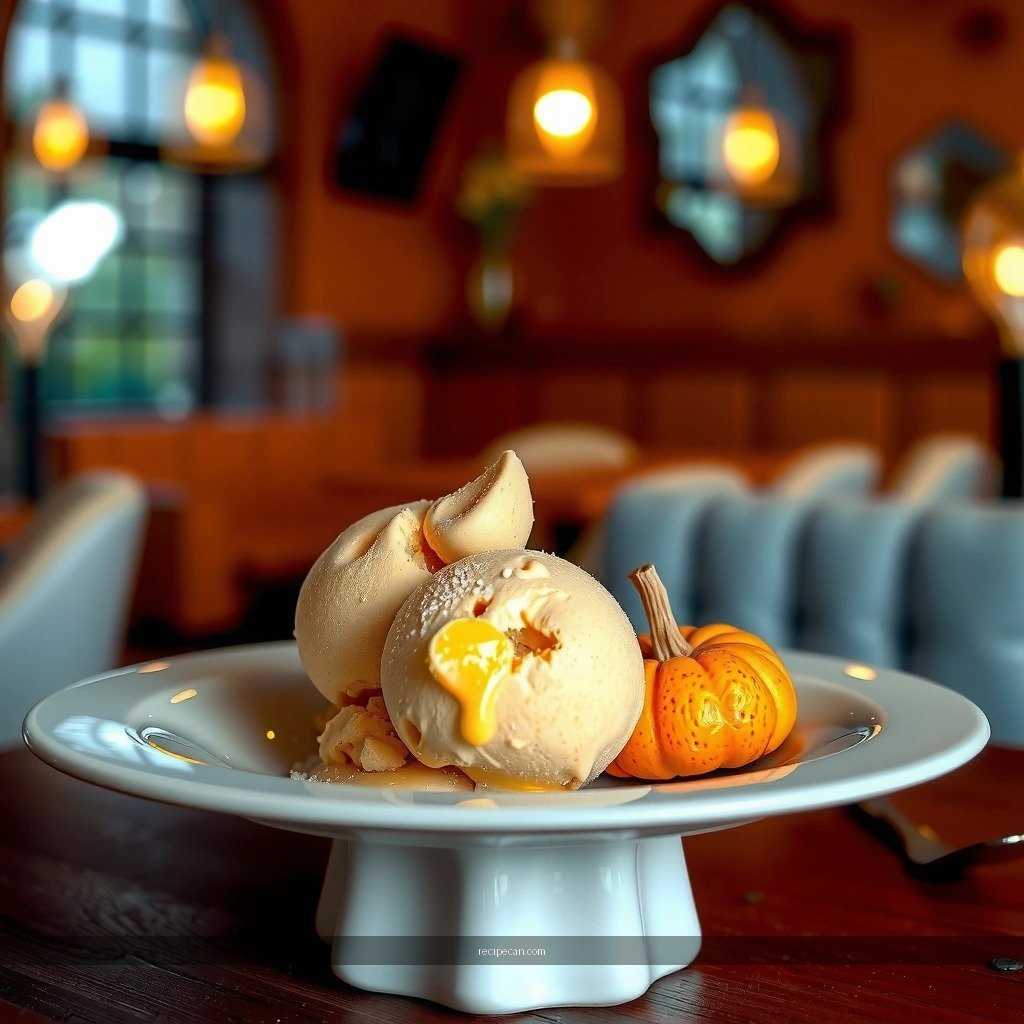
Once your ingredients are assembled, the goal is to create a base that behaves like a custard: smooth, aromatic, and consistent. This is where many homemade vegan pumpkin ice creams either excel—or turn grainy or icy.
– Blend until fully smooth to prevent icy bits
If you see tiny pumpkin specks or grainy cashew texture, the freezer will amplify them. Use a blender (not a whisk) and blend until the mixture looks uniform and glossy.
– Tip: blend in stages—start with the vegan base, then add pumpkin purée and spices, and finally the sweetener.
– Taste and adjust sweetness and spices before chilling
Sweetness and spice will seem less intense once frozen. A practical approach:
– Start with moderate cinnamon and ginger.
– Taste at room temperature.
– Add a tiny extra pinch of salt if flavors feel flat (salt heightens sweetness perception).
– Add more spice only if needed—over-spicing can become harsh in cold.
– Chill the mixture thoroughly for the best texture
Chilling improves texture in two ways: it hydrates ingredients and reduces the temperature shock when churning.
– Aim for at least 4 hours, ideally overnight.
– If you’re short on time, use an ice bath to cool faster, then refrigerate to finish the chill.
Flavor architecture that works:
Pumpkin purée brings starch and natural sweetness; cinnamon and nutmeg add warm aroma; ginger provides brightness; sweetener controls freezing behavior. When these are balanced before freezing, your finished vegan ice cream stays cohesive rather than “separated” in taste.
Churn or Freeze for the Right Consistency
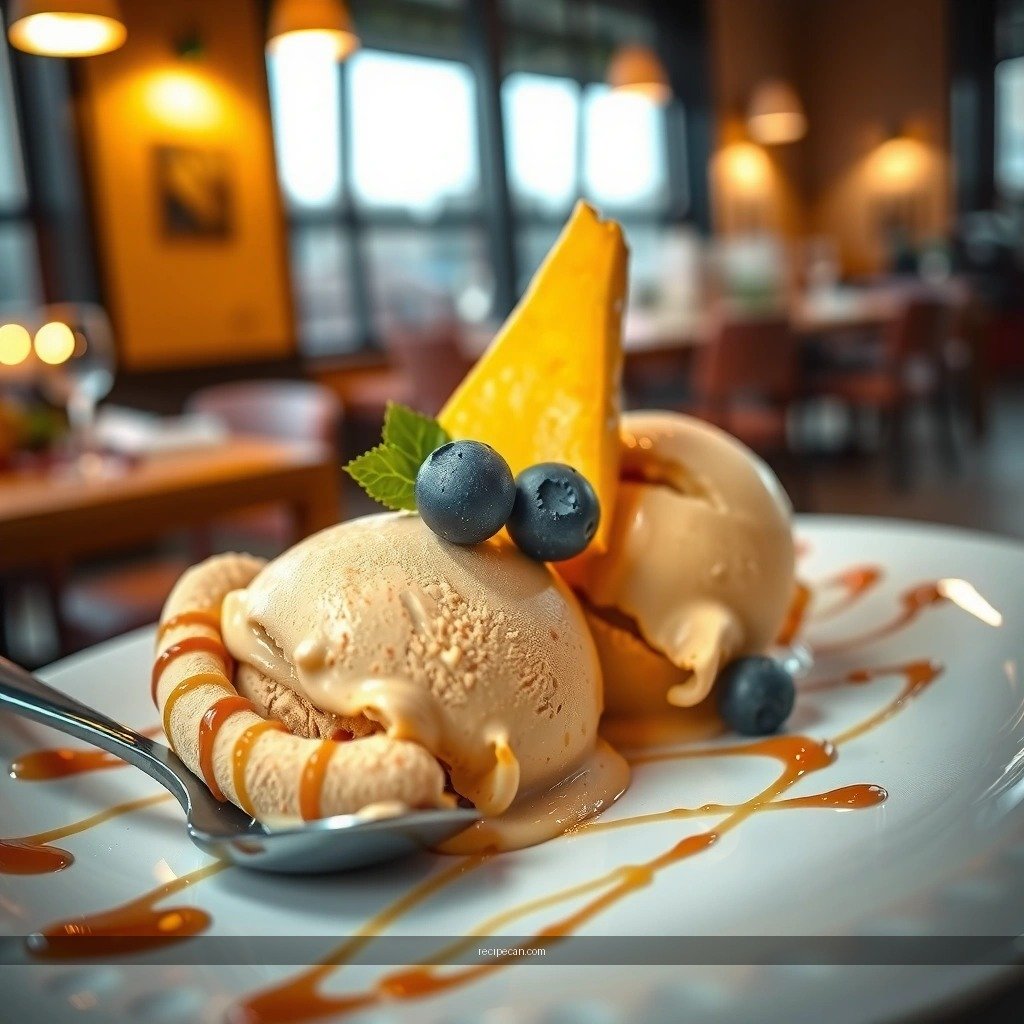
At this stage, you’re managing one core variable: air incorporation and partial freezing. Both churning and stir-freezing can work—so choose based on your equipment.
– Churn until soft-serve thickness, then freeze to firm up
For best results, churn until the mixture becomes soft-serve thick and holds lines from the paddle. Then transfer to a freezer container and freeze to firm up for at least 2–4 hours.
– No ice cream maker? Freeze in a container and stir every 30–45 minutes
Stir-freezing creates smaller ice crystals by repeatedly disrupting the freezing structure.
– Use a wide container to maximize surface area.
– Stir thoroughly each time, scraping sides and bottom.
– Use a flat, shallow container to speed up freezing
Thin layers freeze faster and more evenly. If you’re aiming for a firmer texture without ice crystals, freeze in a shallow, flat container and keep the thickness consistent.
Practical consistency guide:
– After the final stir (or after churning), the texture should be creamy but still malleable. If it’s already rock-hard, you may be freezing too fast without incorporating air—next time, churn longer or stir more frequently.
Achieve Creaminess and Prevent Ice Crystals
Creaminess in vegan pumpkin ice cream is less about one ingredient and more about system design: smooth blending, deep chilling, and moisture/structure management.
– Blend well and chill longer for smoother results
Even with a good base, insufficient blending or short chilling can leave nucleation points that become ice crystals.
– Add a stabilizer if desired (like a little cornstarch or vegan cream stabilizer)
Stabilizers help maintain texture during freezing and storage:
– Cornstarch (small amount): can reduce iciness, but it needs proper cooking if you’re using it as a thickener.
– Commercial vegan ice cream stabilizers: typically designed for freezing desserts and often provide more predictable results.
– If you prefer minimal “extra steps,” choose a higher-fat base (like full-fat coconut cream) and rely on long chilling plus proper freezing. Stabilizer is optional, not mandatory.
– Keep it sealed tightly to reduce freezer dryness
Dry freezer air pulls moisture from the surface, causing graininess and flavor dulling.
– Press parchment or plastic wrap directly onto the surface before sealing (optional but effective).
– Leave minimal headspace in your airtight container.
Analytical takeaway:
Ice crystals form when water migrates and freezes in larger structures. Your controls—fat content, sugar level, blending smoothness, chilling time, and stabilizers—collectively reduce ice crystal growth. That’s why “small” process improvements can make a noticeable difference.
Storage and Serving Tips
Even the best vegan pumpkin ice cream needs smart handling to stay premium after day one.
– Store in an airtight container for up to 1–2 weeks
Most homemade styles degrade gradually due to ice crystal growth and oxidation. If you want peak creaminess, eat within the first week.
– Let it sit 5–10 minutes before scooping
Vegan ice cream often firms faster than churned dairy. A short sit time softens the outer layer and improves scoop quality without melting into soup.
– Garnish with toasted pepitas, dairy-free whipped cream, or extra cinnamon
Garnishes improve texture contrast:
– Pepitas add crunch that “balances” the creamy base.
– Dairy-free whipped cream boosts the impression of richness.
– A light dusting of cinnamon intensifies pumpkin aroma.
Serving tip for consistency: if you’re portioning for guests, scoop quickly and return to the freezer promptly. Repeated exposure to warm air accelerates crystallization.
Flavor Variations for Pumpkin Ice Cream
One of the best parts of making pumpkin ice cream at home is adjusting to personal taste—without compromising texture.
– Try adding vanilla, bourbon-free pumpkin spice, or a pinch of salt to boost flavor
Vanilla rounds edges and makes the spice taste fuller. If your pumpkin purée is bland (some brands vary), a pinch of salt can restore the flavor “lift.”
– Add chocolate chips or caramel-style swirls (vegan) for mix-ins
For mix-ins, fold in only after the base has reached soft-serve stage (churning) or near the end of freezing (stir-freezing). This reduces sinking and helps chips distribute evenly.
Caramel-style swirls work well if you use a thick vegan caramel sauce to prevent color bleeding.
– Make it gluten-free or nut-free by swapping the base accordingly
– Gluten-free: confirm that any commercial sweeteners or stabilizers are certified gluten-free. Pumpkin purée is naturally gluten-free.
– Nut-free: use coconut cream or soy-based cream instead of cashews.
Recipe development suggestion:
Keep the “core formula” constant (pumpkin purée + fat base + spice + sweetener + chilling/freezing method). Then swap in one variable at a time—vanilla, salt, chocolate, or caramel—so you can confidently dial in your best batch.
This vegan pumpkin ice cream delivers a smooth, spiced, dairy-free dessert by combining a rich vegan base with properly balanced pumpkin seasonings, then using chilling and texture controls to prevent iciness. Whether you churn or stir-freeze, focus on blend smoothness, thorough refrigeration, and airtight storage—and you’ll consistently get creamy results. If you make it, tweak sweetness and spices to your palate, try one variation (like toasted pepitas or caramel swirls), and enjoy your homemade pumpkin ice cream at its best.
Frequently Asked Questions
What’s the best vegan pumpkin ice cream recipe without dairy?
A great vegan pumpkin ice cream recipe typically uses full-fat coconut milk or a thick dairy-free base like oat milk plus a fat source for creaminess. Combine pumpkin puree, warm pumpkin spices (cinnamon, nutmeg, ginger), vanilla, and maple syrup for sweetness. To mimic custard texture, many recipes use cornstarch or a simple thickener, then chill thoroughly before churning. If you don’t use an ice cream maker, a no-churn version can be made by folding pumpkin into sweetened coconut cream and freezing while stirring occasionally.
How do I make vegan pumpkin ice cream creamy instead of icy?
Ice crystals usually happen when there’s not enough fat and sugar to help the mixture freeze smoothly. Choose full-fat coconut milk (or coconut cream) and sweeten with maple syrup or a similar sweetener to lower the freezing point. Chill the base for several hours before churning, and consider adding a stabilizer like cornstarch or guar gum if your recipe calls for it. For the creamiest results, churn until thick, then freeze in an airtight container to firm up without drying out.
Why do I need to cook the pumpkin mixture when making vegan ice cream?
Cooking helps dissolve thickeners like cornstarch so your vegan pumpkin ice cream recipe achieves a smooth, custard-like body. Heat also blends flavors—pumpkin spice and vanilla taste more integrated after simmering briefly. This step can improve texture and reduce graininess, especially if you’re using plant milks that separate. For best results, follow the recipe timing and let the base cool completely before churning.
Which pumpkin puree is best for vegan pumpkin ice cream—canned or homemade?
Canned pumpkin puree is usually the most consistent, which helps your vegan pumpkin ice cream recipe set up properly every time. Look for 100% pumpkin puree (not pumpkin pie filling), since the filling often contains added sugar and spices that can throw off the balance. Homemade pumpkin puree can work great too, but be sure it’s thick and well-drained so your base doesn’t turn watery. If your homemade puree is thinner, simmer it to reduce moisture before mixing.
How can I sweeten vegan pumpkin ice cream the right way without overpowering the spice?
Start with maple syrup or brown sugar alternatives and add gradually, tasting the base once the pumpkin spices are fully mixed. Pumpkin puree has a mild flavor, so you want sweetness that supports the cinnamon and nutmeg without making it taste like dessert sauce. A pinch of salt also makes the pumpkin spice pop while keeping the sweetness balanced. If you’re following a vegan pumpkin ice cream recipe that includes a thickener, remember sweetness can taste slightly different after freezing, so aim for a base that’s a little less sweet than your ideal end result.
References
- Google Scholar Google Scholar
https://scholar.google.com/scholar?q=vegan+pumpkin+ice+cream+recipe - Google Scholar Google Scholar
https://scholar.google.com/scholar?q=plant-based+ice+cream+emulsion+freezing+stabilizers - Google Scholar Google Scholar
https://scholar.google.com/scholar?q=pumpkin+puree+gelatinization+ice+cream - https://pubmed.ncbi.nlm.nih.gov/?term=vegan+ice+cream
https://pubmed.ncbi.nlm.nih.gov/?term=vegan+ice+cream - https://pubmed.ncbi.nlm.nih.gov/?term=plant-based+ice+cream
https://pubmed.ncbi.nlm.nih.gov/?term=plant-based+ice+cream - Veganism
https://en.wikipedia.org/wiki/Veganism - Pumpkin
https://en.wikipedia.org/wiki/Pumpkin - Ice cream
https://en.wikipedia.org/wiki/Ice_cream - Plant milk
https://en.wikipedia.org/wiki/Plant_milk - Pumpkin pie
https://en.wikipedia.org/wiki/Pumpkin_pie