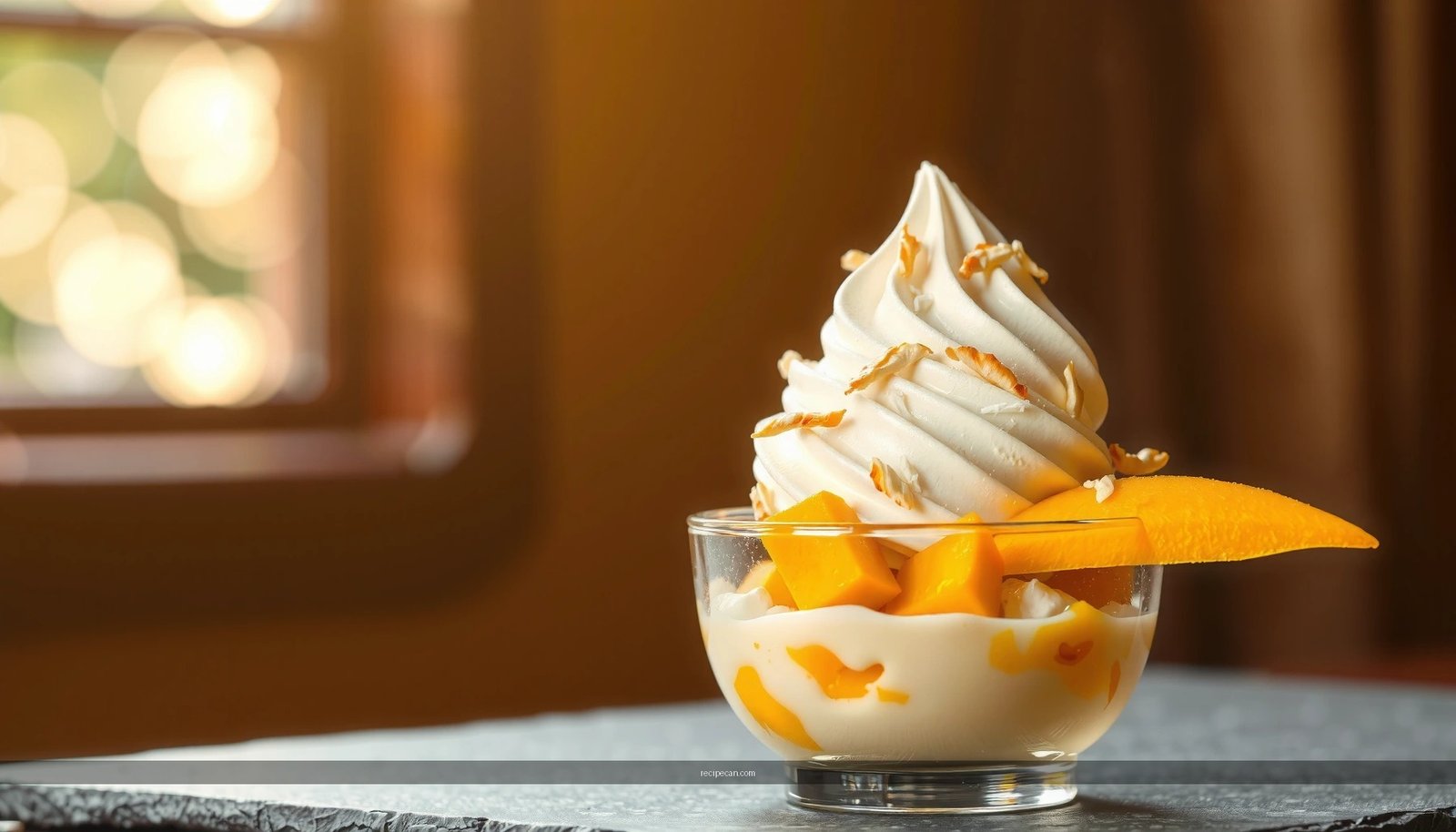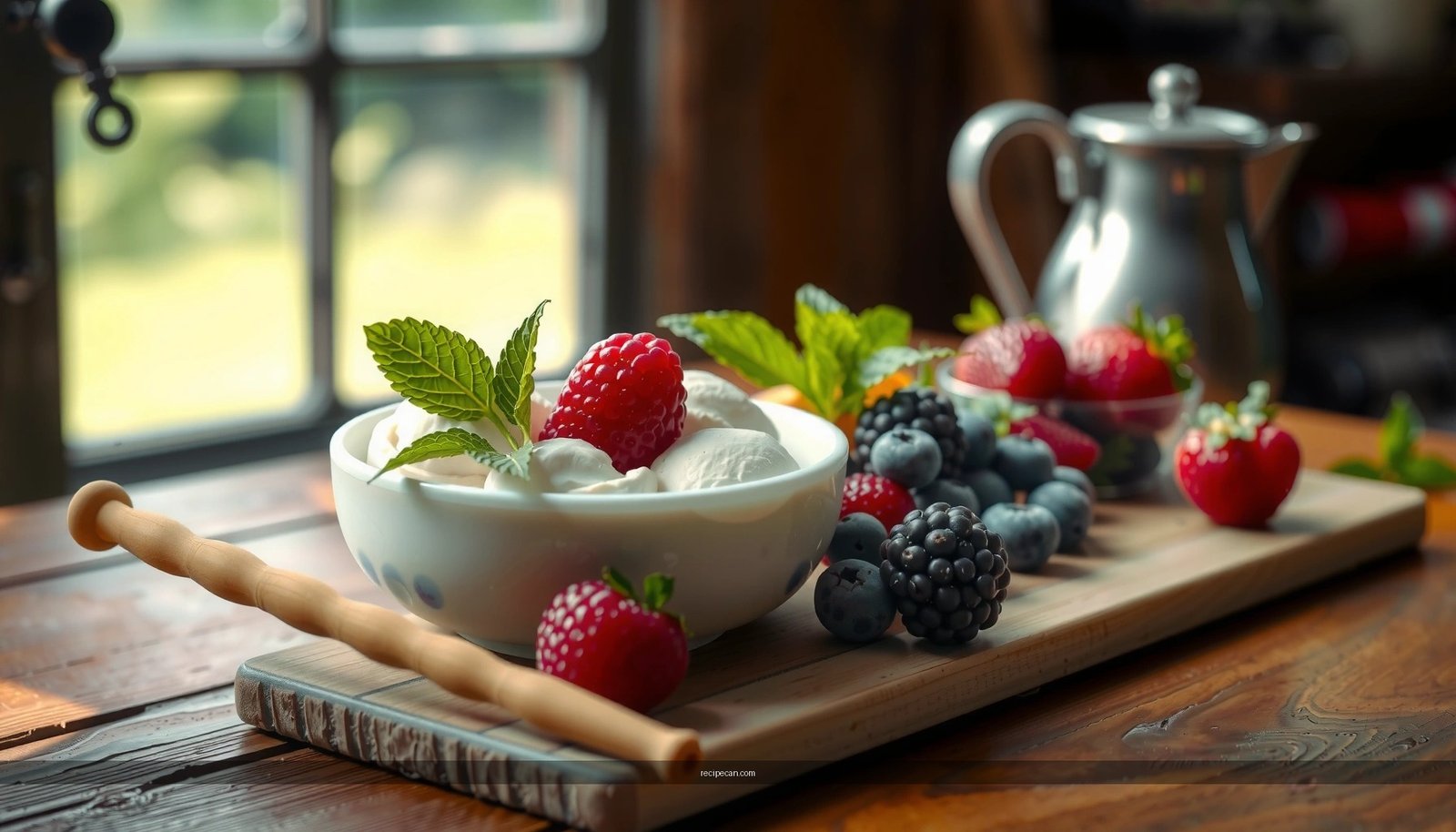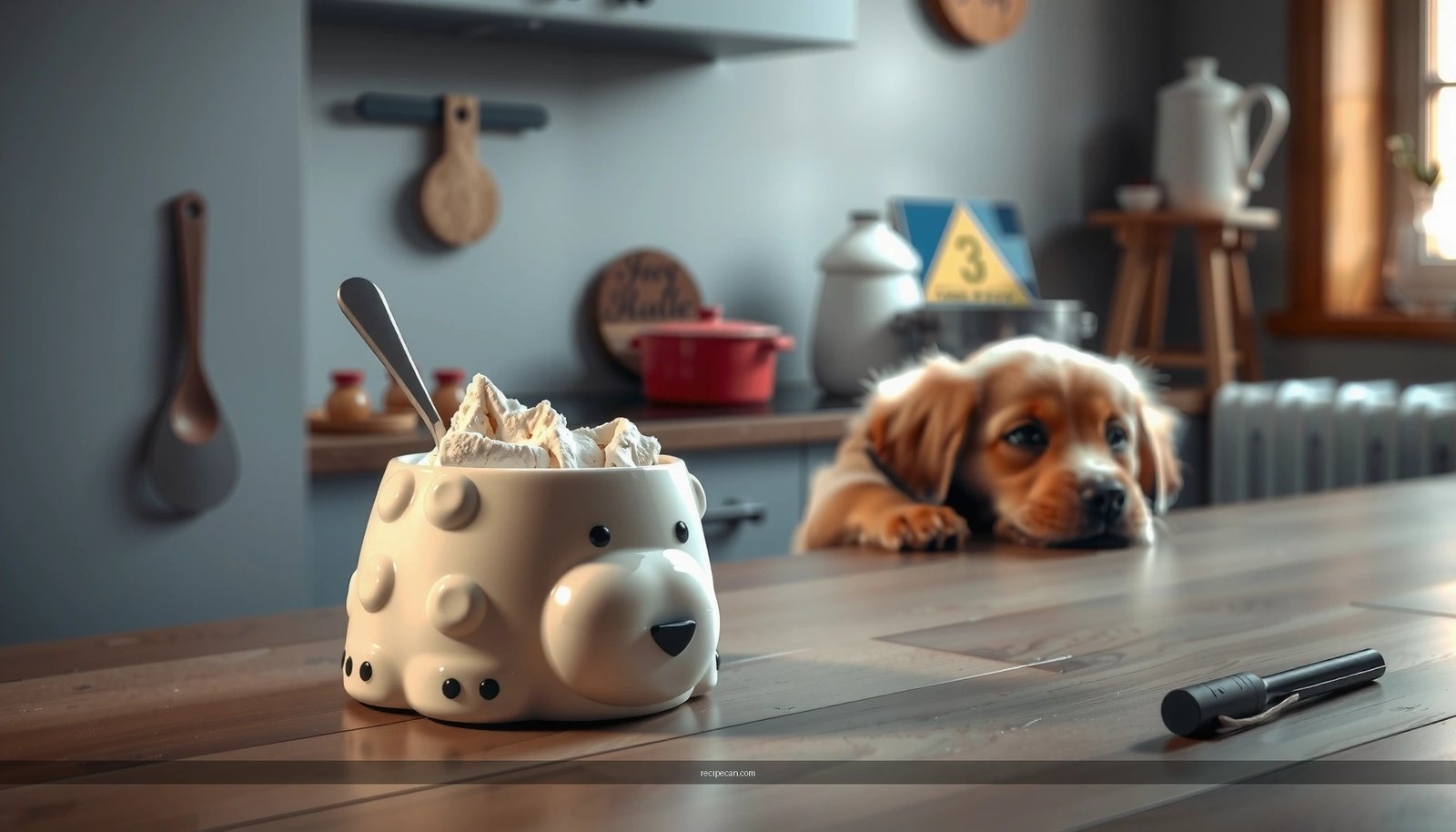
Want an easy vanilla dog ice cream recipe that’s safe, simple, and actually your pup will love? This recipe delivers a creamy homemade vanilla treat with dog-friendly ingredients and straightforward steps you can finish in minutes. It answers whether you can make vanilla dog ice cream at home without guesswork—and gives you the exact method to do it right.
Make a creamy vanilla dog ice cream at home by blending plain yogurt (or coconut yogurt) with a dog-safe vanilla flavoring, then freezing the mixture in small portions. This simple process gives you a refreshing summer treat while keeping ingredients dog-friendly—so you can confidently offer a cool, homemade reward without the risky add-ins.
Ingredients for Vanilla Dog Ice Cream
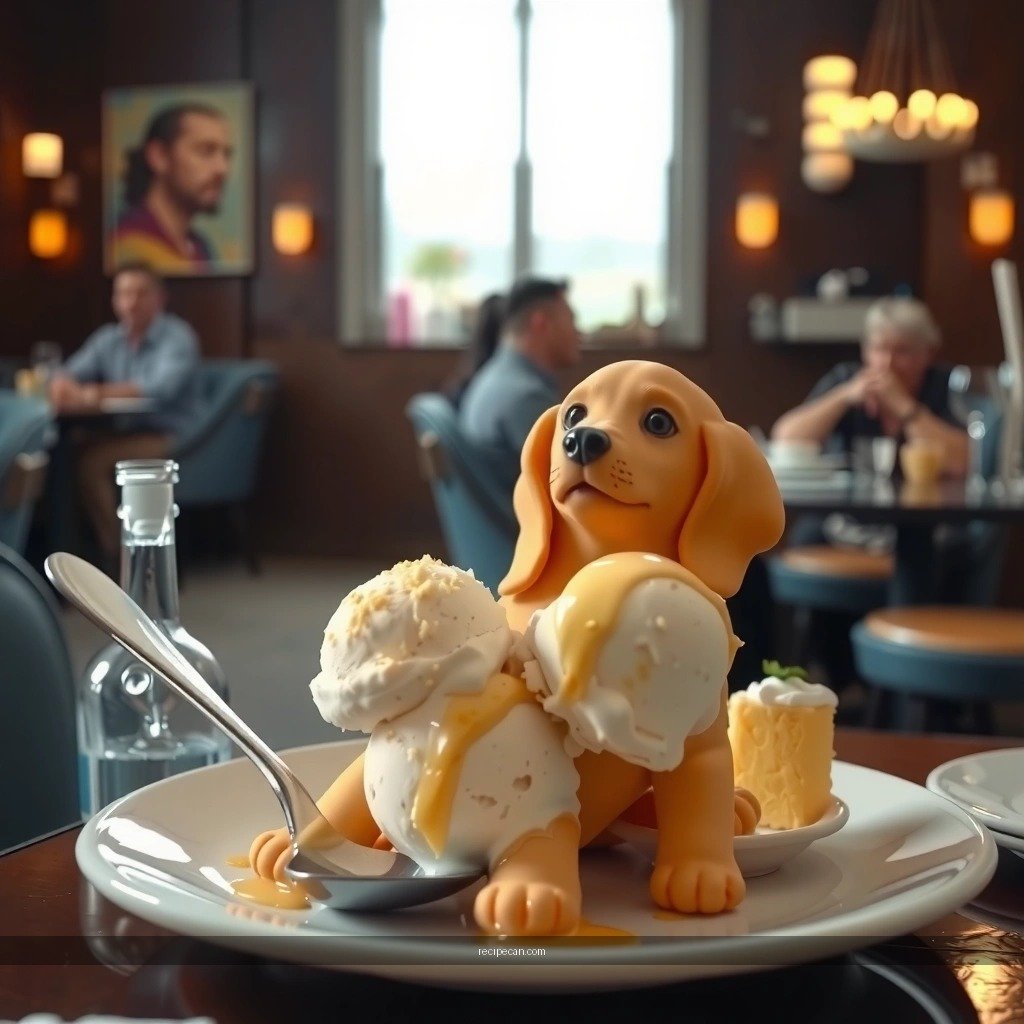
– Use plain, unsweetened yogurt or coconut yogurt as the creamy base
– Choose a dog-safe vanilla option (skip alcohol and excess sweeteners)
When you’re aiming for a safe vanilla dog ice cream recipe, the ingredient list should be short, understandable, and easy to source. The best “ice cream” texture starts with a dairy (or dairy-free) base that already has a creamy mouthfeel and mild flavor. Plain yogurt works particularly well because it blends smoothly and provides a tangy dairy note that most dogs enjoy. Coconut yogurt is also a strong option for dogs who are dairy-sensitive (though you should still monitor individual tolerance).
For vanilla, don’t assume “vanilla” automatically equals dog-safe. The goal is to use vanilla extract or vanilla flavoring only if it contains no alcohol and no harmful additives. Many store-bought extracts list ethanol (alcohol) as an ingredient—if it does, treat it as unsafe for this recipe. Instead, look for dog-safe vanilla flavoring that is explicitly free from alcohol, or use a vanilla product formulated for pets.
To keep this as an easy homemade treat, aim for ingredients you can repeat consistently:
– Plain unsweetened yogurt (preferably with live cultures) or unsweetened coconut yogurt
– Dog-safe vanilla (no alcohol)
– Optional binding/texture helpers such as a small amount of finely blended banana or oat flour (only if your dog tolerates these well)
A key analytical point: yogurt-based frozen treats typically freeze softer than dairy-heavy ice cream, because yogurt lacks the same fat-and-emulsifier structure as traditional ice cream. That’s not a drawback—it’s often why yogurt frozen treats are easier to portion and chew. You can improve scoopability with portion control and occasional re-blending (covered later).
Yogurt-Based Frozen Treats: Practical Sensory & Safety Fit for Dogs
| # | Creamy Base (Dog-Friendly) | Freezing Behavior | Typical Digestive Tolerance | Best Use Case | Dog Acceptance Rating |
|---|---|---|---|---|---|
| 1 | Plain unsweetened yogurt (cow’s milk) | Freezes soft-to-medium | Often well-tolerated | Classic “vanilla ice cream” texture | ★★★★★ |
| 2 | Plain unsweetened coconut yogurt | Freezes medium-soft | Good alternative for many dogs | Dairy-light or dairy-free preference | ★★★★☆ |
| 3 | Plain goat yogurt (unsweetened) | Freezes soft | Variable; test slowly | Some dogs prefer flavor & digestibility | ★★★★☆ |
| 4 | Plain kefir (unsweetened) | Freezes softer; melts quicker | Often OK; monitor gas | You want a more spoonable texture | ★★★☆☆ |
| 5 | Unsweetened blended pumpkin (mixed in small amounts) | Can firm slightly | Often supportive for stools | Better mouthfeel for picky eaters | ★★★★☆ |
| 6 | Unsweetened applesauce (very small add-in) | Softer; can increase melt rate | Generally tolerated | Light sweet aroma without sugar | ★★☆☆☆ |
| 7 | High-fat sweetened yogurt (avoid) | Freezes unpredictably | Higher risk for stomach upset | Not recommended | ★☆☆☆☆ |
Step-by-Step Vanilla Dog Ice Cream Recipe
– Mix ingredients until smooth, then pour into freezer-safe containers
– Freeze until firm, then serve in small portions
This homemade vanilla dog ice cream recipe is designed for speed and repeatability. The “secret” is not a complex churn—it’s achieving an even blend so the frozen treat has consistent texture and flavor in every bite.
Basic recipe (makes small portions):
1. Measure the base: Add 1 cup plain unsweetened yogurt (or coconut yogurt) to a mixing bowl.
2. Add vanilla (dog-safe only): Stir in 1/2 teaspoon dog-safe vanilla. If you’re using a vanilla powder designed for pets, follow the label guidance instead.
3. Blend for smoothness: Whisk until fully combined. For extra creaminess, pulse with a blender for 10–20 seconds.
4. Portion: Pour or spoon into silicone molds or small freezer-safe containers.
5. Freeze: Freeze for at least 4–6 hours, or until firm.
Optional texture improvement: If you want a closer-to-ice-cream texture, you can re-blend during freezing (details next section). Yogurt-based treats often form small ice crystals without agitation; a quick mid-freeze stir reduces that.
Portioning strategy: For most dogs, smaller portions reduce the risk of eating too quickly and help you monitor tolerance. Many owners prefer using:
– Silicone molds for bite-sized shapes, or
– Mini muffin trays lined with parchment paper
Analytical perspective: Traditional ice cream relies on churning to break up ice crystals. Since this recipe skips a dedicated ice cream machine, the mid-freeze re-blend step acts as a “manual churn” that improves mouthfeel.
Pet-Safe Vanilla and Sweetener Rules
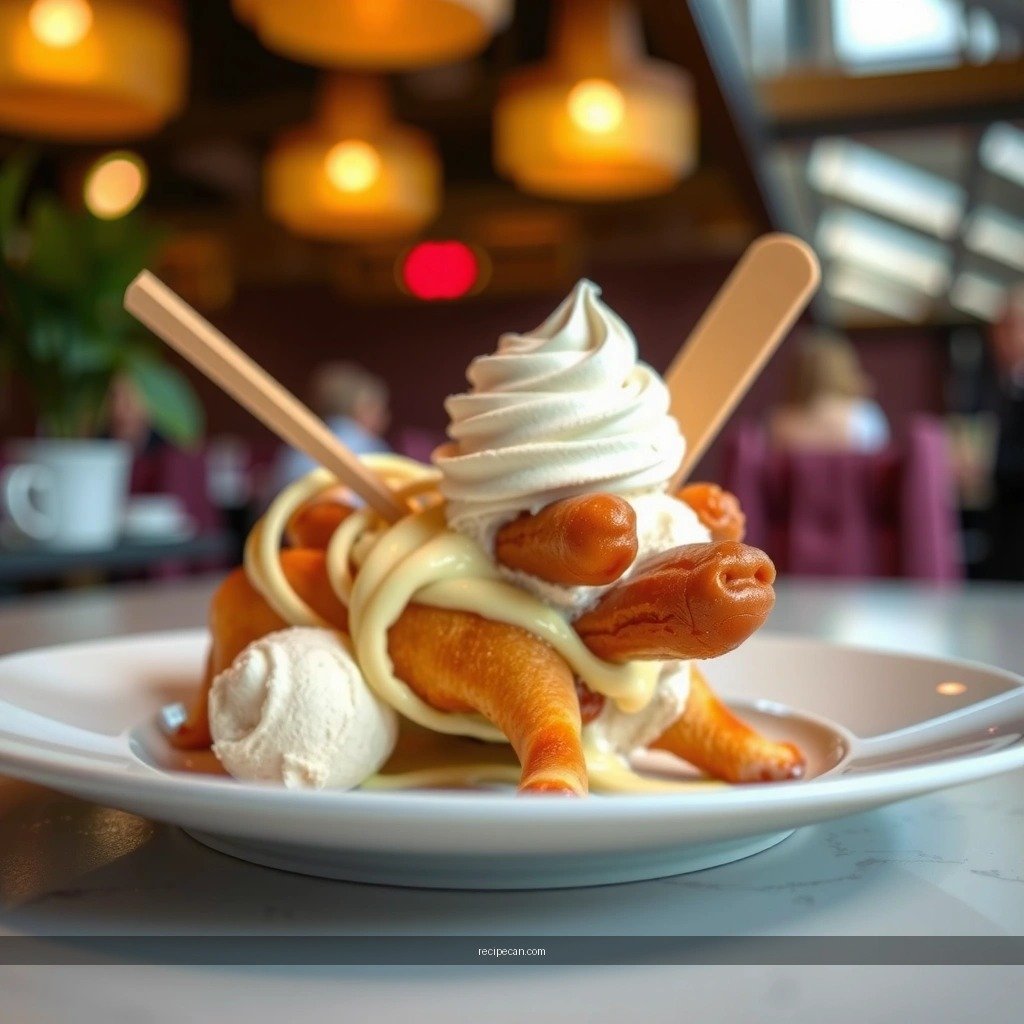
– Avoid xylitol, chocolate, and artificial sweeteners (they can be dangerous)
– Keep sweetness minimal—your dog doesn’t need added sugar
Vanilla dog ice cream is where pet safety matters most in the details. The flavor should come from vanilla itself and the natural taste of yogurt—not from sugary ingredients or sugar substitutes.
Hard safety no’s (non-negotiable):
– Xylitol: Extremely dangerous for dogs, even in small amounts.
– Chocolate: Toxic to dogs due to methylxanthines.
– Artificial sweeteners: Many (especially sugar alcohols like sorbitol or maltitol) can cause severe GI upset; some are unsafe.
Vanilla-specific caution: Some vanilla extracts include alcohol. Even if alcohol isn’t usually an emergency in tiny culinary amounts, it’s still not worth the risk for a frozen dog treat that’s meant for regular serving.
Keep sweetness minimal: Dogs do not require added sugar. In many cases, the tang of yogurt plus vanilla is enough. If your dog strongly dislikes plain yogurt, consider:
– A tiny amount of unsweetened fruit puree (only if your dog tolerates it), or
– A switch from cow’s yogurt to coconut yogurt for a different flavor profile
Practical label-reading approach: If the ingredient list includes anything beyond “yogurt” and a simple vanilla component, pause and verify. For example:
– Vanilla products intended for baking might include alcohol or additional flavor carriers.
– “Vanilla flavor” doesn’t automatically mean pet-safe—check the full label.
Texture and Freezing Tips
– Stir or re-blend once during freezing for a smoother texture
– Use silicone molds or small trays for easy portioning
If you want the best possible texture for a no-churn frozen treat, plan for ice crystal control and consistent portion thickness.
Mid-freeze re-blend (recommended):
– After 2 hours in the freezer, remove the tray or container.
– Stir vigorously or briefly re-blend the mixture (depending on your container shape).
– Return to the freezer for the remaining 2–4 hours.
This timing works because the treat transitions from liquid to semi-frozen during the first part of the freezing window. Stirring at that stage prevents larger ice crystals from forming and creates a smoother bite.
Mold and tray guidance:
– Silicone molds: Excellent for easy removal and consistent thickness.
– Small trays: Great for quicker freezing and easier stirring.
– Avoid large, shallow containers if you want scoopable “ice cream.” Thicker portions freeze unevenly.
Thaw behavior: Yogurt-based treats soften faster than traditional ice cream. For serving, remove from the freezer:
– 3–5 minutes before serving (enough to soften but not enough to become soupy)
Quality control tip: If your dog tends to gulp food quickly, keep portions small and semi-firm. A treat that’s too soft may be consumed too fast, increasing the risk of stomach upset.
Serving Suggestions and Storage
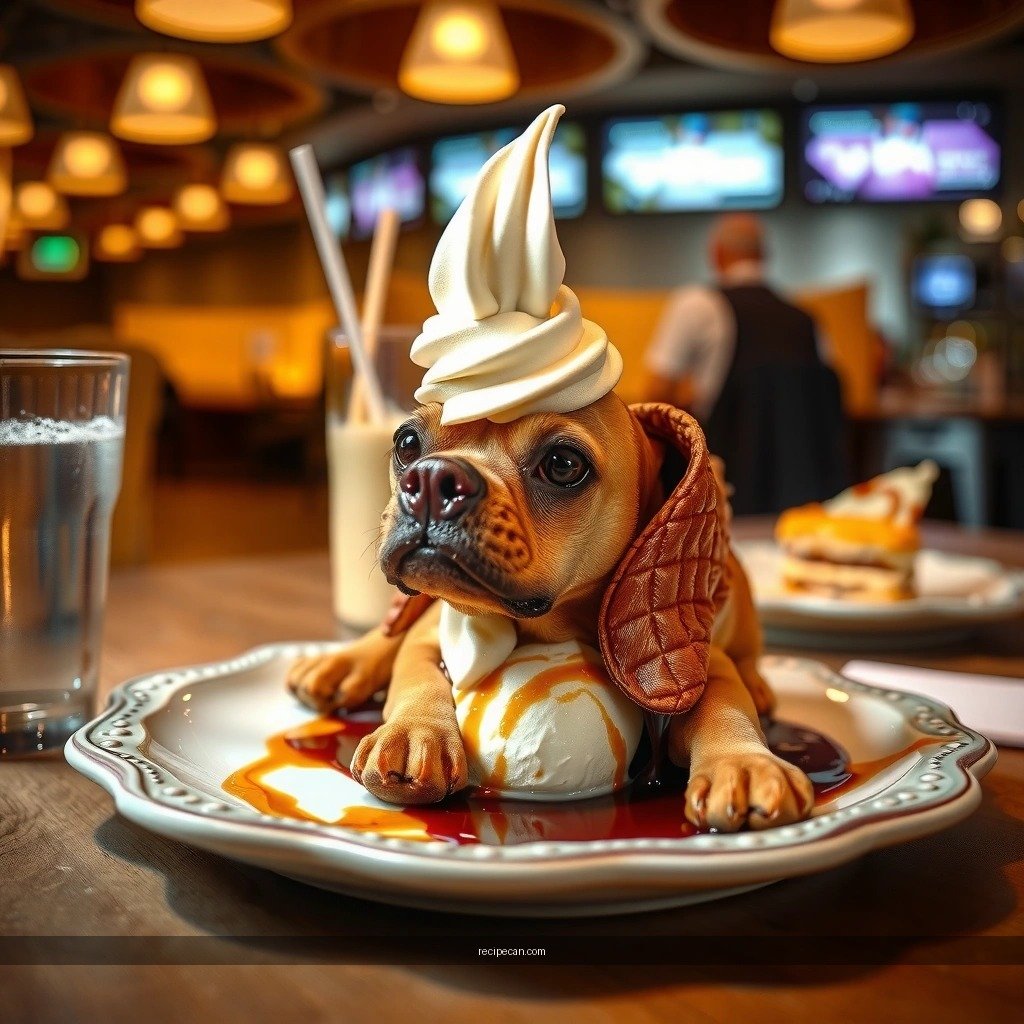
– Serve immediately after freezing for best texture
– Store covered in the freezer and keep portions consistent
Serving and storage are where homemade vanilla dog ice cream can either shine or suffer from freezer issues like odor absorption and texture changes.
– Offer one small portion as a treat (especially on the first try).
– If your dog is sensitive to cold treats, serve slightly softened rather than fully rock-hard.
– Supervise while they eat, particularly for smaller dogs or puppies.
How to store:
– Keep portions in an airtight, freezer-safe container.
– Press parchment or plastic wrap directly against the surface if you’re storing in a bowl before portioning.
– Store for best quality within 1–2 weeks for optimal freshness.
Consistency matters: If you want a stable “routine,” use the same base and portion size each time. Consistency makes it easier to spot any digestive reactions and helps you manage how often treats are given.
Food Sensitivities and Safety Checks
– Check with your vet if your dog has allergies or a sensitive stomach
– Start with a small bite the first time to watch for reactions
Even with pet-safe ingredients, dogs vary widely in digestion, allergies, and tolerance. A professional approach is to treat this like a structured trial food.
Before first serving:
– If your dog has a known dairy sensitivity, start with coconut yogurt rather than cow’s milk yogurt.
– If your dog has a history of food allergies, confirm with your veterinarian before introducing new flavors.
Trial method:
1. Start with one small lick or bite.
2. Wait 24 hours and observe for:
– Vomiting
– Diarrhea or loose stool
– Excessive gas
– Itching or skin changes
3. If all is well, you can increase to a normal single portion.
When to stop and contact your vet: If symptoms are persistent, severe, or include lethargy, contact your veterinarian promptly. Frozen treats don’t “reduce” ingredient risk—so safety rules stay the same.
Analytical takeaway: Yogurt can be beneficial for some dogs due to fermentation cultures, but it’s still a food. Treat reactions are often about total tolerance and portion size, not just the ingredient category.
A simple vanilla dog ice cream recipe is a straightforward way to give your pup a cool, homemade summer treat—without risky components. By choosing a plain yogurt (or coconut yogurt) base, using truly dog-safe vanilla, following careful freezing steps, and serving small portions the first time, you can enjoy an easy homemade treat that aligns with good pet safety practices.
Frequently Asked Questions
What’s the best vanilla dog ice cream recipe I can make at home?
A simple vanilla dog ice cream recipe uses plain yogurt or goat milk, mashed ripe banana, and a small amount of vanilla extract. Keep the base free of sugar and avoid xylitol, chocolate, raisins, and other unsafe mix-ins. For a richer texture, you can add a spoonful of plain peanut butter (only if it’s xylitol-free) or a bit of pumpkin puree. Freeze the mixture in a dog-safe silicone mold or an airtight container for easy serving.
How do I make vanilla dog ice cream without ice crystals?
To reduce ice crystals, start with a smooth blend (blend longer than you think) and use full-fat dairy like plain yogurt or strained Greek yogurt if your dog tolerates it. Chilling the mixture in the fridge for 2–4 hours before freezing helps the ingredients emulsify and improves the final texture. Stir every 30–45 minutes for the first 2–3 hours if you don’t have an ice cream maker. These steps create a creamier vanilla dog ice cream that’s easier for your dog to lick.
Why is it important to avoid certain ingredients in homemade vanilla dog ice cream?
Many human ice cream ingredients are unsafe for dogs, including xylitol (a common “sugar-free” sweetener), chocolate, macadamia nuts, and anything containing alcohol. Even regular sugar can upset some dogs’ stomachs and may contribute to weight gain. Vanilla should be used sparingly, and always choose pure vanilla extract rather than flavored products with added sweeteners. Stick to dog-friendly vanilla ice cream basics like yogurt, banana, and a pinch of cinnamon if your dog tolerates spices.
Which dairy base is best for a vanilla dog ice cream: yogurt, milk, or coconut milk?
Plain yogurt is often the easiest and most forgiving option because it’s tangy and thick, which helps the texture. If your dog is lactose-sensitive, use lactose-free milk or a lactose-reduced yogurt, or try unsweetened coconut milk as an alternative. Avoid flavored yogurts and sweetened milks since they can contain added sugar. Choose the base your dog digests best, then freeze in small portions to test tolerance.
How long can I store vanilla dog ice cream, and how should I serve it safely?
Store your homemade vanilla dog ice cream in an airtight container in the freezer for up to about 1–2 weeks for best quality. For safe serving, let it sit at room temperature for a few minutes so it softens slightly and is easier for your dog to lick. Avoid letting it thaw for long periods, then refreeze, which can affect texture and freshness. Always start with a small serving to check for any stomach upset, especially if it’s your first time making vanilla dog ice cream.
References
- Google Scholar Google Scholar
https://scholar.google.com/scholar?q=vanilla+dog+ice+cream+recipe - Google Scholar Google Scholar
https://scholar.google.com/scholar?q=homemade+dog+ice+cream+dairy+lactose+intolerance - Google Scholar Google Scholar
https://scholar.google.com/scholar?q=can+dogs+eat+ice+cream+lactose+xylitol+chocolate+safety - https://pubmed.ncbi.nlm.nih.gov/?term=canine+lactose+intolerance
https://pubmed.ncbi.nlm.nih.gov/?term=canine+lactose+intolerance - https://pubmed.ncbi.nlm.nih.gov/?term=xylitol+toxicity+dog
https://pubmed.ncbi.nlm.nih.gov/?term=xylitol+toxicity+dog - Lactose intolerance
https://en.wikipedia.org/wiki/Lactose_intolerance - https://en.wikipedia.org/wiki/Xylitol_poisoning_in_dogs
https://en.wikipedia.org/wiki/Xylitol_poisoning_in_dogs - https://en.wikipedia.org/wiki/Chocolate_toxicity_in_dogs
https://en.wikipedia.org/wiki/Chocolate_toxicity_in_dogs - Vanilla
https://en.wikipedia.org/wiki/Vanilla - vanilla dog ice cream recipe – Search results
https://en.wikipedia.org/wiki/Special:Search?search=vanilla+dog+ice+cream+recipe