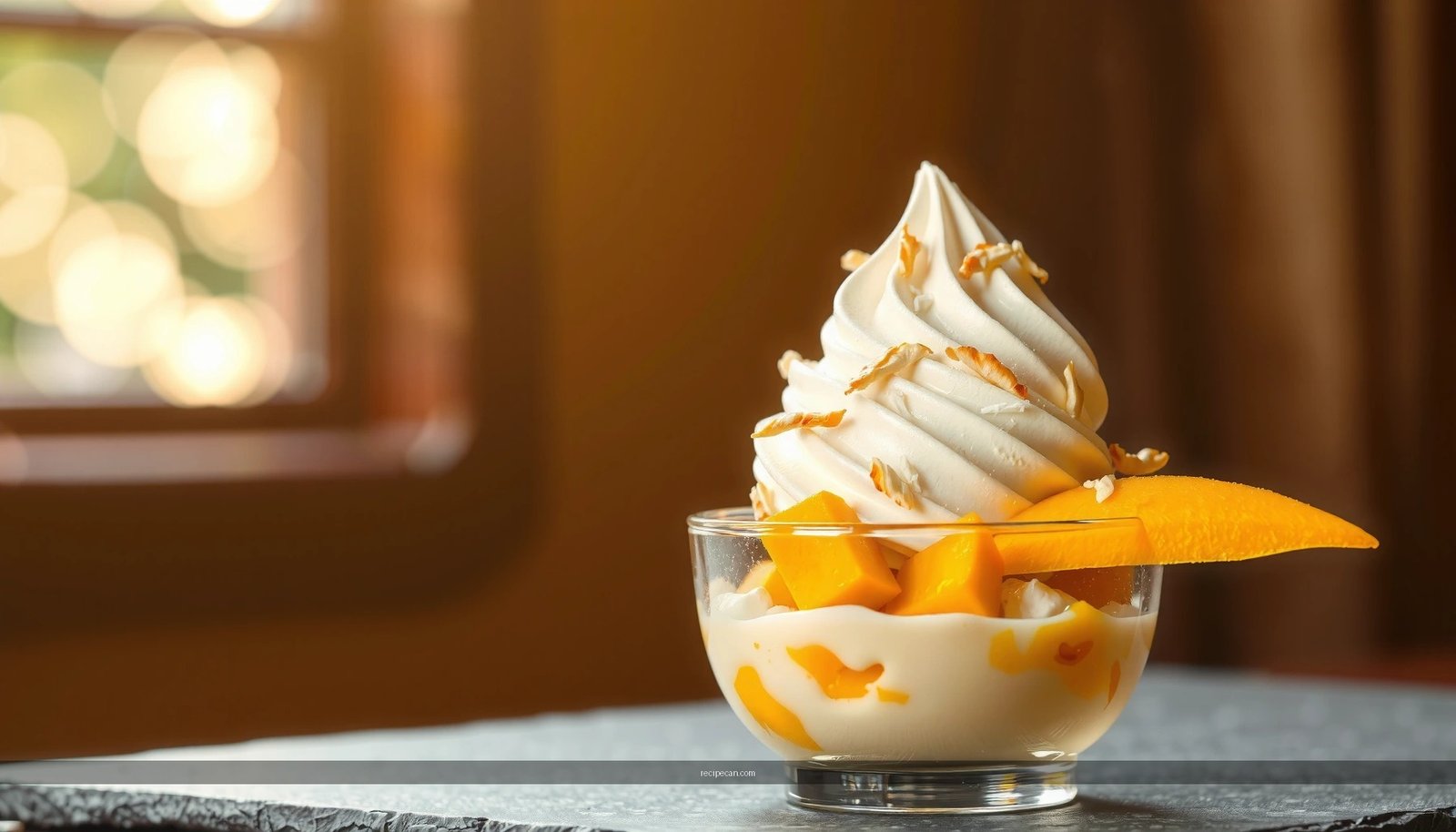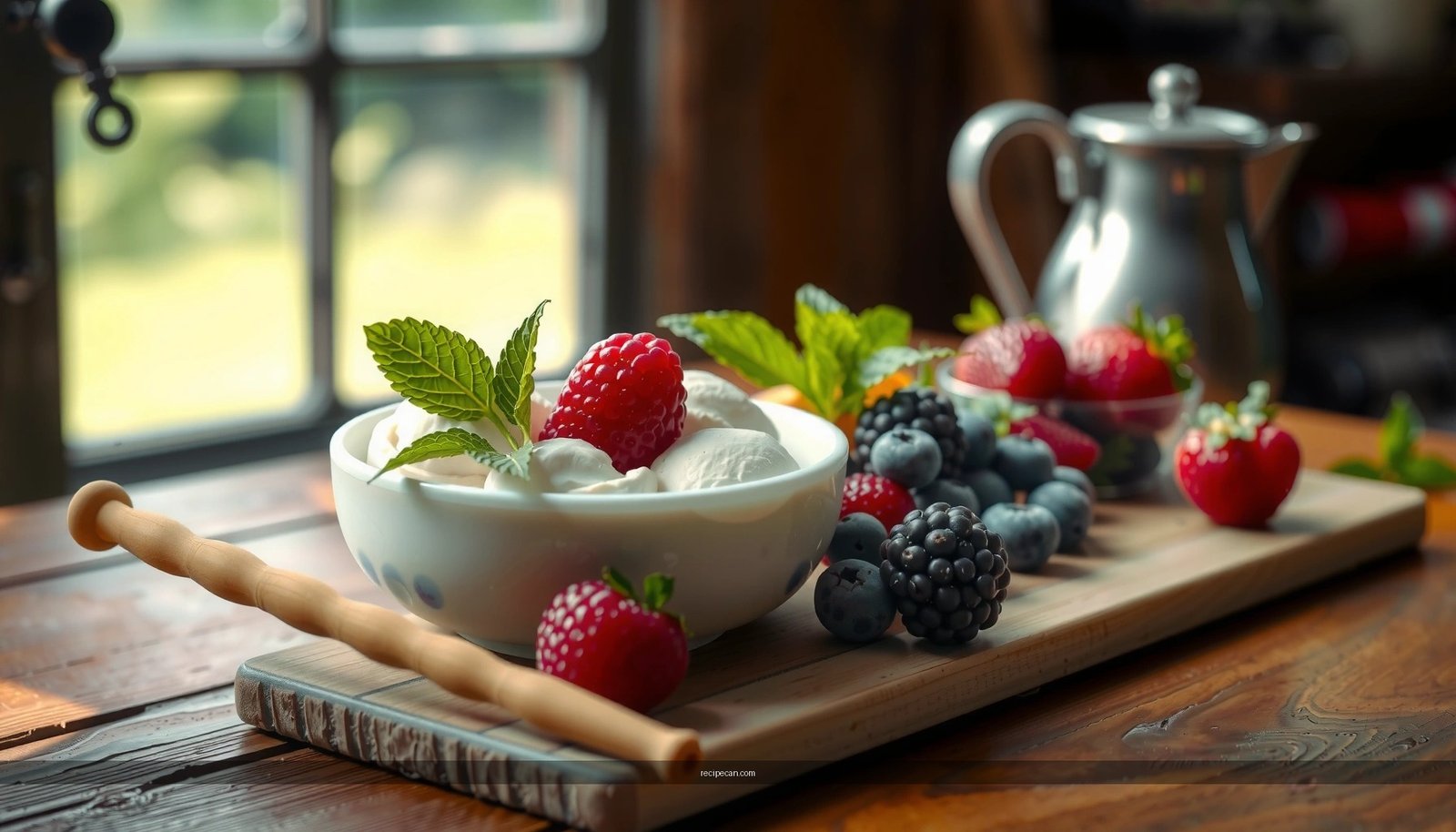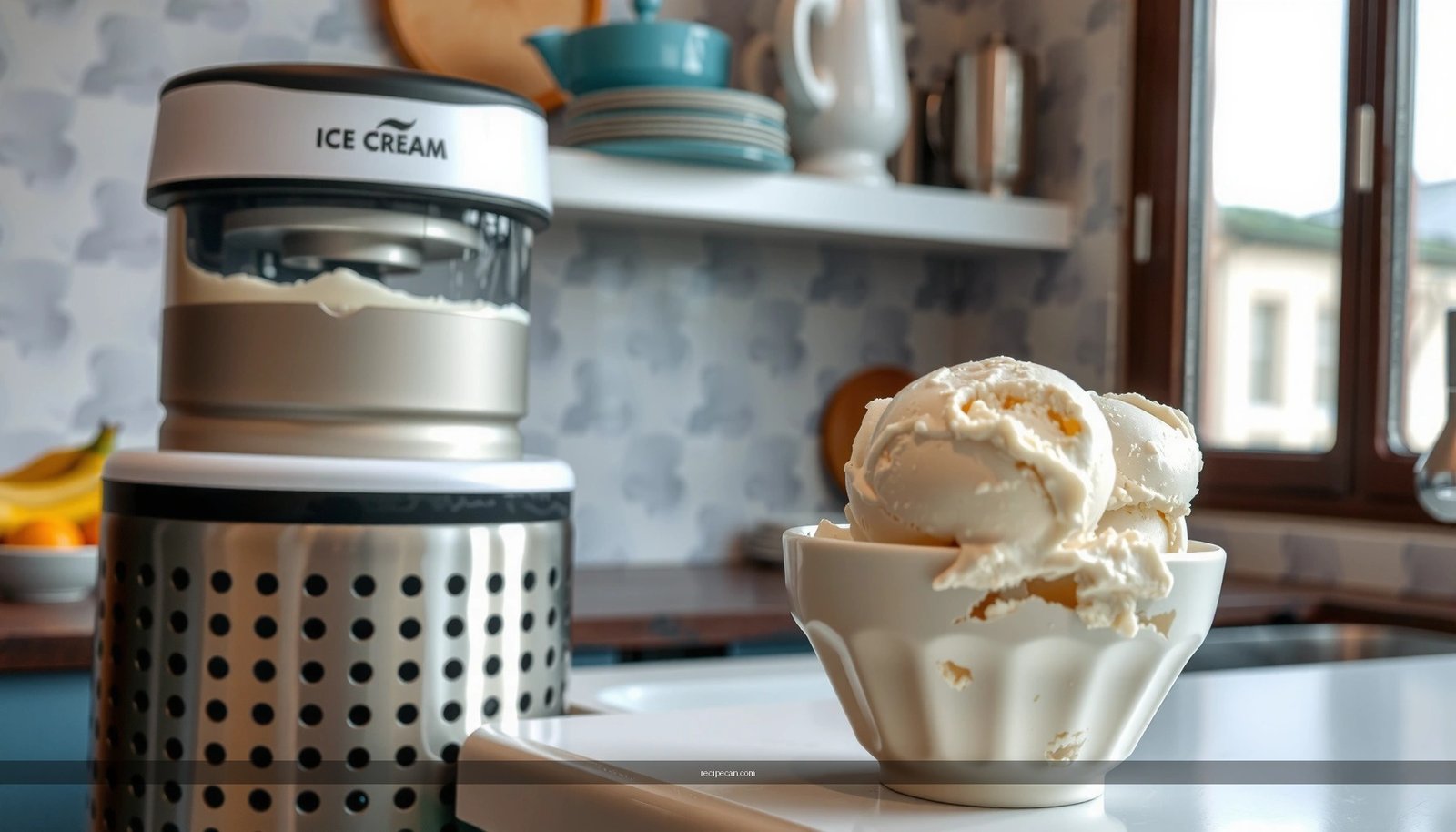
Find low fat ice cream recipes for ice cream makers that actually deliver creamy, scoopable results without the heavy calorie load. These recipes are built specifically for common ice cream makers and focus on practical swaps—more flavor, less fat—so you can stop guessing and start churning. If you want the best-tasting low fat batch, this guide tells you which formulas work and how to run them for consistent texture.
Yes—you can make creamy low fat ice cream in an ice cream maker without sacrificing texture by using the right base, a small stabilizer boost, and a disciplined chilling/churn process. This guide gives reliable, churn-ready formulas, practical ingredient swaps, and flavor recipes (vanilla, chocolate, strawberry) designed to stay smooth, scoopable, and consistently light across batches.
Choose a Low Fat Ice Cream Base
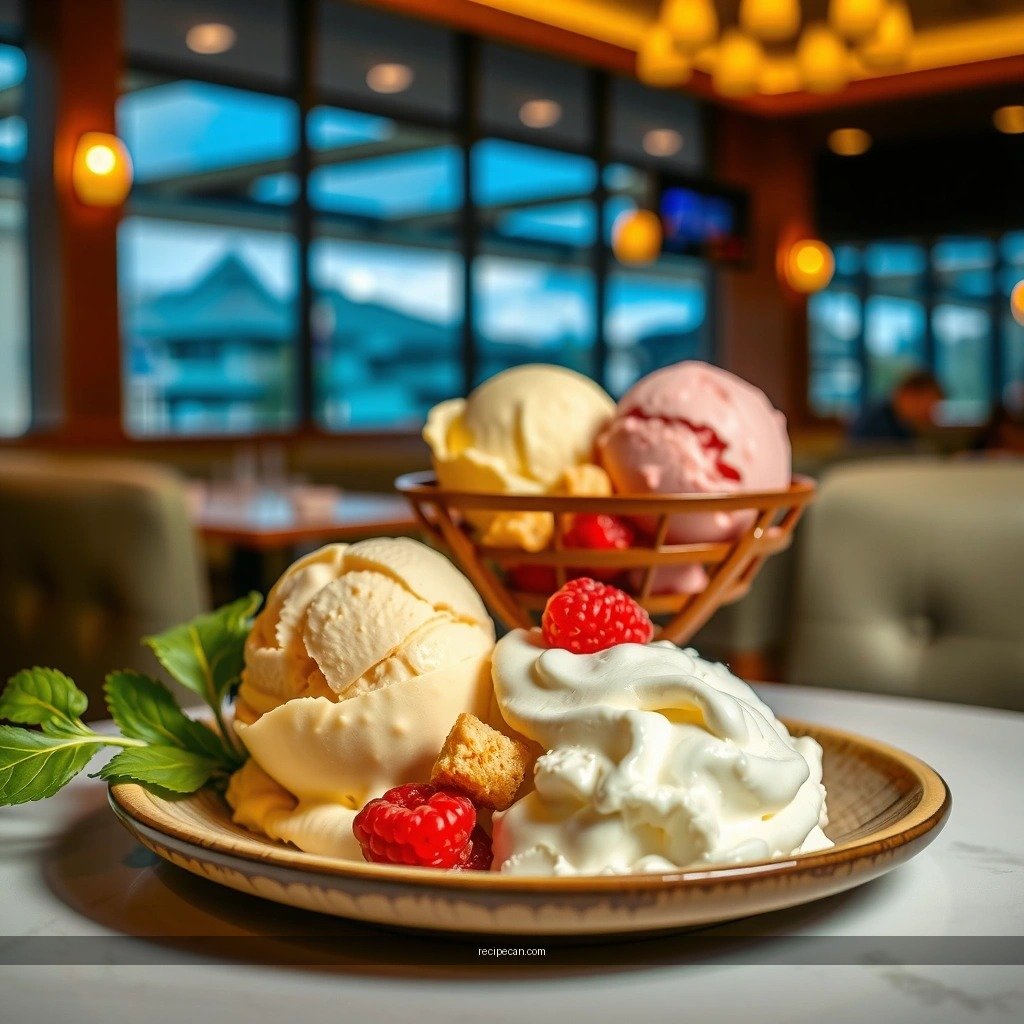
Building great low fat ice cream starts with what you don’t do: you can’t just remove fat and hope the machine “fixes” everything. Fat contributes to creaminess, air incorporation, and slow melting; when you reduce it, you must replace some of those functions with smarter dairy choices and stabilizers.
Use low-fat dairy like low-fat milk, light cream, or Greek yogurt
– Low-fat milk creates a “true ice cream” flavor while lowering total fat substantially. It also blends easily with cocoa and fruit.
– Light cream (often ~20% fat) is a middle ground when you want richer mouthfeel without going full-fat.
– Greek yogurt is especially helpful for low fat ice cream makers because it adds protein and tang—both support body and help reduce iciness during freezing.
Add a stabilizer (like cornstarch or skim-milk powder) for a smoother churn
When fat is reduced, the mixture freezes faster and forms larger ice crystals. Stabilizers improve texture by:
– binding some free water,
– increasing viscosity,
– and helping fat-free or lower-fat mixes hold onto smoothness.
Practical guidance for churned results:
– Cornstarch: use a small amount (typically around 1 tsp per 2 cups base) and cook it briefly to hydrate properly.
– Skim-milk powder: often acts as both a milk solids booster and a texture improver; it’s a favorite in repeatable, “set-and-forget” bases.
Balance sweetness to keep flavor rich even with reduced fat
Lower-fat dairy can taste flatter because fat carries aroma and rounds out bitterness. To compensate without making it overly sweet:
– increase sweetener slightly only if needed,
– use vanilla, salt, and cocoa strategically to lift flavor without extra fat,
– and taste your base before chilling—your “final” dessert readiness starts here.
Real-world benchmark: low fat doesn’t mean no structure—dairy solids and stabilizers provide it.
Below is a practical reference for comparing common low-fat dairy choices you’ll see in churned ice cream bases (fat level, protein, and typical texture impact).
Dairy Options for Low Fat Ice Cream Makers (per 1 cup / ~240 ml)
| # | Base Ingredient (1 cup) | Fat (g) | Protein (g) | Texture Support |
|---|---|---|---|---|
| 1 | Low-fat milk (1%) | 3.3 | 8.5 | ★★★★☆ |
| 2 | Light cream (~20%) | 20.0 | 2.2 | ★★★★★ |
| 3 | Evaporated skim milk | 0.5 | 16.0 | ★★★★☆ |
| 4 | Greek yogurt (0–2%) | 0–5 | 17–22 | ★★★★★ |
| 5 | Low-fat half-and-half | 10.0 | 4.0 | ★★★★☆ |
| 6 | Skim milk | 0.0–0.3 | 8.3 | ★★★☆☆ |
| 7 | Full-fat milk (3.25%) | 8.3 | 8.3 | ★★★★★ |
(Texture support is a qualitative indicator for how well each base alone can carry creaminess in churned low fat ice cream; stabilizers improve weaker bases.)
Master the Right Texture and Churn Settings
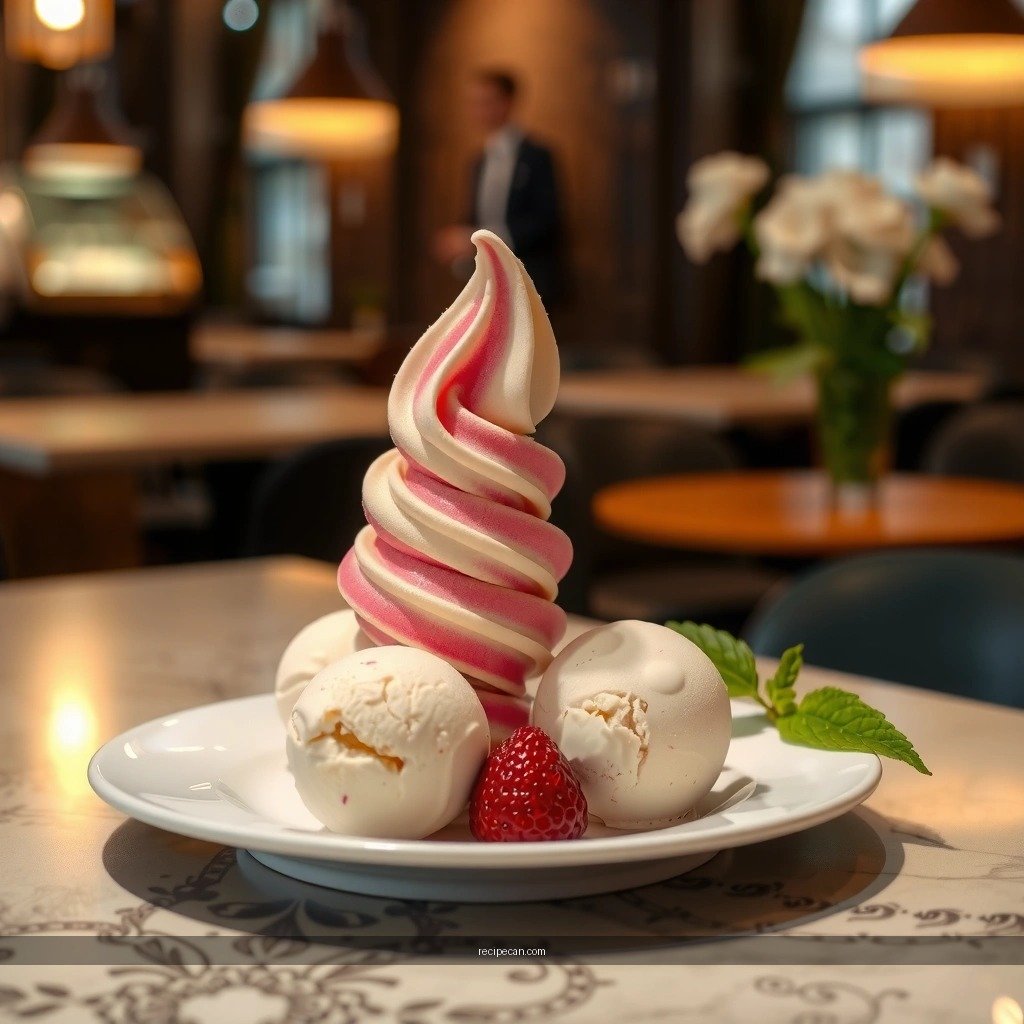
Even the best low fat ice cream recipe will disappoint if the process is sloppy. Think of chilling and churn time as “quality control” for ice crystal size and air cell structure.
Chill the base thoroughly before churning for best consistency
Low-fat mixes often feel “thin” before freezing. That’s normal. After you combine ingredients:
– chill in the refrigerator until fully cold (commonly 4+ hours),
– stir once halfway through so stabilizers hydrate evenly,
– keep the container covered to prevent off-odors.
Follow your ice cream maker’s timing, then freeze briefly to firm up
Most churned ice creams need a short hardening period:
– churn until the texture looks like soft-serve,
– transfer to a container,
– freeze 2–4 hours for improved scoopability.
This is especially important with low fat ice cream because reduced fat melts faster and can feel “set” only after freezer time.
Don’t overfill the bowl—maintain proper circulation and freezing
Overfilling is a common failure point. If the bowl doesn’t circulate properly:
– the mix won’t churn uniformly,
– air incorporation becomes uneven,
– and you’ll get icy pockets or grainy texture.
Follow the max fill line on your specific machine. If you’re scaling up, churn in batches rather than compressing the quantity.
Simple Low Fat Flavor Recipes to Try First
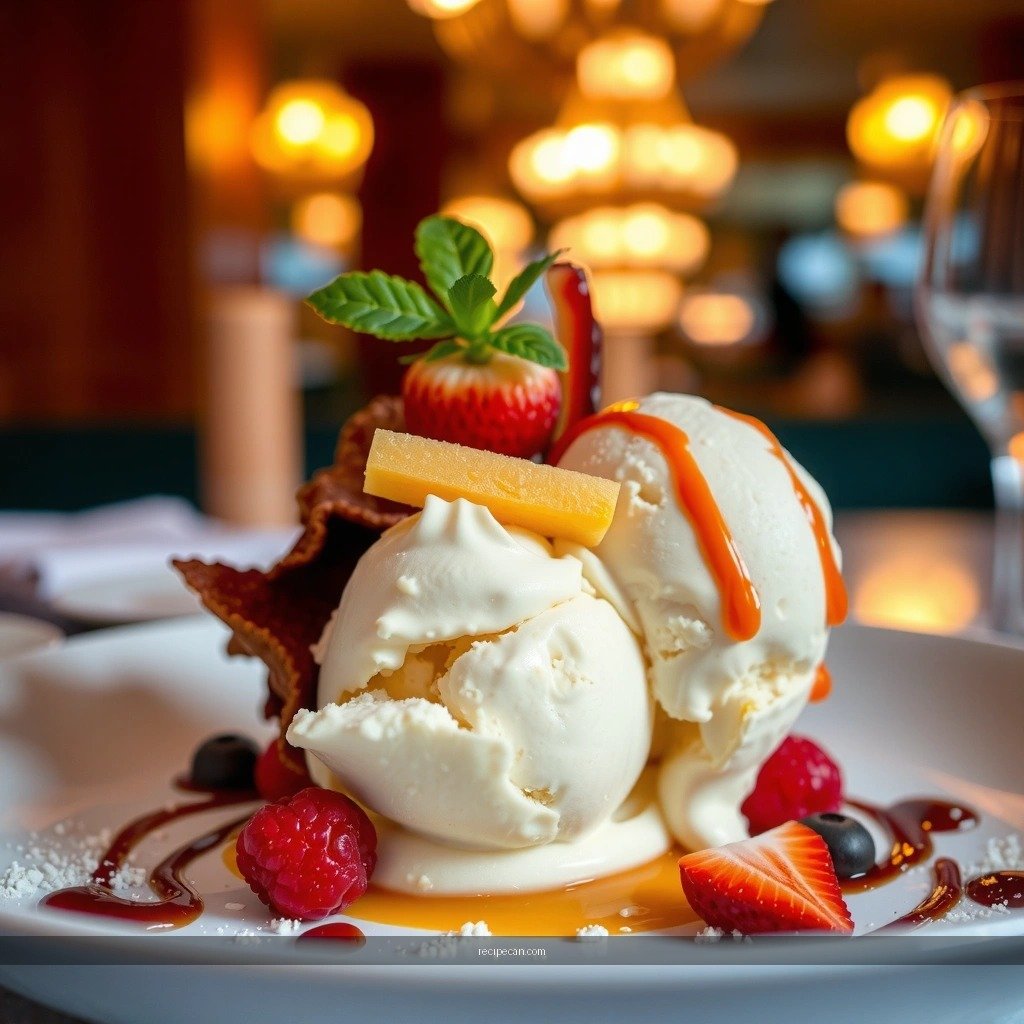
Start with flavors that behave well with low fat bases. Once you nail texture, you can branch out into more complex mix-ins (cookie dough, nut clusters, caramel swirls).
Vanilla (light, classic, easy)
Base concept: low-fat milk + Greek yogurt + cornstarch
– Use cornstarch for smoothness and body.
– Vanilla extract (or paste) adds “richness perception,” which is crucial when fat is reduced.
How to make it (core method):
1. Warm low-fat milk with cornstarch until it thickens slightly.
2. Whisk in Greek yogurt and vanilla.
3. Cool rapidly, then chill fully before churning.
Chocolate (deep flavor without extra fat)
Base concept: cocoa powder + a touch of extra sweetener for depth
Cocoa can taste sharper in low-fat recipes because fat usually softens bitterness. A small sweetener adjustment and a pinch of salt help.
How to make it (core method):
1. Whisk cocoa into warm milk to prevent lumps.
2. Add stabilizer (cornstarch or skim-milk powder).
3. Stir in yogurt for body, cool, chill, churn.
Strawberry (tangy, creamy result)
Base concept: berry puree + yogurt for tang
Strawberry ice cream often benefits from yogurt’s tang, which balances sweetness and boosts flavor clarity.
How to make it (core method):
1. Puree strawberries and strain if you prefer a finer texture.
2. Warm lightly with stabilizer if using cornstarch.
3. Combine with yogurt, cool, chill, churn.
Ingredient Swaps That Keep It Creamy
These swaps preserve creaminess while reducing fat content—and they’re designed for the real constraints of home ice cream makers.
Replace part of the cream with evaporated skim milk or low-fat half-and-half
– Evaporated skim milk is a strong tool because it adds milk solids (texture) with minimal fat.
– Low-fat half-and-half bridges the “mouthfeel gap” and often reduces iciness without heavy processing.
Use fruit puree or unsweetened cocoa to cut added fats
For fruit-forward flavors:
– puree contributes flavor and some natural solids,
– unsweetened cocoa intensifies taste so you don’t need more fat to feel indulgent.
Add a small amount of protein (yogurt) to improve body and scoopability
Protein helps “hold” texture as the mix freezes. It can also reduce the tendency toward sandy ice crystals compared to purely dairy-free or low-solids bases.
Troubleshooting Common Low Fat Issues
Low fat ice cream has a predictable set of problems. Address them early, and your next batch will improve quickly.
If icy: increase stabilizer slightly and always chill longer
Common causes:
– inadequate hydration time for cornstarch,
– under-chilled mix leading to large ice crystals,
– insufficient solids.
Fix:
– chill longer (often the biggest lever),
– increase stabilizer in small increments (e.g., 1/4–1/2 tsp cornstarch per 2 cups base) rather than doubling at once.
If too soft: churn a bit longer, then freeze 2–4 hours before serving
Low fat ice cream can be “technically frozen” from churn but not fully hardened:
– churn until it reaches soft-serve consistency,
– harden in the freezer for 2–4 hours.
If it’s still soft after hardening, reduce added liquid components (like extra berry puree) or slightly increase stabilizer next time.
If bland: adjust sweetener and add vanilla or salt for flavor lift
Low fat reductions can dull aroma. Use:
– a small sweetener increase,
– vanilla (or vanilla bean paste),
– and a pinch of salt to enhance perceived sweetness.
Taste your base before chilling—this prevents “after the fact” disappointment.
Make It a Repeatable, Easy Process
Consistency is what turns occasional churned success into a repeatable system—especially for low fat ice cream recipes where small changes can matter.
Store extra batches properly (airtight container, minimal air exposure)
For best texture retention:
– press parchment or plastic wrap directly onto the surface,
– seal tightly to reduce freezer burn and surface ice.
Label recipes with fat content and churn time for consistent results
Keep a simple log:
– fat source (e.g., 1% milk + yogurt),
– stabilizer amount,
– churn duration and temperature setting (if your machine has one),
– hardening time.
Over time, you’ll build a reliable “playbook” tailored to your ice cream maker.
Keep mix-ins low-fat-friendly (fresh fruit, cacao nibs, or fat-free syrups)
Mix-ins can reintroduce heaviness through fats or interfere with freezing:
– fresh fruit and cacao nibs generally freeze cleanly,
– fat-free syrups add flavor without a large fat bump,
– avoid very oily mix-ins if you’re optimizing for a lighter dessert.
Lighter low fat ice cream is achievable with the right base, proper chilling, and small stabilizer tweaks. Pick one flavor recipe to start, follow your ice cream maker’s churn guidance, and use the troubleshooting tips to dial in texture—then experiment with your favorite mix-ins for your next batch.
Frequently Asked Questions
What are the best low fat ice cream recipes I can make in an ice cream maker?
Look for recipes that use low fat milk or evaporated skim milk plus thickeners like cornstarch or egg yolks to keep the texture creamy without heavy cream. Many successful low fat ice cream maker recipes replace part of the fat with Greek yogurt (nonfat or low fat) or low fat custard bases to maintain body. For flavor, add vanilla extract, cocoa, or fruit purees to offset the lighter mouthfeel that comes from reduced fat.
How do I make low fat ice cream creamy in my ice cream maker without using heavy cream?
Use a custard-style base (skim milk + a small amount of egg yolk) or a non-custard base with cornstarch to prevent iciness. Ingredients like Greek yogurt, a small amount of cream cheese, or a dessert “fat replacer” can improve creaminess while still keeping the recipe low fat. Also be sure to chill the base thoroughly before churning and avoid over-freezing after churning, since low fat ice cream can firm up more quickly.
Why does my low fat ice cream turn icy or icy-sandy, and how can I fix it?
Low fat ice cream recipes often crystallize because there’s less fat to inhibit ice crystal formation, so the mixture may churn too warm or freeze too fast. Fix it by fully chilling the base, churning until it reaches a soft-serve consistency, and using ingredients like stabilizers (cornstarch) or a small amount of alcohol-based flavoring (optional) to help lower the freezing point. If your batches are consistently icy, try increasing the sweetener slightly (within the recipe’s range) and consider adding a pinch of salt to enhance perceived creaminess.
Which low fat sweeteners work best for ice cream makers in low fat ice cream recipes?
Regular sugar usually produces the smoothest texture because it helps lower the freezing point and reduces ice crystal growth. If you want lower calorie options, honey, light syrups, or sugar alternatives can work, but some are more likely to cause graininess or softness depending on their composition. Follow recipes specifically designed for ice cream makers and low fat formulations, since the wrong sweetener can change churn time and final texture.
How much can I reduce fat in homemade low fat ice cream recipes while still getting good texture?
Many ice cream maker recipes stay creamy when they use a partial-fat dairy base (like low fat milk and a small amount of yogurt) rather than going fully fat-free. If you go too low, you’ll typically need countermeasures such as stabilizers (cornstarch), careful chilling, and correct churning duration to prevent a hard or icy result. A practical approach is to start with proven low fat ice cream maker formulas, test one batch, and adjust based on how it churns and freezes in your freezer.
References
- Google Scholar Google Scholar
https://scholar.google.com/scholar?q=low+fat+ice+cream+recipe+ice+cream+maker - Google Scholar Google Scholar
https://scholar.google.com/scholar?q=reduced+fat+ice+cream+formulation+stabilizers+emulsifiers - Google Scholar Google Scholar
https://scholar.google.com/scholar?q=fat+replacers+low-fat+ice+cream+scientific+formulations - https://nchfp.uga.edu/how/freeze/ice_cream_sorbet.html
https://nchfp.uga.edu/how/freeze/ice_cream_sorbet.html - Ice cream
https://www.wikipedia.org/wiki/Ice_cream - Ice cream | Definition, History, & Production | Britannica
https://www.britannica.com/topic/ice-cream - https://pubmed.ncbi.nlm.nih.gov/?term=low-fat+ice+cream+formulation+fat+replacers
https://pubmed.ncbi.nlm.nih.gov/?term=low-fat+ice+cream+formulation+fat+replacers - https://pubmed.ncbi.nlm.nih.gov/?term=low+fat+ice+cream+stabilizer+emulsifier
https://pubmed.ncbi.nlm.nih.gov/?term=low+fat+ice+cream+stabilizer+emulsifier - PMC Home
https://pmc.ncbi.nlm.nih.gov/?term=low-fat+ice+cream - https://pubmed.ncbi.nlm.nih.gov/?term=low+fat+ice+cream+fat+reduction+sensory+analysis
https://pubmed.ncbi.nlm.nih.gov/?term=low+fat+ice+cream+fat+reduction+sensory+analysis