Find the healthiest Cuisinart ice cream maker recipes that actually taste like real ice cream—not diet substitutes. This article delivers a clear winner for consistent results in your Cuisinart: quick-churn, lower-sugar, high-protein bases that freeze creamy without heavy cream. If you want healthier ice cream with the right texture every batch, you’ll get the exact recipes and method designed for your machine.
Yes—you can make creamy, genuinely satisfying ice cream in your Cuisinart ice cream maker with less sugar by building the base around Greek yogurt or blended fruit, using lighter mix-ins, and dialing in churn-friendly texture settings; the result is “healthier” dessert that still behaves like real ice cream. In the sections below, you’ll find practical, Cuisinart-friendly guidance plus analytical ingredient tips (fat, sweetness, stabilizers, and freezing behavior) so you get smooth scoops without the heavy calories.
Choose the Right Healthy Base
A healthy ice cream starts with the base because it determines both sweetness perception and texture after freezing. For a Cuisinart ice cream maker, the goal is to create a mixture that churns efficiently and freezes smoothly—meaning fewer ice crystals and a softer, spoonable finish.
Greek yogurt base (highly reliable):
– Choose plain, unsweetened Greek yogurt (2% or 5% depending on how rich you want the final product).
– Greek yogurt contributes protein and fat, which helps emulsify the mixture and improves body when frozen.
– Because yogurt is naturally tangy, you often need less added sweetener than you would with milk-only recipes—taste as you go.
Blended fruit base (best for “naturally sweet”):
– Use thawed frozen berries, mango, or banana (blended until smooth).
– Fruit provides natural sugars and flavor compounds, but it may dilute the mixture with water—so you’ll often need a stabilizer (more on that later) to avoid icy texture.
Milk alternatives (use strategically):
– Unsweetened soy milk or oat milk tend to perform better than thin nut milks because they contain more natural solids.
– If using almond milk, consider combining it with Greek yogurt or adding a small amount of stabilizer to preserve creaminess.
Balanced fat-to-liquid ratio for smooth texture
In practical terms, texture is heavily influenced by the amount of fat and total solids relative to free water. Too much free water or too little fat/solids usually leads to grainy or icy ice cream. Instead of chasing perfection, aim for a “middle ground”:
– If you’re using yogurt, you already have protein/solids—typically allowing for a lower-sugar approach without losing creaminess.
– If you’re using fruit, consider adding a thickening agent or using a portion of dairy to keep the structure stable.
Quick reference: common base decisions
| Base choice | Typical strengths | Common risk | Fix if needed |
|—|—|—|—|
| Plain Greek yogurt | Creamy mouthfeel, higher solids | Tang may feel too “sharp” | Add modest sweetener + vanilla |
| Blended fruit | Fresh flavor, less added sugar | Ice crystals from extra water | Add chia/cornstarch or extra solids |
| Unsweetened oat/soy | Stable dairy-like behavior | May taste “flat” | Add vanilla + small amount of acid (lemon) |
Healthy Flavor Ideas That Actually Taste Great
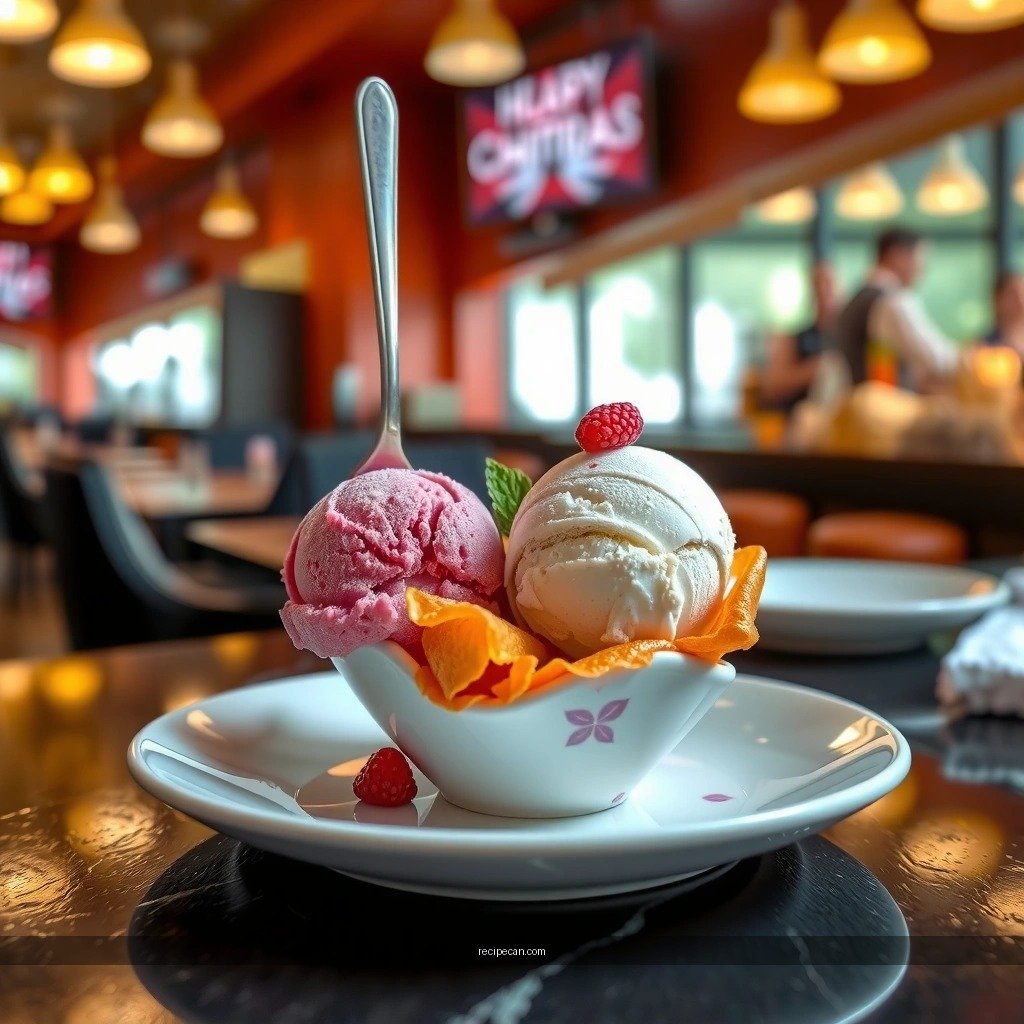
Healthy ice cream isn’t about blandness—it’s about targeted flavor engineering. With lower sugar, your flavors can taste more “bright” but also less rounded. The solution is to use aromatics, natural depth, and a small amount of sweetener that matches the fruit/dairy profile.
Flavor ideas that work especially well in a Cuisinart ice cream maker
– Vanilla bean yogurt: Use vanilla bean paste or extract and a small amount of honey or maple.
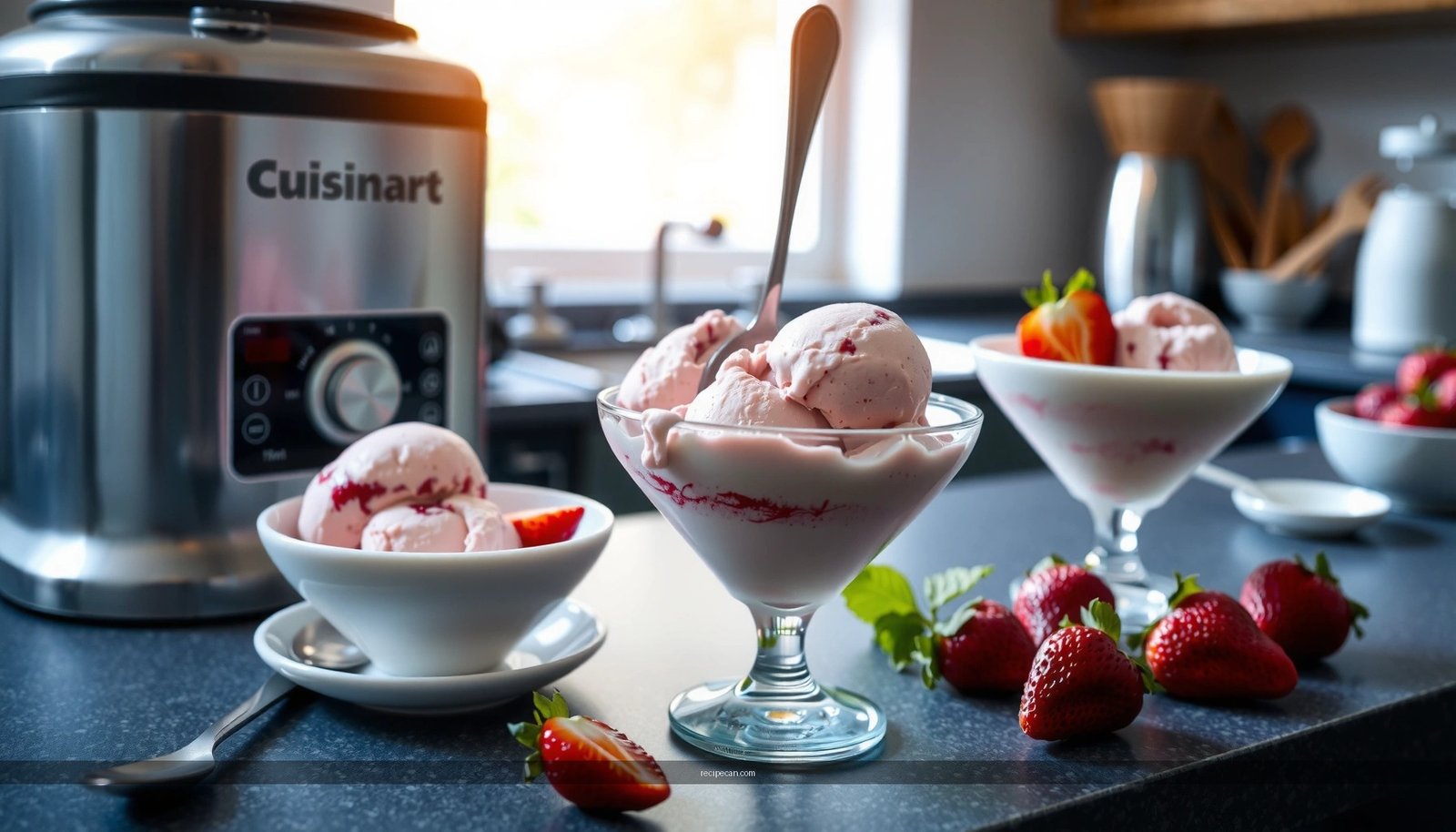
– Strawberry-banana: Blend strawberries with banana; finish with a splash of lemon juice to sharpen the berry notes.
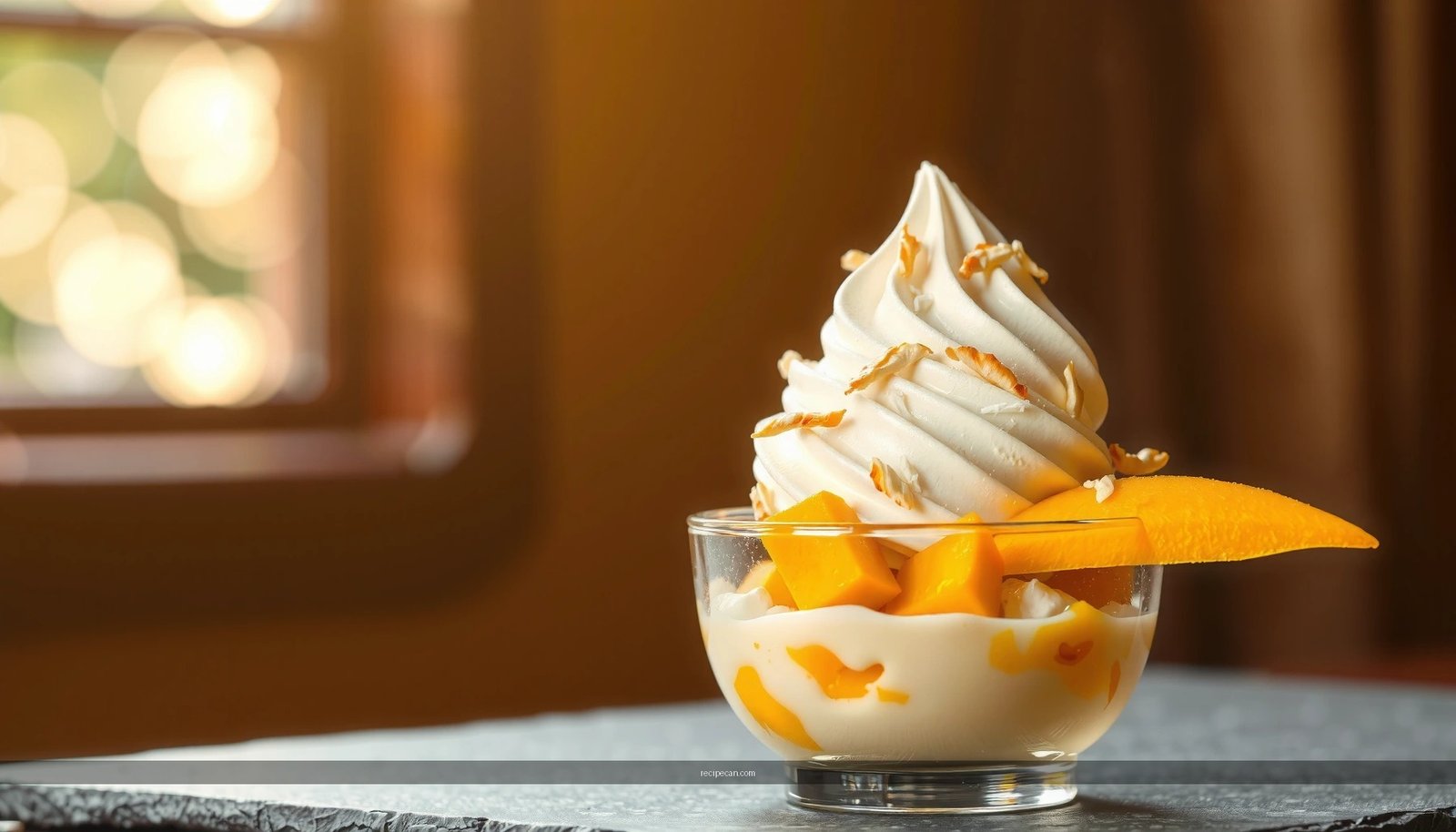
– Mango “creme”: Mango puree + Greek yogurt; pair with a pinch of salt for maximum fruit clarity.
– Chocolate avocado (surprisingly good): Blend ripe avocado with cocoa powder and a minimal sweetener; the avocado provides fat and emulsification.
Natural sweeteners—use them like a chef, not like a label
Honey, maple syrup, and dates can be healthier options depending on context, but the key is portion control. Natural sweeteners still affect:
– freezing point (more sugar typically softens texture),
– perceived flavor intensity (sugar rounds edges),
– and overall calories (they’re not “zero,” even when “natural”).
A professional approach:
1. Start with less sweetener than you think.
2. Taste the base cold (or chilled), because flavor perception changes after freezing.
3. Add only until it tastes “balanced” rather than “dessert-sweet.”
Recommended approach for sweetness adjustment
Use this practical rule of thumb: if your base tastes a touch too tart before freezing, it will usually taste closer to perfect after churn and freeze. That’s because frozen desserts mute aromas and sweetness. If you oversweeten early, the final product can become cloying.
Build Creamy Texture Without Too Much Sugar
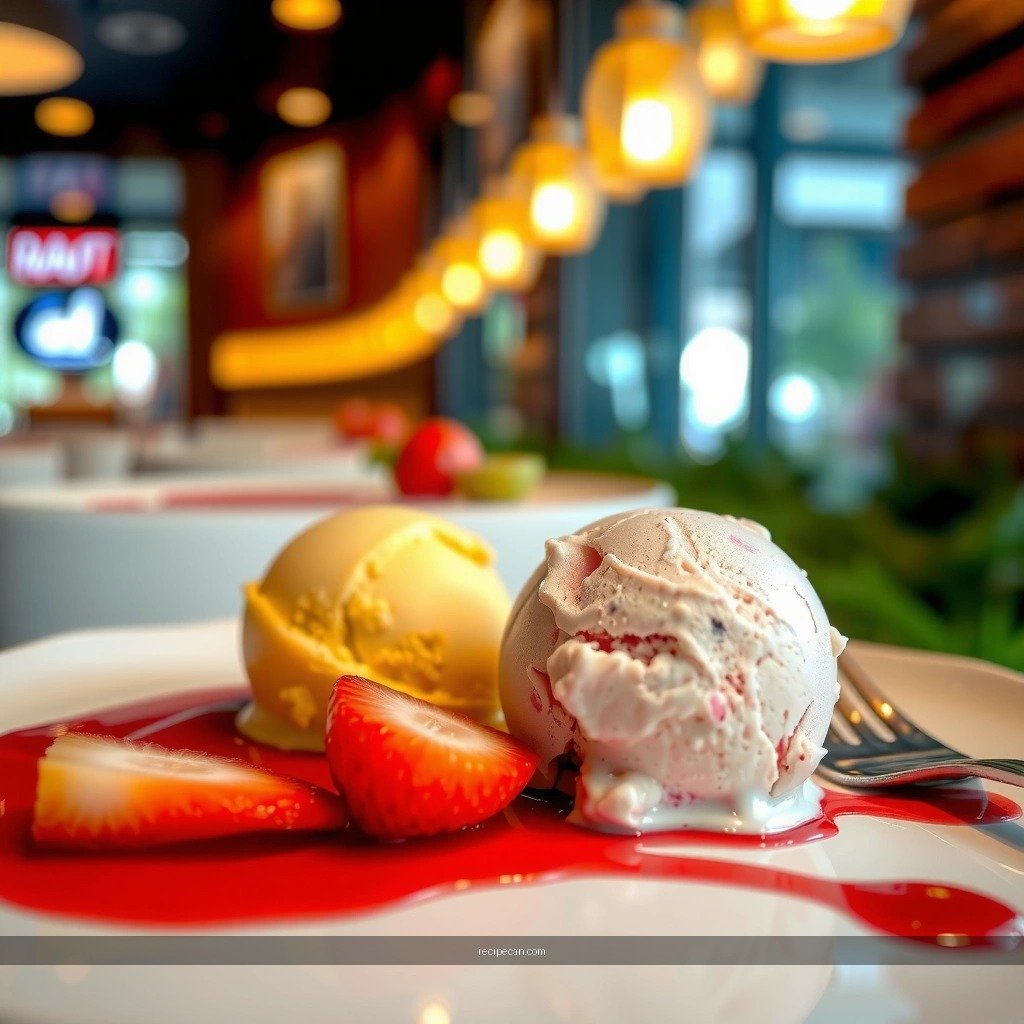
When you reduce sugar, you change how water freezes. That’s why “healthy” ice cream can go icy if you simply subtract sugar from a classic recipe. The fix is to replace sugar’s structural and textural roles with solids and stabilizers—without relying on large amounts of added sweetener.
Stabilizing options that work well
1) Cornstarch (classic custard-adjacent thickener)
– Heat a portion of your base with cornstarch until it thickens, then blend into the rest.
– Best for: smooth “custard-like” texture, especially when using milk alternatives.
2) Chia seeds (slow-release thickening)
– Soak chia in part of the base for 20–30 minutes, then churn.
– Best for: fruit-forward recipes and lower-sugar bases.
– Tip: blend the soaked mixture briefly for a silkier texture if you dislike visible seeds.
3) Egg yolks (custard method—rich but optional)
– Egg yolks add emulsification and fat structure.
– Best for: chocolate flavors and “premium” feel.
– If you’re avoiding eggs, Greek yogurt can often deliver a similar creaminess, just with different flavor notes.
Balance sweetness and richness so flavors stay bright
Lower sugar can make flavors taste muted—especially chocolate. To keep taste “alive” after freezing:
– Add vanilla, citrus zest, or a tiny pinch of salt to boost perceived flavor.
– Pair fruit with a small acid (lemon juice or a few drops of orange juice) for contrast.
– Use cocoa sparingly but deliberately; unsweetened cocoa needs careful sweetening and sometimes extra fat for best mouthfeel.
If your finished ice cream feels hard or slightly crystalline after freezing, it’s often not a “failed recipe”—it’s a physics problem. The next batch should adjust one of these variables: stabilizer amount, chilling time, or sweetener level (in small increments).
Simple “Cuisinart-Friendly” Recipe Templates
Instead of reinventing the wheel, start with proven structures. These templates are designed for typical Cuisinart compressor-freezer behavior: churn until thickened, then freeze to finish.
Template 1: Yogurt (or custard-style) base + fruit/cocoa + light sweetener
Use when: you want creamy texture with less sugar and strong flavor control.
Structure:
1. Base: Greek yogurt (plain, unsweetened) + small amount of milk or cream substitute if needed for smooth blending.
2. Flavor: fruit puree (strained if needed) or cocoa powder.
3. Sweetener: honey/maple/dates, added gradually.
4. Optional stabilizer: chia or cornstarch if your fruit is very watery.
Template 2: Mix-in template (add texture without diluting structure)
Use when: you want “fun” but still smooth scoops.
Rule: mix-ins should enhance flavor without interfering with the ice cream’s emulsion.
– Add nuts, dark chocolate chunks, or cacao nibs near the end of churning.
– If using granola, add it after churn (during final stirring) so it doesn’t soften too much in the freezer.
Example mix-in targets (to avoid icy or gritty outcomes)
– Prefer small, evenly sized pieces.
– Avoid heavy mix-ins that contain lots of moisture unless they’re pre-dried or chopped small.
– Keep mix-in volume modest (often 5–15% of total), especially for low-sugar bases.
Healthy Ice Cream Mix Strategy (Cuisinart-Ready) — Yield and Texture Impact
| # | Recipe Component | Typical Amount (per 1 qt) | Churn Readiness | Texture Risk | Outcome Rating |
|---|---|---|---|---|---|
| 1 | Plain Greek Yogurt (2%) | 2 1/2 cups | High (emulsifies) | Low | ★★★★☆ ★★★★☆ |
| 2 | Plain Greek Yogurt (5%) | 2 1/4 cups | High (richer body) | Very Low | ★★★★★ ★★★★★ |
| 3 | Blended Fruit Purée (strained) | 1 1/2 cups | Medium-High | Moderate (water) | ★★★★☆ ★★★★☆ |
| 4 | Oat Milk (unsweetened) | 1 1/4 cups | Medium | Moderate | ★★★☆☆ ★★★☆☆ |
| 5 | Cornstarch (thickener) | 1 tbsp | High (after heating) | Low | ★★★★★ ★★★★★ |
| 6 | Chia Seeds (soaked) | 2 tbsp | Medium-High | Low-Moderate | ★★★★☆ ★★★★☆ |
| 7 | Sugary Mix-in (e.g., caramel chips) | 1/2 cup | High (sweetness) | High (freezing changes) | ★★☆☆☆ ★★☆☆☆ |
Tips for Getting Perfect Churn Results
Even a great recipe can underperform if the process doesn’t support churn and freezing. For consistent results with Cuisinart ice cream makers, focus on three operational levers: chilling, timing, and bowl capacity.
1) Chill the mixture fully before churning
– Refrigerate your base for at least 4 hours (overnight is best).
– Cold mixture improves how quickly the Cuisinart reaches the right temperature range for smooth freezing.
– A room-temperature base often churns too slowly and can produce larger ice crystals.
2) Follow your Cuisinart cycle timing closely
– Don’t assume “longer is better.” Over-churning can lead to a texture that feels dry or overly thick before the final freeze.
– Start checking for the moment the mixture transitions from liquid to a soft-serve consistency.
3) Don’t overfill the bowl
– Compressor and bowl designs rely on headspace for expansion.
– Overfilling reduces effective churn and can cause uneven freezing (and stress on the machine’s mixing behavior).
4) Use smart add-in timing
– For nuts and chocolate chunks: add near the end of churning so they’re distributed without becoming overly hard.
– For granola: consider stirring in after churning to preserve crunch rather than absorbing moisture and turning soggy.
A practical workflow you can adopt:
1. Make base → blend → sweeten to balance
3. Churn to soft-serve stage
4. Freeze to finish texture
5. Serve after a short thaw
Storage and Serving for Best Healthy Results
The final step determines whether your “healthy ice cream” feels premium or disappointing. Proper storage reduces ice crystal growth and helps the lower-sugar structure remain smooth.
Freeze in an airtight container
– Press parchment or plastic wrap directly against the surface before sealing.
– Airtight storage helps prevent freezer burn and moisture loss, both of which can worsen graininess.
Let it sit 3–5 minutes before serving
– Lower sugar often makes ice cream slightly firmer in the freezer, because sweetness impacts freezing point and softness.
– A short sit at refrigerator-cold temperature restores scoopability without melting into liquid.
Portion and texture expectations
– Expect a softer texture closer to the first day; ice crystals gradually form over time.
– If you’re serving for a group, plan to take it out of the freezer shortly before serving and portion quickly to maintain temperature consistency.
Batching for consistent results
If you’re iterating toward your “perfect” healthy ice cream, keep variables controlled:
– change one ingredient at a time (sweetener amount, yogurt fat %, or stabilizer),
– record the outcome (creaminess, firmness, and sweetness balance),
– and repeat after you’ve corrected one factor.
The easiest way to start is to pick one healthy base (yogurt or blended fruit), try a flavor template, and follow the chilling + churn steps for your Cuisinart. Choose your favorite recipe idea today, make a batch this week, and keep experimenting with healthier mix-ins and sweeteners until you find your perfect “better-for-you” ice cream.
Final takeaway: When you reduce sugar in Cuisinart ice cream recipes, don’t reduce structure—use Greek yogurt or fruit for flavor, add stabilizers like cornstarch or chia when needed, and respect process timing. That combination produces creamy results that satisfy without the heavy calorie load.
Frequently Asked Questions
What healthy ice cream recipes work best in a Cuisinart ice cream maker?
Recipes that rely on lower-fat dairy, fruit purées, and no-churn-friendly bases tend to churn smoothly in a Cuisinart ice cream maker. Look for options like Greek-yogurt or kefir ice cream, banana-cashew “nice cream,” and berry sorbet that uses minimal added sugar. These bases freeze well, churn evenly, and deliver creamy texture without heavy cream.
How do I make a low-sugar ice cream in a Cuisinart ice cream maker without it getting icy?
Start by using a sweetener strategy that improves freeze stability, such as a small amount of honey/maple syrup plus a sugar alternative like erythritol or monk fruit. Add an emulsion ingredient—Greek yogurt, condensed coconut milk, or a little cornstarch or egg custard—so the mixture stays smooth in the freezer. Chill the base thoroughly before churning and follow your Cuisinart manufacturer’s recommended churn time for consistent results.
Why do homemade “healthy” ice cream recipes sometimes turn grainy in a Cuisinart machine?
Graininess usually comes from sugar crystals, insufficient fat/emulsifiers, or a base that wasn’t fully dissolved and chilled. If you’re using sugar substitutes, choose ones designed for ice cream (some don’t dissolve like regular sugar) and whisk thoroughly until smooth. Also make sure to strain fruit purées when using seeds or pulpy textures, and churn only after the mixture is cold.
Which Cuisinart ice cream recipes are best for dairy-free healthy frozen desserts?
For dairy-free options, use coconut milk (full-fat) plus Greek-style plant yogurt or thick cashew cream to mimic the creaminess of traditional ice cream. Sorbet-style recipes—like mango, strawberry, or lemon—can be made with fruit, water/juice, and a small stabilizer (like cornstarch) to reduce iciness. These healthy ice cream recipes for Cuisinart ice cream maker models churn well when you keep the base thick and properly chilled.
What are the best high-protein healthy ice cream recipes for a Cuisinart ice cream maker?
High-protein bases often use plain Greek yogurt, skyr, or protein powder (added carefully) to boost nutrition while keeping texture creamy. Consider recipes like vanilla Greek-yogurt ice cream with berries, chocolate Greek-yogurt ice cream, or a strawberry protein gelato style using a thickened base. For best results, dissolve any cocoa and protein mix thoroughly, chill overnight, and churn until the mixture reaches a soft-serve consistency before freezing.
References
- Ice cream
https://en.wikipedia.org/wiki/Ice_cream - Ice cream maker
https://en.wikipedia.org/wiki/Ice_cream_maker - Google Scholar Google Scholar
https://scholar.google.com/scholar?q=healthy+ice+cream+recipe+reduced+sugar - Google Scholar Google Scholar
https://scholar.google.com/scholar?q=low-fat+ice+cream+reduced+fat+formulation+research - Google Scholar Google Scholar
https://scholar.google.com/scholar?q=healthy+frozen+dessert+reformulation+review - https://pubmed.ncbi.nlm.nih.gov/?term=low-fat+ice+cream+formulation
https://pubmed.ncbi.nlm.nih.gov/?term=low-fat+ice+cream+formulation - https://pubmed.ncbi.nlm.nih.gov/?term=low+sugar+ice+cream+reformulation
https://pubmed.ncbi.nlm.nih.gov/?term=low+sugar+ice+cream+reformulation - https://www.sciencedirect.com/topics/food-science-and-technology/ice-cream
https://www.sciencedirect.com/topics/food-science-and-technology/ice-cream - Ice cream | Definition, History, & Production | Britannica
https://www.britannica.com/topic/ice-cream - https://www.who.int/publications/i/item/9789241563707
https://www.who.int/publications/i/item/9789241563707