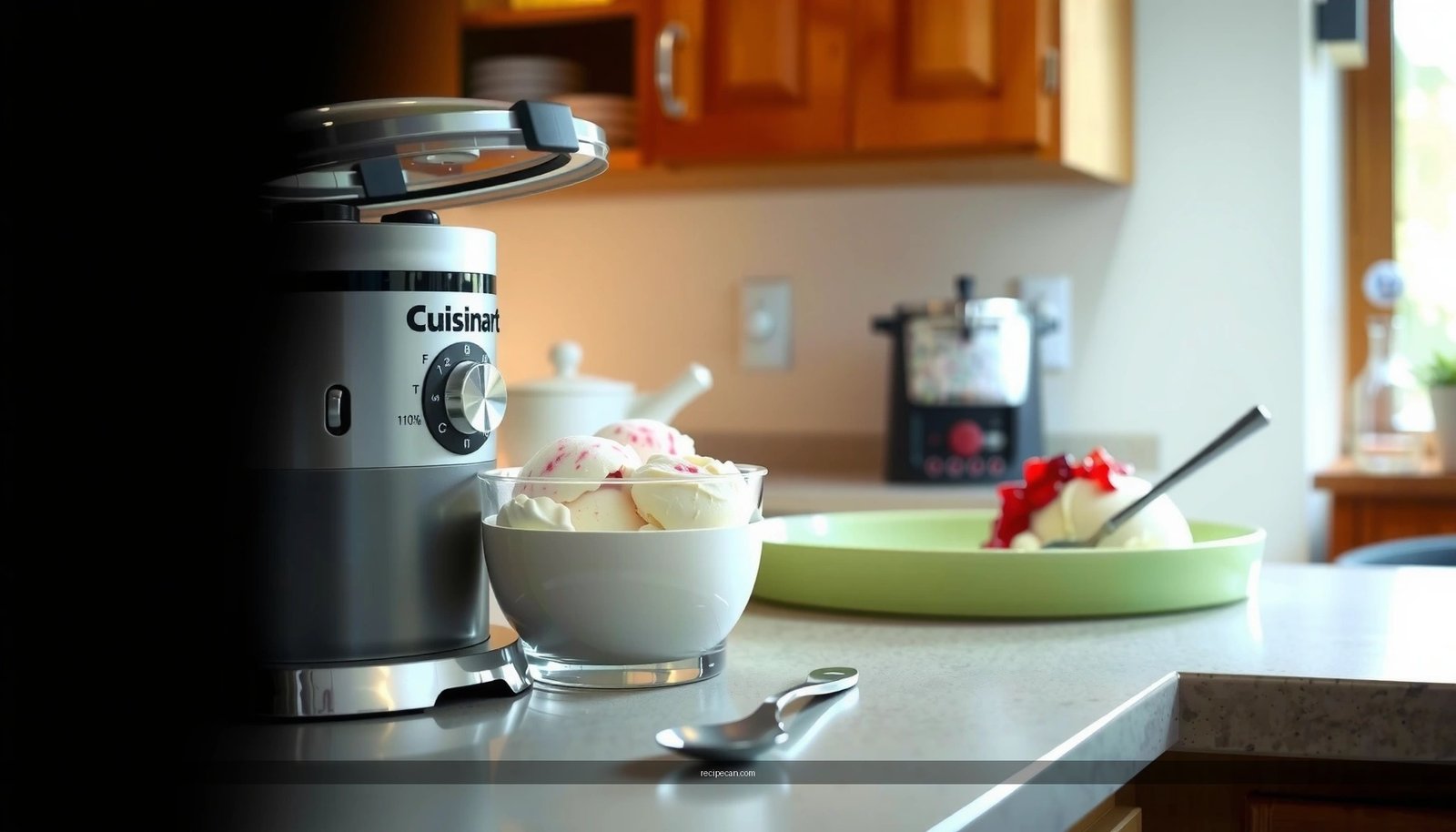
Cuisinart ice cream maker sugar free recipes that actually taste like dessert are the real test—and the winner is a simple, low-sugar base built around sugar-free sweeteners plus the right stabilizer. This guide answers which approach produces creamy results in your Cuisinart (no icy texture, no bitter aftertaste), with easy recipes you can run in real time. If you want the smoothest, most reliable outcome with sugar-free ingredients, this is the fastest path.
Use your Cuisinart ice cream maker to produce smooth, satisfying sugar free desserts by pairing the right sweeteners with a properly chilled base and a fat-forward texture strategy. In this guide, you’ll learn foolproof sugar free recipe ideas—and the practical adjustments that help you avoid iciness, graininess, and overly soft results.
Choose the Best Sugar Free Sweeteners
The single biggest determinant of “tastes like real ice cream” in Cuisinart sugar free ice cream recipes isn’t just sweetness—it’s how the sweetener behaves during freezing. Many sugar free sweeteners perform well in cold dairy systems, but some can leave aftertaste, crystallize, or interfere with texture.
– Pick sweeteners that dissolve well (e.g., monk fruit or erythritol blends)
For churned ice cream, you want a sweetener that dissolves fully in the warm custard base (or warm dairy blend). Monk fruit/erythritol blends are especially popular because they dissolve easily and often reduce the cooling “minty” effect some people associate with pure erythritol.
*Practical tip:* Warm your base just enough to dissolve the sweetener (typically 170–180°F / 77–82°C for custards), then strain if you want maximum smoothness.
– Balance sweetness to avoid aftertaste
Sugar free doesn’t mean “less sweet than sugar”—it means the sweetener system is different. If your blend is too low, you’ll amplify cocoa/vanilla harshness; if it’s too high, aftertaste becomes more noticeable.
*Actionable approach:* Start with your blend’s 1:1 conversion guidance. If the recipe tastes flat, adjust in small increments next batch (rather than changing multiple variables at once).
– Follow package conversion guidance for 1:1 style blends
Not all “sugar free” labels convert the same. A 1:1 erythritol/monk fruit blend may behave more like sugar in bulk, while allulose, stevia, and pure polyols often require different scaling.
*Why this matters in a Cuisinart ice cream maker:* The sweetener affects freezing point and texture, so the “right” amount is part culinary and part physics.
Sweetener Performance in Churned Sugar Free Frozen Desserts (Home Use, 2024–2025)
| # | Sweetener Blend / Type | Dissolves in Warm Base | Common Aftertaste Risk | Best For Rating |
|---|---|---|---|---|
| 1 | Monk fruit + erythritol (1:1 blends) | High | Low–Med | ★★★★★ |
| 2 | Allulose (straight) | Very High | Low | ★★★★☆ |
| 3 | Erythritol (straight) | High | Med | ★★★☆☆ |
| 4 | Stevia (powder or liquid) | Varies | High | ★★☆☆☆ |
| 5 | Sucralose blends (for baking) | Good | Med | ★★★½☆ |
| 6 | Erythritol + small allulose mix | High | Low–Med | ★★★★☆ |
| 7 | “Sugar-free” maltitol syrup (where used) | Moderate | High (GI + sweetness) | ★★☆☆☆ |
Prep Tips for Creamy, No-Sugar Ice Cream
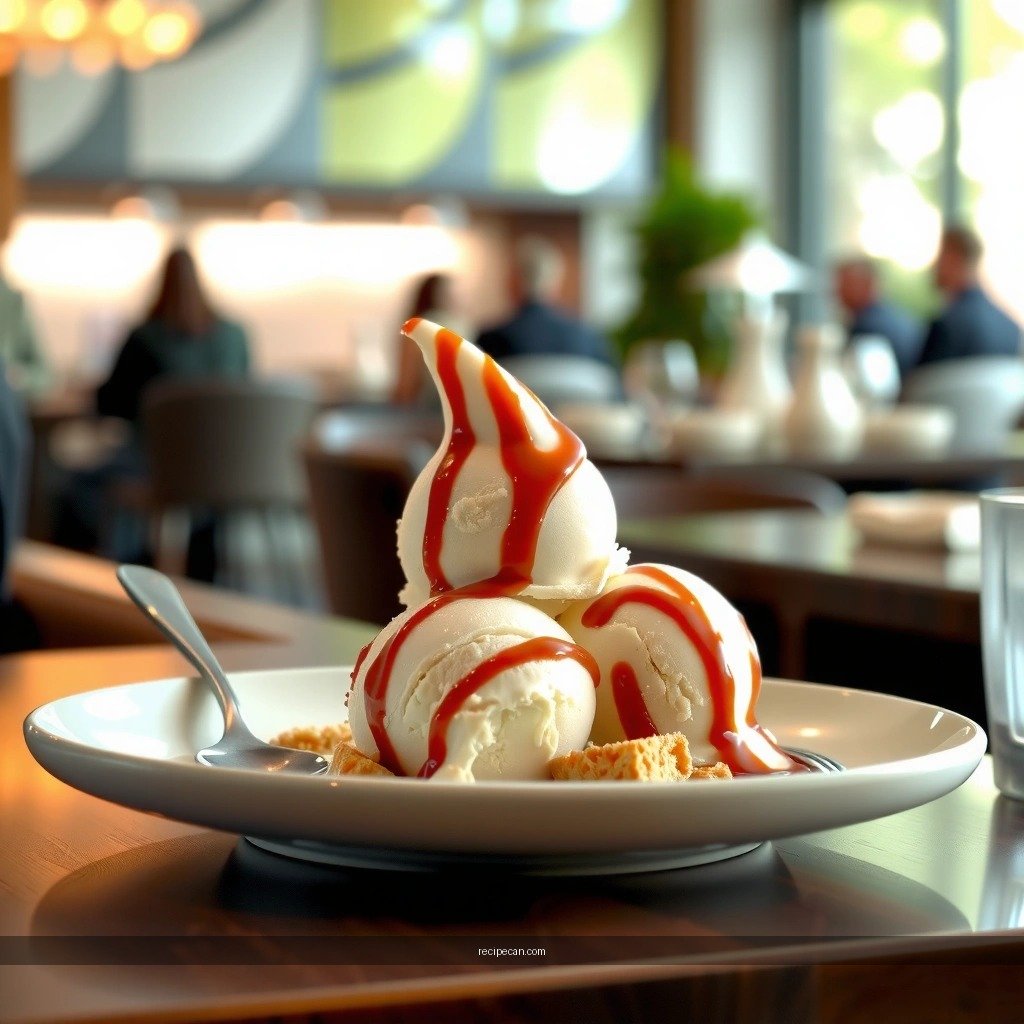
Smooth texture in a Cuisinart ice cream maker depends on two controllable variables: fat + ice crystal control. Sugar substitutes change freezing behavior, so your prep technique becomes more important.
– Chill your base thoroughly before churning
This isn’t optional. A base that isn’t cold enough churns slowly, produces larger ice crystals, and can look slightly “sandy.”
*Best practice:* Chill at least 4 hours, ideally overnight in the refrigerator. For thick custards, give it time to cool completely and evenly.
– Use enough fat (cream or coconut cream) for smooth results
Fat slows ice crystal growth and contributes to a creamy mouthfeel. If you’re doing sugar free recipes, don’t be tempted to go “light.”
Quick ratios that work:
– For custard-style: use a generous mix of heavy cream + egg yolks (or yolk-thickened coconut base).
– For no-custard: aim for cream (or full-fat coconut cream) plus a thickener if needed.
– Stir in stabilizers (if needed) to reduce iciness
Many sugar free ice cream makers struggle with iciness because sugar normally helps with freezing-point depression and texture. Stabilizers can mimic some of that behavior.
*Common, effective options:* cornstarch (tiny amounts in cooked base), chia (for puddings/nice cream textures), and gums (like xanthan) for a smoother churn.
Actionable tip: Start small. Too much stabilizer can create a gummy mouthfeel.
Sugar Free Classic Flavors to Try
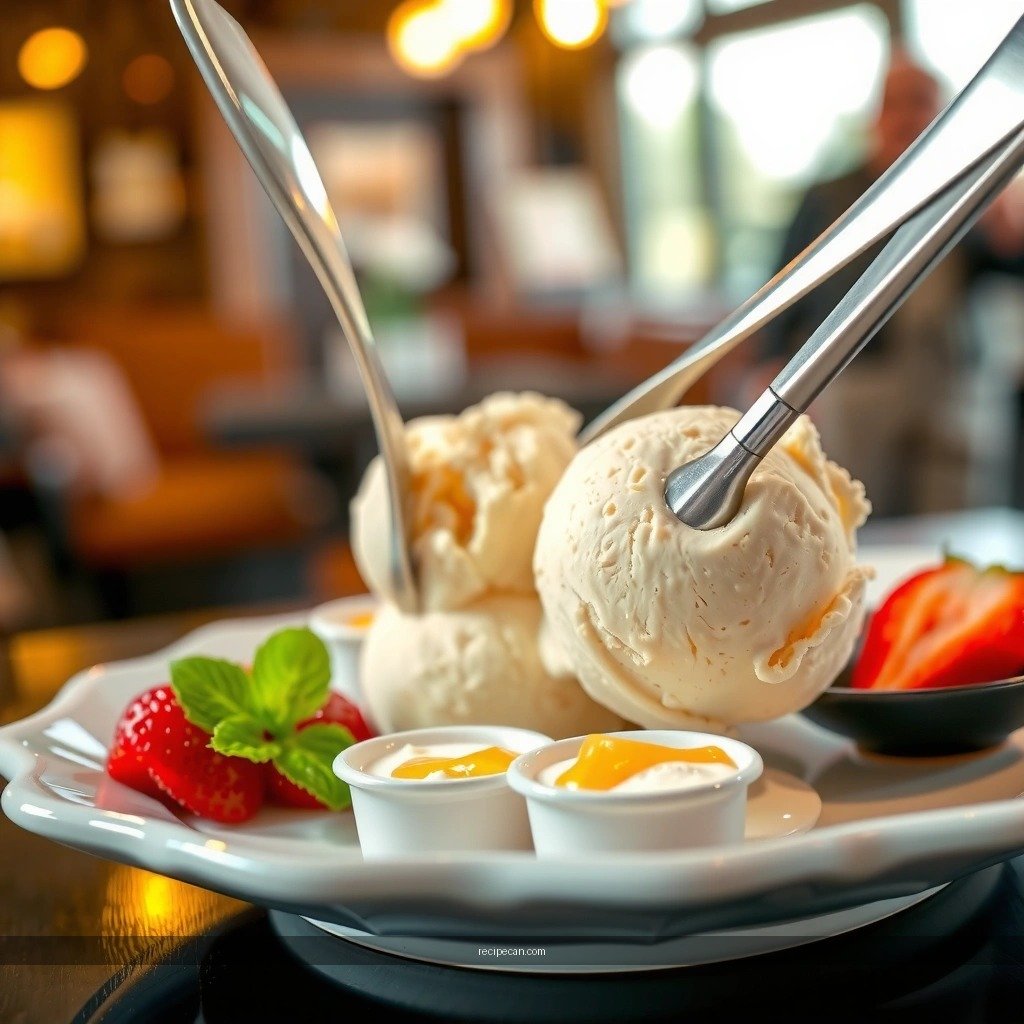
Once your sweetener and base technique are stable, flavor building becomes straightforward. The goal is to keep the “base” consistent and then adjust flavor concentrates and mix-ins.
– Vanilla bean using cream, yolks, and a sugar free sweetener
Vanilla is forgiving and reveals texture issues quickly—use it as your benchmark.
What to do:
1) Warm cream and vanilla bean (or vanilla extract).
2) Whisk yolks with your monk fruit/erythritol blend.
3) Temper and cook gently until slightly thickened.
4) Strain, chill, churn.
Why it works: yolks add emulsification and body, making sugar free ice cream taste richer even with reduced sweetness.
– Chocolate ice cream with cocoa and instant cocoa powder for body
Chocolate flavors benefit from body because cocoa can be slightly drying.
*Reliable method:* Use unsweetened cocoa plus instant cocoa powder (or a portion of hot cocoa-style powder that dissolves well). Add chocolate to the warm base to fully disperse particles before chilling.
– Strawberry-style “nice cream” options with no-sugar fruit add-ins
If you prefer lighter, fruit-forward desserts, “nice cream” is a practical strategy—especially if you use frozen fruit and a thickener.
*Actionable build:* Blend frozen strawberries with coconut milk (or lactose-free milk), a small amount of neutral sweetener (monk fruit/erythritol), and a thickener like chia gel for smoother scoops.
Dairy-Free and Lactose-Free Options
Sugar free frozen desserts can still deliver excellent texture without dairy, but you’ll need to manage fat and viscosity differently.
– Use coconut milk or lactose-free cream for similar texture
Lactose-free dairy behaves like standard dairy for freezing and emulsification, so you can often use the same custard approach with lactose-free cream.
For dairy-free, full-fat coconut milk/cream provides the fat you need for creaminess.
– Add a thickener (e.g., chia or gums) if the base feels thin
Plant-based bases may churn but still freeze harder or feel icy because they lack dairy proteins and egg emulsifiers.
Practical adjustments:
– If your base looks pourable, add a thickener to prevent water separation.
– If using chia, let it hydrate during chilling so you don’t get visible gel pockets.
– Try dairy-free cookie-style mixes with sugar free crumbles
Mix-ins can make or break dairy-free desserts. Many store-bought sugar free cookies contain ingredients that absorb moisture differently in cold systems.
Best practice:
– Use crumbs sparingly so you don’t overwhelm the base.
– Fold in only after the ice cream reaches a soft, spreadable consistency during/after churning.
Adjusting Texture and Avoiding Common Mistakes
Even the best sugar free cuisinart ice cream maker recipes sometimes need tuning. The key is diagnosing which “failure mode” you’re seeing and correcting one variable at a time.
– If it’s too icy, increase fat or add a small thickening agent
Icy texture usually indicates insufficient fat, incomplete emulsification, or too little freezing-point support from sugar substitutes.
Fixes:
– Increase cream percentage (or use higher-fat coconut cream).
– Add a tiny stabilizer increment next batch (e.g., xanthan or cornstarch in a cooked base).
– Ensure your base was properly chilled before churning.
– If it’s too soft, churn longer and re-chill the base
Soft ice cream often means it didn’t reach enough aeration/cold during churning or it was packaged before it set.
Fixes:
– Churn until the texture looks like soft-serve.
– Freeze in an appropriate container immediately after transferring.
– Avoid water-heavy mix-ins that can freeze hard
Fruit chunks, juice-based add-ins, and some “sugar free syrup” mixes can freeze into hard bits.
Safer alternatives: pureed fruit (partially reduced to concentrate), fruit sauces thickened slightly, or controlled fruit-to-base ratios. If you love chunky mix-ins, choose lower-water ingredients or pre-freeze them lightly and fold carefully.
Churn Times, Storage, and Best Serving Methods
The Cuisinart ice cream maker can be highly consistent—if you respect the timing and storage mechanics. Sugar free systems tend to exaggerate storage errors because they can form ice crystals more readily.
– Follow Cuisinart churning ranges for your model
Different Cuisinart machines have different bowl sizes and cooling performance. Use your model’s recommended churning window and don’t churn for too little (soft, loose texture) or too long (over-thickening and dryness).
Workflow tip: Start timing once the base is fully in the bowl and the machine is running consistently.
– Freeze in a cold, airtight container to prevent ice crystals
After churning, transfer quickly to a pre-chilled airtight container. Press parchment directly onto the surface before sealing if you want to reduce freezer burn and crystal growth.
– Let it sit briefly before serving for optimal scoopability
Sugar free ice cream can feel firmer straight from the freezer. Let it sit at refrigerator or countertop conditions for 5–10 minutes so the texture softens without melting.
Sugar free cuisinart ice cream maker recipes can be creamy and satisfying when you choose the right sweeteners, properly chill your base, and adjust for texture. Try one classic flavor first—vanilla bean or chocolate—then experiment with dairy-free options and add-ins, saving your sweetener ratio and stabilizer amount so you can repeat perfect results.
If you’d like, tell me which Cuisinart model you have (and whether you prefer custard-style or no-custard), and I’ll draft a starter “base recipe” you can reuse for vanilla, chocolate, and strawberry-style variations.
Frequently Asked Questions
What are the best sugar free recipes for a Cuisinart ice cream maker?
For Cuisinart ice cream maker sugar free recipes, start with base recipes that use sugar substitutes like erythritol, allulose, or monk fruit sweeteners that dissolve well. Popular options include sugar free vanilla bean ice cream, strawberry “no sugar added” frozen custard, and chocolate ice cream made with unsweetened cocoa plus a compatible sweetener. Aim for a creamy base (often dairy + egg yolks or a rich nonfat dairy mix) so the texture stays scoopable after churning.
How do you sweeten sugar free ice cream in a Cuisinart machine without freezing issues?
Sugar free ice cream can freeze too hard if the sweetener doesn’t behave like sugar or if the base is too watery. Use sweeteners labeled as “ice cream friendly” such as allulose (often closest to sugar), erythritol blends, or monk fruit blends designed for baking and freezing, then follow a tested ratio from a Cuisinart sugar free recipe. If your recipe is dairy-light, increase cream or add a thickener like gelatin or a small amount of cornstarch (if your recipe style supports it) to improve texture.
Why does sugar free ice cream sometimes turn icy in a Cuisinart ice cream maker?
Icy texture usually happens when there isn’t enough fat, when the mix is too thin, or when the sweetener doesn’t reduce ice crystal formation effectively. Many Cuisinart ice cream maker sugar free recipes include eggs, cream, and/or a thickener to stabilize the mixture and improve churn results. Also, make sure your freezer bowl is fully frozen before churning and churn until the mixture reaches the manufacturer’s thickened “soft-serve” stage.
Which sweeteners work best for Cuisinart sugar free ice cream recipes?
Allulose is often the most reliable for a smooth, sugar-like scoop because it helps with browning and freezing behavior more like table sugar. Erythritol-based blends can work well too, but pure erythritol may lead to a firmer or slightly icier bite depending on the formula. Monk fruit and stevia generally require recipe-specific blends (often with bulking agents) to avoid bitterness and to maintain a creamy texture when frozen.
How can you make low carb, sugar free Cuisinart ice cream maker recipes taste less “diet”?
To reduce the “diet” flavor common in sugar free ice cream, balance sweetness with vanilla, salt, and strong flavor boosters like cocoa, espresso powder, or real fruit purée (using sugar-free or carefully measured portions). For recipes like sugar free chocolate ice cream, unsweetened cocoa plus a pinch of salt can make sweeteners taste more natural. Finally, chill the base thoroughly before churning—most Cuisinart sugar free recipes benefit from resting in the fridge so the mixture is smooth and churns evenly.
References
- Google Scholar Google Scholar
https://scholar.google.com/scholar?q=cuisinart+ice+cream+maker+sugar+free+recipes - Google Scholar Google Scholar
https://scholar.google.com/scholar?q=no+added+sugar+ice+cream+stevia+recipe - Google Scholar Google Scholar
https://scholar.google.com/scholar?q=sugar+alcohols+in+frozen+desserts+ice+cream+formulation - Ice cream
https://en.wikipedia.org/wiki/Ice_cream - Sugar substitute
https://en.wikipedia.org/wiki/Sugar_substitute - Stevia
https://en.wikipedia.org/wiki/Stevia - Sugar alcohol
https://en.wikipedia.org/wiki/Sugar_alcohol - DSpace
https://iris.who.int/handle/10665/44671 - https://pubmed.ncbi.nlm.nih.gov/?term=non-nutritive+sweeteners+ice+cream
https://pubmed.ncbi.nlm.nih.gov/?term=non-nutritive+sweeteners+ice+cream - Artificial sweeteners and other sugar substitutes – Mayo Clinic
https://www.mayoclinic.org/diseases-conditions/diabetes/in-depth/sugar-substitutes/art-20046936