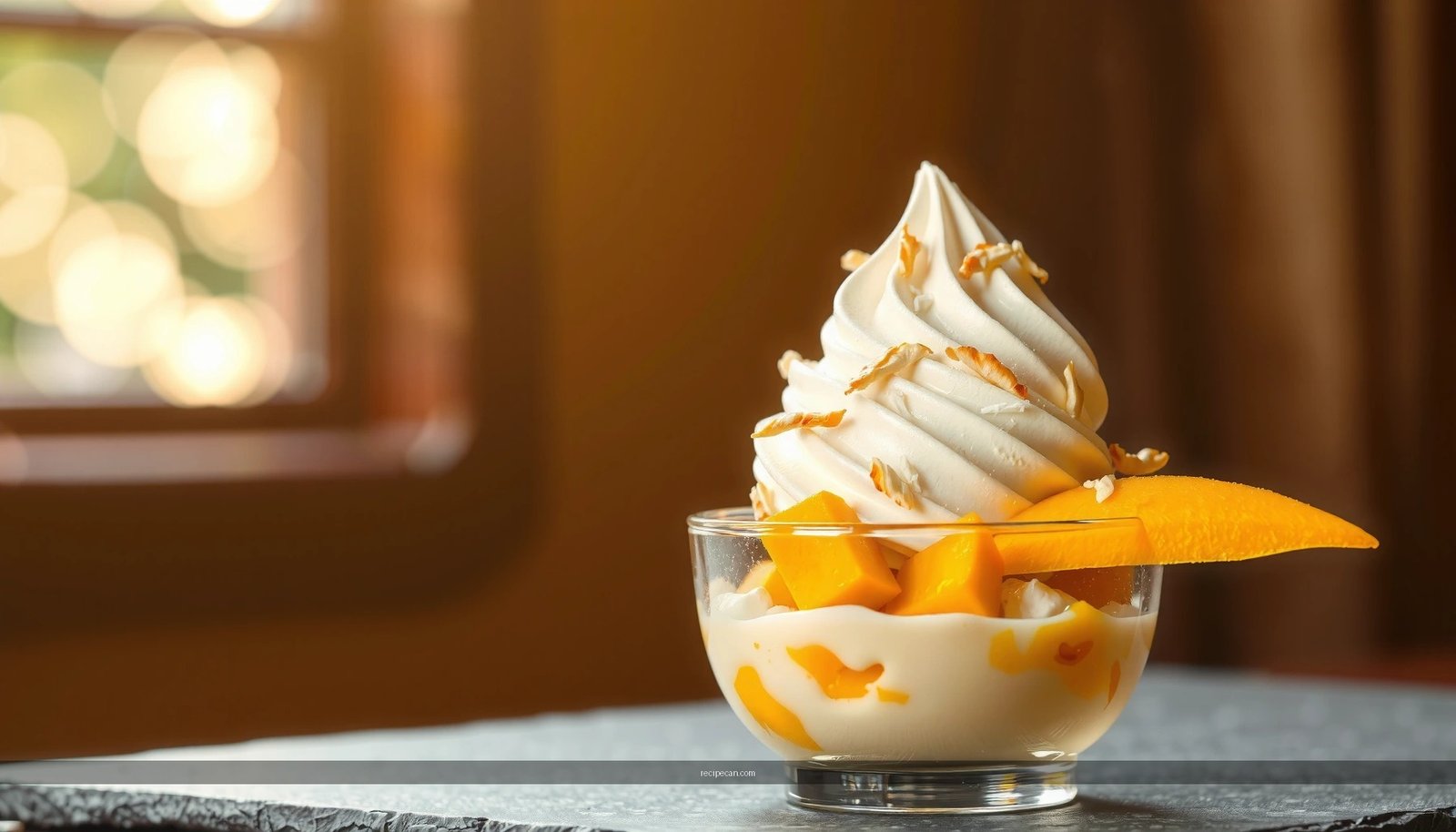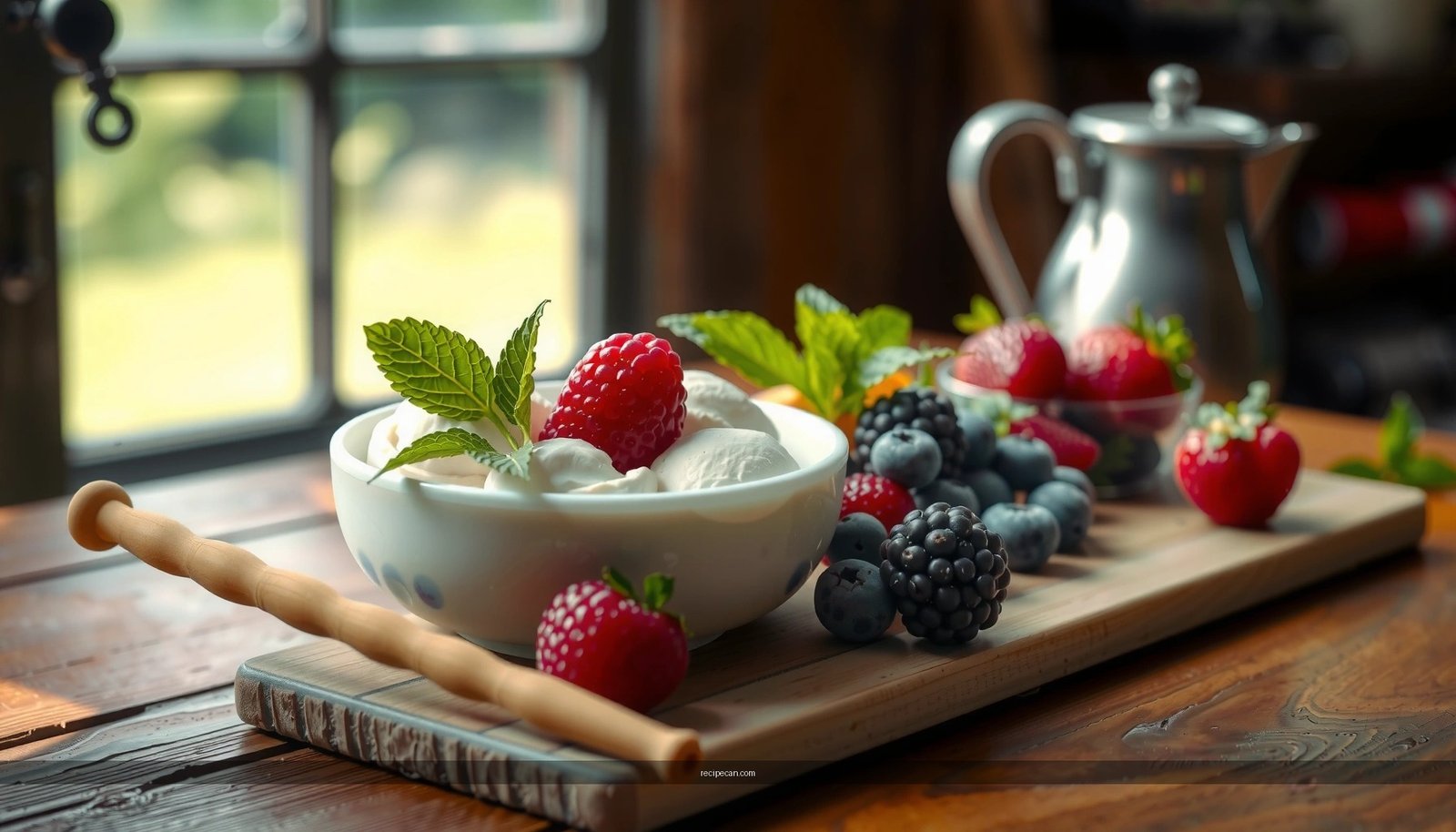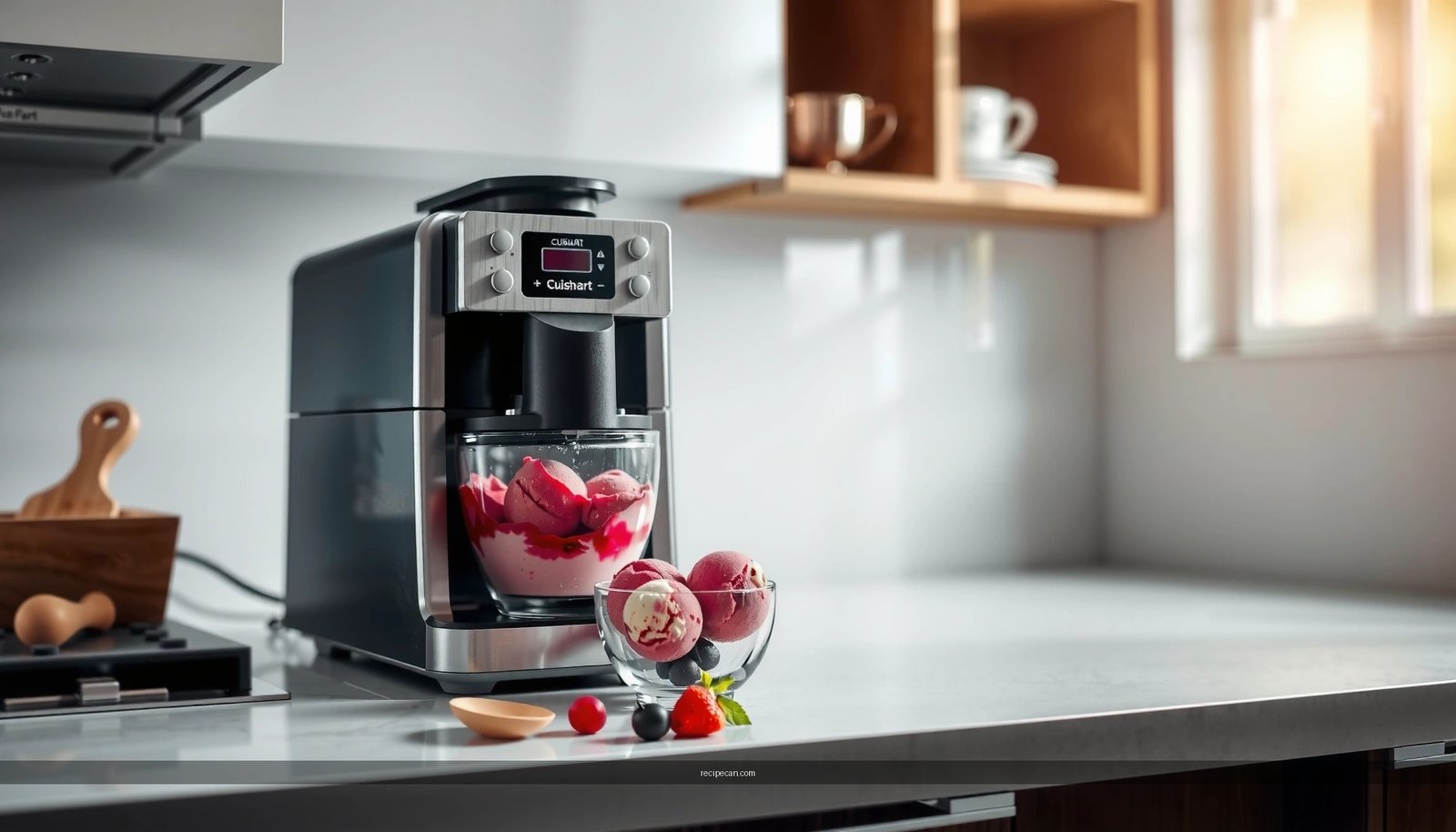
Searching for Cuisinart ice cream maker sherbet recipes that actually turn out smooth, flavorful, and bright? This guide picks the easiest sherbet formulas for your model and shows the exact steps to nail the texture with minimal effort. If you want the quickest path to restaurant-style results—without guesswork—this is the winner for homestyle sherbet.
Make smooth, scoopable sherbet in your Cuisinart ice cream maker by starting with a properly balanced fruit base (fruit + sugar plus dairy or water) and churning until it reaches soft-serve thickness. If you follow the right mix ratios, chill your base, and freeze briefly for texture control, you’ll get professional-style results with minimal effort—even when you experiment with different fruits and mix-ins.
Choose Your Cuisinart Sherbet Base (Fruit + Liquid)
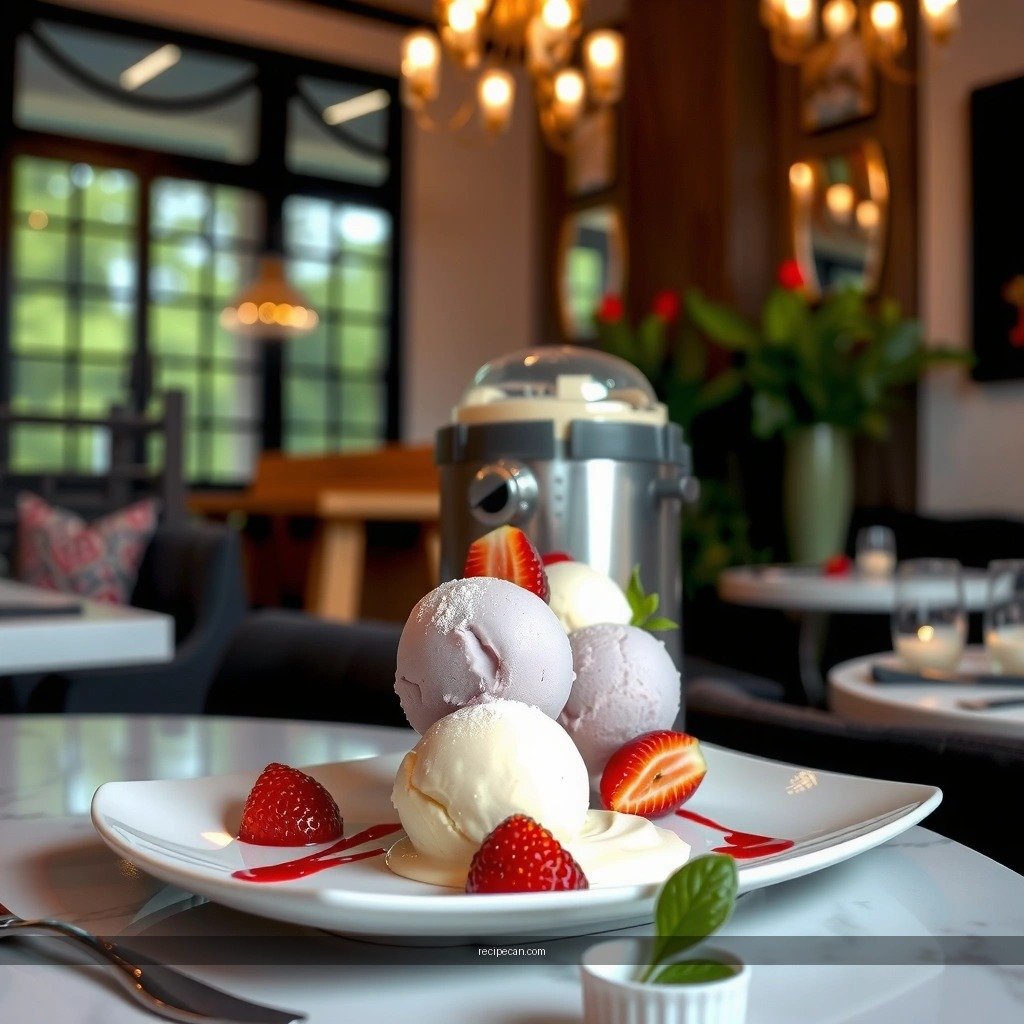
Sherbet is fundamentally a controlled balance of fruit flavor, sweetness, and fat-free-to-low-fat body. Your Cuisinart ice cream maker will do the “mechanical” work (airing and thickening), but the base ingredients determine whether the final product tastes bright and clean—or icy and flat.
Start by choosing fruit that naturally provides both flavor and acidity:
– Strawberry for classic sweetness with a gentle tang
– Raspberry for a more complex, aromatic berry profile
– Lemon, lime, or orange for a crisp, tangy sherbet that reads “refreshing,” not sour
– Mango or peach if you want a softer, tropical texture (works well with slightly reduced sugar)
Then decide on your liquid base—this is the lever that affects churn performance and perceived smoothness:
– Juice (more consistent, thinner base): ideal for citrus and some fruit flavors
– Puree (more intense and creamy mouthfeel): ideal for berries, mango, peaches
– Fruit syrup (usually sweetest): use when your fruit is less ripe or less flavorful
A key analytical point: fruit contains water and natural acids that can inhibit freezing symmetry if you overshoot acidity or undershoot sugar. That’s why your base needs sugar not just for taste, but for freezing-point control and scoopability.
Follow the Right Mix Ratio for Smooth Texture

For sherbet in a Cuisinart machine, the most reliable approach is to think in terms of sweetness + solubility + fat/body + freezing point.
A practical baseline ratio that works across many fruits is:
– Fruit puree/juice: ~ 2 to 2½ cups
– Sugar: ~ ¾ to 1 cup (adjust by fruit sweetness)
– Dairy or liquid:
– With dairy: ½ to ¾ cup milk/cream or a mix
– Dairy-free: ½ to 1 cup water or juice (may require slightly more sugar for texture)
Two approaches, both valid:
1. Dairy-based sherbet: milk/cream contributes mild fat for a smoother mouthfeel and helps the machine churn more consistently.
2. Dairy-free sherbet: still works well, but you’ll rely more heavily on sugar concentration and sometimes a small stabilizer to reduce ice crystal formation.
If you want to fine-tune smoothness (especially in citrus sherbets that can feel icier), consider a stabilizer:
– Cornstarch (optional): add a small amount (commonly ~1–2 tsp per quart of total base) and cook briefly to dissolve, then chill.
– Sweetened condensed milk (optional): adds body and sweetness, typically without making the mixture heavy. Use it if you want a richer “creamier sherbet” effect.
—
Sherbet Base Builder: Typical Ingredient Targets for a Cuisinart Batch (Approx. 1–1.5 Quarts)
| # | Sherbet Fruit | Fruit Amount | Sugar Target | Dairy / Liquid | Smoothness Result |
|---|---|---|---|---|---|
| 1 | Strawberry (puree) | 2¼ cups | ¾ cup | ¾ cup milk | ★★★★☆ |
| 2 | Raspberry (puree) | 2 cups | 1 cup | ⅔ cup cream + ⅓ cup water | ★★★★★ |
| 3 | Lemon (juice + zest) | 1 cup juice | 1 cup | ½ cup milk + ½ cup water | ★★★★☆ |
| 4 | Lime (juice) | 1¼ cups juice | 1 cup | ¾ cup water + ¼ cup cream | ★★★★☆ |
| 5 | Orange (juice + zest) | 1⅔ cups juice | ¾ cup + 2 tbsp | ½ cup milk + ½ cup water | ★★★★☆ |
| 6 | Mango (puree) | 2¼ cups | ⅞ cup | ¾ cup milk | ★★★★★ |
| 7 | Dairy-free mixed berry | 2 cups puree | 1¼ cups | 1 cup water | ★★★☆☆ |
Simple Cuisinart Strawberry Sherbet Recipe
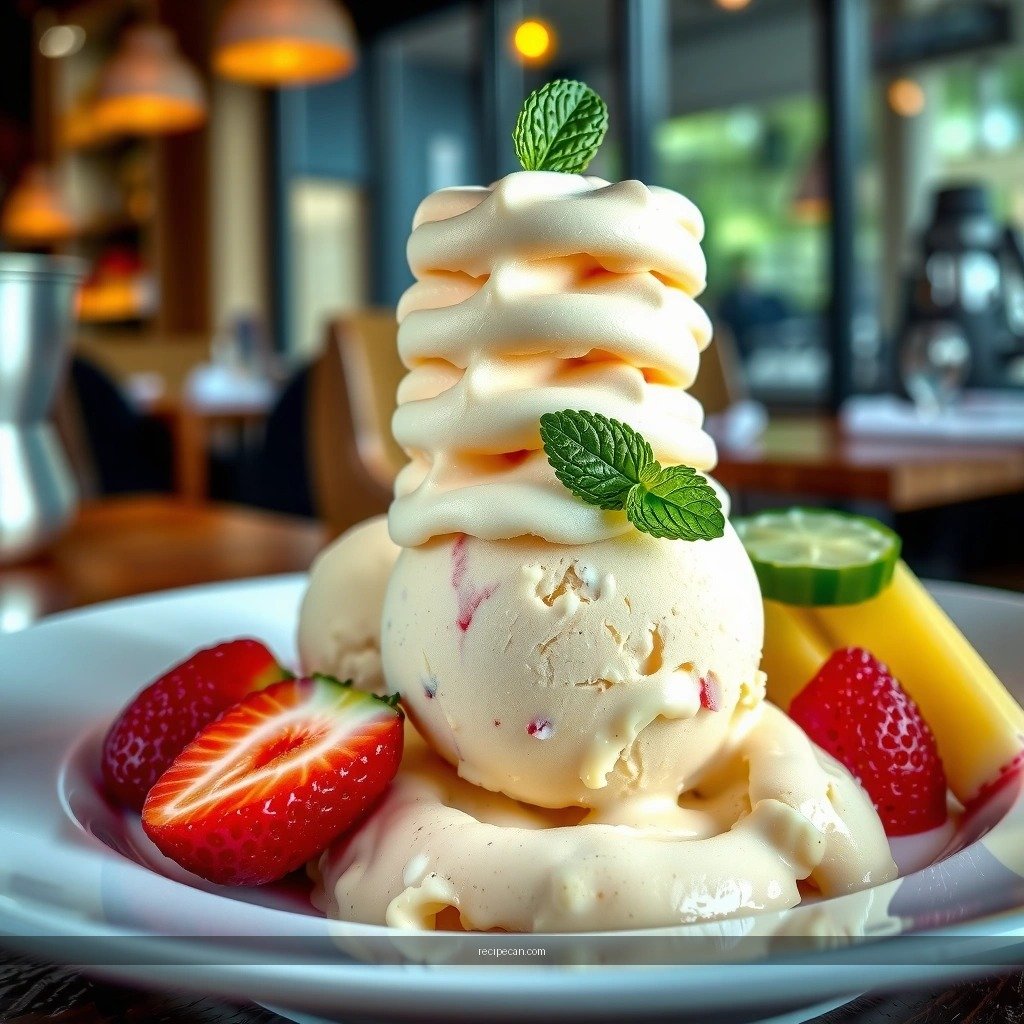
A strawberry sherbet base is one of the easiest entry points because strawberries deliver strong sweetness and flavor even with moderate sugar. This recipe focuses on a churn-friendly base and a clean strawberry taste.
Ingredients (makes ~1–1.2 quarts):
– 2¼ cups strawberry puree (fresh blended or thawed frozen berries blended smooth)
– ¾ cup sugar (adjust up to 1 cup if berries are very tart)
– ¾ cup milk (2% or whole works well)
– 1–2 tbsp lemon juice (optional; brightens flavor without turning it sour)
– Pinch of salt (optional but recommended for flavor clarity)
Method (Cuisinart-compatible):
1. Blend and dissolve: Puree strawberries thoroughly. Whisk sugar into milk (and lemon juice, if using) until fully dissolved.
2. Combine: Stir strawberry puree into the milk-sugar mixture. Add a pinch of salt.
3. Chill the base: Refrigerate at least 2–4 hours (overnight is better). A cold base improves churn thickness and reduces the chance of iciness.
4. Churn: Pour chilled base into the Cuisinart ice cream maker. Churn until it resembles soft-serve (thickened, pourable, holds tracks).
5. Freeze briefly: Transfer to a container and freeze 2–4 hours for scoopable texture.
Texture control tip: If your strawberry sherbet ends up slightly loose, don’t “overchurn.” Instead, freeze longer. Overchurning can sometimes lead to a grainier mouthfeel during freezing.
Citrus Sherbet Recipes for a Bright, Tangy Bite
Citrus sherbet rewards careful balancing because acidity increases the chance of a harder frozen set. The goal is bright flavor with a stable sweetness-to-acid ratio.
Lemon-Lime Sherbet (balanced tang)
– Use lemon juice + lime zest (or vice versa) to create layered aroma.
– Keep sugar at the higher end of the suggested range (citrus often benefits from ~1 cup sugar per the typical 1.0–1.3 cups juice scale).
Actionable adjustment rules:
– If it tastes too sharp after chilling, add sugar in small increments next batch (or gently warm a portion of base next time to dissolve sugar).
– If it tastes flat, increase citrus zest rather than adding more juice (zest boosts aroma with less watery dilution).
Orange Sherbet (rounder sweetness)
Orange sherbet often feels more “ice-cream-like” because orange juice naturally reads sweeter and less piercing than lemon.
Use orange zest sparingly but intentionally:
– Zest 1–2 oranges for a batch size up to about 1.7 cups juice (taste as you go).
– Zest earlier (before blending) so oils disperse evenly.
Why citrus can feel icy: when sugar is slightly low relative to water and acid, ice crystals grow more easily during freezing. Chilling the base and freezing only to “firm enough to scoop” (2–4 hours) helps maintain the smoothest texture.
Customize Your Sherbet: Mix-Ins and Flavor Variations
Once your base is reliable, mix-ins are where you can scale from “easy homemade” to “signature dessert.” For Cuisinart sherbet, the primary rule is timing: mix-ins should be added when the mixture is thick enough to hold them without sinking or clumping.
Good sherbet-friendly mix-ins include:
– Fresh berries: fold in after churning for minimal thawing and less dilution
– Crushed cookies: add near the end of churning for distributed crunch
– Fruit preserves swirl: add after churning and use a gentle fold to avoid fully mixing the color
– Chocolate or cocoa: stir in after churning if you want a marbled pattern; for truffles-style textures, add melted chocolate *then* chill slightly before churning blend-in (to prevent shock)
Flavor variations that work well in sherbet
– Vanilla: add vanilla extract after chilling, before churning (or stir in after churning for a lighter aroma)
– Honey: add honey to the base for floral sweetness—use a slightly lower amount than sugar if you replace sugar 1:1 (honey is sweeter by weight)
– Spice: a small pinch of ginger (mango/peach) or cardamom (citrus-berry) adds perceived complexity without heavy flavor dominance
Professional serving tip: Keep mix-ins sized for texture consistency—crumbs should be small enough to avoid “ice-cream brittleness” when scooped.
Churning, Timing, and Freezing Tips
Even strong recipes can underperform if process details are ignored. Sherbet texture is more process-sensitive than many people expect because it sits between sorbet and ice cream in fat content and freezing behavior.
Churning targets (what “done” looks like)
Churn until the mixture reaches:
– Soft-serve thickness (it should mound slightly on a spoon)
– Enough body that mix-ins won’t instantly sink
If your Cuisinart runs longer than expected, stop when you hit soft-serve thickness rather than waiting for a “hard ice cream” state. Your freezer does the final firming.
Freezing schedule for smoother scoops
– Transfer to a shallow container for faster, more even freezing.
– Freeze 2–4 hours for the best scoopability.
– For the smoothest texture, stir once during the first hour if your freezer is prone to forming ice crystals.
Common failure modes (and fixes)
– Icy texture: typically under-sweetened base or insufficient chilling time
– Fix next time: increase sugar slightly and chill the base longer
– Grainy mouthfeel: often from temperature swings or overhandling
– Fix next time: keep base colder going into the machine and freeze promptly after churning
– Watery after freezing: may be too much liquid or insufficient solubility of sugar
– Fix next time: ensure sugar dissolves completely before churning and maintain the suggested liquid range
—
Conclusion
Cuisinart ice cream maker sherbet recipes are easiest when you treat sherbet as a balanced system: a fruit-forward base, correct sugar concentration for freezing-point control, and a process flow that starts with chilling and ends with targeted freezing. Choose your fruit (strawberry for classic results, citrus for bright tang), follow the mix ratio for smooth churn, and then customize with mix-ins added at the right moment for consistent texture. With these ingredient and timing principles, your homemade sherbet will deliver the smooth, scoopable quality you expect—without guesswork.
Frequently Asked Questions
What are the best Cuisinart ice cream maker sherbet recipes for beginners?
For beginners, start with simple fruit-based sherbet recipes like orange sherbet or lemon sherbet using juice plus condensed milk or sweetened condensed milk. These Cuisinart ice cream maker sherbet recipes are forgiving because the mixture often reaches the right consistency without cooking custards. Use real citrus juice for flavor, and consider adding a small amount of zest for a brighter taste. Chill the base thoroughly before churning so your Cuisinart sherbet comes out creamy instead of icy.
How do I make homemade sherbet in a Cuisinart ice cream maker without it turning icy?
Icy sherbet usually comes from too much water and a base that wasn’t chilled long enough. Use a recipe that includes sweetened dairy (such as sweetened condensed milk, half-and-half, or yogurt) and a bit of stabilizer like corn syrup or a small amount of gelatin if the recipe calls for it. Chill your sherbet base in the refrigerator for at least 4 hours, and churn until it reaches the soft-serve stage in your Cuisinart ice cream maker. After churning, freeze briefly to firm up while keeping the texture smooth.
Why does my Cuisinart sherbet separate or look grainy, and how can I fix it?
Separation or graininess can happen if the sugar content is too low, the mix is too hot when it goes into the freezer bowl, or the dairy was added incorrectly. Make sure you’re using properly measured ingredients and fully dissolving any sugar before churning your Cuisinart ice cream maker sherbet base. If you’re using eggs or cooked components, cool them completely before adding to the machine. In many cases, blending the chilled base until smooth and churning again after a proper chill will help restore a creamy texture.
Which Cuisinart model settings should I use for sherbet recipes?
Most Cuisinart ice cream maker models rely on time-based churning, so follow your machine’s instructions and watch for the soft-serve consistency typical of sherbet. For best results, make sure the freezer bowl is fully frozen per the manual—this is crucial for consistent texture in Cuisinart ice cream maker sherbet recipes. Add-ins like fruit purée and zest should be mixed in at the right time (often after the base starts thickening) to prevent uneven texture. If your model has speed or texture settings, choose the standard setting for sorbet/sherbet unless the manual suggests otherwise.
What are the best flavor ideas for Cuisinart ice cream maker sherbet recipes with seasonal fruit?
Seasonal fruit works especially well in sherbet because purées add flavor without needing a thick custard. Try strawberry sherbet, raspberry sherbet, peach sherbet, or mango sherbet by blending fruit with citrus juice and a dairy-sweet base designed for sherbet. Balance sweetness with acidity—if fruit is tart, add a little more sugar or condensed milk; if it’s very ripe and sweet, slightly reduce added sugar. For a pro finish, strain large seeds or rough pulp and add a touch of zest or vanilla to enhance aroma in your homemade Cuisinart sherbet.
References
- Sherbet
https://en.wikipedia.org/wiki/Sherbet - Ice cream maker
https://en.wikipedia.org/wiki/Ice_cream_maker - Ice cream
https://en.wikipedia.org/wiki/Ice_cream - Sherbet | Definition & Ingredients | Britannica
https://www.britannica.com/topic/sherbet - Ice cream | Definition, History, & Production | Britannica
https://www.britannica.com/topic/ice-cream - Google Scholar Google Scholar
https://scholar.google.com/scholar?q=cuisinart+ice+cream+maker+sherbet+recipe - Google Scholar Google Scholar
https://scholar.google.com/scholar?q=sherbet+recipe+ice+cream+maker - Google Scholar Google Scholar
https://scholar.google.com/scholar?q+fruit+sherbet+frozen+dessert+composition+stabilizers - https://pubmed.ncbi.nlm.nih.gov/?term=sherbet
https://pubmed.ncbi.nlm.nih.gov/?term=sherbet - https://www.fda.gov/food/food-additives-petitions/ice-cream-and-frozen-desserts
https://www.fda.gov/food/food-additives-petitions/ice-cream-and-frozen-desserts