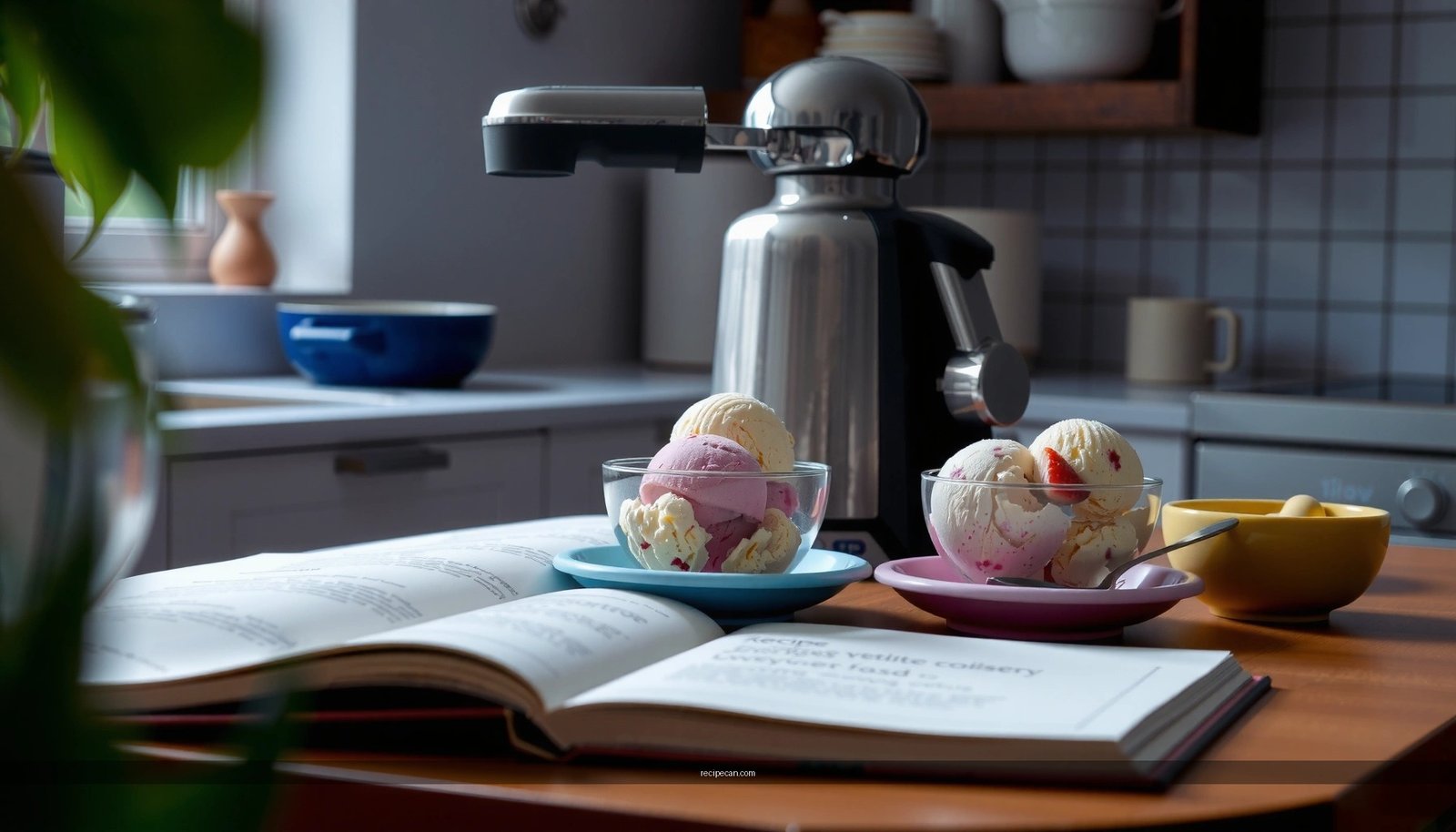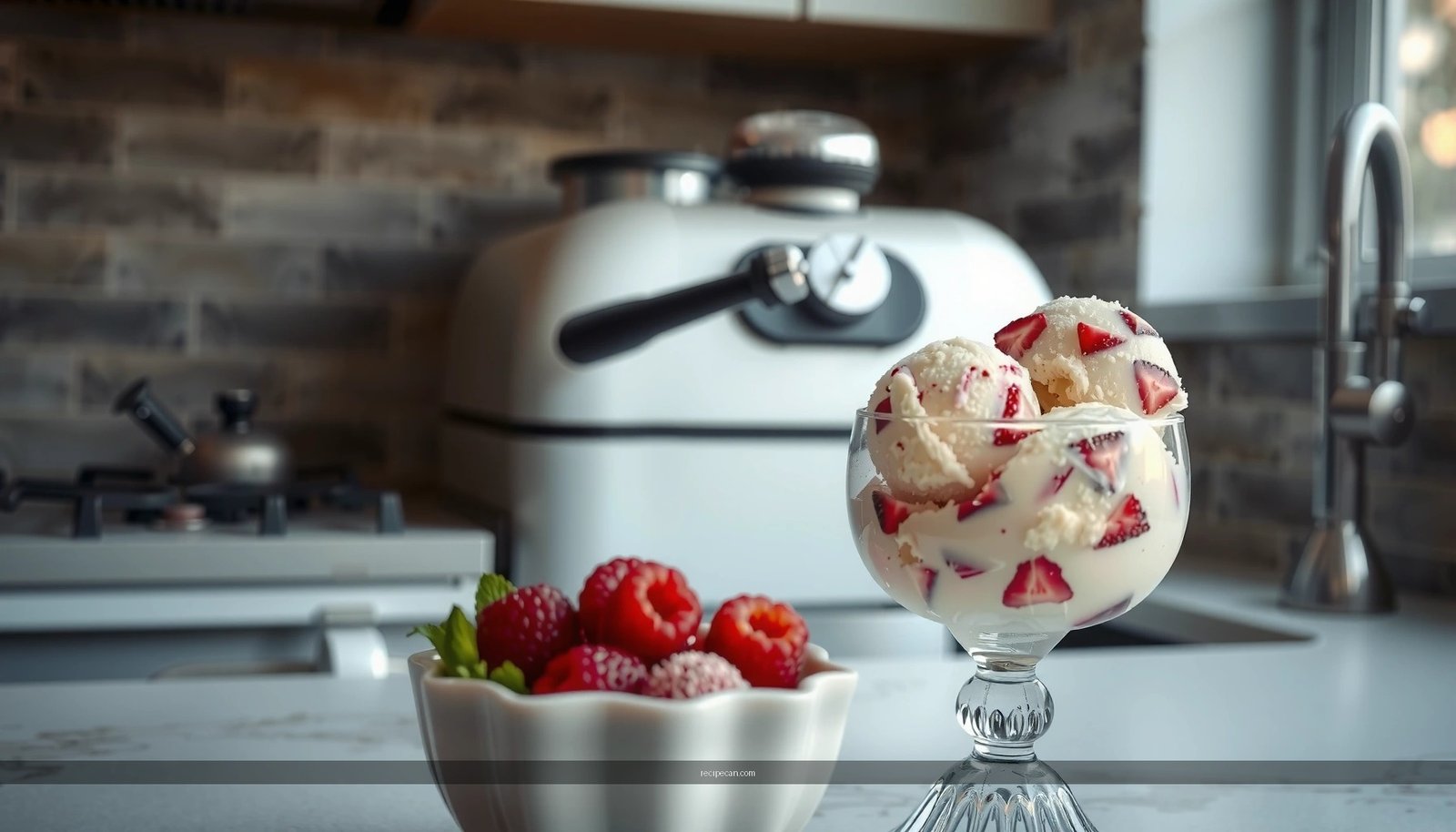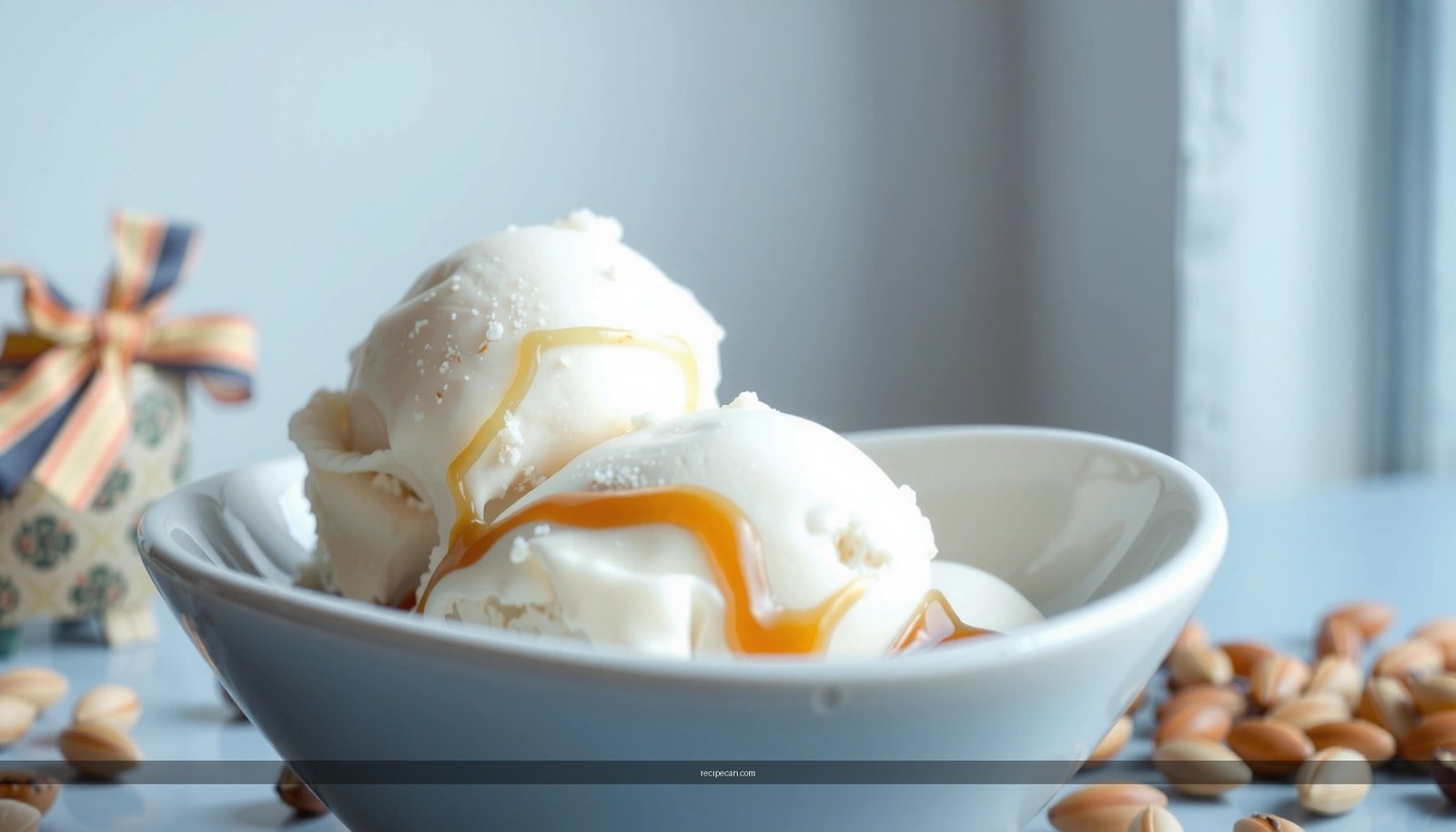
Get a creamy, no-fuss recipe for soy milk ice cream that actually freezes smoothly and tastes rich. This step-by-step method answers how to turn soy milk into a scoopable homemade dessert—using the right sweetness, thickener, and churning approach. If you want the easiest way to make soy milk ice cream with a classic custard-style texture, this is the one to follow.
Make creamy soy milk ice cream at home by cooking a smooth base with soy milk, cornstarch (as a thickener), and a touch of sweetener—then churning or using a reliable no-churn method. You’ll get a scoopable, restaurant-style texture by properly thickening the base, chilling it fully, and using a few texture-focused techniques that prevent icy results.
Ingredients You’ll Need
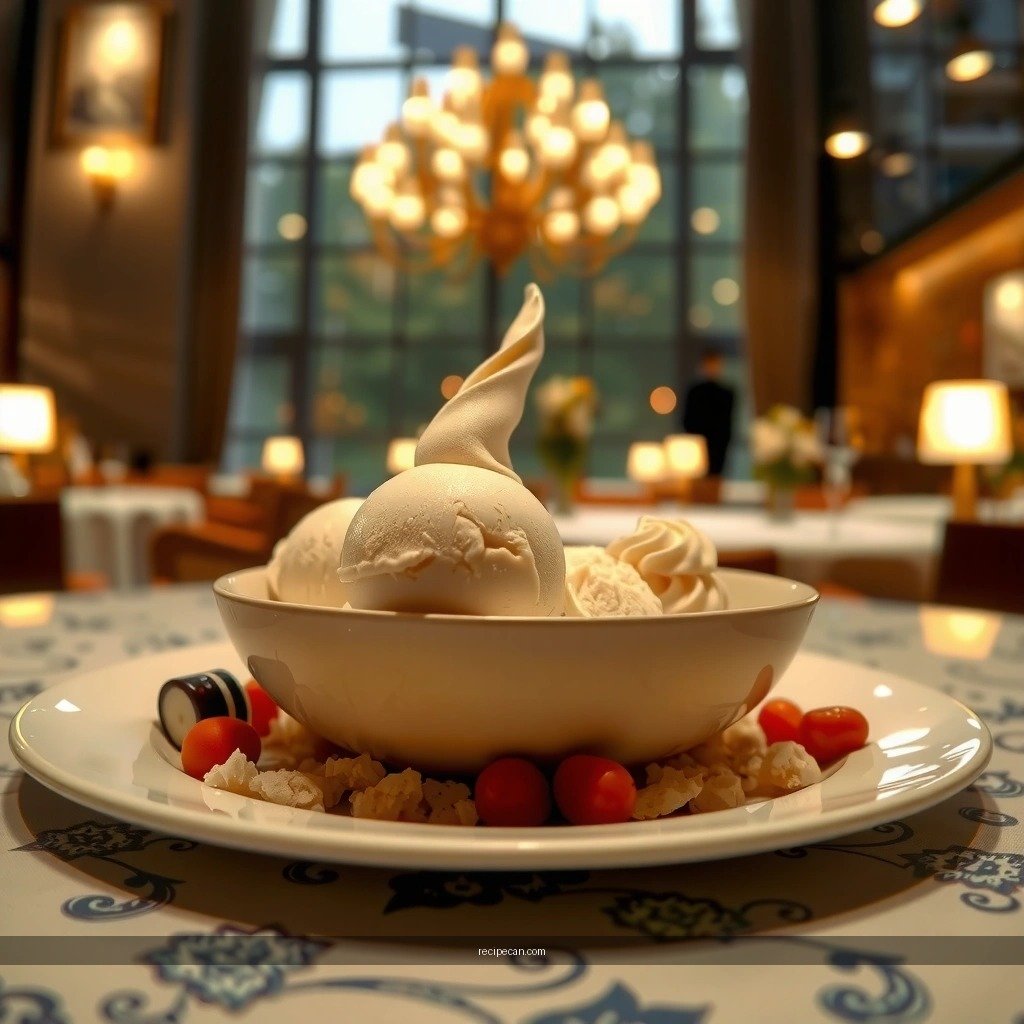
To make soy milk ice cream that actually tastes “creamy” (not icy or chalky), you need ingredients that work together: flavor, sweetness, emulsification, and—most importantly—thickening.
– Soy milk: Use a plain, unsweetened soy milk for the most controlled flavor and sweetness. Higher-protein soy milks often help the ice cream body. If your soy milk is flavored (vanilla, sweetened), adjust the sweetener down.
– Sweetener (sugar or maple syrup): Sweetness impacts more than taste—sugar also lowers freezing point and improves scoopability. Maple syrup adds a gentle caramel note and can slightly affect the final color.
– Vanilla for flavor: A splash of vanilla extract rounds out the “bean” notes that some people perceive in soy-based desserts.
– Cornstarch (or another thickener): Cornstarch is the practical choice for a custard-like base. It gels as it cools and helps stabilize the ice cream during freezing, supporting a smooth mouthfeel.
– Optional add-ins like cocoa, berries, or caramel: Choose mix-ins that match the flavor profile and won’t release excessive water too late in the process (which can increase iciness).
Pro ingredient note: If you’re aiming for a more dairy-ice-cream-like texture, consider adding a teaspoon of neutral oil (like light canola or grapeseed) or a small amount of soy lecithin if you have it. These can improve emulsion stability, helping the base resist separation and ice crystal growth.
—
Soy Milk Ice Cream Texture Targets: Base Build (Typical Batch)
| # | Component | Typical Amount | Primary Job | Texture Impact |
|---|---|---|---|---|
| 1 | Soy milk (plain) | 4 cups (960 ml) | Base + body | High (body and neutrality) |
| 2 | Sugar | 1/2 cup (100–110 g) | Scoopability + sweetness | High (reduces iciness) |
| 3 | Cornstarch | 1/4 cup (30 g) | Thickening + stabilization | Very High (smooth texture) |
| 4 | Vanilla extract | 2 tsp | Flavor rounding | Medium (improves perceived creaminess) |
| 5 | Salt (fine) | 1/8 tsp | Balances sweetness | Medium (tighter flavor) |
| 6 | Optional neutral oil | 1 tsp | Emulsion support | Low–Medium (better mouthfeel) |
| 7 | Vanilla/stabilized thickness target | Coat spoon; nappe-like | Proper gel formation | Low if undercooked; High if correct |
Make the Soy Milk Base
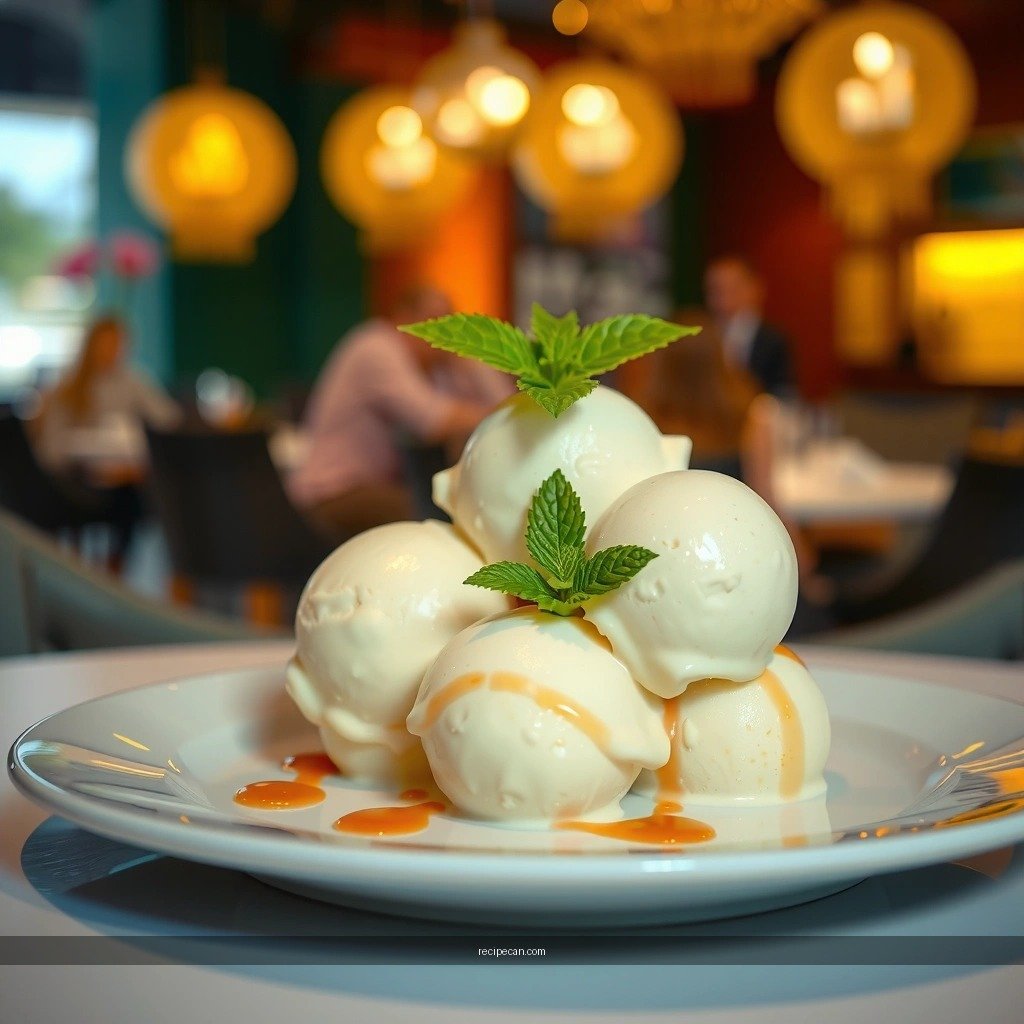
The soy milk base is where your ice cream succeeds or fails. A thin base yields icy results; an overcooked base can taste starchy. Your goal is a custard-like thickness that thickens as it cools.
1. Heat soy milk with sweetener until warm and well combined
– Pour soy milk into a saucepan and add sugar (or maple syrup).
– Warm on medium heat until the sweetener dissolves and the liquid is steaming—not boiling. A rolling boil can roughen the proteins and encourage unwanted texture.
2. Whisk cornstarch into the mixture to prevent lumps
– For best results, whisk cornstarch with a small splash of soy milk first (from your measured amount) into a slurry, then pour into the saucepan.
– Keep whisking as you incorporate the slurry so you don’t end up with gelatinous cornstarch pockets.
3. Cook until thickened, then remove from heat
– Continue cooking, stirring constantly, until the base visibly thickens. A reliable signal: the mixture should coat the back of a spoon.
– Simmer gently for another 30–60 seconds after thickening to fully activate the starch, then remove from heat immediately.
Analytical perspective: Unlike dairy custards (which rely on egg proteins), cornstarch stabilization is about controlled gel formation. That’s why “just heating until thick” isn’t always enough—starch needs a brief, consistent cook to hydrate fully.
Small quality-control step: If you’re worried about lumps, use a whisk vigorously during cooking and plan to strain after chilling.
Chill for the Smoothest Texture
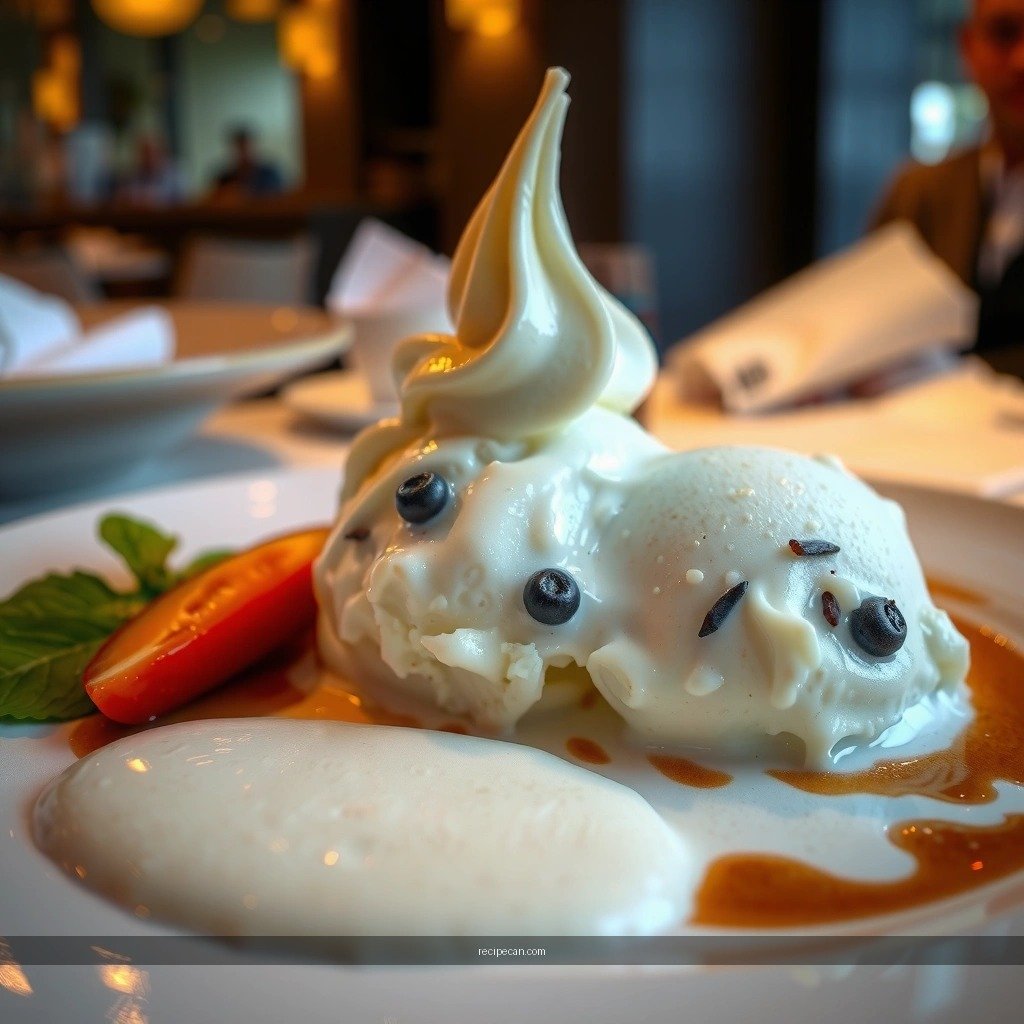
Even the best soy milk ice cream base can turn grainy if you freeze it too hot or without resting.
– Cool the base completely before freezing
– Hot base will partially cook or soften your thickener further and can create uneven freeze patterns.
– Cool to room temperature first, then refrigerate.
– Cover and refrigerate to let the flavors develop
– Refrigeration for at least 4 hours, ideally overnight, improves flavor integration and thickens the gel system, which contributes to a smoother churn.
– Strain if you want an extra-smooth finish
– Straining catches any micro-lumps from cornstarch or soy proteins.
– This step is especially valuable if your soy milk is thinner or if you prefer an ultra-silky texture.
Texture logic: Ice crystal size grows when liquid components move freely during freezing. Chilling reduces base mobility and encourages more uniform freezing behavior—one of the main reasons homemade soy ice cream can be surprisingly scoopable.
Churn or Freeze Without Churning
You have two practical paths—choose based on equipment and desired texture.
Churn in an ice cream maker
– Result: Softer, scoopable, smoother texture due to air incorporation and smaller ice crystals.
– How: Chill base, then churn according to your machine’s timing. Most home machines finish in 20–35 minutes.
– Finish: Transfer to a container and freeze 2–4 hours for a firmer scoop.
For no-churn: freeze in a container and stir periodically
– Result: More likely to harden than churned ice cream, but still creamy if managed.
– How:
1. Pour base into a freezer-safe container.
2. Freeze until edges begin to firm (about 45–90 minutes depending on your freezer).
3. Stir vigorously with a spoon or beat with a hand mixer.
4. Repeat 2–4 times over the first 4–6 hours.
– Use a freezer-safe container to reduce ice crystal formation
– Choose a container with minimal air space and consider pressing parchment on top to limit surface ice.
Trade-off analysis: Churning mechanically breaks up ice crystals, while no-churn relies on repeated disruption. If you can’t churn, the stirring schedule becomes your “mechanical equivalent.”
Flavor Variations and Mix-Ins
Once your base is smooth, it’s easy to customize soy milk ice cream without compromising texture.
– Add cocoa for chocolate soy milk ice cream or cinnamon for warmth
– For cocoa: whisk cocoa powder into the cooled base before churning/freezing, ensuring it disperses.
– For cinnamon: start small (e.g., 1/2 tsp) because soy milk flavors can amplify spices as the ice cream sets.
– Fold in fruit, nuts, or cookie pieces after the base is ready
– Add mix-ins toward the end of churning (if using a machine) or after the base is thickened and partially frozen (for no-churn).
– For berries: use jam or cook-down fruit to reduce water content; excess moisture can increase ice crystals.
– Adjust sweetness depending on your soy milk type
– Unsweetened soy milk often needs more sweetener than lightly sweetened varieties.
– If your base tastes slightly under-sweet warm, it’s usually closer to correct after freezing—cold reduces sweetness perception.
Practical flavor pairing ideas
– Vanilla base + crushed chocolate sandwich cookies
– Maple-sweetened base + toasted pecans
– Vanilla + strawberry jam swirls (stir gently to avoid fully blending)
Storage and Serving Tips
Proper storage is the difference between “fresh homemade” and “solid ice brick.”
– Store in an airtight container to limit ice crystals
– Press plastic wrap or parchment directly against the surface before sealing the lid.
– Keep it toward the back of the freezer where temperatures are more consistent.
– Let it sit 3–5 minutes before scooping for best texture
– This short tempering period softens the surface without turning it runny.
– Keep for a few days to a couple weeks for top quality
– While soy milk ice cream can last longer, the texture gradually degrades as ice crystals grow.
– For best results, aim to enjoy within 7–14 days.
If it freezes too hard: Let it sit longer at room temperature, then re-stir briefly to redistribute softened parts. While it won’t fully “reset” the crystal structure, it can salvage a lot of the scoopability.
Spoon, enjoy, and tweak the flavor to match your taste—this soy milk ice cream recipe is designed to be quick, creamy, and flexible. Make it with an ice cream maker for the smoothest result or try the no-churn method for convenience, then experiment with your favorite mix-ins next.
By controlling the thickened base (cornstarch properly cooked), chilling it thoroughly, and choosing the right freezing method, you can consistently produce soy milk ice cream with a smooth, scoopable texture. Use this recipe as your foundation—then refine sweetness, add your preferred mix-ins, and store it correctly for best results.
Frequently Asked Questions
What is the best recipe for soy milk ice cream that turns out creamy?
A reliable soy milk ice cream recipe uses full-fat soy milk or a higher-protein soy milk, plus a fat source like coconut cream or vegan butter to prevent iciness. To get a smooth texture, you’ll want a stabilizer such as cornstarch (or arrowroot) and often a sweetener like sugar to help lower freezing point. If using an ice cream maker, churn after heating and fully dissolving the cornstarch, then freeze until firm.
How do I make soy milk ice cream without an ice cream maker?
For no-churn soy milk ice cream, heat soy milk with cornstarch to thicken, then cool it completely before freezing. Pour into a shallow container and freeze, stirring vigorously every 30–45 minutes for the first 3–4 hours to break up ice crystals. This method works better with recipes that include a stabilizer and some fat, such as coconut cream, to improve creaminess.
Why does homemade soy milk ice cream get icy, and how can I fix it?
Soy milk ice cream often becomes icy when the base isn’t thick enough or when it lacks fat and stabilizers to slow down ice crystal formation. Fix it by using a proper thickening step (like simmering the cornstarch mixture until glossy), chilling the base thoroughly before freezing, and keeping sugar levels adequate. Adding a small amount of salt and using full-fat soy milk or coconut cream can also improve texture.
Which stabilizers work best in a soy milk ice cream recipe?
The most common stabilizers for soy milk ice cream are cornstarch and arrowroot, both of which thicken the base and reduce ice crystals. For even smoother results, you can also use a small amount of xanthan gum, though it’s potent—start with a tiny quantity to avoid a gummy texture. Regardless of the stabilizer, you should heat the mixture briefly to activate thickening and then cool it fully before churning or freezing.
Can I make soy milk ice cream flavored like vanilla, chocolate, or strawberry?
Yes—start with a vanilla base by steeping vanilla bean or adding vanilla extract after the custard-style base cools. For chocolate, whisk in cocoa powder during the heating step, and consider adding a pinch of salt to enhance the chocolate flavor. For strawberry, blend fresh or frozen strawberries and strain if needed; then simmer the puree briefly so it thickens slightly before combining with your soy ice cream base.
References
- Google Scholar Google Scholar
https://scholar.google.com/scholar?q=soy+milk+ice+cream+recipe - Google Scholar Google Scholar
https://scholar.google.com/scholar?q=soy+milk+ice+cream+stabilizer+guar+gum+emulsion - Google Scholar Google Scholar
https://scholar.google.com/scholar?q=vegan+ice+cream+soy+milk+churn+freezing - https://pubmed.ncbi.nlm.nih.gov/?term=soy+milk+ice+cream
https://pubmed.ncbi.nlm.nih.gov/?term=soy+milk+ice+cream - https://pubmed.ncbi.nlm.nih.gov/?term=soy+ice+cream+stabilizers
https://pubmed.ncbi.nlm.nih.gov/?term=soy+ice+cream+stabilizers - soy milk ice cream – Search Results – PMC
https://www.ncbi.nlm.nih.gov/pmc/?term=soy+milk+ice+cream - https://www.sciencedirect.com/search?qs=soy+milk+ice+cream
https://www.sciencedirect.com/search?qs=soy+milk+ice+cream - Soy milk
https://en.wikipedia.org/wiki/Soy_milk - Ice cream
https://en.wikipedia.org/wiki/Ice_cream - Ice cream | Definition, History, & Production | Britannica
https://www.britannica.com/topic/ice-cream