Looking for a keto coffee ice cream recipe that actually delivers creamy, scoopable texture with no sugar? This recipe wins for low-carb eaters who want bold coffee flavor, a rich custard-style base, and an easy no-fuss method that stays keto. You’ll get the exact ingredient list and steps to turn keto coffee into real ice cream at home.
This keto coffee ice cream is a rich, scoopable, no-sugar-added dessert made with heavy cream, brewed coffee, egg yolks, and a keto-friendly sweetener; it stays low-carb while delivering true “ice cream” texture. The key is cooking the custard gently to thicken, chilling it thoroughly, and using either an ice cream churner or a careful no-churn freeze/stir method for smooth results.
Ingredients for Keto Coffee Ice Cream
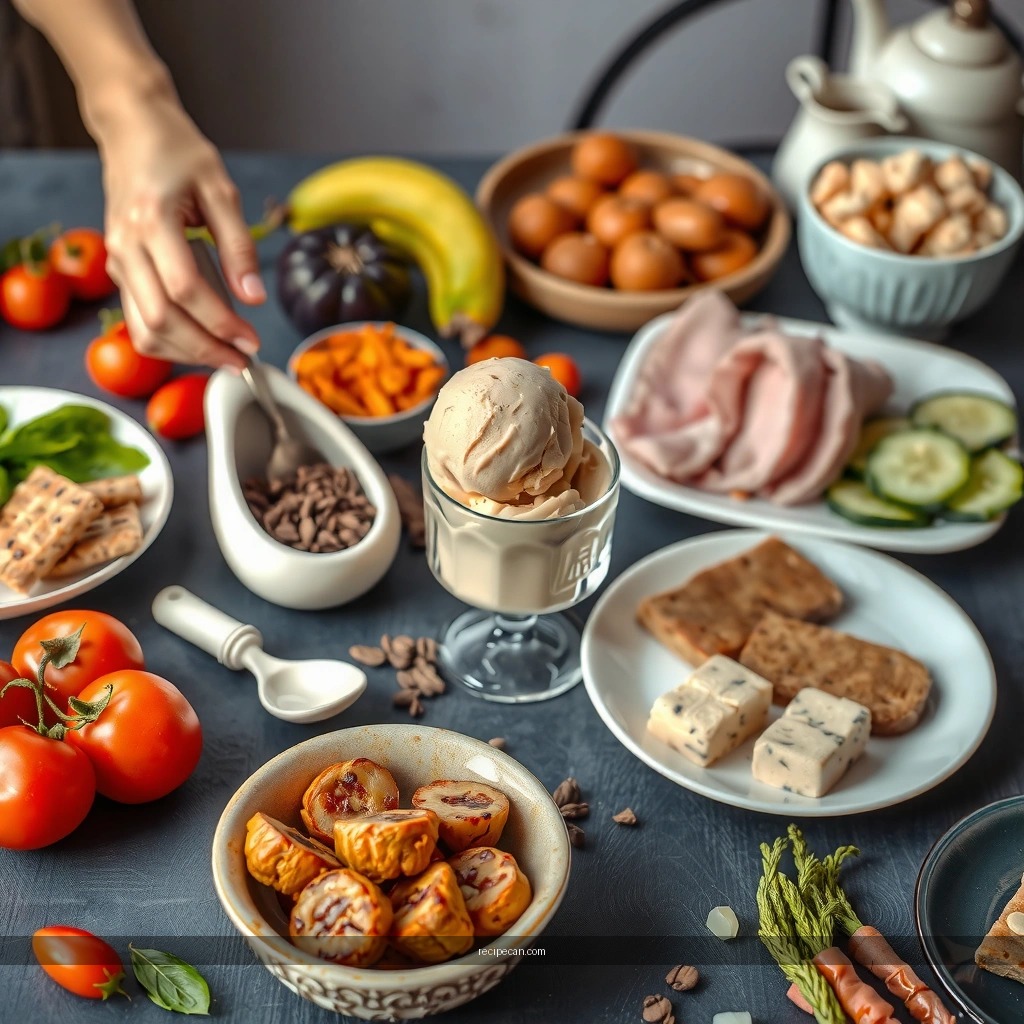
To make keto coffee ice cream that’s creamy (not icy) and stays low-carb, start with the core building blocks of classic custard-style ice cream:
– Heavy cream (base for body and creaminess)
– Use 2 cups (480 ml) for a rich, spoon-thick base.
– Brewed coffee (coffee flavor foundation)
– Use 3/4 to 1 cup (180–240 ml) strong coffee (or espresso).
– Egg yolks (custard thickener)
– Use 5 large egg yolks for a stable, silky texture.
– Keto-friendly sweetener (for sweetness without sugar)
– Use erythritol, monk fruit sweetener, or a blend.
– A practical starting point is 1/3 to 1/2 cup sweetener (by granulated volume), adjusted to taste.
– Pinch of salt (balances bitterness and boosts flavor)
– Vanilla extract (recommended): 1 teaspoon
– Cocoa powder (for mocha notes): 1–2 tablespoons, whisked into the base (or as a swirl later)
– Cinnamon (warm, coffee-friendly): 1/4 teaspoon
– Instant coffee granules (intensify coffee taste): 1–2 teaspoons if your brew isn’t strong enough
Sweetener guidance (taste adjustments that matter)
Keto sweeteners behave differently:
– Erythritol: closely mimics sugar sweetness with minimal aftertaste; works well for churned ice cream.
– Monk fruit: intensely sweet; many products blend monk fruit with erythritol, but you may need less than you think.
– Blend approach: using a mix of erythritol + a small amount of monk fruit often improves sweetness and reduces any “cooling” sensation.
Because coffee bitterness can make under-sweetened custard taste flat, start slightly under your target sweetness, then taste and adjust before chilling.
Typical Sweetener Use in Keto Frozen Desserts (By Batch)
| # | Sweetener (for 1 batch) | Starting amount | Common aftertaste risk | Taste stability in freeze |
|---|---|---|---|---|
| 1 | Erythritol (granulated) | 1/3 cup | Low | High |
| 2 | Monk fruit (granulated blend) | 1/4 cup | Medium | High |
| 3 | Allulose | 3/8 cup | Low | Very High |
| 4 | Stevia (liquid or powder) | Use brand-specific ratio | Medium–High | Medium |
| 5 | Erythritol + Monk fruit blend | 1/3 cup total | Low–Medium | High |
| 6 | Erythritol + Allulose blend | 1/3 cup total | Low | Very High |
| 7 | Glycerin-based keto syrup | 2–3 tbsp | Low | Medium |
Make the Creamy Coffee Base
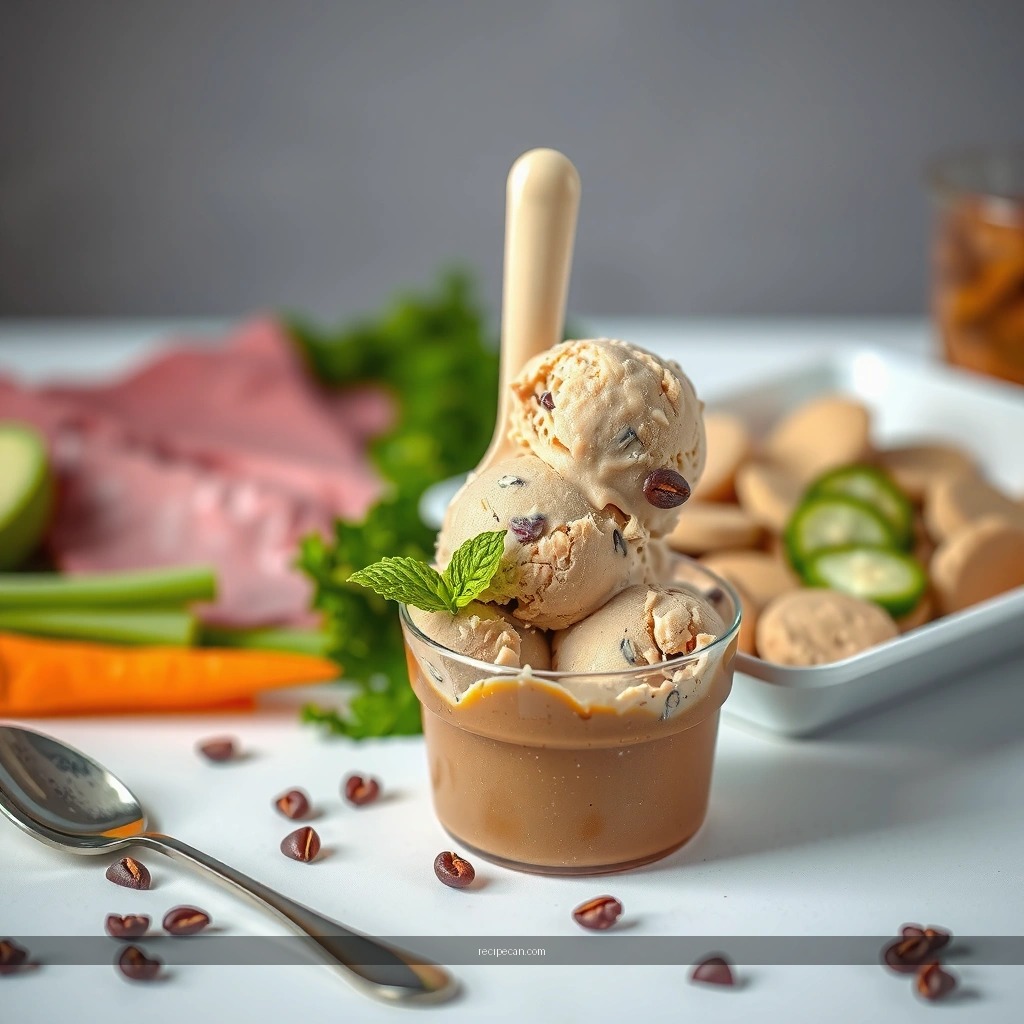
The base is where you create the “ice cream” texture: a custard that thickens from egg yolks, then relaxes into a creamy frozen structure.
1. Warm the dairy and coffee components
– In a saucepan, combine heavy cream with a pinch of salt and heat over medium-low.
– You want a gentle simmer risk—not boiling. Boiling can scramble the yolks later.
2. Whisk egg yolks and sweetener until smooth
– In a bowl, whisk 5 egg yolks with your keto sweetener (starting amount).
– Whisking thoroughly early prevents graininess and ensures the sweetener dissolves properly.
3. Temper the yolks
– Slowly drizzle a bit of warm cream into the yolk mixture while whisking continuously.
– Then pour everything back into the saucepan.
4. Thicken gently (do not boil)
– Stir constantly over low to medium-low heat until the custard coats the back of a spoon.
– A reliable target: 170–175°F / 77–80°C. If you don’t have a thermometer, watch for a custard texture: the mixture should look glossy and slightly thick when you run a finger through it on the spoon.
5. Stir in coffee and flavorings
– Remove from heat and whisk in strong brewed coffee.
– Add vanilla extract if desired (and cocoa/cinnamon if using).
– Taste now: coffee bitterness plus custard richness will usually read “balanced” only after chilling.
Professional tip: If your custard looks too thin after cooking, it will thicken as it cools—but avoid under-cooking. Conversely, if it looks too thick, warm it briefly with a splash of cream.
Chill for Best Texture
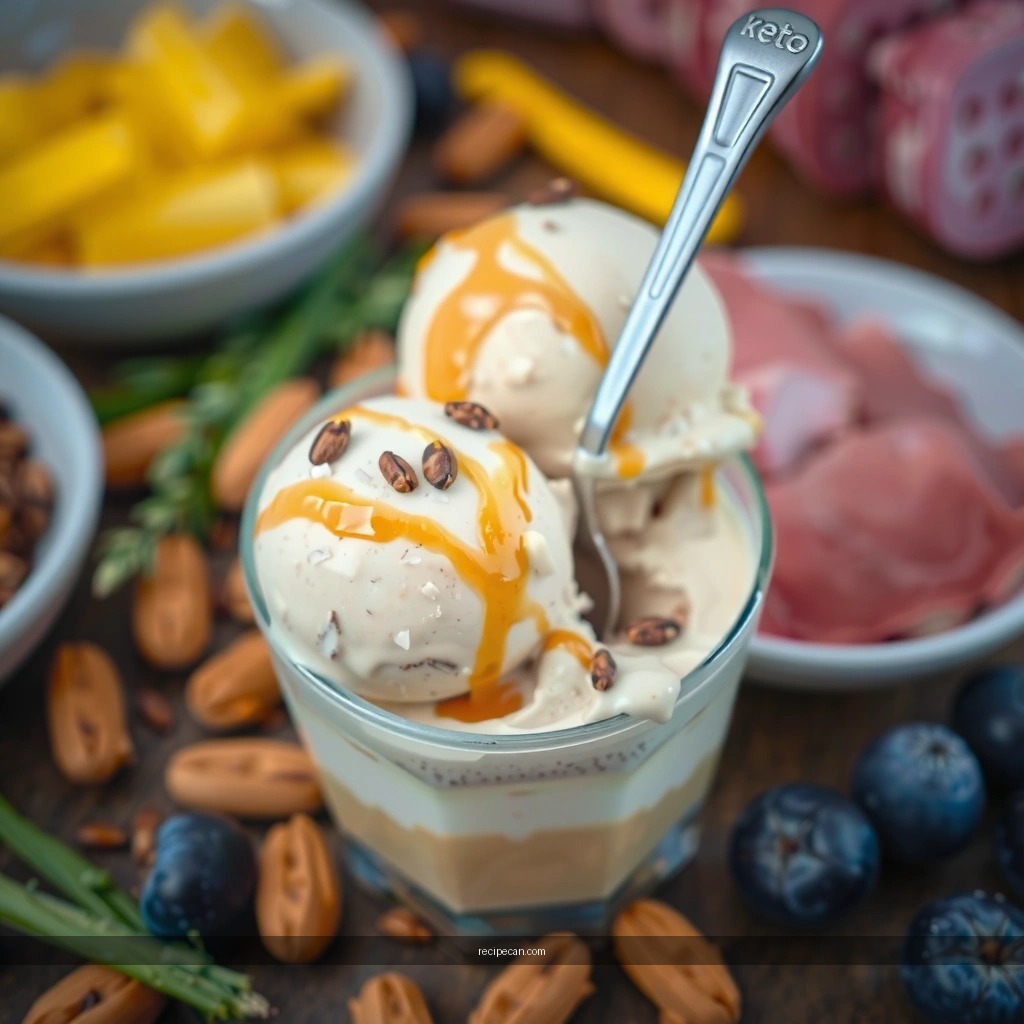
Chilling is not optional if you want creamy keto coffee ice cream rather than a hardened, icy dessert.
– Refrigerate until fully cold: typically 4–6 hours, ideally overnight.
– Why chilling matters
– Cold custard whips/churns more effectively and freezes into smaller ice crystals.
– Chilling also gives time for flavors (coffee, vanilla, sweetener) to meld.
– It improves scoopability because the custard starts the freezing process at a stable temperature.
Quick timing guideline (practical):
– If you’re starting in the morning: cook base → cool to room temperature → refrigerate at least 4 hours.
– If you want the smoothest texture: refrigerate 8–12 hours.
After chilling, strain if you see any bits of cooked egg. This extra step guarantees a uniform mouthfeel—especially helpful when using strong coffee or intense flavor add-ins.
Churn or Freeze (Two Methods)
You can make keto coffee ice cream two ways, depending on whether you have an ice cream maker.
Method 1: Churn (smoothest consistency)
1. Pour chilled base into a pre-frozen ice cream maker bowl (if applicable).
2. Churn according to your machine’s guidance (commonly 20–40 minutes).
3. Transfer to a container and freeze 2–4 hours to firm up.
Target texture cues:
– It should look like soft-serve when finished churning—thick, creamy, and able to hold peaks.
– When you scoop from the freezer, it should be firm but not rock-solid.
Method 2: No-churn (still good—requires technique)
No-churn can work well for keto coffee ice cream, but you must control ice crystal formation.
1. Pour the chilled base into a freezer-safe container.
2. Freeze until partially set: about 45–60 minutes.
3. Remove and stir vigorously with a fork or whisk to break up ice crystals.
4. Repeat every 45–60 minutes for 3–4 cycles.
Target texture cues for no-churn:
– After the final cycle, the mixture should be thick and scoopable after 4–6 hours total freezing time.
– If it’s too soft, freeze longer; if it’s icy, you likely needed more stirring intervals or longer chilling beforehand.
Workflow advantage: Chilling well before freezing makes no-churn significantly smoother and less grainy.
Serving, Storing, and Reheating Tips
Once your keto coffee ice cream is set, handling determines whether it stays creamy.
Storing for freshness and texture
– Store in an airtight container to reduce freezer burn and oxidation.
– Keep it in the coldest part of the freezer for best texture stability.
Recommended storage window:
– For peak flavor and scoopability: up to 2–3 weeks.
– After that, texture can become slightly icier and coffee notes may fade.
Serving tips (how to scoop like ice cream)
– Let it soften at room temperature for 3–8 minutes before scooping.
– If it’s too hard, don’t microwave—microwaving can cause uneven melting and refreezing.
Reheating?
Strictly speaking, ice cream shouldn’t be reheated and re-frozen. If you melt it, you risk graininess. Instead:
– Portion into bowls, let soften briefly, and enjoy immediately.
Flavor Variations & Troubleshooting
This keto coffee ice cream base is highly adaptable. Use the same custard method and adjust flavor during whisk-in at the end.
Flavor variations worth trying
– Stronger coffee for “barista” flavor
– Espresso gives deeper, less diluted bitterness.
– For brewed coffee, use a darker roast and brew-to-richness ratio.
– Cinnamon-kissed coffee
– Add 1/4 teaspoon cinnamon to the base for a warm finish.
– Keto caramel-style swirl
– Stir in keto caramel syrup (sugar-free) or drizzle before the final freeze.
– Keep add-ins minimal so they don’t destabilize the custard.
– Mocha swirl
– Mix 1 tablespoon cocoa with a small spoon of warm base to dissolve, then swirl in during the final mixing step.
– Chocolate swirl (low-carb)
– Use a keto chocolate sauce or melted sugar-free dark chocolate (check labels for net carbs).
Troubleshooting common problems
1) Ice cream is too soft
– Cause: Under-thickened base, insufficient chilling, or a sweetener blend that freezes “softer.”
– Fix:
– Cook custard closer to the 170–175°F (77–80°C) window next time.
– Chill overnight.
– If using allulose/erythritol blends, try a slightly larger proportion of erythritol for firmer freeze.
2) Graininess or “sweetener crunch”
– Cause: Sweetener not fully dissolved before cooking, or custard cooled too quickly before thickening.
– Fix:
– Whisk egg yolks and sweetener until smooth.
– Cook gently until custard coats the spoon—don’t undercook.
– Strain the custard before chilling if needed.
3) Weak coffee flavor
– Cause: Coffee isn’t strong enough, or it gets diluted by volume.
– Fix:
– Use espresso or concentrate brewed coffee.
– Add instant coffee granules (1–2 teaspoons) to intensify without extra liquid.
4) Eggy taste
– Cause: Custard overheated.
– Fix:
– Lower heat and stir continuously.
– Remove promptly once it reaches custard consistency.
This recipe is an easy way to enjoy keto-friendly coffee ice cream that’s creamy, low-carb, and satisfying. Choose your preferred method (churner or no-churn), follow the chilling step for best texture, and taste as you go—then make a batch and enjoy your next keto dessert straight from the freezer.
If you want, tell me which sweetener you use (erythritol, monk fruit, allulose, or a blend) and whether you have an ice cream maker, and I’ll fine-tune the amounts for the smoothest result.
Frequently Asked Questions
What is the best keto coffee ice cream recipe without eggs?
A simple egg-free keto coffee ice cream recipe usually uses heavy cream, full-fat coconut milk or cream cheese, and a keto-friendly sweetener like erythritol or monk fruit. Brew strong coffee or use espresso, then whisk it into the creamy base until fully combined. Chill the mixture thoroughly, then churn in an ice cream maker for the creamiest texture. If you don’t have an ice cream maker, you can freeze the mixture and stir every 30–45 minutes to reduce ice crystals.
How do you make keto coffee ice cream taste like real coffee without bitterness?
Use strong brewed coffee or espresso and avoid overly concentrated coffee shots, which can taste harsh. Sweeten with a keto sweetener that dissolves well and consider adding a pinch of salt to balance bitterness. You can also add a small amount of vanilla extract or a touch of instant espresso powder for richer coffee flavor without making it bitter. Chilling the base before churning helps mellow flavors and improves overall taste.
Why does keto coffee ice cream get icy, and how can you prevent it?
Keto ice cream can turn icy when there’s too much liquid water, not enough fat, or when it’s frozen without proper churning. To prevent this, use a higher-fat base (heavy cream works best) and consider adding mascarpone or cream cheese for a smoother mouthfeel. Using a sweetener like erythritol and avoiding low-fat substitutes also helps, as fat slows ice crystal formation. If making it without an ice cream maker, stir frequently during the first few hours of freezing.
Which keto sweetener works best for coffee ice cream texture and flavor?
For keto coffee ice cream, erythritol or monk fruit blends are popular because they dissolve well and keep sweetness close to sugar. Erythritol tends to freeze with better scoopability, which improves texture after freezing. Monk fruit can be delicious but some blends include erythritol or other fillers to mimic sugar’s freezing behavior. If you want the smoothest results, choose a “1:1” keto sweetener designed for baking or frozen desserts.
How many carbs are in a keto coffee ice cream, and how do you calculate net carbs?
Carb counts depend on your coffee ingredients and the keto sweetener you use, so it’s important to check labels for both. To calculate net carbs, use total carbohydrates minus fiber (net carbs = carbs − fiber) from the sweetener and any add-ins like cocoa powder or flavored syrups. When made with heavy cream, espresso, and a low-carb keto sweetener, keto coffee ice cream is typically very low in net carbs per serving. For accurate nutrition, measure servings and sum carbs based on the exact brands and quantities you use.
References
- Ketogenic diet
https://en.wikipedia.org/wiki/Ketogenic_diet - Ice cream
https://en.wikipedia.org/wiki/Ice_cream - Coffee
https://en.wikipedia.org/wiki/Coffee - Relaxation techniques: Try these steps to lower stress – Mayo Clinic
https://www.mayoclinic.org/healthy-lifestyle/weight-loss/in-depth/keto-diet/art-20045368 - https://www.nccih.nih.gov/health/ketogenic-diets
https://www.nccih.nih.gov/health/ketogenic-diets - https://www.britannica.com/topic/keto-diet
https://www.britannica.com/topic/keto-diet - https://www.sciencedirect.com/topics/food-science/ice-cream
https://www.sciencedirect.com/topics/food-science/ice-cream - Google Scholar Google Scholar
https://scholar.google.com/scholar?q=keto+coffee+ice+cream+recipe - Google Scholar Google Scholar
https://scholar.google.com/scholar?q=ketogenic+diet+ice+cream+low+carb+ice+cream - Google Scholar Google Scholar
https://scholar.google.com/scholar?q=coffee+ice+cream+formulation+fat+stabilizers