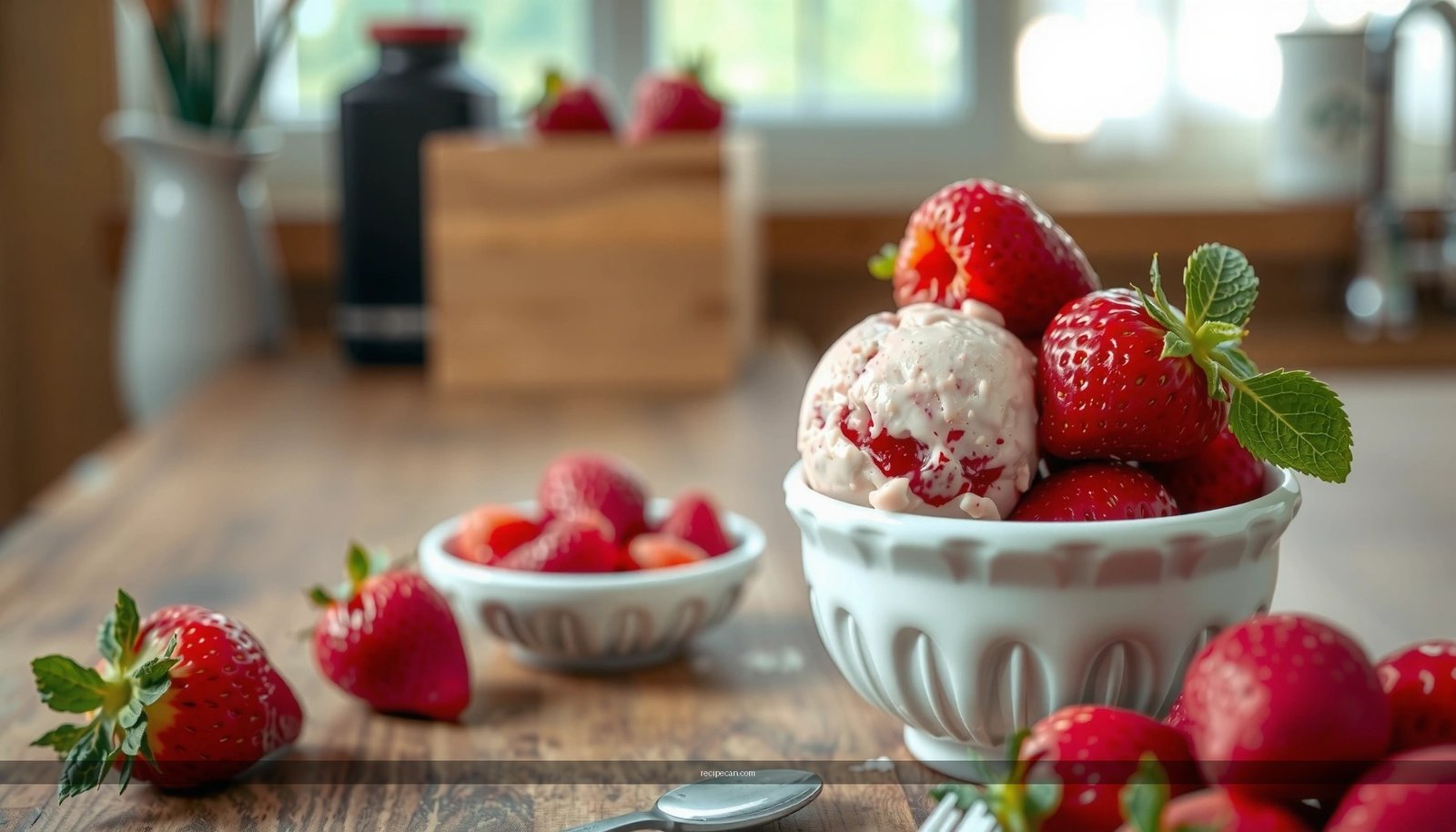
This healthy strawberry ice cream recipe is the creamy, fresh, easy winner for anyone who wants a real strawberry flavor without heavy cream. You’ll learn exactly how to make it at home with simple ingredients and a step-by-step method that delivers a smooth, scoopable texture. If your goal is “healthier but still indulgent,” this is the one to follow.
You can make healthy strawberry ice cream by blending ripe strawberries with a creamy base like Greek yogurt or coconut milk, then churning or freezing until smooth. This recipe focuses on sugar-smart choices—using naturally sweet strawberries, optional minimal sweetener, and smart blending—so you get a rich, creamy dessert without sacrificing the fresh strawberry flavor you want.
Choose the Best Strawberry Ingredients

Strawberries are the “flavor engine” of strawberry ice cream, so choosing the right fruit has an outsized impact on sweetness, aroma, and final texture. Fresh strawberries deliver peak fragrance and a brighter taste, especially if they’re in season and fully ripe. Frozen strawberries are a strong alternative because they’re typically frozen at peak ripeness, giving consistent results and reducing prep time—just note that very icy frozen berries should be briefly thawed and drained to avoid excess water diluting the base.
When evaluating strawberry sweetness, don’t rely only on color—taste matters. “Red all the way through” is a good sign for ripeness, but sweetness can still vary due to variety and growing conditions. If your strawberries taste only lightly sweet or tart, you’ll need a bit more sweetener. If they taste dessert-sweet, you can often keep added sugar minimal or skip it entirely. For businesslike consistency in the kitchen, treat strawberry selection like batch control: pick similarly ripe berries for each batch so your sweetness level doesn’t swing.
If you want an at-a-glance guide to how ingredient choice affects practical outcomes, use this quick benchmarking table for planning your next batch.
Estimated Nutrition per 1/2-Cup Serving (Unsweetened vs. Sweetened Choices)
| # | Recipe Scenario | Sweetener Added | Calories | Sugar (g) | Protein (g) | Overall Fit for “Low Sugar” |
|---|---|---|---|---|---|---|
| 1 | Greek yogurt + unsweetened berries | 0 g | 110 | 8 | 7 | Excellent |
| 2 | Greek yogurt + 1 tsp honey | ~6 g | 140 | 16 | 7 | Very Good |
| 3 | Coconut milk + unsweetened berries | 0 g | 175 | 8 | 3 | Good |
| 4 | Coconut milk + 1 tsp maple syrup | ~7 g | 210 | 18 | 3 | Very Good |
| 5 | Greek yogurt + store-bought “light” syrup | ~14 g | 180 | 24 | 7 | Moderate |
| 6 | Full-fat ice cream style (traditional base) | ~24 g | 260 | 30 | 6 | Poor |
| 7 | Greek yogurt + 1 tbsp added sugar | ~12.5 g | 200 | 26 | 7 | Not Ideal |
Pick a Healthier Creamy Base
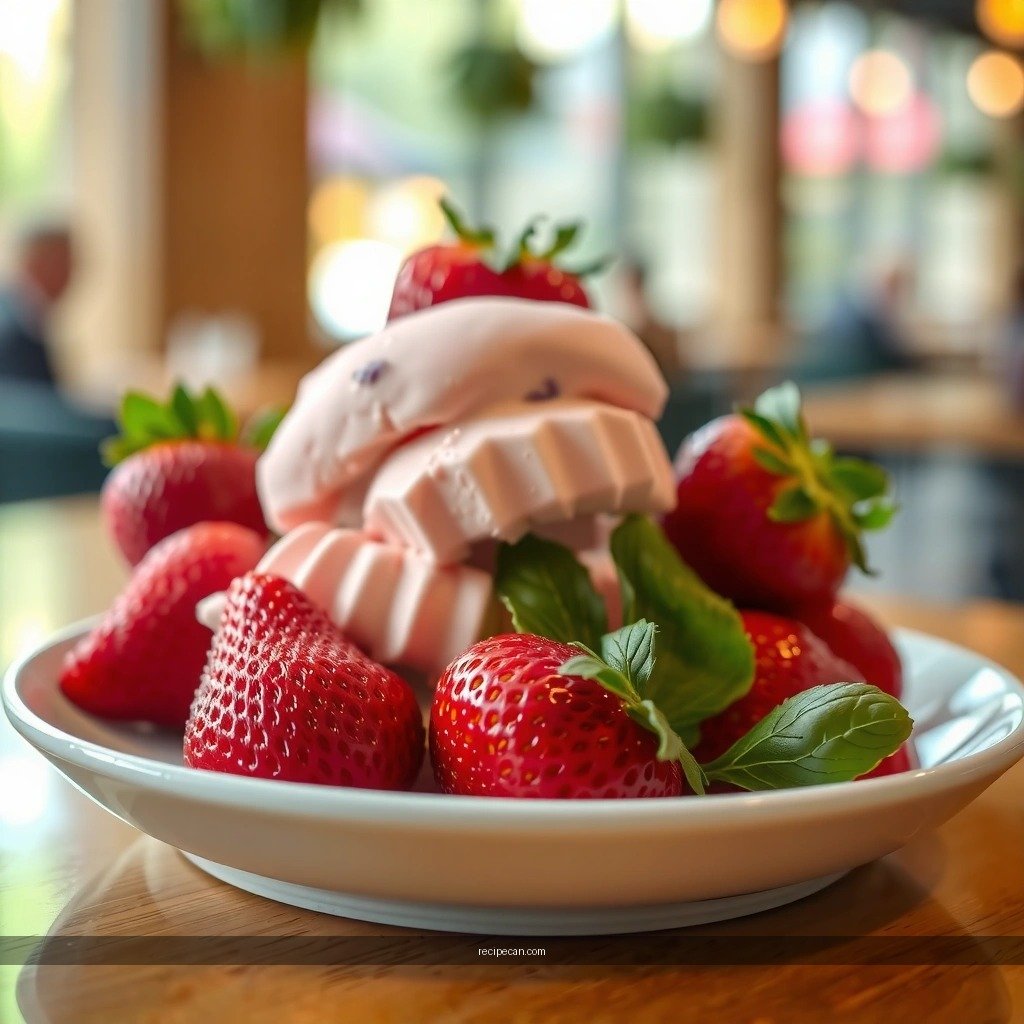
A “healthy strawberry ice cream” isn’t just about lowering sugar—it’s also about maintaining a creamy mouthfeel. The base determines that texture, and you have two reliable options:
Greek yogurt (preferably plain, full-fat if you want extra creaminess) is a smart choice for a protein-forward dessert. Its tang acts like a flavor “optimizer”: it helps the strawberry taste brighter even with less sweetener. For the smoothest results, choose yogurt that blends easily (thicker can still work, but blend thoroughly).
Coconut milk is a dairy-free pathway that stays creamy when blended. Use full-fat coconut milk for the best scoopability. Coconut’s naturally rich fat content can slightly raise calories, but it often keeps added sugar low because coconut milk provides a creamy perception that reduces the need for heavy sweetness.
In practice, your base choice also affects how your mixture freezes. Yogurt-based mixes tend to freeze a bit softer and scoopier, while coconut-based mixes can firm up more depending on fat content and chilling time. The best approach is to treat base selection like a product spec: decide your dietary requirement (dairy-free vs. higher protein), then tune sweetness and blending time accordingly.
Sweeten Naturally (Without Overdoing Sugar)
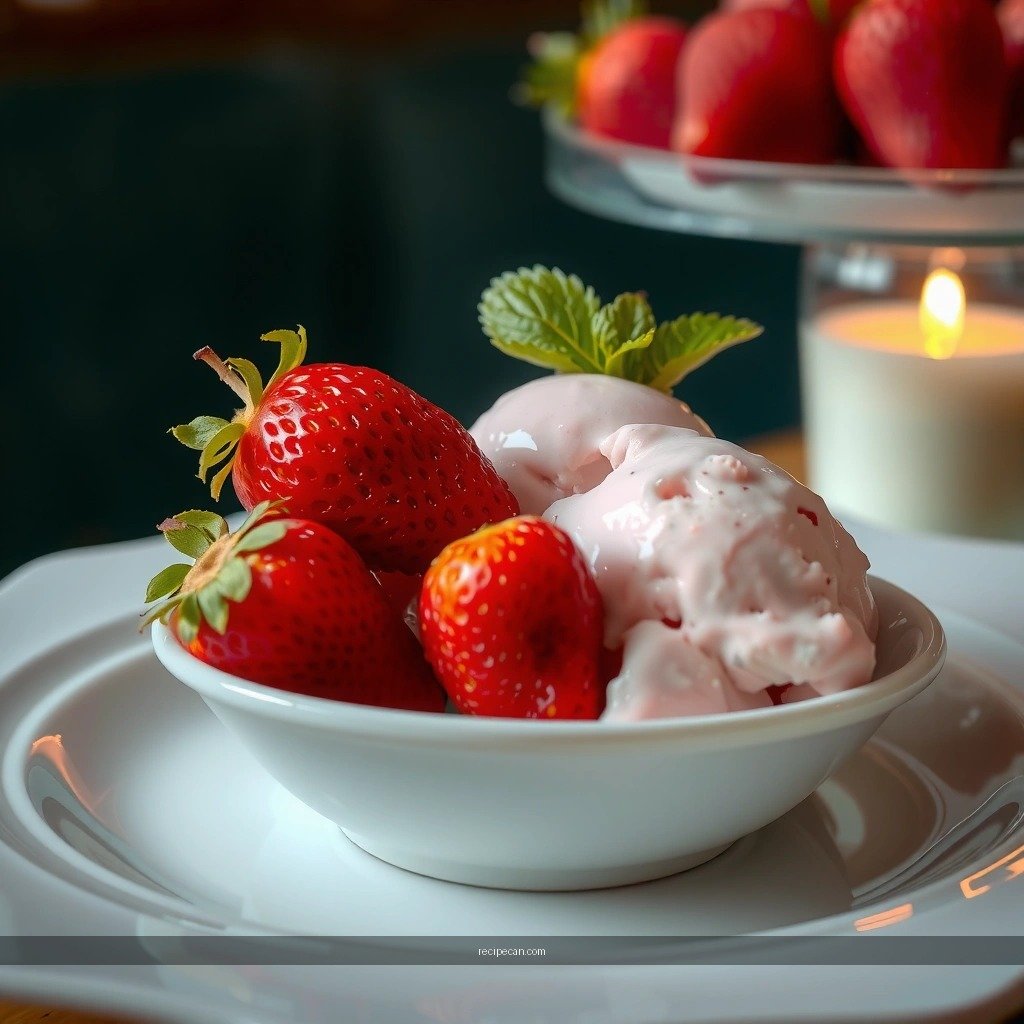
Sweetness in strawberry ice cream doesn’t come only from added sugar—it also comes from perceived sweetness, which is influenced by strawberry ripeness, acidity, and flavor compounds like vanilla. If you’re aiming for “healthy strawberry ice cream,” the priority is to use just enough sweetener to match the strawberries, not to guarantee a uniform dessert sweetness every time.
Start with minimal sweetener and taste your blended strawberry base before combining it with the dairy or coconut component. Honey and maple syrup are common choices because they dissolve well and contribute distinct flavor notes. However, they’re still forms of sugar, so “natural” doesn’t automatically mean “low.” A practical method is to add sweetener in small increments—then stop once the mixture tastes balanced.
Vanilla plays an outsized role. Even a small amount can make the ice cream taste sweeter without adding much sugar, because vanilla enhances aroma and helps your brain interpret flavor intensity. If you’re using vanilla extract, add it after blending strawberries for more consistent distribution.
If your goal is extremely low sugar, another lever is to use very ripe strawberries plus lemon juice carefully (more on that soon). The acidity can sharpen strawberry flavor and reduce the sense that you need more sweetness.
Build the Strawberry Ice Cream Mixture
Texture begins before freezing. If you want creamy strawberry ice cream instead of icy “sorbet-style” results, your mixture must be well-homogenized. A common failure point is under-blending the berries—leaving small frozen chunks that later harden into ice crystals.
Blend strawberries until smooth, especially if you’re using frozen. If the berries are very cold, blending can still produce a thick puree; that’s fine as long as it’s smooth. Then add your base (Greek yogurt or coconut milk) and blend again until the mixture looks uniform and glossy. Scrape the sides and bottom of the blender or food processor to avoid streaks.
Next, consider thickness. A thicker base blend tends to freeze smoother. If your mixture seems overly runny—often from thawed frozen strawberries that released water—drain excess liquid and/or add a small amount more Greek yogurt or coconut milk to restore body.
For best results, chill the mixture in the refrigerator before churning or freezing. A pre-chilled base reduces the time your mixture spends transitioning through temperatures where ice crystals grow.
Churn or Freeze for the Right Texture
Churning is the gold standard for classic ice cream texture. The agitation introduces air and disrupts ice crystal formation, producing a smoother scoop. If you have an ice cream maker, churn until the mixture reaches a soft-serve consistency, then transfer to a freezer-safe container and freeze briefly to firm up.
If you don’t have an ice cream maker, you can still achieve excellent results with careful freezing. The key is preventing large ice crystals. Pour the mixture into a shallow, freezer-safe container (or a metal pan for faster chilling) and freeze. During the first few hours, stir every 30–45 minutes. Each stir breaks up early ice crystals and redistributes the creamy components, leading to a noticeably smoother texture by the time it fully sets.
Plan for timing. A typical approach is 4–6 hours in a freezer for “ready to scoop,” but how fast it becomes scoopable depends on your freezer temperature and container size. For consistent results, keep your freezer stocked and stable; frequent door openings can increase variability.
One analytical note: higher fat bases (like full-fat coconut milk) often freeze harder, while yogurt-based mixes may remain softer. This is normal and can be managed with freezing duration (shorter for softer servings) and container shape (wider surface area freezes more evenly).
Customize for Extra Flavor and Nutrition
Healthy strawberry ice cream becomes more compelling when you treat customization as optimization rather than guesswork. A few high-impact add-ins can improve flavor intensity, mouthfeel, and nutritional profile.
Brighten with lemon juice: A small squeeze (or a teaspoon) can significantly enhance strawberry flavor. Lemon doesn’t make the ice cream taste “lemony” if used lightly; instead, it sharpens the berry notes and balances perceived sweetness—useful when you’re intentionally limiting sugar.
Boost nutrition with chia seeds: Chia is a practical thickener because it absorbs liquid and creates a gel-like texture. That can reduce iciness and add fiber. Soak chia in a small portion of the base for 10–15 minutes before mixing, or blend it thoroughly if your blender handles seeds well.
Add protein carefully: If you’re using protein powder, choose one that dissolves well and consider flavor. A neutral or vanilla protein powder can work with strawberries, but too much can create a chalky texture. Start with a small amount, then blend well and chill.
Finally, consider “flavor architecture.” If you add mix-ins like chopped strawberries, do it after churning/final soft-freeze phase so they stay fresh rather than turning into hardened chunks. If you want a swirl, add a small strawberry puree and gently fold it in right before the final freezer stage.
You’ll get a creamy, satisfying healthy strawberry ice cream with less sugar by using ripe strawberries, a lighter creamy base, and simple blending + freezing techniques. Try the recipe today, taste and adjust sweetness to your preference, and bookmark it for your next no-guilt dessert craving.
Frequently Asked Questions
What makes a healthy strawberry ice cream recipe different from regular ice cream?
A healthy strawberry ice cream recipe typically uses lower-fat dairy or plant-based alternatives and often skips or reduces added sugar. Many versions also rely on natural sweetness from strawberries and controlled amounts of honey, maple syrup, or fruit purée. You’ll usually see fewer calories and less saturated fat, while still keeping a creamy texture using ingredients like Greek yogurt or full-fat coconut milk.
How can I make strawberry ice cream without an ice cream maker?
You can make healthy strawberry ice cream at home by using a no-churn method. Blend strawberries into a smooth purée, mix with Greek yogurt (or coconut cream) and your preferred sweetener, then fold in whipped cream or whipped coconut cream for airiness. Freeze the mixture in a shallow container and stir every 30–45 minutes until it reaches a soft, scoopable consistency.
Why does my homemade strawberry ice cream taste icy or grainy?
Icy or grainy texture often comes from too much water, insufficient sugar (or insufficient fat), or not blending the strawberry purée well. To prevent this, cook the strawberries briefly to concentrate flavor and reduce excess liquid, then chill the base thoroughly before freezing. Using full-fat dairy like Greek yogurt or adding a small amount of stabilizer such as cornstarch or egg yolks can also help create a smoother, creamier result.
Which ingredients are best for a creamy healthy strawberry ice cream?
For the creamiest healthy strawberry ice cream, start with a thick base like Greek yogurt, kefir, or full-fat coconut milk/cream. Sweeten with small amounts of honey, maple syrup, or a low-glycemic option like monk fruit, and blend strawberries until completely smooth. For improved texture, consider adding a teaspoon of cornstarch (cooked into the base) or using an egg-yolk custard style base when you want extra richness.
What’s the best way to sweeten a healthy strawberry ice cream without sacrificing flavor?
The best approach is to balance natural strawberry sweetness with a small amount of added sweetener based on ripeness. Taste your strawberry purée first—if the berries are very sweet, you may only need a light drizzle of honey or maple syrup. For extra flavor without extra sugar, add a splash of vanilla, a pinch of salt, and optionally a squeeze of lemon to brighten the strawberry notes.
References
- Strawberry
https://en.wikipedia.org/wiki/Strawberry - Ice cream
https://en.wikipedia.org/wiki/Ice_cream - Ice cream | Definition, History, & Production | Britannica
https://www.britannica.com/topic/ice-cream - https://www.bmj.com/content/350/bmj.h206
https://www.bmj.com/content/350/bmj.h206 - https://www.cdc.gov/nutrition/index.html
https://www.cdc.gov/nutrition/index.html - Not Found | American Heart Association | American Heart Association
https://www.heart.org/en/healthy-living/healthy-eating/food-for-health - PMC Home
https://www.ncbi.nlm.nih.gov/pmc/ - https://pubmed.ncbi.nlm.nih.gov/?term=strawberry+ice+cream+nutrition
https://pubmed.ncbi.nlm.nih.gov/?term=strawberry+ice+cream+nutrition - Google Scholar Google Scholar
https://scholar.google.com/scholar?q=healthy+strawberry+ice+cream+recipe - Google Scholar Google Scholar
https://scholar.google.com/scholar?q=strased+milk+ice+cream+reduced+sugar+strawberry