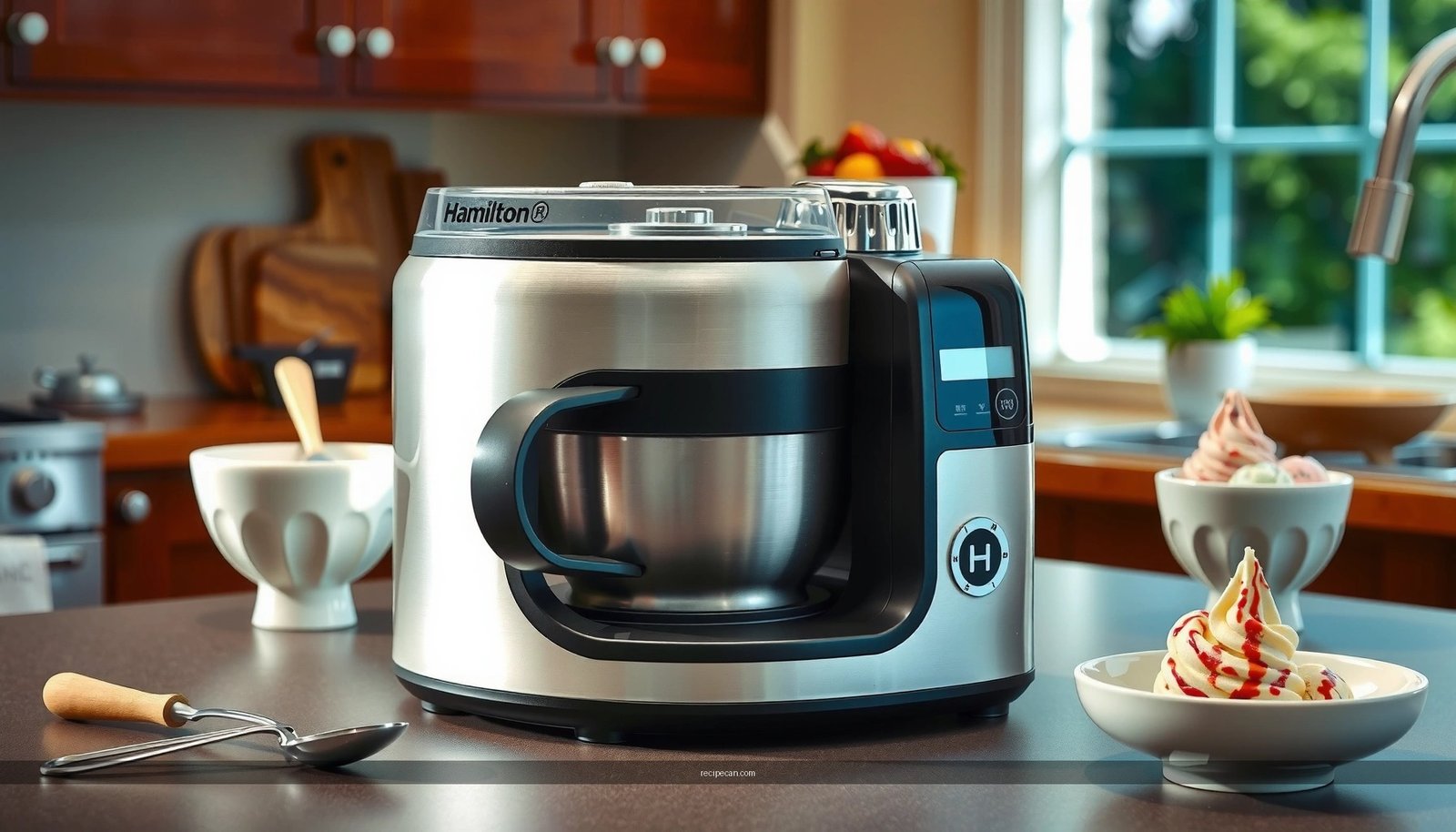
Hamilton Beach ice cream maker recipes that actually deliver are the fastest path to scoopable homemade ice cream at home. This guide picks the easiest winning recipes for your Hamilton Beach unit—so you’ll know exactly what to make, how to mix it, and what results to expect. If you want low-effort, consistently creamy batches without guesswork, these are the ideas that will get you there first.
Make Hamilton Beach ice cream maker recipes at home by following simple flavor bases, pre-chilling ingredients, and churning within the recommended time for best texture. This guide gives you reliable, step-by-step recipes and tips so you can quickly create creamy results with your machine.
Classic Vanilla Ice Cream (No-Fuss Base)
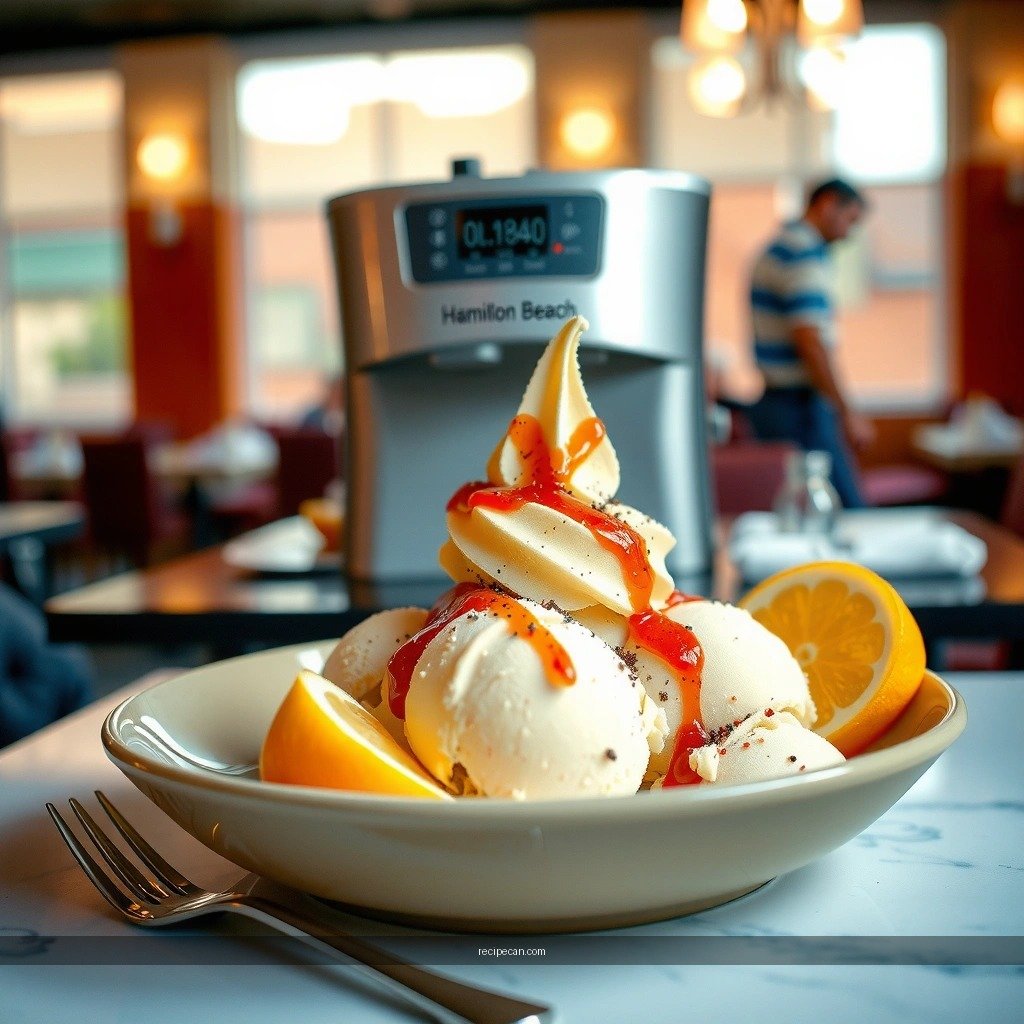
– Use a custard-style or simple cream base for smooth, scoopable texture
– Pre-chill your mixture before churning to reduce iciness
Vanilla is the most forgiving place to start because it teaches you the core mechanics behind creamy, scoopable ice cream: fat content, sugar balance, and temperature control. With a Hamilton Beach ice cream maker, your goal is to form small ice crystals during churning—pre-chilling is the easiest way to help the base start cold enough to churn efficiently.
Best vanilla base to use
Option A: Custard-style (best texture, slightly more work).
A classic custard uses egg yolks to add emulsification and a thicker body. When you temper eggs into warm dairy and then chill thoroughly, you get a smoother mouthfeel and slower melt.
Option B: Simple cream base (fast and consistent).
If you want “easy vanilla” with minimal fuss, warm milk/cream with sugar and vanilla until dissolved, then chill and churn. This can still be creamy—especially if you churn on time and freeze briefly to firm up.
Step-by-step (custard-style vanilla)
1. Warm dairy: In a saucepan, heat 2 cups heavy cream + 1 cup whole milk with 1 tsp vanilla (or vanilla bean paste) until steaming (don’t boil).
2. Whisk yolks: Whisk 5–6 egg yolks with 1/2–3/4 cup sugar until smooth.
3. Temper: Slowly pour warm dairy into yolks while whisking, then return the mixture to the saucepan.
4. Cook gently: Stir constantly until the base coats a spoon (about 170–175°F / 77–80°C). Do not scramble the eggs.
5. Chill properly: Strain (optional) and refrigerate at least 4 hours—overnight is best.
6. Churn: Pour into your Hamilton Beach machine and churn until thickened (commonly 20–30 minutes, depending on model and room temperature).
7. Freeze briefly: For best scoopability, transfer to a container and freeze 2–4 hours.
Key texture controls (vanilla-specific)
– Pre-chill matters: If the base is warm or only lightly chilled, the churner has to remove too much heat at once, leading to a icier outcome.
– Don’t overcook custard: Overheating can cause graininess that looks like tiny curds once frozen.
– Freeze for a short window: Over-freezing can mute flavor and harden texture; a brief firming window often tastes and scoops best.
Chocolate Ice Cream Recipes (Rich and Creamy)
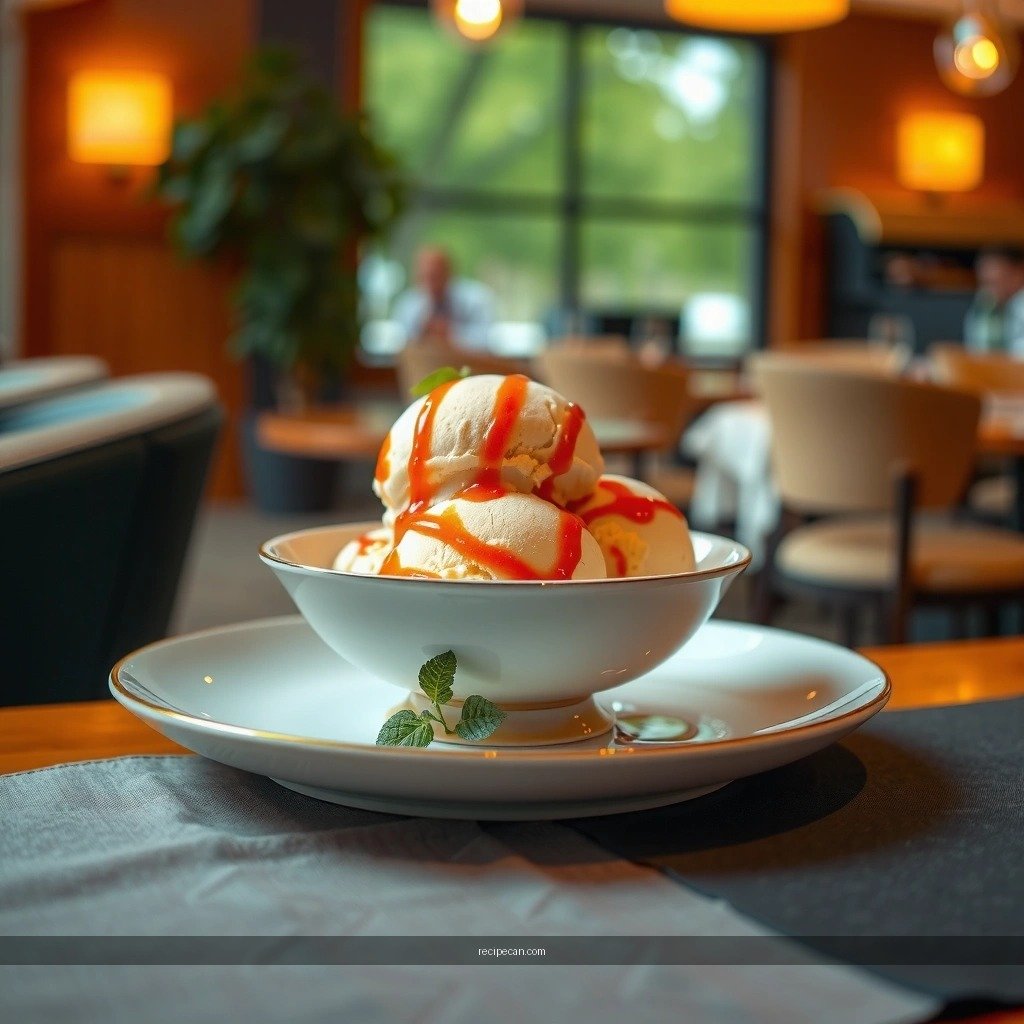
– Make a chocolate custard base or stir in cocoa for a faster option
– Adjust sweetness and thickness by changing cocoa amount and chilling time
Chocolate ice cream is all about managing two competing factors: cocoa’s bitterness and powder’s tendency to thicken the base. For a Hamilton Beach machine, chocolate works best when your base is stable before it hits the churn.
Two reliable chocolate approaches
Option A: Chocolate custard (richest, most stable).
Use the same custard method as vanilla, but incorporate cocoa into the warm dairy. Egg yolks help keep the texture smooth even as cocoa solids add body.
Option B: Cocoa “stir-in” base (faster, great for weeknights).
Dissolve cocoa into warmed milk/cream with sugar, then chill and churn. This works well, but chilling becomes even more important so the cocoa fully hydrates.
Step-by-step (cocoa-based “easy chocolate”)
1. Heat 2 cups cream + 1 cup milk.
2. Whisk in 1/2–3/4 cup sugar until dissolved.
3. Add 1/2 cup unsweetened cocoa powder (start here; you can increase for deeper chocolate).
4. Mix until smooth and no cocoa lumps remain.
5. Chill 4–6 hours (or overnight).
6. Churn 20–30 minutes until thick.
7. Freeze 2–4 hours for best texture.
How to adjust chocolate thickness and sweetness
– Too bitter or flat? Increase sugar by 1–2 tablespoons at a time.
– Too thin after churning? Chill longer (cocoa powders can hydrate slowly). If needed, let the churned mix rest in the fridge 30–60 minutes before transferring to the freezer.
– Too firm or hard? Slightly reduce cocoa or sugar next time, because freezing point depression is heavily influenced by sugar level.
Practical flavor upgrades
– Add 1/4 tsp espresso powder (optional) to intensify chocolate without making it taste like coffee.
– Stir in a pinch of salt to sharpen flavor and reduce “cocoa dullness.”
Hamilton Beach Style Ice Cream: Base Performance Targets (per ~1.5–2 qt batch)
| # | Recipe Base (What You Churn) | Chill Time | Churn Time* | Fat/Mouthfeel | Scoopability Score |
|---|---|---|---|---|---|
| 1 | Custard Vanilla (egg yolks) | 4–8 hrs | 20–30 min | High emulsion | ★★★★☆ |
| 2 | Quick Vanilla (no eggs) | 4–6 hrs | 18–28 min | Moderate | ★★★☆☆ |
| 3 | Chocolate Custard (cocoa + yolks) | 6–12 hrs | 20–30 min | Very rich | ★★★★★ |
| 4 | Easy Chocolate (cocoa, no eggs) | 6–10 hrs | 18–28 min | Body from cocoa | ★★★★☆ |
| 5 | Strawberry Fruit Puree Base | 4–8 hrs | 20–30 min | Light, refreshing | ★★★☆☆ |
| 6 | Sorbet (juice/purée + sugar) | 2–6 hrs | 20–35 min | No dairy | ★★★☆☆ |
| 7 | Dairy-Free (coconut/almond + stabilizers) | 6–12 hrs | 20–30 min | Creamy if stabilized | ★★★★☆ |
\Churn time varies by model, room temperature, and how cold the base is. The practical goal is thickening to a soft-serve stage rather than running until the mixture looks dry.
Strawberry Ice Cream (Fresh or Frozen Fruit)
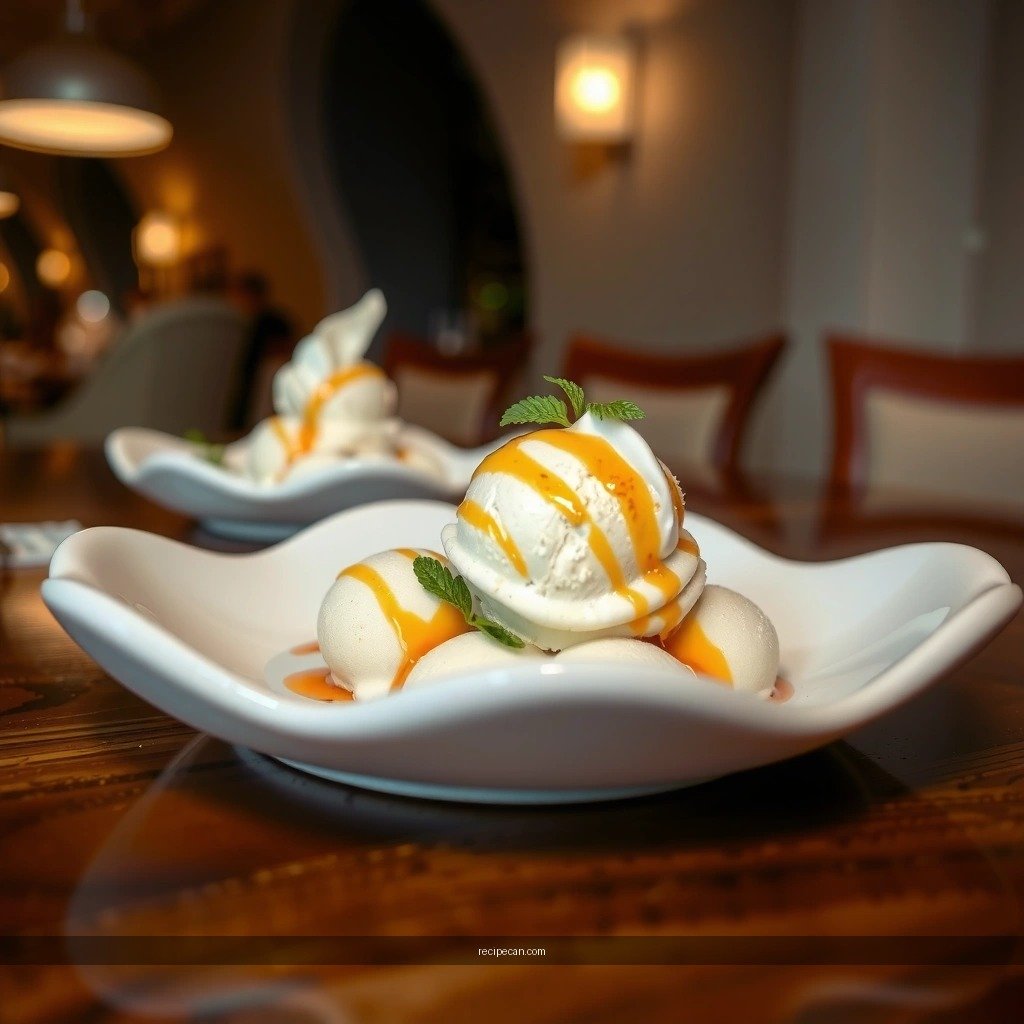
– Blend strawberries (or use frozen, thawed fruit) for even flavor distribution
– Strain if you want a seed-free result
Strawberry is a flavor-forward test of how well your base balances fruit acidity and sugar. The biggest pitfalls are uneven fruit distribution and iciness caused by fruit lowering total solids and changing how the mixture freezes.
Fresh vs. frozen strawberries
– Fresh berries: Hull, blend, and (optionally) strain for seed-free texture.
– Frozen berries: Thaw in the fridge first, then blend. Frozen fruit already contains water; over-reducing the mix can make it taste watery, so keep it measured.
Strawberry base approach
Option A: Strawberry swirl style (fastest).
Churn a vanilla base, then swirl in a strawberry compote after partial thickening. This reduces the risk of seeds and ice crystals, while delivering bold strawberry flavor.
Option B: Strawberry puree into the base (most intense).
Blend strawberries, then cook briefly with sugar to concentrate slightly (optional), cool, chill, and churn.
Step-by-step (simple strawberry puree ice cream)
1. Blend 1–1 1/2 cups strawberries (fresh or thawed).
2. Add 2/3–3/4 cup sugar depending on berry sweetness.
3. Whisk into 2 cups cream + 1 cup milk (or swap for lactose-free dairy).
4. Chill 4–8 hours.
5. Churn 20–30 minutes.
6. Freeze 2–4 hours.
Seed-free choice
If you want a smoother “premium” strawberry texture, strain the puree through a fine sieve. This is especially valuable for Hamilton Beach ice cream maker recipes where you want fewer interruptions in the churn.
Cookies & Cream and Mix-In Variations
– Fold in crushed cookies after churning starts slowing (or near the end)
– Keep mix-ins chopped small to prevent uneven freezing
Mix-ins change ice cream from a uniform dessert into a texture experience. The process matters: if you add hard inclusions too early, they can sink, become unevenly distributed, or slow the churning long enough to create soft or icy patches.
When to add cookies
A reliable rule: wait until the churn thickens into a soft-serve stage. At that point, the ice cream is cold enough to suspend inclusions instead of letting them settle.
How to prepare mix-ins
– Crush cookies unevenly on purpose: Fine crumbs add creaminess; slightly larger bits add crunch. Keep largest pieces small enough that every bite has cookie.
– Avoid very large chunks: Big pieces can freeze into hard cores that fracture the spoon and interrupt scoop smoothness.
– For brownies/candy: Freeze mix-ins 10–15 minutes before adding so they don’t melt the base.
Cookies & cream add-in workflow
1. Churn your vanilla or chocolate base until thickened.
2. Stop the machine briefly if your model allows, or add mix-ins slowly while it runs.
3. Add crushed cookies (about 1–1 1/2 cups for a ~1.5–2 qt batch).
4. Let churn run 1–3 additional minutes—just until distributed.
5. Transfer to freezer container and freeze briefly.
Sorbet and Dairy-Free Options for Lighter Treats
– Use fruit juice or puree plus sugar to prevent a hard, icy finish
– Churn fully and serve after a brief freeze for the best consistency
If you want lighter treats, sorbet and dairy-free recipes can be excellent in a Hamilton Beach ice cream maker—provided you address the main texture challenge: pure fruit and unsweetened ingredients freeze too hard without enough dissolved sugar and solids.
Why sugar (and solids) matter
Ice cream stays scoopable because sugar lowers the freezing point (freezing point depression) and fats help form a stable, creamy structure. In sorbet or dairy-free recipes, you must recreate “scoopability” through measured sugar and sometimes stabilizers.
Sorbet method (practical and consistent)
1. Combine fruit puree or juice with sugar (often around 1/2 to 3/4 cup sugar per 2 cups fruit base, adjusted for sweetness).
2. Dissolve completely by warming lightly—no need to boil.
3. Chill 2–6 hours.
4. Churn 20–35 minutes until thickened like soft sorbet.
5. Freeze 15–60 minutes—not overnight—for best scoop texture.
Dairy-free option that still feels “creamy”
For coconut- or almond-based ice cream, add a stabilizing strategy:
– Use a dairy-free cream with higher fat content (coconut-based often performs better).
– If your recipe includes a stabilizer (like certain plant-based thickeners), follow the manufacturer’s dose for best texture.
In many dairy-free bases, the “creaminess” is less about milk substitutes and more about preventing large ice crystals.
Troubleshooting: Grainy, Icy, or Not Thickening
– Grainy texture: chill longer and ensure the base is fully mixed
– Icy batches: churn within timing, avoid warm ingredients, and freeze briefly after churning
Even with good recipes, ice cream texture is sensitive to temperature and mixing consistency. Use these targeted fixes—each one addresses a specific failure mode.
Grainy texture
Common causes
– Custard base wasn’t cooked evenly (eggs may have partially curdled)
– Base was not fully dissolved/mixed before chilling
– Insufficient chilling caused uneven freezing
Fixes
– Strain custards before chilling to remove tiny coagulated bits.
– Whisk or blend until fully uniform, then chill longer (often an extra 2–4 hours).
– Keep heat gentle while cooking custards; avoid boiling.
Icy batches
Common causes
– Base was warm when it entered the churn
– Churning ran too short or too long for your base volume
– Freezing too long immediately after churn (hardens quickly, especially for sorbet)
Fixes
– Ensure base is fully cold before churning.
– Follow churn timing as a guide, but adjust by texture: stop when it reaches soft-serve thickness.
– Freeze briefly after churning, then let it soften slightly before serving.
Not thickening (or staying too liquid)
Common causes
– Low base temperature
– Machine pre-freeze not completed (for models that require a canister freeze)
– Too much mix-in liquid (e.g., unthickened fruit additions)
Fixes
– Pre-chill longer or check your fridge temperature.
– Confirm your freezer time for the machine insert/canister is complete.
– Reduce watery fruit content or concentrate puree slightly.
Hamilton Beach ice cream maker recipes succeed when you control the two temperatures that matter: base temperature before churn and freezing behavior after churn.
Pick one flavor section above, follow the texture controls (pre-chill, churn to the right softness, and freeze briefly), and then experiment with add-ins for your perfect batch—start with vanilla or chocolate for the most reliable results. With a repeatable base and consistent timing, you’ll quickly move from “homemade” to “great homemade,” batch after batch.
Frequently Asked Questions
What are some easy Hamilton Beach ice cream maker recipes for beginners?
Start with no-cook and simple churn recipes like vanilla, chocolate, and strawberry using a custard base or a pre-mixed ice cream base. For beginners using a Hamilton Beach ice cream maker, try a “cream + sweetener + flavoring” approach, then add mix-ins like cookies or fruit near the end of churning. These Hamilton Beach ice cream maker recipes typically require minimal prep and yield consistent results.
How do I prevent ice cream from getting too icy in a Hamilton Beach ice cream maker?
Ice often forms when the base is too warm, not fully chilled, or has too little fat/sugar. Chill your mixture thoroughly (ideally several hours) before churning, and use a recipe designed for your churner so the sugar and cream ratios help keep the texture smooth. Also avoid overfilling the Hamilton Beach ice cream maker to maintain steady freezing during churning.
Why do my homemade batches turn out grainy or separate in the Hamilton Beach ice cream maker?
Graininess usually happens when a custard base isn’t cooked gently enough or gets overheated, while separation can occur if the base is under-mixed or not cooled properly. If your recipe uses egg yolks, temper them slowly and cook on low heat until thick enough to coat a spoon, then strain and chill before churning. Using the right Hamilton Beach ice cream maker recipes for your method (custard vs. no-cook) helps prevent texture problems.
Which Hamilton Beach ice cream maker recipes work best for dairy-free or gluten-free options?
For dairy-free, look for coconut milk, almond milk, or oat milk bases designed for ice cream churning, and pair them with a stabilizer like cornstarch or a compatible cream alternative for smoother results. For gluten-free, choose mix-ins like gluten-free cookies, brownies, or fruit instead of wheat-based add-ins, and ensure all flavorings are certified gluten-free. Many popular Hamilton Beach ice cream maker recipes can be adapted by swapping ingredients while keeping the core fat/sugar balance for proper texture.
What are the best mix-in ideas and timing tips when making ice cream with a Hamilton Beach machine?
Add mix-ins during the final minutes of churning so they distribute evenly without sinking or freezing into hard lumps. Great options include chocolate chips, chopped cookies (or gluten-free cookies), toasted nuts, crushed candy, and swirls like caramel or berry jam. If you’re making a chocolate or vanilla base with a Hamilton Beach ice cream maker, keeping mix-ins small and adding them at the right time improves scooping and overall flavor distribution.
References
- Google Scholar Google Scholar
https://scholar.google.com/scholar?q=hamilton+beach+ice+cream+maker+recipes - Google Scholar Google Scholar
https://scholar.google.com/scholar?q=ice+cream+maker+recipes+churning+overrun - Google Scholar Google Scholar
https://scholar.google.com/scholar?q=ice+cream+stabilizers+emulsion+freezing - https://en.wikipedia.org/wiki/Ice_cream
https://en.wikipedia.org/wiki/Ice_cream - Ice cream maker
https://en.wikipedia.org/wiki/Ice_cream_maker - Custard
https://en.wikipedia.org/wiki/Custard - Ice cream | Definition, History, & Production | Britannica
https://www.britannica.com/topic/ice-cream - Projects – National Center for Home Food Preservation
https://nchfp.uga.edu/how/freeze/ice_cream.html - https://pubmed.ncbi.nlm.nih.gov/?term=ice+cream+microstructure+churning+freezing
https://pubmed.ncbi.nlm.nih.gov/?term=ice+cream+microstructure+churning+freezing - https://www.sciencedirect.com/topics/food-science/ice-cream
https://www.sciencedirect.com/topics/food-science/ice-cream