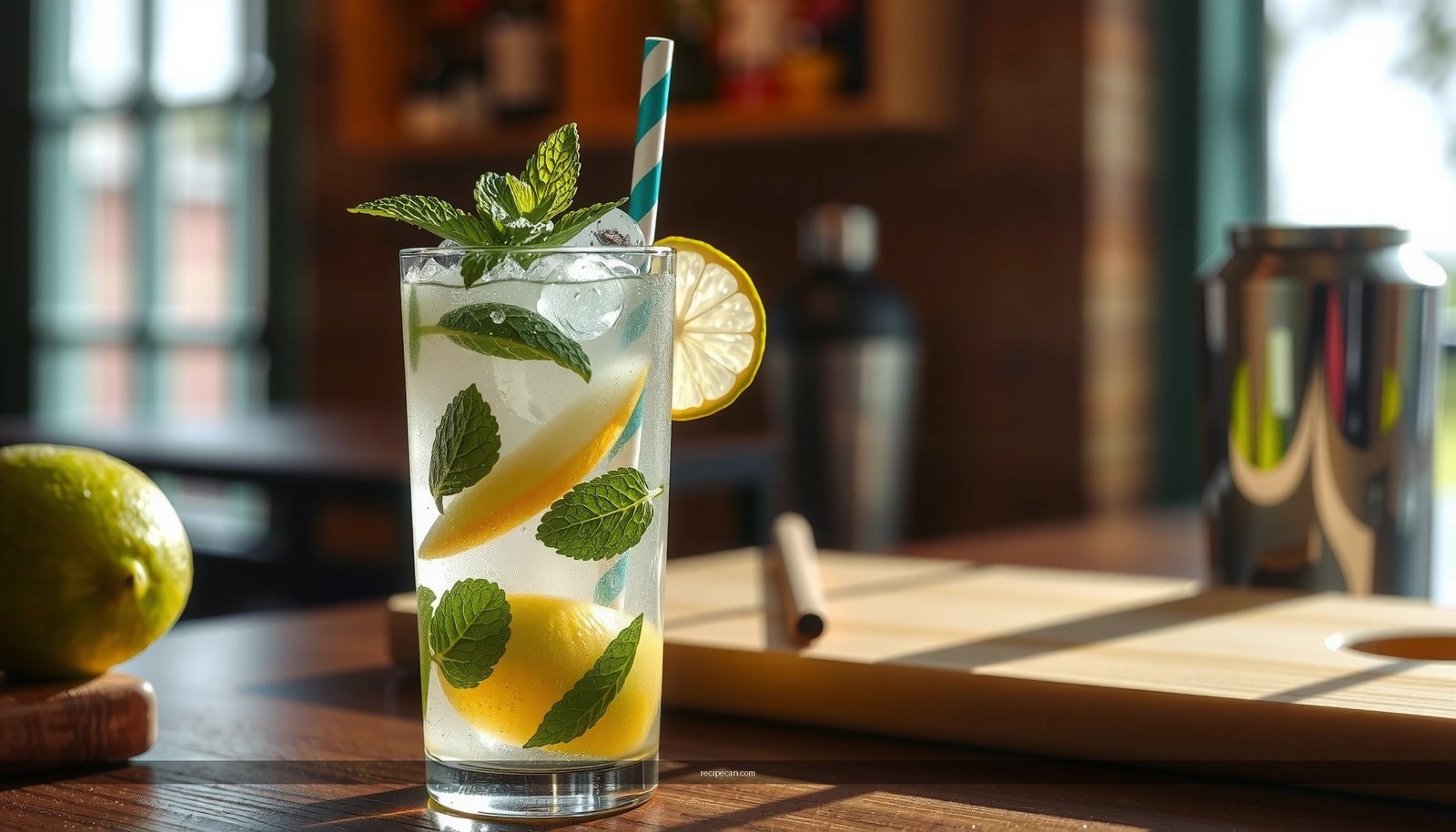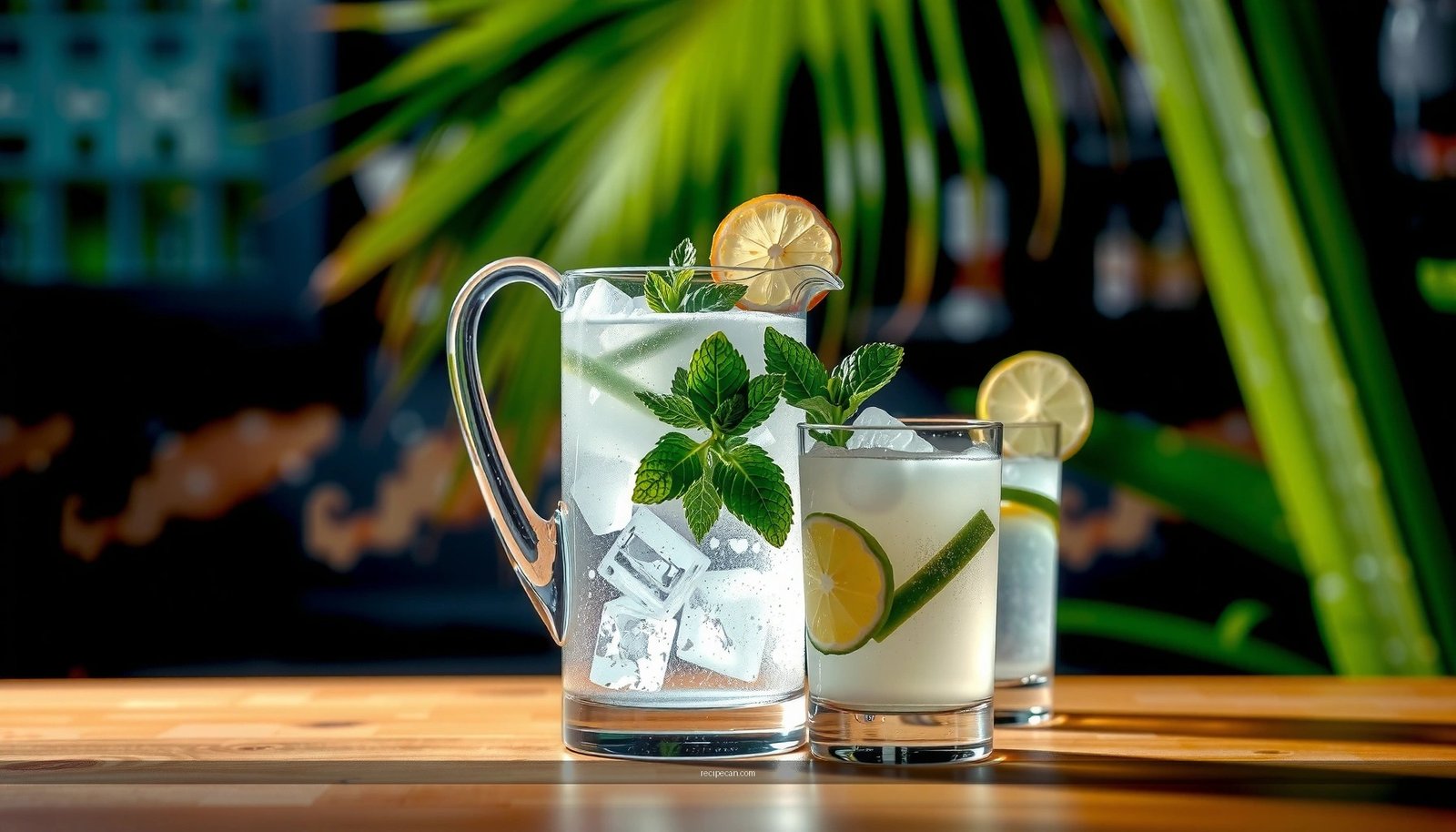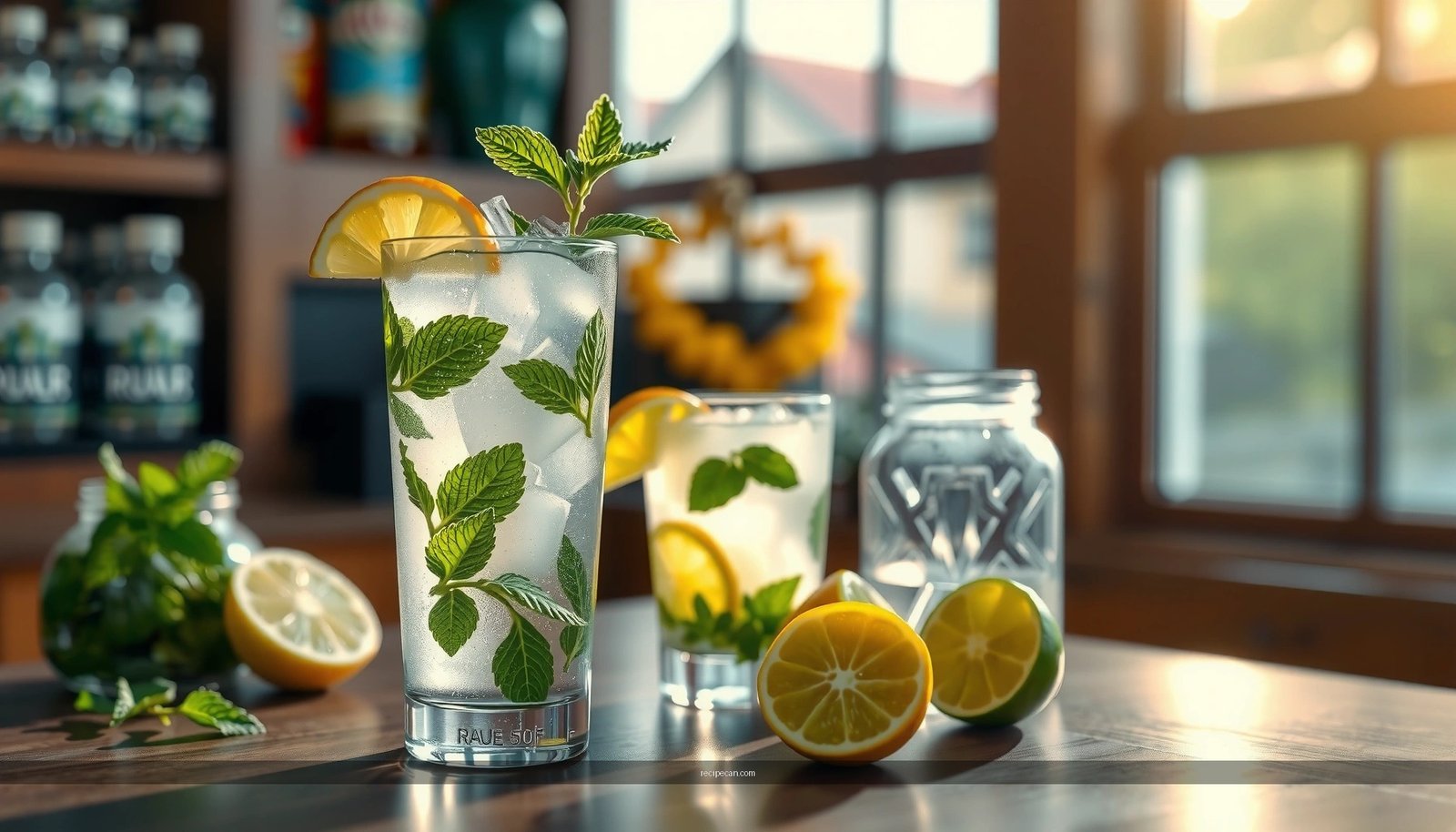
All recipes mojito variations deliver a clear winner: the easiest classic Mojito build with fresh mint, lime, rum, and a properly balanced sweetener. This guide answers which version to make for your taste—light and crisp, extra-sweet, fruity, or zero-sugar—without guesswork. You’ll get quick, reliable steps and flavor tweaks so every Mojito tastes right the first time.
If you want the perfect mojito every time, build it on a classic mint–lime–sweetener–rum base, then finish with crisp soda water and adjust sweetness to your palate. In this guide to all recipes mojito styles, you’ll learn a reliable core formula plus multiple variations—classic, berry, citrus/tropical, and an alcohol-free mocktail—so you can produce consistent, high-quality drinks at home.
A great mojito starts with fresh mint, lime juice, sugar (or syrup), and rum, then tops off with chilled soda water. In this guide, you’ll find multiple all recipes mojito options—from classic to fruit and flavored twists—so you can make the perfect glass every time.
Classic Mojito Base (The Core All Recipes Mojito Formula)

– Use fresh mint + lime juice for the best flavor
– Sweeten lightly, then build with rum and soda water
The classic mojito base is not just a recipe—it’s a balancing framework. Mint provides aromatic oils, lime contributes acidity and fragrance, sweetness rounds off sharpness, rum adds structure, and soda water delivers the signature “lift” through carbonation.
Core balance to aim for (per drink):
– Fresh mint: 8–12 leaves (roughly 1 small handful, depending on leaf size)
– Lime juice: 3/4 to 1 oz (22–30 ml)
– Sweetener: 1/2 to 3/4 oz (15–22 ml) of simple syrup (or sugar adjusted to taste)
– Rum: 1 1/2 to 2 oz (45–60 ml), typically white rum
– Soda water: to fill the glass (usually 3–5 oz / 90–150 ml once ice is added)
Why these components work:
– Fresh mint tastes like “green” and herbal; dried mint lacks the volatile aromatics that make a mojito memorable.
– Lime juice is the flavor driver for tartness; bottled lime juice can work, but fresh limes generally produce a brighter, less flat taste.
– Sweetness should be light. Too much syrup mutes mint and makes the drink taste “lemon-lime soda” instead of mojito.
– Chilled soda water is essential—warm carbonation tastes dull and can make the lime read harsh rather than refreshing.
If you want consistent results across all recipes mojito variations, prepare your base ingredients thoughtfully: juice limes fresh, lightly bruise mint (not tear it into shreds), and keep soda water cold until the final step.
Quick quality check: Your finished drink should taste like minty-lime freshness first, with rum as a supportive backbone—not a dominant spirit.
Best Rum Styles for an All Recipes Mojito (Guidance by Flavor Match)
| # | Rum style | Typical ABV | Flavor profile (mixer impact) | Mojito suitability |
|---|---|---|---|---|
| 1 | White rum (unaged) | 40% | Clean sugarcane notes; lets mint & lime lead | ★★★★☆ |
| 2 | Light rum | 37.5% | Slightly softer than white; still crisp in highballs | ★★★☆☆ |
| 3 | Premium “gold” rum (lightly aged) | 40% | Caramel vanilla undertones; can warm the finish | ★★★☆☆ |
| 4 | Spiced rum | 35% | Cinnamon/clove notes; best for citrus or tropical twists | ★★★☆☆ |
| 5 | Overproof rum | 57% | High heat; can overpower mint—use less | ★★☆☆☆ |
| 6 | Aged/dark rum | 40% | Oak/spice character; conflicts with clean mojito profile | ★☆☆☆☆ |
| 7 | Flavored rum (lime/coconut/other) | 30–35% | Can taste sweet-artificial; works only with disciplined balancing | ★☆☆☆☆ |
How to Make a Perfect Mojito (Muddling + Mixing Tips)
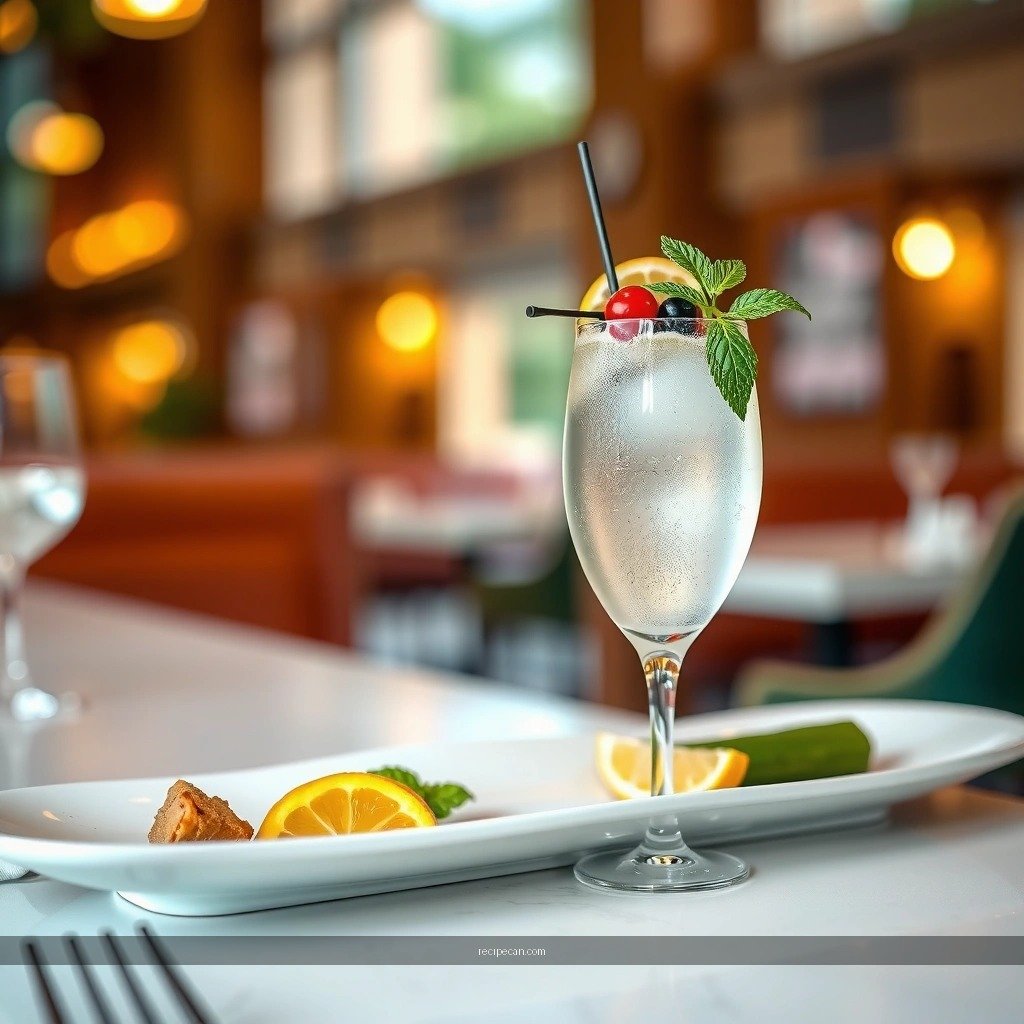
– Gently muddle mint to release oils without bitterness
– Stir well before topping with ice and soda
The difference between an “average” and a truly refined all recipes mojito comes down to technique—especially muddling and mixing. Muddling extracts mint oils and aromas; over-muddling extracts chlorophyll and causes bitterness.
Muddling technique (the non-negotiable step):
1. Add mint leaves to the glass (or cocktail shaker).
2. Add about 1 teaspoon of sugar (or a small portion of syrup) first. Sugar helps gently abrade the leaves rather than shredding them.
3. Press and twist lightly—about 4–6 seconds total. You want bruising, not pulverization.
If you’re getting bitterness:
– You likely muddled too long or too hard.
– Or you used mint stems (stems are more bitter than leaves). Stick to leaves.
Mixing and carbonation best practices:
– Stir before adding soda. Combine mint, lime juice, and sweetener until the sugar dissolves and the mixture looks consistent.
– Add ice, then top with chilled soda water. This preserves carbonation and keeps the drink crisp.
– If you’re scaling up for guests, batch-mix the mint-lime-sweet base, then portion into glasses and top individually with soda.
Temperature matters for every mojito variation:
– Keep soda cold and consider using freezer-cold glasses if you’re serving many drinks.
– Use plenty of ice; mojitos are refreshment-first beverages.
All Recipes Mojito: Berry Mojito Variations
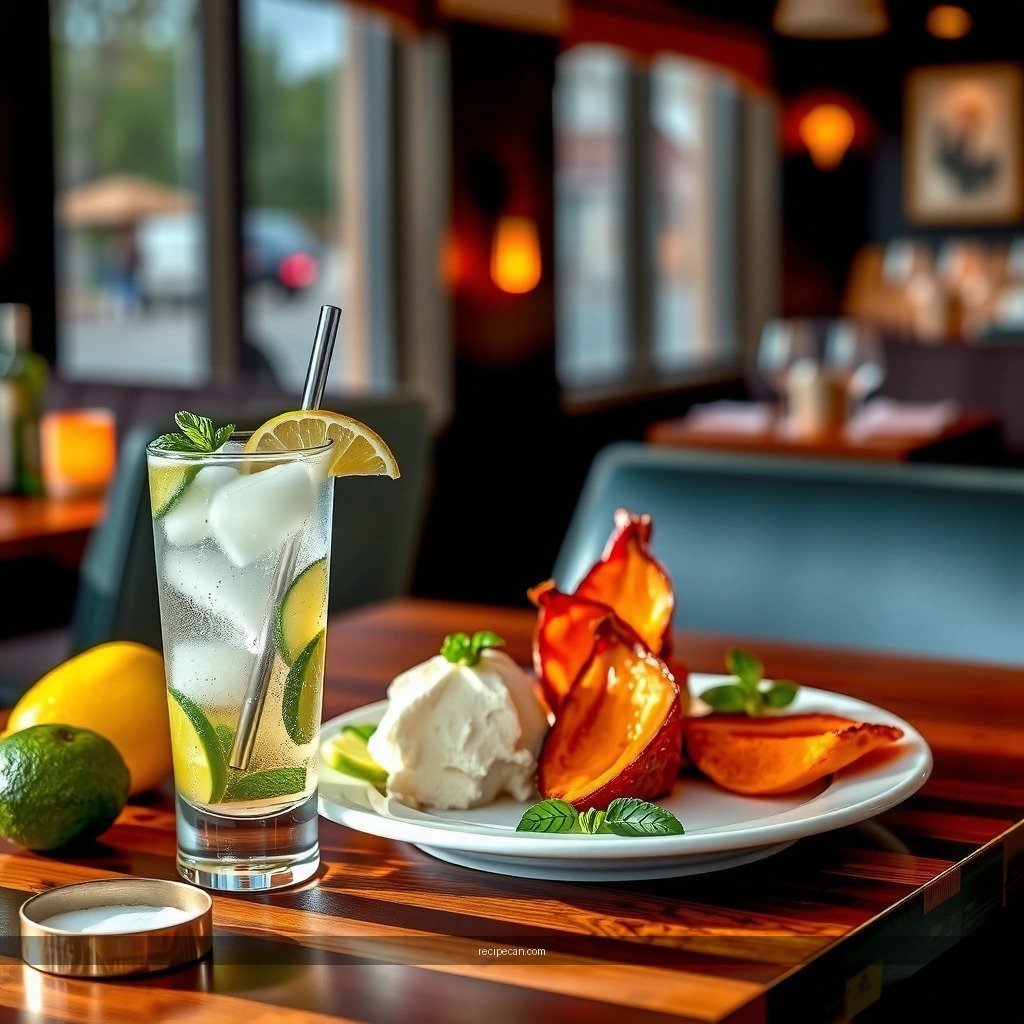
– Add muddled berries for natural sweetness and color
– Pair strawberries, raspberries, or blueberries with white rum
Berry mojitos are where the all recipes mojito concept becomes especially powerful: berries deliver sweetness, acidity, and visible color, which reduces how much additional syrup you need.
Method options (choose based on fruit texture):
– Muddled whole berries (best for strawberries and softer berries): gently press 3–6 berries to release juice.
– Slightly crushed berries + sieve (best for seeds): raspberries and some blueberries can introduce seed texture; straining keeps the drink polished.
Recommended balancing:
– Start with the classic base but reduce sweetener slightly (often 1/4–1/2 oz less syrup) because berries add natural sugar.
– Use white rum to keep mint and berry flavors clean.
Flavor pairings that reliably work:
– Strawberry + mint + lime: bright, familiar, and crowd-friendly.
– Raspberry + mint + lime: sharper and more aromatic; consider slightly less muddling to avoid bitterness from skins/seeds.
– Blueberry + mint + lime: deeper fruit flavor; soda helps avoid a heavy, dessert-like finish.
Business-style consistency tip: If you’re making these for an event, standardize your “berry unit” (e.g., “4 strawberries per drink” or “1/2 oz berry purée per drink”) so flavor doesn’t drift.
All Recipes Mojito: Citrus & Tropical Twists
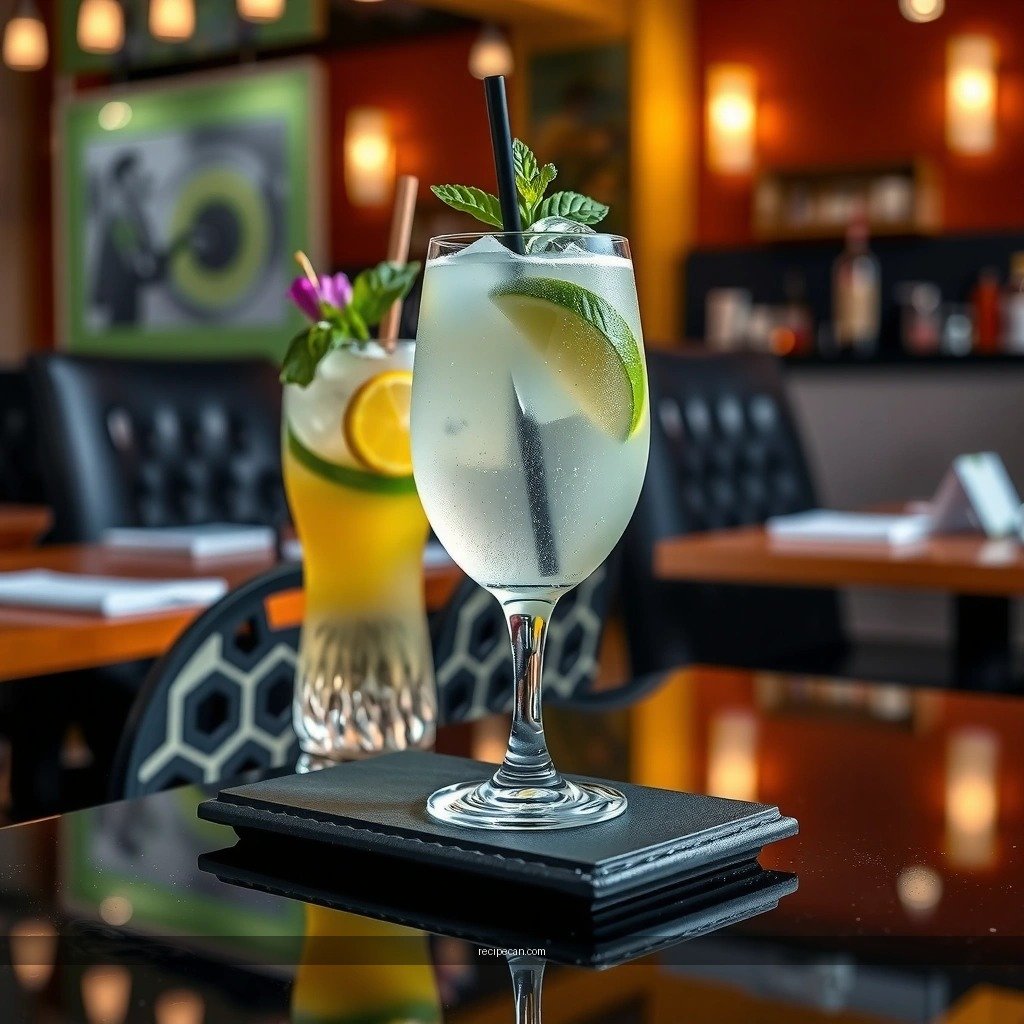
– Try lemon, grapefruit, or orange for a brighter profile
– Use pineapple or mango for a tropical mojito vibe
Once you master the core formula, citrus and tropical variations become straightforward because they mainly change the acid/sweet profile while mint and soda remain constant.
Citrus twists:
– Lemon mojito: swaps some lime for lemon to create a gentler acidity. Use slightly less sweetener because lemon can still read crisp and tangy.
– Grapefruit mojito: introduces a subtle bitterness that can actually make the mojito feel more “adult.” Balance by choosing a slightly sweeter syrup or adding a small pinch of sugar before muddling.
– Orange mojito: reduces tartness and can move the drink toward a more aromatic profile. Use a bit more lime juice than you think you need to keep it “mojito-like,” not orange soda-like.
Tropical twists:
– Pineapple mojito: use fresh pineapple (or a fine-chopped amount) to avoid watery results. Pineapple can be more acidic and enzyme-active; keep muddling brief.
– Mango mojito: mango is smoother and sweeter—often you’ll use less syrup and rely on lime to reintroduce brightness.
Rum pairing insight: White rum remains a reliable anchor. If you choose spiced rum, keep it conservative—spices should support the citrus/tropical notes, not take over.
Alcohol-Free Mojito (Mocktail Version)
– Skip rum and replace with extra lime + stronger soda balance
– Keep mint fresh and use a proper sweetener for depth
An alcohol-free mojito (mocktail) can still taste “complete” if you treat lime, mint, and sweetness as the structure that rum normally provides.
How to convert cleanly:
– Remove rum entirely.
– Increase lime slightly (often +1/4 oz / ~7 ml) to maintain the crisp, forward acidity.
– Use a “stronger” soda balance: start with slightly less soda than you’d use in a spirit mojito, then top to adjust. This helps prevent the drink from tasting thin or overly watered down.
Sweetener choice matters more in mocktails:
– Simple syrup is ideal because it dissolves quickly and doesn’t leave a gritty texture.
– If using sugar, pre-dissolve it in warm water (then cool) so you don’t end up with uneven sweetness that dulls the mint-lime finish.
Consistency tip: Alcohol adds body and warmth; without it, you may want:
– Slightly more mint aroma (but still avoid over-muddling), and
– A touch more lime intensity to preserve that “bar-quality” zing.
Serving, Storage, and Flavor Upgrades
– Serve immediately over lots of ice for maximum freshness
– Adjust sweetness and tartness to taste; batch prep components
Serving is where mojitos either feel premium or disappointing. Mojitos are best when served immediately because carbonation and mint aromatics fade as the drink warms.
How to serve for maximum freshness:
– Use a tall glass or highball.
– Fill with lots of ice—more ice means slower dilution and better temperature control.
– Top with soda right before serving, not earlier.
Batch prep (for efficiency without sacrificing quality):
– Batch-make the mint-lime-sweet mixture (without soda).
– Store covered in the refrigerator and keep it for a short window (typically same day for best mint character).
– When ready, pour over ice and top with chilled soda to preserve fizz.
Flavor upgrades that stay true to mojito character:
– Mint upgrade: try a small mix of mint varieties (e.g., spearmint + a few leaves of another fresh mint type) for complexity.
– Lime upgrade: zest a tiny amount of lime (before juicing) into the mixture for extra aroma—use sparingly to avoid bitterness.
– Sweetness control: start conservative. It’s easier to add sweetness than to remove it once soda and ice are in.
Common pitfalls to avoid:
– Pre-mixing soda (leads to flat drinks).
– Over-muddling mint (creates bitterness).
– Using too much sweetener (turns mojitos into sugary lime soda).
A simple mojito is all about fresh mint, lime, balanced sweetness, and crisp soda—then you can swap flavors to match your mood. Pick one recipe above, follow the core mojito base, and make it your own; try a classic first, then experiment with berries or a tropical twist next.
When you treat the mojito base as a repeatable framework—muddling correctly, balancing acid and sweetness, and finishing with cold soda—you unlock every variation in the all recipes mojito family without guesswork. Use the classic formula for reliability, expand into berries for color and natural sweetness, move into citrus/tropical for brightness and fun, and keep mocktail versions balanced by leaning on lime intensity and soda strength.
Frequently Asked Questions
What are the best all recipes mojito variations to try at home?
The most popular all recipes mojito variations include classic mojito, strawberry mojito, mango mojito, and cucumber mojito. Each version keeps the core mint, lime, and rum base but swaps in fresh fruit or flavor additions for a different profile. If you want crowd-pleasing options, start with the classic mojito and strawberry mojito because they’re balanced and widely enjoyed.
How do you make an all recipes mojito that tastes fresh and not watered down?
Use fresh lime juice, fresh mint leaves, and lightly crushed mint—don’t over-muddle, or it can turn bitter. Chill your glass and stir gently so the ice doesn’t dilute too quickly; consider using larger ice cubes for slower melting. For any all recipes mojito, measure your rum and lime carefully to maintain a crisp sweet-tart flavor even as the drink cools.
Why does my mojito come out too sour or too sweet, and how can I fix it?
Sour mojitos usually come from using too much lime or skipping any balancing sweetener, while overly sweet mojitos often result from heavy syrup or sweet mixers. In most all recipes mojito styles, adjust with small increments: add a touch more simple syrup (or sugar) if it’s too sharp, or add more lime/seltzer if it’s cloying. Tasting as you mix is the fastest way to dial in the right ratio.
Which rum type works best for all recipes mojito drinks?
A light or white rum is the most common choice for all recipes mojito because it lets mint and lime stay bright and refreshing. If you want a deeper flavor, a gold rum can work well for fruit mojitos like mango mojito, adding warmth without overpowering the citrus. Keep the rum measured—too much rum can dominate the mojito’s clean, herbal finish.
What are the easiest ingredients and tools for making all recipes mojito at parties?
For an all recipes mojito party setup, you’ll need fresh limes, mint, rum, sugar or simple syrup, and sparkling water (or club soda). A jigger or measuring spoon helps keep batches consistent, and a muddler is useful—but only for gentle mint crushing. To serve faster, batch the lime-mint-rum mixture ahead of time and add soda/ice right before serving so every glass stays crisp.
References
- Mojito
https://en.wikipedia.org/wiki/Mojito - https://www.britannica.com/food/mojito
https://www.britannica.com/food/mojito - Mojito – IBA
https://iba-world.com/iba-official-cocktails/mojito/ - Google Scholar Google Scholar
https://scholar.google.com/scholar?q=mojito+recipe - Google Scholar Google Scholar
https://scholar.google.com/scholar?q=mojito+mint+lime+rum+classic+recipe - Google Scholar Google Scholar
https://scholar.google.com/scholar?q=history+of+the+mojito+cubano+cocktail - Alcohol
https://www.who.int/news-room/fact-sheets/detail/alcohol - Alcohol Use | Alcohol Use | CDC
https://www.cdc.gov/alcohol/ - Alcohol’s Effects on Health | National Institute on Alcohol Abuse and Alcoholism (NIAAA)
https://www.niaaa.nih.gov/alcohols-effects-health - https://pubmed.ncbi.nlm.nih.gov/?term=mojito
https://pubmed.ncbi.nlm.nih.gov/?term=mojito