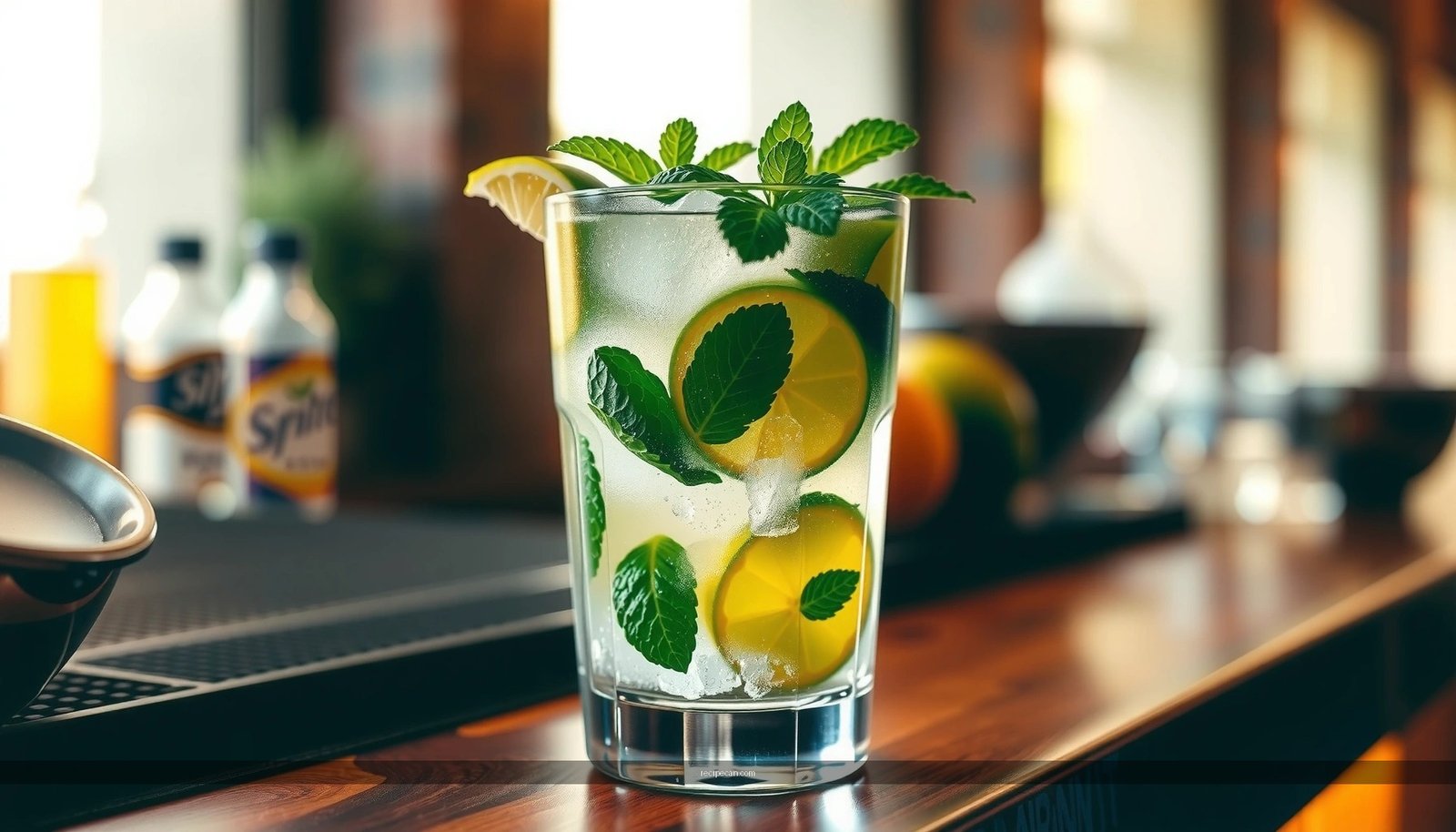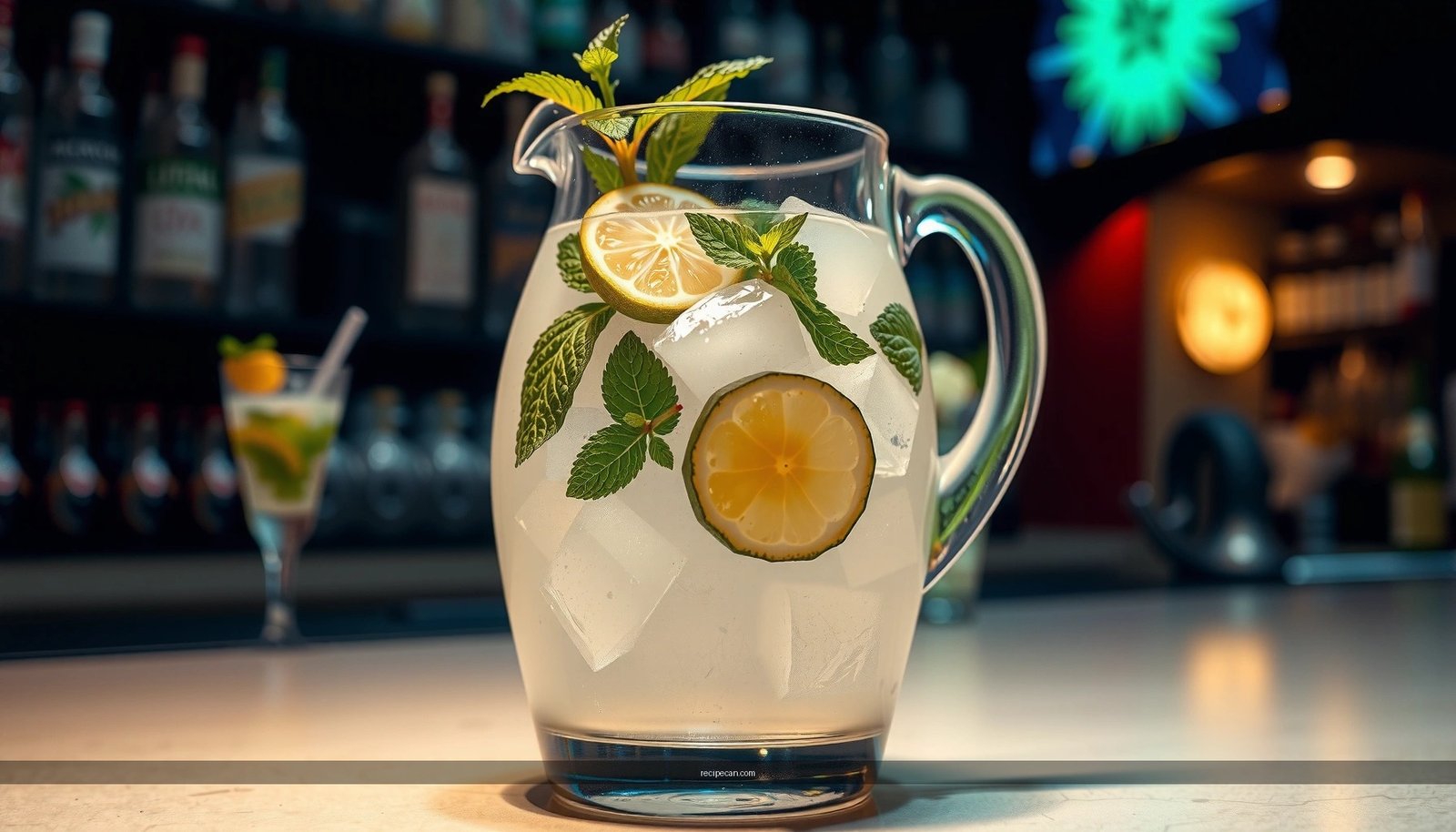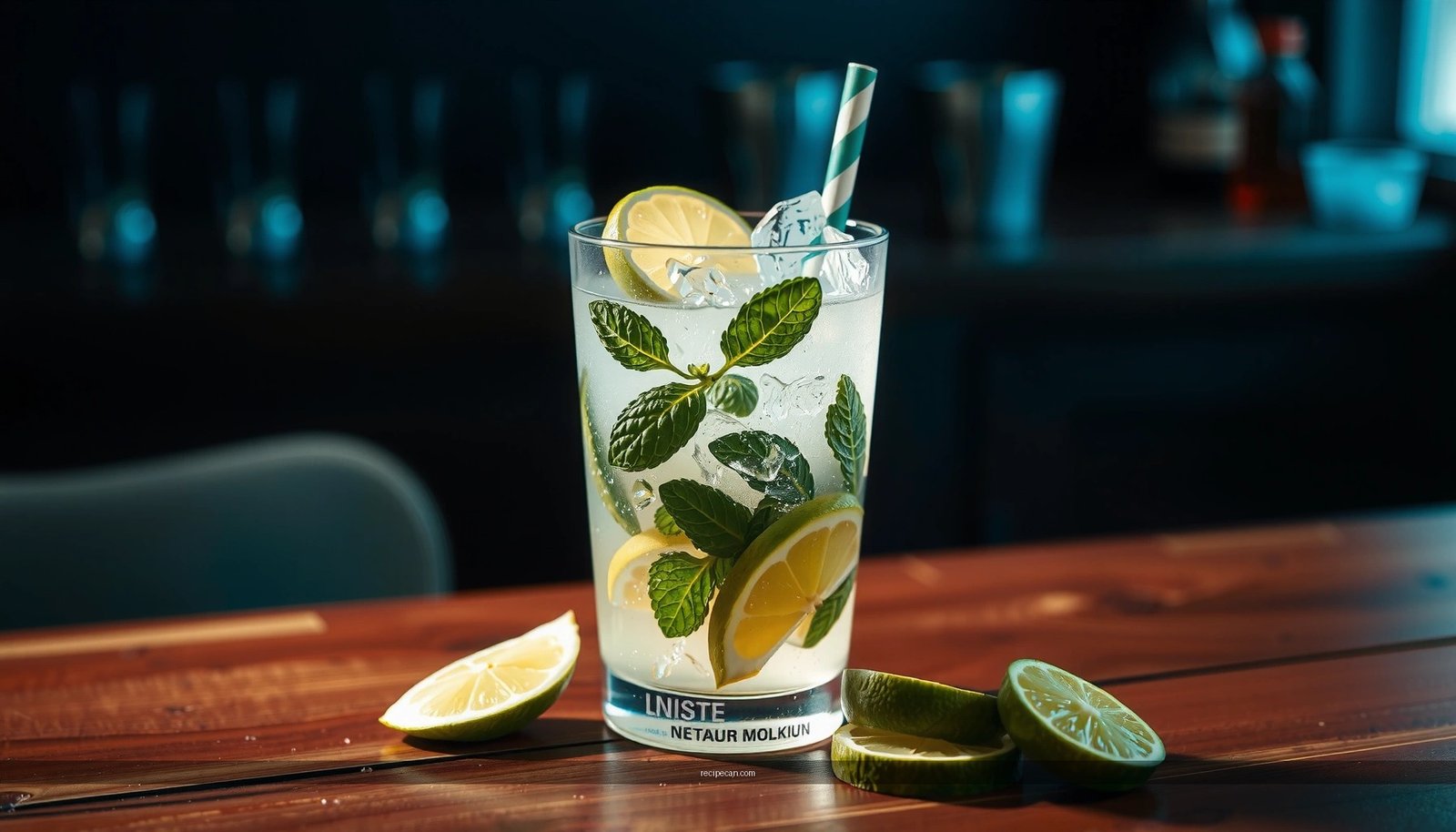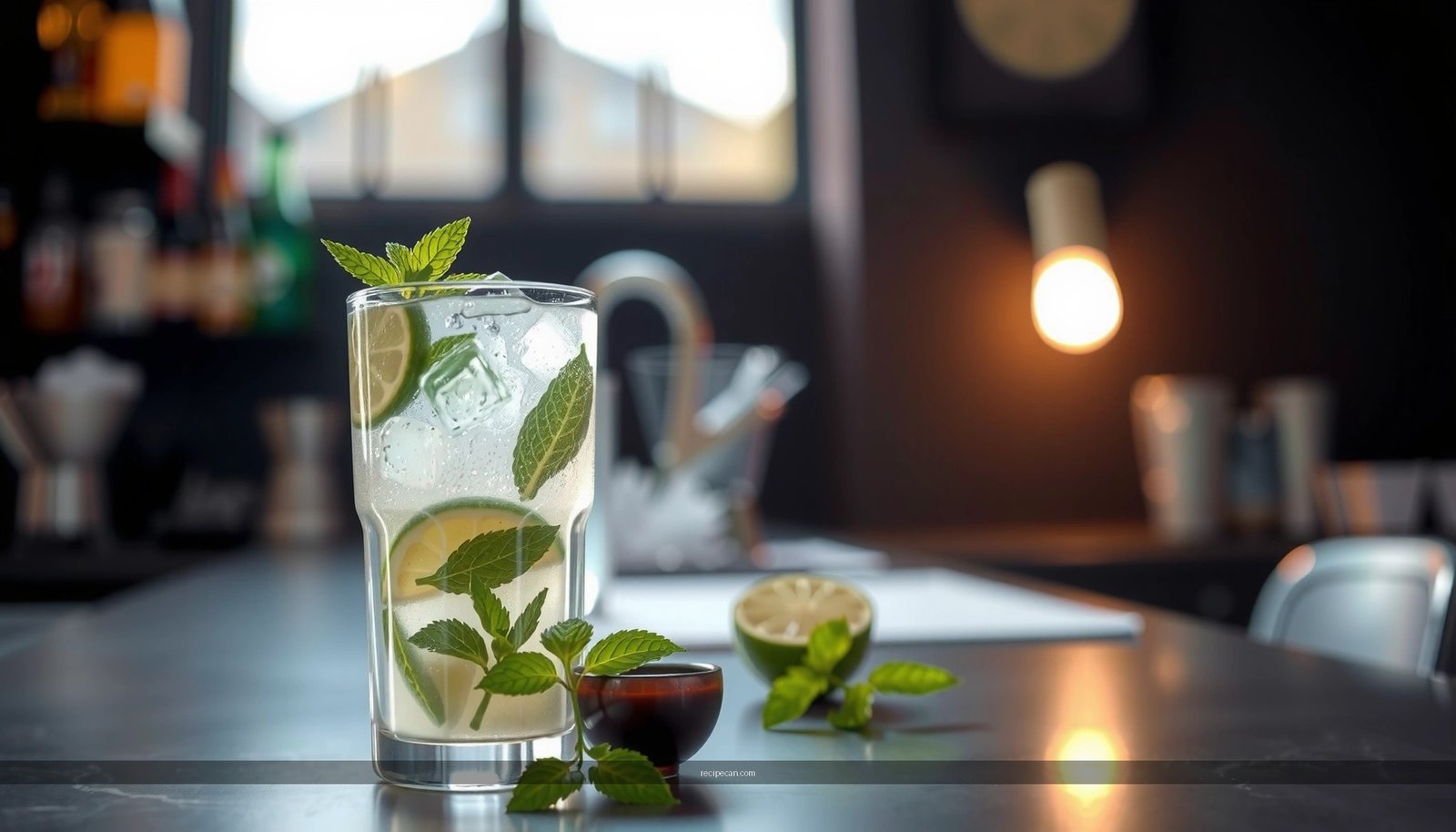
These mojito mocktail recipes deliver the freshest, most refreshing non-alcoholic mojitos—without sacrificing that crisp mint-lime kick. You’ll get a clear, step-by-step winner for what to mix when you want maximum flavor in the glass, plus the exact ratios for muddling mint and balancing sweetness. If your goal is a true mojito taste with zero alcohol, this is the only guide you need.
Skip the alcohol—these mojito mocktail recipes deliver the same refreshing mint-lime flavor using real citrus, fresh herbs, and sparkling water. Below, you’ll learn how to nail the classic taste profile, then expand into fruit-forward variations and party-ready batching methods so every glass tastes balanced, bright, and crisp.
Classic Mojito Mocktail Recipe (Non-Alcoholic)
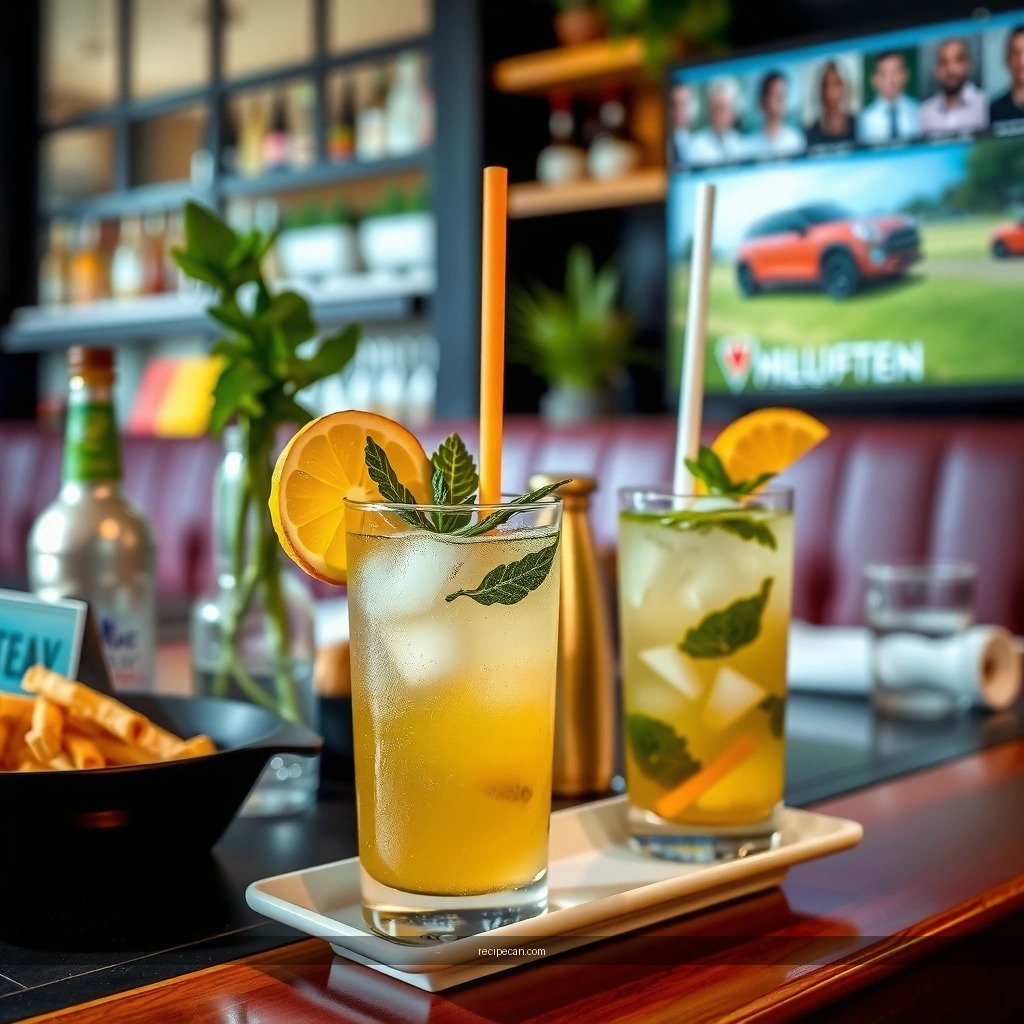
– Use fresh lime juice, mint leaves, simple syrup (or sugar), and sparkling water
– Gently muddle mint to release aroma without turning it bitter
A classic non-alcoholic mojito mocktail is all about preserving mint freshness while extracting just enough flavor from the herbs and lime. For consistent results, measure your ingredients, then adjust sweetness and sourness at the end instead of overworking the mint.
Core recipe (makes 1 tall glass):
– 10–12 fresh mint leaves (plus extra for garnish)
– 1–1.5 oz (30–45 ml) fresh lime juice
– 0.75 oz (22 ml) simple syrup (start with 2 tsp sugar + 2 tsp hot water stirred until dissolved)
– 1–2 cups crushed ice
– 4–6 oz (120–180 ml) cold sparkling water (or club soda)
Method
1. Rinse and dry mint. Wet mint dilutes flavor and can cause a more muted aroma.
2. Add mint leaves + simple syrup + lime juice to a sturdy glass or shaker.
3. Gently muddle: press lightly 6–8 times, just until mint releases its aroma. If you mash hard or long, you’ll pick up bitterness.
4. Fill with crushed ice. Crushed ice improves dilution and texture, helping the mojito feel “bar-style.”
5. Top with sparkling water last and stir once to combine, not repeatedly (you want to keep the fizz lively).
Quality check: The drink should taste bright and refreshing, not herbal-bitter. If it’s too sharp, add a small additional splash of syrup. If it tastes flat, add a bit more lime or use colder soda.
Fresh Mint + Lime: Ingredient Tips for Best Flavor
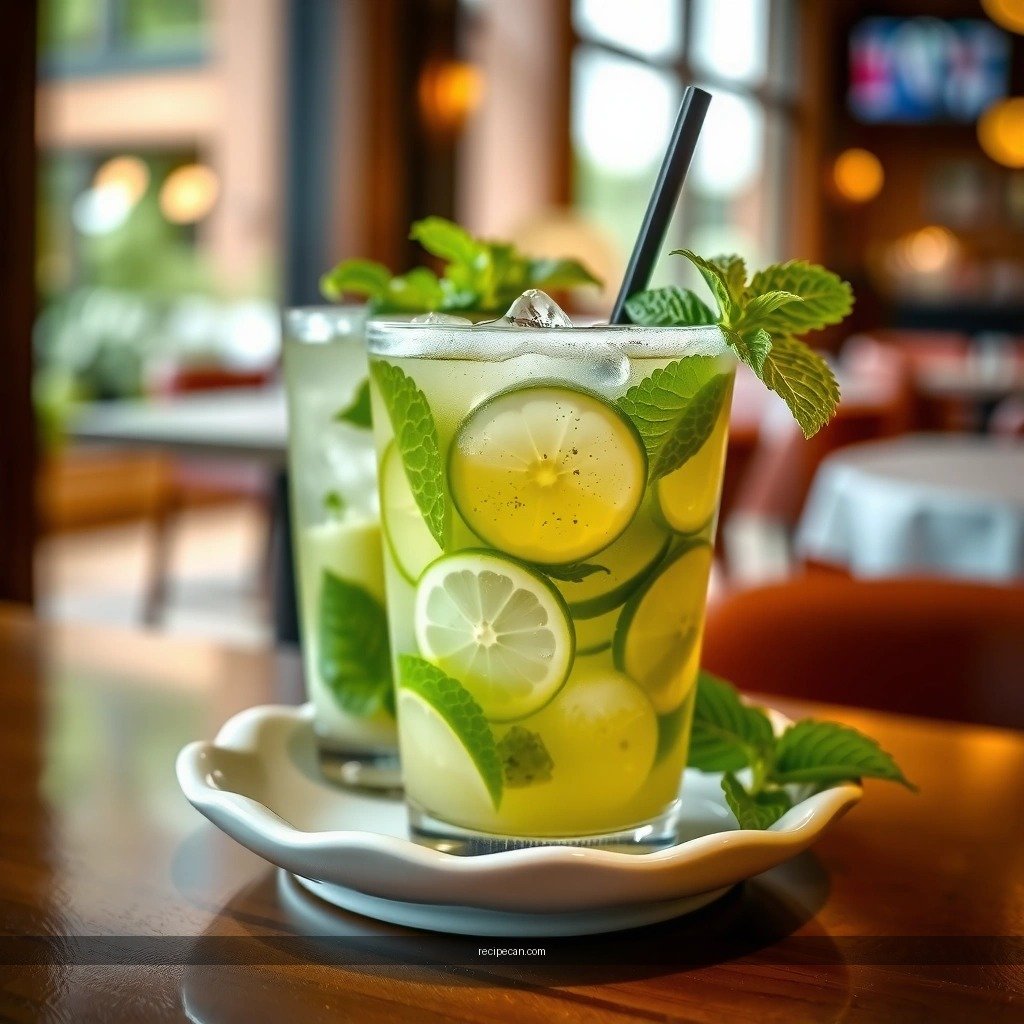
– Choose ripe limes and fragrant mint (spearmint or peppermint)
– Balance sweetness and acidity by adjusting syrup and lime to taste
The difference between a “good” mojito mocktail and a truly memorable one is usually ingredient selection and the final balance of sweet, sour, and carbonation.
Choosing mint
For mojito mocktails, spearmint is the most traditional and delivers a clean, cooling mint aroma. Peppermint can work too, but it’s more intense—use fewer leaves or dilute with extra ice.
What to look for:
– Leaves that are vivid green and not bruised
– A strong smell when you pinch a leaf (aroma is your best indicator)
Choosing limes
Use fresh lime juice whenever possible. Bottled lime juice often tastes flatter and less fragrant.
What to look for:
– Limes that feel heavy for their size
– Skin that’s slightly yielding (not rock-hard)
– If your limes are very small, expect a slightly higher acidity—you may need a touch more syrup
Balancing sweetness and acidity (the analytic approach)
Think of your lime and syrup as sliders:
– If the mojito mocktail tastes too sour, add syrup in ¼–½ tsp increments (or 1 tsp at a time for larger batches).
– If it tastes too sweet, add lime juice in ½ tsp increments.
– If the drink tastes dull, don’t just add sugar—often the fix is more lime or colder soda.
A practical baseline for balance:
– 7:10 ratio of lime juice to syrup by volume is a common starting point (e.g., 1 oz lime to ~0.7 oz syrup). From there, fine-tune.
To support batch consistency, use the guidance below on how ingredient choices influence flavor output.
Flavor Impact of Key Mojito Ingredients (Typical Outcomes)
| # | Ingredient Choice | Primary Flavor Effect | Best Use Level | Drink Clarity |
|---|---|---|---|---|
| 1 | Fresh lime juice | Bright aroma & sharper acidity | 30–45 ml per glass | ★ ★ ★ ★ ★ |
| 2 | Spearmint leaves | Clean cooling mint finish | 10–12 leaves per glass | ★ ★ ★ ★ ★ |
| 3 | Simple syrup (1:1) | Smooth sweetness without grainy texture | 15–30 ml per glass | ★ ★ ★ ★ ★ |
| 4 | Sugar (not dissolved) | Possible gritty mouthfeel | Avoid unless pre-dissolved | ★ ★ ★ ☆ ☆ |
| 5 | Club soda vs soda | Different CO₂ intensity; crispness | Top to 120–180 ml | ★ ★ ★ ★ ☆ |
| 6 | Crushed vs cubed ice | Faster dilution; better texture | Fill to near rim | ★ ★ ★ ★ ★ |
| 7 | Frozen lime + fresh lime blend | Smoother chill; can reduce sharpness | Use 25–50% frozen mix | ★ ★ ★ ☆ ☆ |
Mojito Mocktail Variations (Berries, Mango, and More)
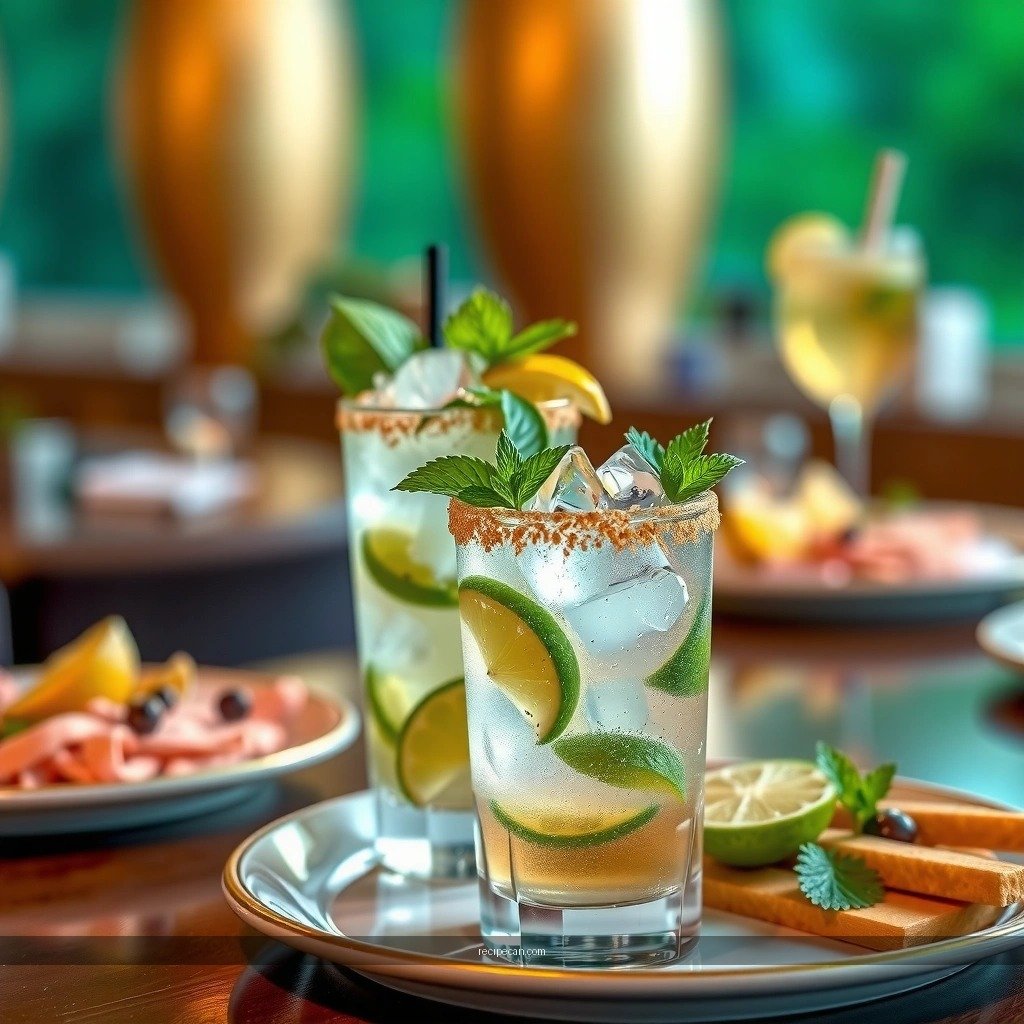
– Try strawberry or raspberry for a bright berry mojito mocktail
– Swap in mango or passion fruit for a tropical twist
Once you master the classic mojito mocktail base, variations become straightforward: add fruit flavor without drowning out mint. The goal is to support the lime-mint profile, not replace it.
Berry mojito mocktail (strawberry or raspberry)
Flavor notes: Bright, lightly sweet, and aromatic.
Best texture: Muddled fruit or quick purée.
How to adapt the recipe:
– Replace part of the lime juice with berry purée (e.g., 1–1.5 tbsp purée).
– Reduce syrup slightly, because berries bring their own sweetness.
– Keep mint muddling gentle—berries can make extraction feel more aggressive.
Quick berry purée method: Blend ½ cup berries with 1 tbsp lime juice, then strain if you want a smoother drink.
Tropical mojito mocktail (mango or passion fruit)
Flavor notes: Mango adds creamy sweetness; passion fruit adds bold tang.
How to adapt:
– For mango: add 1–2 tbsp purée (or a small spoonful of thick mango nectar), then top with extra lime juice to restore brightness.
– For passion fruit: use 1–2 tbsp pulp. Passion fruit is intense—start small and adjust sweetness with syrup.
Business-friendly flavor consistency tip
When scaling flavors across guests, pre-plan your fruit-to-lime ratio. A practical starting point:
– Fruit purée/pulp: 1–2 tbsp per glass
– Lime juice: 30–45 ml per glass
– Syrup: start at 15–22 ml and adjust after tasting
How to Build the Perfect Glass (Muddling, Ice, and Fizz)
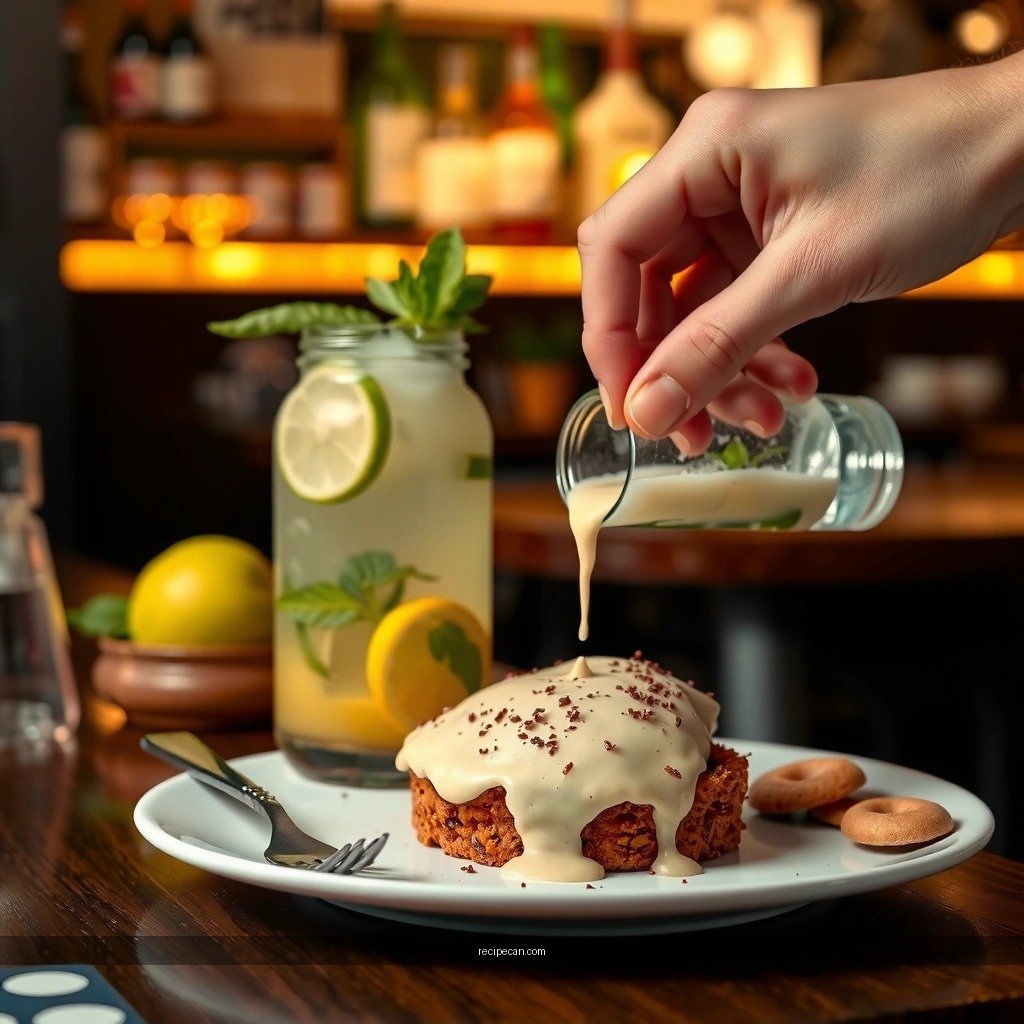
– Fill the glass with crushed ice for maximum refreshment
– Add sparkling water last to keep it crisp and bubbly
Building the glass correctly is what makes a mojito mocktail feel “crafted.” Even with great ingredients, poor assembly can flatten flavor or cause bitterness.
1) Muddling technique: aroma extraction without bitterness
Mint bitterness comes from over-mashing. The analytical way to control this:
– Use fresh, dry mint
– Muddle only until fragrant, not until leaves look torn to shreds
– Avoid grinding mint seeds and stems aggressively
If you’re serving a crowd, consider brief muddling in a shaker—still gentle, but faster and more consistent.
2) Ice strategy: crushed ice is your ally
Crushed ice increases surface area, which:
– chills quickly,
– dilutes evenly,
– helps flavors integrate.
If you only have cube ice, consider using slightly more crushed ice at the top to improve the mojito feel.
3) Fizz timing: add soda last
Add sparkling water at the end to reduce carbonation loss. If you mix soda early, you’ll often end up with a drink that tastes less vibrant.
Serving flow: Build the mint-lime base → add ice → top with soda → quick stir once → garnish.
Make-Ahead & Party-Ready Mojito Mocktails
– Prepare mint-lime syrup in advance and assemble when guests arrive
– Batch-mix ingredients, then top each glass with soda for consistent carbonation
For entertaining, the best approach is to separate “flavor components” from “carbonation.” That keeps mojito mocktails crisp even when the line is moving.
Step 1: Make mint-lime syrup (prep day win)
This method reduces muddling time per glass and improves flavor consistency.
Mint-lime syrup (enough for ~8–10 glasses):
– 1 cup water
– 1 cup sugar (or ¾ cup for less sweet)
– Zest of 2 limes (optional, for extra aroma)
– Juice of 4 limes (strain to reduce pulp)
– 1 packed cup fresh mint leaves
How to make:
1. Heat water and sugar until dissolved.
2. Turn off heat and steep mint and lime zest for 15–20 minutes.
3. Stir in lime juice, then strain.
4. Chill in a sealed container.
Step 2: Batch-mix the base
Prepare a pitcher with:
– lime juice
– mint-lime syrup
– (Optional) fruit purée for your chosen variation
Important: Don’t add sparkling water until service.
Step 3: Assemble at the bar
Set up an assembly station:
– pitcher of base
– tub of crushed ice
– bottles of soda
– garnish tray
Pour base over ice, then top each glass with soda. Guests experience the same fresh fizz each time.
Garnishes That Take Your Mojito Mocktail to the Next Level
– Use mint sprigs, lime wheels, and berries on top for a polished look
– Add a splash of extra lime zest for a stronger aroma
Garnishes aren’t just decorative—they influence aroma and perceived freshness, which matters for both home entertaining and foodservice-style presentation.
High-impact garnish combos
– Mint sprig + lime wheel: Classic, clean, and reliable.
– Berries (whole or halved): Works beautifully for strawberry/raspberry mojito mocktail variations.
– Lime zest “expressed” over the drink: Brightens aroma right before serving.
How to garnish like a pro
1. Tap mint leaves lightly between your fingers to release essential oils.
2. Place mint without fully submerging it (let it sit near the surface).
3. Zest with a microplane over the top, then serve immediately.
Practical note for bitterness control
Avoid dropping a heavily muddled mint chunk into the final glass. It can keep releasing bitter compounds as it sits. Instead, use a fresh mint sprig as the final herb note.
No matter which version you choose, the key to great mojito mocktail recipes is fresh mint, real lime juice, balanced sweetness, and sparkling water added at the end. Pick your favorite variation, follow the glass-building steps, and make a batch for your next get-together—then taste, adjust, and enjoy.
The best mojito mocktail is the one you can repeat reliably: start with a classic lime-mint base, choose high-quality ingredients (ripe limes, fragrant spearmint, and properly chilled soda), and fine-tune sweetness and acidity in small increments. From there, fruit variations and make-ahead syrup methods let you scale flavor for crowds—without sacrificing the bright, crisp character that makes non-alcoholic mojitos feel special.
Frequently Asked Questions
What are the best mojito mocktail recipes without alcohol?
A classic alcohol-free mojito mocktail uses fresh mint, lime juice, simple syrup (or sugar), and sparkling water. To keep it “mojito-like,” gently muddle mint leaves with lime juice and sugar so the flavor releases without turning bitter. Popular variations include adding extra lime zest, using ginger beer for a spicy twist, or swapping in agave syrup for a smoother taste.
How do I make a refreshing mojito mocktail at home step-by-step?
Start by muddling mint leaves with fresh lime juice and your sweetener in a glass to extract aroma and brightness. Add ice, then top with sparkling water (or club soda) and stir lightly to combine. For the best texture, use plenty of fresh mint and avoid over-muddling—then garnish with mint sprigs and a lime wheel for a polished mojito mocktail presentation.
Why does my mojito mocktail taste bitter, and how can I fix it?
Bitterness usually comes from over-muddling mint or using too much lime pith (the white part of the peel). To fix it, muddle only briefly—just enough to bruise the leaves—and use only the zest from the outer green layer, not the pith. You can also balance sharpness by slightly increasing the sweetness or adding a splash of coconut water for a softer, more refreshing finish.
Which sweetener works best for a mojito mocktail—simple syrup, honey, or agave?
Simple syrup is often the easiest because it dissolves quickly and keeps the mojito mocktail smooth. Honey and agave can taste great, but they may require stirring longer to fully dissolve, especially in cold drinks. If you want a light, classic profile, use simple syrup; for a richer flavor, try honey or agave while adjusting the lime juice to maintain balance.
What are easy mojito mocktail variations for parties and large batches?
For entertaining, make a mint-lime base ahead of time by combining lime juice, sweetener, and gently bruised mint, then chill it. When ready to serve, pour the base over ice and top each glass with sparkling water so everything stays fizzy. For variety, create a couple of mojito mocktail recipes—like a strawberry mojito mocktail with muddled berries or a ginger mojito mocktail with ginger beer—so guests can mix and match.
References
- Mojito
https://en.wikipedia.org/wiki/Mojito - List of non-alcoholic mixed drinks
https://en.wikipedia.org/wiki/Mocktail - https://www.britannica.com/topic/mojito
https://www.britannica.com/topic/mojito - Google Scholar Google Scholar
https://scholar.google.com/scholar?q=mojito+mocktail+recipe - Google Scholar Google Scholar
https://scholar.google.com/scholar?q=nonalcoholic+mojito+mocktail+mint+lime+recipe - Google Scholar Google Scholar
https://scholar.google.com/scholar?q=mocktail+recipes+mint+lime+simple+syrup - Syrup
https://en.wikipedia.org/wiki/Simple_syrup - Lime (fruit)
https://en.wikipedia.org/wiki/Lime_juice - Mint
https://en.wikipedia.org/wiki/Mint - Fruit syrup
https://en.wikipedia.org/wiki/Fruit_syrup