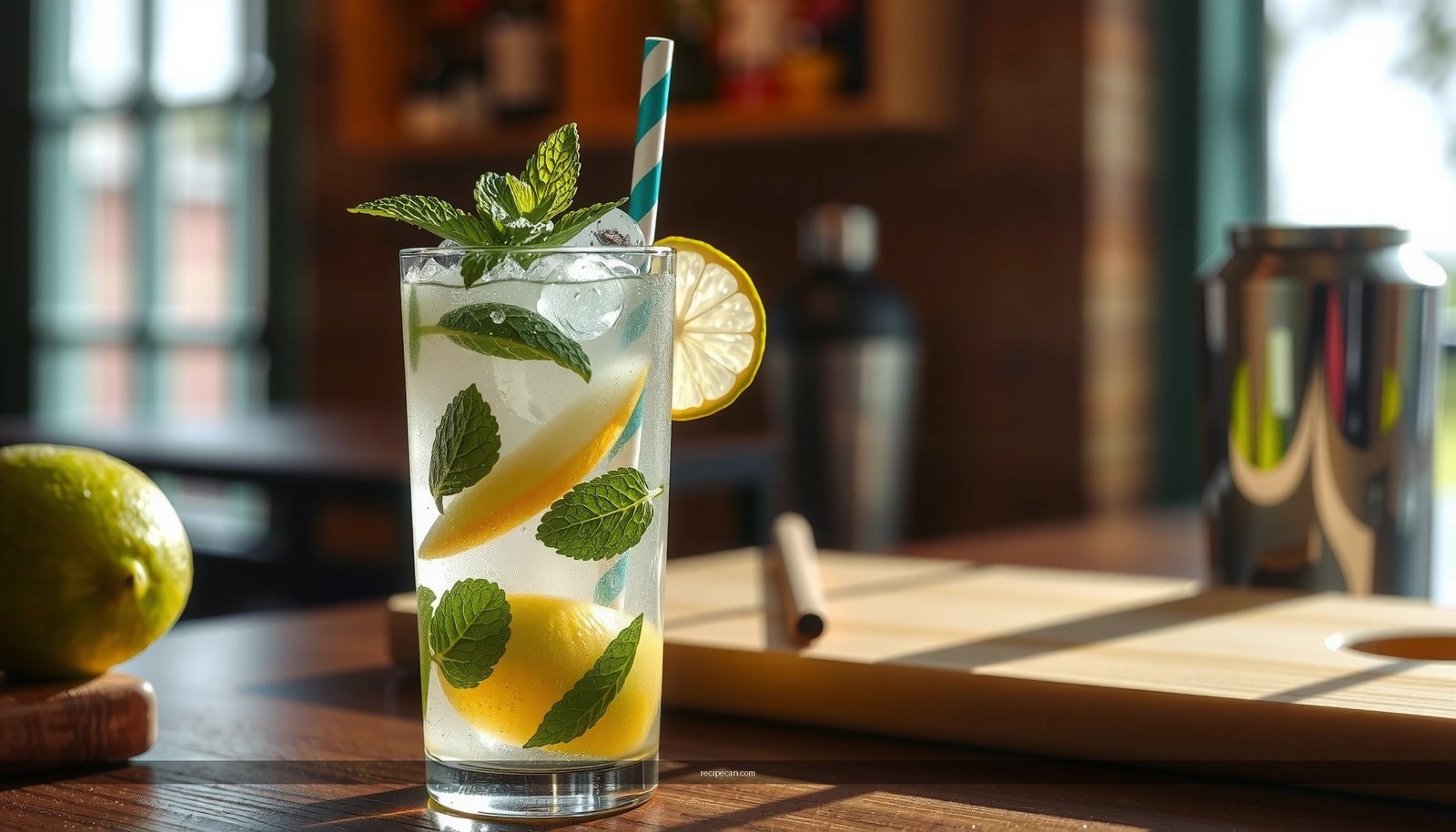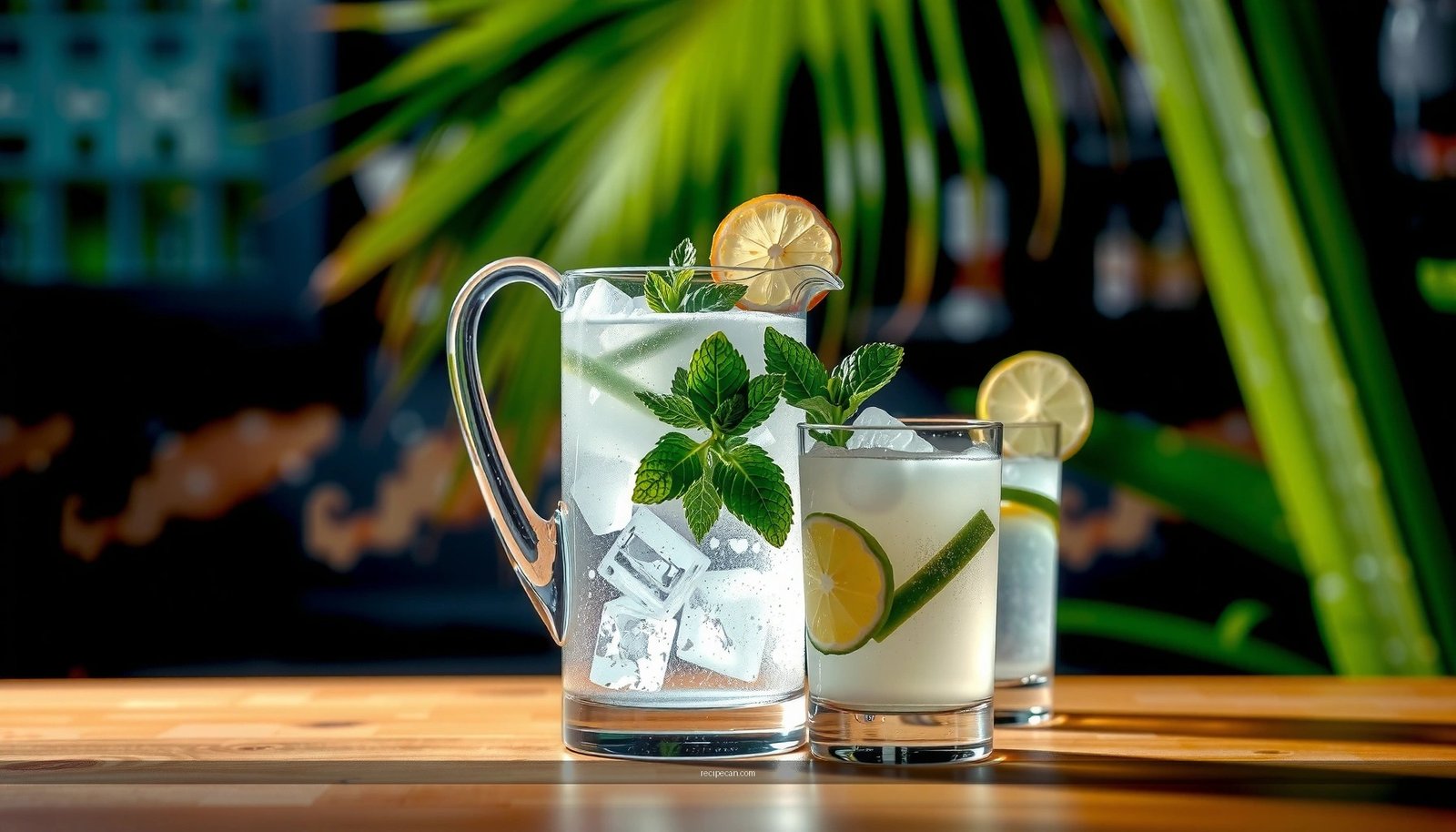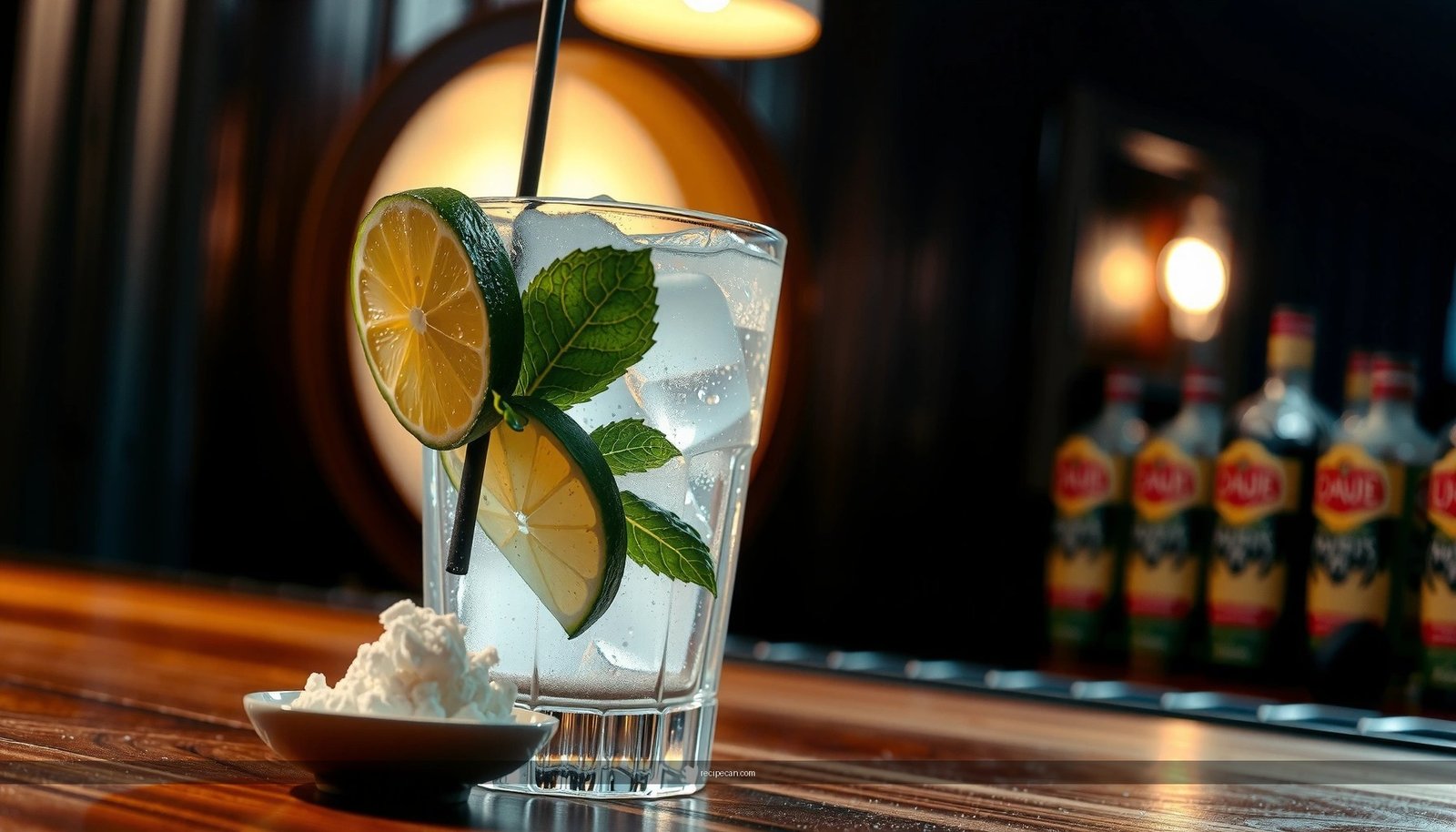
Get the best Cuban mojito recipe with rum, sugar, lime, mint, and soda—built for that crisp, refreshing balance you’re craving. This step-by-step method shows exactly how to muddle the mint with sugar and lime, then top with the right rum and soda for maximum brightness. If you want a mojito that tastes like Havana rather than a watered-down bar drink, follow this.
A classic Cuban mojito is made by gently muddling fresh mint with sugar and lime, then topping with white rum and soda for a bright, refreshing finish. If you nail the muddling (not bitter), measure the sugar-lime balance (not harsh or overly sweet), and finish with very cold soda (not flat), you’ll get a Havana-style mojito that tastes crisp, aromatic, and properly effervescent.
Ingredients for a Cuban Mojito (Rum, Sugar, Lime, Mint, Soda)
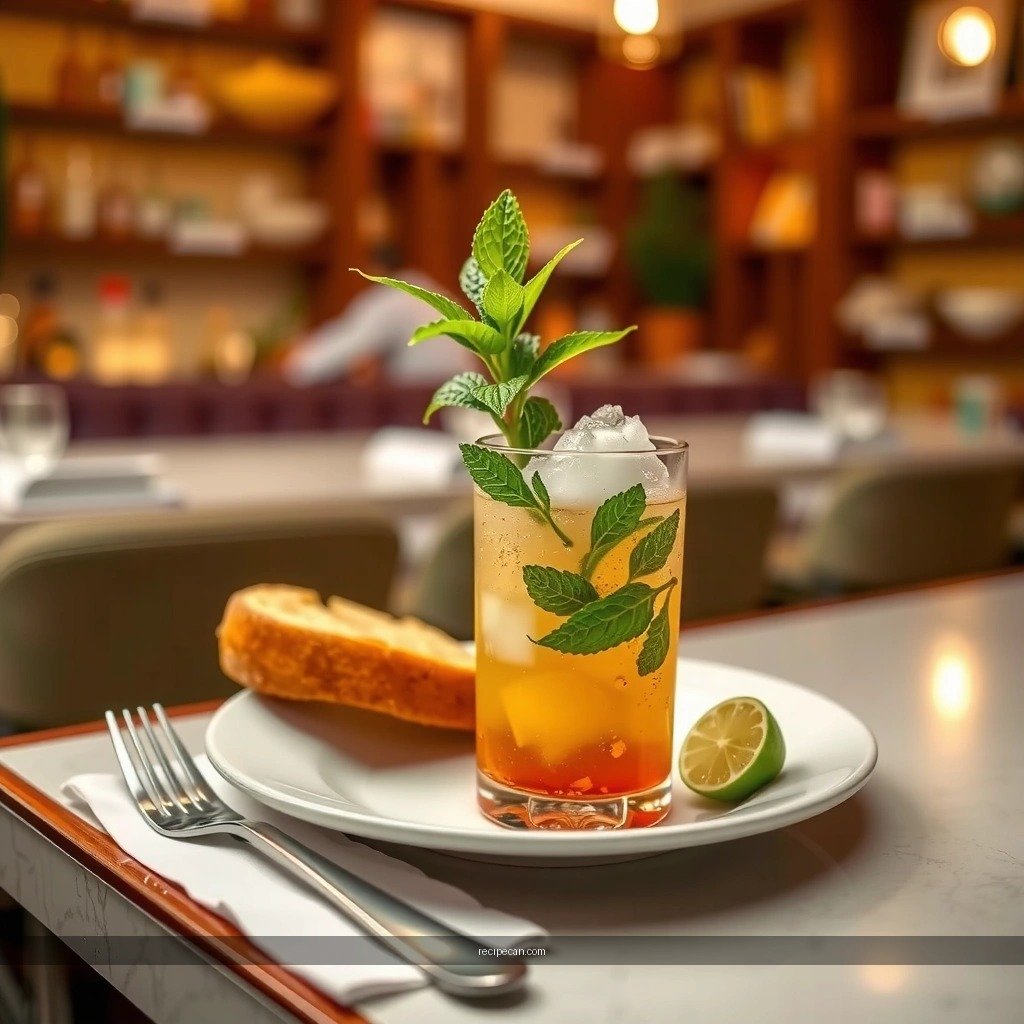
– Gather white rum, fresh mint leaves, sugar, lime juice, and soda water
– Use fresh lime for the best flavor and aroma
A truly traditional Cuban mojito starts with fresh ingredients that behave predictably in a mixed drink: aromatic mint, acidic lime juice, and carbonation from soda water. While bottled lime juice works in a pinch, fresh limes contribute more than acidity—they bring volatile oils and compounds that make the citrus smell “alive,” which is a major part of perceived flavor quality.
Core components and why they matter
– White rum: Look for a light, unaged rum profile so mint and lime stay in the foreground. The rum’s job is structure and warmth, not heaviness.
– Fresh mint: Mint provides both flavor and aroma. However, bruised leaves can introduce bitterness, so quality and handling are critical.
– Sugar: Sugar rounds the sharpness of lime and balances the rum. In a Cuban-style approach, sugar is used to create a smooth, drinkable sweetness rather than a gritty “syrup” texture.
– Lime juice: Lime is the backbone of the mojito’s brightness. Use it fresh and strain if you prefer a perfectly smooth finish.
– Soda water: The soda supplies the “lift” and the signature bubbles. Temperature is a hidden variable—cold soda retains fizz longer, improving aroma release and mouthfeel.
To operationalize ingredient choices, here’s a quick decision table you can use when sourcing supplies for mojitos at home.
Home Mojito Ingredient Targets (Cuban-Style Balance)
| # | Mojito Variable | Typical Home Target | Why It Matters | Impact Rating |
|---|---|---|---|---|
| 1 | Fresh lime juice | 25–30 ml | Provides bright acidity and aroma | High |
| 2 | White rum dose | 45–60 ml | Sets body without overpowering mint | High |
| 3 | Granulated sugar amount | 5–8 g | Balances acidity for a smooth finish | ★ 4.7/5 |
| 4 | Mint leaves (packed) | 8–12 leaves | Aroma intensity without excessive bitterness | ★ 4.5/5 |
| 5 | Soda water volume | 90–120 ml | Controls dilution and bubble presence | ★ 4.6/5 |
| 6 | Glass fill strategy | Leave 1–2 cm headspace | Improves foam and carbonation retention | Medium |
| 7 | Ideal chilling | Soda & glass pre-chilled | Keeps bubbles lively for longer | High |
How to Muddle Mint, Sugar, and Lime Properly
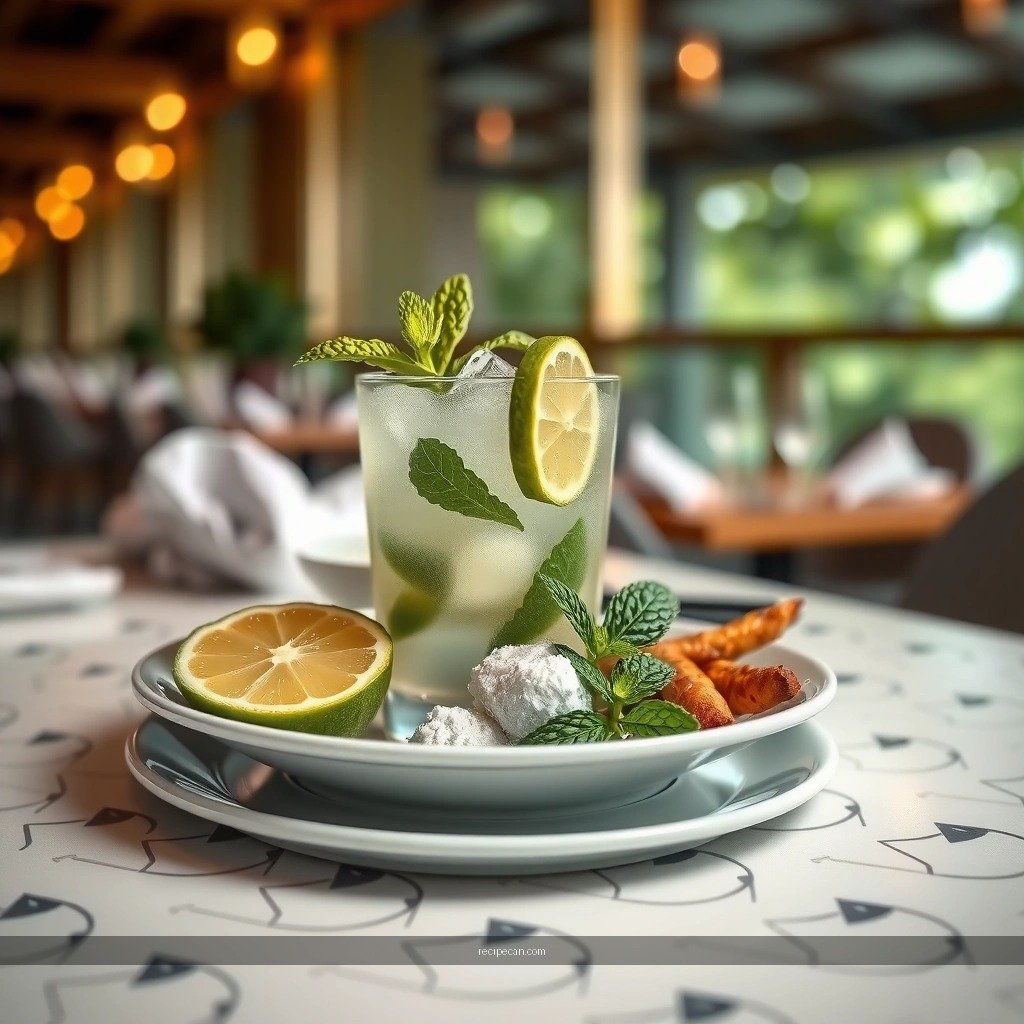
– Muddle mint gently to release oils without tearing bitter leaves
– Dissolve sugar with lime juice before adding rum
Muddling is where a Cuban mojito quietly turns “good” into “authentic.” The goal is to release mint oils into the lime-sugar mixture while avoiding damage that creates bitterness. Mint leaves contain compounds that can taste harsh if they’re over-crushed.
Professional muddling technique
1. Use a sturdy muddler and light pressure. Press just enough to bruise the leaves. If you see full tearing or leaf shreds at the bottom, you’re applying too much force.
2. Add sugar early, but dissolve it first. Sugar granules need contact with lime juice to dissolve. If you dump everything in and start muddling aggressively, you risk both uneven dissolution and over-extraction.
3. Muddle in short intervals. Aim for multiple gentle presses rather than one prolonged crush.
A practical method
– Add mint leaves and sugar to the mixing glass.
– Add a portion of lime juice to help dissolve sugar.
– Muddle gently for about 10–20 seconds total, then stop and smell: you should get a fresh mint aroma, not a “green/bitter” edge.
– Only after that should you add white rum and stir lightly.
From a sensory standpoint, think of muddling as creating a mint-lime concentrate at the bottom of the glass. If it’s too concentrated (from over-muddling), the drink’s finish tastes bitter. If it’s under-extracted, the mojito can feel flat and thin.
Build the Mojito: Layering Rum and Soda
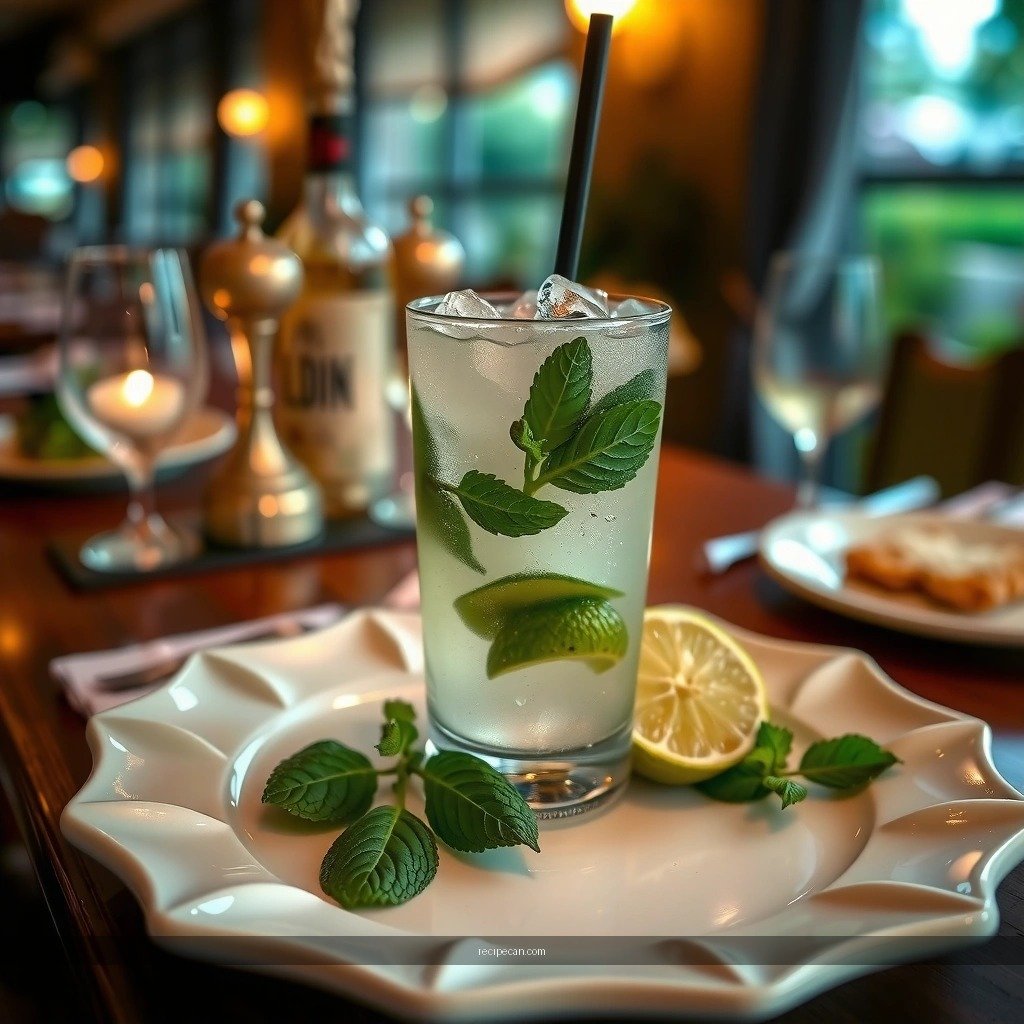
– Add rum after muddling, then stir lightly to combine
– Top with cold soda water and fill the glass properly
Construction determines texture. A common home mistake is pouring soda immediately—before the rum-lime-sugar base is properly mixed. That can lead to inconsistent sweetness, weak mint expression, and a fizzy top layer that collapses into a flat drink too quickly.
Step-by-step build
1. Muddled base in the glass (or cocktail shaker). Once your mint-sugar-lime mixture is ready, add white rum.
2. Stir lightly. You want to combine without introducing excess foam. Stir just until the base looks uniform.
3. Add ice before topping, if needed. Use plenty of ice. Large cubes melt slower, which helps maintain balance.
4. Top with very cold soda water last. Pour gently over the back of a spoon if you want a cleaner head of bubbles, and fill with soda until the glass is properly topped.
Why “last” matters
Carbonation is temperature-sensitive and also affected by agitation. Soda placed later retains more bubbles, resulting in a stronger aromatic lift and a more balanced mouthfeel. If you add soda too early, the drink warms and loses carbonation faster than you can enjoy it.
The Perfect Sweetness and Lime Balance
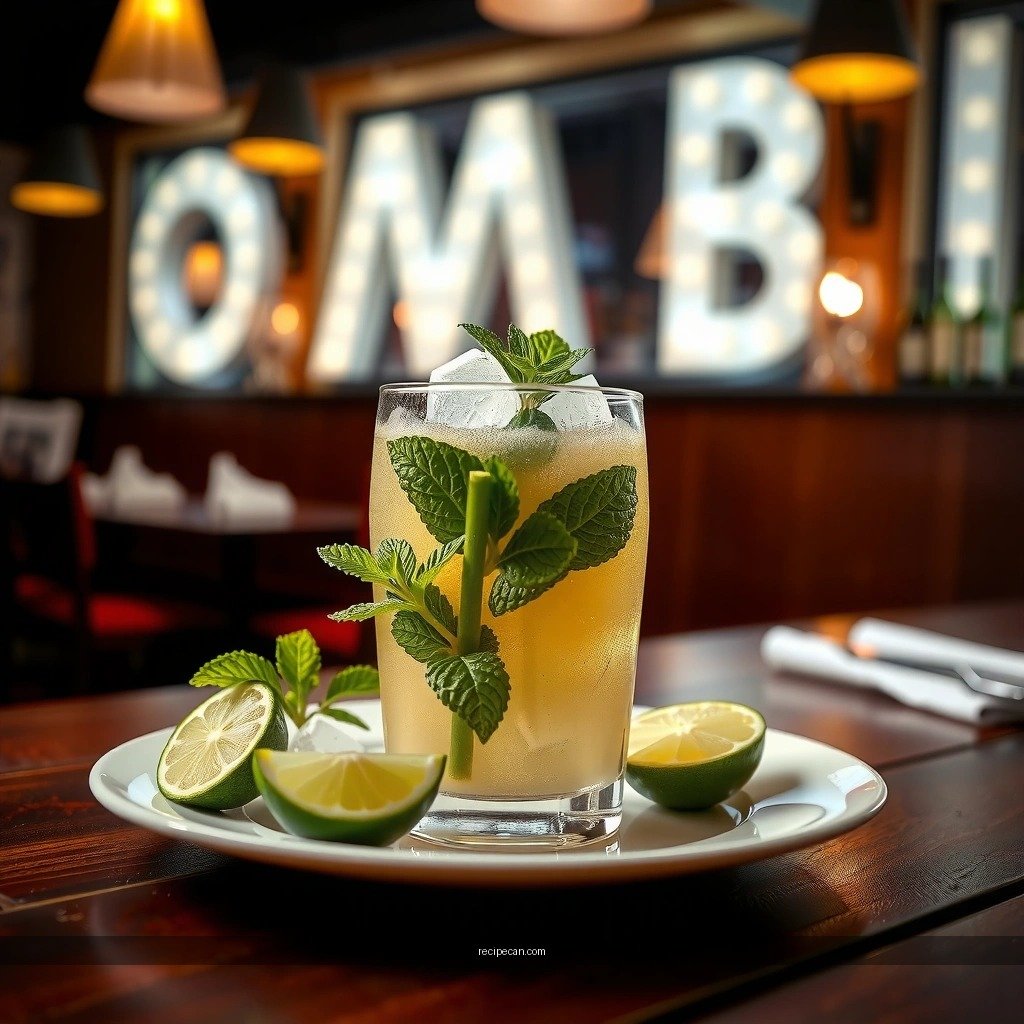
– Adjust sugar to taste (start with less, then refine)
– Add lime in small amounts to keep the drink crisp, not sour
A Cuban mojito should taste refreshing first, and complex second. The sweetness is there to round the edges of lime acidity and support mint, not to create a dessert profile.
Start with a conservative sugar level
Even though Cuban mojitos are known for balanced flavor, sugar can vary significantly by brand of rum, tartness of limes, and personal preference. A smart workflow is to begin with less sugar than you think you need, then adjust after tasting.
Fine-tuning like a pro
– If it tastes too sharp, add sugar in small increments (e.g., a pinch at a time), stir, and taste again.
– If it tastes too sweet or dull, add lime juice in small amounts and rest briefly to let the flavors integrate.
– If it tastes flat, the issue is often cold soda, ice volume, or insufficient mint aroma—not the sugar.
A note on lime variability
Limes differ seasonally and by region. Some are bright and punchy; others are softer and less acidic. That’s why “measure once, adjust twice” is the practical discipline for consistent mojitos at home.
Serving Tips: Ice, Glassware, and Garnish
– Use plenty of ice to keep it cold and refreshing
– Garnish with extra mint and a lime wheel for a classic look
A mojito is a visual and sensory experience. The right glassware improves presentation and aroma delivery; the right ice keeps flavor in balance.
Ice strategy
– Use large cubes or cracked ice depending on your preference. Large cubes melt slower and preserve carbonation longer.
– Keep the drink cold from the first sip. If your ice melts fast, the mojito becomes diluted quickly and can taste “muted.”
Glassware
– A highball or collins glass works well for layering soda and maintaining headspace.
– Leaving a small gap at the top (instead of overfilling) helps the carbonation sit naturally and reduces overflow foam.
Garnish that signals authenticity
– Add a small sprig of mint on top.
– Use a lime wheel or wedge rim accent. This isn’t just decoration—garnish reinforces aroma at the moment you lift the glass.
When serving to guests, consider preparing a mojito “line”: pre-chill glasses, pre-measure rum and lime, and keep soda cold. That operational consistency produces a noticeably better group experience.
Common Mojito Mistakes to Avoid
– Don’t over-muddle the mint (it can turn bitter)
– Avoid warm soda—bubbles matter for that authentic Cuban feel
Mistakes in mojitos are rarely about one ingredient—they’re usually about technique and temperature.
1) Over-muddling the mint
If you crush the mint too aggressively, you extract bitter compounds and herbal “tannins” that overpower lime and rum. Fix: lighten pressure, muddle for shorter total time, and add sugar-lime juice as a dissolving aid rather than relying on brute force.
2) Warm soda or soda added too early
Warm soda loses carbonation quickly, and early addition leads to fizz collapse before the first sip. Fix: chill soda, add it last, and keep agitation minimal after topping.
3) Under-dissolved sugar
If sugar isn’t dissolved into lime juice, it can linger as grains and mute flavor integration. Fix: muddle mint with sugar in the presence of lime juice until the mixture looks and tastes smoother.
4) Not enough ice
Low ice volume lets the drink warm and dilute unevenly. Fix: add plenty of ice and consider larger cubes.
A well-made Cuban mojito delivers minty freshness, lime brightness, and rum with just enough sugar, finished with fizzy soda. Make this recipe exactly once, taste and adjust your sweetness/lime, and serve it ice-cold with fresh mint—then share your perfect glass with friends.
Even though mojitos look simple, they’re an exercise in controlled extraction and temperature management. If you follow the method—gentle muddling, balanced sugar and lime, rum added before soda, and a cold soda finish—you’ll reliably produce a bright, Cuban-style drink that stays crisp through the last sip.
Frequently Asked Questions
What’s the best Cuban mojito recipe using rum, sugar, lime, mint, and soda?
Start by gently muddling fresh mint leaves with sugar and lime juice to release the mint oils without turning it bitter. Add white rum, then fill the glass with ice and top with soda water to create the classic mojito “lift.” Stir lightly, taste, and adjust with a little more lime or sugar if needed before serving over fresh ice. Using white rum and plenty of mint is the key to that clean, refreshing Cuban mojito profile.
How do you make a mojito with rum and sugar without it turning too sweet?
Use simple sugar in small amounts—start with about 1–2 teaspoons of sugar per drink—and taste after muddling the lime. If you want the Cuban mojito to stay balanced, add extra lime juice (acid) rather than more sugar, since lime helps cut sweetness. Top with soda water generously so the drink stays crisp and not syrupy. If your mint is very strong, muddle less to avoid extracting extra bitterness that can make sugar feel more prominent.
Why do you muddle mint in a Cuban mojito, and what’s the right technique?
Muddling helps release the essential oils in mint leaves so the mojito has a fragrant aroma and a fresh flavor, not just mint “chunks.” Use gentle pressure—lightly press and twist—just until the mint is fragrant, and avoid pulverizing the leaves. Over-muddling can create a harsh, bitter taste that makes the rum-and-sugar balance unpleasant. A quick muddle plus proper soda water helps keep the Cuban mojito refreshing.
Which type of rum is best for a Cuban mojito—white or aged?
A Cuban mojito is most commonly made with white or light rum because its clean flavor lets lime and mint shine. Aged rum can work if you like a deeper profile, but it may overpower the fresh citrus and herbal notes. If you’re aiming for the classic “Cuban” taste, choose a light, crisp rum and keep the drink focused on sugar, lime juice, mint, and soda water. That pairing produces a bright, traditional mojito rather than a heavily caramel-forward cocktail.
How much soda water should you add to a mojito to get the perfect balance?
Fill the glass with ice and top with enough soda water to “open up” the flavor—usually about 1/2 to 2/3 of the drink’s total volume. Too little soda makes the mojito taste heavy and sweet; too much can dilute the lime and rum. After topping with soda, give a gentle stir and taste, then fine-tune with a small squeeze of lime or a pinch of sugar if needed. The right soda-to-rum ratio is what keeps the Cuban mojito light, bubbly, and refreshing.
References
- Mojito
https://en.wikipedia.org/wiki/Mojito - https://www.iba-world.com/recipe/mojito/
https://www.iba-world.com/recipe/mojito/ - https://www.britannica.com/topic/mojito
https://www.britannica.com/topic/mojito - Alcohol
https://www.who.int/news-room/fact-sheets/detail/alcohol - https://en.wikipedia.org/wiki/Rum
https://en.wikipedia.org/wiki/Rum - https://en.wikipedia.org/wiki/Lime_(fruit
https://en.wikipedia.org/wiki/Lime_(fruit - https://en.wikipedia.org/wiki/Mint_(plant
https://en.wikipedia.org/wiki/Mint_(plant - Google Scholar Google Scholar
https://scholar.google.com/scholar?q=Cuban+mojito+recipe+rum+lime+mint+sugar - Google Scholar Google Scholar
https://scholar.google.com/scholar?q=mojito+cocktail+lime+mint+rum+carbonated+soda - Google Scholar Google Scholar
https://scholar.google.com/scholar?q=rum+lime+mint+cocktail+ingredients+sucrose