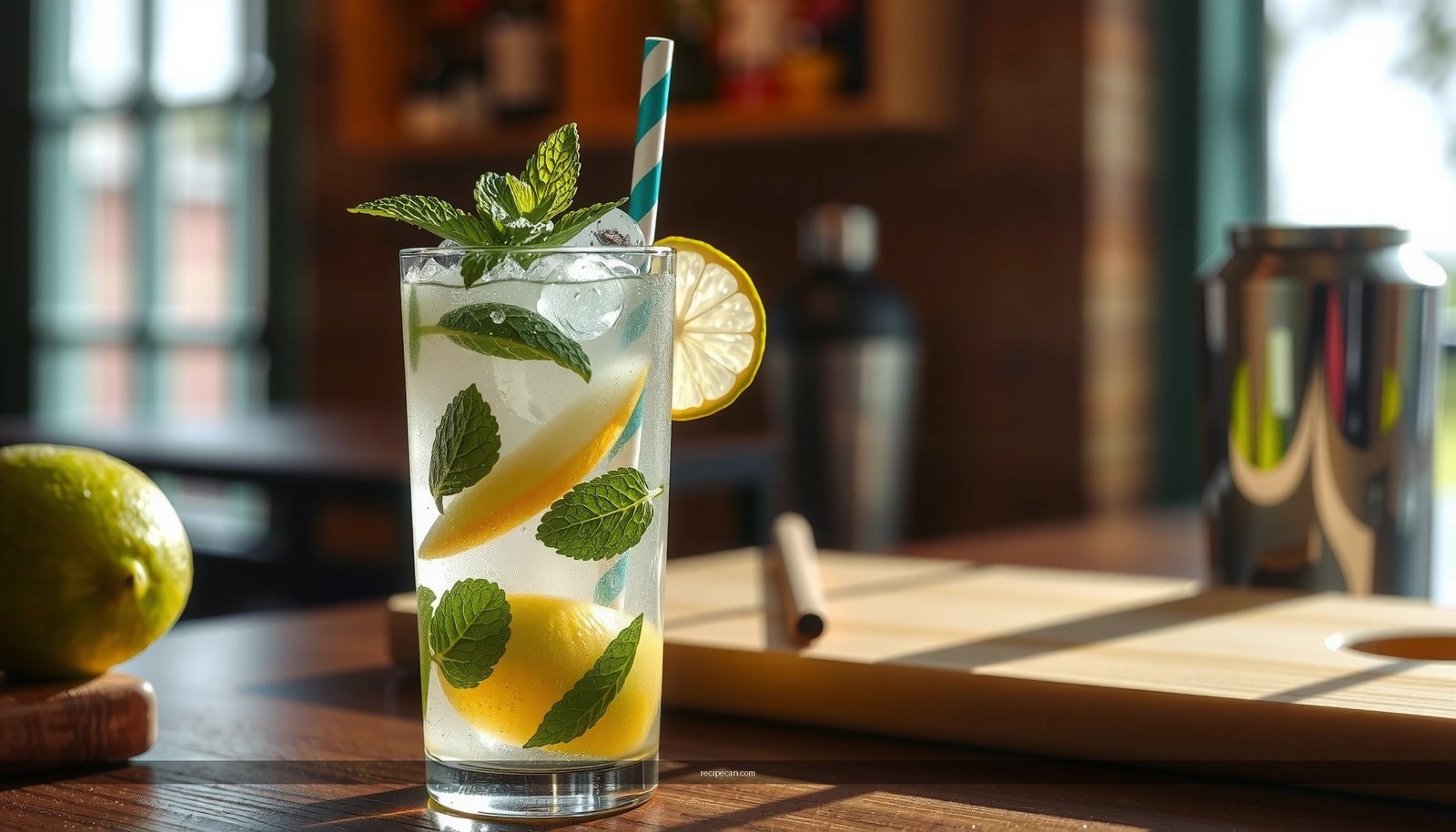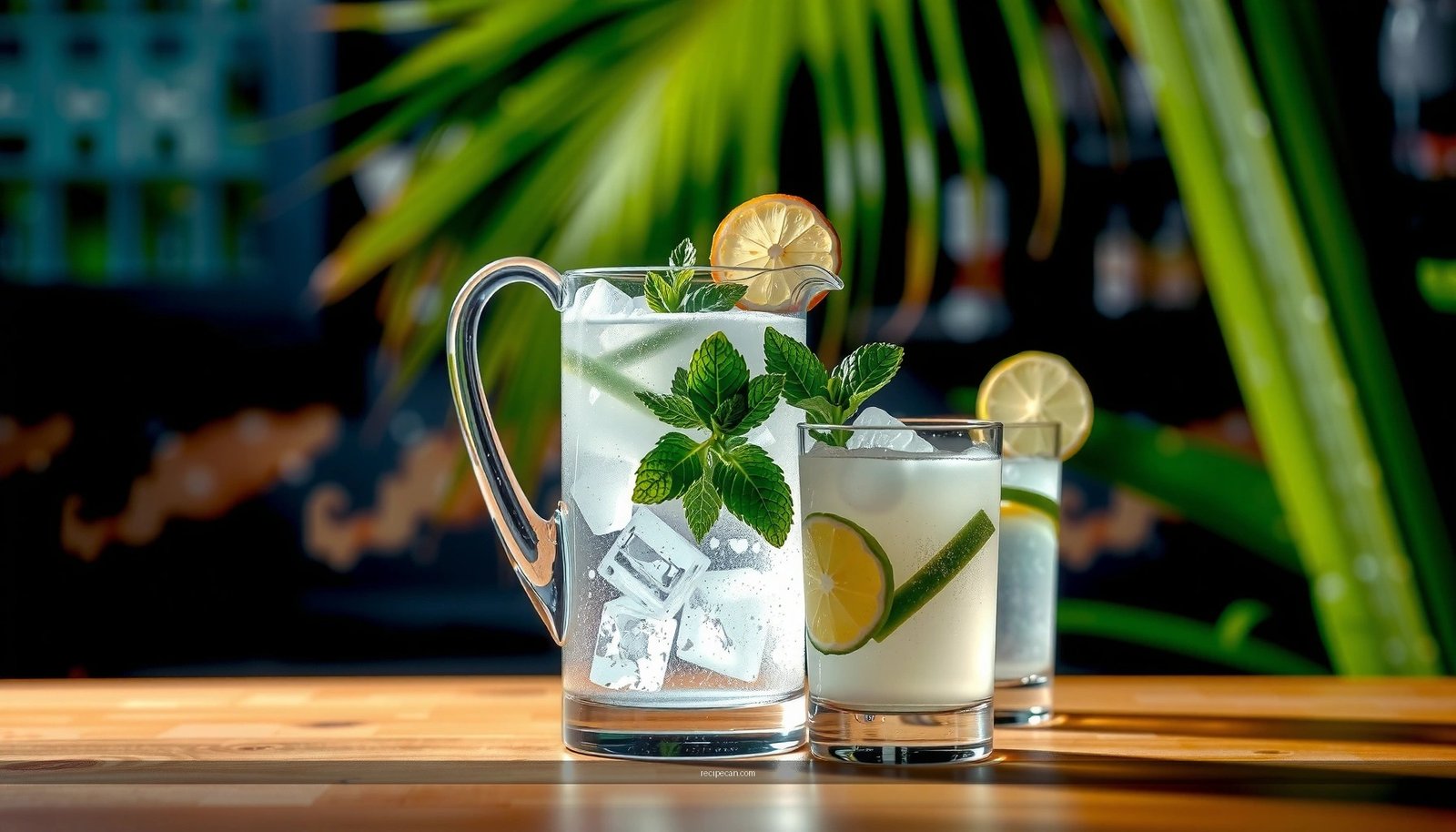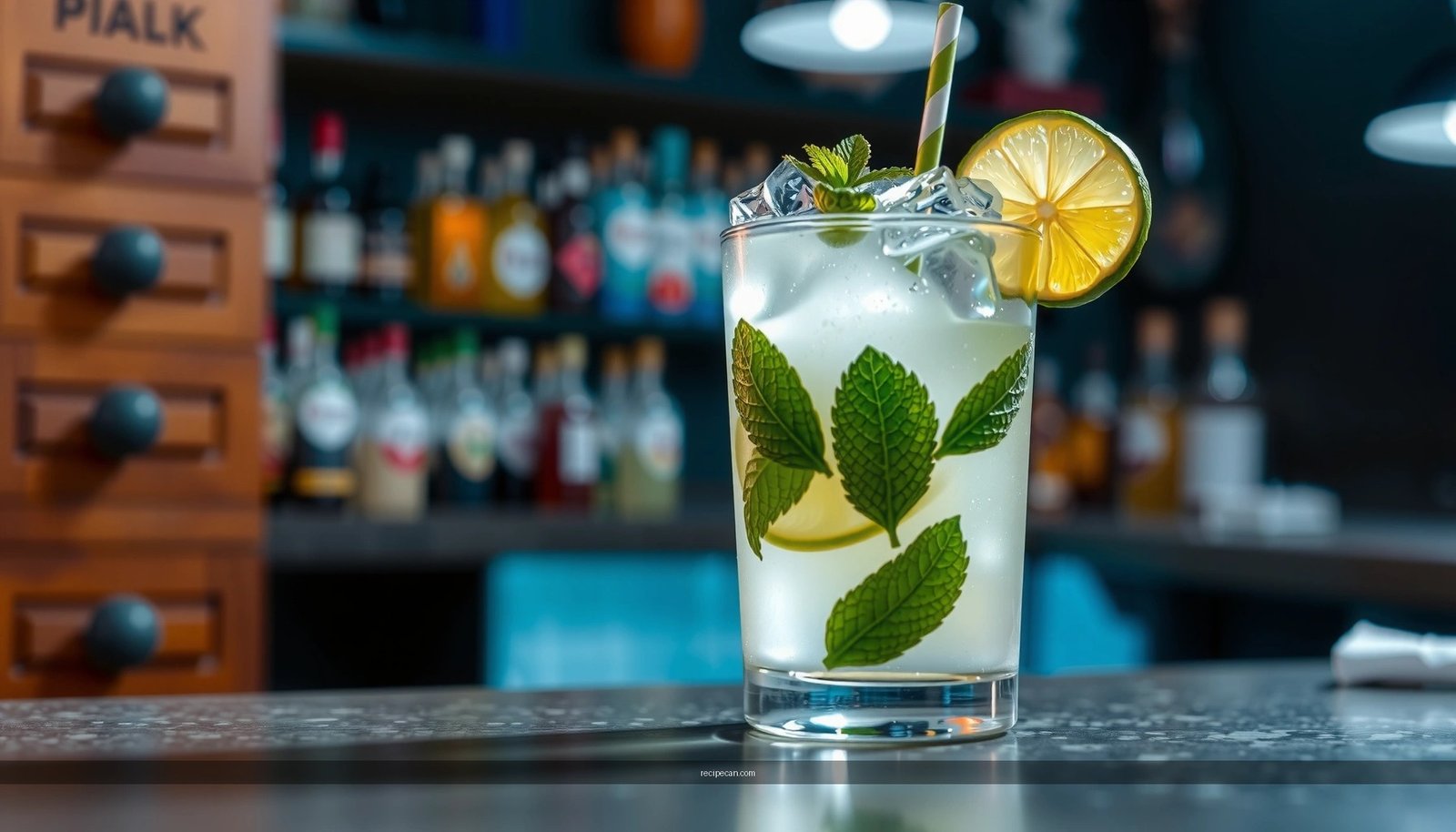
Want the best recipe for mojitos that delivers a bright, fresh classic every time? This recipe wins for peak mint-and-lime flavor with rum balanced to the right sweetness, plus the exact steps to muddle correctly and keep the drink crisp. If you want an easy homemade mojito that tastes like your favorite bar, follow this method and you’ll get it.
A great mojito is simple to execute when you focus on three levers—gentle muddling of fresh mint, correctly measured lime juice, and topping with very cold soda at the end for maximum crispness. Follow the best recipe for mojitos below with exact ingredients and technique so the drink lands in the right balance of sweet, tart, and herbal, every time.
Gather the Best Mojito Ingredients
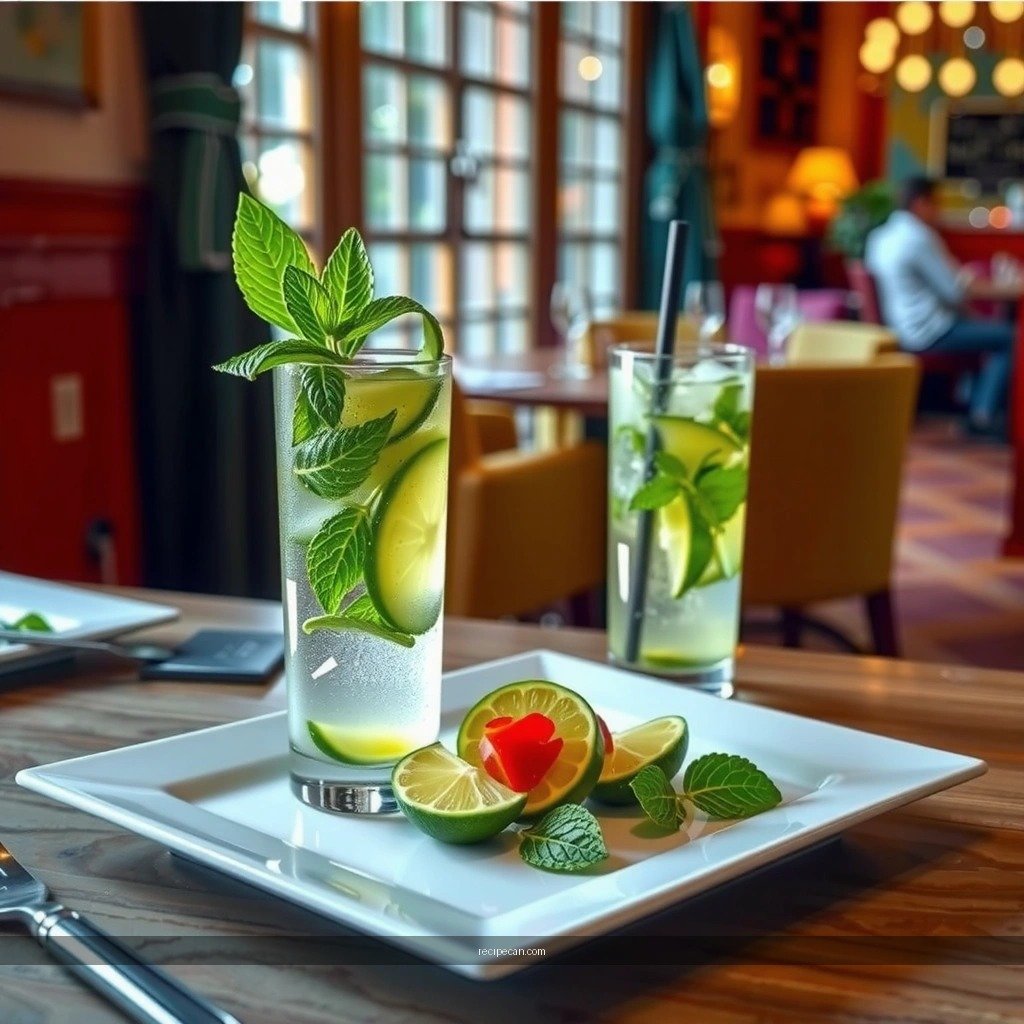
– Fresh mint leaves, lime wedges, and quality white rum are essential
– Use simple syrup (or sugar) and cold soda water for the classic profile
The ingredients you choose determine whether your mojito tastes “bright and clean” or “minty but flat.” For a fresh, easy classic, prioritize components that deliver flavor fast and stay stable in a cold, carbonated drink.
Core ingredient targets (what matters most):
– Fresh mint leaves: Use the leaves (not stems) for the strongest aromatic oils with less bitterness. Spearmint is common and tends to read as “sweet-cool,” while peppermint can feel sharper.
– Lime juice + lime wedges: Bottled lime juice can work in a pinch, but fresh limes typically deliver a more complex tartness that makes the rum and mint pop.
– White rum: A clear, unaged rum keeps the flavor clean so the lime and mint remain the headline. Overly “oaky” or aged rum can muddy the crisp profile.
– Simple syrup (recommended): It dissolves instantly and avoids gritty sweetness. If you must use sugar, make sure it fully dissolves before adding soda water.
– Cold soda water: The crispness is mostly temperature and timing. Carbonation added last keeps the drink lively rather than immediately losing fizz.
Below is a practical “shopping and prep” snapshot you can use to standardize your mise en place.
Mojito Ingredient Benchmarks (1 Drink)
| # | Ingredient | Target Amount | Why It Matters | Quality Signal |
|---|---|---|---|---|
| 1 | Fresh mint (leaves only) | 8–12 leaves | Provides herbal aroma oils | Fragrant when pinched |
| 2 | Lime juice (fresh) | 25–35 mL | Delivers tart balance | Bright, sharp aroma |
| 3 | Simple syrup | 15–20 mL | Smooths tartness | Clean sweetness (not sticky) |
| 4 | White rum | 45–60 mL | Classic spirit base | Neutral, not oaky |
| 5 | Soda water | 90–120 mL | Adds lift and refreshment | Very cold, fizzy |
| 6 | Ice | Fill to top (about 2/3 cup) | Chills quickly, dilutes evenly | Large cubes reduce dilution swings |
| 7 | Optional garnish | Extra mint + lime wheel | Signals freshness on the nose | No bruised-looking leaves |
Proper Muddling: Unlock the Mint Flavor
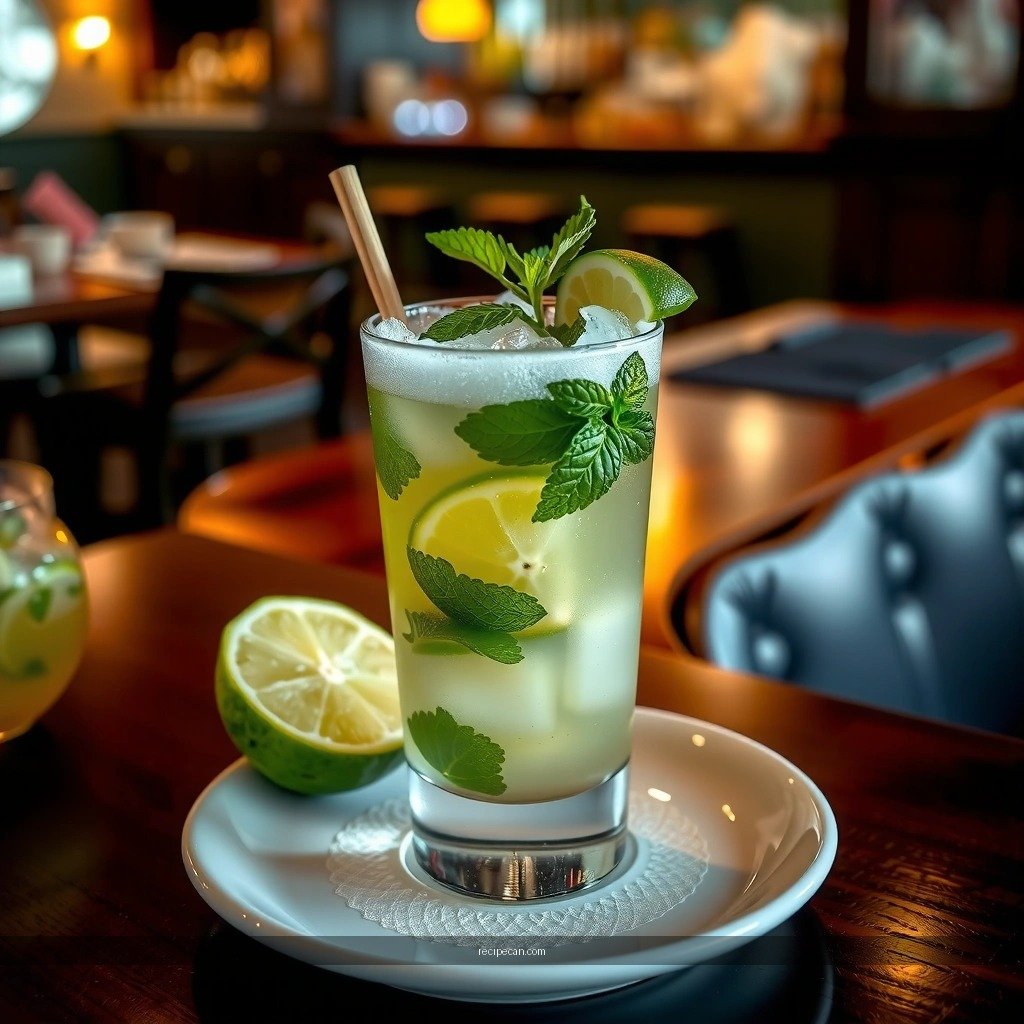
– Gently muddle mint with lime to release aroma without turning it bitter
– Press just enough to bruise the leaves, not crush them into pulp
Muddling is where most “not-quite-right” mojitos are made. Mint leaves contain aromatic oils that you want to release into the lime juice, but their stems and cell structure can contribute bitterness if you overdo it. Think of muddling as aroma extraction, not crushing.
A professional way to muddle:
1. Add mint leaves and lime wedges first (or lime juice plus wedges, depending on your glassware).
2. Use light, controlled presses—about 6–10 seconds of total work.
3. You’re aiming for gentle bruising: leaves should look slightly softened and fragrant, but not shredded.
What “too much muddling” tastes like:
– Astringent, green-bitter notes
– A thicker, harsher mint presence that dominates the lime
– A cloudy texture from excess pulp that can mute the crisp carbonation experience
Quick troubleshooting:
– If your mojito tastes bitter: reduce the number of presses next time and consider fewer mint leaves (for many palates, 8 leaves is enough).
– If the mint flavor feels weak: muddle slightly longer or use leaves that are fresher and more fragrant.
Build the Mojito in the Right Order
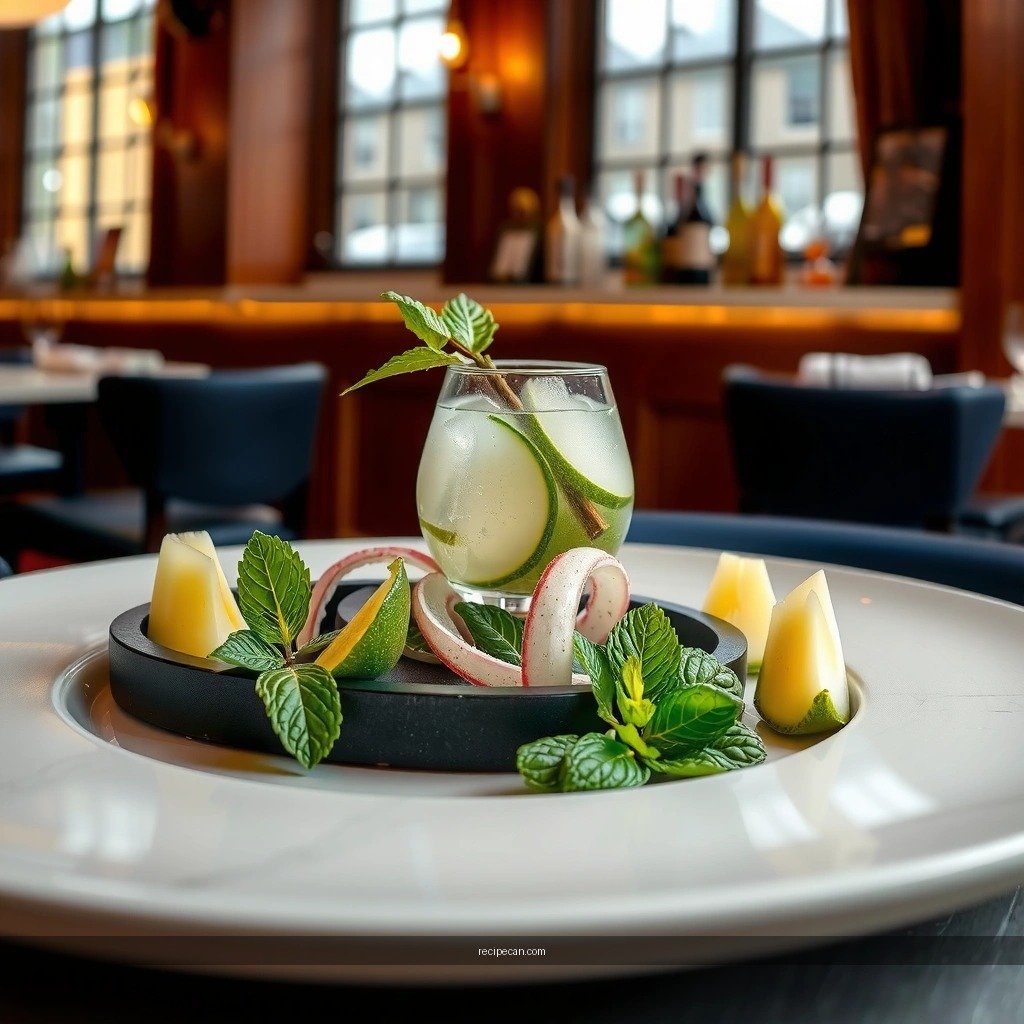
– Add lime juice, syrup (to taste), and rum to a glass with ice
– Stir briefly so the flavors blend before topping with soda
Order matters because your ingredients interact differently before carbonation arrives. If you add soda too early, you lose fizz immediately and end up tasting a “flat lime-rum” before the drink has a chance to develop.
Standard build sequence (best recipe for mojitos):
1. Muddle mint and lime (as above) in the bottom of your glass.
2. Add ice to chill and dilute in a controlled way.
3. Pour in rum (white rum for the classic profile).
4. Add simple syrup to taste (start at the low end, then adjust).
5. Stir briefly—just 10–15 seconds—to integrate lime, rum, and syrup.
Why brief stirring is best:
– It blends flavors without further damaging mint leaves.
– It avoids over-warming the drink.
– It ensures the sweetness is evenly distributed before soda water hits.
Adjustments that work reliably:
– Too tart? Add an extra 5 mL of syrup and taste again.
– Too sweet? Add a small additional squeeze of lime (or 2–3 mL lime juice) and re-balance.
Finish with Soda Water for Maximum Refresh
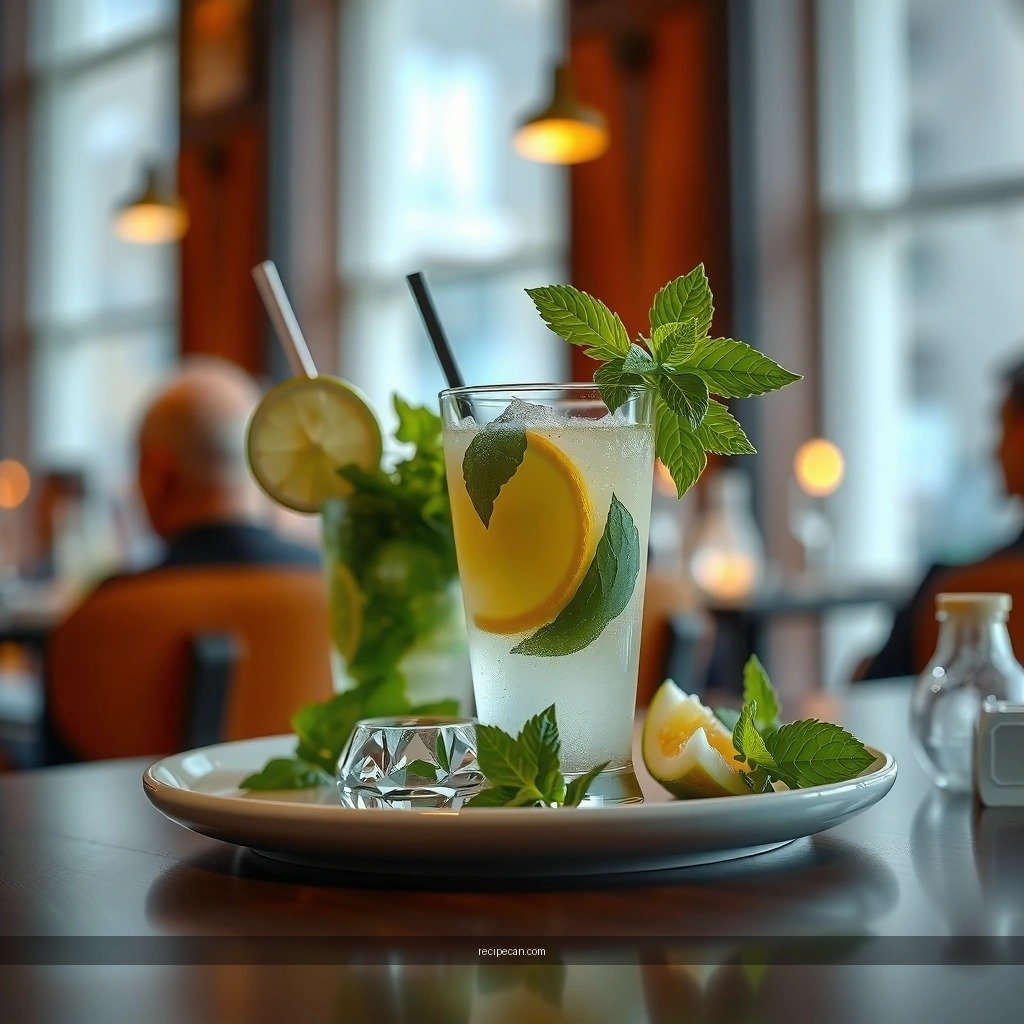
– Add soda water last to keep it lively and not flat
– Stir lightly, then top with extra mint or a lime wheel if desired
Soda water is the “lift.” It delivers that signature mojito snap—bright aromatics rising with carbonation and a clean finish that makes the drink feel light rather than syrupy.
Finish technique:
1. After stirring the rum-lime-syrup base, pour cold soda water last.
2. Stir gently once or twice, just enough to distribute fizz without aggressively mixing in mint solids.
3. Garnish with a fresh mint sprig or a lime wheel.
Temperature and timing guidance:
– Keep soda water as cold as possible (straight from the fridge, not sitting out).
– Serve immediately after building so carbonation stays intact.
Serving suggestion for a “classic bar” result:
– Use a highball glass and pack ice firmly to keep dilution consistent.
– If hosting, pre-portion rum and syrup so you can assemble quickly for each guest.
Balance Tips for a Perfect Mojito
– If it tastes too tart, add a touch more syrup; if too sweet, add more lime
– Taste as you go—personal preference matters for mint and sweetness
A mojito is a balance exercise. Even with the “best recipe,” people vary on sweetness and mint intensity. The goal is not to chase one universal flavor—it’s to reach a stable, repeatable profile you enjoy.
Use a taste-and-adjust rhythm:
– Step 1: Sweetness check (after syrup and rum are mixed, before soda goes in).
– Step 2: Tartness check (once soda is added, the lime reads differently with carbonation).
– Step 3: Mint intensity check (mint perception can rise with fizz; if it feels muted, you may want slightly more leaves next time rather than re-muddling a finished drink).
Practical adjustment ratios (easy to remember):
– Overly tart → add +5 mL syrup per taste test.
– Overly sweet → add +3–5 mL lime juice.
– Mint too strong (or bitter) → reduce mint leaves next time; don’t try to “fix bitterness” with extra sugar.
Two palate profiles (common real-world preferences):
– Classic crisp: moderate sweetness, bright lime, mint present but not dominant.
– Jamaican-style herbal-forward (still classic in method): slightly more mint aroma and a touch less syrup emphasis so the herbal notes stay clean.
Common Mistakes to Avoid
– Don’t over-muddle mint (it can create bitterness)
– Don’t add soda first—cold carbonation should be added at the end
If you want the “best recipe for mojitos” to work reliably, avoid the patterns that derail most attempts.
Mistake 1: Over-muddling mint
– Result: bitter, harsh green notes; cloudy texture
– Fix: muddle fewer times and use leaves only
Mistake 2: Adding soda water too early
– Result: drink goes flat before it’s served; carbonation dissipates quickly
– Fix: add soda last every time
Mistake 3: Using warm or low-ice conditions
– Result: flavors turn dull as the drink warms; syrup and rum taste heavier
– Fix: pack ice properly and keep soda cold
Mistake 4: Skipping syrup dissolution
– Result: sandy sweetness; unpleasant mouthfeel
– Fix: use simple syrup or ensure sugar is fully dissolved before carbonation
Mistake 5: Inconsistent lime extraction
– Result: variable tartness batch to batch
– Fix: measure juice when testing; then you can scale by taste once you learn your preferred balance
A true best recipe for mojitos comes down to fresh ingredients, gentle muddling, correct layering, and tasting for balance. Make this recipe once, adjust the sweetness to your liking, and you’ll be ready to impress at your next get-together—grab your mint and limes and start mixing!
Choosing a consistent lime-and-mint technique plus “soda last” execution is what turns a homemade mojito from drinkable to genuinely impressive. Use the ingredient benchmarks above, follow the build order precisely, and fine-tune sweetness and tartness in small increments—then you’ll have a reliable classic mojito that delivers bright, crisp refreshment every time.
Frequently Asked Questions
What is the best recipe for mojitos that actually tastes fresh?
Start with fresh lime juice, quality white rum, and lots of mint—then gently muddle the mint only to release aroma, not to bruise it. Use simple syrup (or sugar) to balance the acidity, add ice, and top with cold soda water for a bright, refreshing finish. If you want the “best” flavor, use freshly squeezed limes and chill your glass before building the drink.
How do I make mojitos the right way without over-muddling the mint?
Muddle mint leaves lightly with lime juice and sugar until fragrant, but stop before it turns dark or bitter. You can also stir the mixture briefly with a spoon instead of heavy muddling to keep the mint clean and aromatic. This technique helps the mojito taste fresh and avoids an earthy, harsh flavor that many people complain about.
Which rum is best for mojitos: white rum, aged rum, or flavored rum?
For the classic mojito, use white rum because it stays crisp and lets lime and mint take center stage. Aged rum can add a caramel or oak taste that may overpower the fresh mojito flavor, while flavored rums can make the drink taste sweet or artificial. If you’re experimenting, stick to subtle options and adjust the lime and soda water to keep the balance.
Why do my mojitos taste too sour or too sweet, and how can I fix it?
Sourness usually comes from using pre-bottled lime juice or too little sweetener, while excessive sweetness often happens when you add extra sugar without balancing acidity. Taste as you build: add more lime for tartness or a small splash of simple syrup for sweetness, then top with soda water to lighten the drink. Consistent measurements and fresh limes are the biggest fixes for “off” mojito flavor.
What’s the best way to get the perfect mojito texture with the right ice and soda ratio?
Use plenty of crushed or large ice so the mojito stays cold without getting watery too fast, and measure soda water so it doesn’t flatten the drink. A common approach is to build the rum-lime-mint base first, then top with soda water just before serving for maximum fizz. If you prefer a stronger mojito, increase rum slightly rather than cutting soda, which helps maintain that refreshing mojito bite.
References
- Mojito
https://en.wikipedia.org/wiki/Mojito - https://www.britannica.com/topic/mojito
https://www.britannica.com/topic/mojito - https://www.theguardian.com/lifeandstyle/2012/jul/25/mojito-recipe
https://www.theguardian.com/lifeandstyle/2012/jul/25/mojito-recipe - https://cooking.nytimes.com/recipes/1014560-classic-mojito
https://cooking.nytimes.com/recipes/1014560-classic-mojito - https://www.bbc.co.uk/food/recipes/mojito_70091
https://www.bbc.co.uk/food/recipes/mojito_70091 - https://scholar.google.com/scholar?q=best+mojito+recipe+mint+lime+rum Google Scholar
https://scholar.google.com/scholar?q=best+mojito+recipe+mint+lime+rum - Google Scholar Google Scholar
https://scholar.google.com/scholar?q=mojito+cocktail+technique+muddling+mint - Google Scholar Google Scholar
https://scholar.google.com/scholar?q=mojito+recipe+rum+lime+simple+syrup - Unseen Illustrations by J.R.R. Tolkien Are Coming to Oxford
https://www.smithsonianmag.com/arts-culture/how-to-make-a-mojito-180968595/ - https://www.foodnetwork.com/recipes/mojito-recipe-1957120
https://www.foodnetwork.com/recipes/mojito-recipe-1957120