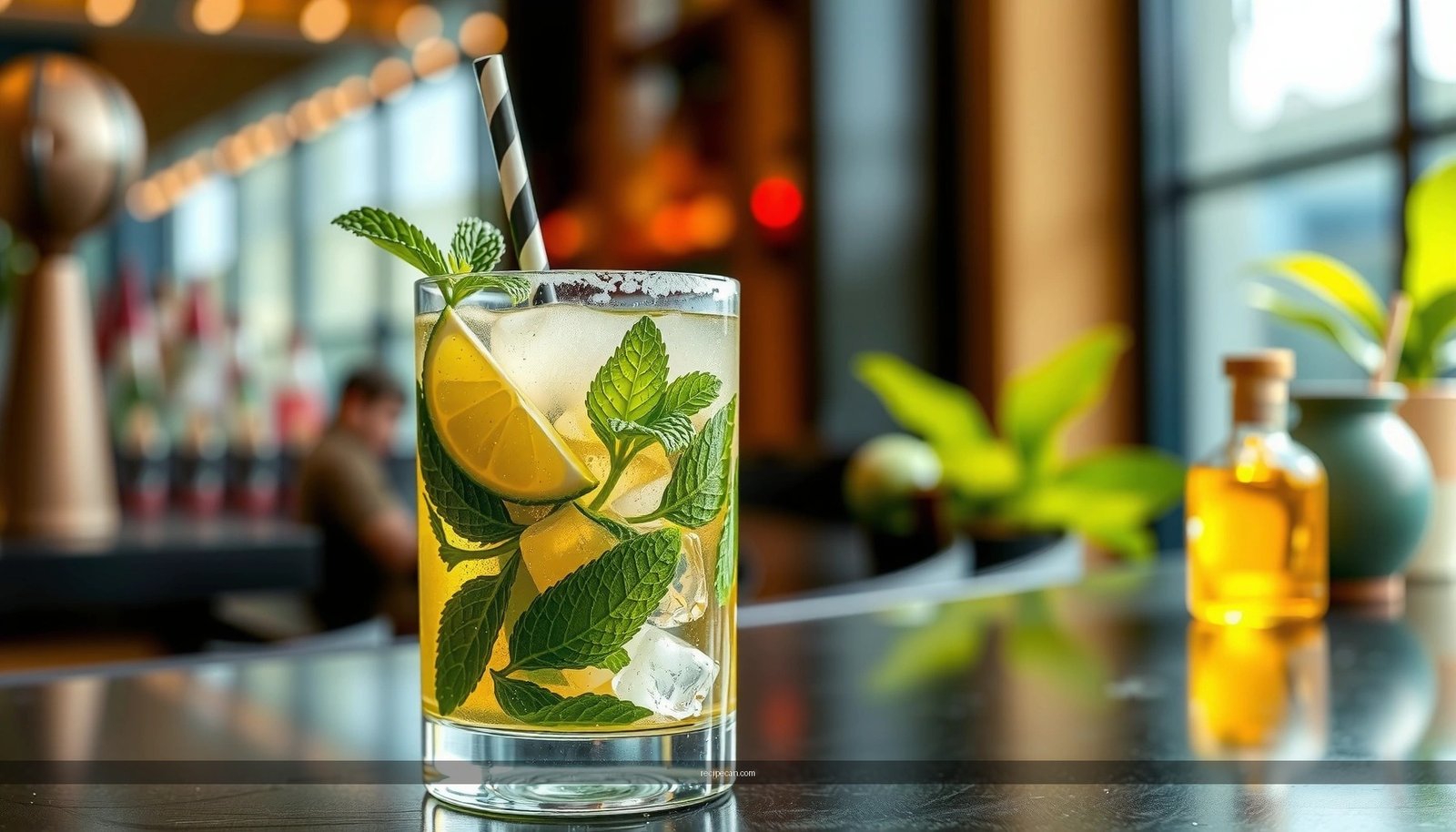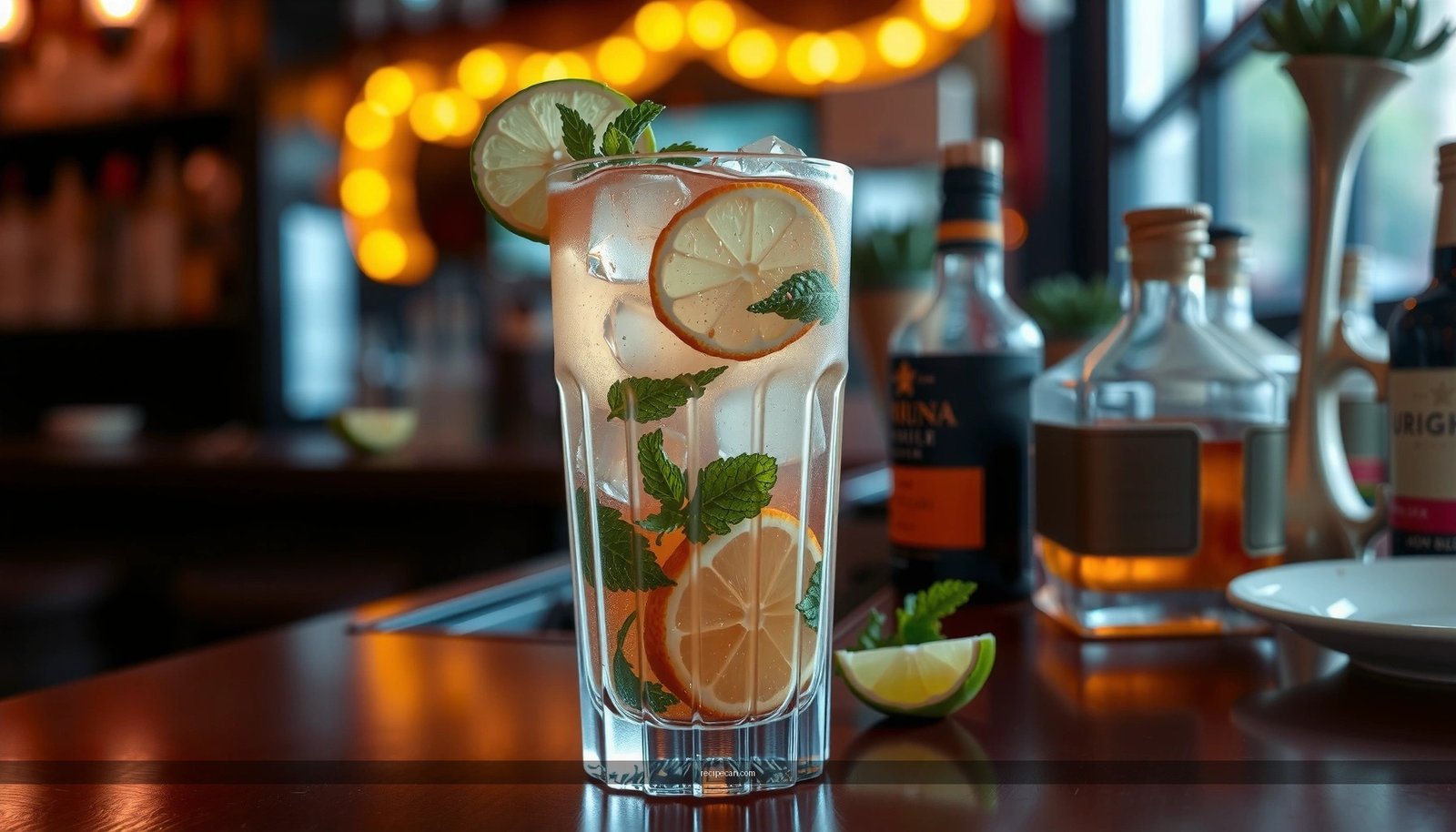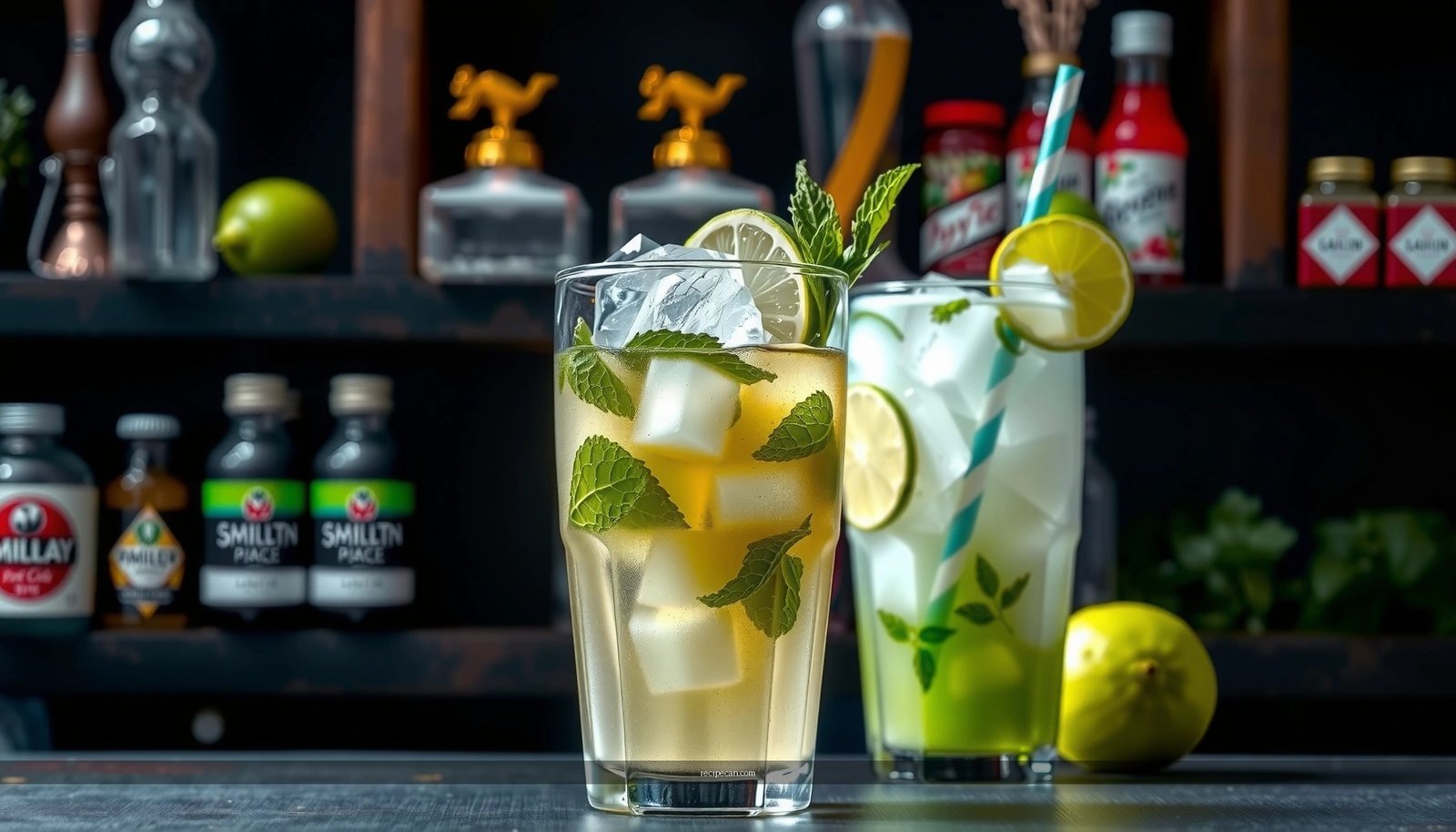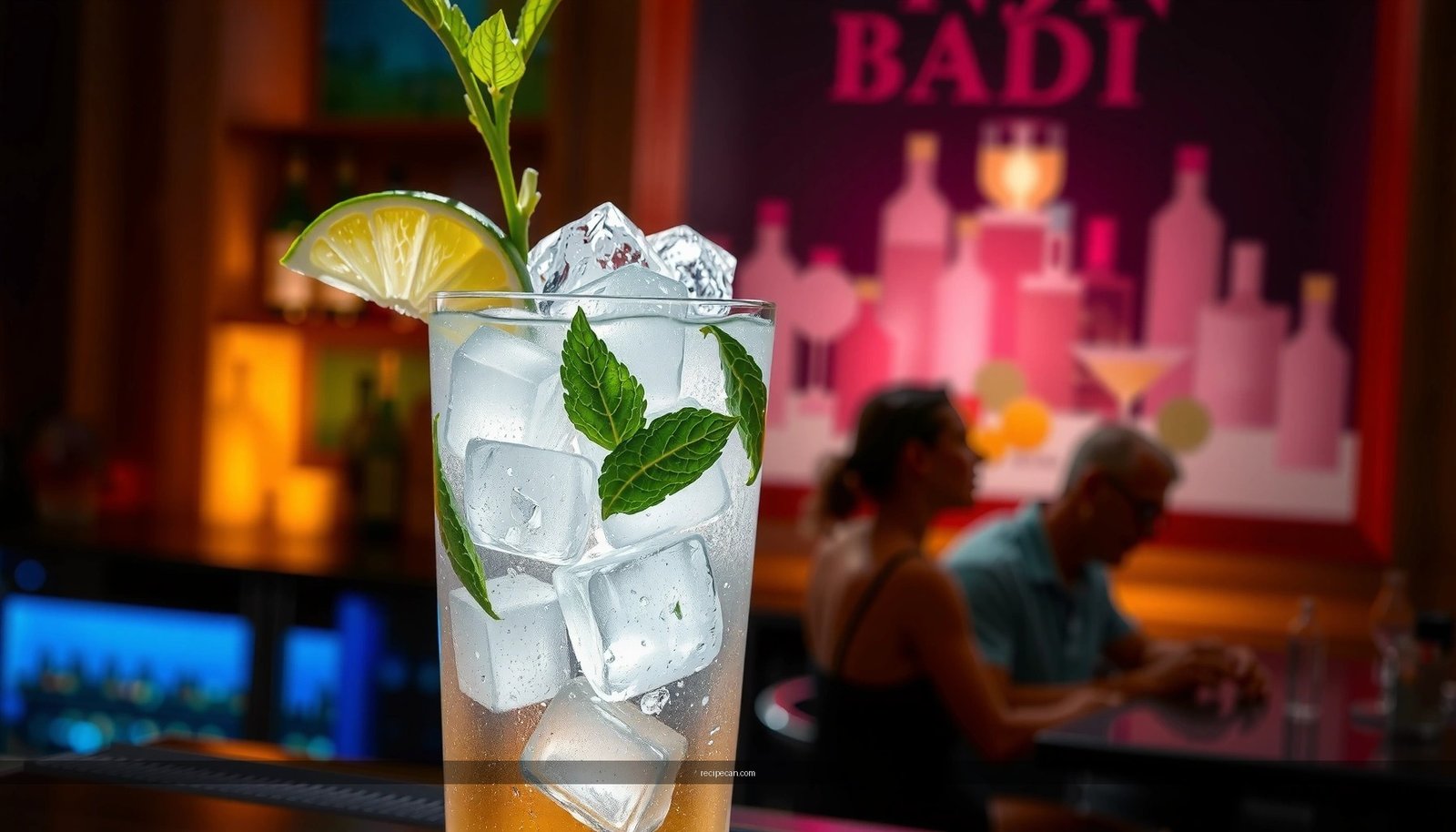
Wondering how much sugar to use in a mojito recipe? Use this rule of thumb for mojito recipe sugar: start with 2 teaspoons of sugar per standard 2 oz (60 ml) rum and adjust upward only if you prefer a sweeter finish. You’ll get a balanced drink where the mint stays bright and the lime doesn’t taste sharp—exactly the amount that makes a mojito work.
Use about 1–2 teaspoons of sugar per mojito (or a 1:1 simple syrup) and dissolve it properly for a balanced, bright drink. This range keeps the mojito’s lime acidity and mint aroma front-and-center, without letting sweetness dull the refreshing character.
Choosing the Right Sugar for Mojito
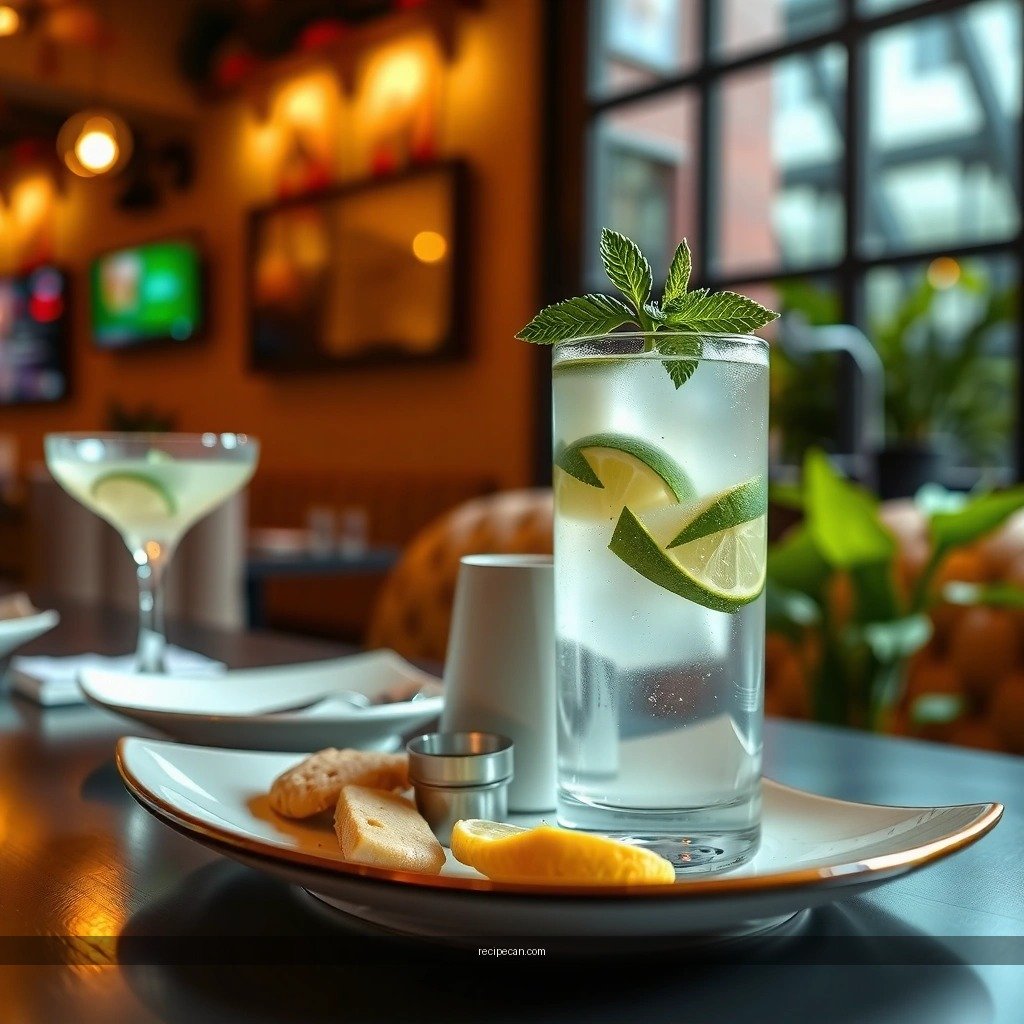
Selecting the right sugar isn’t just about sweetness—it’s about texture, flavor clarity, and repeatable results when making mojitos for guests, events, or a busy bar service.
– Use white sugar, or prefer simple syrup for faster dissolving
– White granulated sugar works well if you dissolve it in lime juice (or stir thoroughly). However, because mojitos typically contain a cold liquid base and fresh mint, undissolved crystals can linger and create a slightly gritty mouthfeel.
– Simple syrup (1:1 sugar to water by weight) is the “operational” choice for consistency. It blends instantly, reduces the risk of graininess, and makes your sugar dosing more predictable—especially when batch-making.
– Brown sugar adds deeper flavor but can change the classic taste
– Brown sugar contains molasses notes, which can add complexity, but it also shifts the mojito away from the classic Cuban profile (where the flavor emphasis is usually lime, mint, and rum).
– If you’re experimenting (e.g., aiming for a more “caramel” bar vibe), brown sugar can be delicious—but expect a different aromatic result and be ready to reduce the amount slightly because molasses can read as “more intense sweetness” even when measured similarly.
Practical tip: If your goal is a “textbook” mojito that tastes bright and clean, prioritize white sugar or—best for texture—simple syrup.
How Much Sugar to Use
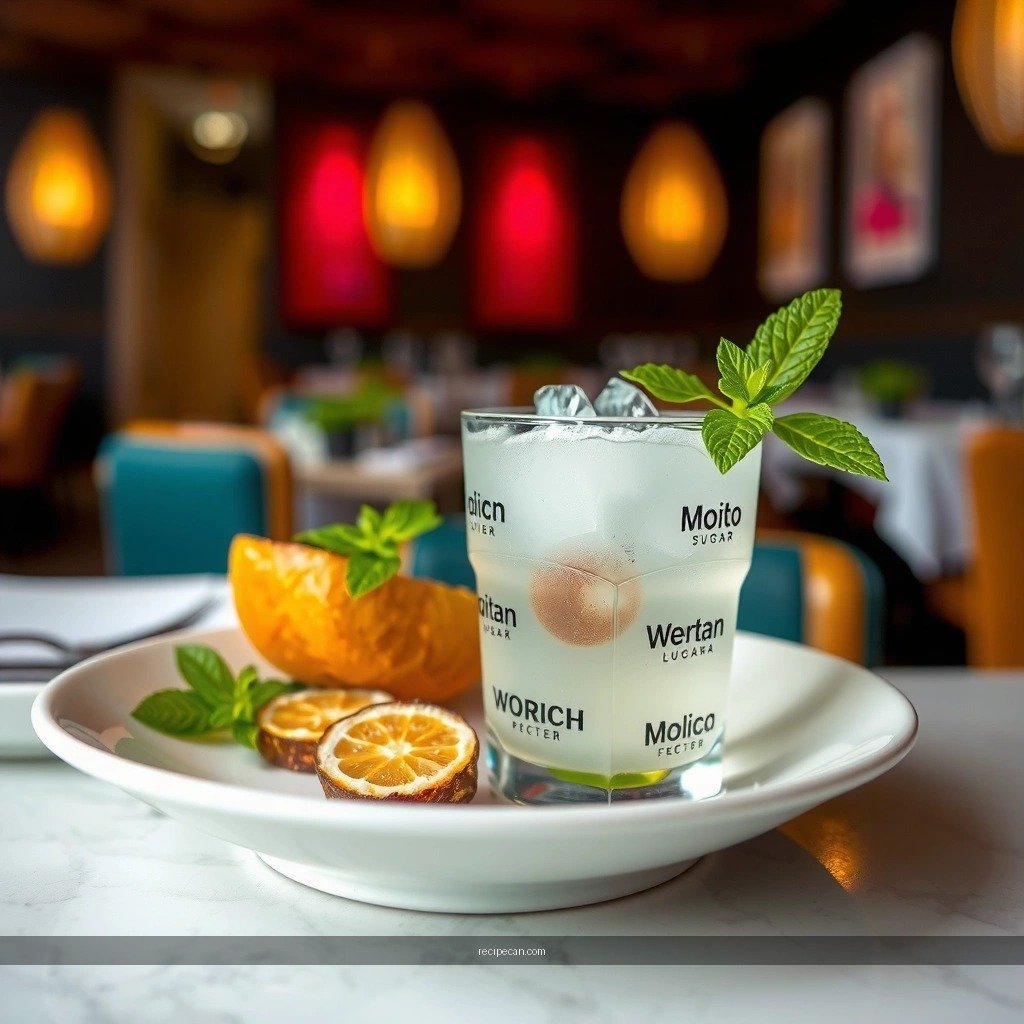
The “right” amount of mojito recipe sugar depends on three variables: your lime’s acidity, your mint’s freshness, and your personal sweetness preference. Still, there’s a reliable baseline.
– Start with 1–2 teaspoons sugar per mojito for balanced sweetness
– As a starting point:
– 1 teaspoon (≈ 4–5 g sugar): keeps the mojito crisp and more tart.
– 2 teaspoons (≈ 8–10 g sugar): rounds the lime edges and supports the rum.
– This range is broad on purpose—different limes and rums can swing perceived sweetness dramatically.
– Adjust based on mint freshness and how sweet your lime juice is
– Fresh, aromatic mint often makes a drink taste “more balanced” even at lower sugar because mint contributes perceived freshness and complexity.
– Riper or sweeter limes reduce the need for sugar—while very tart limes typically benefit from the upper end of the range.
– If you’re making mojitos consistently, measure your lime output (e.g., ounces or milliliters of juice) and use the same method each time; it will tighten your results.
To make this more systematic, here’s a simple reference you can use when standardizing sweetness across a menu or home setup.
Mojito Sugar Targets by Taste Profile (Per Drink)
| # | Desired Style | Sugar Amount | Simple Syrup Equivalent | Expected Balance Score | Sweetness Change vs Baseline |
|---|---|---|---|---|---|
| 1 | Bright & Tart | 1 tsp (≈4–5 g) | 1 tsp simple syrup | ★★★☆☆ | -15% |
| 2 | Classic Mint-Lime | 1.5 tsp (≈6–7 g) | 1.5 tsp simple syrup | ★★★★☆ | Baseline |
| 3 | Balanced Crowd-Pleaser | 2 tsp (≈8–10 g) | 2 tsp simple syrup | ★★★★☆ | +15% |
| 4 | Dessert-leaning Mojito | 2.5 tsp (≈12 g) | 2.5 tsp simple syrup | ★★★☆☆ | +30% |
| 5 | Low-Sugar Refresh | 0.75 tsp (≈3–4 g) | 0.75 tsp simple syrup | ★★★☆☆ | -25% |
| 6 | Tart-Lime Correction | 2.25 tsp (≈10–11 g) | 2.25 tsp simple syrup | ★★★★☆ | +20% |
| 7 | Rum-Forward Comfort | 2 tsp (≈8–10 g) | 2 tsp simple syrup | ★★★★☆ | +15% |
Muddling Mint and Sugar Properly
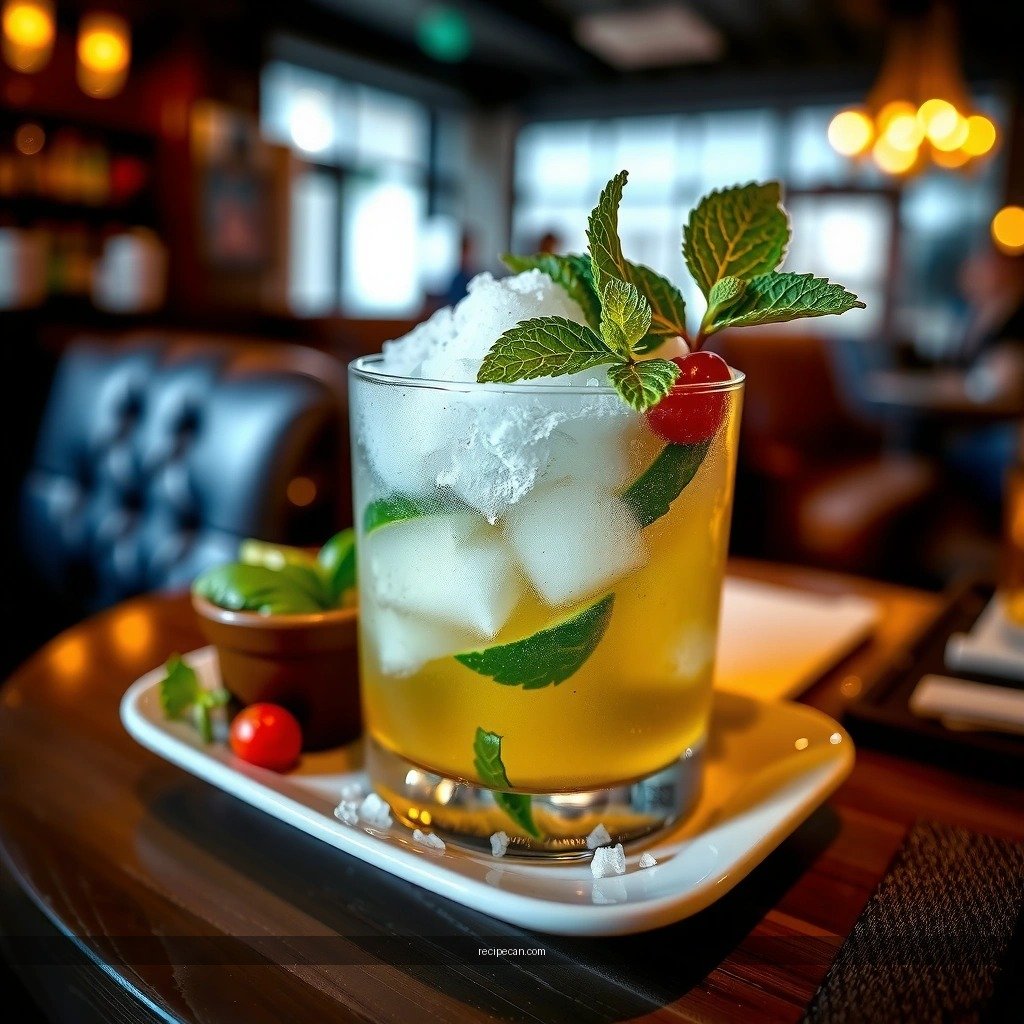
Muddling is where many mojitos succeed or fail. The goal is to extract mint oils and dissolve sugar without pulling out harsh, bitter flavors.
– Muddle gently to bruise mint without turning it bitter
– Mint leaves contain volatile oils and compounds that deliver fragrance. Over-muddling can crush stems and cell structure more aggressively, which may introduce bitterness.
– Think “soft press + brief turns,” not “grinding.”
– Dissolve sugar first (or use simple syrup) to avoid gritty texture
– If you add loose sugar to cold lime and muddle, some crystals may not fully dissolve before you top with soda.
– A strong method:
1. Add lime juice + sugar (or syrup) first.
2. Stir to help dissolve.
3. Then add mint and muddle lightly.
– Using simple syrup eliminates most dissolution friction, which is ideal for a consistent mojito recipe sugar workflow.
Operational cue: If you’re serving multiple drinks, pre-make your simple syrup and keep your sugar dosing consistent. It improves batch reliability more than switching between brands of rum.
Mixing the Mojito for Best Flavor
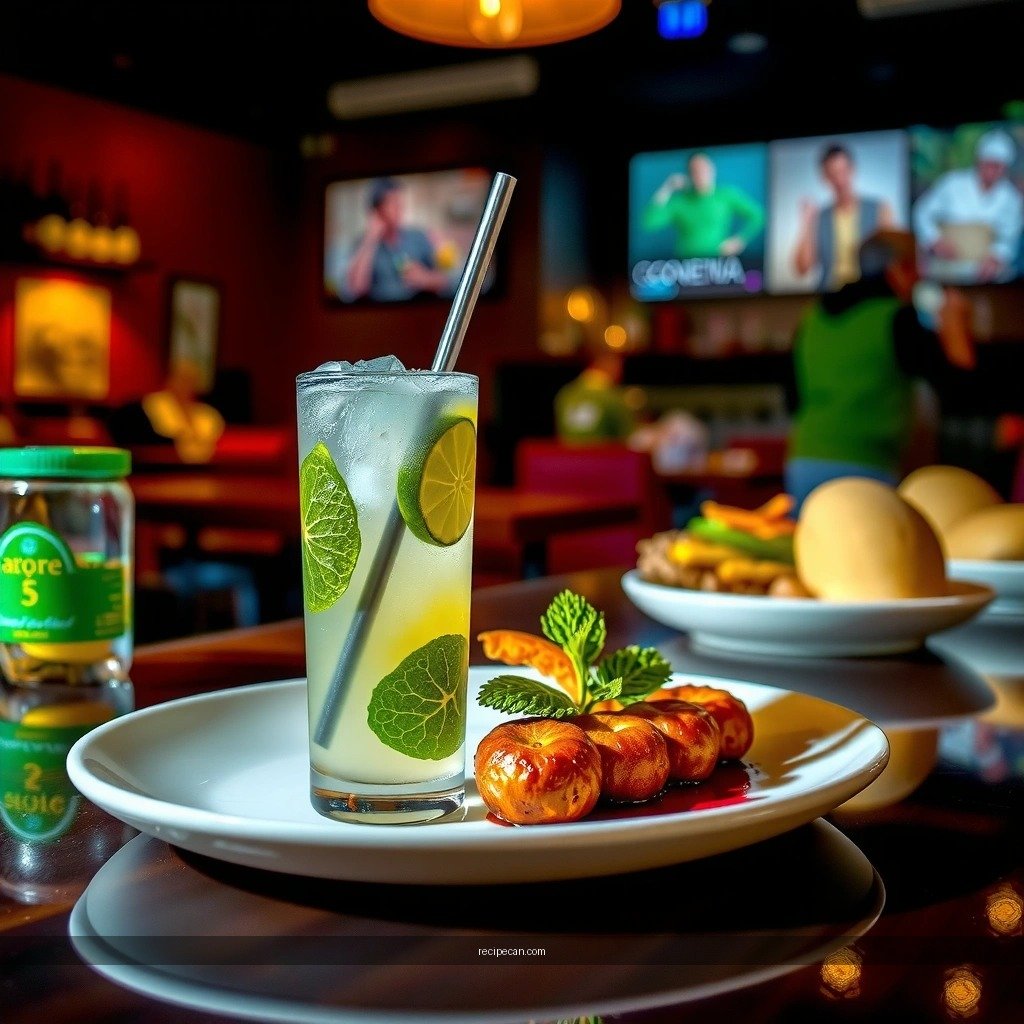
Order of operations matters because it protects carbonation, preserves aroma, and helps the sugar integrate.
– Combine lime juice, sugar, mint, and then add rum
– Lime juice activates extraction from mint when gently agitated, but you want the mixing to happen before the rum dilutes everything further.
– Adding rum after you’ve dissolved/started integrating sweetness helps you assess balance: lime acidity + sugar sweetness + mint aroma.
– Add soda last to keep it fizzy and refreshing
– Soda water should go in at the end to preserve carbonation.
– If you mix soda early, you risk flattening the drink and making it taste less “bright,” even if your sugar amount is correct.
Example mixing workflow (single drink):
1. Glass or shaker: lime juice + sugar (or simple syrup).
2. Add mint; muddle gently (brief, controlled).
3. Add ice and rum; stir briefly to chill.
4. Top with soda; garnish and serve immediately.
Adjusting Sweetness to Your Taste
A great mojito recipe is adaptable, but adjustments should be incremental—especially because lime brightness and mint aromatics can mask or exaggerate sweetness.
– For less sweet: reduce sugar by 1/2 teaspoon steps
– If your mojito tastes too sweet, drop from 2 teaspoons to 1.5, then to 1 teaspoon if needed.
– Moving in 0.5 teaspoon increments prevents “over-correcting” toward an overly tart drink.
– For more sweet: increase slightly, but don’t overpower lime
– Increase by 0.25–0.5 teaspoon if you’re at the lower end and want more roundness.
– The key is to support lime, not smother it. If lime flavor disappears, you’ve crossed the threshold where sugar dominates.
Quick sensory checklist:
– If it tastes sharp/green/acerbic → add 0.5 teaspoon sugar next round.
– If it tastes flat or dull → reduce sugar by 0.5 teaspoon or ensure mint isn’t over-muddled.
Common Mojito Sugar Mistakes to Avoid
Even with correct measurements, technique can derail balance. Avoid these common pitfalls to keep your mojito crisp, minty, and well-structured.
– Don’t skip dissolving—undissolved sugar ruins texture
– Grainy texture is an immediate sensory red flag. It also makes sweetness seem uneven: you get bursts of sweetness rather than a smooth, integrated finish.
– Use simple syrup or ensure thorough dissolution in lime juice before adding soda.
– Avoid over-muddling, which can make the drink taste harsh
– Bitter mint notes can be mistaken for “not enough sugar,” leading people to add more sweetness and worsen the problem.
– If the mojito tastes harsh, adjust muddling first (gentler press), then refine sugar second.
Pro-level workaround: Taste after muddling but before topping with soda. If bitterness is present, you can sometimes rescue the drink with a small sugar correction—but in many cases, changing muddling technique will be more effective than adding sugar.
A great mojito recipe sugar approach is simple: use about 1–2 teaspoons sugar per drink (or simple syrup for consistency) and muddle mint gently. Start at the middle of the range, taste, then tweak sweetness in small increments until the lime stays bright and the mint remains fragrant—then make your next mojito and share the results.
Frequently Asked Questions
What type of sugar should I use for a mojito recipe?
For a classic mojito recipe sugar profile, use white granulated sugar or simple syrup. Granulated sugar dissolves well when you muddle mint with a small amount, but it’s easiest to control sweetness with simple syrup (equal parts sugar and water). If you prefer a deeper flavor, try raw sugar sparingly, but note it may leave a slightly grainier texture if not fully dissolved.
How do I sweeten a mojito without making it too sweet?
Start with a small amount of mojito recipe sugar—about 1 to 1.5 teaspoons granulated sugar or 1 to 2 teaspoons simple syrup for a single drink. Taste after muddling and before adding rum, then adjust gradually instead of adding a large amount at once. Because lime juice is acidic, sweetness can feel stronger; balancing with fresh lime juice often helps keep the mojito tasting bright.
How do I dissolve sugar in a mojito so it doesn’t taste gritty?
To avoid gritty mojito sugar, muddle mint with sugar briefly and use enough liquid to help dissolve it, then stir before topping with soda. If you’re using granulated sugar, press gently and give it time to dissolve completely—no undissolved crystals should remain. Using simple syrup is the most foolproof method because it’s already fully dissolved and mixes evenly.
Why do some mojitos use simple syrup instead of regular sugar?
Simple syrup produces a smoother texture and more consistent sweetness in a mojito recipe sugar. It also reduces the risk of undissolved crystals that can make the drink taste gritty. Since mojitos rely on muddling mint and balancing lime, an evenly mixed sweetener helps the flavors come through cleanly.
Which mojito recipe sugar option is best for batch mixing or parties?
If you’re making multiple mojitos, simple syrup is usually the best choice because it dissolves instantly and scales easily. Make a larger batch of syrup (or pre-measure syrup per drink) so everyone gets the same sweetness. For granulated sugar, you’d need to ensure complete dissolution each time, which can slow down service and lead to uneven flavor.
References
- Mojito – IBA
https://iba-world.com/recipe/mojito/ - Mojito
https://en.wikipedia.org/wiki/Mojito - https://www.britannica.com/food/mojito
https://www.britannica.com/food/mojito - Google Scholar Google Scholar
https://scholar.google.com/scholar?q=mojito+sugar+recipe - Google Scholar Google Scholar
https://scholar.google.com/scholar?q=mojito+sugar+content+added+sugars - https://scholar.google.com/scholar?q=sugar-sweetened+beverages+health+WHO+guideline Google Scholar
https://scholar.google.com/scholar?q=sugar-sweetened+beverages+health+WHO+guideline - Guideline: sugars intake for adults and children
https://www.who.int/publications/i/item/9789241549028 - Healthy diet
https://www.who.int/news-room/fact-sheets/detail/healthy-diet - https://www.cdc.gov/nutrition/data-statistics/added-sugars.html
https://www.cdc.gov/nutrition/data-statistics/added-sugars.html - https://ods.od.nih.gov/factsheets/Sugars-HealthProfessional/
https://ods.od.nih.gov/factsheets/Sugars-HealthProfessional/