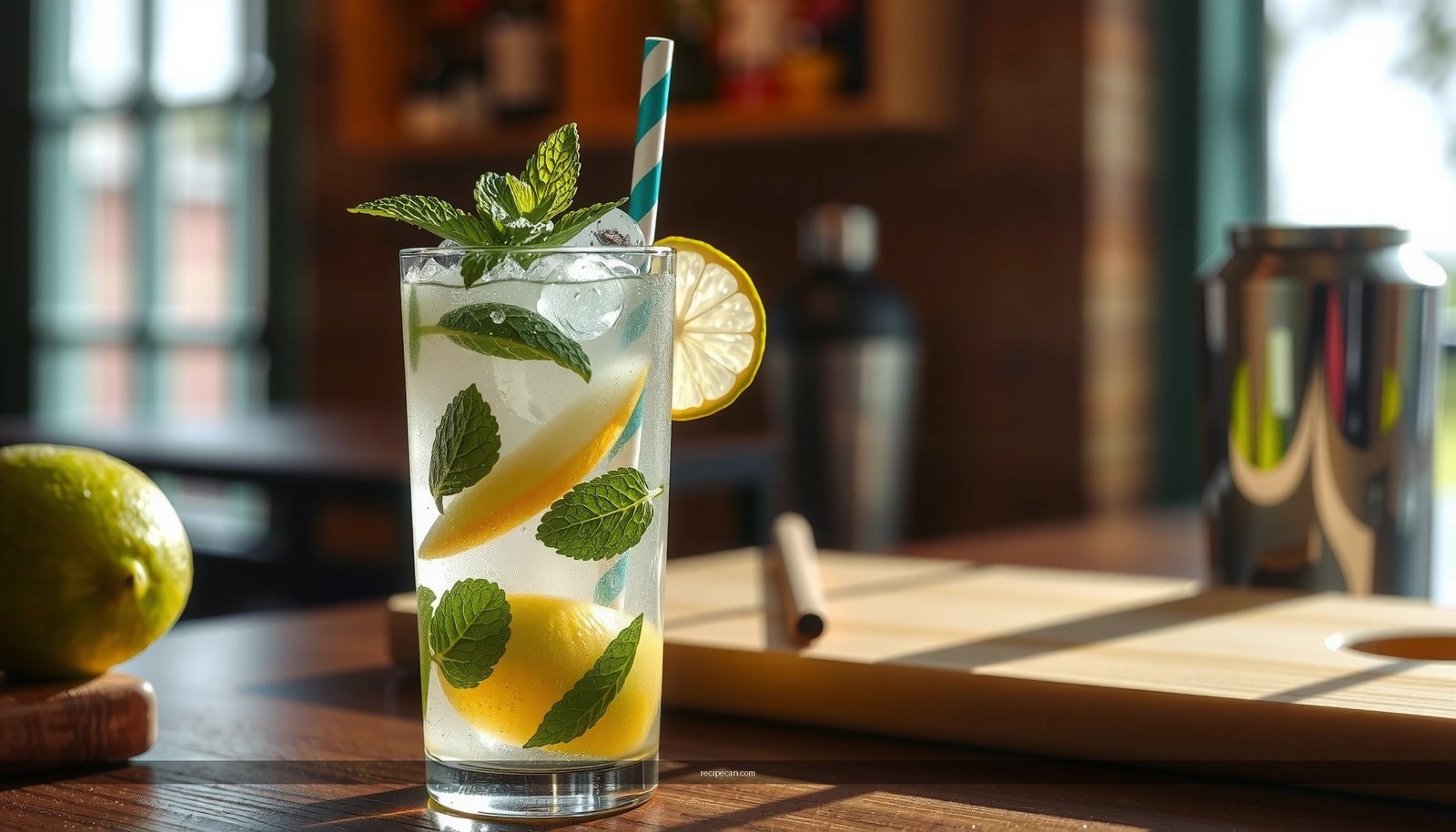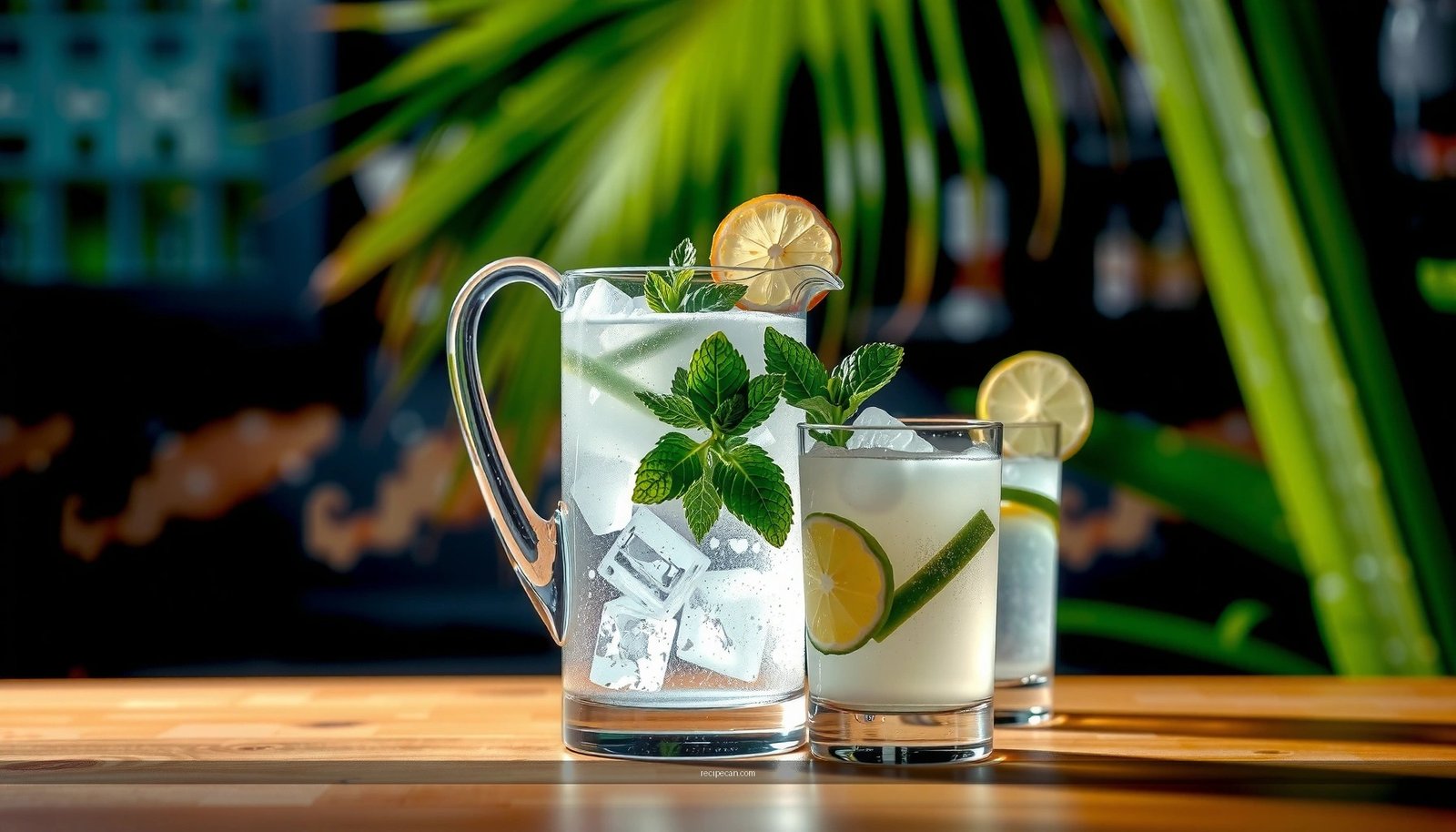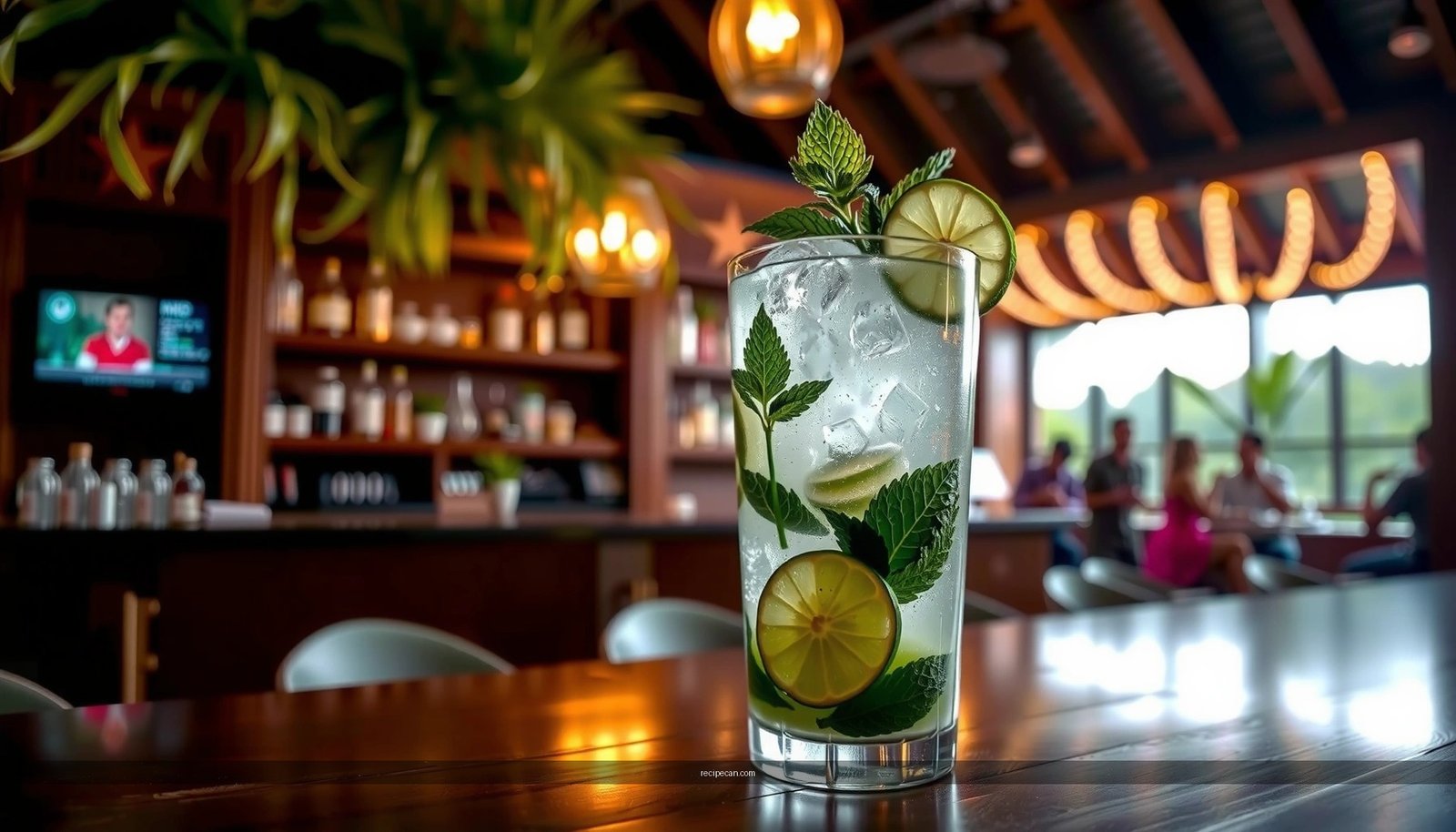
Looking for a mojito basic recipe with simple steps that deliver a classic, refreshing drink every time? This guide shows the exact way to muddle mint and lime, build the drink, and top it with rum and soda without muddiness or watered-down flavor. If you want the straightforward classic mojito, follow these steps and you’ll get the right balance fast.
A classic mojito is easy to make at home: gently muddle fresh mint with lime and sugar, add white rum, then finish with cold soda water for maximum fizz. If you follow these steps in the right order—especially how you muddle and when you add soda—you’ll get a bright, balanced mojito that tastes like it came from a good bar.
Ingredients for a Mojito Basic Recipe
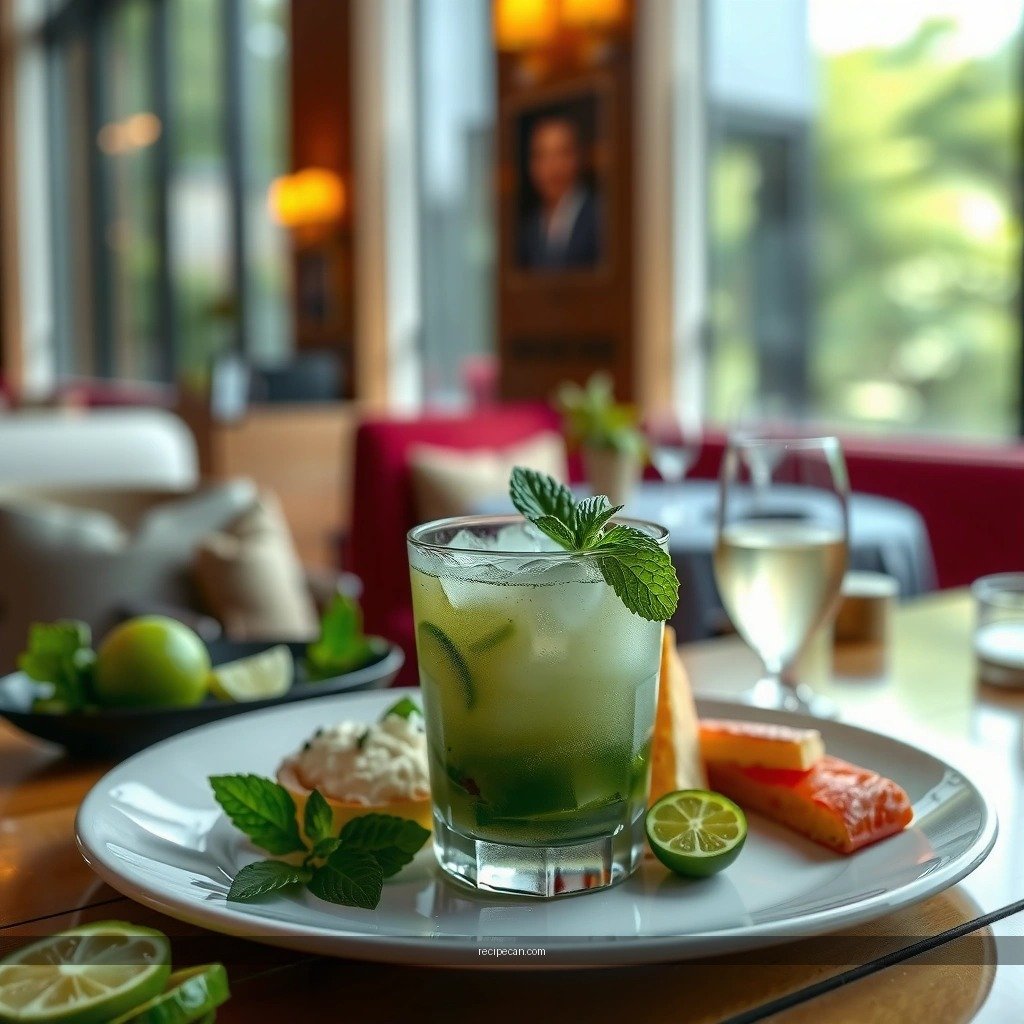
A mojito basic recipe stays true to a short ingredient list. The quality of those ingredients—and how you handle them—matters more than fancy techniques.
Use these essentials:
– Fresh mint leaves (plus extra for garnish)
– Lime (fresh juice; bottled juice is convenient but less vibrant)
– White rum (light, clean flavor so the mint and lime lead)
– Sugar (granulated) or simple syrup (preferred for faster dissolving)
– Soda water and ice (chilled is best for crispness)
Suggested baseline proportions (1 drink):
– 8–12 mint leaves
– 1/2 lime, cut into wedges (you’ll juice and then use for garnish)
– 1–2 tsp sugar or ~3/4 oz (20 ml) simple syrup
– 2 oz (60 ml) white rum
– 3–5 oz (90–150 ml) chilled soda water
– Plenty of ice (enough to keep the drink cold until the last sip)
What to prioritize if you want “classic” results:
– Mint freshness: Use leaves that smell strongly of mint. Dull, wilted mint turns into weak flavor and a muted aroma.
– Fresh lime juice: Lime is the acid backbone of the mojito, and the drink’s signature “snap” depends on it.
– Chilled soda: The soda should go in last and stay fizzy. Warm soda loses the carbonation that makes a mojito feel light.
Mojito Flavor Targets by Balance (Typical Home Calibration)
| # | Goal Profile | Mint Intensity | Lime Acidity | Sweetness | Overall Rating |
|---|---|---|---|---|---|
| 1 | Classic & Balanced | 8/10 | 7/10 | Moderate | ★★★★☆ |
| 2 | Extra Mint Aroma | 10/10 | 6/10 | Moderate | ★★★★☆ |
| 3 | Bright & Tart | 7/10 | 9/10 | Low | ★★★☆☆ |
| 4 | Dessert-Lite | 6/10 | 6/10 | Higher | ★★★☆☆ |
| 5 | Light & Refreshing | 5/10 | 7/10 | Low–Moderate | ★★★★☆ |
| 6 | Over-Muddled (Common Error) | 9/10 | 6/10 | Moderate | ★★☆☆☆ |
| 7 | Flat Soda (Common Error) | 6/10 | 7/10 | Moderate | ★★☆☆☆ |
How to Muddle Mint and Lime
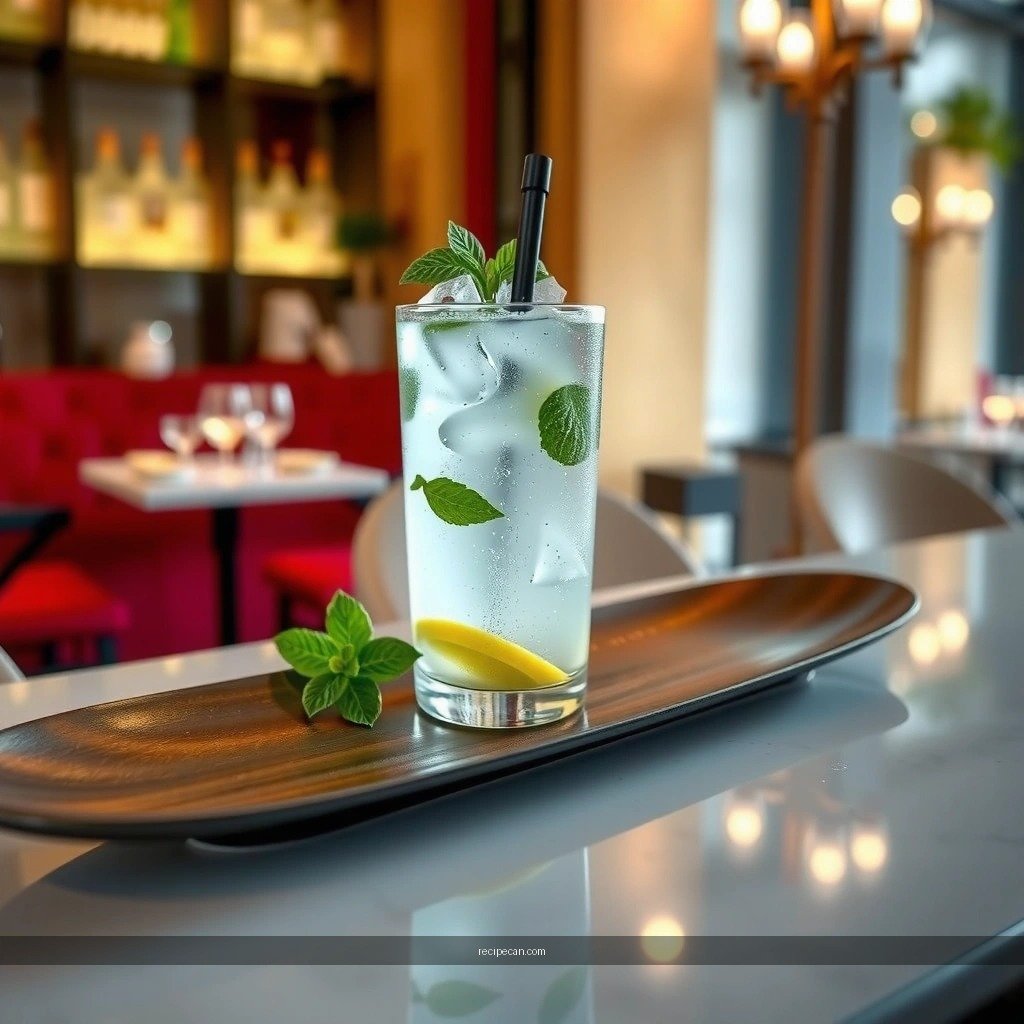
The mojito basic recipe hinges on muddling technique. The goal isn’t to crush everything into pulp—it’s to bruise the mint leaves just enough to release their essential oils and aroma.
Step-by-step muddling (the “sweet spot”):
1. Add mint leaves to the glass (or cocktail shaker). Use 8–12 leaves depending on size.
2. Use light pressure with a muddler or the back of a spoon. Think “press and twist,” not “grind.”
3. Stop early. You should smell fresh mint immediately when done correctly.
4. Add lime juice next (either squeezed directly or measured). This helps draw out flavor without forcing you to over-muddle.
5. Add sugar (or syrup) and stir to dissolve slightly.
Why gentle muddling matters
– Mint contains compounds that taste pleasantly herbal when extracted lightly.
– Over-muddling pulls more bitter, green notes from the stems and cell walls, which is why many “home mojitos” end up tasting harsh.
Practical calibration tip
If you’re using granulated sugar, it takes longer to dissolve. That’s why you may be tempted to muddle harder. Instead, stir more after adding sugar, or switch to simple syrup for a smoother, classic finish.
Build the Mojito in the Glass
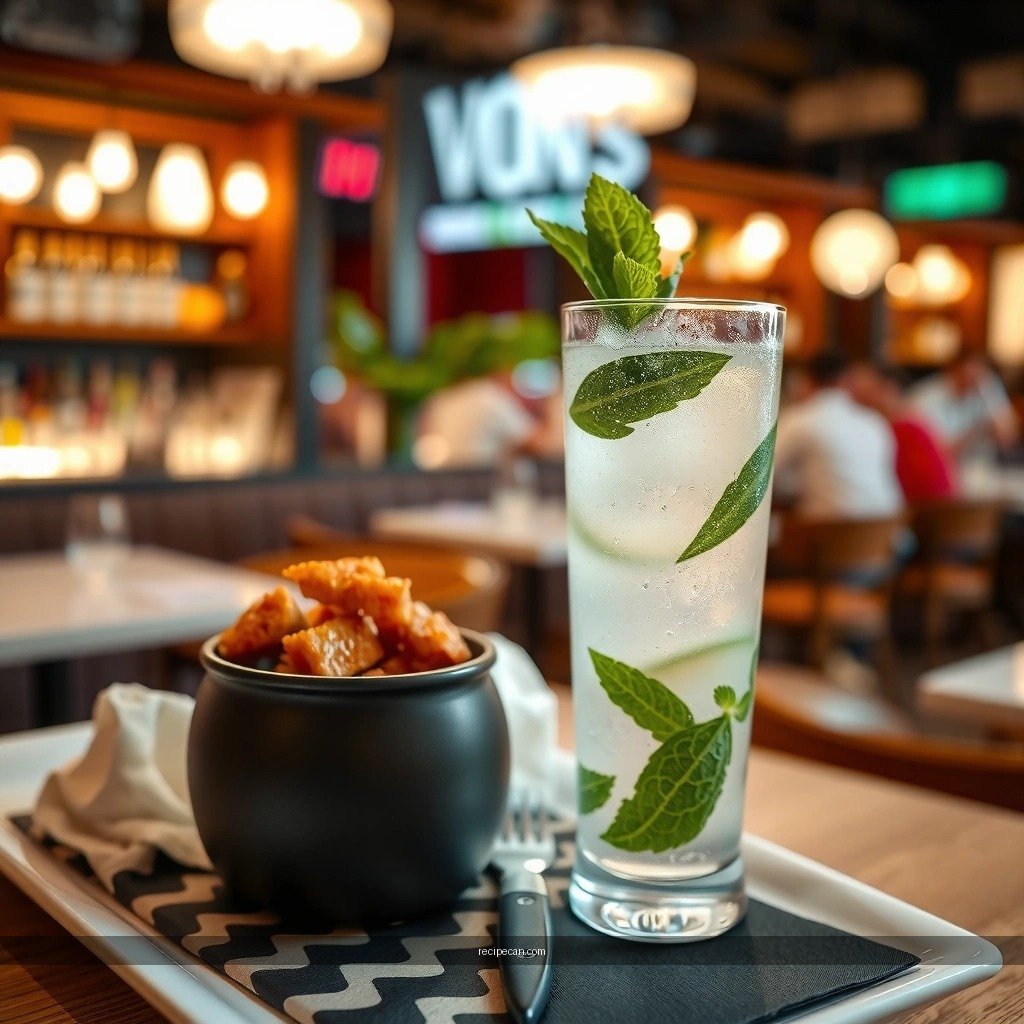
Once your mint-lime-sugar base smells fragrant and tastes bright, it’s time to build.
Follow this sequence to preserve clarity of flavor:
1. Fill your glass with ice—a generous amount. This dilutes slowly, keeping balance throughout sipping.
2. Combine the mint-lime mixture with the ice. If you stirred earlier, the base should already look slightly cloudy from mint oils and lime.
3. Add white rum (about 2 oz / 60 ml for one serving).
4. Stir briefly (10–15 seconds) to integrate the rum with the base.
Analytical guidance: balance comes from order
– Adding rum after muddling keeps the rum’s aroma from becoming muted by extra time spent crushing mint.
– A quick stir ensures consistent mixing without over-chilling the flavors before soda hits.
Quick “quality check” before soda
Take a small taste (careful—there’s alcohol). It should be:
– Mint-forward but not bitter
– Lime-forward with a clean, citrus tang
– Slightly sweet (it will appear less sweet once soda dilutes and aerates the drink)
Top with Soda Water
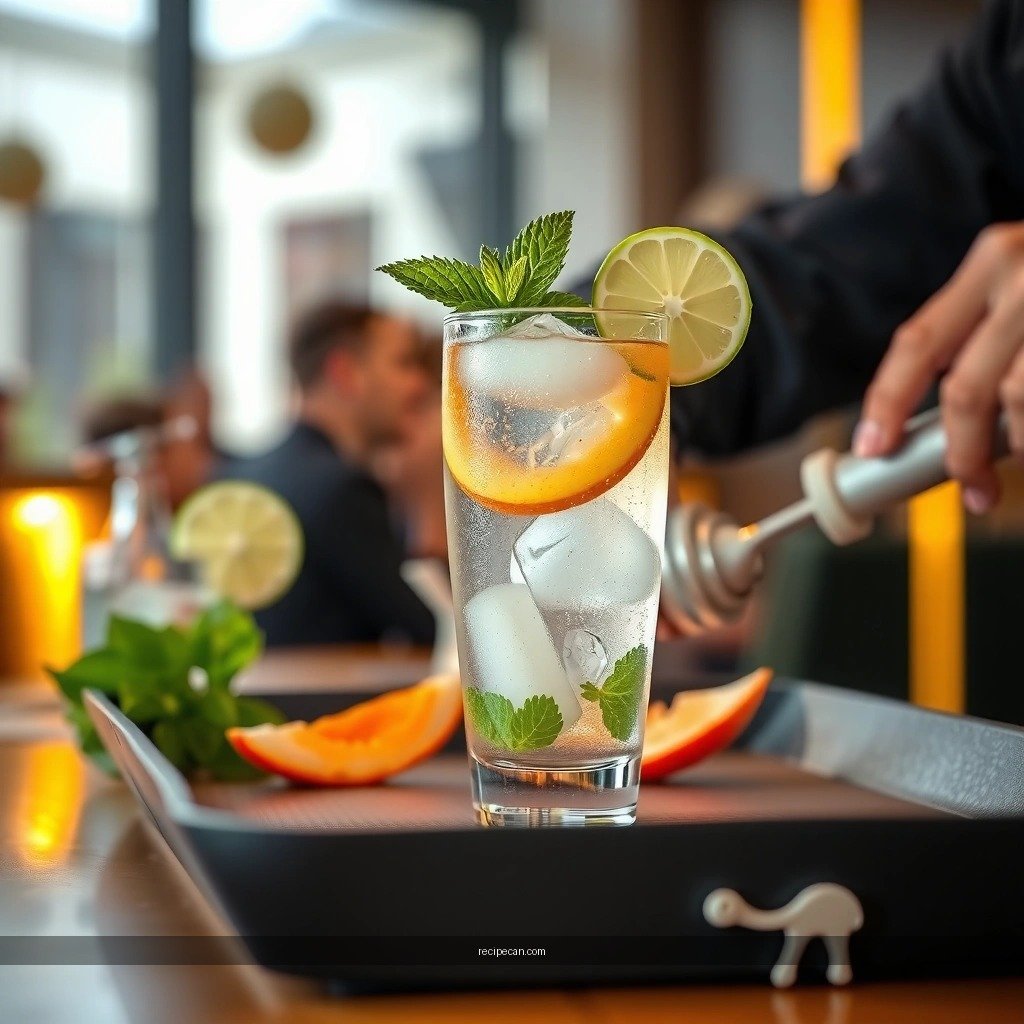
Soda water is what makes a mojito feel light and celebratory. Treat it as a finishing step, not an ingredient you rush into the beginning.
What to do:
1. Use chilled soda water (preferably straight from the coldest part of your fridge).
2. Add soda last.
3. Stir lightly—just enough to distribute bubbles, not enough to flatten them.
4. Adjust if needed: add a touch more lime juice for brightness or a small amount of syrup if sweetness is low.
Why “last” matters
– Carbonation is volatile. If you add soda early and stir longer, you’ll lose fizz.
– The mojito’s texture depends on those bubbles lifting the mint and lifting the aroma as you sip.
Dosing guide for common preferences
– Want it drier? Add less syrup next time and keep soda at the same level.
– Want it more classic and crisp? Keep sugar moderate, rum clean (white rum), and soda generous.
Serving Tips for the Best Mojito
Even with the correct mojito basic recipe, presentation affects perceived taste. Mojitos are built for cold, aromatic, slow sipping.
High-impact serving practices
– Use plenty of ice: Smaller ice melts faster and can water down the drink quickly. Large cubes or crushed ice can both work—large cubes are slower to dilute.
– Garnish intentionally: Add a fresh mint sprig and a lime wedge. The mint garnish should smell aromatic when you place it at the top—this sets expectations before the first sip.
– Serve immediately: Mojitos are best right after mixing. Waiting allows carbonation to decline and the mint to keep extracting.
Professional-style glassware tip
A highball or hurricane-style glass is ideal because it holds ice and leaves space for aroma. If you use a short glass, you’ll end up with faster melting and less chilled dilution control.
Common Mistakes to Avoid
Even a simple mojito basic recipe can go off track. Most problems come from a few predictable issues.
– Over-muddling mint, which can turn the drink bitter
Fix: press gently and stop as soon as mint aroma is released. If you want more mint flavor, add a few fresh leaves and muddle lightly again rather than crushing harder.
– Adding soda too early, which flattens the carbonation
Fix: build the base first (mint, lime, sugar, rum). Then top with soda water at the end with minimal stirring.
Other frequent pitfalls (worth addressing)
– Using room-temperature soda: You’ll lose fizz and the drink feels heavier. Chill soda and glassware.
– Using bottled lime juice exclusively: It can taste flatter. For best results, juice fresh limes.
– Under-sweetening and over-acidifying: A mojito needs enough sugar to round the lime’s sharpness. If it tastes like straight lime with mint, increase sweetness slightly.
Conclusion
A mojito basic recipe succeeds when you respect two technical steps: gentle muddling to release mint aroma without bitterness, and adding soda water last to preserve crisp carbonation. Combine fresh mint, lime juice, and sugar into a fragrant base, stir in white rum briefly over plenty of ice, then top with chilled soda and garnish for a classic, refreshing finish. Once you nail the balance, you can confidently scale it for friends—and refine it with small adjustments like extra lime, less sugar, or a different style of rum to match your preferred profile.
Frequently Asked Questions
What is the basic mojito recipe for beginners?
A basic mojito is made with fresh lime juice, mint leaves, simple syrup or sugar, white rum, soda water, and ice. Start by gently muddling mint with lime juice and sugar (don’t crush the stems). Then add rum and lots of ice, top with soda water, and stir lightly before serving. This simple mojito formula keeps the flavors bright and refreshing.
How do I muddle mint for a mojito without making it bitter?
Use a gentle touch: muddle the mint just enough to release aroma, usually 5–10 seconds per batch. Avoid over-pressing or grinding the leaves, since bruised mint can turn bitter and overpower the lime. For easier results, press the leaves against the side of the glass and rotate your hand rather than using hard force. Fresh mint and properly measured sugar help balance any slight bitterness.
Why does my mojito taste too sour or too sweet—how can I balance it?
Mojitos can go off when lime-to-sugar ratios are off or when you use very sweet rum or syrup. Start with about 1–2 tablespoons of fresh lime juice per drink and 1–2 teaspoons of sugar or simple syrup, then adjust gradually. Taste before adding soda water if possible, because the bubbles can slightly soften perceived sweetness. Using fresh lime juice (not bottled) also improves balance and flavor clarity.
Which rum is best for a classic mojito basic recipe?
For the classic mojito, use a white rum (also called light rum) so the mint-and-lime flavors stay clean. Avoid heavily aged or dark rums, which can add smoky or caramel notes that mask the refreshing mojito profile. If you’re choosing among brands, pick one labeled “white” or “silver” and keep the pour consistent for repeatable mojito results. This is the best way to get that crisp, cocktail-bar style mojito.
What is the best way to make a mojito with club soda so it stays fizzy?
Use cold club soda or soda water and pour it gently over the ice to preserve carbonation. Fill the glass with plenty of ice first, then add rum and lime-mint mixture, and finally top with soda at the end. Stir lightly just once or twice—over-stirring can flatten the fizz. If you’re making multiple mojitos, keep soda chilled until serving to maintain that signature mojito sparkle.
References
- https://en.wikipedia.org/wiki/Mojito
https://en.wikipedia.org/wiki/Mojito - Mojito – IBA
https://iba-world.com/cocktail/mojito/ - https://www.britannica.com/topic/mojito
https://www.britannica.com/topic/mojito - https://www.theguardian.com/food/2013/jul/17/mojito-recipe
https://www.theguardian.com/food/2013/jul/17/mojito-recipe - https://cooking.nytimes.com/recipes/1016312-mojitos
https://cooking.nytimes.com/recipes/1016312-mojitos - Google Scholar Google Scholar
https://scholar.google.com/scholar?q=mojito+basic+recipe - Google Scholar Google Scholar
https://scholar.google.com/scholar?q=mojito+recipe+mint+lime+rum+simple+sirup - mojito basic recipe – Search results
https://en.wikipedia.org/wiki/Special:Search?search=mojito+basic+recipe - https://www.ncbi.nlm.nih.gov/search/research-articles/?term=mojito+basic+recipe
https://www.ncbi.nlm.nih.gov/search/research-articles/?term=mojito+basic+recipe