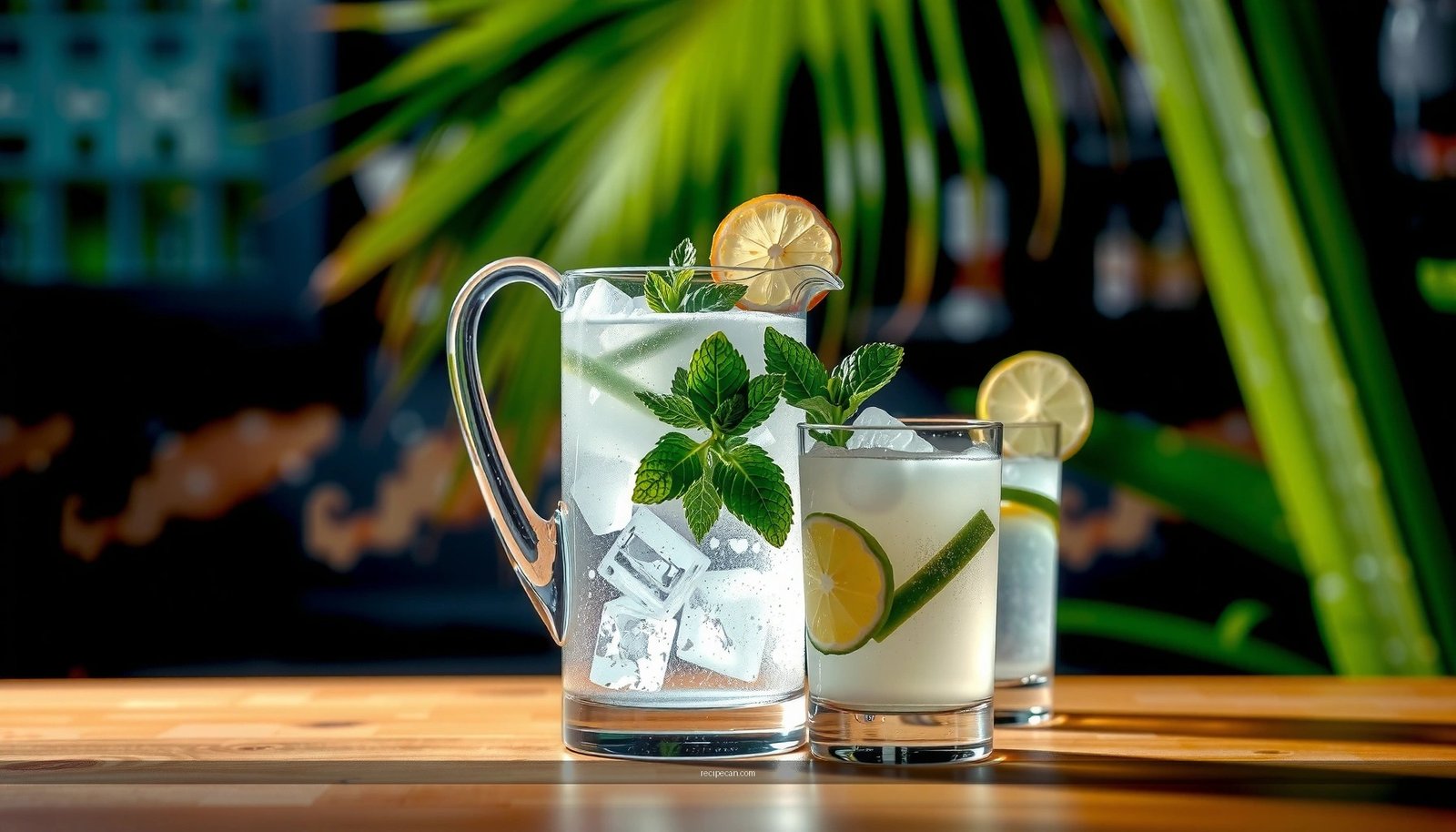
Get the best coconut mojito recipe that delivers a fresh, creamy, minty drink—without turning it into a complicated cocktail project. This winner is the one you’ll want when you’re craving real coconut flavor, balanced sweetness, and a bright lime kick in every sip. Follow the straightforward method to mix, shake, and garnish your way to a mojito that tastes restaurant-level fast.
Yes—you can make a fresh, creamy coconut mojito at home by muddling mint correctly, using the right coconut ingredient (milk/cream/cream of coconut), and balancing lime with just enough sweetness. This recipe keeps the process straightforward while delivering the classic mojito foundation (mint + lime + rum + bubbles) with a tropical coconut twist that stays smooth, bright, and consistently delicious.
This drink is ideal for warm-weather entertaining, recipe testing, or simply upgrading your everyday mojito routine. The keys are technique (gentle muddling), ingredient selection (which coconut product you choose changes texture and sweetness), and measured balancing (so the lime doesn’t taste harsh and the coconut doesn’t taste flat).
Gather the Ingredients for a Coconut Mojito

To build a coconut mojito that’s both refreshing and creamy, gather ingredients that map to each flavor job: mint provides aroma, lime provides acidity, rum provides structure, and coconut provides body and tropical richness. When those roles are intentional, the final drink tastes “designed,” not improvised.
– Fresh mint, lime, rum, and coconut (milk, cream, or cream of coconut)
– Optional add-ins: simple syrup or coconut water for extra lift
– Choose quality rum for smoother, cleaner flavor
What to choose for “coconut” (and why it matters):
– Coconut milk: Lighter, more pourable, and less sweet—great when you want a “clean” mojito with gentle creaminess.
– Coconut cream: Thicker and richer, producing a more dessert-like finish.
– Cream of coconut (often sold as a sweetened product): Very creamy and sweet, but you may need less sugar/syrup to avoid overpowering lime.
Rum selection (practical guidance):
A coconut mojito benefits from rum that’s pleasant in the mid-palate (not harsh, not overly smoky). Consider:
– Light/white rum for a crisp, traditional base
– Aged rum if you want deeper caramel notes that complement toasted or nutty coconut flavors
Quick ingredient checklist (so you don’t have to guess)
Coconut Mojito Ingredient Options: Texture & Sweetness (Best Use Case)
| # | Coconut Ingredient | Expected Texture | Sweetness Impact | Best for |
|---|---|---|---|---|
| 1 | Coconut Milk (unsweetened) | Silky & light | Low–medium | Classic, bright mojito with subtle cream |
| 2 | Canned Coconut Cream | Thick & velvety | Medium | Creamy, tropical “milkshake” style |
| 3 | Cream of Coconut (sweetened) | Very creamy | High | Dessert-like coconut mojito; reduce added sugar |
| 4 | Coconut Water | Watery & fresh | Very low | Lighter coconut flavor + extra hydration |
| 5 | Coconut Yogurt (for body) | Creamy, tangy | Low–medium | Thicker mouthfeel if you want a tangy twist |
| 6 | Toasted Coconut Flakes | Aroma garnish | None | Adds complexity without changing sweetness |
| 7 | Simple Syrup (optional) | Adjustable | Medium (as added) | Fine-tunes balance when lime is extra tart |
Prep the Mint and Lime (The Key to Flavor)
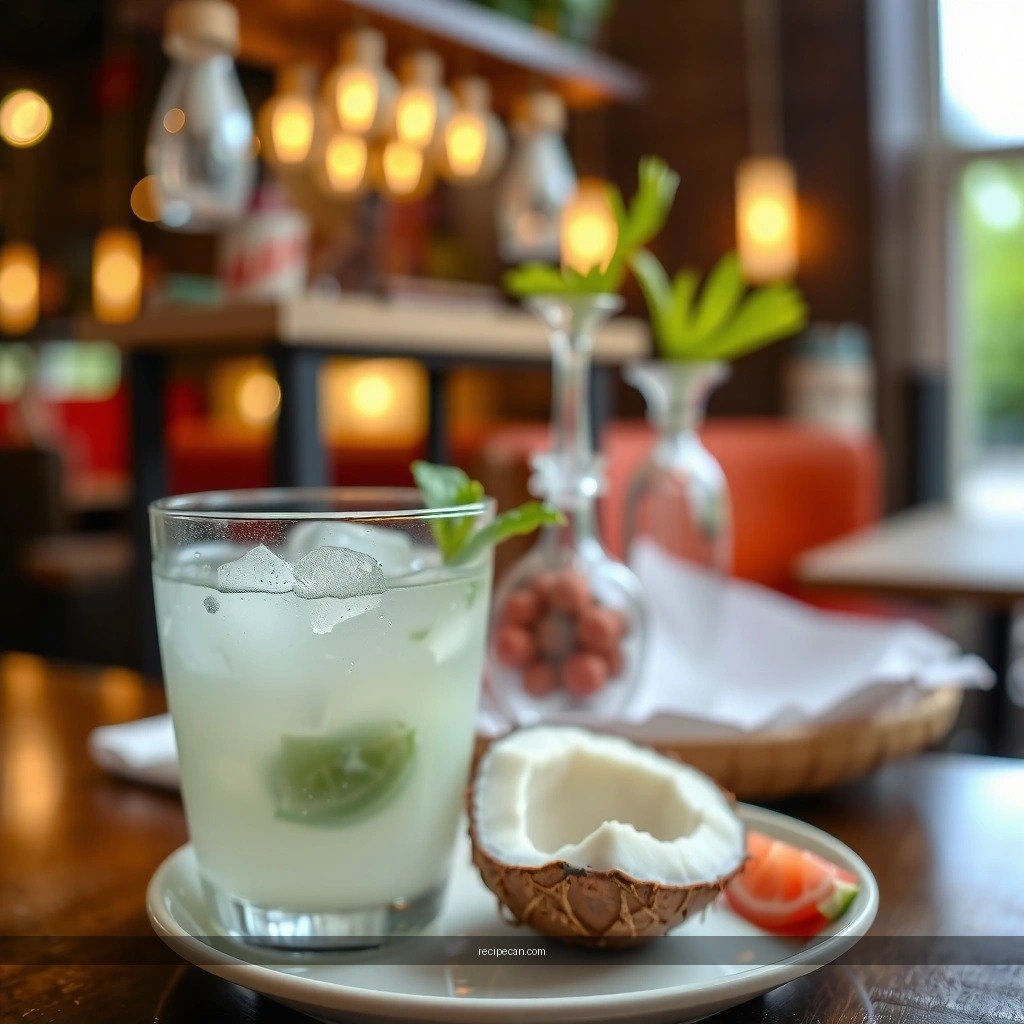
A coconut mojito lives or dies by mint handling and lime extraction. Mint contains aromatic oils that create that signature “fresh” mojito fragrance—if you bruise it too aggressively, those oils can turn bitter.
– Muddle mint gently to release aroma without bitterness
– Squeeze fresh lime juice for bright acidity
– Mix in sugar/syrup only as needed to balance tartness
Muddling technique (how to do it right):
1. Use fresh mint leaves, not stems. Stems add a woody, green harshness.
2. Press lightly with a muddler or the back of a spoon. The goal is to bruise lightly so the mint releases aroma—not to pulverize it.
3. Stop early. If the mint looks destroyed (shredded into paste), you’ve likely gone too far.
Lime juice: extract for brightness, not bitterness
– Roll limes on the counter before cutting. This increases juice yield.
– Use fresh lime juice rather than bottled when possible.
– Taste the lime first. If your limes are unusually sharp, you may need a fraction more sweetness.
Sweetness balancing (the professional approach):
Instead of adding sugar automatically, start with a small amount (or no syrup), then taste. Lime’s acidity changes based on lime variety and ripeness. Coconut ingredients also vary:
– If using cream of coconut (sweetened), add little to no simple syrup.
– If using unsweetened coconut milk, you’ll usually need a little more sweetener to harmonize with lime.
Build the Mojito Base

Once mint and lime are prepared, you’ll build a creamy-but-fresh base that can handle ice and carbonation without separating or feeling heavy.
– Stir coconut ingredient with lime and mint until well blended
– Add rum and let the flavors marry briefly
– Adjust sweetness with a small amount of syrup if necessary
Step-by-step build (flavor-first):
1. In a sturdy glass or mixing cup, combine gently muddled mint with fresh lime juice.
2. Add your chosen coconut ingredient:
– Start with about 60–90 ml (2–3 oz) depending on how creamy you want it.
3. Stir until the mixture looks cohesive. If using coconut cream or cream of coconut, mixing well prevents “pockets” of richness.
4. Add rum and stir again. Let the base sit 30–60 seconds so lime, coconut, and rum integrate.
Why this matters analytically:
– Mint oils dissolve into the liquid faster when the mixture is agitated briefly.
– Coconut fat/solids interact with rum and citrus, smoothing the overall profile.
– A short rest helps the drink taste “rounded” rather than sharply segmented.
Build target: flavor profile you should aim for
At the end of the base step, the drink should taste:
– Mint-forward in aroma (not bitter)
– Lime-bright, not sour
– Coconut present but not sugary
If it’s too tart, add syrup in small increments (e.g., 1 teaspoon at a time). If it’s too sweet, add more lime or a splash of coconut water.
Add Ice and Top with Bubbles
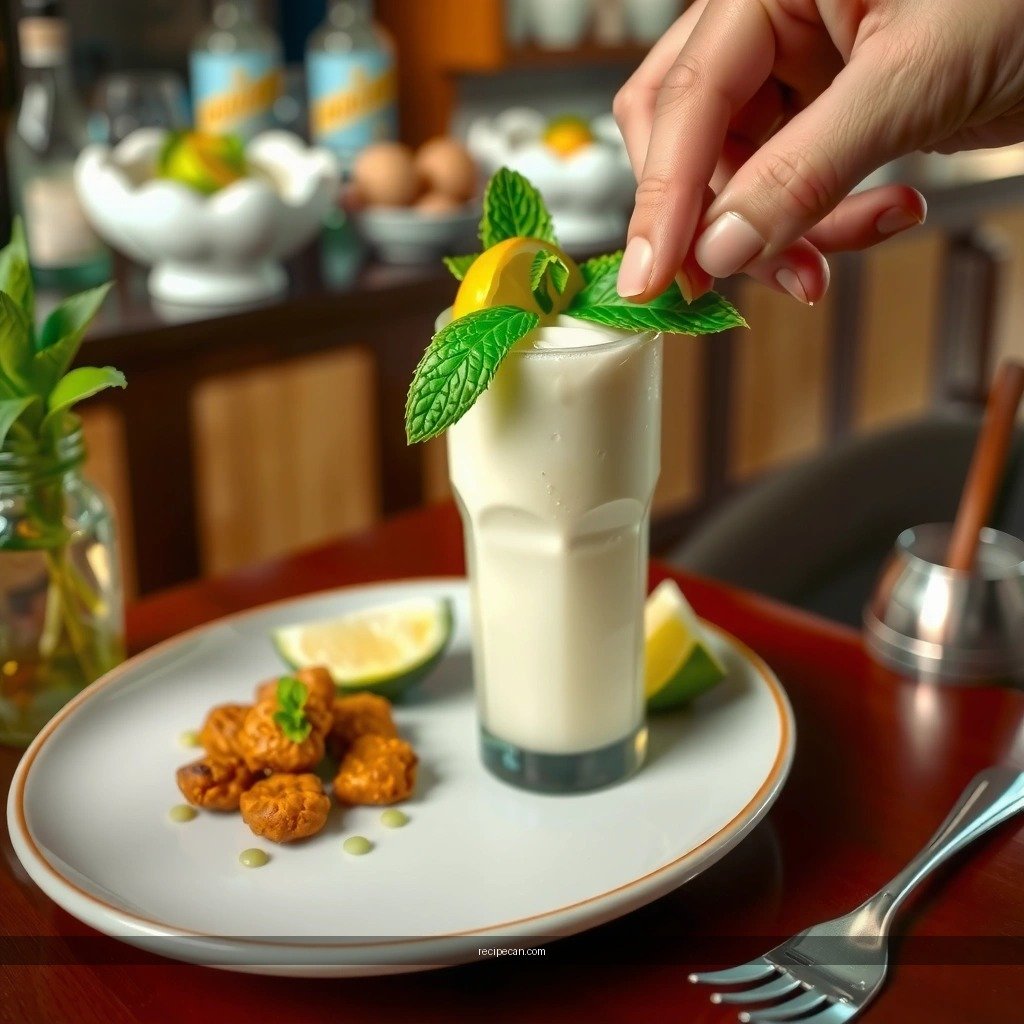
Ice and carbonation turn a good base into a true mojito: colder temperature sharpens lime perception and makes coconut taste more “refreshing” instead of heavy.
– Fill the glass with crushed or cubed ice
– Top with soda water for classic mojito fizz
– Stir once lightly so the coconut stays smooth
Ice strategy: crushed vs. cubed
– Crushed ice gives faster chilling and a “slushy” texture.
– Cubed ice preserves clarity and keeps the drink colder for longer.
Carbonation timing
– Add soda water at the end to keep bubbles alive.
– Stir once lightly. Over-stirring after topping with soda can flatten texture.
A practical serving ratio
For one standard serving, a useful balance is:
– Coconut + lime + mint base (about 120–180 ml / 4–6 oz total)
– Soda water to fill and brighten
– Ice to chill and dilute gently
The dilution matters: a slightly stronger base before ice will often taste perfect after chilling.
Make It Creamier or Lighter (Easy Variations)
You can tailor this coconut mojito recipe to your preferred mouthfeel without losing the mojito identity—mint aroma and lime brightness should remain central.
– Creamier: use coconut cream or cream of coconut
– Lighter: use coconut milk plus a bit more soda water
– Non-dairy options: use coconut milk and skip dairy-style creams
Creamier version (restaurant-style richness)
– Use coconut cream or cream of coconut
– Reduce added sugar if needed (especially with cream of coconut)
– Consider using less soda water to maintain thickness (but still add enough bubbles to keep it mojito-like)
Lighter version (high-refresh “summer” build)
– Use unsweetened coconut milk
– Increase soda water by 20–30%
– Aim for a slightly thinner base so the mint and lime stay crisp
Non-dairy considerations
This recipe is naturally non-dairy when you choose coconut milk/cream products. Avoid dairy creamers or milk unless you’re intentionally blending a nontraditional version—coconut already supplies body, so dairy can mute lime brightness.
Quality control note: separation risk
Coconut-based drinks can separate if overmixed or if ingredients are very cold/very hot. Consistency comes from:
– Mixing base ingredients thoroughly before adding soda
– Stirring lightly at the end
– Serving immediately
Garnish and Serve Like a Pro
Garnish is not decoration here—it’s aroma management. Mint sprigs, lime zest, and coconut texture cues influence how the drink is perceived before the first sip.
– Garnish with mint sprigs, lime wheels, or toasted coconut flakes
– Serve immediately for best texture and aroma
– Consider adding extra lime zest for a stronger citrus hit
Garnish ideas that actually elevate flavor
– Mint sprig: Adds fresh aroma as ice melts and releases scent.
– Lime wheel: Visual cue and quick citrus nose.
– Toasted coconut flakes: Add nuttiness and complexity without changing sweetness.
Extra lime zest (optional but effective)
If you want a stronger citrus hit:
– Add a small pinch of lime zest just before serving.
– Zest contains aromatic oils that intensify perceived lime flavor without adding more juice sweetness/tartness.
Serving recommendation
For best results, serve immediately after topping with soda water. Coconut mojitos are at their best when:
– bubbles are lively
– mint aroma is fresh
– coconut texture is smooth
If you’re hosting, pre-mix the base (mint + lime + coconut + rum), chill it, and add ice and soda right before serving to keep the mojito experience intact.
If you follow this recipe’s mint-and-lime prep and balance the coconut with the right amount of sweetness, you’ll get a consistently refreshing coconut mojito every time. Try it today—grab fresh mint and lime, pick your preferred coconut ingredient, and make your next drink a tropical favorite.
In conclusion, the best coconut mojito recipe is less about complex steps and more about doing three things exceptionally well: gently muddling fresh mint to avoid bitterness, extracting bright lime juice and balancing sweetness intentionally, and choosing the right coconut ingredient to control texture (milk for light, cream for rich, cream of coconut for extra sweetness). When you build a well-mixed coconut-lime- rum base and finish with cold ice plus soda water, you’ll consistently get a fresh, creamy, tropical mojito that tastes polished, not improvised.
Frequently Asked Questions
What’s the best coconut mojito recipe for a refreshing summer drink?
Start with fresh lime juice, mint leaves, white rum, and a simple syrup made from sugar and water, then top with chilled soda water. For the coconut twist, use coconut cream or coconut milk and shake it lightly with the rum and lime before adding crushed ice. Finish with extra mint and a lime wedge so the coconut mojito stays bright, not overly sweet.
How do you make a coconut mojito that doesn’t taste too sweet or too “coconutty”?
Balance the sweetness by using less coconut cream and relying more on fresh lime juice and a measured amount of simple syrup. Taste as you build—start with a small splash of coconut milk/cream, then adjust sweetness with the syrup only if needed. Using soda water generously also helps thin the coconut mojito flavor so it feels crisp and refreshing.
Which coconut ingredient works best for a creamy coconut mojito—coconut milk, coconut cream, or cream of coconut?
Coconut milk creates a lighter, naturally creamy mojito that still drinks well over lots of ice. Coconut cream is richer and more dessert-like, so it’s best if you prefer a thick texture and stronger coconut flavor. Cream of coconut (often sweeter) can work great, but you’ll usually need to reduce or skip the simple syrup to keep the coconut mojito from becoming cloying.
Why do fresh mint and lime matter most in the best coconut mojito recipe?
Fresh mint provides aromatic oils that make the drink taste vibrant instead of flat, and gently muddling releases flavor without turning it bitter. Lime juice supplies acidity that cuts through the coconut richness and keeps your coconut mojito tasting balanced. Using bottled lime juice can reduce that bright, “fresh-pressed” punch, so fresh lime is usually the best choice.
Best way to get the right flavor and texture—should you shake or stir a coconut mojito?
Shake the coconut mojito if you’re using coconut cream/milk to fully blend the creamy ingredients with rum and lime for a smooth texture. If you use a lighter coconut milk and want a more classic, crisp style, stirring with crushed ice can work, especially when you muddle mint lightly first. Either way, strain over fresh ice and top with cold soda water to keep the drink effervescent and refreshing.
References
- Mojito
https://en.wikipedia.org/wiki/Mojito - Coconut milk
https://en.wikipedia.org/wiki/Coconut_milk - Coconut water
https://en.wikipedia.org/wiki/Coconut_water - Rum
https://en.wikipedia.org/wiki/Rum - Mint
https://en.wikipedia.org/wiki/Mint - Lime (fruit)
https://en.wikipedia.org/wiki/Lime_juice - Syrup
https://en.wikipedia.org/wiki/Simple_syrup - Google Scholar Google Scholar
https://scholar.google.com/scholar?q=coconut+mojito+recipe - Google Scholar Google Scholar
https://scholar.google.com/scholar?q=mojito+lime+mint+rum+recipe+ingredients - Google Scholar Google Scholar
https://scholar.google.com/scholar?q=coconut+rum+cocktail+mojito+recipe