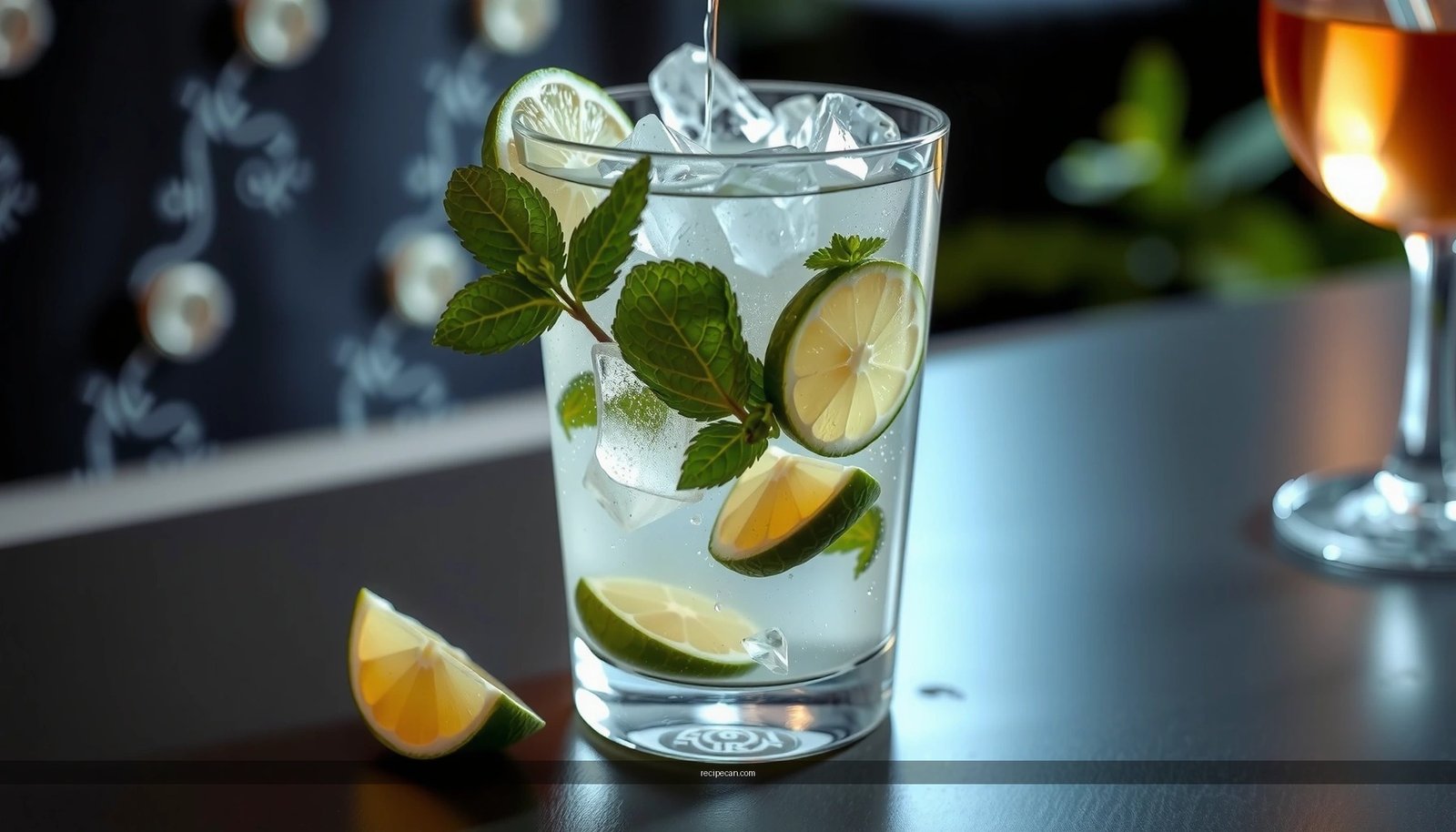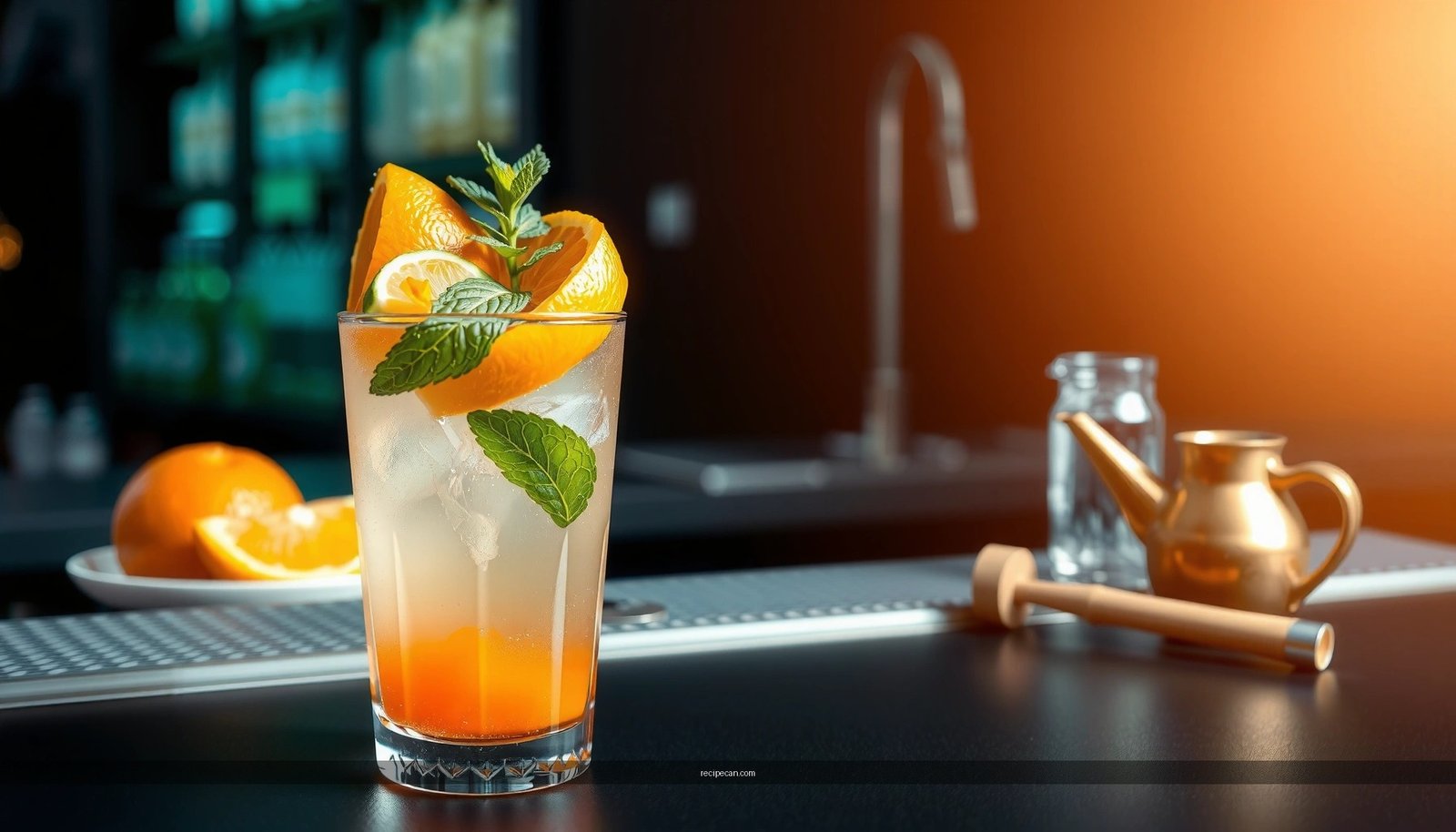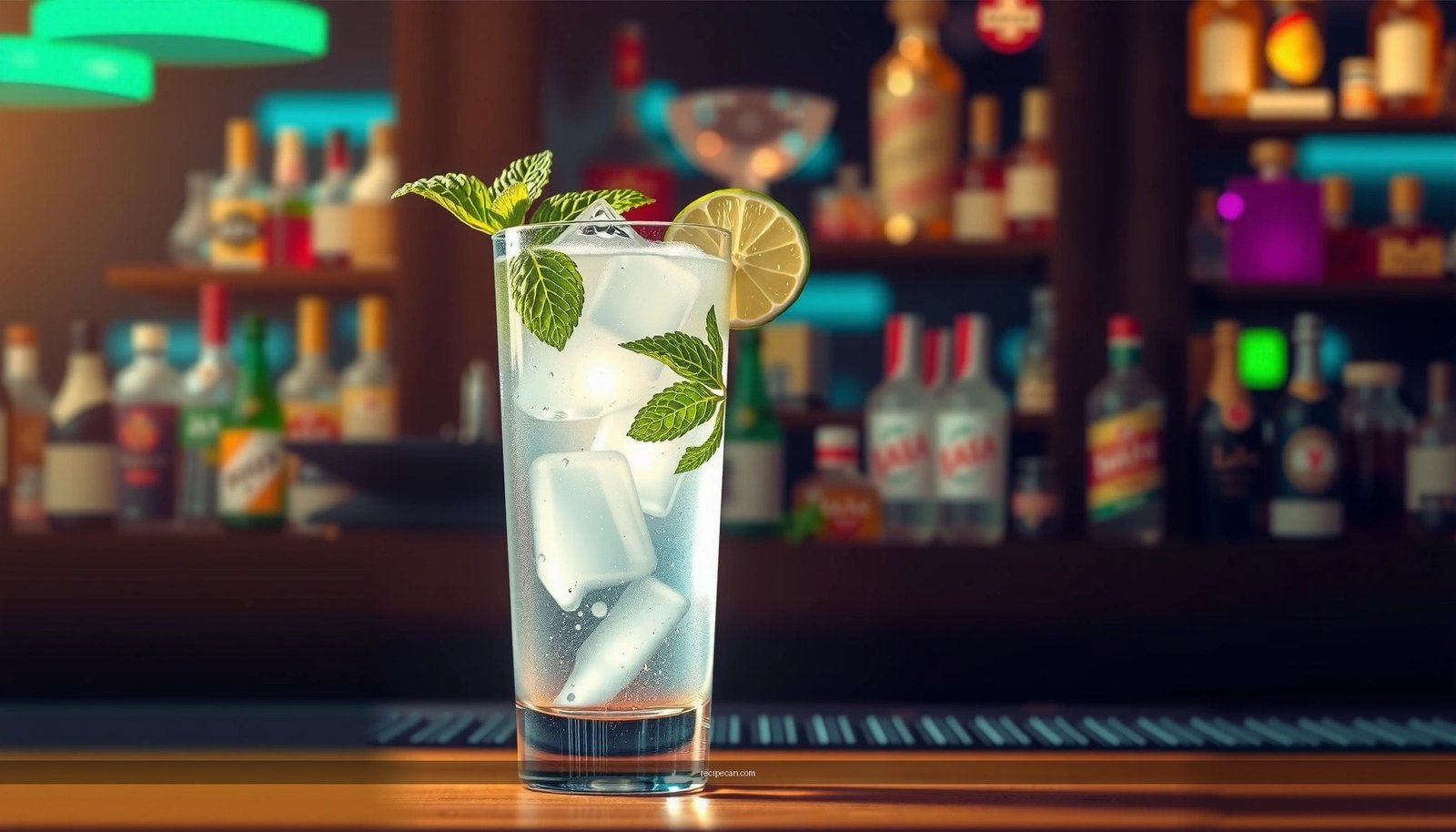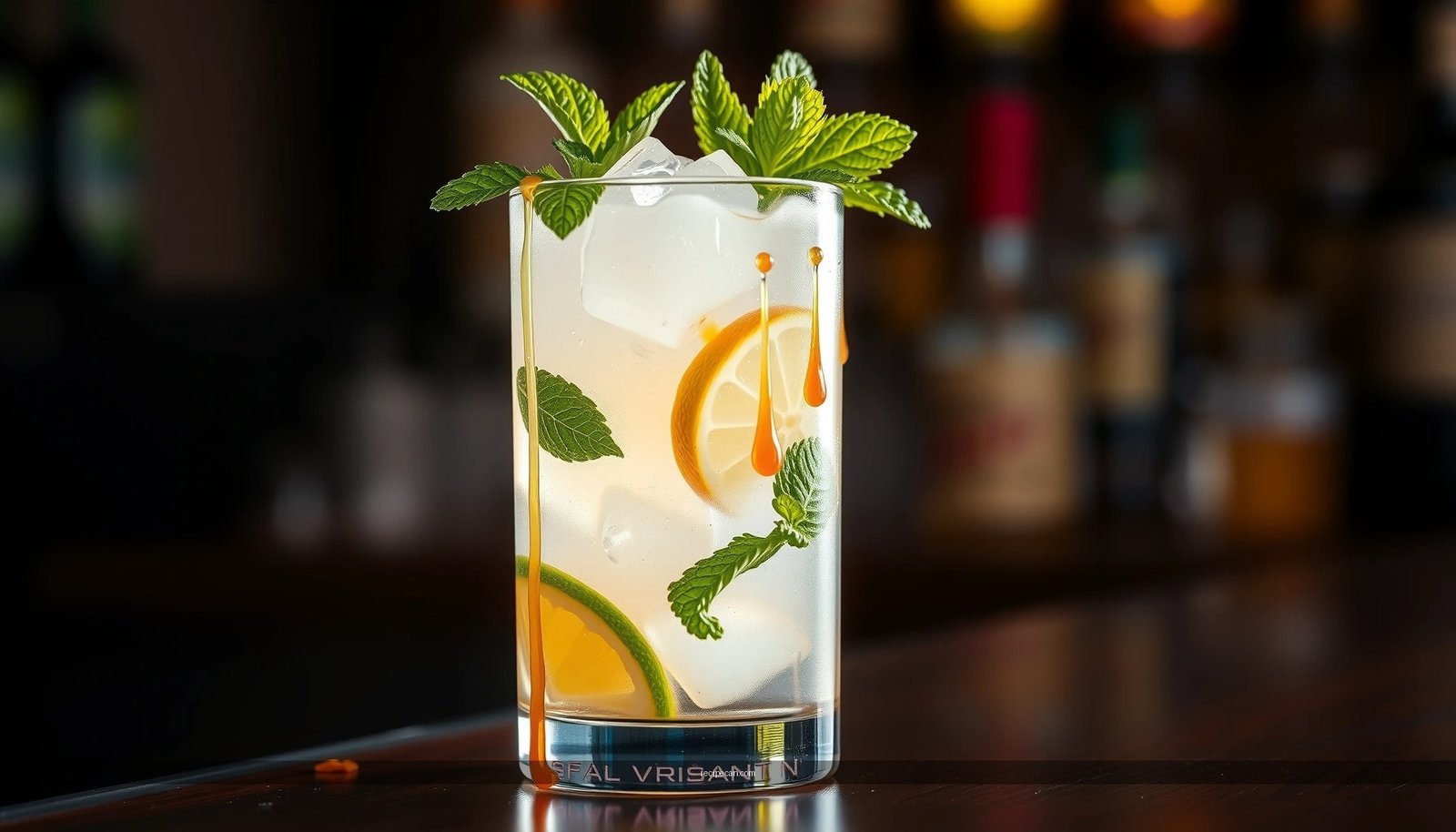
Find out if a mojito recipe non alcoholic can deliver real minty, citrusy lift without any rum—this one does. You’ll get a fresh, zero-proof version with the right balance of lime juice, mint, and sweetness for maximum refreshment. It’s the fastest way to make a crowd-pleasing mojito at home when you want the flavor, not the alcohol.
A non alcoholic mojito is easy to make and tastes like the real thing when you build the drink in the right order: gently muddle fresh mint with lime juice, add sweetness until balanced, then finish with cold sparkling water for lift and aroma. Below is a simple, zero-proof mojito recipe plus practical flavor-control tips so your result stays bright, minty, and refreshing—without any rum.
Gather Ingredients for a Non Alcoholic Mojito
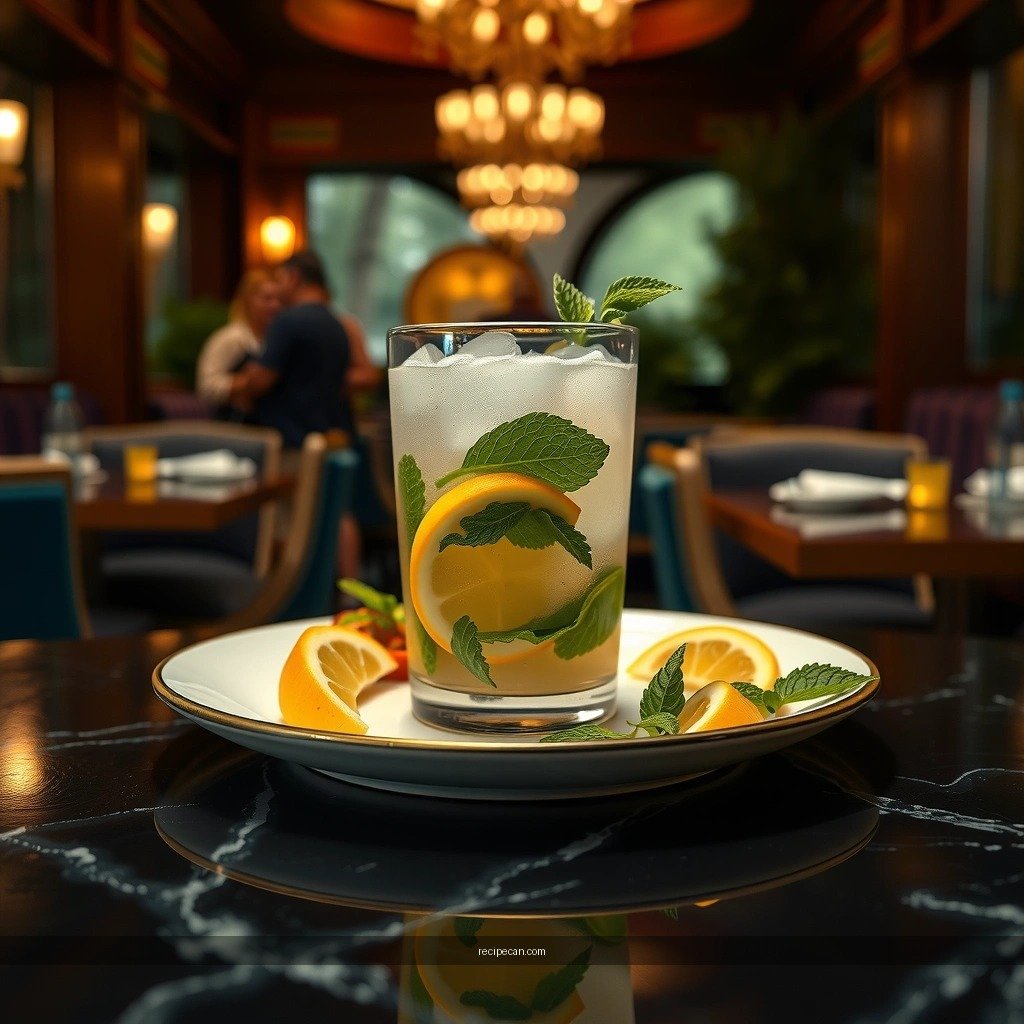
To make a non alcoholic mojito that feels “bar-quality,” focus on freshness and balance rather than complicated steps. This recipe is designed for a single serving, but the ingredients scale cleanly for batches.
– Fresh mint leaves: Use vibrant, fragrant leaves (avoid mint that looks wilted or dry).
– Lime wedges or lime juice: Fresh lime gives the mojito its crisp sour edge.
– Sugar (or simple syrup): Sugar helps round out the tartness; simple syrup dissolves faster.
Carbonation and texture
– Sparkling water or soda (cold): This is the “non alcoholic cocktail” effect—bubbles keep flavors vivid.
– Crushed ice or lots of ice cubes: Ice chills quickly and prevents the drink from tasting flat.
Optional but useful
– Mint sprigs and extra lime wheel for garnish (presentation matters for aroma).
– Extra lime juice to fine-tune sourness.
– A splash of water if your lime is very sharp and you need to soften acidity.
– Berries (optional): they don’t belong traditionally, but they work well for a modern, flavorful twist.
If you want to understand the practical “sweetness decisions” behind mojitos, the table below compares common sweeteners based on how they behave in a lime-mint drink.
Sweetener Choices for a Non Alcoholic Mojito (Practical Mix Behavior)
| # | Sweetener | Dissolves in Cold Lime | Best Use in Mojito | Flavor Impact |
|---|---|---|---|---|
| 1 | Simple Syrup (1:1 sugar+water) | Fast | Consistent batch drinks | + Smooth, even sweetness |
| 2 | Granulated Sugar | Medium | Small, immediate servings | ★ Slight edge texture |
| 3 | Honey | Slower | Warm-up then stir | + Floral sweetness |
| 4 | Agave Syrup | Fast | Light sweetness profiles | + Neutral, easy mixing |
| 5 | Demerara or Brown Sugar | Medium | “Caramel-lime” twist | ★ Deeper, less classic |
| 6 | Coconut Sugar | Medium | Mellow sweetness | ★ Earthy undertone |
| 7 | Zero-Cal Sweeteners (mixers) | Varies | Zero-proof, low sugar | – Can feel “flat” |
Make the Base: Muddle Mint and Lime
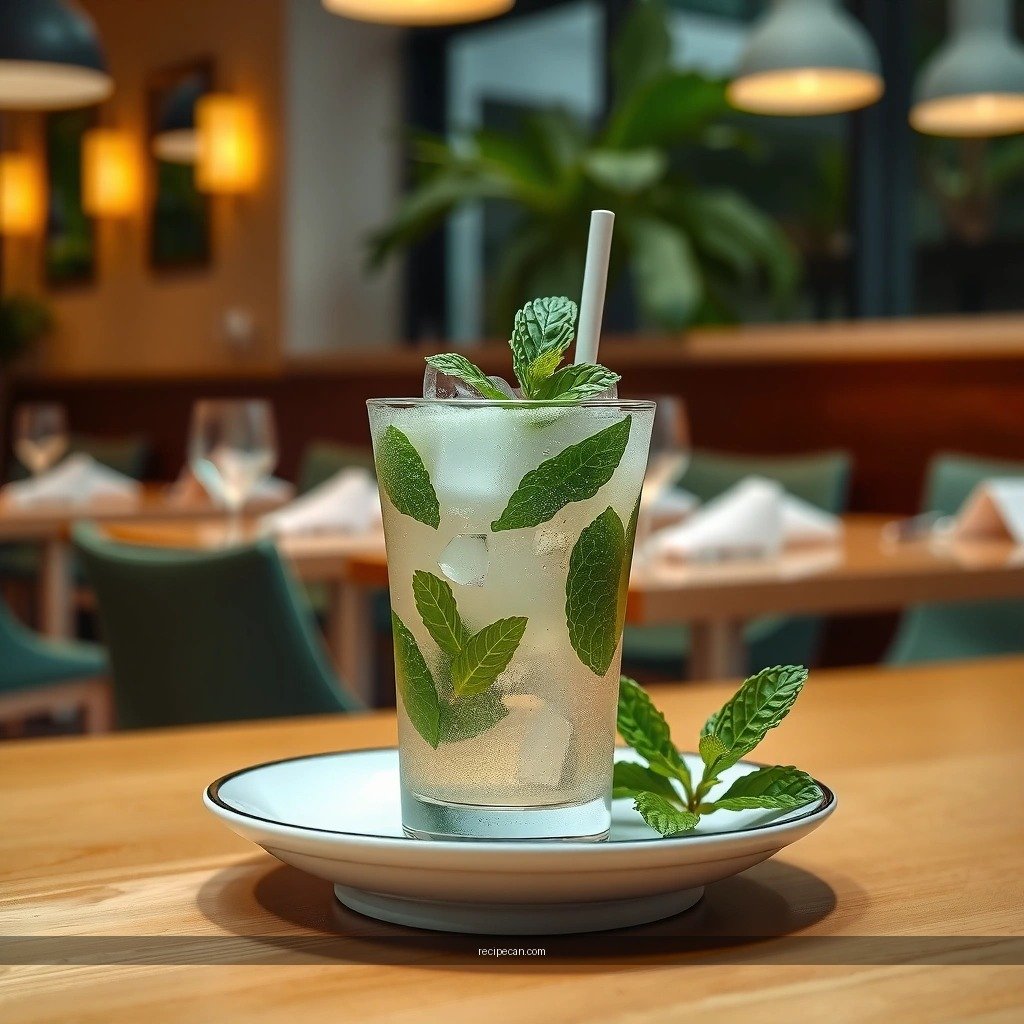
The base is where most mojitos succeed or fail—especially when you’re making a non alcoholic mojito. The key is to extract aroma without releasing harsh, bitter notes from mint stems.
1. Gently muddle mint
– Add mint leaves to a sturdy glass or cocktail shaker.
– Lightly press and twist your muddler just enough to bruise the leaves.
– If you pulverize the mint, you’ll often get a grassy bitterness that reads “green” instead of “fresh.”
2. Add lime juice and sugar
– Squeeze in fresh lime juice (or add lime wedges and press them lightly).
– Stir in sugar (or simple syrup) until it begins to dissolve.
– You’re aiming for a blend where sweetness is present but not syrupy.
3. Chill with crushed ice
– Add crushed ice to the base so the flavors stay crisp.
– Cold temperature helps maintain the perceived brightness of lime and mint—an important factor for a zero-proof mojito that otherwise might taste “one-note.”
Pro tip for consistency: If your limes are unusually sour, slightly increase the sweetener rather than over-squeezing additional lime. Sour plus mint can become sharp quickly, and that sharpness can mute mint’s freshness.
Build the Mojito: Combine and Top
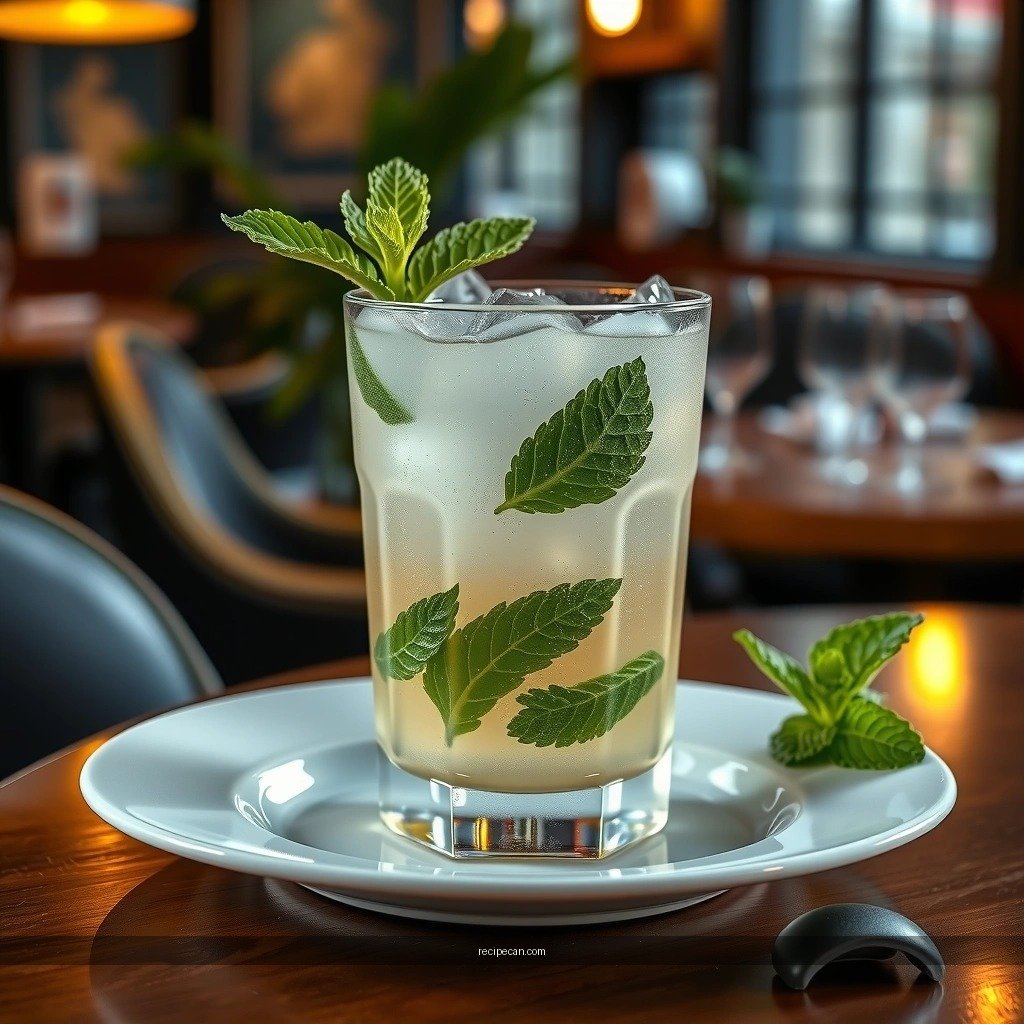
Once the base is ready, construction is straightforward—but the order matters for texture, foam, and fizz.
1. Stir for even distribution
– Stir the muddled mint-lime-sugar base thoroughly so the sweetness and acidity are evenly balanced.
– This prevents “sweet pockets” near the bottom and overly sharp flavor at the top.
2. Top with cold sparkling water (or soda)
– Slowly pour sparkling water over the ice to preserve carbonation.
– This step is what makes the drink feel like a classic mojito even without rum: the bubbles carry the mint-lime aroma up to your nose.
3. Add more ice if needed
– Your goal is a well-filled glass so the drink stays cold without becoming watery too fast.
– For best texture, use a mix of crushed ice and a few larger cubes, so it chills quickly while maintaining structure.
Serving note: Use sparkling water that you’ve kept cold. Warm soda can flatten quickly and make a non alcoholic mojito taste dull rather than lively.
Flavor Balance Tips (Sweet, Sour, Fresh)
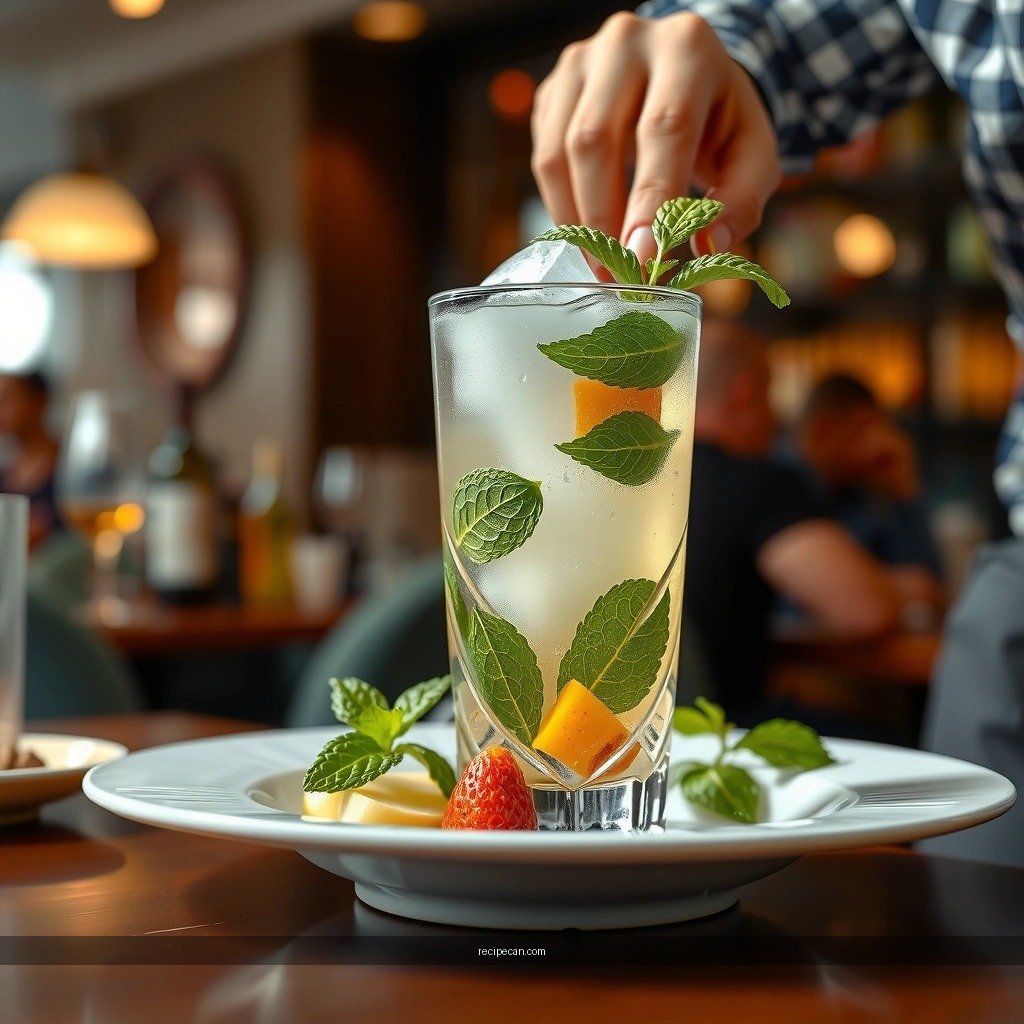
A great mojito is not “sweet” or “sour” by itself—it’s a moving balance that tastes good across sips. Here’s how to troubleshoot common issues.
– If it tastes flat or watery
– Add more lime juice or increase sweetness slightly with a small spoonful of sugar/syrup.
– Flatness often comes from under-muddling, too little lime, or ice diluting faster than flavor.
– If it’s too tart
– Add a small amount of sugar or syrup, stir well, then re-check.
– Avoid adding more mint aggressively—too much mint can read bitter and intensify the perception of “sharpness.”
– If it tastes bitter or overly herbal
– You likely muddled too hard or used old/wilted mint.
– For quick correction, add a little extra sparkling water (to lighten intensity) and ensure you’re using fresh, fragrant mint leaves next time.
– For extra freshness
– Add a few more fresh mint leaves on top (lightly, not muddled).
– Or gently crush a mint sprig between your fingers and place it at the rim for aroma.
Keep proportions consistent: Once you find the sweet-sour ratio you like, repeat it. Small variations in lime acidity and mint strength are normal, but consistent technique makes your non alcoholic mojito reliably delicious.
Serving Ideas and Garnishes
Presentation affects aroma, and aroma affects perceived flavor—especially in mint-forward drinks. Use garnishes as functional tools, not just decoration.
– Classic garnish
– Mint sprig + lime wheel.
– Place the mint so it brushes the rim when lifted, releasing aroma at each sip.
– Color and texture upgrade
– Add berries (such as raspberries or blueberries) to the glass before building.
– The berries can add gentle sweetness and a visual “party” effect while still letting lime and mint lead.
– Extra lime wedges for customization
– Offer one extra lime wedge so guests can adjust sourness without remaking the drink.
Best practice: Garnish after topping with sparkling water, so the fizz stays intact and the mint-lime aroma isn’t lost before serving.
Make It Ahead (For Parties or Meal Prep)
A non alcoholic mojito is perfect for gatherings because you can prep the flavor base and assemble individual glasses quickly—keeping carbonation fresh.
– Pre-mix the base
– Muddle mint, mix lime juice, and add sugar/syrup into a covered container.
– Keep it chilled so it stays bright.
– Add sparkling water right before serving
– Carbonation degrades over time, so topping at the last moment ensures the “fresh, minty” character remains lively.
– Assemble close to serving time, especially if you’re making multiple drinks.
– Storage window
– Refrigerate the base for a few hours, ideally within the same day.
– Mint can darken slightly as it sits; that’s normal, but flavor can soften as the leaves continue to release compounds.
– Batch scaling (simple rule)
– Multiply the base ingredients evenly per serving.
– For example: if your recipe uses a specific amount of lime and mint per glass, scale by the number of guests and keep the ice and sparkling water separate until assembly.
Operational tip for hosts: Set up a “build station”—base pitcher, ice bucket, sparkling water bottle, and garnishes—so guests get served fast without the drink losing fizz.
A non alcoholic mojito delivers classic mint-lime character with zero rum by using fresh mint, mindful muddling, balanced sweetness, and plenty of cold sparkling water. Mix the mint-lime-sugar base, chill it with ice, top with fizz right before serving, and finish with a mint sprig and lime wheel for maximum aroma. Try this non alcoholic mojito recipe now, then adjust sweetness and lime in small steps until it matches your ideal sweet, sour, and fresh balance.
Frequently Asked Questions
What is a simple non-alcoholic mojito recipe?
A simple mojito recipe non alcoholic uses fresh mint, lime juice, sugar (or simple syrup), and sparkling water. Muddle mint gently, then add lime juice and syrup to build the base. Fill a glass with ice, top with club soda/soda water, and stir lightly so the mint flavor stays fresh and bright.
How do you make a non alcoholic mojito that tastes like the original?
To mimic the classic mojito flavor, focus on fresh lime juice and well-muddled mint—don’t over-mash the leaves or it can turn bitter. Use cane sugar or a quick simple syrup for sweetness, and add a splash of non-alcoholic “mojito” flavor or limey soda if you want extra punch. Finish by topping with cold sparkling water and stirring just enough to combine.
Why does a non alcoholic mojito taste different from a traditional mojito?
Traditional mojitos get complexity from rum, which adds warmth and depth beyond just sweetness and acidity. Without alcohol, you may need a little extra lime brightness and balanced sweetness, plus aromatic ingredients like mint and optional soda water carbonation. Using super-fresh mint and real lime juice usually makes the non-alcoholic mojito taste significantly closer to the original.
Which alcohol-free ingredients work best for a mojito recipe without rum?
The best alcohol-free base is lime juice, fresh mint, and a sweetener like simple syrup—these create the core mojito profile. For added complexity, consider using ginger beer (lightly) or a non-alcoholic rum alternative if you want a spirit-like note. Keep the flavor “mojito-friendly” with citrus and mint, then top with sparkling water for the signature finish.
What are the best tips for getting the right mojito texture and balance in a non alcoholic version?
Use plenty of ice so the drink stays cold and the carbonation blends evenly. Muddle mint briefly and gently to release oils without bitterness, then taste the mixture before adding sparkling water. Aim for a balance of tart lime, moderate sweetness, and crisp carbonation—adjust with more lime for tang or more syrup for sweetness.
References
- Mojito
https://en.wikipedia.org/wiki/Mojito - List of non-alcoholic mixed drinks
https://en.wikipedia.org/wiki/Mocktail - https://www.britannica.com/topic/mojito
https://www.britannica.com/topic/mojito - Mint
https://en.wikipedia.org/wiki/Mint - Lime (fruit)
https://en.wikipedia.org/wiki/Lime_juice - Carbonated water
https://en.wikipedia.org/wiki/Soda_water - Google Scholar Google Scholar
https://scholar.google.com/scholar?q=mojito+non-alcoholic+recipe - Google Scholar Google Scholar
https://scholar.google.com/scholar?q=mocktail+recipe+mint+lime+soda - Google Scholar Google Scholar
https://scholar.google.com/scholar?q=mojito+ingredients+mint+lime+sugar+nonalcoholic - Google Scholar Google Scholar
https://scholar.google.com/scholar?q=mojito+recipe+non+alcoholic