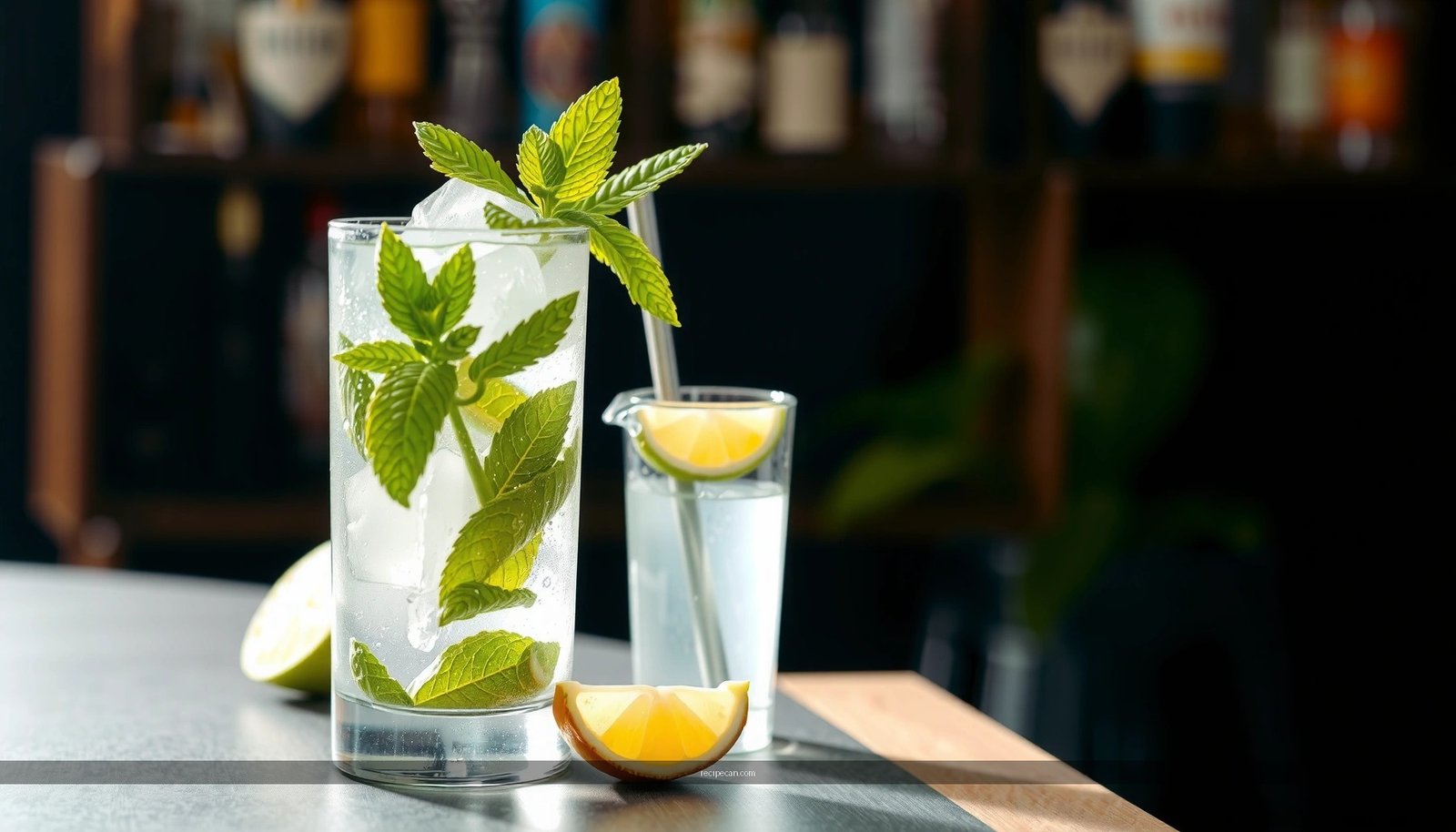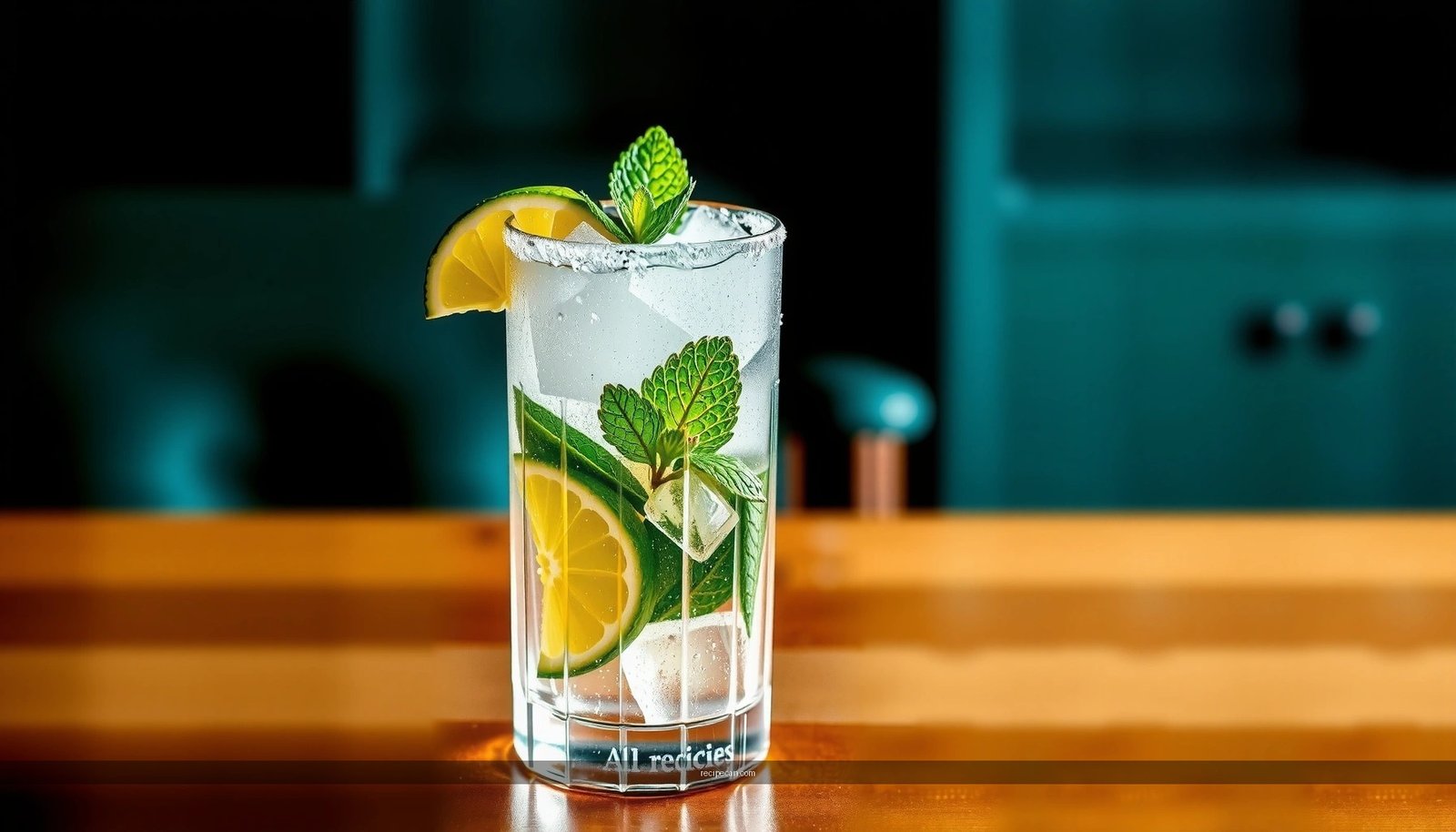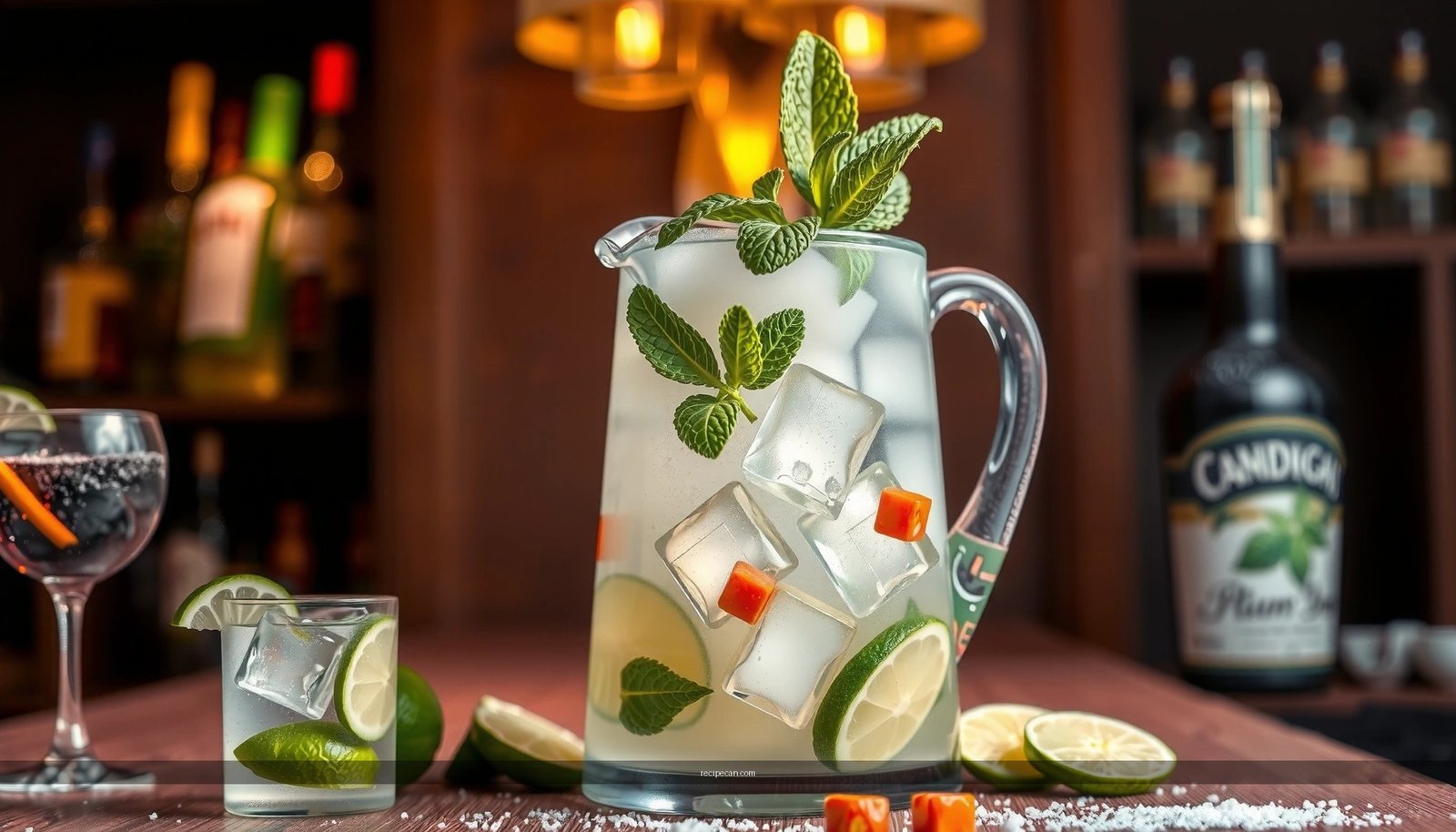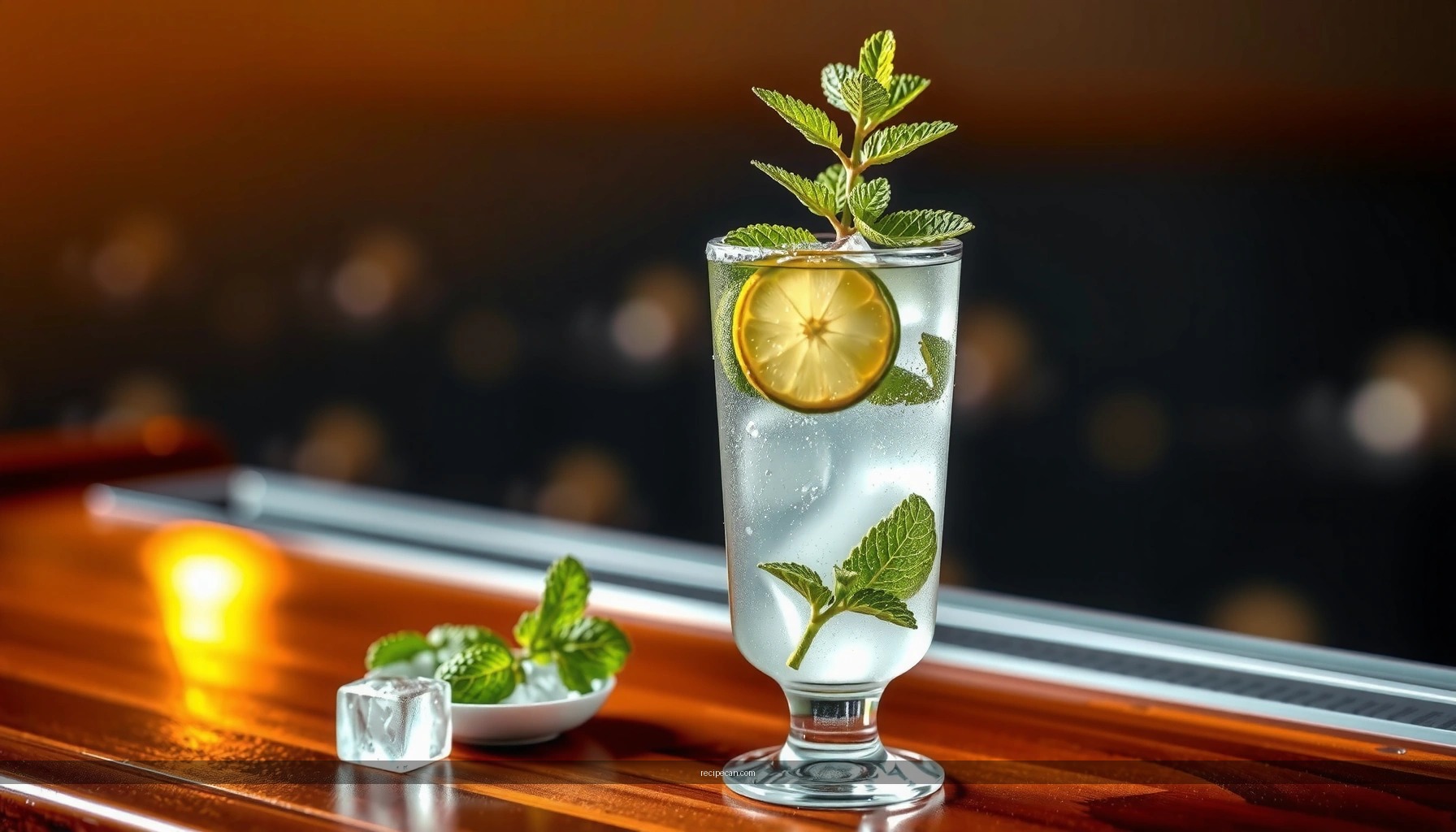
Get a mojito recipe with gin that delivers the clean, crisp, minty bite you want—fast and reliably—without the usual muddling mistakes. This guide answers whether gin makes a Mojito taste fresher and less sweet than rum, and it gives you the exact build to prove it. In under 10 minutes, you’ll have a bright cocktail with fresh mint, lime, soda, and the right gin-to-sugar balance.
This mojito recipe with gin is the fastest way to get a bright, classic mint-and-lime cocktail with a balanced sweet-tart profile—done in minutes with the right muddling and a proper soda top-off. If you follow the steps for gently releasing mint oils (not crushing bitterness), balancing fresh lime juice with simple syrup, and using generous ice, you’ll consistently nail that refreshing, “just-made” gin mojito taste.
Mint Muddle Essentials
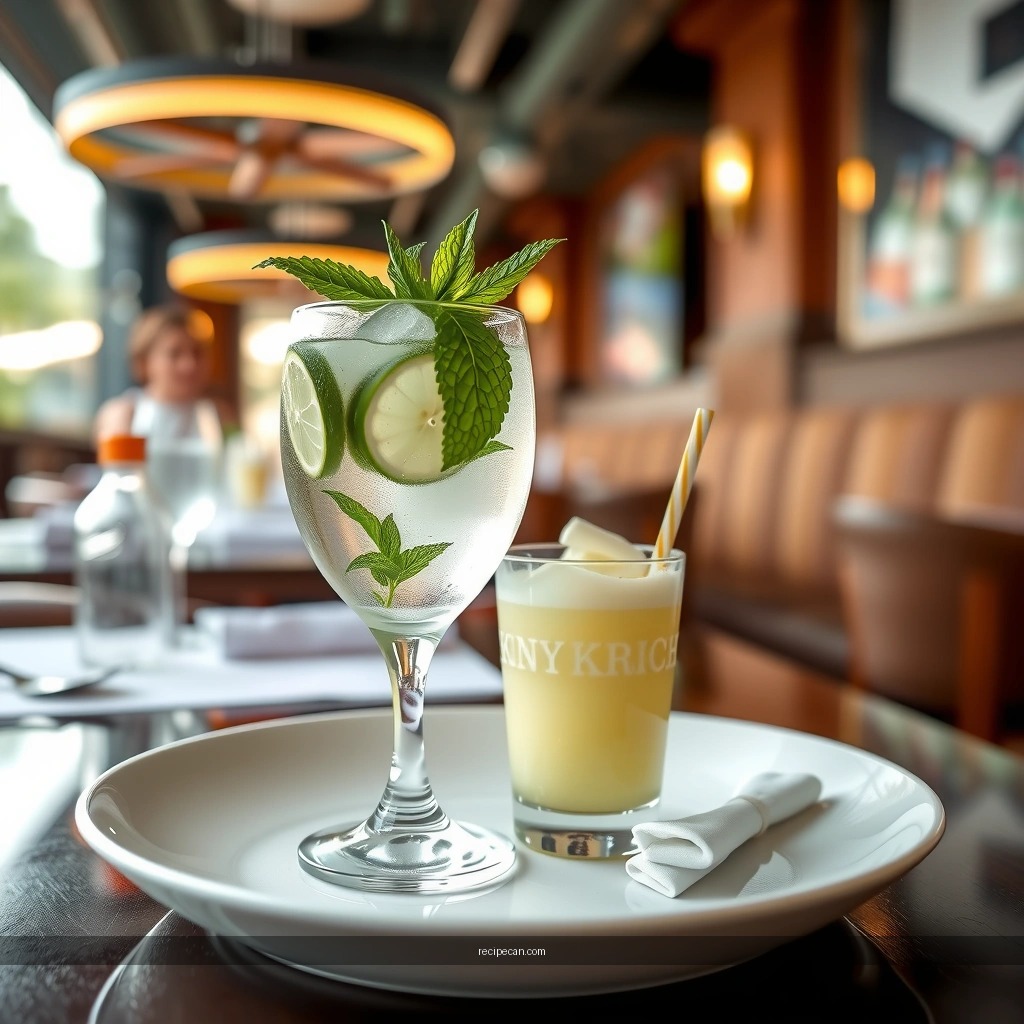
A great gin mojito starts with the mint. Fresh mint leaves provide volatile oils (the fragrant compounds you want) that dissolve into alcohol and citrus quickly—but only if you treat them correctly. The goal is to bruise the leaves enough to release aroma, not to grind them into pulp.
– Use fresh mint leaves and gently muddle to release flavor without bitterness
– Choose leaves that are pliable and fragrant. If the mint smells dull or looks wilted, the cocktail will taste flat even if the recipe is perfect.
– Muddle using light pressure and short motions. Think “bruise” rather than “blend.”
– Avoid muddling for too long—over-muddled mint can introduce an unpleasant, herbal bitterness and an earthy aftertaste.
– Aim for fragrant mint, not shredded leaves
– A good sign: when you muddle, the bowl or glass should smell intensely minty almost immediately.
– Visually, the leaves should be torn and slightly crushed, not shredded into fibrous bits that remain stubbornly in the drink.
– For consistency, remove thick stems if they’re tough; they can add a harsher green note.
Actionable method: muddle mint + lime juice + sweetener briefly (about 20–30 seconds total). Then add gin and ice to pull the mint oils into the base quickly—this is where the flavor integration starts.
Lime Juice and Sweetener Balance
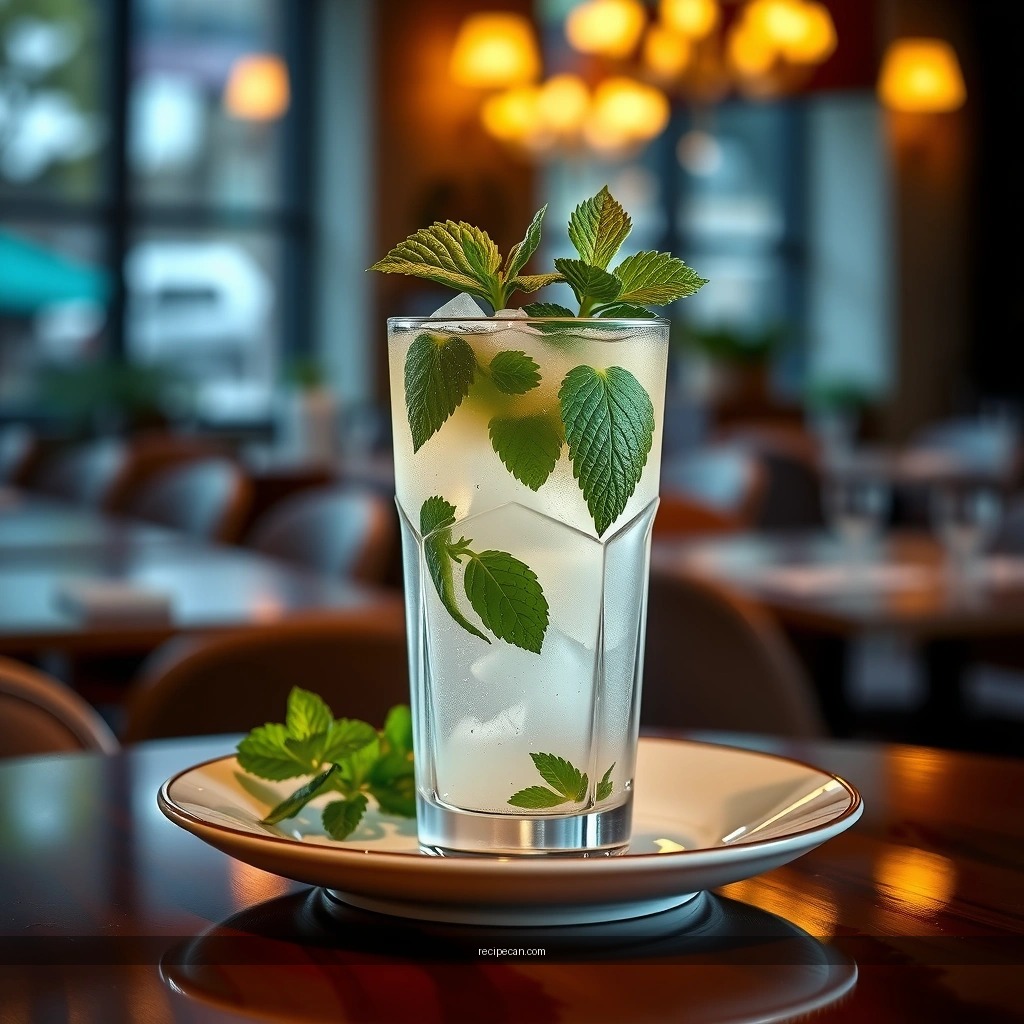
Mint is the aroma; lime is the structure. The “classic mojito taste” comes from a clean citrus tang that’s tempered (not flattened) by sweetness. Because lime varieties vary in acidity, you’ll get the best results by adjusting sweetener slightly as you taste.
– Fresh lime juice is key for bright, crisp flavor
– Bottled lime juice often tastes muted or slightly metallic compared to fresh-squeezed juice.
– Fresh lime also helps the cocktail taste lively even after dilution from ice.
– If you can, strain the juice to remove pulp for a smoother mouthfeel.
– Choose simple syrup (or sugar) and adjust sweetness to taste
– Simple syrup (equal parts sugar and water) dissolves quickly and gives you predictable sweetness.
– If you prefer using sugar directly, add it to lime first and stir until dissolved before adding gin—undissolved sugar can create a gritty texture.
– Target profile: sweet enough to round the lime, but never “dessert-like.” A gin mojito should taste refreshing, not candy-sweet.
Tasting calibration (fast): start with a modest amount of syrup, then taste after muddling and gin addition (before the final soda top-off). Soda will slightly soften perceived acidity, so you can aim for lime brightness in the base.
Gin Mojito Ingredients
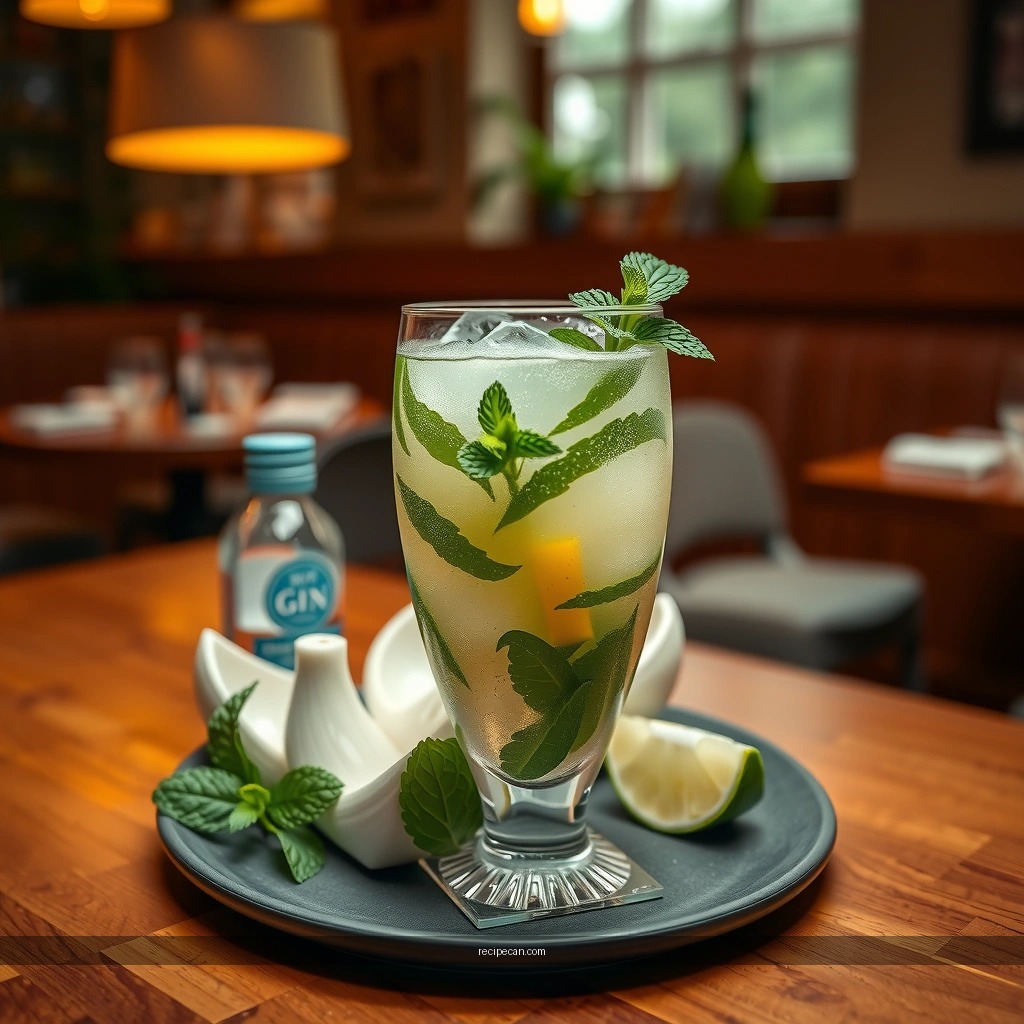
The ingredient list is simple, but the “performance” depends on proportions and ice. Gin adds a botanical backbone that pairs naturally with mint and lime—especially when the gin leans toward juniper-driven, citrus-friendly profiles.
– Gin, fresh mint, lime juice, simple syrup, and soda water
– Gin: choose a style you enjoy sipping. A classic London Dry gin works beautifully because its juniper and citrus-forward botanicals complement lime.
– Soda water: use chilled soda water for consistent carbonation and temperature.
– Fresh mint and lime: non-negotiable for the best aroma and vibrancy.
– Add ice generously for the right dilution and chill
– Plenty of ice increases dilution control. Too little ice can make the drink overly strong and warm quickly.
– Ice also helps the drink texture—proper dilution brings botanicals forward and keeps lime flavors from dominating.
– Use cubed ice if possible; it melts at a steady rate and keeps the drink colder.
Quick ingredient target (1 drink):
– 2 oz (60 ml) gin
– 10–12 fresh mint leaves
– 3/4 oz (22 ml) fresh lime juice
– 1/2–3/4 oz (15–22 ml) simple syrup (to taste)
– 3–5 oz (90–150 ml) chilled soda water
– Ice to fill the glass
Step-by-Step Mojito Recipe with Gin
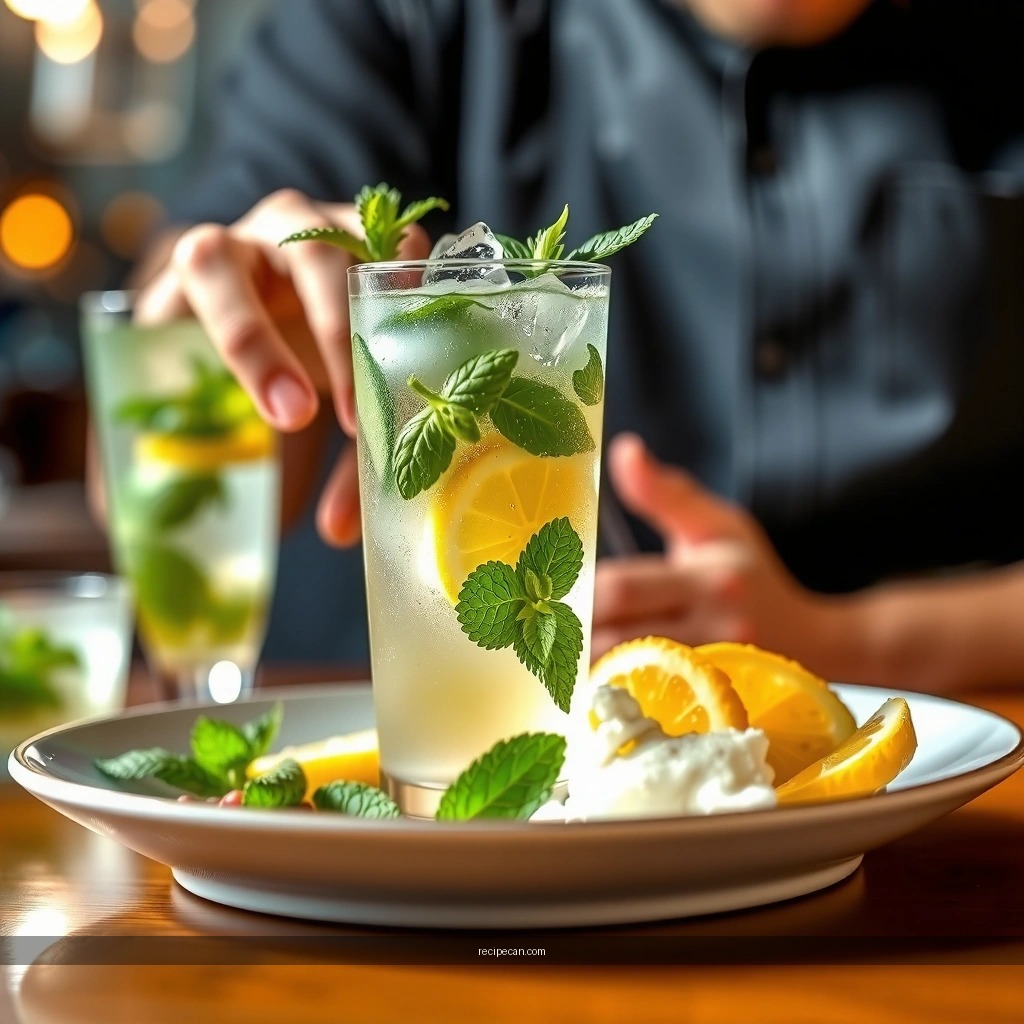
This is the method that reliably delivers a balanced gin mojito: mint gets gently extracted, citrus gets integrated, and carbonation stays lively at the end.
– Muddle mint with lime juice and sweetener, then add gin and ice
– In a sturdy glass, add mint leaves and lime juice.
– Add simple syrup.
– Muddle gently for about 20–30 seconds—just enough to release fragrance.
– Add gin and stir to combine.
– Fill the glass with ice until it’s well-packed. (This is what keeps your mojito from going flat too quickly.)
– Top with soda water and stir lightly
– Pour in chilled soda water last.
– Stir lightly once or twice—over-stirring can reduce carbonation.
– Taste and adjust (more syrup for sweetness, more soda for lift, or a small squeeze of lime for acidity).
Common workflow tip (for clean flavor): muddle first, then add gin and ice, then top with soda. If you add soda earlier, carbonation can escape and the drink can taste flatter.
Gin Mojito Flavor Tuning Guide (Taste-Adjust Benchmarks)
| # | Tasting Check | Recommended Adjustment | Why It Works | Confidence |
|---|---|---|---|---|
| 1 | Mint feels weak | Add 2–3 more mint leaves next time (no extra muddle) | More leaf surface releases more aromatic oils | ★★★★★ |
| 2 | Mint tastes bitter/green | Next time, muddle 10–15s less and avoid stems | Less extraction of harsher compounds | ★★★☆☆ |
| 3 | Lime feels dull | Add 1–2 tsp fresh lime juice, then re-stir | Boosts brightness without changing structure | ★★★★☆ |
| 4 | Too tart | Add 1 tsp simple syrup; taste again | Sweet rounds acidity and balances botanicals | ★★★★☆ |
| 5 | Too sweet | Add 1–2 oz more soda water and stir once | Dilutes sweetness while keeping carbonation | ★★★☆☆ |
| 6 | Not “bubbly enough” | Top with an extra 1–2 oz chilled soda water | Restores lift and crisp mouthfeel | ★★★★★ |
| 7 | Too strong/boozy | Add more ice volume before soda (next time) | More dilution lowers perceived strength | ★★★☆☆ |
Pro Tips for the Best Mojito Texture
Texture is what makes the mojito feel “premium,” not just tasty. A properly assembled gin mojito should be cold, lightly diluted, and effervescent—never watered-down or flat.
– Fill the glass with ice before adding soda to keep it lively
– Packing the glass with ice ensures the drink chills quickly and maintains carbonation longer.
– Adding soda directly to warm or lightly iced glasses can lead to fast CO₂ loss and a thinner mouthfeel.
– Garnish with mint sprig and lime wheel for aroma and presentation
– A mint sprig on top acts like an aromatherapy display—when lifted to sip, it releases fresh fragrance.
– A lime wheel reinforces the citrus theme and signals freshness.
– For best aroma, lightly tap or roll the mint sprig between your fingers to awaken oils—without muddling the drink further.
Optional improvement for hosting: garnish each glass right before serving to preserve the aroma and visual appeal.
Serving Ideas and Common Fixes
If you want consistent results, treat serving like the final step in recipe development. Mojitos change quickly as ice melts, carbonation escapes, and flavors integrate—so serving order matters.
– Serve in a tall glass and enjoy immediately for maximum freshness
– A tall glass keeps ice colder longer and provides room for soda bubbles to develop.
– Serve right after building: mint aroma fades and carbonation declines over time.
– If you’re making multiple drinks, pre-muddle limes and syrup briefly, but wait to add soda until the last moment per glass.
– If it’s too strong, add more soda; if too tart, add a touch more syrup
– Too strong: add chilled soda to increase dilution and reduce perceived alcohol intensity.
– Too tart: add a small amount of simple syrup, stir gently, and taste again.
– If you notice mint bitterness: the fix is usually “next time” (muddle less). For an existing drink, rely on soda dilution rather than additional mint muddling.
Business-friendly takeaway: this recipe is highly repeatable because you can adjust using straightforward “taste benchmarks.” The drink is a system—mint extraction, citrus acidity, sweetness rounding, and carbonation lift all interact.
Refreshing your drink with a classic mojito method plus gin is all about mint freshness, lime brightness, and proper soda top-off. Follow the steps, taste as you go, and try it tonight—then tweak sweetness or mint level to make it your signature gin mojito.
Frequently Asked Questions
What’s a classic mojito recipe using gin instead of rum?
A gin mojito keeps the traditional minty, limey profile but swaps rum for gin for a brighter botanical flavor. Muddle fresh mint with lime juice and simple syrup, add gin and a splash of soda water, then stir gently and top with more ice and soda. Garnish with extra mint and lime wedges for that classic mojito look and taste.
How do you make a gin mojito without muddling mint too aggressively?
Use a gentle muddling technique—press and twist the mint leaves just a few times to release essential oils without making them bitter. If you’re worried about bitterness, tap or bruise the mint lightly, then strain the drink or simply stir thoroughly so the flavors distribute evenly. This approach helps your mojito recipe gin stay fresh and balanced rather than harsh.
Why does gin work well in a mojito recipe, and how should you adjust sweetness?
Gin’s botanicals (often juniper and citrus notes) complement lime and mint, making the gin mojito feel crisp instead of heavy. If your gin tastes strongly herbal, reduce the simple syrup slightly or start with a smaller amount and adjust to taste. The goal is a mojito recipe gin that highlights lime acidity and mint freshness, not just sweetness.
Which gin is best for a mojito—London Dry, flavored gin, or something else?
London Dry gin is usually the safest choice because its citrus and juniper notes pair naturally with lime and mint. Flavored gins can work if they’re subtle—think citrus or herbal profiles—but avoid overly sweet or dessert-style gins that overpower the mojito. For a balanced gin mojito, choose a gin that tastes crisp and dry so the soda water and lime can shine.
Best way to build a gin mojito for a perfect ratio of lime, mint, and soda?
Start with lime juice plus simple syrup to balance tartness, then add gin and finish with cold soda water to lift the flavors. Build in a highball glass with plenty of ice, muddle mint briefly, and stir to combine before topping with more soda as needed. For most mojito recipe gin variations, aim for a lively, not syrupy, finish—plenty of bubbles, bright lime, and a clean mint aroma.
References
- Mojito – IBA
https://iba-world.com/iba-cocktails/mojito/ - Mojito
https://en.wikipedia.org/wiki/Mojito - Gin
https://en.wikipedia.org/wiki/Gin - Cocktail
https://en.wikipedia.org/wiki/Cocktail - Google Scholar Google Scholar
https://scholar.google.com/scholar?q=mojito+gin+recipe - Google Scholar Google Scholar
https://scholar.google.com/scholar?q=mojito+mint+lime+rum+composition+study - Google Scholar Google Scholar
https://scholar.google.com/scholar?q=gin+cocktail+fresh+lime+mint+sugar - Alcohol
https://www.who.int/news-room/fact-sheets/detail/alcohol - Alcohol Use | Alcohol Use | CDC
https://www.cdc.gov/alcohol/index.htm - Alcohol’s Effects on Health | National Institute on Alcohol Abuse and Alcoholism (NIAAA)
https://www.niaaa.nih.gov/alcohol-health