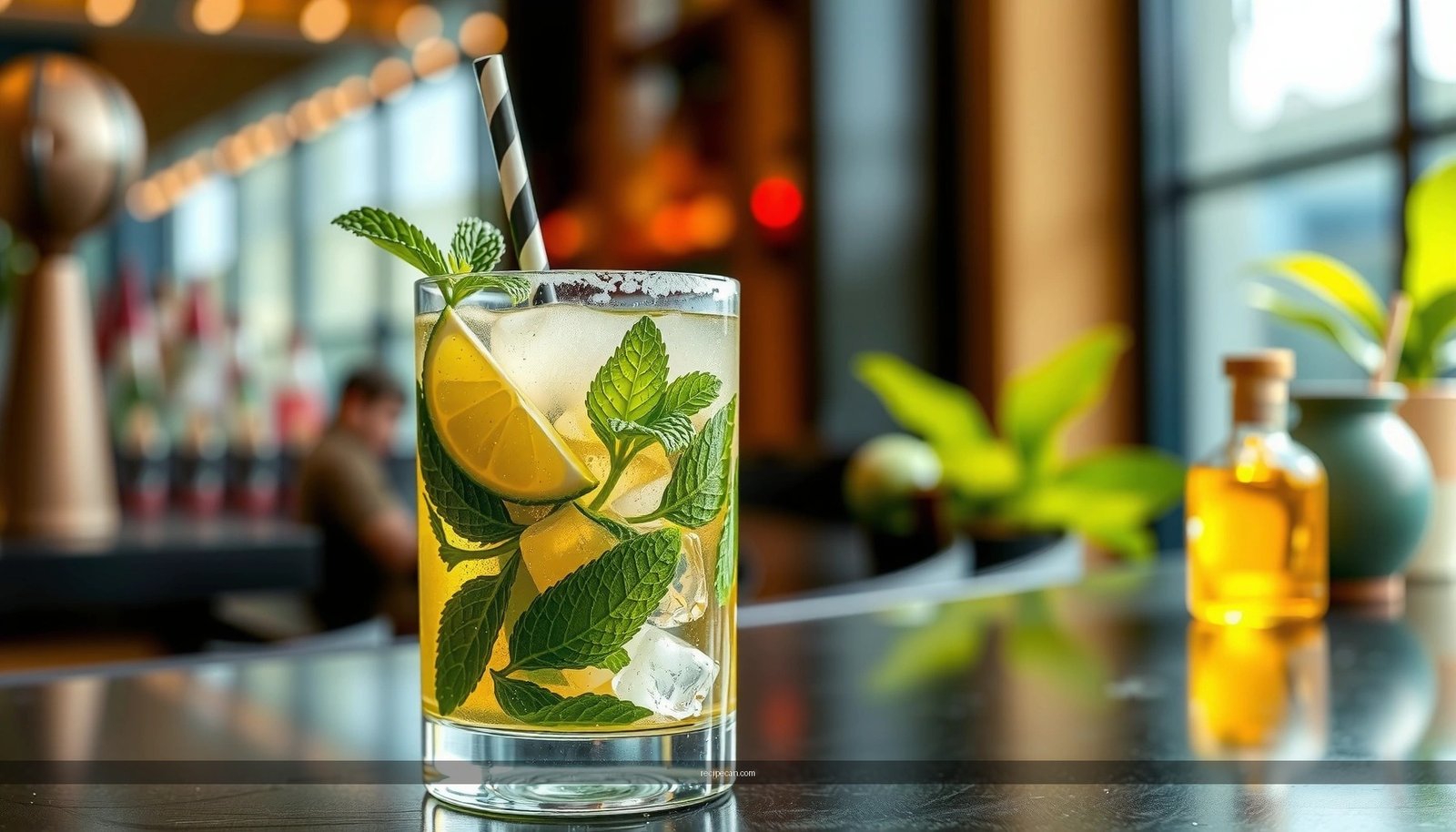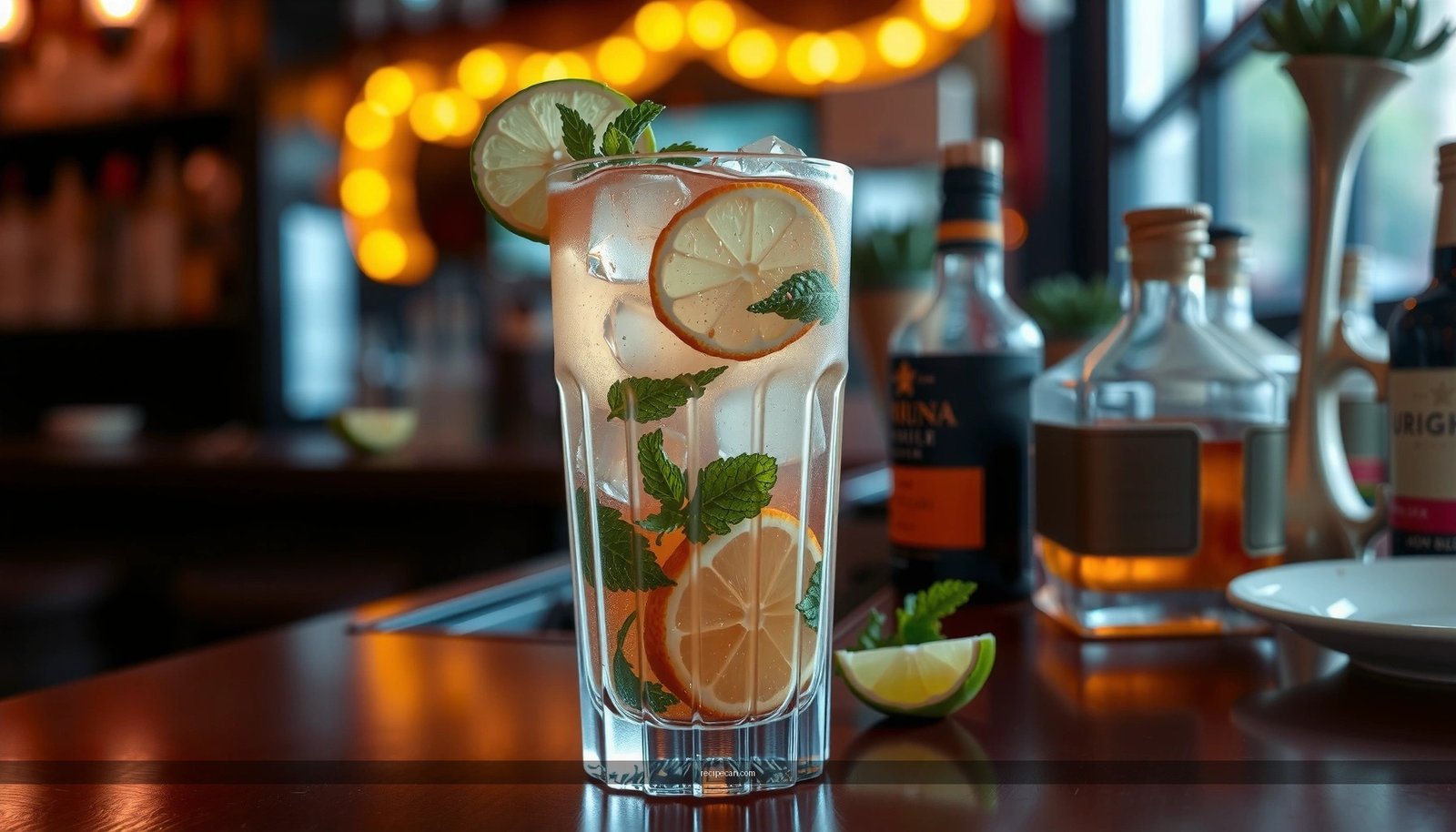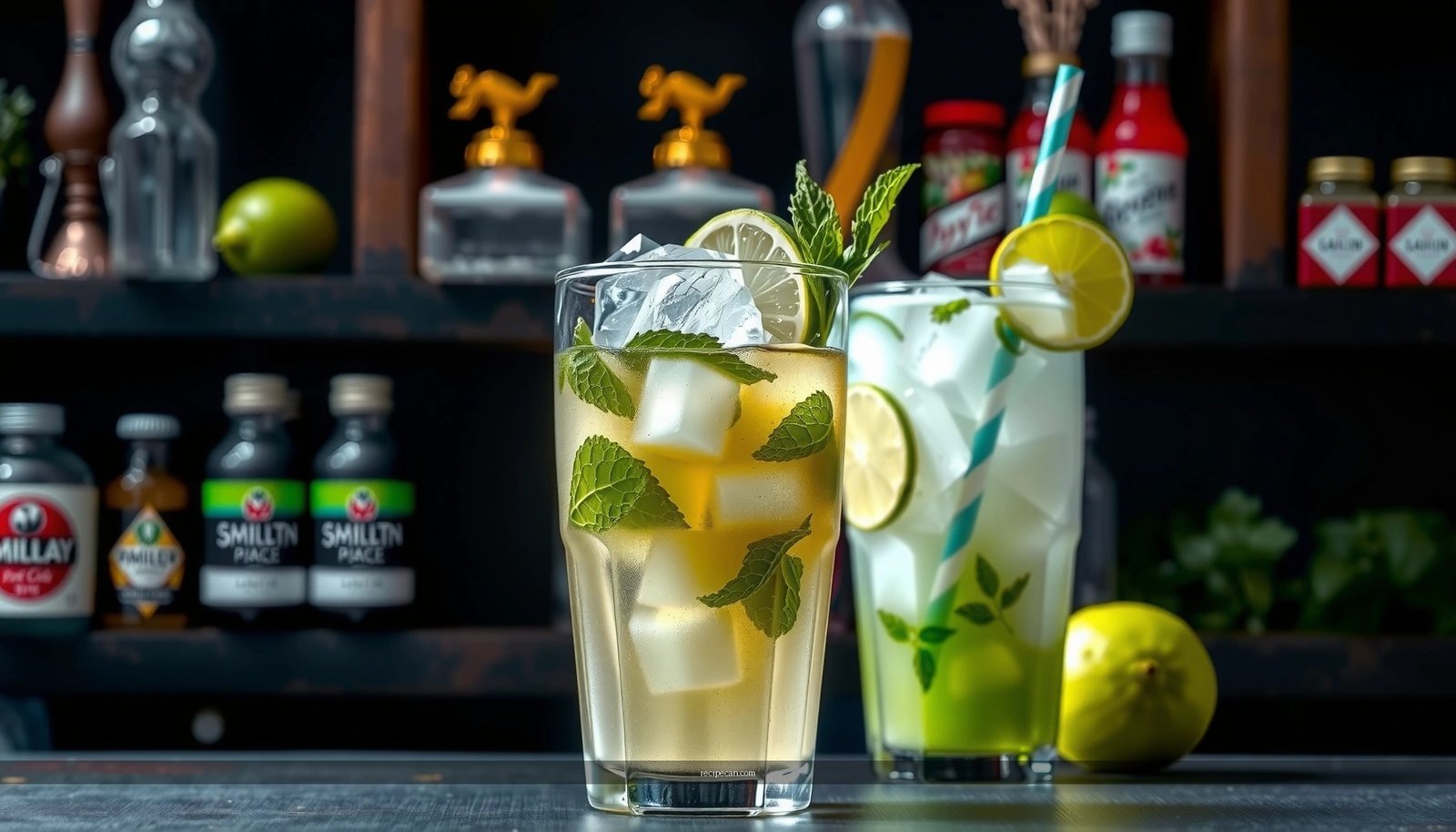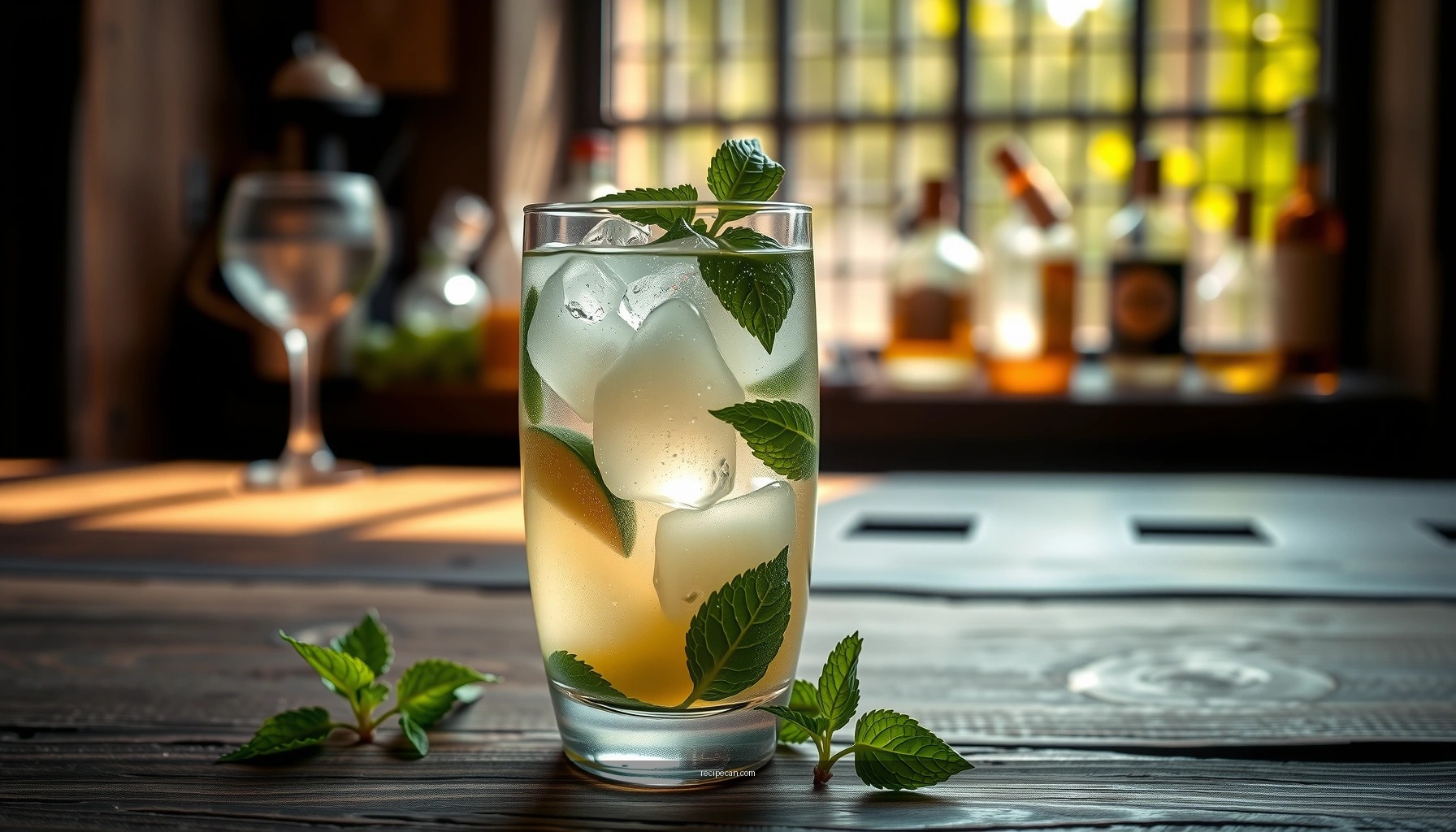
This Mojitos Recipe delivers a true, refreshing mojito at home—bright lime, clean mint, and the right rum balance—without guesswork. Follow the exact steps to muddle, mix, and top with soda so it tastes like a bar version instead of a sugary lime drink. If you want the fastest way to nail classic homemade mojitos, this is the winner recipe.
Make mojitos at home by muddling fresh mint with sugar and lime, then topping with rum and soda water—simple technique, classic results. If you follow the right proportions and keep the soda water fizzy (added last), you’ll get a bright, aromatic, restaurant-quality mojito in minutes.
Mojito Flavor Balance: Best-Case Ingredient Ratios (1 Cocktail)
| # | Ingredient | Target Amount | Why It Matters | Impact on Balance |
|---|---|---|---|---|
| 1 | Fresh mint (leaves only) | 10–14 leaves | Aromatics without excessive bitterness | High ★★★★★ |
| 2 | Lime juice | 3/4 oz (22 mL) | Provides acidity + fresh lime aroma | High ★★★★★ |
| 3 | Sugar | 1–1.5 tsp (4–7 g) | Quick sweetness that melds with mint oils | Moderate ★★★★☆ |
| 4 | Simple syrup (optional) | 1 tsp (5 mL) | Smoother sweetness if sugar won’t dissolve | Positive ★★★★☆ |
| 5 | White rum | 1.5 oz (45 mL) | Clean spirit backbone that lets mint/lime lead | High ★★★★★ |
| 6 | Soda water / sparkling water | Top to 5–6 oz (150–180 mL total) | Fizzy dilution = refreshing finish | High ★★★★★ |
| 7 | Ice (lots) | Fill nearly to the top | Chills quickly and controls dilution | Moderate ★★★★☆ |
Make mojitos at home by muddling fresh mint with sugar and lime, then topping with rum and soda water. This mojitos recipe shows you the exact steps, ingredients, and proportions for a refreshing, classic drink in minutes.
Gather Ingredients for Mojitos
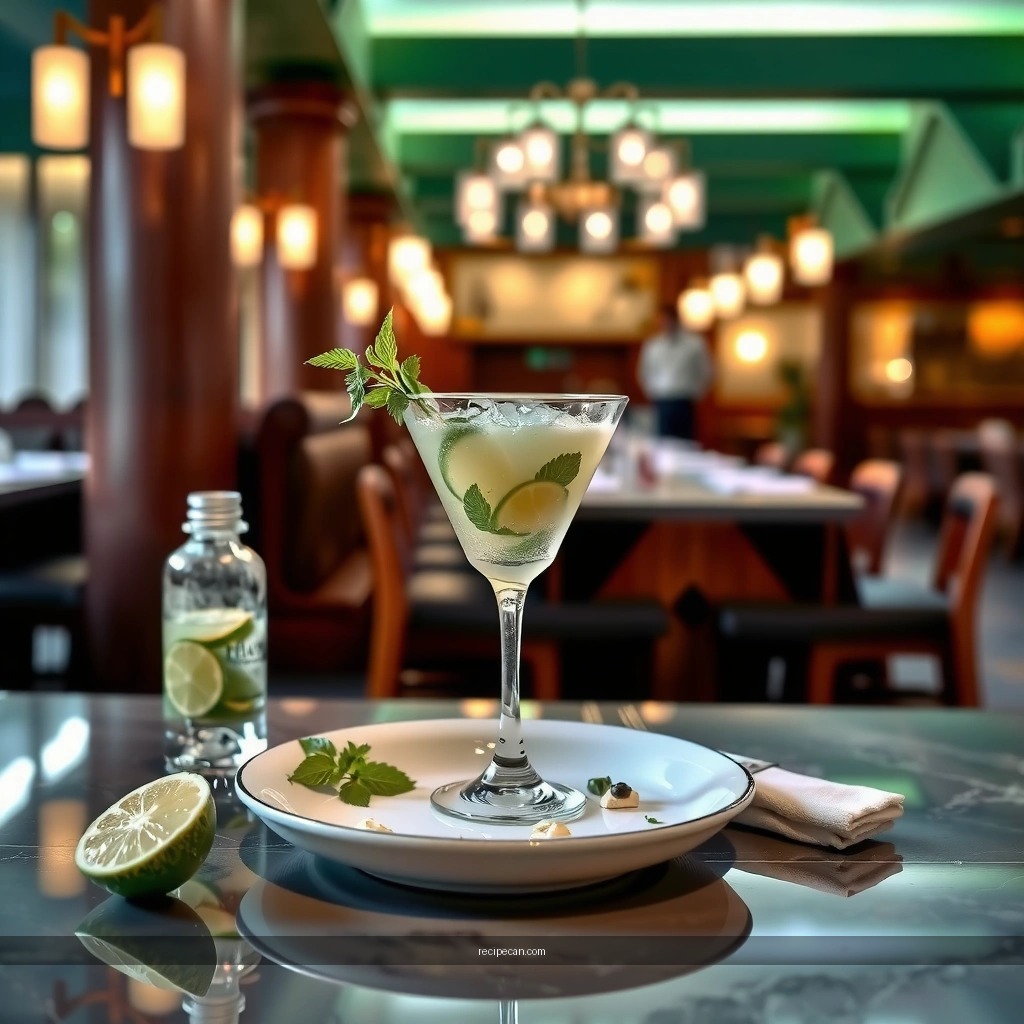
A classic mojito is a balance of four primary elements: mint aroma, lime acidity, sweetening (sugar or simple syrup), and a clean rum profile finished with soda water. Starting with the right ingredients—and preparing them the right way—reduces the common “minty but flat” or “sharp and too sweet” problems.
For one serving (standard classic build):
– Fresh mint leaves: about 10–14 leaves (more if they’re small; fewer if they’re very large)
– Lime juice: ~3/4 oz (22 mL), freshly squeezed
– Sugar: 1–1.5 tsp, or simple syrup (1 tsp) if you want smoother sweetness
– White rum: 1.5 oz (45 mL)
– Chilled soda water/sparkling water: to top up to roughly 5–6 oz total
– Ice: a lot—crucial for texture and dilution
Quality matters more than brand names. Use fresh mint (not dried) because the drink depends on volatile oils that fade quickly once cut. Use fresh lime juice rather than bottled for a brighter, more “alive” flavor. For soda water, choose one that’s clean and not overly sweet—since lime and mint already bring strong character.
Muddle Mint and Lime Properly
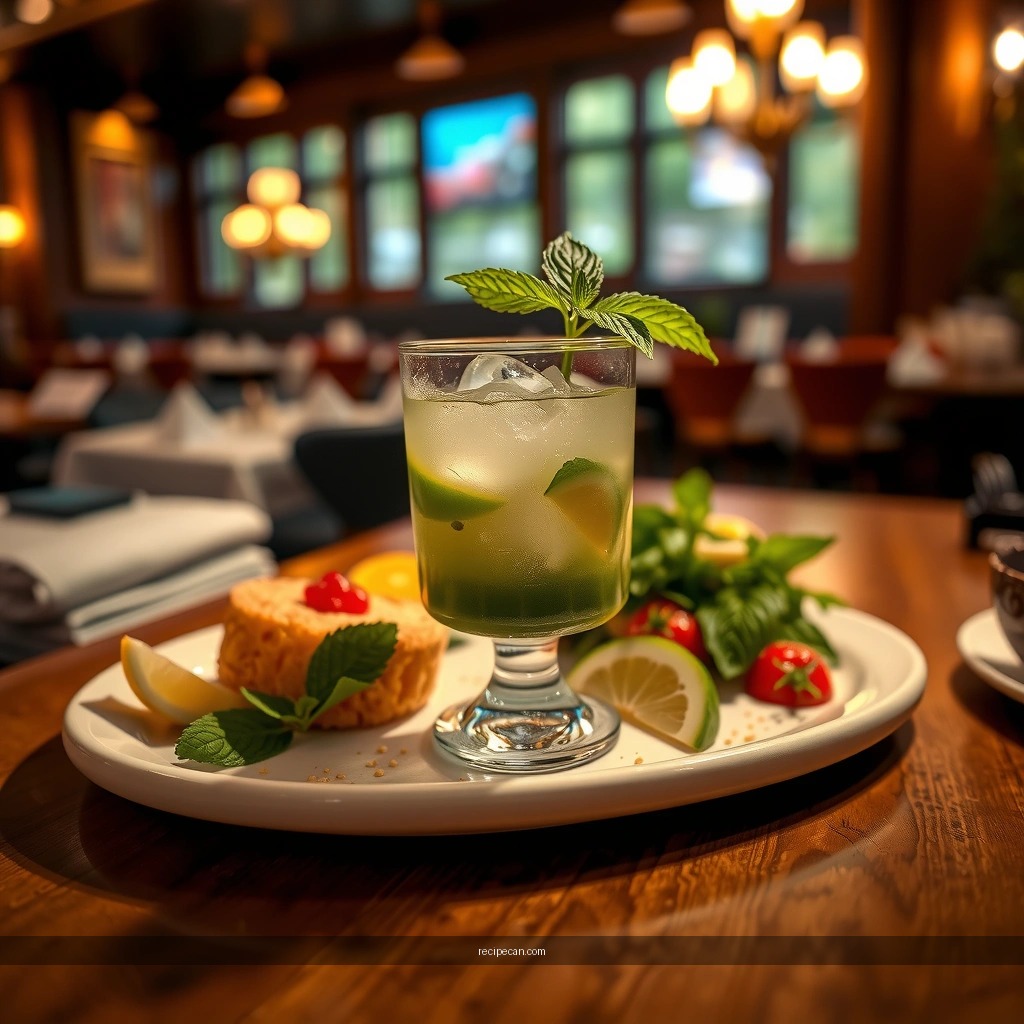
The muddling step determines whether your mojito tastes like a fresh garden or a leafy, bitter imitation. Proper muddling lightly bruises mint leaves so their oils release into the sugar and lime without turning the drink harsh.
How to do it correctly:
– Add mint leaves to the glass first.
– Sprinkle sugar over the mint (or add simple syrup).
– Use a muddler or the back of a spoon to gently press and twist 3–5 times.
– The mint should look slightly bruised but not shredded into pulp.
Why this matters: Mint leaves have two “flavors.” The aromatic oils create that signature mojito nose; over-muddling pulls more plant fibers and can release a bitter edge. When sugar is involved, it acts like a stabilizer—helping the extracted oils blend rather than floating as separate “mint notes.”
Next, add fresh lime juice and stir until the mixture looks evenly cloudy and fragrant. This is where the mojito starts tasting “balanced,” because acidity and sweetness are meeting before the rum and soda arrive.
Actionable tip: If your sugar doesn’t dissolve after muddling, switch to simple syrup in future batches. It dissolves instantly and yields a smoother, more consistent mojito—especially when entertaining.
Add Rum and Ice
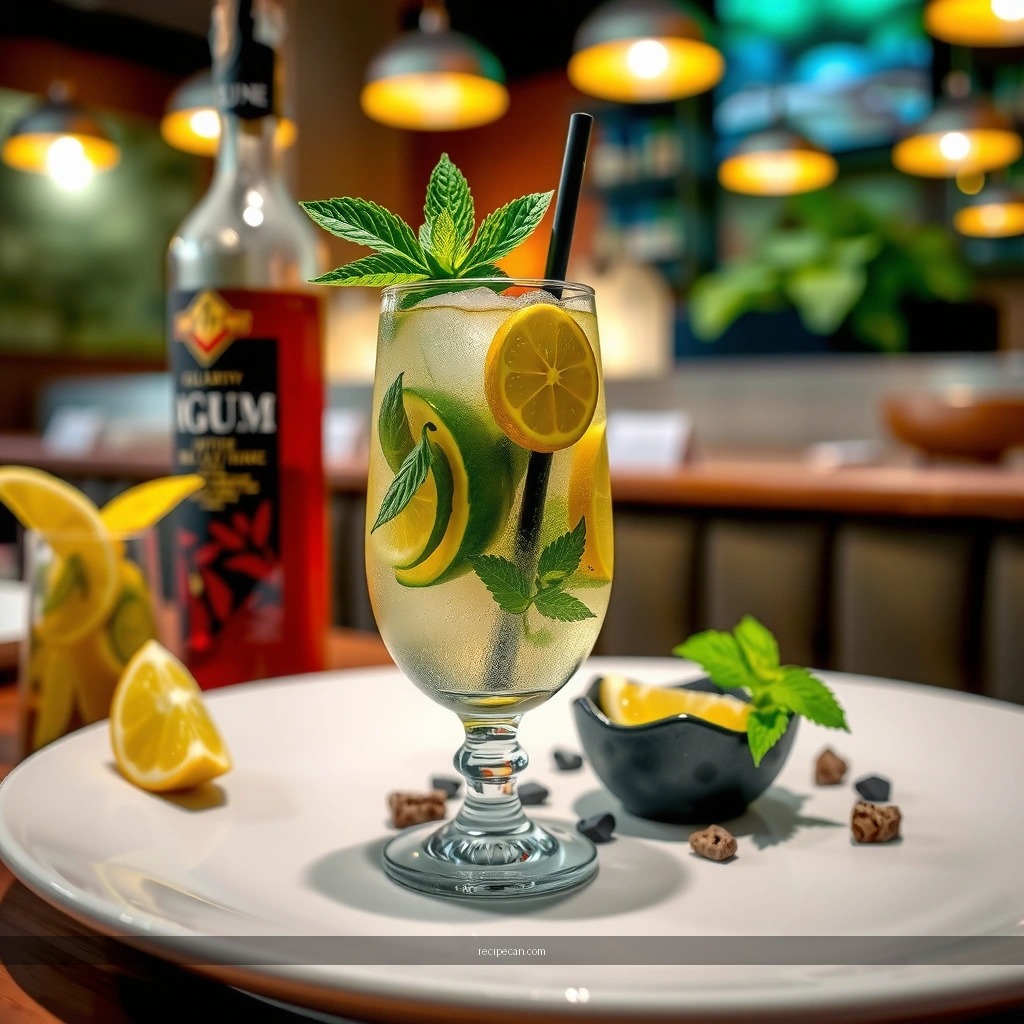
Once the mint-lime-sugar base is ready, it’s time for the rum and the chill. This step is less about technique and more about timing and proportions.
What to do:
– Fill the glass with lots of ice—nearly to the top.
– Pour in white rum.
– Stir lightly so the base mixes with the ice-cold rum.
What “lightly” means: You want to cool and integrate, not pulverize more mint. If you stir aggressively after muddling, you can still extract bitterness from the leaves—undoing the careful work you did earlier.
Why lots of ice? Mojitos are meant to be refreshing and diluted. A cold glass slows flavor perception while dilution keeps the drink bright rather than syrupy. Too little ice can make the mojito taste intense upfront and then turn watery too quickly after carbonation is gone.
If you’re preparing multiple drinks, pre-load glasses with ice so the chilling step is consistent and fast for everyone.
Top With Soda Water
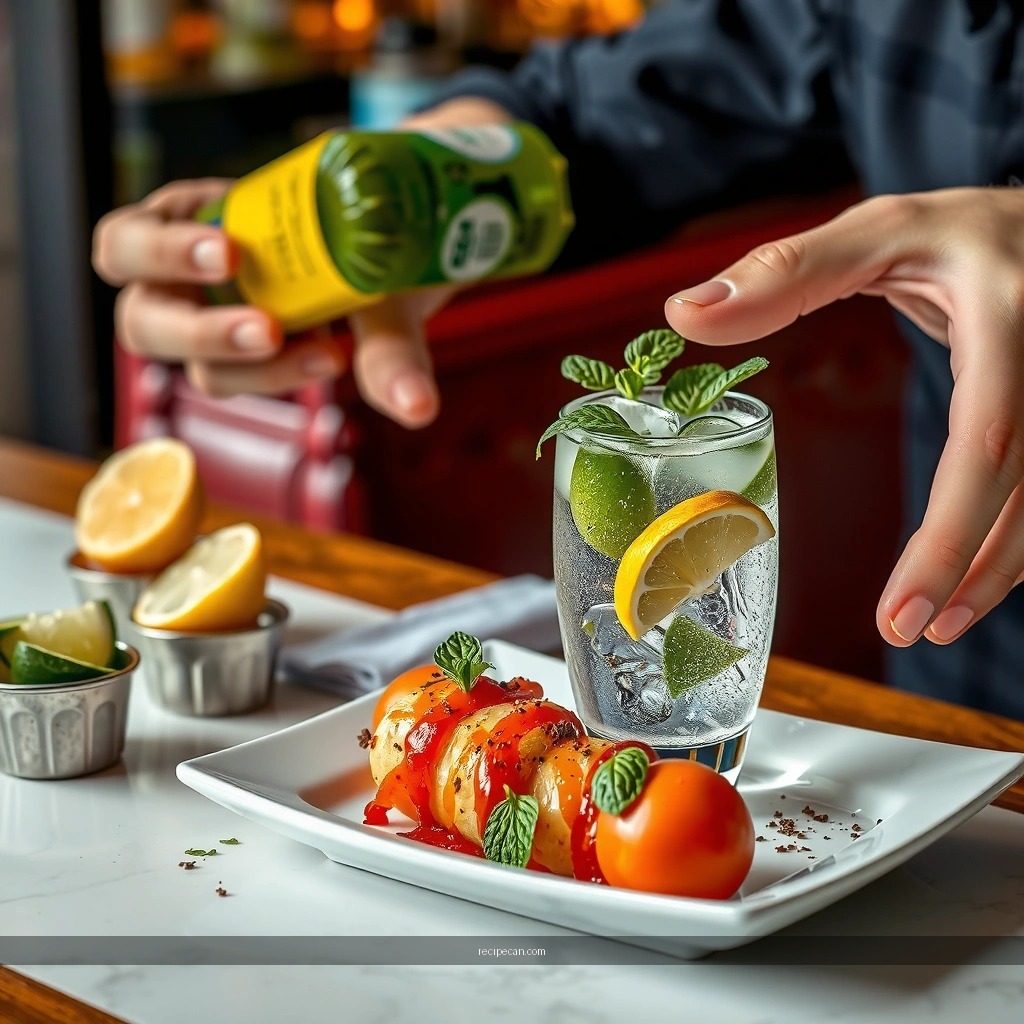
Adding soda water last is the difference between “classic mojito” and “mint-lime spritz that lost its sparkle.” Soda water contributes the fizzy lift that makes the whole drink feel light, even with rum and sugar.
How to finish:
– Pour chilled soda water slowly to top the glass.
– Stir once gently—just enough to integrate.
– Taste and adjust:
– Too sweet? Add a small squeeze of lime (or a touch more lime juice).
– Too sharp? Add a small amount of sugar or simple syrup, then stir once more.
Adjustment logic for a professional palate:
– Acidity tuning: Lime controls brightness. If the drink tastes “flat,” it likely needs a bit more lime.
– Sweetness tuning: Sweetness should soften lime without masking mint. If sweetness dominates, reduce sugar next time rather than adding more lime.
– Carbonation sensitivity: If you stir too much, you’ll lose fizz faster. Keep it minimal.
Important: Don’t pre-mix soda water into the muddled base. The carbon dioxide escapes quickly, leaving the drink less refreshing and more heavy.
Serve and Garnish Mojitos
A mojito should be served immediately because both aroma and carbonation peak early. Garnish is not decoration—it reinforces the drink’s sensory profile.
Best practice:
– Garnish with extra mint sprigs and a lime wedge.
– Serve right away, ideally while the ice is still crisp and the soda is actively fizzing.
Why immediate service matters: Mint aroma and carbonation diminish together as the drink warms and CO₂ escapes. Even if the flavor is technically correct, delayed serving reduces perceived brightness—turning a “crisp mojito” into a “sweet lime rum.”
Presentation tip for consistency: Use the same garnish style each time (e.g., one mint sprig bent over the rim, one lime wedge). This improves not only appearance but also repeatability in taste.
Optional Variations for Your Mojitos Recipe
Once you’ve mastered the classic method, variations become controlled experiments rather than improvisation. That’s the professional approach: change one variable at a time to understand what it does.
– Try simple syrup instead of sugar for smoother sweetness
If you prefer a more uniform texture—or if you’re making mojitos for a group—simple syrup eliminates the occasional gritty feel from undissolved sugar. It also improves consistency when mint leaf size varies.
– Make a non-alcoholic version by swapping rum with extra lime juice and soda
For a zero-proof mojito, replace rum with additional lime (small increments) and increase soda water to maintain volume. The key is to keep the drink balanced: without alcohol’s roundness, lime may need slight sweetening and/or extra mint aroma. Use the same gentle muddle technique and keep soda last.
– Lean into “fresh” style with less sugar and more lime
Some drinkers prefer a sharper, more citrus-forward mojito. Reduce sugar slightly (e.g., from 1.5 tsp to 1 tsp) and confirm the balance with tasting after topping with soda.
– Experiment with mint intensity (same method, different leaf amount)
Mint strength differs by variety and freshness. Start with 10 leaves; if your result feels muted, go up to 12–14 next time—without over-muddling.
Muddle mint, mix lime and sugar, add rum and ice, then top with soda water—that’s the core of a great mojitos recipe. Follow the steps closely, taste and adjust sweetness or lime, and serve right away; try it tonight and tweak your version until it’s perfect.
A well-made homemade mojito comes down to disciplined technique: gentle muddling, correct lime-to-sweet balance, lots of cold ice, and soda water added last to preserve carbonation. Once you nail those fundamentals, you can confidently scale the drink for guests and fine-tune variations—so every glass tastes reliably refreshing, aromatic, and classically “on point.”
Frequently Asked Questions
What ingredients do I need for a classic mojito recipe?
A classic mojito recipe uses fresh mint leaves, lime juice, white rum, simple syrup (or sugar), sparkling water, and ice. For best results, choose fresh limes for bright lime juice and use good-quality rum so the mint and lime flavors stand out. You’ll also need water to make simple syrup if you’re not using store-bought.
How do I muddle mint for mojitos without making it bitter?
Muddle mint gently with lime juice and sugar or simple syrup until the leaves are fragrant, not bruised into pulp. Use light pressure and stop as soon as you smell the mint, because over-muddling releases bitter compounds. After muddling, strain if you prefer a smoother mojito, or leave the pulp for a more intense minty drink.
How do I make a mojito recipe at home step-by-step?
Start by filling a glass with ice, then add lime juice and simple syrup (or sugar). Muddle fresh mint briefly, add white rum, and stir to combine. Top with chilled sparkling water and gently mix, then garnish with extra mint and a lime wedge for a classic presentation.
Which type of rum is best for mojitos, and can I use dark rum?
White rum is the best rum for mojitos because it keeps the flavor clean and lets mint and lime shine. Dark or heavily aged rum can overpower the fresh mojito taste and shift the drink toward a caramel or molasses profile. If you only have dark rum, use less and add extra lime and sparkling water to keep it refreshing, but white rum is the most reliable choice.
Why does my mojito taste weak or too sweet, and how can I fix it?
A weak mojito usually means not enough lime juice, rum, or mint aroma, so make sure you’re using fresh lime and muddling just enough to release fragrance. If it’s too sweet, reduce the sugar or simple syrup and rely more on tart lime and sparkling water for balance. Taste as you build the drink—adjust sweetness first, then tweak with more lime juice or rum for a balanced mojito.
References
- Mojito
https://en.wikipedia.org/wiki/Mojito - https://www.bbc.co.uk/food/recipes/mojito_71370
https://www.bbc.co.uk/food/recipes/mojito_71370 - https://www.theguardian.com/food/2011/aug/02/mojito-recipe
https://www.theguardian.com/food/2011/aug/02/mojito-recipe - https://cooking.nytimes.com/recipes/1015251-mojito
https://cooking.nytimes.com/recipes/1015251-mojito - https://www.britannica.com/topic/mojito
https://www.britannica.com/topic/mojito - Google Scholar Google Scholar
https://scholar.google.com/scholar?q=mojito+recipe - Google Scholar Google Scholar
https://scholar.google.com/scholar?q=mojito+lime+mint+rum+method - Google Scholar Google Scholar
https://scholar.google.com/scholar?q=cocktail+mojito+ingredients+technique - https://www.seriouseats.com/mojito-recipe-5211780
https://www.seriouseats.com/mojito-recipe-5211780 - Google Scholar Google Scholar
https://scholar.google.com/scholar?q=recipe+for+making+mojitos