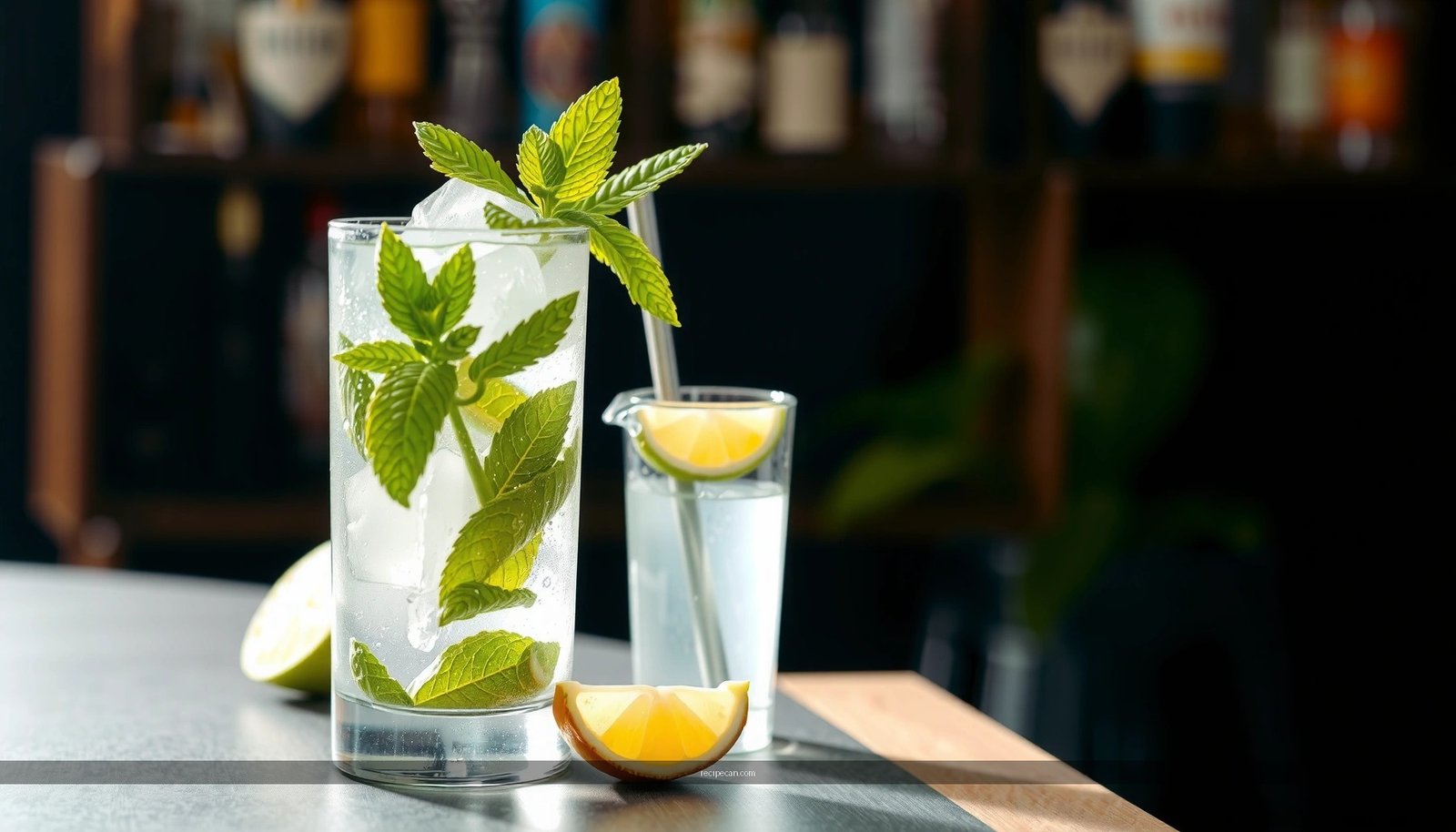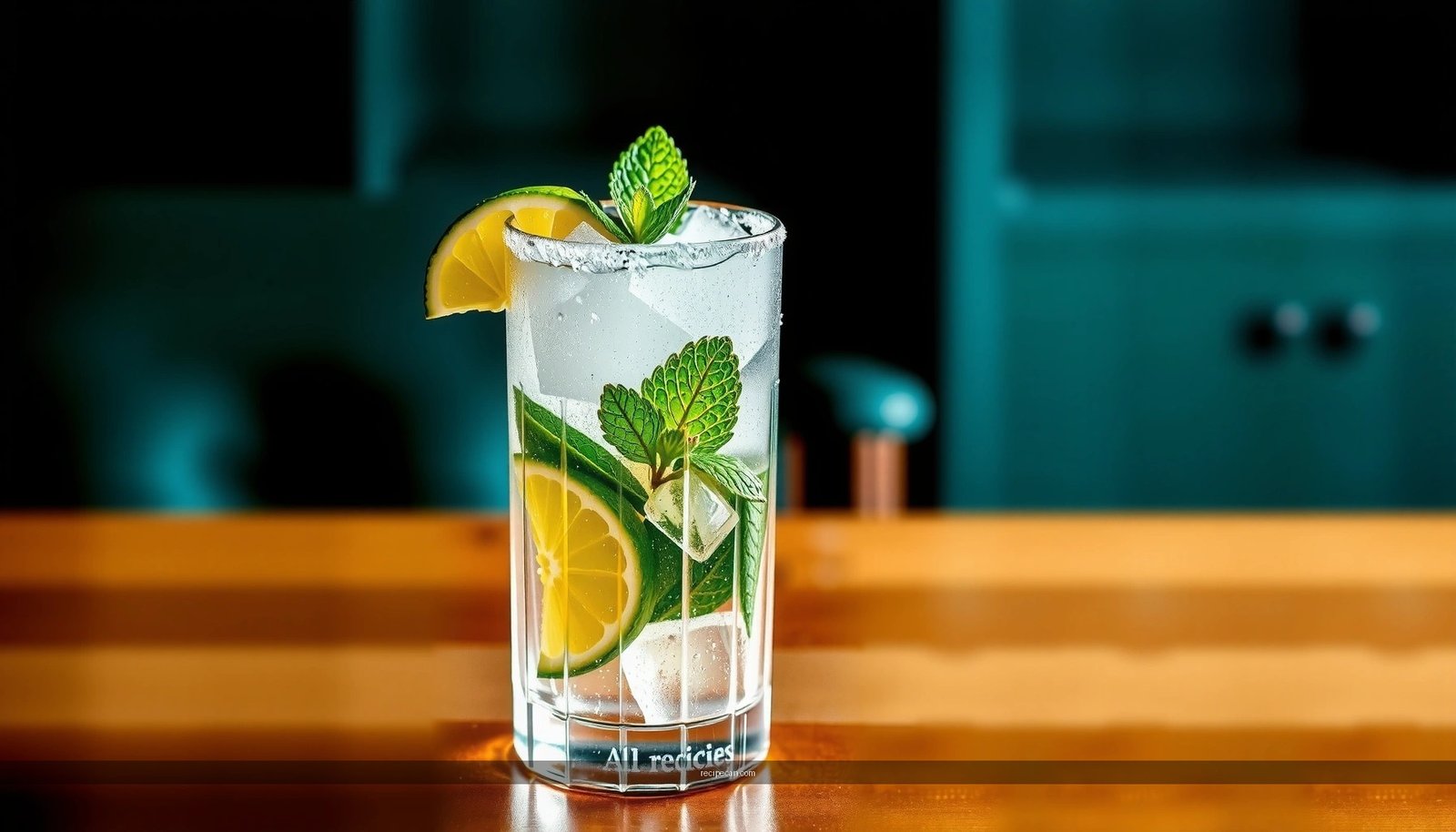
Want the best rum mojito cocktail recipe that tastes like a bar classic but comes together fast at home? This fresh, easy method delivers the right balance of rum, lime, mint, and soda every time—no guesswork, no weak flavor. If you want a crisp, bright mojito with a clean finish, follow this recipe first.
A rum mojito is easy to get right: muddle fresh mint with lime and sugar, add white rum, then finish with cold soda water for a clean, bright bite. Follow the exact steps and measurements below and you’ll consistently produce that classic Cuban-style refreshment at home—without bitterness or a flat, overly sweet result.
In this recipe, you’ll learn a practical process you can repeat, plus the key “why” behind each step so you can adjust flavor like a bartender.
What You Need for a Rum Mojito
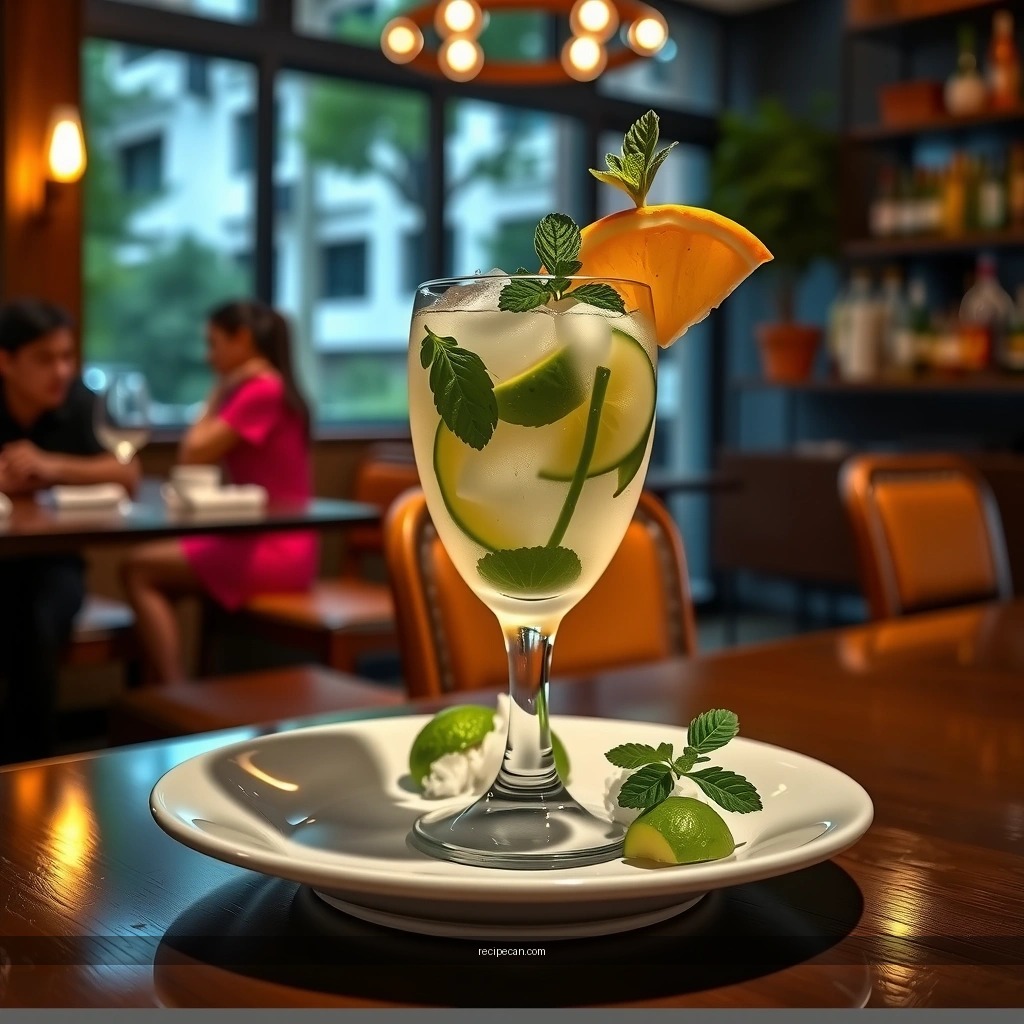
A great rum mojito is built on fresh ingredients and a controlled mixing technique. The mint-lime-sugar base creates aroma and acidity, while white rum provides a crisp alcoholic backbone. Soda water is the final ingredient that makes the drink feel lively rather than heavy.
Core equipment
– A sturdy glass (highball) or mixing pitcher
– A muddler (or the back of a spoon)
– Measuring tools (jigger/spoon) for repeatability
– A bar spoon (optional) for gentle stirring
Key ingredient requirements
– Use fresh mint (not dried) for the signature herbal aroma
– Use fresh lime for both flavor and acidity (lime juice dulls quickly when bottled)
– Use white rum for a clean, light profile that supports mint and citrus
– Use sugar or simple syrup to dissolve cleanly (reducing gritty texture)
– Use cold soda water to preserve carbonation
Optional upgrades (highly practical)
– Crushed ice: enhances chilling and helps distribute mint oils more evenly
– Mint garnish: adds aroma right at the moment you lift the glass
– Extra lime wheel: not just presentation—also cues the citrus-forward expectation
> Business-friendly takeaway: Mojitos are sensitive to freshness and temperature. If you start with cold soda water and fresh mint, the rest of the process becomes much more forgiving.
Ingredients & Measurements
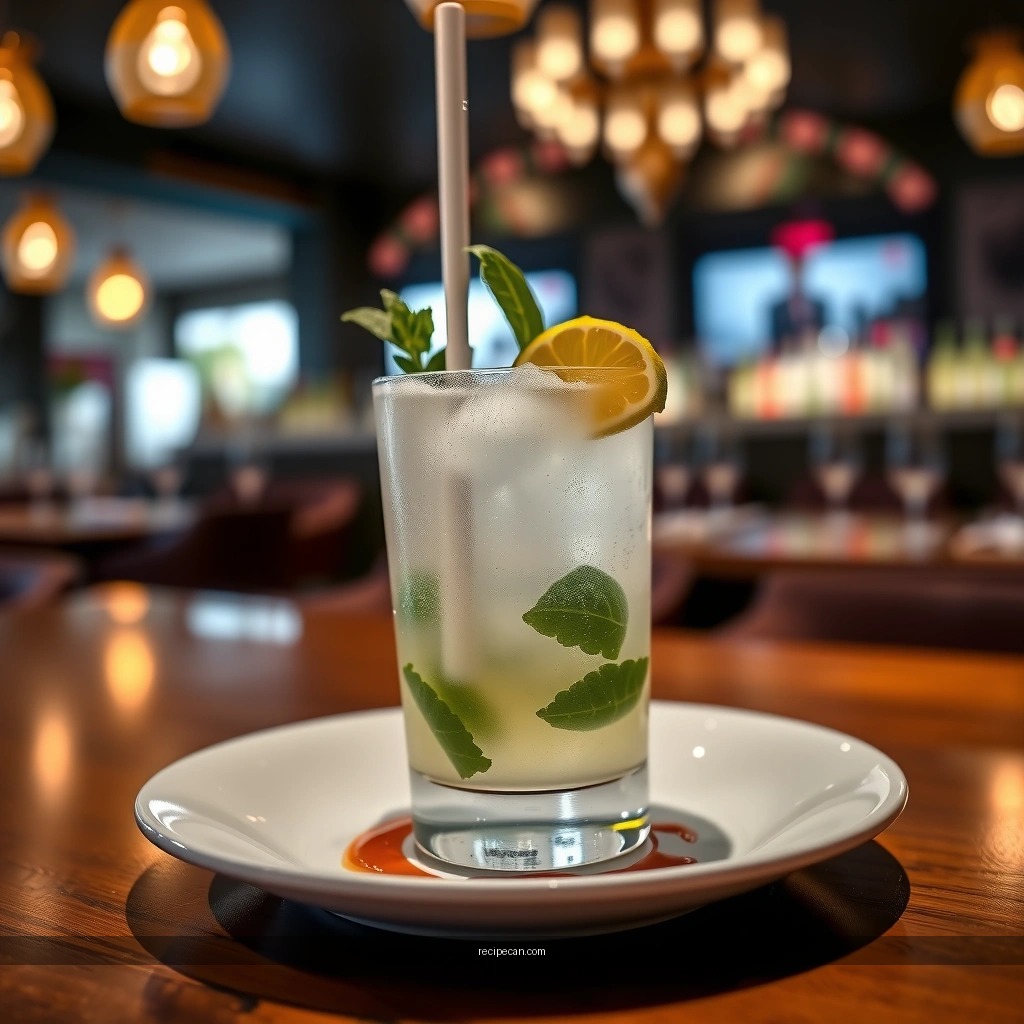
You can make a classic rum mojito with a small set of ingredients. Below is a dependable “one glass” recipe you can scale for guests.
Standard Rum Mojito (1 drink)
– Lime wedges: 2 wedges (plus squeeze; about 1 oz / 30 ml fresh lime juice total)
– Fresh mint leaves: 8–12 leaves (plus extra for garnish)
– Sugar: 1–2 tsp (or 3/4 oz simple syrup, ~20 ml)
– White rum: 2 oz (60 ml)
– Soda water: to top (about 4–6 oz / 120–180 ml depending on glass size)
– Ice: fill to the top; use cubes or crushed
Choosing sugar vs. simple syrup (what changes)
– Sugar (1–2 tsp): acceptable if you muddle gently long enough to dissolve; risk of grittiness if not properly mixed.
– Simple syrup (3/4 oz): dissolves instantly and creates a smoother mouthfeel—especially useful when serving multiple drinks.
If you’re hosting, simple syrup is operationally efficient: it reduces variation between batches.
Rum selection logic
White rum is the standard for mojitos because it stays out of the way of mint and lime. If you use a darker rum, the drink can shift into caramel/vanilla notes that compete with the fresh, crisp target flavor.
Step-by-Step Rum Mojito Method
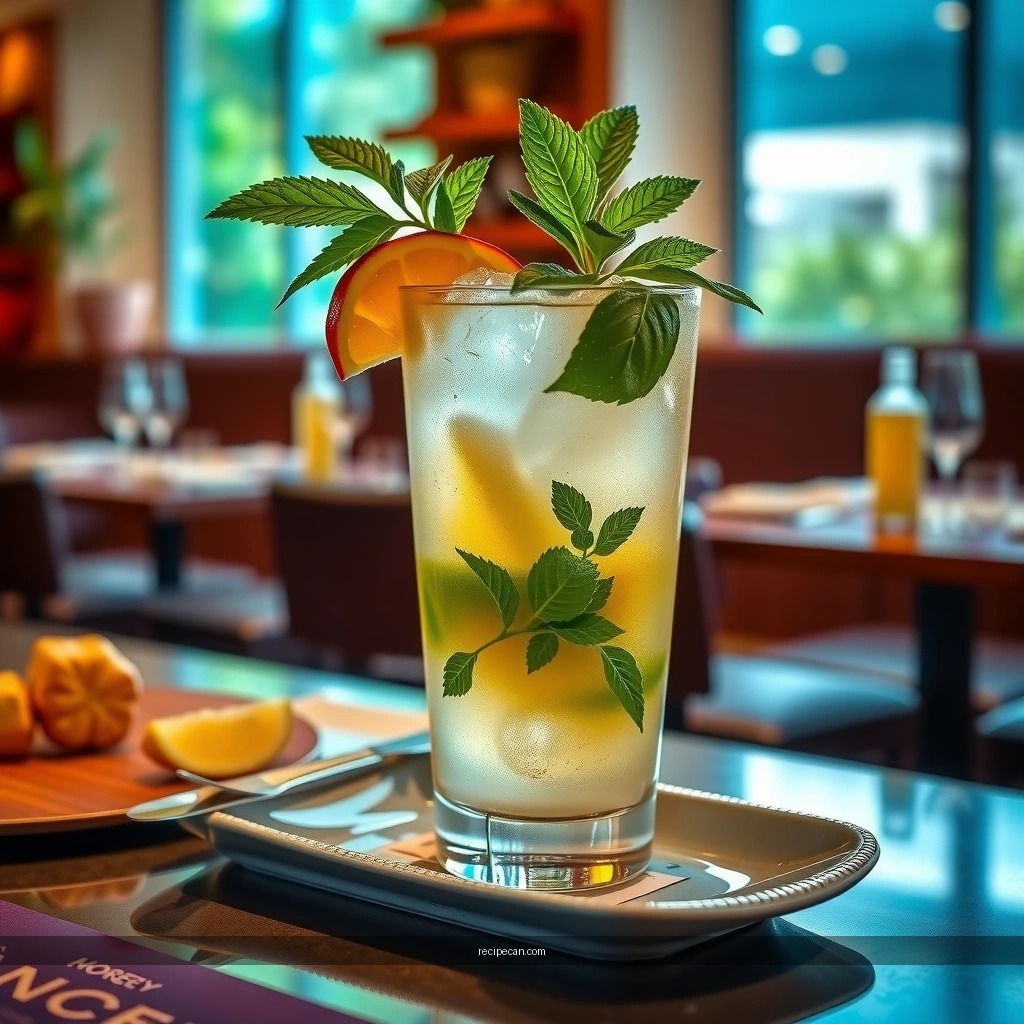
The technique matters more than most people expect. The goal is to release mint oils and lime juice without shredding leaves into a bitter pulp.
1. Prepare the glass
– Add sugar (or pour in simple syrup) and mint leaves to a sturdy highball glass.
– Squeeze limes lightly over the glass so juice falls directly onto the mint and sugar.
2. Muddle gently (not aggressively)
– Muddle 2–3 times, using light pressure.
– The mint should bruise slightly and become fragrant; it should not turn into paste.
– If you muddle hard, you extract harsher plant compounds that read as bitterness.
3. Add rum
– Pour in white rum (2 oz / 60 ml).
– Stir once or twice to combine with the lime-mint base.
4. Add ice
– Fill the glass with ice (crushed ice is ideal for maximum chill and aroma distribution).
5. Top with cold soda water
– Add cold soda water last to preserve carbonation.
– Stir very gently—just enough to integrate without flattening the drink.
6. Garnish and serve
– Garnish with a mint sprig and, if desired, a lime wheel.
– Serve immediately for best aroma.
Quick process check (quality control)
A properly made mojito should taste:
– Bright and citrus-forward
– Minty but not “green/medicinal”
– Light and crisp with a clean finish from soda water
Key Mojito Flavor Levers (What Each Change Impacts)
| # | Flavor Lever | Typical Adjustment | Result if Increased | Service Impact |
|---|---|---|---|---|
| 1 | Mint contact time (muddle) | 2 vs 4 squeezes | More aroma; risk of bitterness if overdone | ★ ★ ★ ★ ☆ |
| 2 | Lime juice volume | ~0.75 oz → 1.25 oz | More tartness; can feel sharp if excessive | ★ ★ ★ ★ ☆ |
| 3 | Sweetener type | Granulated sugar vs simple syrup | Syrup reduces grit and smooths texture | ★ ★ ★ ☆ ☆ |
| 4 | Sugar amount | 1 tsp → 2 tsp | More roundness; can dull lime brightness | ★ ★ ★ ☆ ☆ |
| 5 | Soda water temperature | Chilled vs room temp | Better chill + carbonation retention | ★ ★ ★ ★ ★ |
| 6 | Ice amount | Half vs full glass | Less dilution at first; longer-lasting chill | ★ ★ ★ ★ ☆ |
| 7 | Mixing order | Soda last vs early | Soda last preserves bubbles and lift | ★ ★ ★ ☆ ☆ |
How to Get the Perfect Mojito Taste
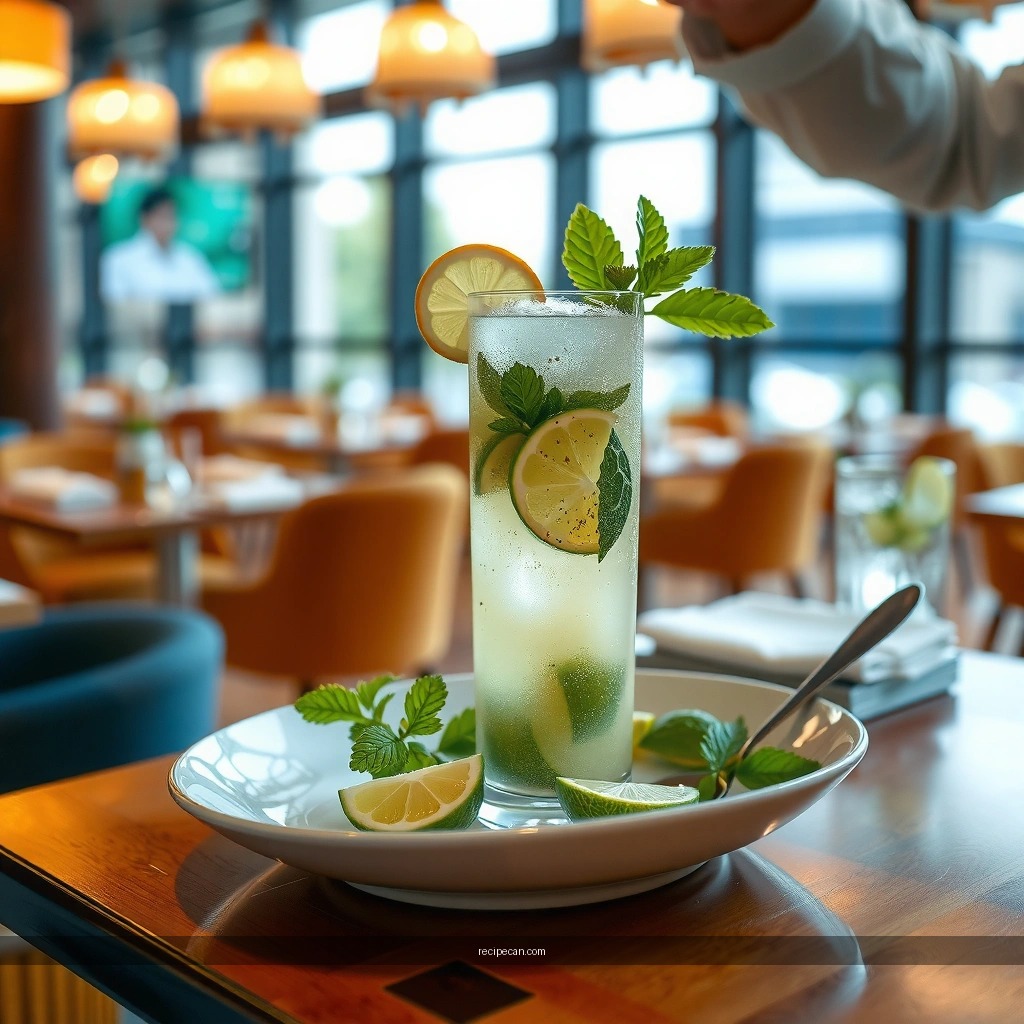
Mojito “perfection” is simply a controlled balance between sweetness, acidity, mint aromatics, and dilution. The classic profile is refreshing—not syrupy—and mint-forward without tasting like crushed stems.
Balance sweetness and tartness
– If your mojito tastes flat or candy-sweet, reduce sugar by ~1/2 tsp or use simple syrup and measure precisely.
– If it tastes too sharp, increase sugar slightly (or let the muddled base sit for 30–60 seconds before adding rum).
Practical method: adjust in small increments. Mojitos can swing quickly because lime and mint are high-impact flavors.
Don’t over-muddle the mint
Over-muddling is the most common quality failure. Think of mint as a fragrance source, not a flavor “extract” to grind down. Gentle muddling releases aromatic oils; aggressive muddling extracts bitter notes.
Operational rule:
– 2–3 light muddles is typically enough.
– If you see mint fragments clumping into paste, you’re going too far.
Use fresh lime juice to control acidity
Fresh lime juice delivers a cleaner tartness and more complex citrus oils. Bottled lime juice tends to read more uniform and can make the drink feel heavier and less vibrant.
Serving Tips & Garnish Ideas
Serving is where your mojito converts from “good at home” to “restaurant quality.” Temperature, glassware, and garnish all influence perceived flavor.
Serve correctly
– Use a chilled highball glass (or pre-cool your glass with ice and discard).
– Add plenty of ice to keep the drink crisp.
– Keep the soda water cold and add it last.
Garnish ideas that also support flavor
– Mint sprig: Place it so the leaves face outward; aroma hits first when you lift the glass.
– Lime wheel or twist: Reinforces citrus expectation and makes the drink look intentional.
– Avoid oversized garnishes that fall into the drink and become extra muddling material.
For presentation, garnish at the final step and serve immediately. This protects both aroma and carbonation.
Common Mistakes to Avoid
Even experienced hosts run into mojito pitfalls. Avoid these and your cocktails will taste consistently fresh.
– Using bottled lime juice or old mint can dull the flavor
Fresh lime juice keeps the citrus brightness. Old mint loses its aromatic oils, making the drink taste more “green” than minty.
– Adding soda water too early can flatten the drink
Carbonation escapes quickly, especially after stirring. Add soda last and stir gently.
– Muddling aggressively
Hard pressing increases bitterness. The drink becomes less refreshing and more astringent.
– Under-measuring rum and sweetener
Mojitos are sensitive to ratio changes. If you’re tasting inconsistency, measure once, then adjust in small steps for future batches.
– Not using enough ice
Mojitos are designed to be cold. Insufficient ice accelerates dilution and warms the drink mid-pour.
A classic rum mojito comes down to fresh mint, lime, the right rum amount, and topping with cold soda water at the end. Make this recipe once as written, then tweak sweetness and lime to your taste—save it, share it, and enjoy your next cocktail at home.
If you want, tell me your preferred sweetness level (less sweet, classic, or sweeter) and whether you like crushed or cubed ice, and I’ll calibrate the exact measurements for your palate.
Frequently Asked Questions
What is the best rum mojito cocktail recipe for beginners?
Start with fresh mint, lime juice, simple syrup (or sugar), and white rum. Muddle mint gently with lime and sugar to release flavor without shredding bitterness, then fill the glass with crushed ice, add rum, and top with soda water. Stir briefly, garnish with mint and a lime wheel, and serve immediately for the best mojito taste.
How do you make a classic rum mojito without it tasting too bitter?
The main cause of bitterness is over-muddling the mint and using too much lime zest. Muddle only a few times to bruise the leaves, and use lime juice rather than heavy zest, keeping the balance with a measured amount of simple syrup. Finally, add soda water generously so the rum mojito cocktail feels light, refreshing, and not harsh.
Which rum is best for a mojito—white rum or aged rum?
White rum is the most popular choice for a rum mojito because it stays crisp and lets mint and lime lead the flavor. Aged rum can work if you prefer a deeper, more caramel-like profile, but it may overpower the fresh mojito ingredients. For a traditional taste, choose a light or silver rum and keep the proportions consistent.
Why do mojitos use crushed ice instead of cubed ice?
Crushed ice chills the drink faster and creates a smoother, more blended rum mojito cocktail texture. Cubed ice can keep the drink colder, but it may reduce the mint-lime mixing since the dilution happens more slowly. If you want a bright, well-integrated flavor, use crushed ice and stir once after topping with soda.
What’s the correct ratio of rum, lime, mint, and soda water in a rum mojito?
A common starting point is about 2 oz (60 ml) white rum, 1/2 to 3/4 oz (15–22 ml) fresh lime juice, and 2–3 teaspoons simple syrup, depending on how sweet you like it. Add plenty of crushed ice, then top with roughly 1 to 2 oz (30–60 ml) soda water to finish. This balance keeps your rum mojito refreshing, with minty aroma and lime-forward flavor instead of being too sweet or too sour.
References
- Mojito
https://en.wikipedia.org/wiki/Mojito - Rum
https://en.wikipedia.org/wiki/Rum - Lime (fruit)
https://en.wikipedia.org/wiki/Lime_juice - Mint
https://en.wikipedia.org/wiki/Mint - Syrup
https://en.wikipedia.org/wiki/Simple_syrup - Sugar
https://en.wikipedia.org/wiki/Sugar - https://en.wikipedia.org/wiki/Soda_water
https://en.wikipedia.org/wiki/Soda_water - Google Scholar Google Scholar
https://scholar.google.com/scholar?q=mojito+recipe+rum+mint+lime - https://scholar.google.com/scholar?q=classic+mojito+formulation+ingredients Google Scholar
https://scholar.google.com/scholar?q=classic+mojito+formulation+ingredients - Google Scholar Google Scholar
https://scholar.google.com/scholar?q=rum+cocktail+recipe+mint+lime